
Zinc is often promoted as a natural testosterone booster, but clinical evidence shows it only restores hormone levels in men with verified dietary deficiencies.





You notice lingering fatigue, slower recovery after workouts, and a mild dip in your day-to-day energy. After reading about male hormones online, you see zinc mentioned repeatedly as an essential mineral for male vitality. A quick search reveals high-dose supplements promising dramatic hormonal improvements, while other sources warn that mineral excess can cause harm.
Understanding how zinc actually interacts with endocrine health requires looking past marketing promises. Zinc is a vital trace mineral involved in hundreds of enzymatic reactions, immune function, and cellular metabolism. While severe or marginal deficiency can negatively affect reproductive hormones, supplementing beyond your body's nutritional requirements does not produce endless hormonal gains.
This guide breaks down the biological role of zinc in human physiology. It examines what clinical studies say about deficiency, reviews rich dietary sources, and details the genuine health risks of excessive intake.
This resource is designed solely for educational and informational purposes. It does not constitute personal medical advice, clinical diagnosis, or individualized treatment plans. Nutritional status and endocrine function are complex and vary significantly based on medical history, genetics, lifestyle, and existing health conditions. Always consult a qualified physician or endocrinologist before starting new supplements, changing your diet, or making decisions about your hormonal health.
Zinc is an essential micronutrient that the human body cannot produce on its own. It plays an active role in cellular repair, enzyme activation, and normal testicular function.
Human clinical trials demonstrate that severe dietary restriction of zinc can cause a noticeable decline in circulating testosterone. In men with verified marginal deficiency, restoring normal mineral status helps return hormone levels to their baseline physiological range.
Clinical evidence does not show that zinc supplementation increases testosterone in men who already consume adequate amounts through their diet. Once tissue saturation is reached, additional intake does not stimulate further androgen production.
The Recommended Dietary Allowance for adult men is 11 milligrams per day. The Tolerable Upper Intake Level is 40 milligrams per day from all sources combined, including food, fortified items, and dietary supplements.
Chronic high-dose zinc intake above 40 to 50 milligrams per day can impair copper absorption. This imbalance can lead to copper deficiency, irreversible neurological symptoms, anemia, and reduced high-density lipoprotein cholesterol.
Whole food sources provide bioavailable zinc alongside complementary nutrients. Oysters, red meat, poultry, seafood, legumes, seeds, and fortified cereals offer safe, effective ways to maintain nutritional adequacy.
When evaluating low energy, low libido, or changing body composition, doctors look at the broader clinical picture. An isolated symptom or a single blood test rarely tells the entire story. Male endocrine health depends on an interconnected network of nutritional status, sleep quality, stress levels, body fat percentage, and underlying systemic health.
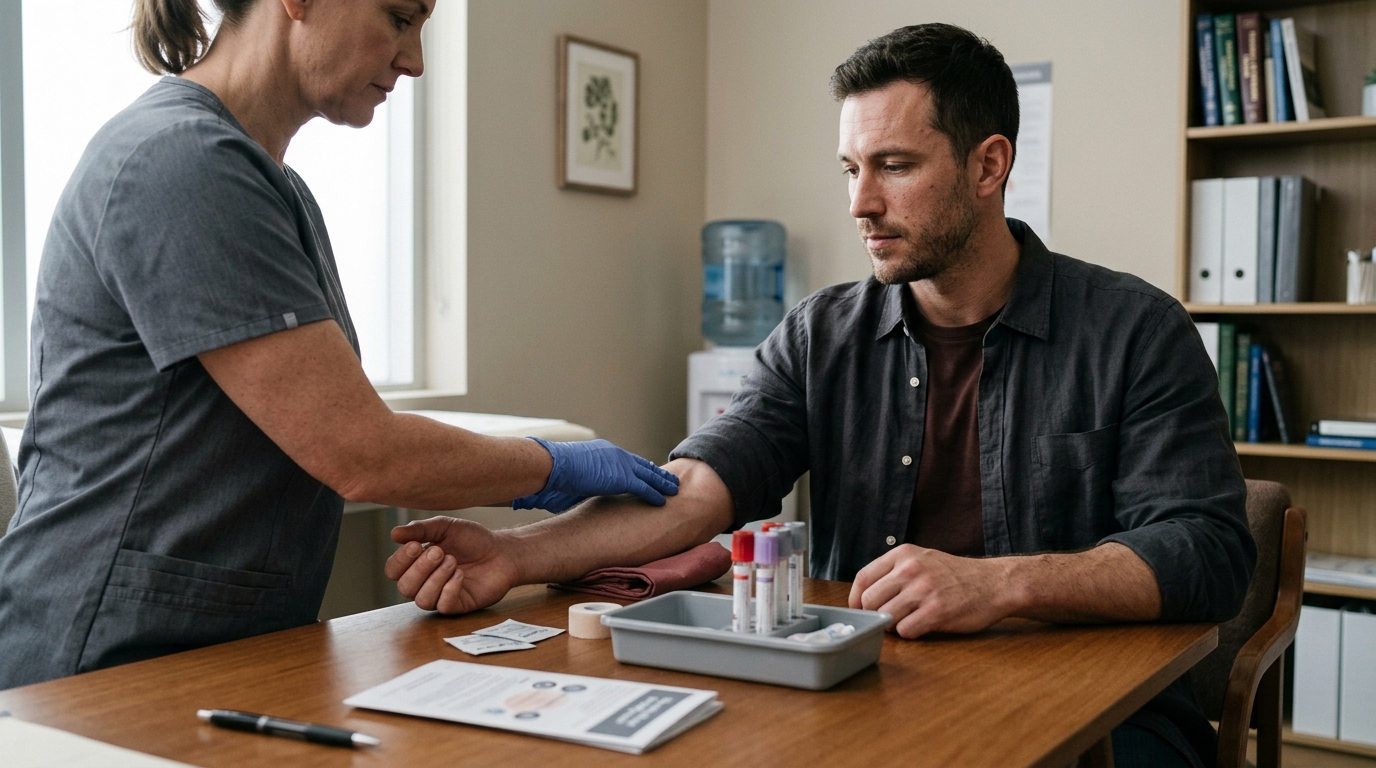
Serum testosterone fluctuates naturally throughout the day, peaking in the early morning hours. Because of this natural biological rhythm, clinical guidelines recommend confirming a low reading with at least two separate morning blood samples. Clinicians also evaluate markers such as luteinizing hormone, follicle-stimulating hormone, sex hormone-binding globulin, and prolactin to understand the root cause of any hormonal shift.
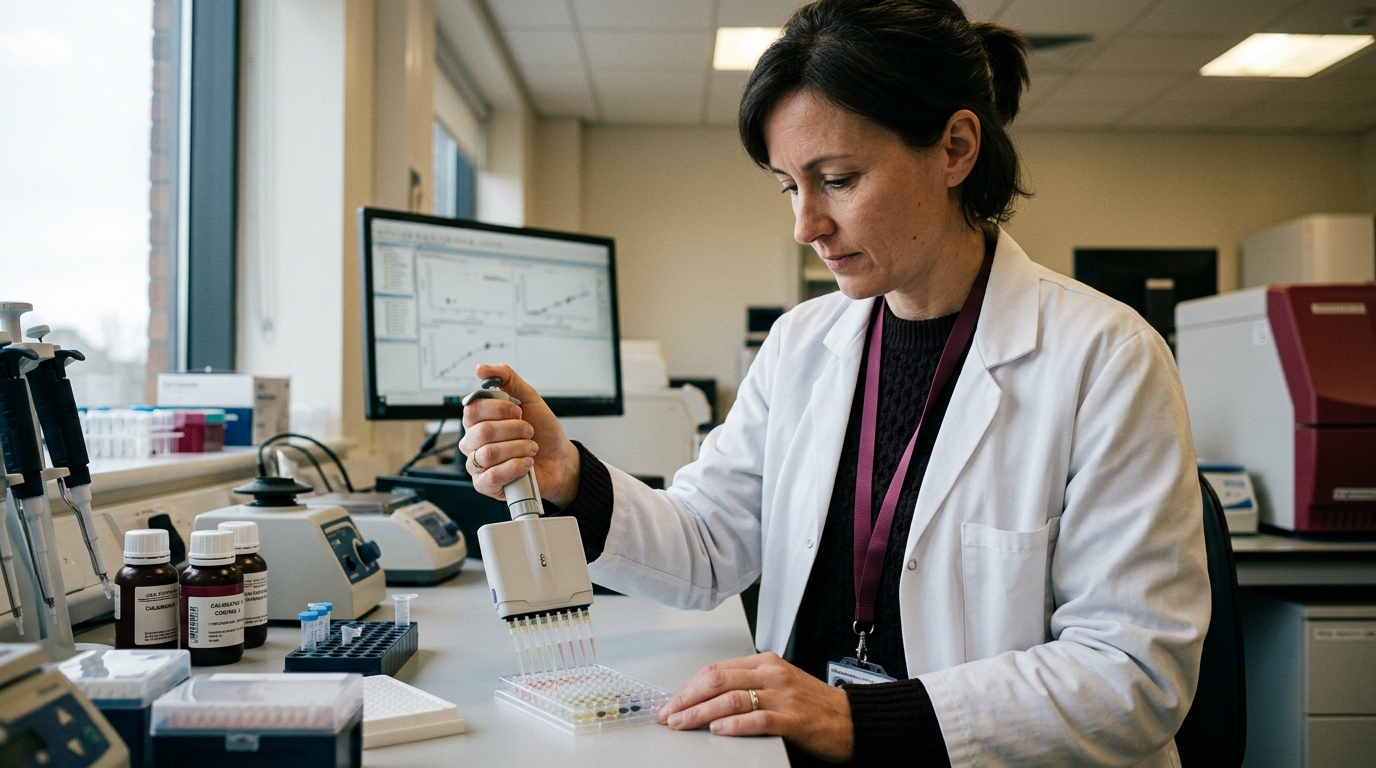
Nutritional status is evaluated through a similar clinical lens. Measuring zinc in the body is notoriously challenging. Most zinc resides inside cells, bone tissue, and skeletal muscle rather than circulating freely in the bloodstream. Serum or plasma zinc tests can offer helpful clues, but they are influenced by recent meals, time of day, acute infections, stress, and systemic inflammation.
A plasma zinc reading below 74 micrograms per deciliter in men generally suggests inadequate status. However, a normal lab value does not completely rule out localized tissue deficiency. Conversely, a low reading does not instantly mean that low testosterone symptoms are caused solely by a lack of dietary minerals. For a comprehensive overview of how clinicians interpret male hormone panels, explore our guide to testosterone testing and biomarkers.
Symptoms of zinc deficiency often overlap with many other health conditions. Decreased appetite, changes in taste or smell, delayed wound healing, skin rashes, and impaired immune defense can stem from multiple nutrient gaps or chronic illnesses. A skilled clinician integrates dietary records, physical symptoms, specialized lab tests, and medical history before recommending targeted interventions.
Zinc serves as an indispensable catalytic, structural, and regulatory component in human biology. It is required for the proper functioning of more than 300 distinct enzymes. These enzymes govern vital metabolic pathways, including protein synthesis, DNA transcription, cell division, and energy metabolism.
Within the endocrine system, zinc is present in high concentrations within male reproductive tissues, particularly the prostate gland and the testes. Testicular Leydig cells rely on zinc-dependent enzymes to convert cholesterol into active steroid hormones. Without adequate intracellular zinc, the biochemical cascade that generates androgens operates with reduced efficiency.
Zinc also supports the structural integrity of zinc finger proteins. These specialized protein motifs regulate gene expression by binding directly to specific DNA sequences. Many nuclear hormone receptors, including the androgen receptor, feature zinc finger domains that allow cells to respond correctly to circulating testosterone.
Beyond hormone synthesis, zinc acts as a potent antioxidant and cellular stabilizer. It protects delicate cell membranes from oxidative damage caused by free radicals. This cellular defense is particularly important in the testes, where active steroid production creates an environment vulnerable to oxidative stress.
The immune system is equally dependent on continuous zinc availability. Zinc coordinates the development and function of T-lymphocytes, natural killer cells, and neutrophils. When dietary intake falls short, the body prioritizes basic survival functions, which can lead to a down-regulation of non-essential reproductive pathways.
Because the human body lacks a specialized storage system for zinc, it requires consistent daily intake from dietary sources. Whole-body balance is maintained through a dynamic process of intestinal absorption and endogenous excretion. When intake is low, the intestines increase absorption efficiency while the kidneys and digestive tract reduce excretion to conserve existing stores.
The relationship between zinc status and male hormone production has been documented across several decades of nutritional and clinical research. A foundational study investigated the effects of dietary zinc restriction on healthy young men. Researchers placed participants on a strictly controlled, zinc-deficient diet for 20 weeks.
By the end of the restriction period, the participants exhibited a significant decrease in serum zinc concentrations. Concurrently, their average serum total testosterone dropped from 39.9 nmol/L down to 10.6 nmol/L. This dramatic decline demonstrated that depriving the body of necessary trace minerals disrupts normal androgen synthesis in the testes.
The same research group examined the effects of dietary supplementation in marginally zinc-deficient older men. In this phase of the study, nine elderly men with low baseline zinc received daily supplementation for six months. At the conclusion of the intervention, their mean serum testosterone rose from 8.3 nmol/L to 16.0 nmol/L.
While these findings are compelling, the context of the study is critical. The older men enrolled in the trial had documented baseline nutritional deficiencies. Restoring their mineral status corrected a physiological bottleneck, allowing their endocrine system to resume normal hormone production.
Systematic reviews analyzing the broader scientific literature show a clear correlation between low serum zinc and reduced circulating testosterone. However, these reviews emphasize that observed hormonal changes depend heavily on the starting nutritional status of the participants. Correcting a deficiency restores normal function, but it does not represent a pharmacological stimulus that drives hormone levels above natural physiological baselines.
Animal models provide additional insight into the mechanisms behind these clinical observations. In rodent studies, severe zinc deficiency leads to atrophy of the seminiferous tubules, blunted luteinizing hormone signaling, and reduced activity of steroidogenic enzymes. When zinc is reintroduced to the diet, these pathological changes reverse, and testicular steroidogenesis returns to normal.
Widespread marketing claims often suggest that zinc supplements act as universal testosterone enhancers for all men. However, scientific evidence separates marketing narratives from biological realities. Understanding this distinction is central to evaluating lifestyle and natural testosterone support.
When an individual already consumes adequate dietary zinc, their cellular transport mechanisms and zinc-dependent enzymes operate at normal capacity. The human body tightly regulates mineral balance by down-regulating intestinal zinc transporters when tissue stores are full. Excess ingested zinc is largely unabsorbed or excreted through bile, pancreatic secretions, and urine.
Clinical trials examining zinc supplementation in healthy, well-nourished men consistently show minimal to no effect on resting testosterone levels. In a randomized controlled trial involving 67 men with isolated hypogonadotropic hypogonadism, researchers evaluated the impact of adding 40 milligrams of zinc daily to standard follicle-stimulating hormone therapy over 18 months. The trial found no significant difference in serum testosterone between the group receiving hormone therapy alone and the group receiving the zinc supplement.
A comprehensive review of non-testosterone management strategies for male hypogonadism noted that zinc supplementation alone is ineffective for raising testosterone in non-deficient individuals. The endocrine system operates under complex negative feedback loops involving the hypothalamus, pituitary gland, and testes. Taking extra nutritional building blocks does not override this feedback system if a nutritional deficit does not exist.
Research reviews examining commercial male health supplements frequently highlight this discrepancy. Many over-the-counter products contain several times the daily recommended allowance of zinc. For men without a diagnosed nutritional deficiency, these elevated doses provide no documented hormonal advantage while introducing measurable risks of adverse side effects.
If you are experiencing persistent symptoms of hormonal decline, it is important to investigate primary medical causes rather than relying on over-the-counter mineral products. Learn more about identifying root causes in our guide to low testosterone signs, causes, and risk factors.
Meeting daily mineral requirements through whole foods is the safest and most effective approach for maintaining nutritional health. The Food and Nutrition Board of the National Academies establishes population-level reference values to guide daily dietary planning.
The Recommended Dietary Allowance represents the average daily intake sufficient to meet the nutrient requirements of nearly all healthy individuals in a given life stage and sex group.
For adult men aged 19 and older, the RDA for zinc is 11 milligrams per day. For adult women who are not pregnant or lactating, the RDA is 8 milligrams per day. During pregnancy and lactation, daily requirements increase to 11 milligrams and 12 milligrams per day, respectively, to support fetal development and milk production.
The Tolerable Upper Intake Level is defined as the highest average daily intake likely to pose no risk of adverse health effects to almost all individuals in the general population. For adults aged 19 and older, the Upper Intake Level is 40 milligrams per day. This ceiling applies to total cumulative intake from all sources, including food, fortified beverages, over-the-counter supplements, and medications.
Whole foods provide zinc in a matrix of macronutrients and trace minerals that support steady absorption. Animal-derived foods generally offer the highest concentration of bioavailable zinc per serving.
Oysters stand out as the most concentrated natural source of zinc available. A 3-ounce serving of cooked Pacific oysters provides approximately 28.2 milligrams of zinc, while raw farmed Eastern oysters supply roughly 32 milligrams per serving. Because a single serving of oysters approaches or exceeds the adult Upper Intake Level, they serve as an exceptional occasional dietary source.
Beef is another robust dietary source commonly consumed in balanced diets. A 3-ounce portion of roasted beef bottom sirloin provides approximately 3.8 milligrams of elemental zinc, fulfilling more than a third of the daily requirement for adult men. Other cuts of red meat, pork, and dark meat poultry also contribute meaningful amounts.
Seafood such as crab and lobster provides substantial trace minerals. A 3-ounce serving of cooked blue crab delivers approximately 3.2 milligrams of zinc, alongside high-quality protein and essential fatty acids.
Plant-based foods supply valuable zinc, though concentrations per serving are typically lower than in animal products. An ounce of roasted pumpkin seeds contains approximately 2.2 milligrams of zinc. A half-cup serving of boiled lentils provides about 1.3 milligrams, while one cup of cooked oatmeal supplies 2.3 milligrams.
Dairy products and eggs contribute moderate amounts of highly bioavailable zinc to daily meals. Six ounces of plain Greek yogurt provides roughly 1.0 milligram of zinc, while one large whole egg contains approximately 0.6 milligrams. Many breakfast cereals are also fortified with elemental zinc, typically delivering between 2.5 and 2.8 milligrams per serving.
Consuming zinc-rich foods is only the first step in achieving nutritional adequacy. The proportion of zinc that your digestive tract absorbs depends heavily on the overall composition of your diet. Intestinal zinc absorption from meals ranges from less than 5 percent to more than 50 percent.
The primary dietary factor that reduces zinc bioavailability is phytic acid, also known as phytate. Phytates are natural phosphorus storage compounds found in plant seeds, whole grains, legumes, nuts, and tubers. In the digestive tract, phytate binds tightly to zinc and other divalent minerals, forming insoluble complexes that the human body cannot absorb.
Because vegetarian and vegan diets rely heavily on legumes, unprocessed whole grains, and seeds, they often contain substantial amounts of phytates. As a result, individuals consuming entirely plant-based diets may absorb less zinc overall, even when their total dietary intake appears adequate on paper.
Fortunately, traditional food preparation techniques can substantially reduce phytate content and improve mineral bioavailability. These methods activate endogenous enzymes called phytases, which break down phytic acid before consumption:
Dietary protein also influences mineral uptake. Consuming dietary protein alongside zinc-rich foods enhances absorption in the small intestine. Animal proteins, in particular, release amino acids during digestion that form soluble chelates with zinc, keeping the mineral dissolved and accessible for transport across the intestinal wall.
Most healthy adults who consume a varied diet meet their daily zinc requirements without difficulty. However, specific medical conditions, dietary patterns, and life stages increase the likelihood of developing inadequate zinc status. Understanding these risk categories helps clinicians identify when targeted nutritional evaluation is warranted.
Individuals living with chronic gastrointestinal disorders face a heightened risk of zinc deficiency. Conditions such as Crohn's disease, ulcerative colitis, and short bowel syndrome compromise the intestinal mucosal lining. This damage impairs nutrient absorption while chronic intestinal inflammation increases urinary zinc excretion.
Clinical data indicates that between 15 percent and 40 percent of individuals with inflammatory bowel disease experience zinc deficiency during active disease flare-ups and periods of remission. People who have undergone bariatric surgery, such as gastric bypass or sleeve gastrectomy, also face increased vulnerability due to reduced stomach capacity, altered stomach acid production, and bypassed intestinal absorptive surfaces.
Individuals with newly diagnosed celiac disease frequently experience micronutrient malabsorption. Studies suggest that approximately 50 percent of newly diagnosed celiac patients exhibit low zinc status due to blunted intestinal villi and active mucosal inflammation. Once a strict gluten-free diet restores the intestinal lining, nutrient absorption generally normalizes.
People who follow strict vegan or vegetarian diets may have lower circulating zinc levels than omnivores. While plant foods contain meaningful amounts of zinc, high phytate consumption can depress fractional absorption. Plant-based eaters often benefit from incorporating intentional food preparation methods and consuming zinc-dense plant sources like pumpkin seeds, hemp hearts, and fortified grains.
Chronic alcohol use disorder significantly increases the risk of zinc depletion. Research indicates that 30 percent to 50 percent of people with severe alcohol dependence show low zinc status. Alcohol impairs intestinal zinc transport, accelerates urinary excretion, and is often accompanied by poor overall dietary intake.
Other groups requiring careful clinical attention include older adults, individuals with sickle cell disease, and patients managing chronic kidney disease. In older adults, reduced stomach acid production, lower caloric intake, and polypharmacy can combine to decrease mineral absorption. In each of these clinical scenarios, a physician should guide diagnostic testing and nutritional planning.
Because zinc is widely marketed as an immune and vitality supplement, many consumers assume that taking higher doses provides greater health benefits. This assumption is medically dangerous. Zinc has a narrow therapeutic window, and consuming excess amounts poses severe health risks.
Acute zinc toxicity occurs when an individual consumes very large doses, often exceeding 50 to 100 milligrams in a single serving. Acute side effects manifest rapidly in the gastrointestinal tract and include severe nausea, abdominal cramping, vomiting, diarrhea, dizziness, and intense headaches.
Chronic zinc toxicity is far more insidious. Consuming 50 milligrams or more of supplemental zinc per day for several consecutive weeks disrupts the delicate physiological balance between zinc and copper. In the small intestine, both minerals compete for absorption through shared cellular pathways.
High concentrations of intracellular zinc stimulate the production of metallothionein, an intestinal metal-binding protein. Metallothionein possesses a much stronger chemical affinity for copper than for zinc. As a result, the protein traps dietary copper within intestinal cells, preventing it from entering the bloodstream and causing it to be shed in the feces.
Prolonged, high-dose zinc use can lead to profound systemic copper deficiency. Copper is an indispensable cofactor for enzymes involved in iron transport, neurotransmitter synthesis, myelin sheath maintenance, and connective tissue formation. Copper deficiency manifests clinically through two major pathological pathways:
Severe hematological abnormalities can develop, primarily manifesting as microcytic or sideroblastic anemia and neutropenia. Because copper-dependent enzymes are required to move iron into developing red blood cells, copper deficiency mimics severe iron deficiency and fails to respond to iron supplementation.
Irreversible neurological damage, known as copper-deficiency myeloneuropathy, represents the most catastrophic consequence of chronic zinc excess. Symptoms include progressive numbness, tingling in the hands and feet, sensory ataxia, loss of balance, muscle weakness, and difficulty walking. If left untreated, the spinal cord degeneration caused by copper depletion can result in permanent physical disability.
An important non-dietary source of chronic zinc toxicity is the excessive use of zinc-containing denture adhesive creams. Individuals who apply excessive amounts of denture adhesives daily absorb large quantities of zinc through the oral mucosa and gastrointestinal tract. Health agencies have issued formal warnings regarding severe neurological disease resulting from chronic denture cream overuse.
Chronic high-dose zinc intake also suppresses immune function and alters lipid profiles. Studies show that long-term excessive intake can decrease circulating high-density lipoprotein cholesterol, potentially increasing cardiovascular risk over time.
Dietary supplements do not function in isolation from medical therapies. Zinc binds readily with multiple pharmaceutical compounds within the digestive tract, altering the absorption, effectiveness, and safety of both the supplement and the medication.
Quinolone antibiotics, such as ciprofloxacin and levofloxacin, and tetracycline antibiotics, including doxycycline and minocycline, interact strongly with zinc. When taken concurrently, zinc forms an insoluble chemical chelate with the antibiotic molecule in the stomach and intestines. This reaction drastically reduces the amount of antibiotic absorbed into the bloodstream, potentially leading to treatment failure for active infections.
To prevent this adverse interaction, clinical guidelines recommend taking antibiotics at least two hours before or four to six hours after any zinc-containing supplement or fortified meal.
Penicillamine, a medication prescribed to treat Wilson's disease and severe rheumatoid arthritis, chelates heavy metals to facilitate their removal from the body. Supplemental zinc significantly reduces the absorption and therapeutic efficacy of penicillamine. Patients taking penicillamine should separate their medication from zinc supplements by at least one to two hours.
Thiazide diuretics, commonly prescribed to manage hypertension and fluid retention, alter the renal handling of trace minerals. Long-term use of thiazide diuretics increases the urinary excretion of zinc, which can gradually reduce circulating serum zinc concentrations over time.
Loop diuretics, such as furosemide, can also accelerate mineral loss in the urine. Patients taking long-term diuretic therapy should have their micronutrient status monitored periodically by their prescribing physician rather than initiating unguided supplementation.
Always provide your healthcare team with a comprehensive list of all prescription medications, over-the-counter drugs, and dietary supplements you consume. This transparency allows your clinician and pharmacist to review timing and prevent unintended interactions.
Interpreting laboratory biomarkers requires a clear understanding of what each test measures and where its analytical limitations lie. Clinicians evaluate a panel of related markers rather than relying on a single isolated number.
Serum zinc testing measures the concentration of zinc circulating in the liquid portion of the blood. A normal reference interval for adult men typically spans 80 to 120 micrograms per deciliter. Values falling below 74 micrograms per deciliter suggest marginal or clinical zinc inadequacy.
However, circulating zinc represents less than 1 percent of total body stores. Serum levels can fluctuate by up to 20 percent over a 24-hour period, dropping after meals and rising during periods of fasting. Furthermore, systemic inflammation, acute bacterial or viral infections, physical trauma, and elevated cortisol cause zinc to rapidly move out of the blood and into the liver. A clinician interprets serum zinc alongside inflammatory markers such as C-reactive protein.
Total testosterone measures the cumulative amount of testosterone circulating in the bloodstream. This includes hormone bound tightly to sex hormone-binding globulin, hormone loosely bound to albumin, and unbound free hormone.
Clinical guidelines typically define the normal adult male reference range as approximately 300 to 1,000 nanograms per deciliter. Because testosterone production follows a distinct circadian rhythm, blood samples must be drawn between 7:00 AM and 10:00 AM after an overnight fast. If an initial test shows a low value, the Endocrine Society recommends repeating the morning blood draw on a separate day to confirm the finding.
Approximately 40 to 70 percent of circulating testosterone is bound tightly to sex hormone-binding globulin, rendering it temporarily unavailable to target tissues. Another 30 to 50 percent is bound loosely to albumin, while only 1 to 3 percent circulates completely free.
Free testosterone represents the biologically active fraction that readily crosses cell membranes to interact with androgen receptors. In men with altered binding proteins, such as those with obesity, thyroid disease, or liver dysfunction, total testosterone can appear falsely low or normal. Calculating or measuring free testosterone provides a clearer picture of active androgen status.
Luteinizing hormone and follicle-stimulating hormone are gonadotropins secreted by the anterior pituitary gland. Luteinizing hormone signals testicular Leydig cells to produce testosterone, while follicle-stimulating hormone stimulates Sertoli cells to support sperm production.
Evaluating gonadotropin levels helps clinicians determine the underlying origin of low testosterone:
Nutritional deficiencies, extreme caloric restriction, and chronic systemic illnesses typically manifest as secondary hypogonadism. When the body experiences physiological stress or severe nutrient deprivation, the brain down-regulates gonadotropin-releasing hormone, lowering both luteinizing hormone and testosterone.
Sex hormone-binding globulin is a glycoprotein produced by the liver that binds circulating sex steroids. Concentrations of this protein rise naturally with advancing age and can increase with hyperthyroidism, hepatic disease, or caloric restriction.
Conversely, elevated insulin levels, visceral obesity, hypothyroidism, and androgen use lower sex hormone-binding globulin. Measuring this carrier protein helps clinicians understand the relationship between total testosterone and biologically available hormone fractions.
To understand how clinical evaluations guide formal medical care, read our overview of TRT and emerging research.
Examining how nutritional and lifestyle factors intersect in daily life helps clarify when dietary changes, clinical testing, or simple observation are appropriate. The following illustrative models reflect common clinical patterns.
An active man follows a strict vegan diet centered on whole grains, raw nuts, and unfermented legumes. Over several months, he notices mild lethargy, decreased exercise recovery, and changes in his skin. His total daily zinc intake appears sufficient when calculated from food logs, but his meals contain high amounts of unprocessed phytates.
A clinician evaluating this pattern would recognize that total mineral intake does not equal absorbed mineral intake. Rather than immediately prescribing high-dose synthetic supplements, the clinician might recommend targeted dietary modifications.
These adjustments could include soaking dried lentils overnight, transitioning to sourdough-fermented breads, incorporating sprouted pumpkin seeds, and including fortified nutritional yeast. A follow-up evaluation checks whether dietary optimization resolves his symptoms without introducing toxicity risks.
An adult man concerned about age-related hormonal decline purchases a standalone 50-milligram zinc supplement. He also takes a daily multivitamin containing 15 milligrams of zinc and frequently consumes fortified sports beverages. His total daily elemental zinc intake exceeds 70 milligrams per day for four consecutive months.
He gradually develops persistent abdominal discomfort, occasional nausea, and subtle tingling in his toes. Blood tests reveal mild microcytic anemia and depressed plasma copper levels, while his testosterone remains unchanged from his pre-supplementation baseline.
This pattern illustrates the dangers of unmonitored high-dose supplementation. The patient is advised to discontinue the standalone zinc supplement immediately to prevent irreversible copper-deficiency myeloneuropathy. His medical team initiates copper monitoring and reassesses his overall health using standard diagnostic protocols.
A man with a history of Crohn's disease experiences an inflammatory flare-up. During this period, he reports significant fatigue, weight loss, and low libido. Routine morning blood tests show low total testosterone, low serum zinc, and elevated inflammatory markers.
In this scenario, low hormone levels are a secondary consequence of systemic inflammation, malabsorption, and increased enteric nutrient losses. The clinical priority is managing the underlying bowel disease and correcting nutritional deficiencies under close medical supervision.
Treating his low testosterone as an isolated hormone deficiency with commercial boosters would fail to address the root pathology. Once his gastrointestinal inflammation is controlled and his nutrient stores are replenished, his endocrine function can be accurately reassessed.
Navigating nutritional choices and hormone testing is most productive when done in partnership with a qualified healthcare provider. Bring these focused questions to your next medical appointment:
Bookmark this resource and revisit it whenever you are considering a change in your dietary supplement routine, evaluating new blood test results, or noticing shifts in your physical recovery and energy levels.
Understanding the clear biological boundaries between nutritional adequacy and pharmacological enhancement ensures you make grounded, evidence-based decisions that protect your long-term health.
Testostra explains testosterone biology, testing, symptoms, lifestyle factors and TRT with careful sourcing and clear clinical limits.



Send us a question, research idea or topic suggestion. Reader questions help shape future Testostra content.
Contact Testostra