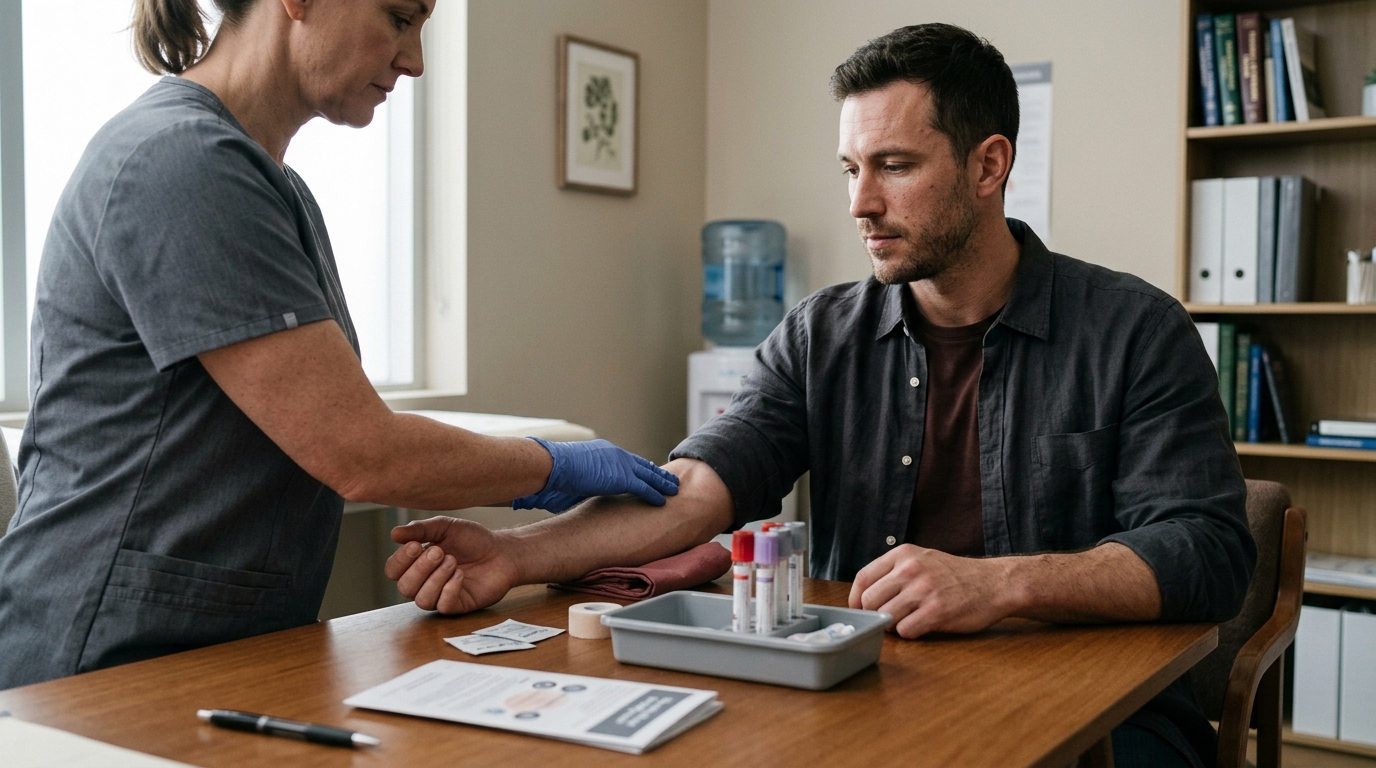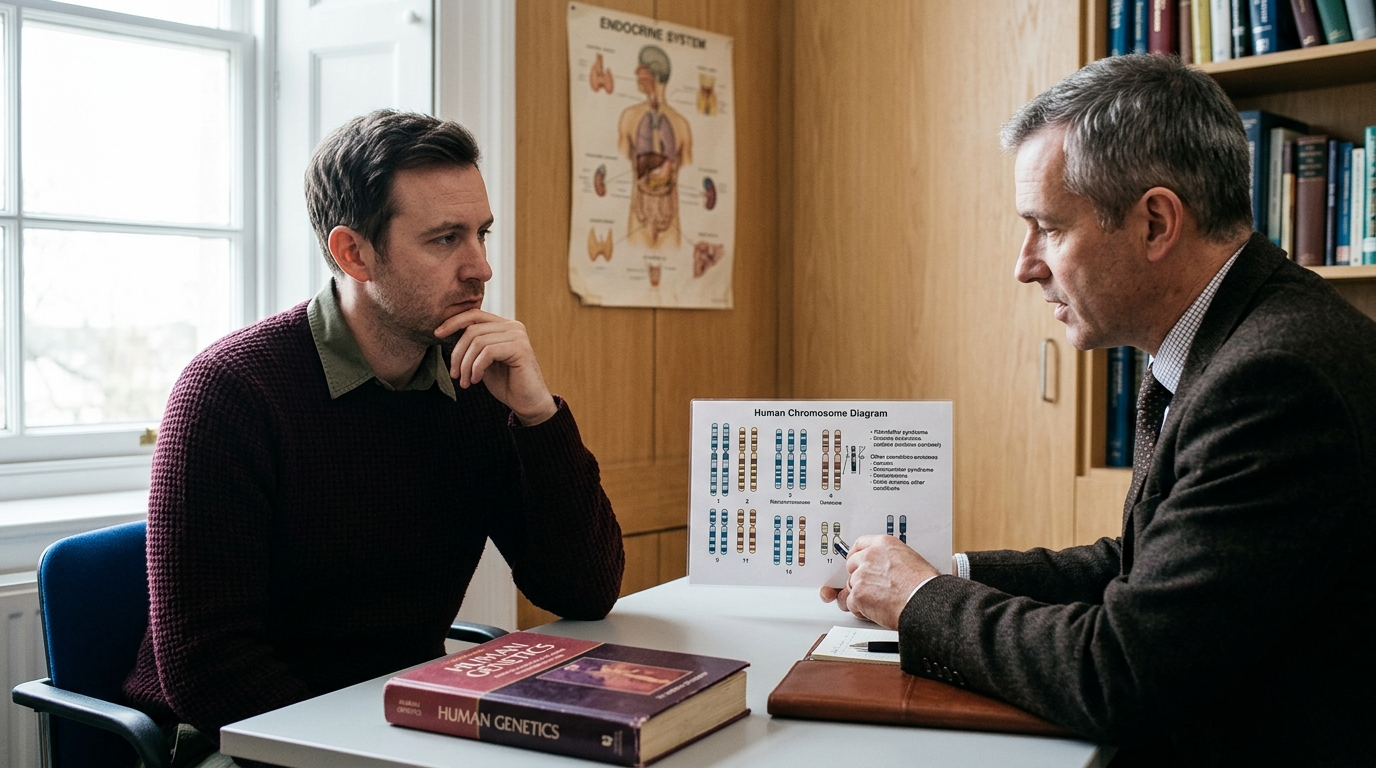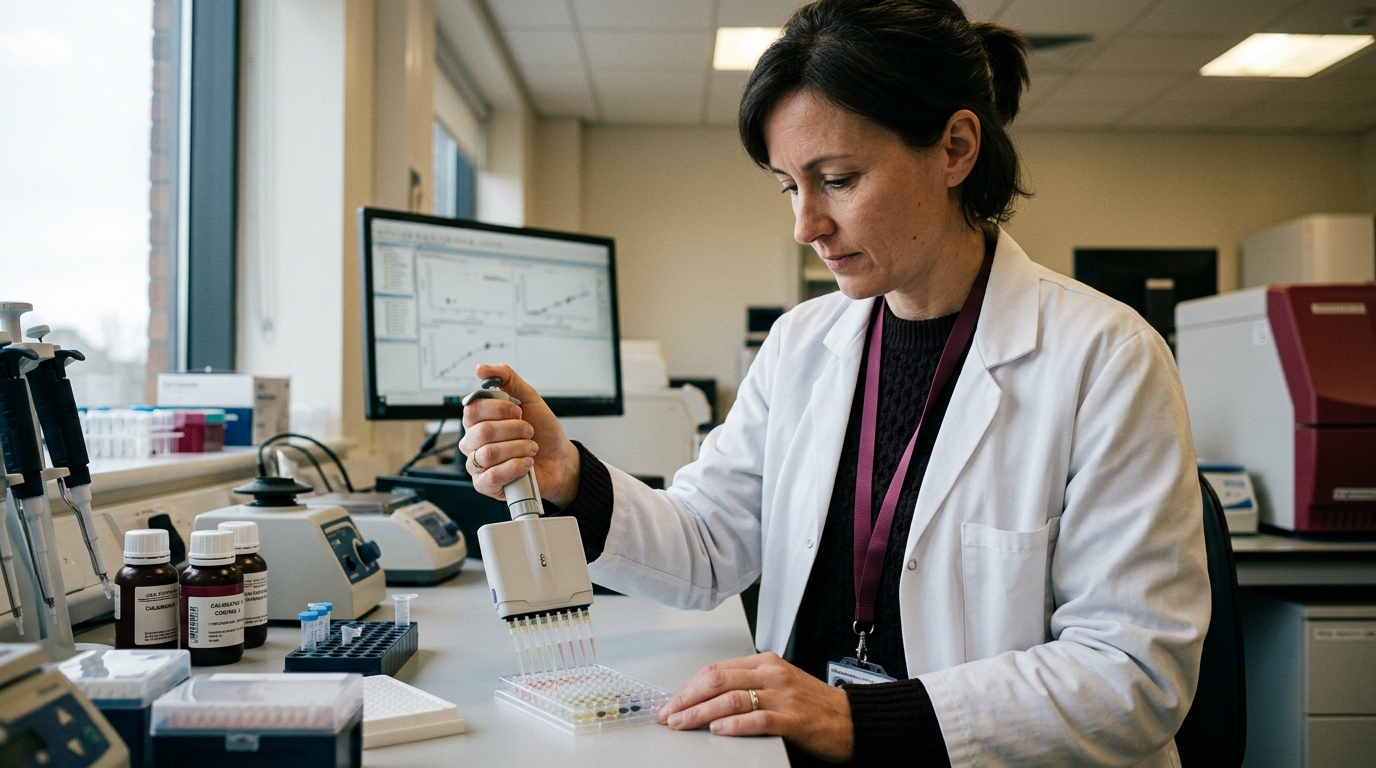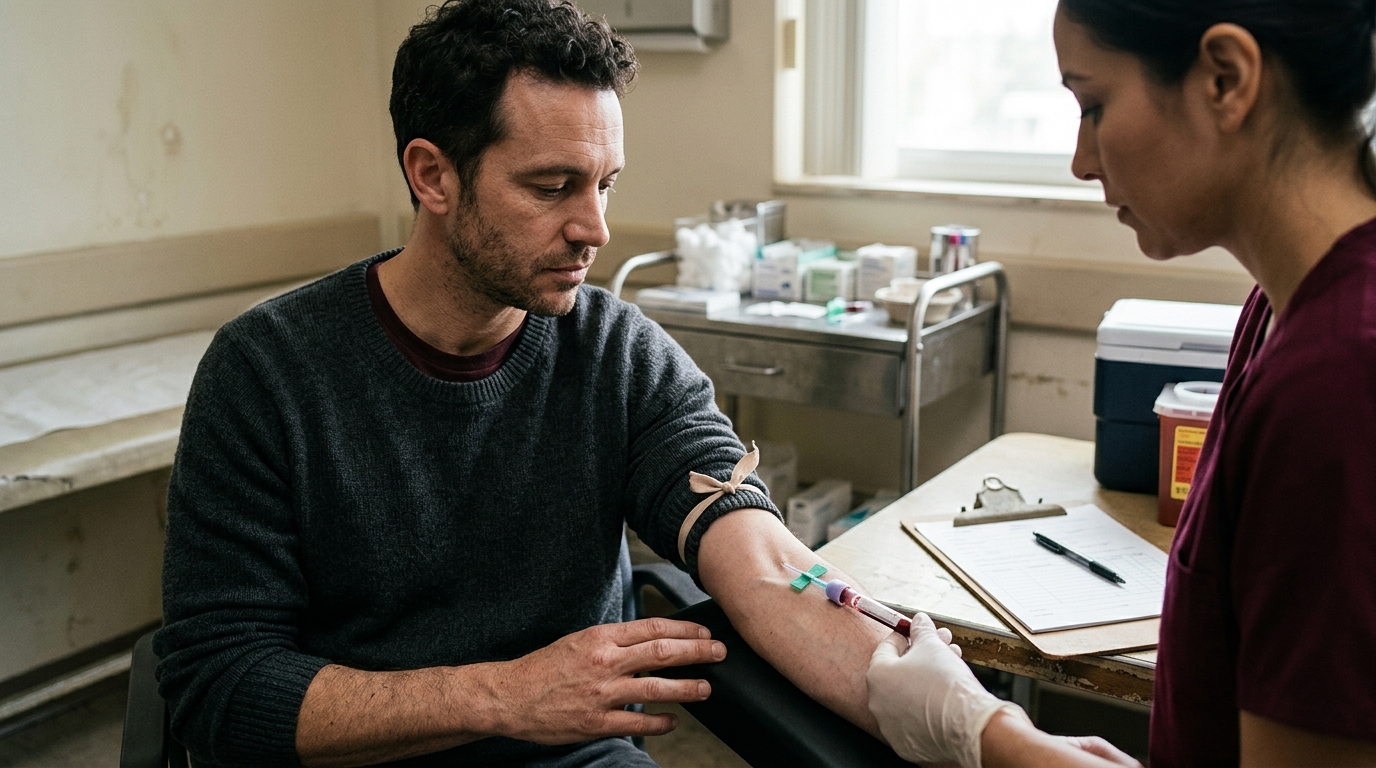

Men dealing with sexual changes and low energy can review clinically ranked signs alongside hormone biomarkers to evaluate potential testosterone deficiency.





This guide provides educational information about male hormonal health and laboratory testing. It does not provide medical advice, diagnosis, or treatment recommendations. Always consult a qualified physician or endocrinologist regarding health concerns, symptoms, or lab results.
Many men notice changes such as persistent fatigue, softer morning erections, lower drive, or unexpected weight gain and search online for answers. A search query often leads to checklists that treat every common health complaint as proof of hormone deficiency. The reality of endocrine medicine is more measured. Symptoms are clinical clues rather than definitive diagnoses.
This reference provides a definitive breakdown of physical, sexual, and psychological changes associated with androgen deficiency. It ranks these signs based on how strongly clinical studies link them to low testosterone. You will learn what each clue can suggest, what it cannot prove, and how clinicians use patterns and repeat blood testing to evaluate hormone health.
Understanding male hormonal health requires separating a laboratory number from a clinical syndrome. Clinical guidelines from major endocrine organizations emphasize that male hypogonadism is not merely a single number on a lab report.
Male hypogonadism describes a condition where the body cannot produce adequate levels of testosterone, sperm, or both. Clinicians separate the biochemical finding of a low number from the clinical diagnosis of hypogonadism. A laboratory value shows the concentration of a hormone circulating in the blood at a single moment. A clinical diagnosis requires a compatible history, consistent physical findings, and persistent biochemical deficiency confirmed across multiple tests.
Testosterone circulates in the bloodstream in multiple states. The majority binds tightly to sex hormone-binding globulin, known as SHBG. A smaller portion binds loosely to albumin, and a tiny percentage circulates as free, unbound hormone. Total testosterone measures every form combined. Free testosterone represents the unbound fraction that enters target cells freely.
Guidelines from the Endocrine Society and the American Urological Association emphasize that total testosterone should be tested in the early morning. Concentrations peak in the morning hours for younger and middle-aged men. Testing should occur while fasting because a meal high in carbohydrates or fat can temporarily blunt circulating levels.
A single low measurement does not prove a chronic hormone condition. Up to thirty percent of men with an initial low testosterone measurement show normal concentrations upon repeat testing. Temporary factors like a poor night of sleep, acute stress, intense endurance exercise, or viral infections can cause transient drops.
Clinicians also evaluate whether a deficiency originates in the testes or higher in the brain. Primary hypogonadism occurs when the testes fail to produce testosterone despite strong stimulation from the brain. Secondary hypogonadism occurs when the hypothalamus or pituitary gland fails to release adequate signaling hormones. Differentiating between these forms is critical because each points toward distinct medical investigations. Understanding these fundamentals helps men navigate identifying male hypogonadism risk factors without unnecessary anxiety.
Medical research does not treat every symptom of low testosterone equally. In public media, fatigue is often given the same significance as testicular atrophy. In clinical studies, symptoms fall into distinct tiers based on their statistical association with confirmed androgen deficiency.
Grouping signs into three tiers helps clarify their investigative value. Tier one includes the most informative sexual symptom pattern. Tier two encompasses supportive physical and reproductive findings discovered during examinations. Tier three contains common, nonspecific complaints that affect millions of men regardless of hormone levels.
Large-scale cohort studies show that sexual symptoms correlate most reliably with biochemical testosterone deficiency. While sexual issues can arise from non-hormonal causes, their co-occurrence significantly increases the probability of an underlying endocrine issue.
A sustained decline in libido is one of the strongest symptomatic indicators of androgen deficiency in adult men. In major observational cohorts, a reduction in sexual thoughts and desire had the highest statistical association with low testosterone among candidate symptoms.
Testosterone acts directly on neural circuits within the central nervous system that govern sexual motivation. When circulating levels drop below a critical threshold, interest in sexual activity often declines noticeably.
What it can suggest:
What it cannot establish:
Morning erections, clinically termed nocturnal penile tumescence, occur during rapid eye movement sleep cycles. These erections are largely androgen-dependent, unlike erections triggered by direct physical or psychological stimulation during waking hours. A clear reduction in the frequency or firmness of morning erections provides a valuable clinical clue.
What it can suggest:
What it cannot establish:
Erectile dysfunction involves persistent difficulty achieving or maintaining an erection adequate for sexual intercourse. While popular media frequently frames erectile difficulties as an exclusive testosterone problem, the physiology of an erection is primarily vascular and neurological. Testosterone helps maintain the structural integrity of smooth muscle tissue within the penis, but nitric oxide pathways directly drive the mechanics of blood flow.
What it can suggest:
What it cannot establish:
Tier two clues are objective physical findings or reproductive complications. These signs are less common than general fatigue, but they carry greater diagnostic weight during a physician examination.
Spermatogenesis requires adequate concentrations of intratesticular testosterone, stimulated by pituitary luteinizing hormone and follicle stimulating hormone. When the hormonal cascade fails, sperm production declines or stops entirely. Men presenting with fertility challenges often discover low circulating hormone levels during evaluation.
What it can suggest:
What it cannot establish:
The bulk of adult testicular volume consists of seminiferous tubules responsible for sperm production, with Leydig cells producing testosterone. A clear, progressive reduction in testicular size or consistently small testes points toward significant testicular tissue loss or prolonged absence of gonadotropin stimulation.
What it can suggest:
What it cannot establish:
The development of true glandular breast tissue in adult men is known as gynecomastia. It results from an altered ratio of active estrogen to active androgen in the body. When testosterone drops, the relative influence of circulating estradiol increases, stimulating glandular breast tissue growth.
What it can suggest:
What it cannot establish:
Androgens regulate secondary sexual hair patterns, including facial, chest, axillary, and pubic hair. A noticeable thinning of body hair or a marked decrease in the frequency of shaving can indicate prolonged, severe androgen deficiency.
What it can suggest:
What it cannot establish:
Testosterone stimulates muscle protein synthesis and inhibits the development of new fat cells. Men with persistent deficiency often experience gradual muscle loss, decreased physical strength, and an accumulation of visceral fat around the abdomen.
What it can suggest:
What it cannot establish:
Androgens and their aromatized estrogen derivatives are essential for maintaining bone mineral density in men. Severe or prolonged hypogonadism accelerates bone resorption, leading to osteopenia, osteoporosis, or unexpected bone fractures from minor falls.
What it can suggest:
What it cannot establish:
Testosterone stimulates erythropoietin production in the kidneys and directly encourages red blood cell formation in the bone marrow. A mild, normocytic anemia with no clear gastrointestinal, renal, or nutritional cause can occur alongside low androgen levels.
What it can suggest:
What it cannot establish:
Sudden sensations of intense heat, sweating, and skin flushing are well-known in female menopause, but they can also occur in men. These episodes occur when testosterone drops precipitously, disrupting thermoregulatory centers in the hypothalamus. They are common in men undergoing androgen deprivation therapy for prostate cancer.
What it can suggest:
What it cannot establish:
Tier three consists of general, subjective complaints. These are the most common symptoms reported by men inquiring about hormone health, but they are statistically the least specific to testosterone deficiency.
Persistent fatigue is the single most common symptom that prompts men to research male hormones. However, fatigue is an exceptionally poor diagnostic marker on its own. Cellular energy production depends on thyroid hormones, sleep quality, psychological health, cardiovascular function, and metabolic balance.
What it can suggest:
What it cannot establish:
Androgen receptors are distributed throughout the brain, including regions regulating mood, executive function, and emotional resilience. Men with low testosterone often describe feelings of brain fog, uncharacteristic irritability, apathy, or mild depressive symptoms.
What it can suggest:
What it cannot establish:
Other minor complaints include mild physical weakness, generalized sweating, and noticeable reductions in ejaculate volume. While androgens help maintain prostate and seminal vesicle fluid production, these symptoms fluctuate widely based on hydration, age, and medication use.
What it can suggest:
What it cannot establish:
The evidentiary ranking of low testosterone signs is supported by large, well-designed observational cohorts. Two major population studies provide valuable clarity on how symptoms correlate with actual hormone levels in community-dwelling men.
The European Male Ageing Study evaluated 3,369 men aged 40 to 79 across eight European centers. Researchers measured total and free testosterone and screened participants for 19 candidate symptoms spanning sexual, physical, and psychological domains. The study found nine total symptoms associated with low testosterone levels: three sexual symptoms, three physical function limitations, and three psychological complaints.
The three physical symptoms were difficulty with vigorous exertion, difficulty walking more than one kilometer, and difficulty bending or stooping. The three psychological symptoms were low energy, feelings of sadness, and general fatigue.
Crucially, when researchers performed rigorous statistical analysis, only the three sexual symptoms showed a consistent syndromic relationship with low hormone levels. Low libido showed the highest statistical association with low testosterone among all 19 symptoms. Based on this evidence, the European researchers defined late-onset hypogonadism as the presence of all three sexual symptoms paired with total testosterone below 11 nmol/L and free testosterone below 220 pmol/L.
Under this strict syndromic definition, the overall prevalence of late-onset hypogonadism in the European cohort was only 2.1 percent. The prevalence varied significantly by age:
This research demonstrates that while individual symptoms like fatigue or mild erection changes are common in aging men, true biochemical hypogonadism accompanied by the full clinical syndrome is relatively uncommon.
The Boston Area Community Health Survey evaluated 1,475 men aged 30 to 79. This study highlighted a critical gap between low lab numbers and true symptomatic hypogonadism. Approximately 24 percent of the men had total testosterone below 300 ng/dL, and 11 percent had low free testosterone.
When researchers assessed symptoms, they found that 12 percent of men reported low libido, 16 percent reported erectile dysfunction, and 20 percent reported two or more nonspecific symptoms like fatigue or sleep disruption.
However, when researchers combined low hormone levels with compatible symptoms to define symptomatic androgen deficiency, the prevalence dropped to just 5.6 percent. Among men under 70 years old, the prevalence was between 3.1 and 7.0 percent, rising to 18.4 percent in men aged 70 and older.
The contrast between the 24 percent of men with a low lab value and the 5.6 percent with true symptomatic deficiency illustrates why clinicians do not diagnose hypogonadism from a lab test alone. A low number without symptoms, or symptoms with a normal number, does not meet the diagnostic threshold for male hypogonadism. Exploring fundamental male endocrine physiology helps put these population statistics into practical perspective.
Moving from symptom recognition to clinical clarity requires accurate laboratory biomarkers. A single biomarker never tells the complete story. Clinicians use a structured panel of hormone measurements to build a comprehensive picture of endocrine health.
Total testosterone measures the absolute concentration of all circulating testosterone in the blood, including bound and unbound fractions. Major clinical guidelines, including those from the American Urological Association, define a total testosterone level below 300 ng/dL on two separate early morning fasting tests as a reasonable cutoff supporting a diagnosis of deficiency.
Total testosterone is an excellent initial test, but its interpretation depends on the concentration of binding proteins. If binding proteins are unusually high or low, total testosterone can give a misleading impression of tissue androgen exposure.
Free testosterone represents the one to two percent of hormone circulating unbound to proteins. Bioavailable testosterone includes free hormone plus the fraction loosely bound to albumin, which can easily dissociate to enter tissues.
Measuring free testosterone is especially valuable when binding protein concentrations are abnormal. Men with obesity, type 2 diabetes, or liver disease often have suppressed binding proteins, resulting in low total testosterone despite normal free testosterone levels. Conversely, older men or men with hyperthyroidism often have elevated binding proteins, showing normal total testosterone despite low free hormone concentrations. Clinicians rely on laboratory biomarker testing for testosterone to resolve these borderline cases.
Sex hormone-binding globulin is a glycoprotein produced by the liver that binds tightly to testosterone and estradiol. It controls the clearance rate and tissue availability of circulating sex steroids.
A high binding globulin level means a larger share of total testosterone is locked away, reducing the free fraction. A low level means more hormone remains unbound, but it also increases the rate at which the hormone is cleared from the body. Measuring this protein allows clinicians to calculate accurate free testosterone values using validated mathematical formulas.
Luteinizing hormone and follicle-stimulating hormone are gonadotropins released by the anterior pituitary gland. Luteinizing hormone signals the Leydig cells in the testes to synthesize testosterone. Follicle-stimulating hormone signals the Sertoli cells to support sperm production.
Measuring these gonadotropins is the primary way clinicians classify hypogonadism:
Prolactin is a pituitary hormone primarily involved in lactation, but it is present in small amounts in men. Significantly elevated prolactin suppresses the pulsatile secretion of gonadotropin-releasing hormone from the hypothalamus, causing secondary hypogonadism.
Clinicians routinely measure prolactin when evaluating secondary hypogonadism or very low total testosterone to screen for benign pituitary tumors called prolactinomas.
One of the most complex aspects of male hormone health is distinguishing permanent hypogonadism from functional suppression. Functional hypogonadism occurs when non-gonadal health conditions, medications, or lifestyle stressors suppress the hypothalamic-pituitary-gonadal axis without structural damage to the endocrine organs.
Adipose tissue is an active endocrine organ. Excess visceral fat increases the activity of the aromatase enzyme, which converts circulating testosterone into estradiol. Higher estradiol exerts negative feedback on the hypothalamus and pituitary gland, lowering gonadotropin output.
Obesity also drives hyperinsulinemia and insulin resistance, which directly suppresses hepatic synthesis of sex hormone-binding globulin. A man with significant obesity may have a total testosterone of 240 ng/dL entirely because his binding globulin is low, while his free testosterone remains within normal limits. In many cases, sustained weight reduction, dietary changes, and improved metabolic health reverse this functional suppression.
Testosterone production is highly sensitive to physical illness, systemic inflammation, and acute physiological stress. During an acute infection, surgery, or major physical trauma, the body shifts resources away from reproduction toward immediate survival, causing circulating testosterone to drop rapidly.
European clinical guidelines explicitly caution against measuring testosterone levels during acute illness. A low lab result obtained while a patient has a viral infection, pneumonia, or acute back injury reflects temporary physiological suppression rather than chronic endocrine disease. Testing should always be deferred until the individual is fully recovered.
A comprehensive medication review is essential when evaluating low testosterone signs. Many common pharmaceuticals affect hormone production or mimic the symptoms of hypogonadism.
Medications and substances that suppress hormone levels or sexual function include:
Before attributing a cluster of symptoms to hypogonadism, clinicians evaluate other endocrine systems that produce overlapping presentations:
Reviewing lifestyle factors that support hormone levels provides valuable context on how overall health habits influence these biological pathways.
Evaluating symptoms and laboratory data requires nuanced clinical reasoning. The following illustrative scenarios show how clinicians approach different symptom patterns and diagnostic challenges.
A 52-year-old man reports a progressive decline in sexual desire over the past year, accompanied by a near-total loss of morning erections and difficulty maintaining firmness during intercourse. He does not report severe joint pain or major life stressors.
Clinical reasoning: This presentation matches the three-symptom sexual cluster most strongly linked to androgen deficiency in the European Male Ageing Study. A clinician would schedule two separate morning fasting blood draws to measure total testosterone, free testosterone, binding globulin, and pituitary gonadotropins. If both tests confirm low testosterone with elevated luteinizing hormone, the findings indicate primary hypogonadism, prompting an evaluation of testicular health.
A 41-year-old corporate manager presents with persistent afternoon fatigue, mental fog, and irritability. However, his sexual desire remains intact, he experiences firm morning erections multiple days per week, and his physical stamina during exercise is unchanged.
Clinical reasoning: While fatigue is commonly listed among hormone deficiency symptoms, the presence of normal libido and robust morning erections makes significant androgen deficiency less probable. The clinician would conduct a broad medical evaluation, screening for obstructive sleep apnea, iron deficiency, thyroid dysfunction, and chronic occupational stress, while checking basic metabolic markers before assuming a primary hormone problem.
A 58-year-old man with a twenty-year history of cigarette smoking and well-controlled type 2 diabetes reports worsening erectile dysfunction. His desire for sex remains present, but he cannot achieve adequate rigidity.
Clinical reasoning: Erectile function relies heavily on endothelial health and vascular blood flow. Given the patient's history of smoking and diabetes, vascular insufficiency is the most probable primary contributor. The physician would evaluate cardiovascular risk factors, perform a penile vascular assessment if necessary, and check morning testosterone. Treating this solely as a hormone issue without addressing vascular health would overlook the underlying cardiovascular disease.
A 46-year-old man with a body mass index of 34 kg/m² has a total testosterone level of 260 ng/dL on a routine health screening. He reports mild sluggishness but has no specific sexual complaints or physical signs of androgen deficiency.
Clinical reasoning: Obesity frequently lowers sex hormone-binding globulin, which artificially depresses total testosterone measurements while leaving free hormone concentrations intact. The clinician would order a repeat morning fasting test measuring total testosterone, binding globulin, and calculated free testosterone. If free testosterone is well within the normal range, the patient has functional suppression related to weight rather than structural hypogonadism, and clinical management would focus on metabolic health and weight loss.
A 38-year-old man visits an urgent care clinic with a severe respiratory virus and asks for a comprehensive wellness panel. His total testosterone returns at 190 ng/dL. Alarmed by the result, he seeks advice on starting immediate hormone therapy.
Clinical reasoning: Acute systemic illness temporarily suppresses the hypothalamic-pituitary axis. Interpreting hormone levels drawn during an active viral infection is clinically invalid. The physician would reassure the patient, avoid starting any hormone therapy, and schedule a repeat fasting test six to eight weeks after complete recovery to establish his true baseline.
A 29-year-old man notices tender, firm tissue developing beneath both areolas over three months, accompanied by a noticeable decline in sexual interest and mood. He denies using over-the-counter supplements or anabolic substances.
Clinical reasoning: True gynecomastia paired with reduced libido suggests a significant imbalance in the androgen-to-estrogen ratio. This requires an immediate diagnostic evaluation, including morning total and free testosterone, estradiol, luteinizing hormone, follicle-stimulating hormone, human chorionic gonadotropin, and liver enzymes. The clinician must rule out testicular neoplasms, pituitary disorders, and liver pathology.
A 62-year-old man sustains a wrist fracture after a minor slip on a sidewalk. A follow-up dual-energy X-ray absorptiometry scan reveals severe osteopenia in his lumbar spine and femoral neck. He reports no sexual dysfunction or notable fatigue.
Clinical reasoning: While sexual symptoms are the most common presentation of hypogonadism, bone loss can occur silently over decades in men with mild or compensated androgen deficiency. The physician would evaluate bone metabolism markers, calcium, 25-hydroxyvitamin D, parathyroid hormone, and morning testosterone levels. This case illustrates that absence of sexual complaints does not entirely rule out long-term endocrine contributions to structural bone loss.
A 33-year-old man presents with low libido, mild fatigue, and confirmed low morning total testosterone across two tests. During the consultation, he mentions that he and his partner are planning to start trying to conceive a child within the next six months.
Clinical reasoning: This is a critical clinical scenario governed by clear safety guidelines. Direct exogenous testosterone replacement therapy suppresses pituitary luteinizing hormone and follicle-stimulating hormone, severely impairing or halting sperm production. Clinical guidelines from the Endocrine Society explicitly advise against initiating testosterone therapy in men actively pursuing fertility. The clinician would direct the evaluation toward identifying reversible causes or discussing non-suppressive fertility-preserving medical options. Understanding clinical guidelines for testosterone replacement therapy is vital when weighing family planning against treatment.
Navigating hormone health requires clear communication with your healthcare team. Preparing structured, sensible questions helps ensure a thorough, safe, and accurate evaluation.
Questions about testing and interpretation:
Questions about clinical context and next steps:
If you suspect your symptoms may be related to low testosterone, use this straightforward checklist to guide your actions this week.
Testostra explains testosterone biology, testing, symptoms, lifestyle factors and TRT with careful sourcing and clear clinical limits.



Send us a question, research idea or topic suggestion. Reader questions help shape future Testostra content.
Contact Testostra