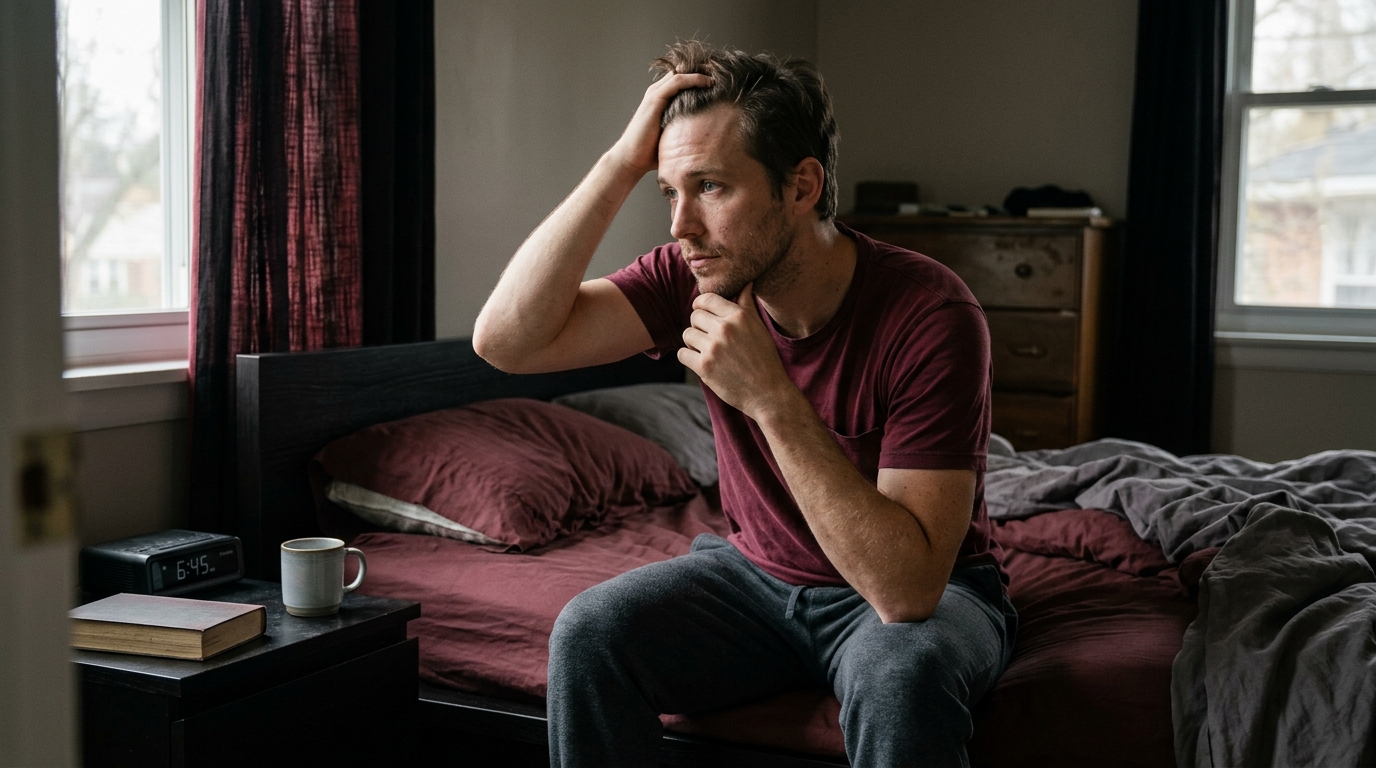

Testosterone deficiency frequently mimics depression and anxiety, making proper biomarker interpretation essential for identifying the true cause of your symptoms.





This resource provides educational information about male hormonal health and mental wellbeing. It is not personal medical advice, diagnosis, or treatment. Always consult a qualified healthcare professional regarding any medical or mental health condition.
Many men assume that feeling chronically exhausted, irritable, and down in spirits points directly to a hormonal deficiency. Online forums and marketing campaigns frequently suggest that restoring hormone levels will resolve complex psychological struggles. However, clinical evidence reveals a more nuanced reality.
Hormones and emotional health influence one another across multiple physical pathways. When low mood or anxiety appears alongside low testosterone, untangling the root cause requires careful investigation. Treating a psychological disorder purely as a hormonal deficit often leads to disappointment. At the same time, overlooking endocrine dysfunction in a man with confirmed hypogonadism leaves an important physical factor unaddressed.
Understanding how mental health and endocrine health interact helps men seek appropriate care. This guide examines the clinical research, diagnostic boundaries, biomarker assessments, and overlapping symptoms that connect testosterone and emotional wellbeing.
A common error in hormone health is treating a list of symptoms as definitive proof of low testosterone. Many symptoms associated with androgen deficiency are shared by common medical and psychological conditions. Fatigue, low motivation, sleep disturbances, and depressed mood occur across dozens of clinical diagnoses.
Both the Endocrine Society and the American Urological Association establish clear standards for diagnosing hypogonadism. A clinician should never diagnose testosterone deficiency based on a symptom questionnaire alone. Diagnosis requires two distinct elements: unequivocal, consistently low early morning serum testosterone concentrations and specific physical or clinical symptoms.
The American Urological Association suggests a total testosterone threshold below 300 ng/dL as a reasonable cutoff to support diagnosis. Both major guidelines emphasize that a single laboratory test is never sufficient. Testosterone levels fluctuate throughout the day and respond to acute stress, poor sleep, or recent illness. Therefore, clinicians require a repeat fasting morning blood draw to confirm any low measurement.
Research from the European Male Ageing Study highlights why broad symptoms can mislead patients. The study evaluated 3,369 men between 40 and 70 years of age across eight European centers. Researchers evaluated 19 candidate symptoms to see which ones reliably tracked with low testosterone levels.
Out of all 19 symptoms, only three sexual symptoms showed a consistent syndromic association with low testosterone. These three specific symptoms are:
General psychological complaints, including fatigue, depressed mood, and poor concentration, did not consistently predict low hormone levels on their own. While a man with true hypogonadism may certainly feel sluggish or down, those feelings alone do not prove a hormonal disorder.
To better understand these diagnostic criteria, read our comprehensive overview of low testosterone signs and causes.
Major depressive disorder and generalized anxiety disorder share profound symptom overlap with testosterone deficiency. When a person experiences depression, the brain undergoes neurochemical and neuroendocrine changes that alter energy, sleep, appetite, and motivation. These changes can look identical to descriptions of low androgen states.
The American Urological Association explicitly warns that chronic fatigue, chronic stress, and a depressed state produce complaints often mistaken for testosterone deficiency. A man struggling with unaddressed burnout or major depression may report profound lethargy. He may lose interest in his usual hobbies, struggle to focus at work, and feel emotionally flat.
Sexual health is equally sensitive to psychological distress. Depression, performance anxiety, relationship strain, and psychiatric medications frequently cause reduced libido and erectile difficulties. Because sexual dysfunction occurs in both psychiatric conditions and endocrine disorders, its presence does not automatically identify the underlying cause.
Anxiety presents another area where assumptions often diverge from evidence. Men sometimes read that testosterone acts as a calming hormone and seek testosterone therapy to treat generalized anxiety or panic. However, systematic reviews examining psychiatric and cognitive effects show inconsistent findings for anxiety outcomes. The clinical literature does not support using testosterone as a dependable treatment for anxiety disorders.
To evaluate these overlapping complaints systematically, clinicians often examine four distinct clinical domains:
The clinician checks whether serum total and free testosterone levels are consistently low across multiple properly timed morning tests. They also review physical signs of androgen deficiency, such as reduced testicular volume or loss of body hair.
The clinician assesses whether symptoms align with major depressive disorder, generalized anxiety disorder, or acute life stress. They evaluate the severity, duration, and psychological triggers of the mood changes.
The clinician investigates sleep disorders, metabolic health, significant weight changes, systemic illnesses, and current medications. Factors such as obstructive sleep apnea or opioid use frequently suppress both energy and hormone production.
The clinician evaluates changes in sexual desire, erection quality, and morning erections within their personal and interpersonal context. This helps determine whether sexual changes reflect physical endocrine failure, relationship discord, or psychological distress.
Evaluating these four domains prevents premature diagnostic closure. It ensures that a clinician does not dismiss emotional distress as a mere hormone issue, nor overlook hormonal deficiency because a patient feels depressed.
The relationship between androgen levels and emotional health has generated extensive clinical investigation. Systematic reviews and randomized controlled trials show that testosterone therapy can influence mood in specific patient groups. However, the magnitude of this effect is often modest, and its success depends heavily on the clinical characteristics of the patient.
A landmark 2019 systematic review and meta-analysis published in JAMA Psychiatry examined 27 randomized placebo-controlled trials involving 1,890 men. The researchers found that testosterone treatment produced a statistically significant reduction in depressive symptoms compared to placebo. The authors noted that this reduction was more pronounced in studies that utilized higher-dose regimens.
Another systematic review analyzing hypogonadal men found an average standardized mean difference of −0.23 in depression rating scales compared to placebo. In statistical terms, an effect size of −0.23 represents a modest improvement. It demonstrates a measurable positive shift, but it does not represent a universal cure for mood disorders.
Data from the large-scale TRAVERSE trial provide further context on real-world outcomes. Researchers evaluated mood scores over time in men receiving testosterone replacement or placebo. The trial recorded small, statistically significant score differences favoring testosterone at six and 12 months.
However, investigators noted that these improvements were primarily observed in men with mild to moderate mood symptoms. Men presenting with severe baseline depression did not experience meaningful resolution from testosterone therapy alone. In the TRAVERSE study population, approximately 50% of men with hypogonadism had mild-to-moderate depressive symptoms, while 10% had severe symptoms.
A critical boundary exists in the clinical literature regarding major depressive disorder. Reviews focusing on hormonal treatments for psychiatric illness emphasize that testosterone is not indicated for major depression in men with normal hormone levels. Furthermore, evidence does not support using testosterone as a routine add-on treatment for treatment-resistant major depression in eugonadal men.
When evaluating mood and testosterone, three principles emerge from the data:
Readers interested in the physiological mechanisms behind these therapies can review our guide to testosterone fundamentals and hormonal function.
When laboratory testing confirms low testosterone, the clinical process has only just begun. A clinician must determine why the hormone level is low. Testosterone deficiency is categorized into distinct physiological types, each requiring a different management strategy.
Primary hypogonadism originates in the testes. The testicular Leydig cells are unable to produce adequate testosterone despite receiving strong hormonal signals from the brain. In this state, the pituitary gland increases its production of Luteinizing Hormone (LH) and Follicle-Stimulating Hormone (FSH) to compensate. A man with primary hypogonadism typically presents with low serum testosterone alongside elevated LH and FSH levels.
Secondary hypogonadism originates in the brain's signaling centers, specifically the hypothalamus or the pituitary gland. The hypothalamus fails to release sufficient Gonadotropin-Releasing Hormone (GnRH), or the pituitary fails to release adequate LH and FSH. Without these signals, the testes remain inactive. A man with secondary hypogonadism presents with low testosterone accompanied by low or inappropriately normal LH and FSH levels.
Endocrine Society guidelines identify several potential causes of secondary hypogonadism, including:
Functional hypogonadism represents a non-permanent, potentially reversible suppression of the hypothalamic-pituitary-gonadal axis. Unlike structural or organic hypogonadism, functional deficiency does not stem from permanent organ damage. Instead, the endocrine axis downregulates its activity in response to underlying physical or metabolic stress.
Common contributors to functional hypogonadism include:
In functional hypogonadism, addressing the underlying condition often allows natural hormone production to recover. For example, treating severe sleep apnea or reducing excess visceral adiposity can lead to meaningful increases in endogenous testosterone.
Distinguishing between organic and functional hypogonadism is vital. Rushing to prescribe lifelong hormone replacement for a reversible functional state bypasses the root health issues that caused the suppression. For more on non-pharmacological approaches, see our overview of lifestyle and natural testosterone support.
Accurate hormone assessment requires evaluating a broader panel of biomarkers rather than relying on total testosterone alone. A comprehensive biomarker evaluation provides essential context regarding hormone transport, tissue availability, and upstream pituitary signaling.
Total testosterone measures the entire concentration of testosterone circulating in the bloodstream. This includes hormone that is tightly bound to proteins, loosely bound to proteins, and circulating freely.
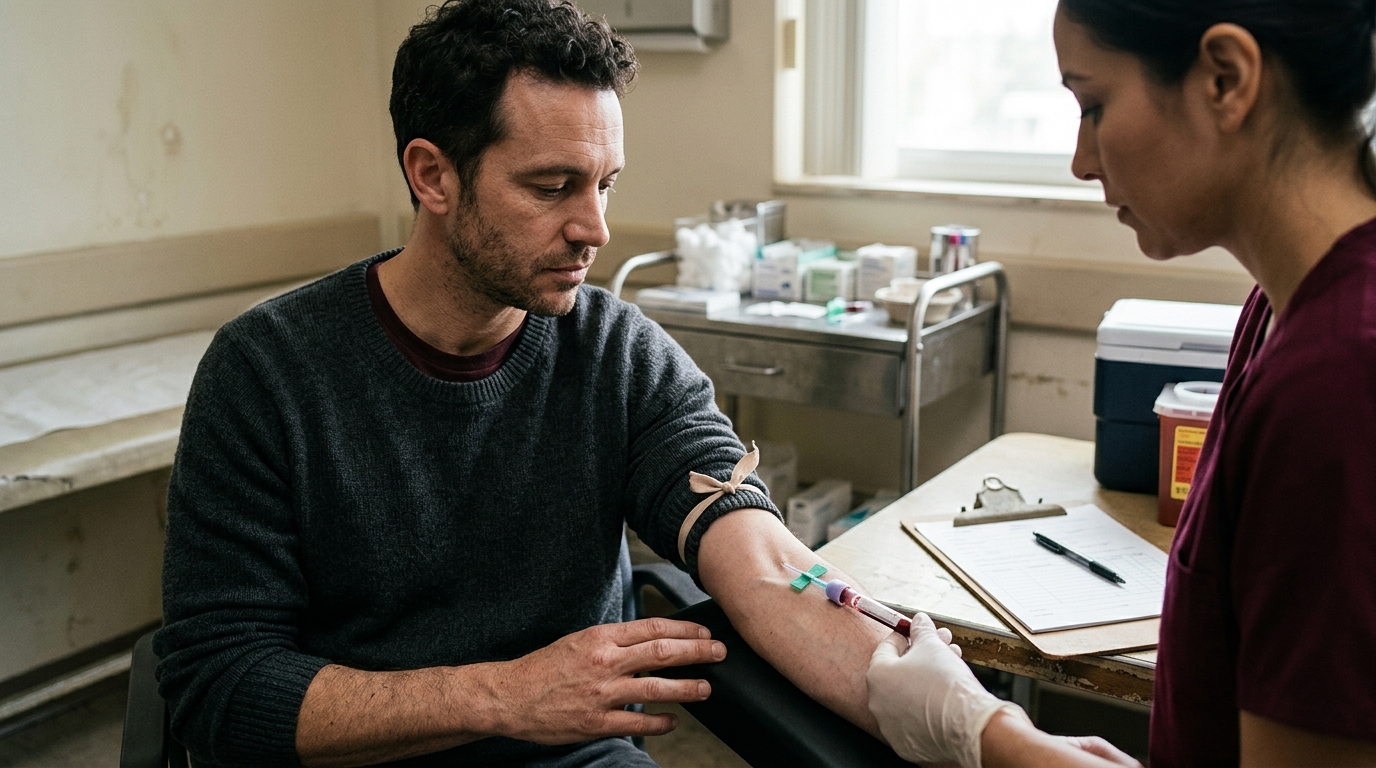
Because testosterone exhibits a strong diurnal rhythm, peaks occurring in the early morning hours, testing must occur between 7:00 AM and 10:00 AM in a fasting state. A laboratory value below 300 ng/dL on two separate morning draws supports a hypogonadism evaluation when accompanied by relevant clinical signs.
Sex Hormone-Binding Globulin is a glycoprotein produced by the liver that binds tightly to circulating testosterone and estradiol. Testosterone bound to SHBG is not readily available to enter tissues and exert biological effects.
Changes in SHBG concentrations significantly alter total testosterone measurements without necessarily changing the amount of biologically active hormone. Factors that alter SHBG include:
When a man has high SHBG, his total testosterone may appear normal while his active hormone fraction is low. Conversely, a man with severe insulin resistance and low SHBG may show a low total testosterone level while maintaining normal active hormone availability.
Free testosterone represents the unattached fraction of the hormone, typically comprising 1% to 3% of total circulating testosterone. An additional portion is loosely bound to albumin and can dissociate easily to interact with cellular receptors. Together, free and albumin-bound testosterone make up bioavailable testosterone.
The Endocrine Society recommends calculating or directly measuring free testosterone whenever total testosterone results are borderline or when an SHBG abnormality is suspected. Calculating free testosterone using total testosterone, SHBG, and albumin concentrations provides a clearer picture of androgen delivery to tissues.
Luteinizing Hormone stimulates the Leydig cells in the testes to synthesize testosterone. Follicle-Stimulating Hormone acts on the Sertoli cells to support sperm production.
Measuring LH and FSH is essential for distinguishing between primary and secondary hypogonadism. Elevated gonadotropins point toward primary testicular dysfunction, whereas low or inappropriately normal gonadotropins suggest a central signaling defect in the pituitary or hypothalamus.
When secondary hypogonadism is detected, measuring serum prolactin helps rule out a prolactin-secreting pituitary tumor. Elevated prolactin directly suppresses hypothalamic GnRH secretion.
Similarly, testing transferrin saturation and ferritin screens for hemochromatosis, a condition where excess iron accumulates in the pituitary gland and testes, impairing hormone output.
Understanding these detailed lab panels allows patients to have informed conversations with their healthcare providers. You can read more about specific blood panels in our guide to testosterone testing and biomarkers.
Because symptoms and laboratory numbers intersect in varied ways, looking at clinical patterns helps illustrate how medical teams approach diagnostic complexity. The following models show how physical health, psychological symptoms, and blood work interact during an evaluation.
An adult man reports ongoing fatigue, brain fog, and low motivation lasting six months. However, he reports normal sexual desire, firm erections, and frequent spontaneous morning erections.
This clinical pattern lacks the core sexual symptoms most consistently tied to androgen deficiency in the European Male Ageing Study. While his doctor might check fasting morning testosterone to be thorough, low energy alone is highly nonspecific.
The evaluation should investigate common contributors to fatigue, such as sleep apnea, thyroid dysfunction, nutritional deficiencies, and depressive disorders. Initiating hormone therapy without confirmed biochemical deficiency and sexual symptoms is medically inappropriate.
A man reports a sharp decline in sexual desire over the past year, alongside erectile difficulties, absent morning erections, and feeling emotionally flat.
This combination of symptoms aligns more closely with potential androgen deficiency because the cluster includes primary sexual markers. His physician orders two separate fasting morning total testosterone and free testosterone tests.
If lab work confirms consistently low androgen levels, the doctor proceeds to check LH, FSH, and prolactin to identify the origin. Even if low testosterone is confirmed, the physician also evaluates psychological well-being to determine whether concurrent mental health support is necessary.
A man feels exhausted after months of intense work hours and poor sleep. An afternoon blood test ordered through a direct-to-consumer service shows a total testosterone level of 240 ng/dL.
A single afternoon blood draw cannot establish a clinical diagnosis. Testosterone levels drop significantly by afternoon and evening, and severe sleep deprivation causes temporary hormone suppression.
The appropriate clinical response involves repeating the test properly: two separate fasting morning draws between 7:00 AM and 10:00 AM, alongside an assessment of sleep quality and lifestyle stressors.
A man with a history of recurrent major depressive episodes notices that his current antidepressant medication feels less effective. He wonders if low testosterone is the true underlying cause of his depression.
A clinical assessment evaluates his hormonal status with proper morning blood testing. If his testosterone concentrations return firmly in the normal physiological range, hormone therapy is not indicated. Clinical reviews demonstrate that testosterone does not treat major depression in men who have normal baseline androgens.
His care team focuses on optimizing his psychiatric treatment, adjusting medications, or introducing psychotherapy, rather than pursuing unnecessary endocrine interventions.
A man with a body mass index of 36 kg/m², untreated loud snoring, and prediabetes shows total testosterone levels of 260 ng/dL and 275 ng/dL on repeat morning testing. His LH and FSH levels are in the low-normal range.
This pattern suggests functional secondary hypogonadism driven by metabolic strain and possible obstructive sleep apnea. Rather than immediately starting lifelong testosterone replacement, the clinician addresses the reversible root causes.
The management plan focuses on continuous positive airway pressure (CPAP) therapy for sleep apnea, structured nutritional interventions, physical activity, and metabolic management. As sleep architecture and insulin sensitivity improve, endogenous testosterone levels often rise naturally.
For more insights into clinical trials and therapy parameters, visit our section on TRT and emerging testosterone science.
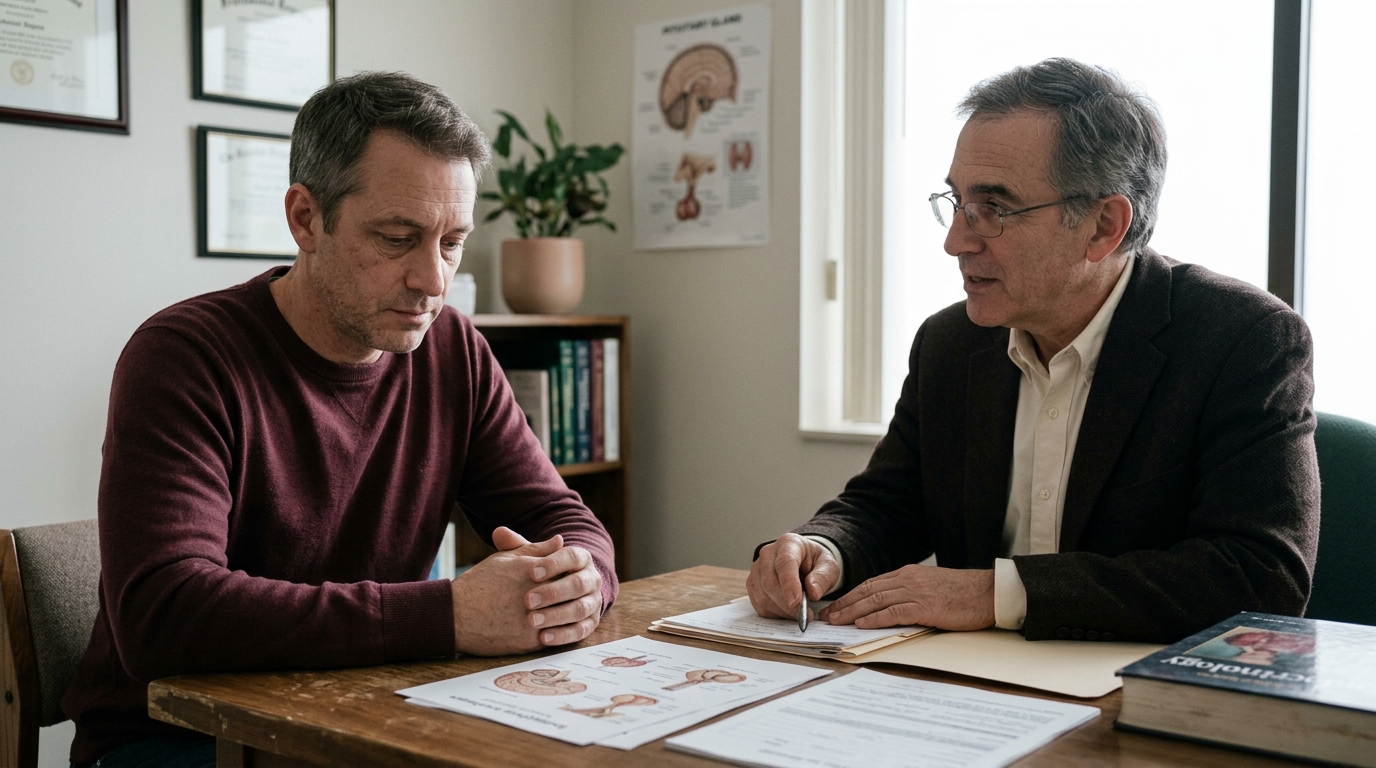
When mental health concerns and physical symptoms collide, patients should not have to choose between mental health care and endocrine evaluation. The most effective clinical model evaluates both areas at the same time.
Relying solely on hormone therapy while ignoring severe psychiatric distress carries serious risks. If a man is experiencing major depression, bipolar disorder, or severe anxiety, delaying evidenced-based mental health treatment to chase hormone adjustments can lead to worsening psychological crisis. Mental health professionals provide critical safety monitoring, psychological therapy, and targeted medications that hormone therapy cannot replace.
Conversely, attributing all physical and emotional symptoms strictly to psychology without checking basic blood work can leave organic physical conditions undiscovered. Severe primary hypogonadism, pituitary tumors, advanced hypothyroidism, and vitamin deficiencies can all present with psychiatric features.
A coordinated care plan includes:
If you are experiencing severe, overwhelming, or worsening mental health symptoms, prioritize prompt professional support from a licensed mental health provider or medical doctor.
Preparing specific questions helps patients have productive, evidence-based conversations with their healthcare providers. When discussing mood, energy, and hormone levels, consider bringing the following points to your appointment:
A thorough medical evaluation that examines both physical biomarkers and psychological health provides the clearest, safest path toward lasting wellbeing.
Testostra explains testosterone biology, testing, symptoms, lifestyle factors and TRT with careful sourcing and clear clinical limits.



Send us a question, research idea or topic suggestion. Reader questions help shape future Testostra content.
Contact Testostra