
Evidence-based insights into androgen biology clarify how testosterone levels affect muscle protein synthesis, athletic training adaptations, and diagnostic biomarker evaluations.





You have likely searched whether low testosterone is stalling your muscle growth, or whether boosting your hormone levels will speed up your progress in the gym. The internet is filled with conflicting claims about post-workout hormone spikes, dietary supplements, and rapid body transformations. This guide provides a clear, evidence-based assessment of how testosterone interacts with skeletal muscle, what the clinical research actually demonstrates, and what you can realistically expect from training, nutrition, and medical evaluation.
This article is for educational purposes only. It does not constitute personal medical advice, diagnosis, or treatment recommendations. Always consult a qualified healthcare professional regarding any medical condition, lab testing, or treatment decisions.
Understanding the relationship between androgens and muscle tissue requires separating clinical facts from marketing claims. The following key principles summarize the current scientific consensus.
To understand how hormones influence physical development, it helps to examine how androgens act at the cellular level. Testosterone is an anabolic-androgenic steroid hormone produced primarily by the Leydig cells in the testes, regulated by the hypothalamic-pituitary-gonadal axis. Once released into circulation, testosterone travels throughout the body, bound mostly to proteins like sex hormone-binding globulin and albumin, with a small percentage circulating as free testosterone. You can read more about these fundamental processes in our guide to testosterone basics and endocrine function.
In skeletal muscle, free testosterone crosses the cell membrane and binds to intracellular androgen receptors. This binding causes the androgen receptor to change its shape, dissociate from heat shock proteins, and translocate into the cell nucleus. Inside the nucleus, the hormone-receptor complex binds to specific DNA sequences to alter gene transcription. This process stimulates muscle protein synthesis, encouraging the creation of new contractile proteins such as actin and myosin.
Testosterone also exerts anti-catabolic properties within muscle tissue. It can competitively inhibit glucocorticoid receptors, which blunts the protein-degrading signals typically triggered by cortisol. By simultaneously increasing protein synthesis and decreasing protein breakdown, testosterone helps create a positive net protein balance. Over extended periods, a sustained positive net protein balance is what allows muscle fibers to increase in cross-sectional area.
Beyond direct protein balance, testosterone influences muscle stem cells, known as satellite cells. Satellite cells are located on the outer surface of muscle fibers and remain dormant until activated by mechanical tension or injury. When activated, these cells proliferate, differentiate, and fuse with existing muscle fibers, donating their nuclei to support muscle growth and repair. Research indicates that higher androgen concentrations can increase satellite cell numbers and promote their incorporation into muscle fibers.
A widespread belief in fitness culture is that designing workouts to trigger large, immediate hormone spikes will produce superior muscle growth. Lifters often select short rest periods, compound exercises, and specific set ranges under the impression that the resulting post-workout testosterone surge drives hypertrophy. Scientific investigations, however, have shown that this concept does not hold up to clinical testing.
Resistance exercise does frequently cause a brief elevation in circulating testosterone, growth hormone, and other markers immediately after a session. This acute response typically peaks within fifteen to thirty minutes post-exercise before returning to baseline levels shortly thereafter. A review on endocrine responses to resistance exercise notes that these transient shifts reflect acute metabolic stress, fluid shifts, and sympathetic nervous system activation rather than changes in baseline hormone production.
When researchers designed controlled trials to isolate this effect, they found that acute hormone spikes do not determine muscle growth. In a landmark study led by Daniel West and colleagues, young men trained one arm in an environment with low circulating hormones and the other arm in an environment with exercise-induced high circulating hormones. Despite the large difference in temporary systemic hormone exposure, both arms experienced identical increases in muscle size and strength.
Another investigation published in PLOS ONE evaluated young men undergoing a multi-week resistance training program, measuring acute post-workout hormone changes alongside long-term muscle hypertrophy. The researchers found no meaningful correlation between the magnitude of post-exercise hormone elevations and the actual amount of muscle mass gained over time. Intramuscular signaling pathways, mechanical tension, and local muscle damage appeared far more relevant to hypertrophy than brief circulatory hormonal shifts.
These findings mean you do not need to structure your workouts around chasing temporary hormone spikes. Designing training programs with arbitrary rest times or specific exercise pairings solely to elevate blood markers during a session is unnecessary. Progressive overload, sufficient training volume, and adequate recovery remain the true determinants of muscular adaptation.
Much of the confusion regarding testosterone and muscle growth stems from misinterpreting pharmacological studies. When individuals read about dramatic muscle gains produced by testosterone administration, they are often reading data from clinical studies using supraphysiologic doses. These pharmacological interventions cannot be compared to natural hormone levels or commercial supplements.
The most famous example is the 1996 randomized controlled trial conducted by Shalender Bhasin and colleagues. In this study, 43 normal, healthy men were assigned to one of four groups: placebo without exercise, testosterone without exercise, placebo with exercise, or testosterone with exercise. The men receiving testosterone were given 600 milligrams of testosterone enanthate per week for ten weeks, which is several times higher than what the human body produces naturally.
The results of the Bhasin trial were striking. The men in the testosterone-plus-exercise group gained an average of 6.1 kilograms of fat-free mass over ten weeks. Furthermore, the men who received 600 milligrams of testosterone weekly without doing any exercise still gained substantial muscle size and strength, outperforming the placebo group that lifted weights.
While these findings proved that supraphysiologic hormone levels dramatically increase muscle protein synthesis regardless of training status, they carry critical caveats:
The doses used in such trials raise circulating testosterone far beyond the upper limit of normal human biology. These levels cannot be achieved through diet, lifestyle modifications, or over-the-counter supplements.
Administering supraphysiologic doses of androgens suppresses natural spermatogenesis, alters lipid profiles, increases hematocrit, and carries cardiovascular and endocrine risks. These interventions are entirely distinct from clinical hormone therapy.
Small fluctuations within the normal physiological range, such as moving from 450 ng/dL to 550 ng/dL, do not produce noticeable changes in muscle mass. The body tightly regulates androgen receptor density and downstream signaling within normal ranges.
Equating the results of high-dose clinical trials with everyday lifestyle adjustments is a major scientific error. Minor shifts in natural testosterone do not replicate the effects of pharmacological doses. For a deeper look at physical adaptations and health outcomes, you can explore our resources on body composition and performance evidence.
While minor variations within the normal range have little impact on training adaptations, true clinical deficiency is a different matter. When circulating testosterone falls consistently below normal physiological thresholds, men can experience significant metabolic and physical consequences. Understanding this distinction helps clarify when medical evaluation is genuinely warranted.
Hypogonadism is characterized by a failure of the testes to produce physiological concentrations of testosterone, normal numbers of spermatozoa, or both. In men with confirmed hypogonadism, the chronic lack of androgen signaling leads to a shift in body composition. Muscle protein breakdown can begin to outpace synthesis, leading to gradual reductions in lean body mass, decreased bone mineral density, and increases in visceral and subcutaneous fat.
When hypogonadal men receive medically supervised testosterone therapy, clinical trials consistently demonstrate meaningful improvements in body composition. Meta-analyses of clinical trials show that restoring testosterone to normal physiological levels in deficient men typically yields an average increase of 1.5 to 2.0 kilograms of fat-free mass. This treatment helps normalize protein synthesis and halts the progressive loss of lean tissue associated with deficiency.
However, changes in lean body mass do not automatically translate into large, linear increases in physical strength or athletic performance. Clinical reviews examining older men and hypogonadal populations note that while lean mass gains are reliable, functional strength improvements are often modest and variable. Muscle quality, neurological adaptations, and concurrent physical training play major roles in determining whether gained lean mass translates into greater physical strength.
For men with genuine deficiency, testosterone replacement therapy is designed to alleviate clinical symptoms and restore systemic health. It is not an athletic enhancement program. The Endocrine Society emphasizes that hormone therapy is indicated specifically to treat diagnosed deficiency syndromes rather than to improve physical appearance or athletic capacity in healthy men.
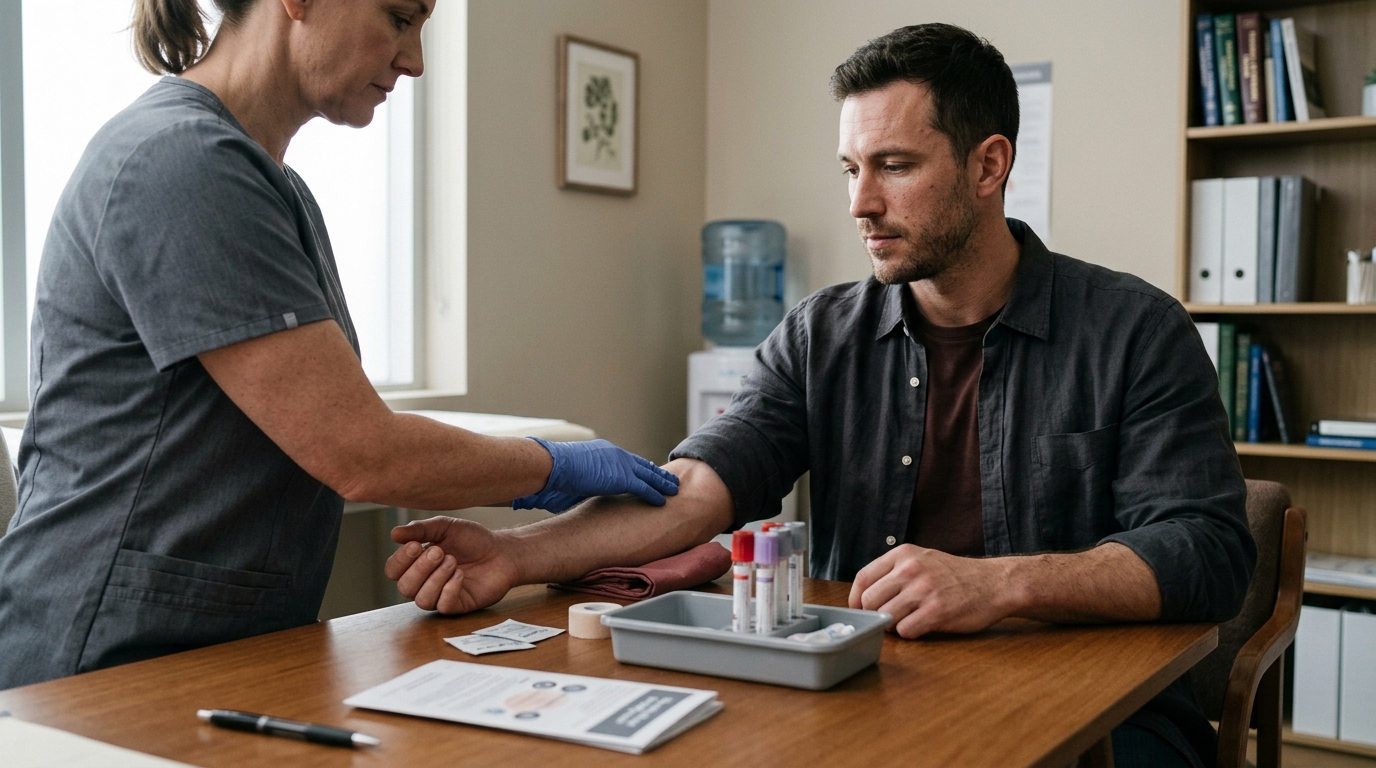
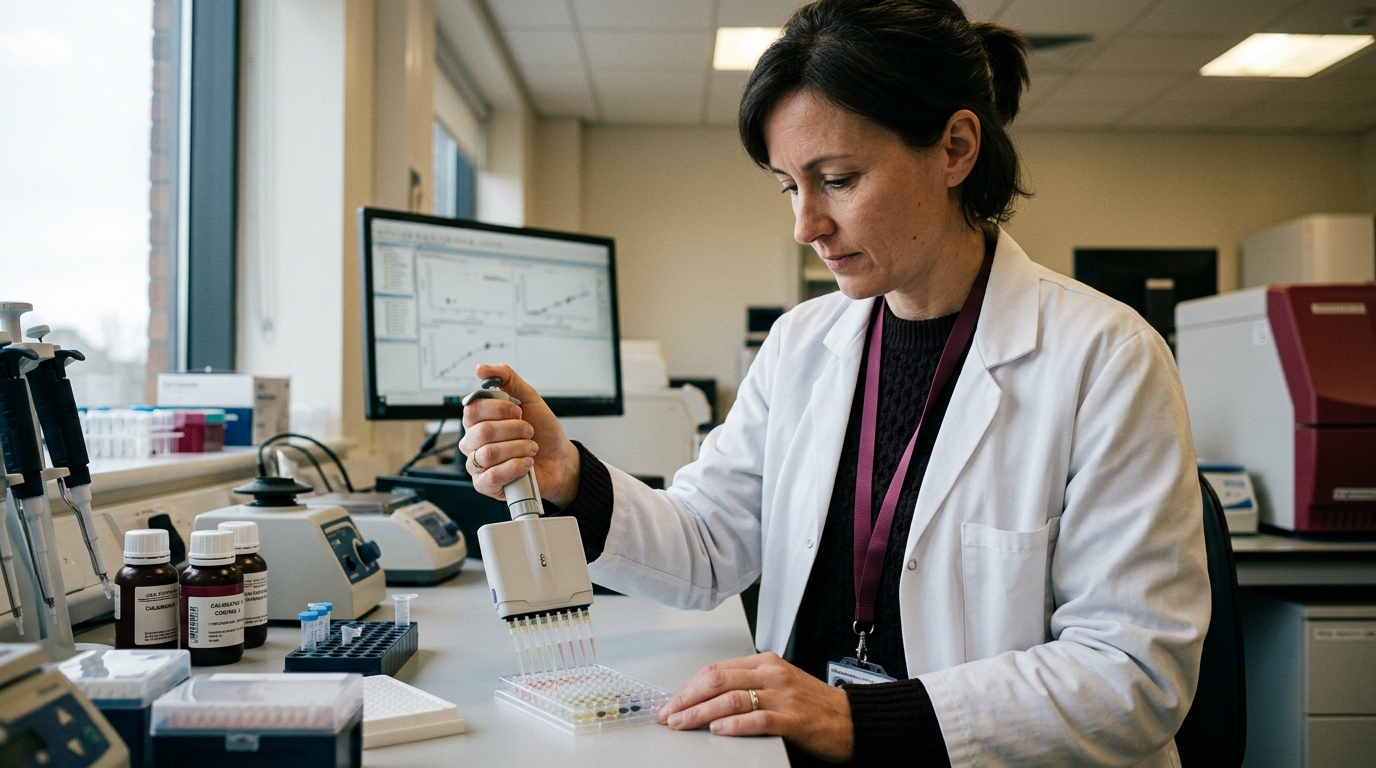
Diagnosing hormone deficiencies or interpreting blood tests requires a structured, clinical approach. Testosterone levels fluctuate continuously based on circadian rhythms, acute stress, diet, and sleep quality. Relying on an isolated lab test to make assumptions about muscle growth or overall health frequently leads to misinterpretation.
A comprehensive evaluation of male androgen status involves several distinct biomarkers:
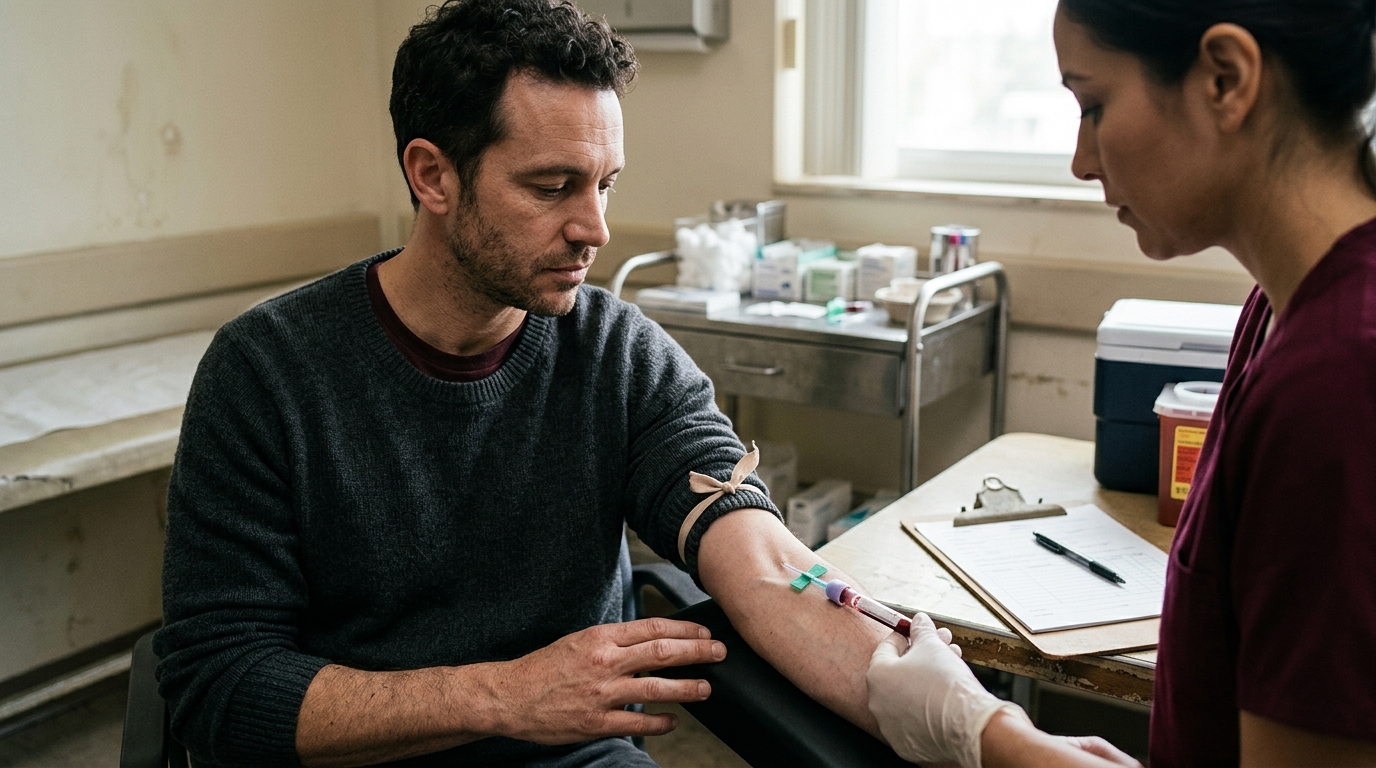
This measures all circulating testosterone in the bloodstream, including hormone bound to proteins and unbound hormone. Total testosterone should always be measured in the early morning, typically between 7:00 AM and 10:00 AM, following an overnight fast. Morning concentrations reflect peak daily output, as levels naturally decline throughout the afternoon and evening.
Sex hormone-binding globulin is a glycoprotein produced by the liver that binds tightly to testosterone and estradiol. When this protein is elevated, a larger percentage of total testosterone is bound, leaving less hormone free to interact with tissues. Conversely, low levels can result in normal free hormone concentrations even when total testosterone appears low on paper.
Free testosterone represents the unbound fraction circulating in the blood, usually comprising about one to two percent of total testosterone. Bioavailable testosterone includes free testosterone plus testosterone loosely bound to albumin. These fractions are considered biologically active and capable of diffusing into tissues such as skeletal muscle.
These gonadotropins are secreted by the anterior pituitary gland to regulate testicular function. Luteinizing hormone signals the Leydig cells to produce testosterone, while follicle-stimulating hormone supports sperm production. Measuring these hormones helps clinicians differentiate between primary hypogonadism and secondary hypogonadism.
Medical guidelines from the Endocrine Society and the American Urological Association state that a diagnosis of hypogonadism requires both compatible symptoms and repeatedly low morning fasting total testosterone levels. A single abnormal test result is never sufficient for a diagnosis. If an initial test shows low concentrations, it must be confirmed with a second morning fasting test, alongside an evaluation of clinical history and potential reversible causes. For more details on diagnostic standards, see our guide on testosterone testing and biomarker interpretation.
Before attributing slow gym progress or low energy to hormonal problems, it is crucial to evaluate lifestyle and metabolic factors. Daily habits regarding nutrition, body composition, and sleep exert profound effects on both muscle growth and natural hormone regulation. Addressing these factors often yields significant improvements in physical performance without medical intervention.
Building muscle requires sufficient substrate and energy. A comprehensive meta-analysis on protein intake conducted by Robert Morton and colleagues found that dietary protein supplementation significantly enhances gains in muscle mass and strength during prolonged resistance training. The analysis identified a protein intake of approximately 1.6 grams per kilogram of body weight per day as the point beyond which additional protein offered no further benefit for muscle growth in healthy adults.
Sustained caloric deficits also suppress muscle protein synthesis and can lower circulating testosterone levels. When the body experiences prolonged energy restriction, it downregulates non-essential physiological functions, including reproductive hormone production. Ensuring adequate caloric intake is necessary to support both intense resistance training and normal endocrine function.
Sleep is essential for cellular repair, nervous system recovery, and endocrine balance. Most daily testosterone release occurs during deep, uninterrupted sleep cycles. Consequently, chronic sleep disruption can negatively affect circulating hormone levels and recovery capacity.
However, the scientific literature on sleep and testosterone is nuanced:
While sleep restriction impairs gym performance, focus, and muscle protein synthesis, you should not assume that a single night of poor sleep permanently ruins your hormone profile. Maintaining consistent sleep hygiene of seven to nine hours per night supports general health, training performance, and endocrine stability over the long term.
Metabolic health plays a direct role in circulating hormone concentrations. Adipose tissue contains the enzyme aromatase, which converts testosterone into estradiol. Consequently, carrying excess visceral fat is frequently associated with lower total testosterone concentrations and elevated estrogen levels.
A clinical review published in 2025 emphasizes that mild to moderate reductions in serum testosterone commonly accompany obesity. In many cases, this state is a functional, secondary response to metabolic inflammation and insulin resistance rather than permanent testicular failure. Clinical research shows that substantial weight loss through lifestyle changes, dietary modification, or metabolic treatment often restores testosterone levels to normal ranges. For broader context on managing deficiency symptoms, visit our section on identifying low testosterone signs and causes.
Navigating the science of hormones and exercise requires distinguishing high-quality evidence from marketing hype and anecdotal claims. Fitness media frequently conflates preliminary findings, rodent models, or out-of-context trials with proven clinical principles. Examining the quality of evidence helps clear up widespread misconceptions.
A common misconception is that over-the-counter dietary supplements marketed as testosterone boosters can produce meaningful muscle gains. Systematic reviews of these commercial products show that the vast majority lack rigorous clinical evidence. Ingredients commonly found in these formulas may exhibit minor effects in animal models or nutritionally deficient populations, but they do not reliably raise testosterone or accelerate muscle growth in healthy adults.
Another frequent error is assuming that any increase in lean mass directly causes an equivalent improvement in physical performance. Clinical studies in older men and clinical populations consistently show that while hormone replacement reliably increases lean body mass on dual-energy X-ray absorptiometry scans, improvements in walking speed, stair climbing, and maximal strength are often small. Muscle tissue requires targeted neuromuscular stimulation through resistance training to build functional capacity.
Finally, individuals often treat a single low lab value as an urgent justification for hormone therapy. True endocrine assessment requires a holistic view of the patient. Medical guidelines caution against initiating treatment without investigating underlying conditions such as obstructive sleep apnea, uncontrolled diabetes, severe stress, or medication side effects that may temporarily suppress hormone production. You can read more about comprehensive lifestyle measures in our guide to lifestyle and natural hormone support.
If you suspect you have a genuine hormone deficiency, approaching the conversation with a medical provider methodically will yield the best care. Physicians evaluate lab work within the context of your overall physical health, medical history, and clinical symptoms.
When preparing to consult a qualified clinician, consider the following constructive discussion points:
Approaching your doctor with these questions ensures a thorough, evidence-based assessment. It protects you from unnecessary medical interventions while ensuring that genuine clinical problems receive proper diagnostic attention.
For most individuals seeking to improve muscle mass and physical performance, focusing on proven training and recovery fundamentals provides the greatest return on effort. You can implement the following evidence-based steps immediately to support both muscular development and general endocrine health.
Base your resistance training on compound exercises that challenge major muscle groups through a full range of motion. Track your training volume and intensity over time, ensuring that you gradually increase the load, repetitions, or quality of execution. Do not worry about designing workouts to cause short-term hormone spikes.
Consume approximately 1.6 grams of protein per kilogram of body weight each day from high-quality protein sources. Distribute your protein intake across three to four balanced meals throughout the day to consistently stimulate muscle protein synthesis.
If your primary goal is muscle hypertrophy, maintain a slight caloric surplus or consume at least maintenance calories. Avoid prolonged, severe caloric deficits unless you are intentionally pursuing fat loss, as severe energy restriction impairs training recovery and can lower natural hormone output.
Aim for seven to nine hours of consistent, quality sleep each night. Establish a regular sleep schedule, minimize blue light exposure before bedtime, and keep your sleeping environment dark, quiet, and cool to support deep sleep cycles.
Maintain a healthy body composition through balanced nutrition and regular physical activity. If you carry significant excess body fat, gradual weight reduction can improve metabolic markers, enhance insulin sensitivity, and help normalize natural hormone production.
If you experience persistent symptoms such as severe chronic fatigue, loss of secondary sex characteristics, significant reductions in libido, or unexplained muscle loss despite adhering to sound training and nutrition, schedule an appointment with a physician. Rely on standardized clinical testing rather than commercial supplements or internet diagnoses.
Testostra explains testosterone biology, testing, symptoms, lifestyle factors and TRT with careful sourcing and clear clinical limits.



Send us a question, research idea or topic suggestion. Reader questions help shape future Testostra content.
Contact Testostra