
Five separate domains of sexual health show how low testosterone interacts with vascular and neurological factors to shape male libido and erectile function.





Many men notice changes in sexual performance or desire and immediately search the internet for answers. Common search queries include whether erectile dysfunction proves a man has low hormone levels, or why sexual interest suddenly drops despite normal erections. This resource provides a clear breakdown of the relationship between androgen levels, sexual desire, erectile physiology, and overall sexual satisfaction.
This article is provided for educational and informational purposes only. It does not constitute personal medical advice, clinical diagnosis, or treatment recommendations. Hormonal symptoms, erectile difficulties, and related health concerns require thorough evaluation by a licensed healthcare professional. Always consult a qualified physician regarding any laboratory testing, medical conditions, or changes to prescribed treatments.
Sexual health is frequently discussed as a single entity, but clinicians evaluate it across several independent dimensions. A change in one area does not mean all sexual systems have failed. Understanding these distinctions helps men describe their symptoms accurately during a clinical consultation.
(The above is an conceptual overview of clinical assessment domains.)
Sexual desire refers to mental appetite, interest, and internal motivation for sexual activity. It manifests as spontaneous sexual thoughts, daydreams, and responsiveness to erotic stimuli.
Libido originates in the central nervous system, where androgens act on specific neural receptors in the hypothalamus and limbic system. While testosterone provides the neurochemical foundation for libido, desire is also sensitive to emotional stress, relationship conflict, nutritional deficits, sleep deprivation, and psychiatric medications.
Arousal represents the subjective feeling of being mentally engaged and excited during a sexual encounter. Arousal is closely connected to desire, but it represents the active state of psychological excitation rather than baseline interest.
Men can experience mental arousal without achieving a physical erection. Conversely, men can occasionally experience involuntary physical erections without feeling subjective arousal.
Erectile function is the vascular and mechanical capacity to achieve and sustain penile rigidity sufficient for satisfactory sexual intercourse. An erection requires intact nervous system pathways, healthy arterial inflow, smooth muscle relaxation within the corpora cavernosa, and effective venous occlusion.
Because erectile function depends heavily on cardiovascular health, difficulties with rigidity often reflect vascular changes rather than hormonal deficits. Men can have high sexual desire and completely normal hormone levels while experiencing severe erectile difficulties due to blood vessel disease.
Orgasm and ejaculation are coordinated through sympathetic, parasympathetic, and somatic nerve reflexes. Orgasm refers to the intense cerebral sensation of pleasure at the peak of sexual activity, while ejaculation involves the physical emission and expulsion of seminal fluid.
These functions operate independently from erectile rigidity. A man can reach orgasm and ejaculate with a partial erection, or maintain a firm erection while experiencing delayed ejaculation or anorgasmia. While testosterone influences ejaculatory volume and orgasmic intensity, nerve health and medications such as selective serotonin reuptake inhibitors play major roles in ejaculatory timing.
Sexual satisfaction is a personal appraisal of one's sexual experiences. It incorporates physical pleasure, emotional closeness, performance expectations, relationship harmony, and personal comfort.
A man may have normal testosterone levels and reliable erections yet report low sexual satisfaction due to interpersonal conflict or performance anxiety. Conversely, a man managing mild erectile difficulties may report high sexual satisfaction within a supportive relationship.
Understanding these separate components is essential for anyone researching testosterone fundamentals and hormonal function to avoid confusing distinct physical issues.
Testosterone influences male sexual performance through both central and peripheral biological mechanisms. In the central nervous system, circulating androgens cross the blood-brain barrier and bind to androgen receptors in the medial preoptic area of the hypothalamus. This interaction stimulates dopamine release, which promotes sexual motivation, interest, and receptivity.
At the peripheral level, testosterone acts directly on penile tissue. Within the corpora cavernosa, androgens regulate the expression and activity of nitric oxide synthase. This enzyme produces nitric oxide, the primary chemical messenger responsible for relaxing cavernous smooth muscle.
When smooth muscle relaxes, arterial blood flows into the spongy erectile chambers under high pressure. This expansion compresses the subtunical venules against the rigid tunica albuginea, trapping blood inside the penis to maintain rigidity.
Testosterone also maintains the fibroelastic properties of the tunica albuginea and prevents fatty infiltration within the erectile tissue. When circulating androgens remain chronically deficient, smooth muscle cells can undergo structural changes that reduce tissue compliance.
Despite these vital physiological roles, testosterone does not act as an on-and-off switch for immediate erections. Men with low testosterone often retain the ability to achieve erections under strong physical or visual stimulation.
Similarly, raising testosterone to high levels does not produce continuous erections or overcome severe physical blockages in penile arteries. Testosterone sets the biological tone and sensitivity for sexual responses rather than directly driving mechanical rigidity.
Erectile dysfunction is defined as the persistent inability to attain or maintain an erection adequate for satisfactory sexual performance. According to clinical guidance from the National Institute of Diabetes and Digestive and Kidney Diseases, erectile dysfunction is rarely caused by a single isolated factor. Instead, it typically develops from an interplay of vascular, neurological, hormonal, psychological, and lifestyle elements.
The penile arteries are narrow vessels measuring approximately one to two millimeters in diameter. Because of their small size, they often exhibit signs of arterial disease before larger coronary or carotid vessels show symptoms.
Systemic metabolic imbalances alter both vascular tissue and hormonal regulation. These conditions often co-exist with changes in androgen production.
The initiation of an erection requires precise nerve signals traveling from the brain down through the spinal cord and pelvic nerve network. Damage to these pathways disrupts the signaling cascade.
The brain exerts powerful inhibitory control over sexual reflexes. When stress hormones such as adrenaline and cortisol surge, they constrict peripheral blood vessels and shut down erectile mechanisms.
A wide variety of common prescription drugs and daily habits directly interfere with erectile physiology. In many cases, addressing these external factors resolves the sexual complaint.
Because these factors interact in complex ways, men experiencing sexual symptoms can review our broad library on low testosterone signs, causes, and risk factors to understand how hormones fit into their total health picture.
Clinicians rarely look at sexual complaints in isolation. Instead, they examine specific patterns of symptoms to determine whether a problem points toward vascular disease, hormonal deficits, psychological stress, or medication side effects.
In this presentation, a man notices a marked decline in sexual thoughts, fantasy, and motivation to initiate intimacy. However, he continues to wake up with firm morning erections and can achieve rigidity when stimulated physically.
This pattern suggests that the vascular, muscular, and neurological mechanisms required for an erection remain fully functional. The primary issue lies within central sexual desire.
While low testosterone can certainly cause this presentation, clinicians also investigate chronic stress, major depression, thyroid dysfunction, and medication effects. Hormone testing is warranted, but the presence of spontaneous morning erections confirms that the physical erectile apparatus is healthy.
Here, a man maintains high sexual interest, frequently thinks about sex, and feels strong attraction toward his partner. However, when sexual activity begins, he struggles to achieve adequate firmness or loses rigidity before completion.
This pattern strongly points toward a vascular, neurological, or anxiety-driven cause rather than an isolated hormonal deficiency. Because central libido remains robust, androgen levels in the brain are often adequate to support motivation.
The clinical evaluation for this presentation prioritizes cardiovascular risk markers, blood pressure evaluation, glycemic control, medication reviews, and assessments for performance anxiety.
A third pattern involves the simultaneous presence of three distinct symptoms: a severe reduction in sexual thoughts, the complete absence of morning erections, and persistent erectile dysfunction during partnered sex.
The European Male Ageing Study (EMAS), which evaluated 3,369 men aged 40 to 79 across multiple European centers, identified this specific triad as the clinical picture most consistently linked to biochemical testosterone deficiency.
When all three symptoms occur together, the statistical likelihood of finding low serum testosterone is significantly higher than when erectile dysfunction occurs in isolation. Even so, clinical guidelines state that this symptom triad cannot replace laboratory blood testing.
Some men report that their erectile function varies dramatically depending on the circumstances. They may achieve firm erections during solo masturbation or with a new partner, but experience complete erectile failure in other intimate scenarios.
Situation-dependent symptoms strongly suggest psychogenic factors or performance anxiety rather than organic structural damage. Physical conditions like arterial atherosclerosis or nerve injury typically cause consistent erectile failure across all sexual situations.
While situation-dependent difficulties do not rule out mild hormonal imbalances, the primary management strategy focuses on psychological support, open communication, and reducing performance pressure.
Occasionally, routine blood testing reveals total testosterone levels below standard reference ranges in men who report healthy libido, normal erections, and high sexual satisfaction.
Clinical practice guidelines from the Endocrine Society explicitly advise against diagnosing or treating hypogonadism based on laboratory numbers alone. If a man has no physical signs or clinical symptoms of androgen deficiency, isolated low laboratory values may represent normal biological variation, laboratory assay differences, or altered binding proteins. Treatment is not recommended in the absence of compatible clinical symptoms.
Men looking to understand how these presentations relate to broader health can read more in our dedicated section on low testosterone.
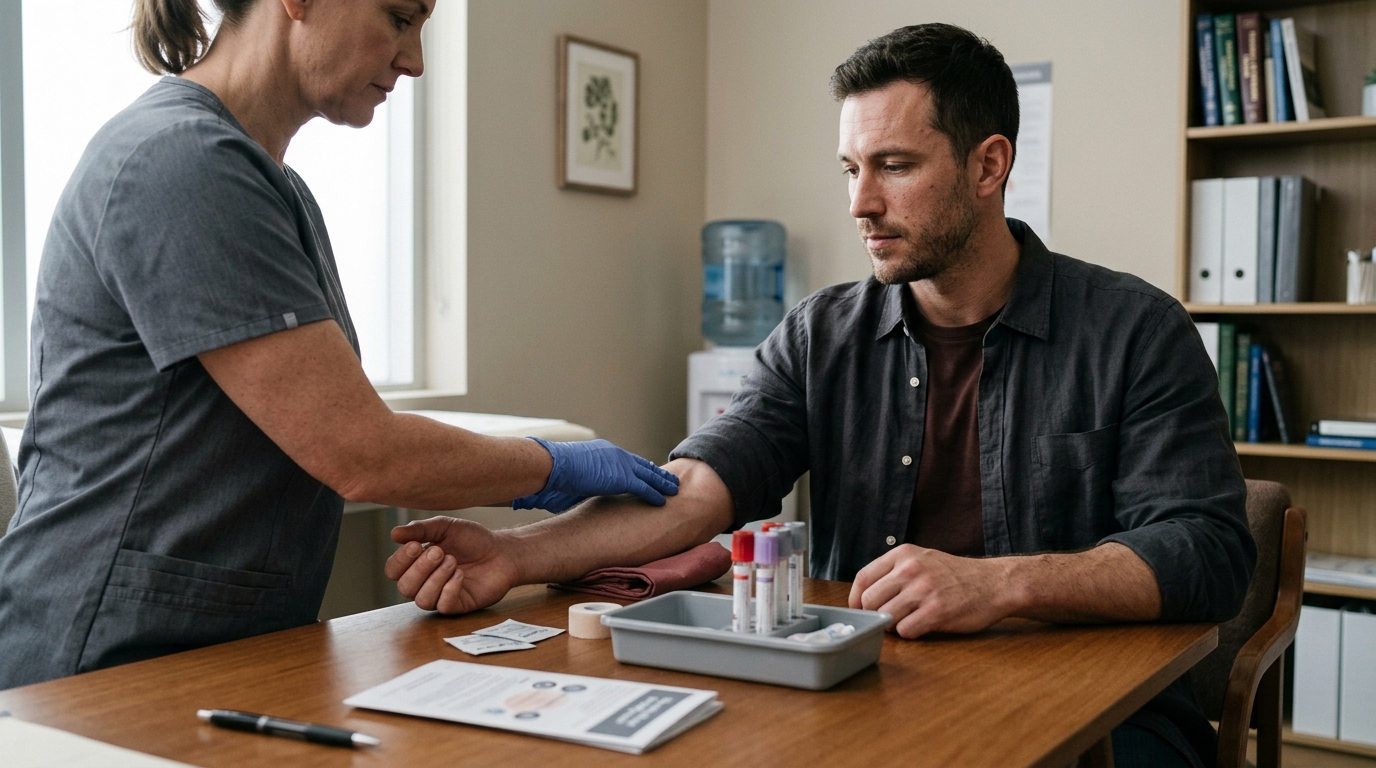
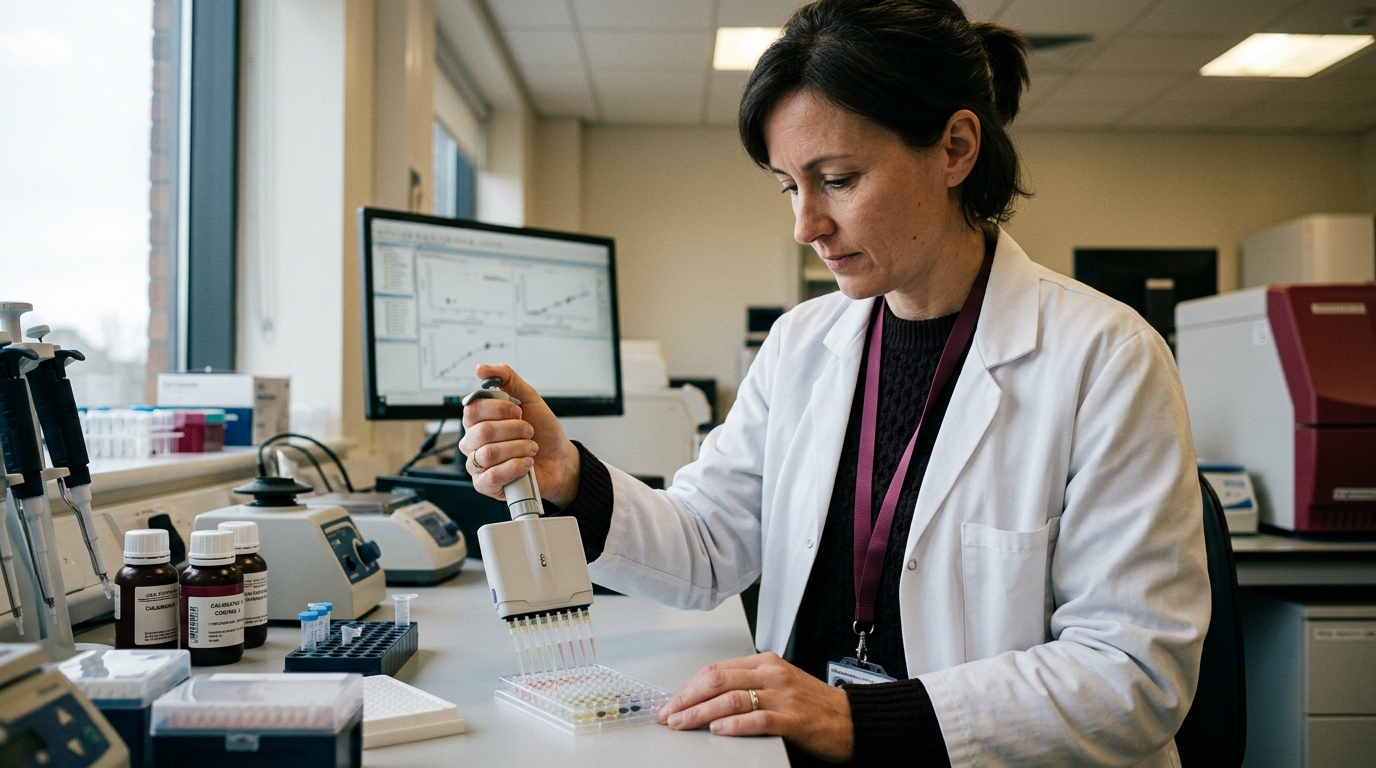
Evaluating male sexual symptoms requires rigorous laboratory testing. Single blood tests can be misleading because hormone levels fluctuate continuously throughout the day in response to sleep, diet, stress, and physical activity.
Total testosterone measures all circulating testosterone in the bloodstream. This includes hormone bound tightly to sex hormone-binding globulin (SHBG), hormone loosely bound to albumin, and unbound free testosterone.
Approximately 44 to 60 percent of circulating testosterone is bound tightly to SHBG, rendering it largely inactive for immediate cellular uptake. Roughly 38 to 54 percent is bound loosely to albumin, and 1 to 3 percent circulates completely free.
Free testosterone and albumin-bound testosterone together make up the bioavailable fraction. In men with conditions that alter SHBG levels, such as obesity, type 2 diabetes, thyroid disease, or advanced age, measuring total testosterone alone can be misleading.
In these cases, calculating free testosterone using equilibrium dialysis or validated mathematical formulas provides an accurate assessment of active hormone levels. A calculated free testosterone level below standard laboratory cutoffs helps clarify ambiguous total testosterone results.
SHBG is a liver-produced glycoprotein that binds sex steroids with high affinity. Monitoring SHBG is essential for interpreting total hormone measurements.
Pituitary gonadotropins reveal whether a hormonal issue originates in the testes or in the brain.
When secondary hypogonadism or severe loss of libido is identified, measuring serum prolactin is necessary. Significantly elevated prolactin can point to a prolactin-secreting pituitary adenoma, which suppresses gonadotropin-releasing hormone (GnRH) and causes severe sexual dysfunction.
Clinicians may also evaluate fasting blood glucose, hemoglobin A1c, comprehensive lipid panels, and thyroid-stimulating hormone (TSH) to assess metabolic and vascular health during the same diagnostic workup.
To learn more about interpreting these complex laboratory panels, explore our comprehensive guide to testosterone testing and biomarkers.
The relationship between testosterone therapy and sexual health has been examined in numerous randomized, double-blind, placebo-controlled trials. Reviewing the strongest available evidence helps clarify realistic expectations and limitations of treatment.
The Testosterone Trials, published in the New England Journal of Medicine, represent one of the most comprehensive investigations into androgen therapy in older men. The initiative enrolled 790 men aged 65 and older who had unequivocally low serum testosterone levels (below 275 ng/dL) confirmed across multiple early-morning tests, accompanied by subjective symptoms of deficiency.
Within the specialized Sexual Function Trial cohort, participants receiving daily testosterone gel showed clear, statistically significant increases in overall sexual activity, sexual desire (libido), and erectile function compared to those receiving placebo.
However, investigators noted that while improvements in sexual desire were substantial, the magnitude of improvement in erectile rigidity was more modest. Furthermore, the clinical benefits peaked within the first six months of therapy and plateaued thereafter.
Broader meta-analyses aggregating dozens of clinical trials provide a nuanced perspective on sexual outcomes across diverse patient populations.
Phosphodiesterase type 5 (PDE5) inhibitors, such as sildenafil and tadalafil, represent the first-line medical therapy for erectile dysfunction. These medications prevent the breakdown of cyclic guanosine monophosphate (cGMP), thereby prolonging smooth muscle relaxation and sustaining blood flow.
Because nitric oxide production relies partly on androgen activity, researchers hypothesized that adding testosterone therapy would restore responsiveness in hypogonadal men who failed to respond to PDE5 inhibitors alone.
Clinical trials evaluating this combination have yielded mixed findings. While guideline committees recognize that normalizing testosterone can help optimize the physiological environment for PDE5 inhibitors, clinical reviews note that adding testosterone to PDE5 inhibitors does not consistently produce dramatic improvements in all men.
Treatment must address underlying arterial plaque, nerve integrity, and metabolic control to achieve lasting restoration of erectile function. For a detailed breakdown of medical management and clinical studies, visit our section on TRT and emerging research.
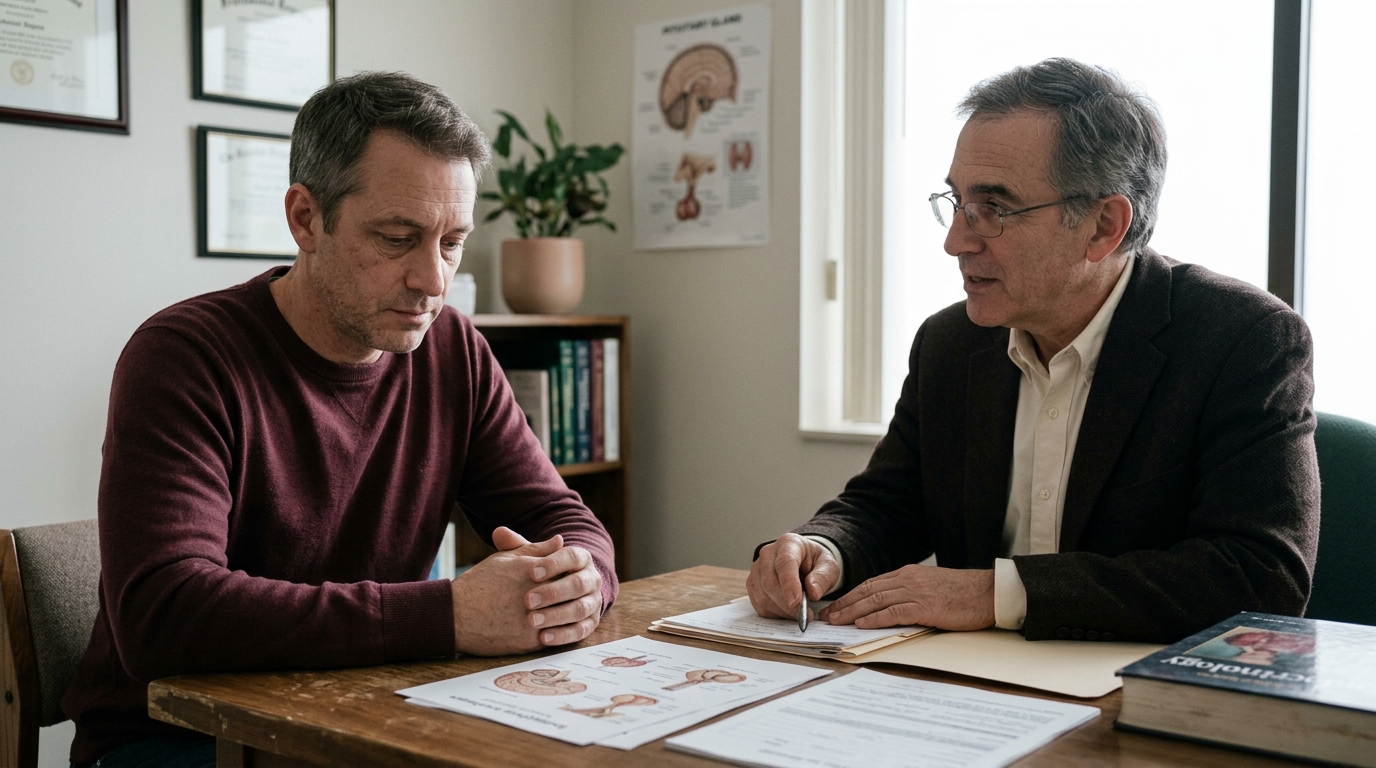
Navigating sexual symptoms and hormone testing requires an open, informed dialogue with a healthcare provider. Men preparing for an evaluation can use these specific questions to guide their consultation:
If you are currently experiencing changes in sexual desire, morning erections, or performance, taking a structured approach can help you gather accurate information before your medical visit.
Record when symptoms occur, whether spontaneous morning erections are present, and whether desire differs from physical erectile capacity. Note whether difficulties are constant or situation-dependent.
Compile a complete list of all prescription medications, over-the-counter drugs, and herbal supplements you take regularly. Check whether any are known to affect vascular tone, dopamine signaling, or hormone metabolism.
Book an appointment with a primary care physician, urologist, or endocrinologist. Frame the discussion around total health rather than requesting an isolated hormone prescription.
If your physician orders hormone tests, ensure the blood draw is scheduled between 7:00 AM and 10:00 AM after a full night of sleep and an overnight fast. Avoid heavy alcohol intake or intense exhaustive exercise immediately prior to the test.
Support your vascular and hormonal health by aiming for seven to eight hours of quality sleep nightly, incorporating regular aerobic and resistance exercise, and managing daily stress levels.
Testostra explains testosterone biology, testing, symptoms, lifestyle factors and TRT with careful sourcing and clear clinical limits.



Send us a question, research idea or topic suggestion. Reader questions help shape future Testostra content.
Contact Testostra