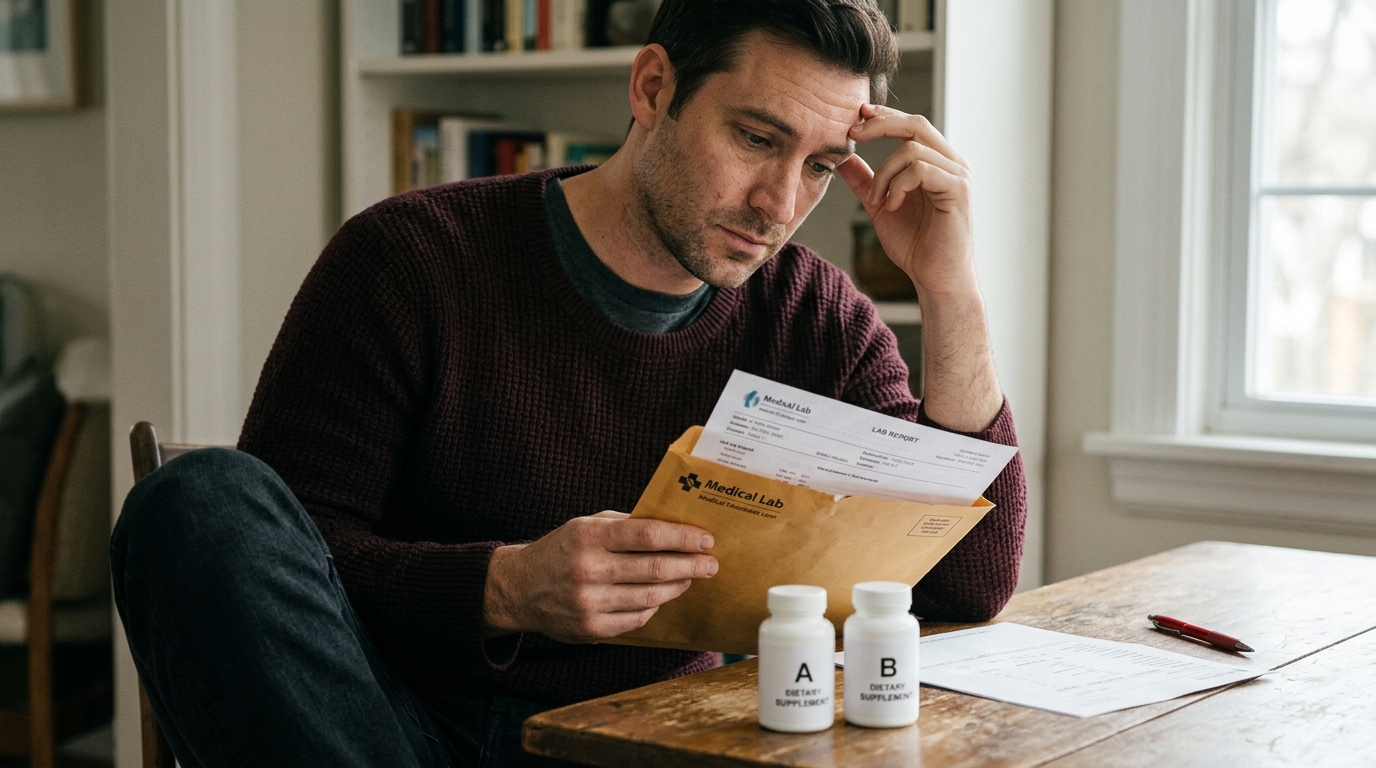

Work pressure and poor sleep frequently drain male libido by shifting hormone production away from testosterone and impairing normal sexual response.





The relationship between stress, testosterone levels, and sexual health is often misunderstood. In public health discussions, people frequently assume that any period of heavy stress directly causes low testosterone. Others assume that sudden changes in sexual desire or erectile firmness must be driven entirely by a hormone deficiency.
This guide examines what the scientific literature actually shows about stress pathways, sleep loss, reproductive hormone output, and sexual performance. It provides an objective look at how the body responds to both acute pressure and long-term strain. It also explains why a stressful lifestyle is not synonymous with an endocrine disorder.
This resource is designed for educational purposes only. It does not provide medical advice, diagnosis, or treatment protocols. Anyone experiencing persistent sexual difficulties, severe fatigue, or mood changes should consult a qualified medical professional for a comprehensive personal evaluation.
Understanding the connections between psychological strain and male physiology requires looking at multiple biological systems at the same time. The following core points summarize the current clinical and scientific understanding:
To understand how stress interacts with hormone output, researchers study two primary endocrine communication networks. These networks are the hypothalamic-pituitary-adrenal axis and the hypothalamic-pituitary-gonadal axis. Both systems rely on precise chemical signaling between the brain and peripheral glands.
The hypothalamic-pituitary-adrenal axis manages the systemic response to physical or psychological threats. When a person encounters a stressor, the hypothalamus releases corticotropin-releasing hormone. This signal prompts the pituitary gland to release adrenocorticotropic hormone, which instructs the adrenal glands to produce cortisol. Cortisol coordinates metabolic changes, increases blood pressure, and prepares the body to manage immediate demands.
The hypothalamic-pituitary-gonadal axis regulates reproductive function and androgen production. Under normal conditions, the hypothalamus releases gonadotropin-releasing hormone in regular pulses. This prompts the pituitary gland to secrete luteinizing hormone and follicle-stimulating hormone. Luteinizing hormone travels through the bloodstream to the Leydig cells in the testes, where it stimulates testosterone synthesis.
Scientific reviews describe several points where these two systems cross paths. Elevated cortisol and stress signaling can suppress the pulsatile secretion of gonadotropin-releasing hormone in the hypothalamus. Stress signals can also reduce the sensitivity of pituitary cells to regulatory hormones. In some experimental models, direct glucocorticoid signaling within the testes appears to interfere with Leydig cell testosterone production.
While these biological mechanisms are well documented, their presence does not mean that every stressful week leads to a clinical hormone deficiency. Mechanistic models show what is biologically possible in controlled environments. They do not demonstrate that psychological stress alone will cause pathological hypogonadism in a given patient. Clinical evaluation is always necessary to distinguish transient physiological responses from lasting organic pathology. Readers who want to understand more about general hormone regulation can read our testosterone body and sexual performance resources to see how these pathways function in daily life.
Acute stress refers to a sudden, short-term physical or emotional challenge. Examples include a high-stakes presentation at work, a sudden athletic exertion, an acute illness, or a sudden interpersonal conflict. The human body is well adapted to handle short-term challenges through rapid activation of the sympathetic nervous system.
During an acute stress event, the sympathetic nervous system triggers the release of adrenaline and noradrenaline. This reaction redirects blood flow toward major muscle groups, raises heart rate, and heightens sensory awareness. Because sexual arousal relies heavily on the parasympathetic nervous system, high sympathetic tone creates an immediate physical barrier to sexual arousal.
Erections require smooth muscle relaxation in the corpora cavernosa of the penis, which is driven by parasympathetic signaling and nitric oxide release. When acute anxiety or physical stress floods the body with adrenaline, blood vessels constrict. This vascular response makes achieving or maintaining an erection exceptionally difficult, even when circulating testosterone levels are completely normal.
A narrative review published in 2026 notes that acute physiological stress can produce short-term fluctuations in circulating testosterone. However, these changes are typically temporary adaptations rather than signs of permanent endocrine damage. Once the acute stressor passes, the sympathetic nervous system settles, cortisol levels return to baseline, and normal reproductive signaling resumes.
It is common for men to experience situational erectile difficulties during periods of acute stress. A single difficult sexual encounter during a demanding week does not mean that a person has an endocrine disorder. Assuming that an isolated episode indicates low testosterone can generate performance anxiety, which creates a cycle of persistent situational dysfunction.
Chronic stress occurs when psychological or physical demands remain elevated over weeks, months, or years without adequate recovery. Examples include long-term financial pressure, prolonged caregiving responsibilities, persistent job dissatisfaction, or ongoing marital discord.
Unlike acute stress, chronic stress maintains a prolonged state of physiological alertness. Over time, persistent strain can affect sleep architecture, alter appetite, contribute to systemic inflammation, and disrupt mood regulation. These systemic changes can indirectly dampen sexual desire and physical vitality.
Sexual desire is a complex neurobiological process influenced by dopamine, serotonin, emotional intimacy, physical comfort, and general health. While testosterone plays a key role in setting baseline sexual interest, it is only one component of the libido network. Severe chronic stress often leads to low mood, emotional exhaustion, and anhedonia, all of which independently suppress the desire for sexual activity.
When a man under chronic stress reports low libido, it is tempting to assume that low testosterone is the primary culprit. However, clinical literature emphasizes that psychological distress, depressive symptoms, and relationship strain can reduce libido even when circulating androgens are optimal. Treating the symptom purely as a hormone deficiency can cause individuals to overlook significant psychosexual and emotional factors.
Erectile function under chronic stress is similarly multifaceted. Prolonged psychological strain can heighten performance anxiety during sexual intimacy. When a man worries about his ability to perform, sympathetic nervous system activity spikes right when parasympathetic relaxation is needed. This psychological interference disrupts vascular responses, leading to inconsistent erection quality.
Clinical researchers point out several distinct patterns in stress-related erectile issues:
The difficulty often appears in specific environments or with particular partners, while normal erectile function remains intact in other settings.
Stress-related erectile changes frequently begin abruptly during an identifiable life crisis, whereas vascular or organic erectile dysfunction typically develops gradually over several years.
Men experiencing stress-related erectile difficulties often continue to have firm morning erections or normal erections during masturbation.
While these patterns serve as useful clinical clues, they are not absolute proof of a purely psychological problem. A thorough medical evaluation remains essential to screen for early cardiovascular changes, metabolic issues, or neurological factors that might coexist with psychological strain.
Sleep is critical for maintaining endocrine balance. In healthy men, testosterone output rises during sleep, peaks during early morning hours, and gradually declines throughout the day. Because sleep loss is both a form of physiological stress and a common consequence of psychological worry, researchers have investigated how sleep restriction affects circulating androgens.
A widely cited study examined young, healthy men whose sleep was restricted to five hours per night for one week in a controlled laboratory setting. Researchers found that daytime testosterone levels decreased by 10% to 15% compared to their rested baseline state. During shared waking hours, average testosterone measured 16.5 nmol/L during the sleep-restricted period compared to 18.4 nmol/L when rested, with the most pronounced drop occurring between 2:00 p.m. and 10:00 p.m.
While these findings show that short-term sleep loss can disrupt normal daytime hormone curves, they must be interpreted carefully. The study was conducted on a small convenience sample of young men under tightly controlled laboratory conditions. It does not establish that everyday variations in sleep will cause a permanent, clinically significant reduction in testosterone for every individual.
Other investigations have produced contrasting results. A 2019 study evaluated healthy young men subjected to both five nights of severe sleep restriction and six weeks of mild chronic sleep restriction. Under those specific study conditions, researchers observed no statistically significant reduction in plasma testosterone levels.
Comprehensive reviews of the sleep literature point out that findings regarding sleep restriction remain mixed. Studies using total, continuous sleep deprivation tend to show clear drops in testosterone, but partial sleep restriction produces varying outcomes. Furthermore, many studies have measured testosterone only in the morning, which makes it difficult to evaluate how sleep loss affects hormone patterns across the entire twenty-four-hour cycle.
The relationship between obstructive sleep apnea and testosterone has also been re-evaluated in modern literature. Early commentary suggested that obstructive sleep apnea was a direct cause of low testosterone. However, contemporary reviews indicate that after adjusting for age and body mass index, mild to moderate sleep apnea does not have an independent causal effect on testosterone output. A significant reduction in testosterone is primarily observed in men with severe sleep apnea accompanied by profound hypoxia.
Improving sleep hygiene remains an essential health habit for physical vitality, mood, and general well-being. Nevertheless, clinical evidence does not support the claim that fixing sleep habits will automatically reverse a confirmed endocrine disorder. You can learn more about general health and hormone relationships in our lifestyle and natural testosterone support guide.
Because chronic stress, poor sleep, and testosterone deficiency share many overlapping symptoms, distinguishing between them requires a structured clinical approach. Fatigue, low mood, reduced libido, difficulty concentrating, and variable erections can occur in all three situations. Relying on a symptom checklist alone makes accurate diagnosis impossible.
The Endocrine Society provides clear clinical guidelines for diagnosing male hypogonadism. According to these standards, a diagnosis requires two mandatory components:
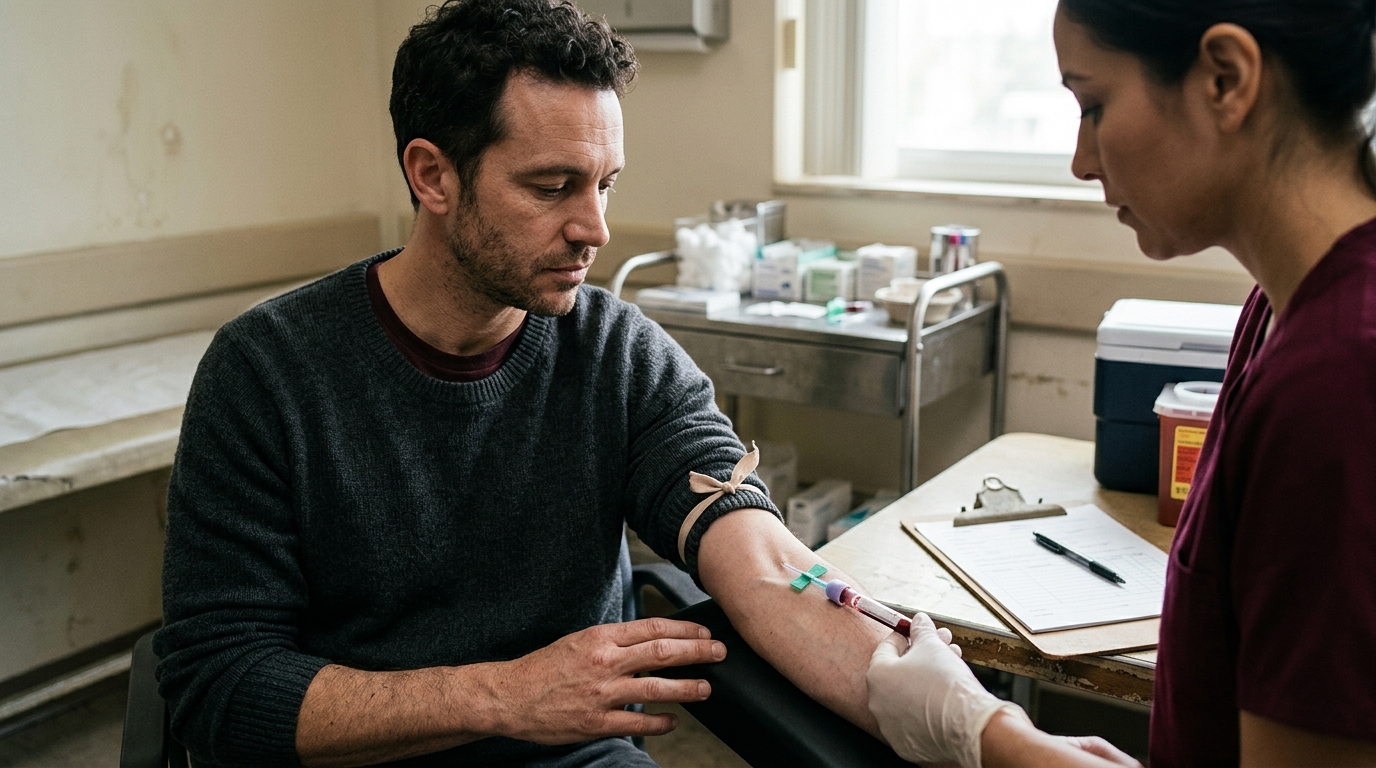
To ensure laboratory accuracy, blood samples must be drawn in the morning between 7:00 a.m. and 10:00 a.m. in a fasting state. Morning collection is necessary because circulating testosterone follows a diurnal rhythm, reaching its highest point in the early hours before declining later in the day. Drawing blood in the afternoon or after a heavy meal can yield artificially low numbers that do not reflect true baseline production.
The Endocrine Society explicitly advises clinicians against making a diagnosis based on a single laboratory draw. Biological variation, temporary viral infections, recent intense physical exertion, and acute psychological stress can all cause temporary dips in hormone levels. A repeat morning fasting test confirms whether the low result is persistent or merely a temporary fluctuation.
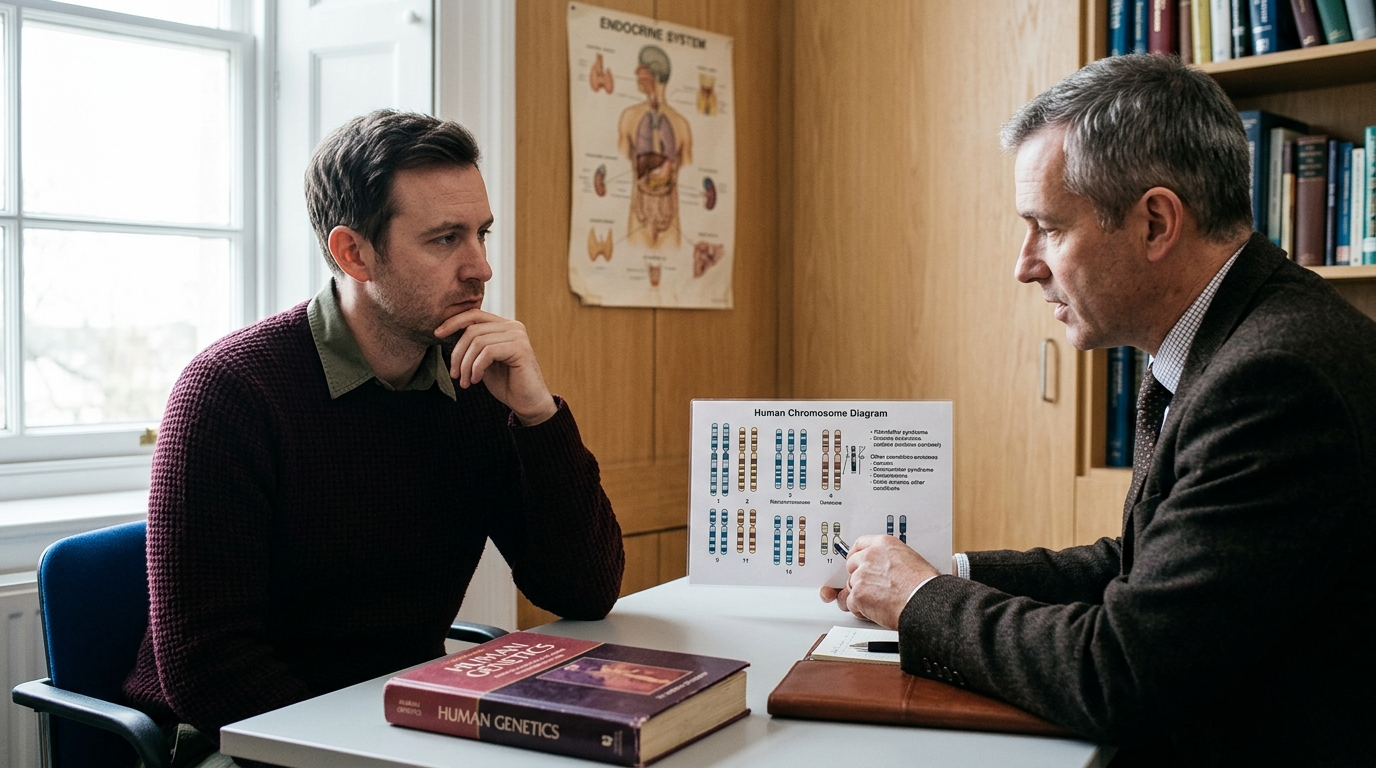
The American Urological Association provides complementary guidance for evaluating men who present with erectile dysfunction. The guidelines recommend conducting a complete medical, sexual, and psychosocial history, performing a physical examination, and obtaining morning total testosterone measurements. In its erectile dysfunction framework, the American Urological Association defines testosterone deficiency as a total testosterone level below 300 ng/dL combined with compatible symptoms, confirmed by at least two separate morning measurements.
When an individual presents with sexual symptoms during a high-stress period, a skilled clinician evaluates the whole picture. They do not dismiss the symptoms as merely mental, nor do they rush to prescribe hormone therapies without confirming a biochemical deficiency. Both psychosocial factors and endocrine parameters are assessed in tandem to determine the most appropriate course of care. To understand how diagnostic tests are conducted, you can review our guide to testing and biomarkers.
When repeat blood tests confirm that total testosterone is persistently low, clinicians use additional laboratory biomarkers to investigate the underlying cause. These tests help determine whether the issue originates in the testes or in the pituitary-hypothalamic control centers.
Total testosterone measures all circulating testosterone in the bloodstream. This includes hormone bound tightly to sex hormone-binding globulin, hormone bound loosely to albumin, and unbound free testosterone. It serves as the primary initial screening biomarker in male endocrine evaluations.
Sex hormone-binding globulin is a protein produced by the liver that binds tightly to testosterone. Only unbound free testosterone and albumin-bound testosterone are biologically active and readily available to tissues. When conditions such as obesity, thyroid disorders, or aging alter liver protein production, total testosterone numbers may appear misleading. Calculating or directly measuring free testosterone helps clarify the amount of active hormone in circulation.
Luteinizing hormone and follicle-stimulating hormone are secreted by the anterior pituitary gland to stimulate the testes. Measuring these gonadotropins is essential for distinguishing between primary and secondary hypogonadism:
Prolactin is a hormone produced by the anterior pituitary gland. Markedly elevated prolactin levels can suppress gonadotropin-releasing hormone secretion, leading to secondary hypogonadism and reduced sexual function. Evaluating prolactin helps screen for pituitary microadenomas or medication-induced endocrine changes.
When secondary hypogonadism is identified, the Endocrine Society guidelines recommend considering further evaluations based on the patient's clinical presentation. These may include iron saturation tests to screen for hemochromatosis, specialized pituitary imaging, and screening for chronic systemic conditions. If you want to understand these conditions more thoroughly, explore our overview of low testosterone causes and risk factors.
When evaluating medical literature on stress and hormones, it is vital to distinguish between robust clinical consensus, observational associations, and preliminary mechanistic research. Conflating these categories leads to common misconceptions.
The requirement for repeat, morning, fasting blood draws to diagnose testosterone deficiency represents established clinical consensus supported by decades of endocrine research. Guidelines from both the Endocrine Society and the American Urological Association emphasize that symptoms alone are non-specific and that a single blood test is insufficient. Similarly, the recommendation to evaluate both psychosocial factors and organic health markers in men with sexual difficulties is backed by high-quality clinical evidence.
Observational research consistently shows that men reporting high chronic stress, poor sleep, or depression have higher rates of sexual dissatisfaction and variable hormone levels. However, observational studies cannot establish direct cause and effect. A statistical association between stressful life circumstances and altered hormone markers does not prove that stress was the direct biological cause of a specific individual's low testosterone.
Studies exploring cortisol-induced suppression of Leydig cells, acute sympathetic vascular changes, and short-term sleep restriction provide valuable biological explanations. Yet, these studies frequently rely on small sample sizes, brief intervention periods, or specialized laboratory settings. Their findings describe possible physiological pathways rather than predictable clinical outcomes that apply universally to every patient.
Understanding these distinctions helps individuals approach hormone health with realistic expectations. Stress reduction and sleep improvement are healthy lifestyle goals, but they should not be viewed as guaranteed medical treatments for organic endocrine disorders.
Examining common clinical scenarios helps clarify how symptoms, lifestyle context, and laboratory findings intersect in medical practice. The following illustrative models describe common patterns without providing individualized diagnoses.
An individual experiences an abrupt onset of erectile difficulties during a corporate restructuring at work. The difficulties occur during intimate partner encounters, but morning erections remain firm and masturbation is unaffected.
In this scenario, the sudden onset, strong situational variability, and preserved morning erections provide strong clinical clues that psychological and sympathetic nervous system factors are involved. While medical guidelines recommend measuring morning testosterone to be thorough, the clinical history suggests that acute situational anxiety is playing a significant role.
An individual experiencing ongoing fatigue and reduced interest in intimacy receives a single afternoon blood test showing a total testosterone level of 285 ng/dL. He assumes this single number confirms an irreversible hormone disorder caused by his stressful career.
Under Endocrine Society guidelines, this scenario does not meet the criteria for a confirmed diagnosis. An afternoon blood draw cannot be used to establish hypogonadism because testosterone levels naturally decline throughout the day. A proper evaluation requires repeated fasting blood draws taken between 7:00 a.m. and 10:00 a.m. to determine whether true biochemical deficiency exists.
An individual completes a grueling two-week project involving five hours of sleep per night and notices a drop in libido and energy. Concerned by popular claims that sleep loss causes permanent hormone damage, he visits a doctor several weeks later after resuming a normal eight-hour sleep schedule. His repeat morning blood tests return well within the normal reference range.
This case illustrates that while short-term sleep restriction can cause transient dips in daytime hormone levels, it does not necessarily cause permanent endocrine impairment. Once normal rest is restored, physiological regulation typically stabilizes.
An individual experiencing persistent marital stress and erectile difficulties assumes his symptoms are entirely psychological. A comprehensive medical evaluation reveals mildly elevated fasting blood glucose, borderline high blood pressure, and a normal morning total testosterone level of 480 ng/dL.
This pattern demonstrates why guidelines recommend a broad medical workup. While psychological strain was present, physical vascular and metabolic contributors were also developing. Addressing both the psychosocial dynamic and the underlying cardiovascular health provides a far more effective path forward than focusing exclusively on one factor.
An individual with long-standing fatigue, decreased muscle mass, and low libido undergoes two separate morning fasting tests, both showing total testosterone levels below 220 ng/dL. Rather than attributing the result to lifestyle stress, his clinician orders LH, FSH, and prolactin tests.
The subsequent tests reveal low LH and FSH levels, pointing toward secondary hypogonadism. Further clinical evaluation identifies a medication-related effect from a prescribed pain management regimen. This systematic approach ensures that the true cause of the endocrine disruption is identified and addressed appropriately.
If you are experiencing persistent changes in sexual function, chronic fatigue, or mood disturbances, having a structured conversation with a qualified clinician is the most effective next step. The following questions can help guide your discussion:
Engaging in an open dialogue allows your doctor to evaluate your health holistically, ensuring that neither psychological contributors nor organic medical conditions are overlooked.
No. Cortisol levels naturally fluctuate significantly throughout the day in response to normal daily activities, meals, and short-term challenges. Routine cortisol blood tests do not serve as a diagnostic tool for identifying psychological stress as the cause of low testosterone. Medical guidelines rely on repeated morning fasting testosterone testing alongside gonadotropin measurements to evaluate endocrine health.
Preserved morning erections suggest that the vascular and neurological pathways required for erectile response are functioning well. While this pattern often points toward situational or psychological factors when sexual difficulties arise, it does not completely rule out hormone variations. An accurate endocrine assessment always depends on standardized laboratory testing combined with clinical history.
Adopting healthy stress-management habits, improving sleep, and addressing emotional challenges support general physiological health and can significantly improve sexual function. However, if an individual has true organic hypogonadism caused by testicular pathology or pituitary dysfunction, stress reduction alone will not restore normal hormone production. A proper clinical evaluation is necessary to identify the root cause.
Testosterone production follows a distinct daily rhythm, reaching its highest concentrations in the early morning and steadily falling as the day progresses. Testing later in the day can produce results that appear abnormally low, leading to inaccurate conclusions. Morning fasting collections ensure that measurements reflect true peak baseline production.
Testostra explains testosterone biology, testing, symptoms, lifestyle factors and TRT with careful sourcing and clear clinical limits.



Send us a question, research idea or topic suggestion. Reader questions help shape future Testostra content.
Contact Testostra