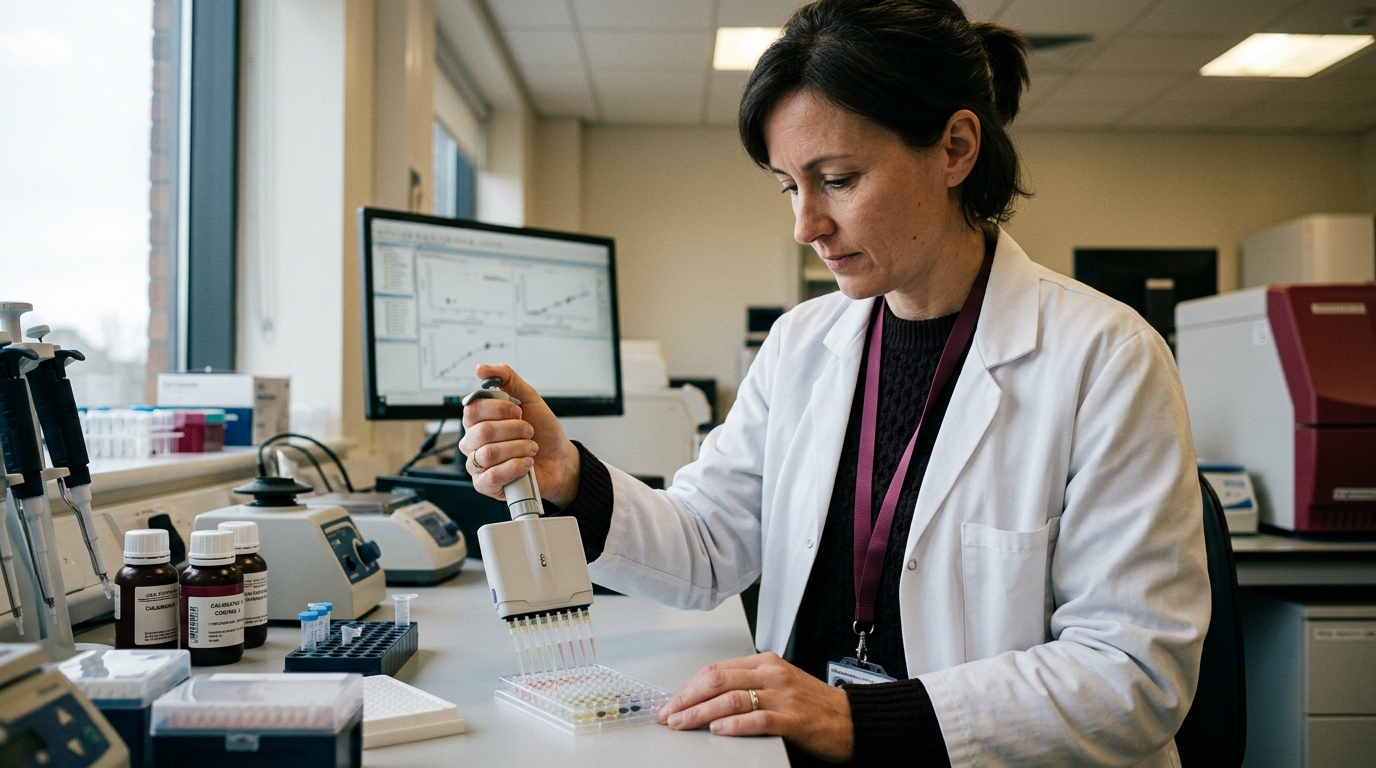

Testosterone replacement therapy cannot replace diabetes care, but clinical evidence shows it safely treats confirmed hypogonadism alongside metabolic disease management.





Many men search online to ask whether testosterone replacement therapy can treat, reverse, or cure type 2 diabetes. Men living with blood sugar concerns often discover low testosterone levels on routine blood tests. They want to know if hormonal therapy is the missing link in their metabolic health. This guide provides a definitive, evidence-led examination of the medical boundaries, clinical trial results, and diagnostic requirements surrounding testosterone and type 2 diabetes.
This article is for educational purposes only. It is not personal medical advice, diagnosis, or treatment. Hormone therapy and metabolic management carry health risks that require direct supervision by a licensed healthcare provider. Never start, stop, or change medications or hormone therapies without consulting a qualified clinician.
The relationship between testosterone therapy and type 2 diabetes involves distinct clinical boundaries. Major clinical guidelines separate the treatment of confirmed testosterone deficiency from the routine management of blood sugar.
Evaluating hormone levels in men with metabolic conditions requires distinguishing between two distinct health challenges. The first challenge is clinical hypogonadism, which is a medical deficiency of hormone production. The second challenge is metabolic dysfunction, which includes insulin resistance, impaired glucose tolerance, and type 2 diabetes.
Hypogonadism is a distinct clinical diagnosis. It requires the presence of specific clinical symptoms alongside unequivocally and consistently low blood testosterone concentrations. The Endocrine Society emphasizes that low numbers alone do not constitute a diagnosis. A man must display compatible physical or sexual symptoms together with confirmed biochemical deficiency.
Type 2 diabetes is a chronic metabolic disease defined by insulin resistance and elevated blood glucose levels. While men with type 2 diabetes experience higher rates of low testosterone measurements, diabetes itself is not a hormone deficiency disease. Conflating a metabolic disease with a primary endocrine deficiency leads to inappropriate treatment choices and unrealistic patient expectations.
Healthcare providers must separate the reason for an intervention from secondary metabolic changes. When a clinician prescribes testosterone replacement therapy, the goal is to treat verified hypogonadism and resolve symptoms of deficiency. The therapy should never be initiated with the goal of replacing standard diabetes medications or lowering blood sugar.
Guideline bodies establish clear lines regarding these treatment goals. The Endocrine Society Clinical Practice Guideline explicitly recommends against using testosterone therapy as a glucose-lowering strategy. Even when a man has both type 2 diabetes and low testosterone, testosterone therapy is directed at his hormone deficiency, while his diabetes requires independent, standard metabolic therapies.
Understanding these boundaries helps patients avoid experimental approaches. It ensures that men receive appropriate, guideline-directed care for their blood sugar while treating confirmed hormonal disorders through standard clinical pathways.
Accurate diagnosis is essential before any medical intervention is considered. Diagnosing low testosterone in a man with metabolic syndrome or type 2 diabetes requires a careful, step-by-step diagnostic workup. A single blood test is never sufficient to establish a diagnosis or justify lifelong therapy.
Professional organizations provide specific testing recommendations to ensure diagnostic accuracy. The American Urological Association guidelines state that clinicians must obtain two separate total testosterone measurements on different mornings. Both blood draws must occur early in the morning when testosterone production naturally peaks.
The American Diabetes Association 2025 Standards of Care outline when testing is warranted. The standards advise clinicians to measure morning total testosterone in men with diabetes only when they display signs or symptoms of hypogonadism. Routine, universal screening of all diabetic men without symptoms is not recommended.
Testing protocols require morning fasting blood draws because testosterone levels follow a circadian rhythm. Testosterone concentrations are highest in the early morning hours and decline throughout the afternoon. Drawing blood later in the day can produce an artificially low result, leading to an incorrect diagnosis.
Acute illnesses, poor sleep, extreme physical stress, and short-term dietary changes can also temporarily suppress testosterone production. Clinicians must ensure that testing occurs when the patient is clinically stable. Repeating the test on a separate morning confirms whether the deficiency is persistent.
Once low testosterone is confirmed across multiple morning tests, the clinician must determine the underlying cause. Evaluating luteinizing hormone and follicle-stimulating hormone distinguishes primary testicular failure from secondary hypothalamic-pituitary dysfunction. Secondary hypogonadism is particularly common in men with obesity and type 2 diabetes due to central suppression of the hypothalamic-pituitary-gonadal axis.
Reviewing the comprehensive medical picture protects the patient from misdiagnosis. For deeper insight into testing protocols, read our guide on comprehensive biomarker testing to understand how laboratories process hormone assays.
Interpreting hormone lab results in men with metabolic disease requires an understanding of transport proteins. Testosterone circulates in the bloodstream in three distinct forms. It binds tightly to sex hormone-binding globulin, binds loosely to albumin, or circulates freely as unbound hormone.
Total testosterone measures all three pools combined. Free testosterone refers to the unbound fraction, which is biologically active and able to enter tissues freely. Bioavailable testosterone includes both the free fraction and the loosely bound albumin fraction.
Visceral adiposity and high circulating insulin levels directly suppress the liver's production of sex hormone-binding globulin. When a man develops significant insulin resistance, his circulating levels of this binding protein fall. As the binding protein declines, the total amount of carrying capacity in the blood drops.
Because the total carrying capacity is reduced, the measured total testosterone number frequently drops below the normal reference range. However, the actual concentration of biologically active free testosterone may remain entirely normal. This creates an apparent deficiency on standard screening tests that does not reflect true tissue-level hormone deficiency.
In men with obesity or type 2 diabetes, relying solely on total testosterone can lead to diagnostic errors. A clinician might interpret a low total value as hypogonadism, even though the patient has adequate free hormone levels. Conversely, assuming every low value is merely an artifact of low binding proteins can cause clinicians to miss genuine hypogonadism.
When evaluating men with metabolic conditions, clinicians frequently order both total testosterone and sex hormone-binding globulin. They can then calculate or directly measure free testosterone using standardized laboratory methods like equilibrium dialysis. This extra step ensures that clinical decisions are based on the biologically active hormone fraction.
Additional biomarkers require evaluation before and during any hormonal therapy. Baseline hematocrit and hemoglobin levels must be documented to monitor for polycythemia. Prostate-specific antigen should be evaluated in men over age 40 to identify preexisting prostate conditions.
Monitoring metabolic biomarkers remains essential regardless of hormone status. Fasting blood glucose, hemoglobin A1c, and comprehensive lipid panels provide direct measures of metabolic health. Tracking these markers ensures that core diabetes care continues uninterrupted alongside any endocrine evaluations.
Understanding these biological markers helps patients interpret their laboratory reports accurately. To learn more about standard hormone ranges, explore our overview of testosterone fundamentals and physiological regulation.
Evaluating medical studies requires examining trial designs, study populations, and outcome measurements. The literature examining testosterone therapy in metabolic disease contains a wide range of study types, ranging from small observational cohorts to large, randomized controlled trials.
Observational studies frequently show an association between low circulating testosterone levels and higher rates of metabolic syndrome, insulin resistance, and type 2 diabetes. However, observational data cannot prove causation. Obesity and chronic inflammation suppress testosterone production, meaning low testosterone may simply serve as a biological marker of poor underlying health.
Randomized controlled trials provide higher-quality evidence by comparing testosterone therapy directly against a placebo. Yet, even randomized trials in this field vary substantially in how they select participants. Some trials enroll men with confirmed, pathological hypogonadism caused by pituitary or testicular diseases. Other trials enroll men with abdominal obesity and borderline-low testosterone who lack classical endocrine disease.
The choice of outcome measures also influences how study results are interpreted. Some clinical trials measure changes in glucose tolerance using a two-hour oral glucose tolerance test. Other trials evaluate long-term glycemic control using hemoglobin A1c or homeostatic model assessment of insulin resistance.
A positive change in an oral glucose tolerance test does not automatically translate into a clinically meaningful drop in hemoglobin A1c. Hemoglobin A1c reflects average blood sugar levels over three months and serves as the clinical standard for managing diabetes. Studies that demonstrate improvements in one surrogate marker often fail to show improvements in standard long-term measures.
Meta-analyses that pool data from multiple trials often exhibit high statistical heterogeneity. When studies combine different patient populations, testosterone formulations, treatment durations, and baseline health statuses, the combined results cannot be applied uniformly to every individual patient.
Recognizing these scientific boundaries allows patients and clinicians to view study headlines with appropriate context. High-quality clinical guidance relies on replicated, consistent evidence rather than isolated findings from specific study subgroups.
Several landmark clinical trials have investigated the metabolic and hormonal effects of testosterone administration. Reviewing the exact parameters of these studies clarifies what the medical literature demonstrates and what remains unproven.
The T4DM trial was a major randomized, double-blind, placebo-controlled study conducted in Australia. The trial enrolled men aged 50 to 74 years who had a waist circumference of at least 95 centimeters and a total testosterone level of 14.0 nmol/L or lower. Participants had either impaired glucose tolerance or newly diagnosed type 2 diabetes.
Critically, the trial explicitly enrolled men who did not have pathological hypogonadism. All participants were enrolled in a standardized lifestyle intervention program that included diet and exercise support. Participants were randomized to receive either intramuscular testosterone undecanoate or a matching placebo injection every three months for two years.
At the two-year mark, an oral glucose tolerance test showed that a diabetes-threshold glucose level occurred in 21% of the placebo group compared to 12% of the testosterone group. The reported relative risk was 0.59, representing a statistically significant difference in glucose tolerance at two hours. The mean change in two-hour glucose showed a between-group difference of -0.75 mmol/L.
However, subsequent reviews highlighted an essential clinical nuance. While the trial demonstrated an improvement in the two-hour oral glucose tolerance test, it did not show a corresponding, clinically meaningful improvement in hemoglobin A1c. Because the participants lacked classical hypogonadism and also received lifestyle interventions, the results cannot be used to justify routine testosterone therapy as a standard diabetes prevention drug.
The TIMES2 study evaluated the effects of transdermal testosterone gel in men with type 2 diabetes or metabolic syndrome who had confirmed low testosterone. The study evaluated insulin resistance and glycemic parameters over an extended treatment timeline.
The trial reported a statistically significant reduction in homeostatic model assessment of insulin resistance at 12 months. In the subgroup of participants with type 2 diabetes, the primary study report identified a statistically significant difference in hemoglobin A1c of -0.446% at nine months compared to placebo.
Despite these findings, several methodological factors require careful interpretation. The double-blind, randomized phase of the study lasted only six months, after which the trial transitioned into an open-label phase. Additionally, the study experienced an overall patient dropout rate of 29%.
High dropout rates and open-label designs introduce potential bias, limiting the certainty of long-term outcomes. While TIMES2 provided valuable preliminary data, guideline committees determined that the evidence was insufficient to recommend testosterone for routine glycemic management.
Systematic reviews that combine multiple randomized trials show inconsistent effects on blood sugar control. A comprehensive 2015 systematic review analyzing seven randomized trials involving 833 men with diabetes or metabolic syndrome found no statistically significant improvement in hemoglobin A1c. The pooled mean difference was -0.15 percentage points, which did not reach statistical significance.
A more recent 2023 meta-analysis of testosterone therapy in hypogonadal men with type 2 diabetes reported a modest, statistically significant reduction in hemoglobin A1c of -0.29 percentage points. However, the authors noted extreme statistical heterogeneity among the included studies, with an inconsistency index exceeding 89%.
This extreme heterogeneity means the trials differed so widely in design, patient health, and dosing that the pooled number cannot predict how any individual patient will respond. Consequently, established clinical guidelines maintain that testosterone therapy should not be prescribed as an alternative or adjunct to standard diabetes medications.
To learn more about clinical research developments, read our analysis of testosterone replacement therapy research and modern medical guidelines.
Safety is a primary consideration when evaluating hormone therapy, particularly in men with type 2 diabetes who already face elevated baseline cardiovascular risk. Understanding how testosterone affects the heart, blood vessels, and red blood cells is essential for informed medical decision-making.
For many years, regulatory agencies and clinicians debated whether testosterone therapy increased the risk of heart attacks and strokes. To address this question, researchers conducted the TRAVERSE trial, a large, multi-center, randomized controlled trial designed specifically to evaluate cardiovascular safety.
The TRAVERSE study enrolled men aged 45 to 80 years with confirmed hypogonadism and preexisting cardiovascular disease or elevated cardiovascular risk factors. Participants were randomized to receive daily transdermal testosterone gel or a placebo gel. The primary safety endpoint was the occurrence of major adverse cardiovascular events, including cardiovascular death, nonfatal myocardial infarction, or nonfatal stroke.
The trial demonstrated that major adverse cardiovascular events occurred in 7.0% of men in the testosterone group compared to 7.3% in the placebo group. The hazard ratio was 0.96, satisfying the rigorous non-inferiority criteria established for the study. The findings provided strong evidence that testosterone therapy does not increase the rate of major cardiovascular events in men with diagnosed hypogonadism.
However, clinical safety assessments must not end with major cardiovascular outcomes alone. Following the publication of the TRAVERSE trial, the United States Food and Drug Administration updated drug safety labeling. The FDA removed previous class-wide warnings regarding major adverse cardiac events while adding specific warnings regarding blood pressure elevations.
Ambulatory blood pressure monitoring studies show that testosterone therapy can cause modest increases in systolic and diastolic blood pressure. In men with type 2 diabetes and hypertension, even small increases in blood pressure can impact long-term vascular health. Clinicians must monitor blood pressure regularly and adjust antihypertensive medications as needed during therapy.
Testosterone also stimulates erythropoiesis, increasing the production of red blood cells in the bone marrow. This can lead to erythrocytosis, a condition characterized by an elevated hematocrit. High hematocrit levels thicken the blood, potentially increasing the risk of thromboembolic complications.
The American Urological Association recommends checking baseline hematocrit before starting treatment and monitoring levels periodically throughout therapy. If hematocrit rises above safe clinical thresholds, clinicians may need to adjust the hormone dosage, change the administration method, or pause therapy.
Managing hormone health in men with metabolic disease involves avoiding common clinical mistakes. Reviewing representative clinical patterns illustrates how guideline principles apply in medical practice.
A 52-year-old man with type 2 diabetes reports persistent daytime fatigue, low motivation, and mild mood changes. He requests testosterone therapy, believing his symptoms are driven entirely by low hormones.
Fatigue is a non-specific symptom with numerous potential causes in men with metabolic disease. Poor glycemic control, fluctuating blood sugar, subclinical sleep apnea, medication side effects, and depression can all cause severe fatigue. Clinicians must thoroughly evaluate metabolic control and screen for other medical conditions before attributing symptoms solely to hormone levels.
If a patient exhibits non-specific symptoms, the clinician should verify whether core low testosterone symptoms are present. Genuine deficiency typically includes specific sexual symptoms, such as loss of spontaneous morning erections and reduced libido, alongside biochemical confirmation.
A 48-year-old man with severe obesity undergoes routine blood testing. His total testosterone is measured at 240 ng/dL, which falls below the laboratory reference range. His clinician immediately offers a prescription for testosterone injections based on this single result.
This scenario represents a failure of diagnostic confirmation. As established by endocrine guidelines, total testosterone must be confirmed with a second morning fasting blood draw. Furthermore, because the patient has obesity, his sex hormone-binding globulin is likely suppressed.
The appropriate next step is to order a repeat morning test that includes total testosterone, sex hormone-binding globulin, and free testosterone. If his calculated or measured free testosterone is well within the normal range, he does not have clinical hypogonadism. Prescribing hormone therapy in this scenario treats a laboratory artifact rather than a true disease.
A 36-year-old man with type 2 diabetes and confirmed hypogonadism seeks treatment for low energy and low libido. His clinician starts him on intramuscular testosterone injections without discussing family planning. Six months later, the patient and his partner decide to try to conceive.
Exogenous testosterone therapy suppresses the hypothalamic-pituitary-gonadal axis through negative feedback. It dramatically reduces the production of luteinizing hormone and follicle-stimulating hormone, shutting down intratesticular testosterone production and suppressing spermatogenesis. This frequently leads to severe oligospermia or azoospermia.
The Endocrine Society explicitly recommends against starting testosterone therapy in men who are planning to conceive in the near term. Clinicians must discuss fertility goals before initiating any hormone therapy. If a man wishes to preserve fertility, alternative treatments such as selective estrogen receptor modulators or human chorionic gonadotropin may be considered by a reproductive specialist.
A 58-year-old man with poorly controlled type 2 diabetes stops taking his metformin and GLP-1 receptor agonist after reading online that testosterone therapy will fix his insulin resistance. He begins hormone therapy through an online clinic, expecting his blood sugar to normalize.
This scenario represents a dangerous misunderstanding of hormone physiology. Clinical trials show that while testosterone therapy may produce modest changes in insulin sensitivity, it does not match the efficacy of approved diabetes medications or dietary management. Stopping standard metabolic treatments exposes the patient to severe hyperglycemia, accelerated vascular damage, and diabetic complications.
Testosterone therapy must never replace evidence-based diabetes therapies. Patients must maintain their prescribed diabetes regimens, track their blood glucose, and work collaboratively with their primary care provider or endocrinologist.
A 64-year-old man with confirmed hypogonadism and type 2 diabetes requests hormone therapy. His medical history reveals untreated severe obstructive sleep apnea, a baseline hematocrit of 53%, and a history of a myocardial infarction four months prior.
The Endocrine Society outlines clear conditions in which testosterone therapy should not be started. These contraindications include untreated severe obstructive sleep apnea, elevated baseline hematocrit, severe lower urinary tract symptoms, uncontrolled heart failure, and recent cardiovascular events within the previous three to six months.
Starting testosterone in this patient poses substantial health risks. His untreated sleep apnea could worsen, his hematocrit could climb to dangerous levels, and his recent cardiac event requires cardiovascular stabilization. Clinicians must address these underlying conditions and ensure safety criteria are fully met before considering hormone therapy.
Addressing metabolic dysfunction through non-pharmacological means provides foundational benefits. For detailed strategies, review our guide on lifestyle interventions for metabolic health to support endocrine function naturally.
Navigating a medical evaluation requires clear communication between patients and healthcare providers. If you have type 2 diabetes and are experiencing symptoms of low testosterone, use these structured questions to guide your clinical discussion.
If you are managing type 2 diabetes and suspect you may have low testosterone, taking a structured, evidence-based approach protects your health. Use this step-by-step checklist to guide your actions this week.
Testostra explains testosterone biology, testing, symptoms, lifestyle factors and TRT with careful sourcing and clear clinical limits.



Send us a question, research idea or topic suggestion. Reader questions help shape future Testostra content.
Contact Testostra