
Two standardized semen analyses combined with targeted hormone testing help men evaluate reproductive health and choose evidence-based treatments over unproven supplements.





Many men search online to understand whether low energy, shifting drive, or low blood testosterone levels mean they cannot father a child. Others wonder if taking testosterone will improve their chances of conception by restoring their vitality. The relationship between circulating hormones and reproductive capacity is widely misunderstood. This guide provides a definitive, evidence-based review of how testosterone interacts with sperm production, what lifestyle adjustments can and cannot accomplish, and the exact steps required when planning a family.
This guide is for educational purposes only and does not constitute personal medical advice. Hormonal evaluations, semen interpretations, and fertility treatments require individualized assessment by a qualified clinician.
Testosterone is essential for male reproductive biology, but a serum testosterone test is not a measure of fertility. Male fertility depends on the continuous production, development, and transport of functional sperm cells. Testosterone testing measures the circulating concentration of a single steroid hormone in the bloodstream. A man can have normal or high blood testosterone alongside zero sperm in his ejaculate. Conversely, a man with low blood testosterone may produce adequate sperm to achieve natural conception.
The most critical clinical reality involves the effect of external hormones
. Exogenous testosterone therapy suppresses internal hormone production. While supplemental testosterone often improves energy or libido, it routinely shuts down sperm creation. Men who want to conceive must avoid testosterone monotherapy. Raising circulating testosterone through injections, gels, or pellets directly signals the brain to stop stimulating the testes.
Lifestyle improvements support overall metabolic and vascular health. However, lifestyle changes are risk-reduction tools rather than guaranteed cures for reproductive conditions. Clinical research confirms that major lifestyle modifications can improve certain hormone markers. Despite this, these changes do not automatically resolve anatomical blockages, genetic factors, or severe spermatogenic failure. An effective approach requires combining healthy daily habits with structured medical evaluations for both partners.
Conception is a shared biological process. Evaluating male fertility should occur at the same time as the female partner's assessment. Delaying medical testing to try unproven supplements or self-directed regimens can waste valuable time. Professional guidelines emphasize clear diagnostic timelines based on age, reproductive history, and standardized semen analysis.
The terms androgen deficiency and male infertility refer to entirely different biological issues. Male hypogonadism describes a clinical syndrome caused by insufficient testosterone production. It is diagnosed only when consistent clinical symptoms exist alongside repeatedly low blood testosterone levels. These symptoms often include low sexual desire, erectile changes, reduced bone density, fatigue, and depressed mood.
Infertility is defined as the inability of a couple to achieve pregnancy after a specified period of regular, unprotected intercourse. A diagnosis of infertility evaluates the functional capacity of the reproductive unit. It is not determined by a simple blood draw. A clinician evaluates male factor fertility using comprehensive medical histories, physical examinations, and formal semen analyses.
Testing one system does not give answers about the other. Leydig cells located in the interstitial tissue of the testes produce testosterone in response to luteinizing hormone. In contrast, sperm cells develop inside the seminiferous tubules under the influence of follicle-stimulating hormone and exceptionally high local concentrations of testosterone. These two compartments operate under shared regulatory loops, but they perform distinct biological tasks.
Because these compartments differ, laboratory values can diverge significantly. A man might suffer from primary testicular failure where sperm production is impaired while Leydig cells still generate sufficient circulating testosterone. In other cases, severe stress or illness might temporarily lower serum testosterone without eliminating sperm from the ejaculate. Clinicians who specialize in male reproduction never rely on a single total testosterone result to estimate a man's reproductive potential.
Understanding these boundaries prevents incorrect assumptions. Men researching understanding low testosterone often assume that restoring their blood levels will fix reproductive difficulties. In reality, addressing fertility requires looking beyond blood androgens to examine the actual output and quality of the seminiferous tubules.
The biological relationship between external testosterone and sperm creation creates an apparent paradox. Intratesticular testosterone is necessary for sperm development. Inside healthy testes, local testosterone concentrations are up to one hundred times higher than concentrations in the general circulation. This intense local concentration supports Sertoli cells as they nurture developing germ cells into mature spermatozoa.
When a man takes external testosterone, the body perceives an excess of circulating androgens. The hypothalamus detects these high levels and reduces the secretion of gonadotropin-releasing hormone. Consequently, the anterior pituitary gland halts the release of luteinizing hormone and follicle-stimulating hormone. Without luteinizing hormone, Leydig cells stop manufacturing natural testosterone inside the testes. Intratesticular testosterone drops dramatically, falling far below the threshold required to sustain spermatogenesis.
Without follicle-stimulating hormone and adequate intratesticular testosterone, the cellular machinery of sperm production shuts down. Over several months, the concentration of sperm in the ejaculate drops severely. Many men develop azoospermia, meaning zero sperm can be detected in their semen. For this reason, major medical organizations, including the American Urological Association and the American Society for Reproductive Medicine, explicitly advise against prescribing testosterone monotherapy to any man who desires current or future fertility.
Sperm recovery after stopping external testosterone is neither immediate nor guaranteed on a fixed schedule. Clinical data derived from male contraceptive trials provide helpful population estimates. In these studies, approximately 67 percent of men recovered a sperm concentration above 20 million per milliliter within six months of cessation. About 90 percent recovered within 12 months, and nearly 100 percent recovered by 24 months.
These population statistics do not guarantee an individual timeline. Some men take up to two years to show meaningful sperm counts after discontinuing exogenous androgens. In some instances, underlying testicular damage or extended hormone use creates persistent suppression. Men planning to conceive must disclose any current or past hormone use to their healthcare provider immediately.
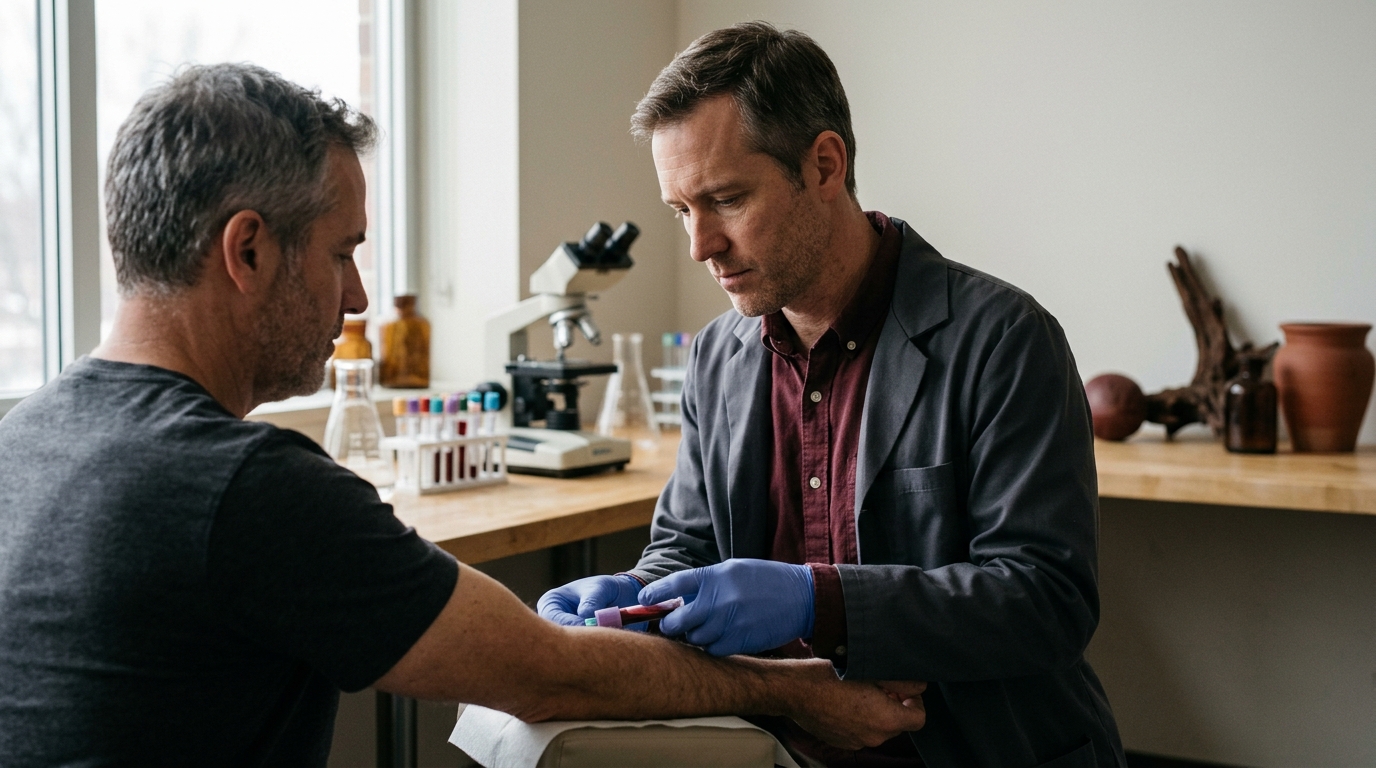
A thorough reproductive workup evaluates multiple endocrine biomarkers alongside standardized semen parameters. Reviewing these markers helps clinicians identify where the reproductive signaling chain has been disrupted. Men seeking comprehensive hormone testing should understand what each test measures and how they connect to clinical decisions.
Follicle-stimulating hormone is produced by the pituitary gland to stimulate Sertoli cells within the seminiferous tubules. When sperm-producing tissue is damaged or absent, the body attempts to compensate by releasing higher amounts of this hormone. An elevated follicle-stimulating hormone level often indicates primary testicular failure or impaired spermatogenesis. Conversely, low levels accompanied by low testosterone point to a signaling problem in the brain.
Luteinizing hormone signals the Leydig cells to manufacture testosterone. Measuring luteinizing hormone alongside total testosterone helps clinicians differentiate between primary hypogonadism, which originates in the testes, and secondary hypogonadism, which originates in the pituitary or hypothalamus. When luteinizing hormone is high and testosterone is low, the testes are failing to respond to normal hormonal commands.
Total testosterone reflects the overall amount of circulating testosterone bound to proteins as well as free hormone. The Endocrine Society recommends confirming low readings with a repeat fasting morning blood sample. Free testosterone measures the unbound fraction that is biologically active in peripheral tissues. Sex hormone-binding globulin binds tightly to testosterone, and variations in this protein alter total measurements without necessarily changing free hormone concentrations.
Prolactin and estradiol provide additional diagnostic context. High prolactin levels can suppress gonadotropin release and reduce testosterone production, sometimes indicating a benign pituitary growth. Estradiol, the primary female sex hormone present in men, is produced via the aromatization of testosterone. Elevated estradiol can suppress the hypothalamic-pituitary-gonadal axis, further reducing the signals required for sperm production.
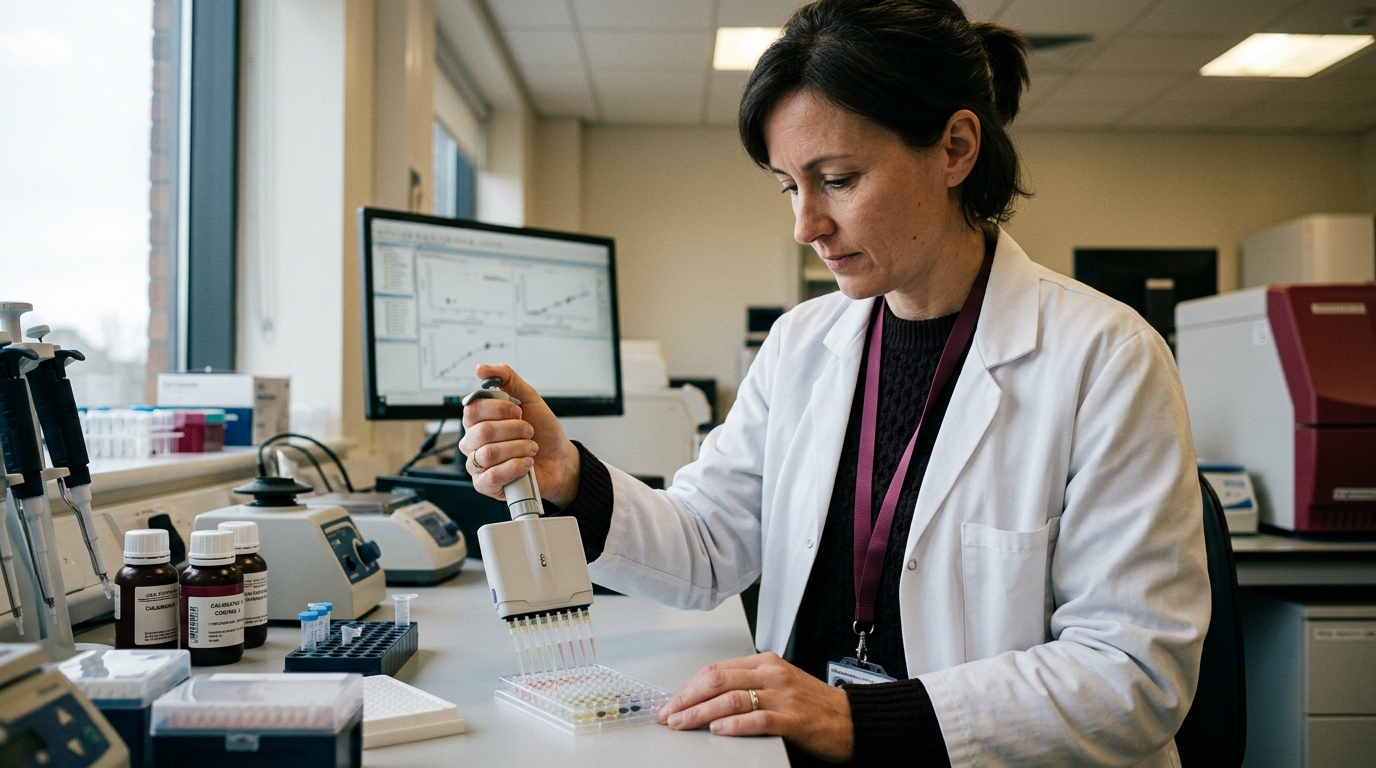
Semen analysis serves as the cornerstone of male reproductive testing. It measures several physical and microscopic characteristics:
Reference values established by the World Health Organization provide statistical baselines rather than absolute thresholds for fertility. A man with values below reference ranges can still achieve natural conception. Similarly, a man with values within standard limits may experience unexplained fertility challenges. Clinicians evaluate these parameters alongside physical exams and clinical history to develop a clear diagnostic picture. More information can be found in specialized testosterone biomarker guides.
Medical guidelines emphasize that fertility assessments should treat the couple as a biological unit. Investigating only one partner often leads to delayed diagnoses and missed therapeutic windows. Initial male evaluations should begin at the exact same time the female partner begins her reproductive screening.
Standard clinical guidelines set clear timelines for when couples should seek specialist evaluation. Couples should pursue testing after 12 months of regular, unprotected intercourse when the female partner is under 35 years of age. If the female partner is 35 years of age or older, evaluation should begin after six months of unsuccessful attempts. Immediate evaluation is recommended if either partner has known risk factors, such as a history of undescended testes, reproductive surgery, pelvic infections, or cancer therapies.
The initial male evaluation consists of a detailed reproductive history, a physical examination, and at least one semen analysis. The clinician will ask about childhood illnesses, developmental milestones, prior pregnancies, sexual practices, and occupational exposures. The physical examination evaluates the scrotal contents, assessing testicular volume, the presence of the vas deferens, and the existence of varicoceles. A varicocele is an abnormal dilation of the veins within the scrotum that can impair testicular temperature regulation and semen quality.
Semen parameters fluctuate naturally over time due to illness, stress, collection variables, and abstinence periods. Because of this normal biological variation, a single abnormal semen analysis never serves as a definitive diagnosis. Professional practice guidelines recommend obtaining a second semen analysis to confirm any abnormal finding. The second sample is ideally collected at least one month after the first to account for the approximately 74-day lifecycle of human sperm development.
Hormonal testing is not required for every man undergoing an initial screen. The American Urological Association recommends endocrine evaluations specifically when semen parameters are abnormal, when sperm concentration is below 10 million per milliliter, or when clinical signs of endocrinopathy are present. Men exhibiting low sexual desire, erectile dysfunction, bilateral testicular atrophy, or signs of hypogonadism require prompt hormonal testing alongside semen analysis.
Lifestyle choices influence general health and can affect reproductive physiology. However, clinicians must carefully separate established clinical interventions from loose associations. The American Urological Association and the American Society for Reproductive Medicine state that while lifestyle discussions are appropriate, the scientific evidence linking many specific lifestyle factors directly to live-birth rates remains limited.
Body weight plays a meaningful role in male hormonal balance. Adipose tissue contains the aromatase enzyme, which converts circulating testosterone into estradiol. In men with obesity, elevated estradiol suppresses pituitary signaling, leading to reduced testosterone and altered semen parameters. Weight loss achieved through diet and exercise consistently raises circulating testosterone levels. A small clinical trial involving 43 men demonstrated that participants achieving significant weight loss showed measurable increases in total sperm count and normal morphology.
Despite these positive markers, broad reviews of obesity and reproduction highlight ongoing uncertainty. It is not yet proven that lifestyle-induced testosterone increases automatically resolve clinical infertility or improve live-birth rates in every case. Weight management should be viewed as a valuable health measure that creates favorable conditions, rather than a standalone medical cure for infertility.
Tobacco exposure carries strong evidence of reproductive harm. Cigarette smoke contains heavy metals, polycyclic aromatic hydrocarbons, and other toxins that increase oxidative stress in the testes. Studies consistently link tobacco use to reduced sperm concentration, impaired motility, and increased sperm DNA fragmentation. The American Society for Reproductive Medicine strongly encourages a preventive approach, recommending complete cessation of tobacco products for both partners.
Alcohol consumption, recreational drugs, and occupational heat exposure represent additional modifiable risks. Heavy alcohol intake alters liver metabolism, increases estrogen levels, and impairs Leydig cell function. Cannabis and anabolic substances disrupt the hypothalamic-pituitary axis and impair normal spermatogenesis. Chronic scrotal heat exposure from frequent hot tub use, saunas, or specific occupational environments can raise testicular temperatures and temporarily suppress sperm production. Addressing these exposures forms a practical foundation for lifestyle and natural support strategies.
The market for male fertility supplements is filled with products claiming to boost sperm count, enhance motility, and optimize testosterone. These commercial formulations frequently contain complex blends of vitamins, minerals, and herbal extracts. While individual micronutrients play roles in cellular metabolism, high-quality clinical trials show that commercial supplement stacks rarely deliver their advertised promises.
The Males, Antioxidants, and Infertility (MOXI) trial provides high-level evidence regarding dietary supplements. This randomized, double-blind, placebo-controlled clinical trial enrolled 171 couples where the male partner had at least one abnormal semen parameter. Men received either a daily antioxidant formulation or an identical placebo for three to six months. The supplement included vitamin C, vitamin E, vitamin D, selenium, L-carnitine, zinc, folic acid, and lycopene.
The results of the MOXI trial challenged common commercial claims. After three months of treatment, researchers found no statistically significant differences between the supplement and placebo groups regarding sperm concentration, motility, morphology, or DNA fragmentation. After six months of treatment, the live-birth rate was 15 percent in the antioxidant group compared to 24 percent in the placebo group. The National Institutes of Health concluded that broad antioxidant therapy did not improve semen quality or pregnancy outcomes in this population.
These trial results do not mean that nutrition is unimportant. Severe, documented nutritional deficiencies should always be corrected under medical supervision. For example, severe zinc or vitamin D deficiencies can impair endocrine pathways and cellular repair. However, taking high doses of over-the-counter supplements will not correct anatomical abnormalities, genetic deletions, or major hormonal blockages. Men should disclose all supplements to their physicians and avoid delaying medical evaluation to try commercial antioxidant blends.
When a man has verified hypogonadism alongside a near-term goal of fathering a child, standard testosterone therapy is contraindicated. In these situations, reproductive specialists utilize off-label medical protocols to stimulate endogenous testosterone production while preserving or restoring sperm output. These approaches target the pituitary-gonadal axis to encourage natural testicular activity.
Human chorionic gonadotropin acts as an analogue to luteinizing hormone. When injected, it binds directly to luteinizing hormone receptors on Leydig cells, stimulating natural intratesticular testosterone synthesis. Because it maintains high local testosterone levels within the testes, human chorionic gonadotropin supports ongoing spermatogenesis. Clinicians often use this medication alone or in combination with other agents for men recovering from prior exogenous testosterone suppression.
Selective estrogen receptor modulators, such as clomiphene citrate, offer an oral treatment alternative. These compounds bind to estrogen receptors in the hypothalamus and pituitary gland, blocking the negative feedback exerted by circulating estrogens. The brain perceives a deficiency of estrogen and responds by increasing the pulsatile secretion of gonadotropin-releasing hormone, luteinizing hormone, and follicle-stimulating hormone. This increase in pituitary hormones stimulates both testosterone production and sperm maturation.
Aromatase inhibitors, including anastrozole, represent another targeted medical strategy. These medications inhibit the aromatase enzyme, reducing the conversion of testosterone into estradiol. Aromatase inhibitors are primarily considered for men with an abnormally low testosterone-to-estradiol ratio, often seen in the context of obesity. By lowering circulating estrogens, these drugs relieve central feedback inhibition and support pituitary signaling.
These pharmacologic interventions require careful clinical monitoring and should never be self-administered. Dosages must be calibrated based on serial blood tests tracking total testosterone, estradiol, hematocrit, and semen quality. For deeper insights into emerging medical therapies, readers can review our coverage of testosterone replacement therapy research.
Severe semen abnormalities require specialized genetic and anatomical evaluations. If a semen analysis reveals azoospermia or severe oligozoospermia with counts below 5 million per milliliter, professional guidelines recommend karyotype analysis and Y-chromosome microdeletion testing. Men with obstructive conditions or severe non-obstructive dysfunction may benefit from advanced surgical techniques, such as microscopic testicular sperm extraction, to retrieve viable sperm directly from testicular tissue.
Navigating male reproductive health requires clear, structured communication with medical professionals. Men preparing for an appointment should bring complete records of past medical treatments, supplement use, and lifestyle habits. The following questions can help guide productive discussions during a clinical visit:
Couples planning to conceive or currently experiencing delays can follow a practical, stepwise checklist to protect their health and avoid wasted time.
Before starting any new medication, injection, or hormone therapy, tell your doctor that you want to maintain current or future fertility. Never accept a prescription for testosterone monotherapy if you plan to father a child in the near term.
If you have been trying to conceive for 12 months (or six months if the female partner is 35 or older), arrange medical appointments for both partners at the same time. Starting with both partners prevents unnecessary diagnostic delays and ensures all biological factors are considered together.
If you suspect low testosterone due to fatigue, low libido, or other symptoms, request proper laboratory testing. Accurate diagnosis requires at least two fasting blood samples collected in the early morning, along with measurements of luteinizing hormone, follicle-stimulating hormone, and prolactin.
Obtain a formal semen analysis through an accredited laboratory following two to seven days of sexual abstinence. If the first test reveals any abnormal parameters, schedule a repeat test approximately one month later to establish a reliable baseline.
Focus daily habits on evidence-supported health practices. Stop using all tobacco and recreational drug products, reduce heavy alcohol consumption, address excess weight through balanced nutrition, and eliminate regular exposure to high scrotal temperatures from saunas or hot tubs.
Do not rely on expensive over-the-counter fertility stacks or antioxidant blends as substitutes for medical assessment. Disclose all vitamins and natural products to your doctor, ensuring that any supplement you take addresses a verified biological need.
Testostra explains testosterone biology, testing, symptoms, lifestyle factors and TRT with careful sourcing and clear clinical limits.



Send us a question, research idea or topic suggestion. Reader questions help shape future Testostra content.
Contact Testostra