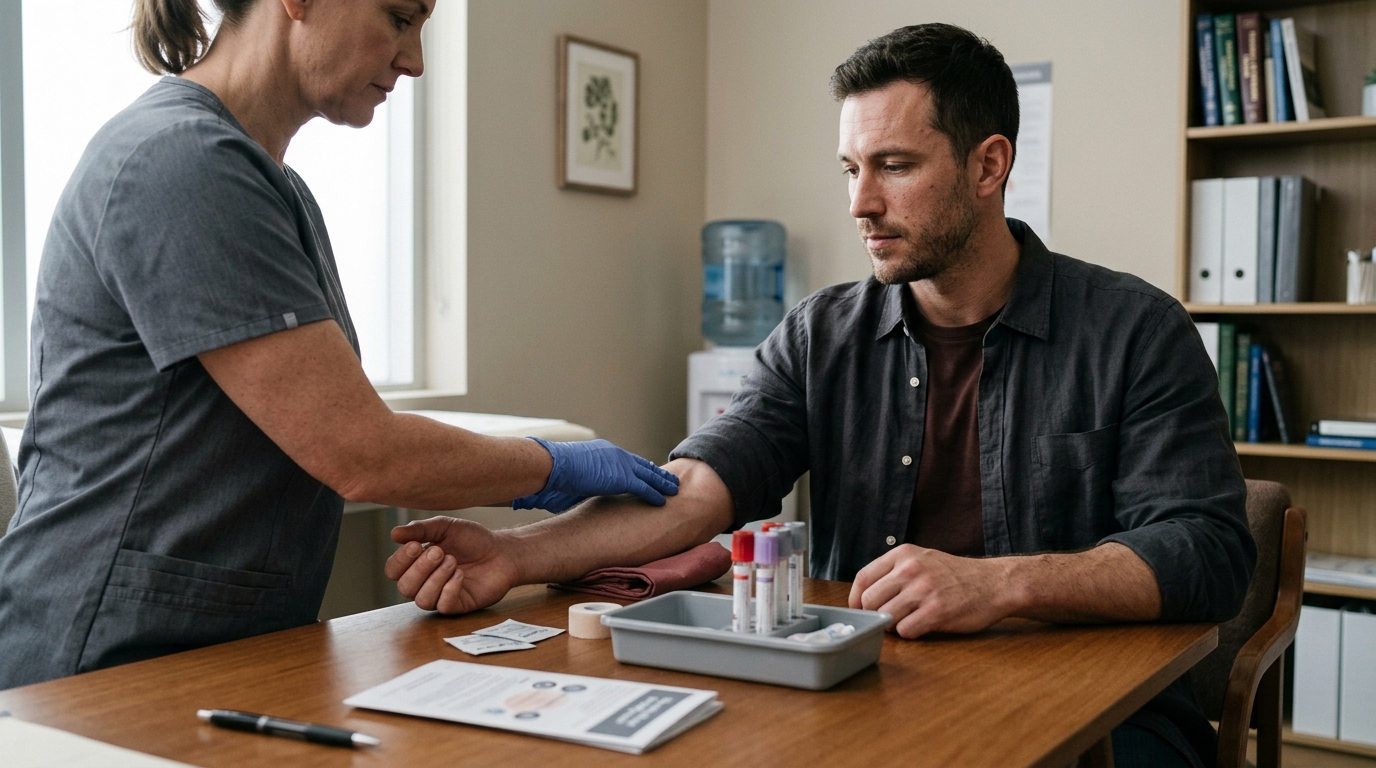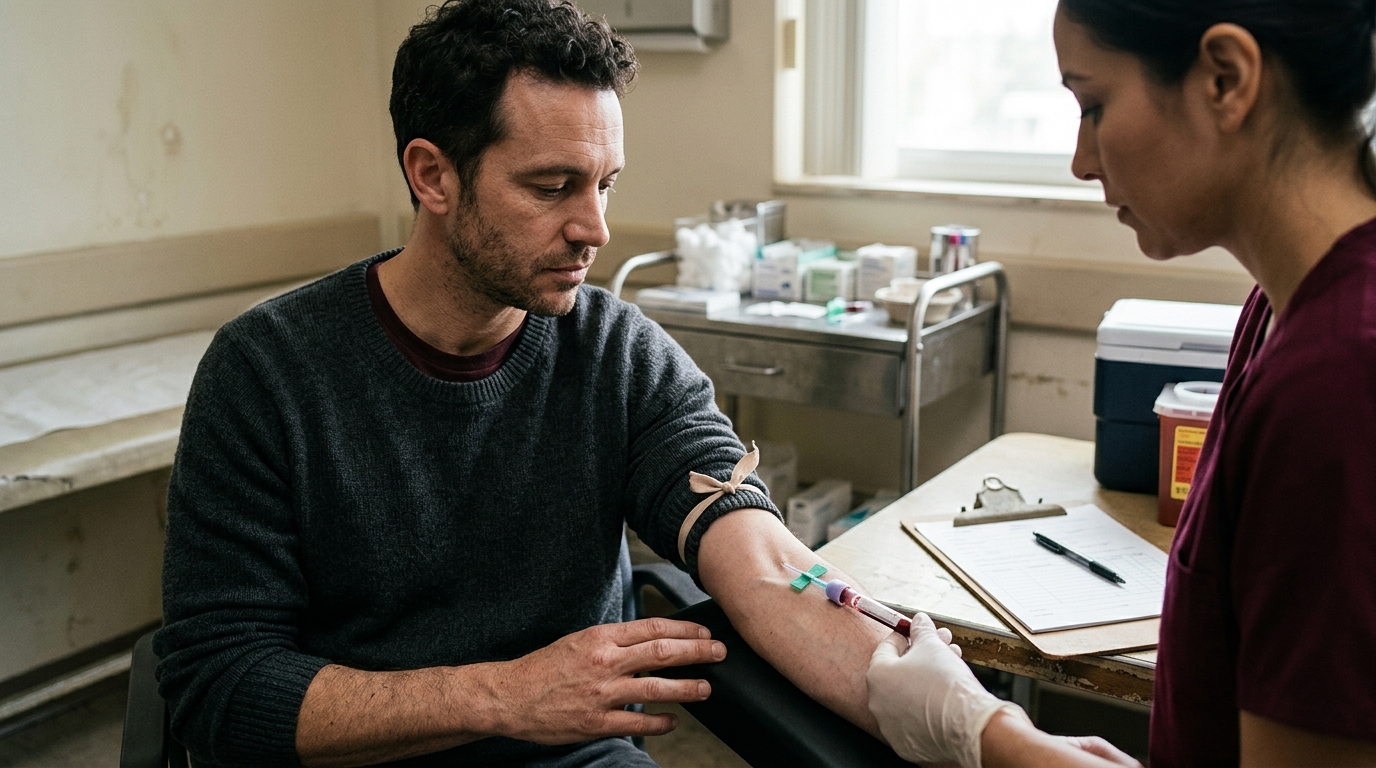

Two separate morning blood tests establish whether lifestyle habits or medical hypogonadism explain low hormone levels across total testosterone and related physiological biomarkers.





You search online for ways to fix fatigue, low libido, or brain fog. Within minutes, you find bold promises claiming that cold showers, specific gym routines, or raw foods will double your testosterone levels. These claims make it sound like male hormone production is entirely a matter of willpower and daily discipline.
This guide provides a clear, evidence-based answer to what daily habits can and cannot change. Healthy lifestyle choices support general health, cardiovascular function, and metabolic wellness. However, lifestyle changes cannot replace formal medical evaluation or resolve intrinsic endocrine disorders.
This resource is published for educational and informational purposes only. It is not personal medical advice, diagnosis, or treatment.
Hormonal symptoms often overlap across multiple physical and psychological conditions. You should always consult a qualified healthcare provider for personal medical questions, diagnostic testing, and therapeutic decisions. Never disregard professional medical guidance or delay seeking care because of information in this guide.
Testosterone is an essential androgenic steroid hormone produced primarily by the Leydig cells in the testes, with a small percentage produced by the adrenal glands. It plays a foundational role in maintaining bone density, muscle mass, red blood cell production, mood, and sexual health. Because testosterone interacts with nearly every major organ system, changes in general health quickly reflect in circulating hormone concentrations.
When men experience fatigue, reduced motivation, or erectile difficulties, they often wonder if they have low testosterone. However, symptoms alone cannot confirm hypogonadism. Many non-endocrine conditions cause identical complaints. Chronic stress, clinical depression, obstructive sleep apnea, cardiovascular disease, and nutritional deficiencies all present with overlapping symptoms.
Clinical guidelines emphasize that male hypogonadism is a clinical diagnosis defined by specific criteria. According to the Endocrine Society, a diagnosis requires both unequivocal, persistent symptoms and consistently low serum testosterone concentrations confirmed on accurate morning blood draws.
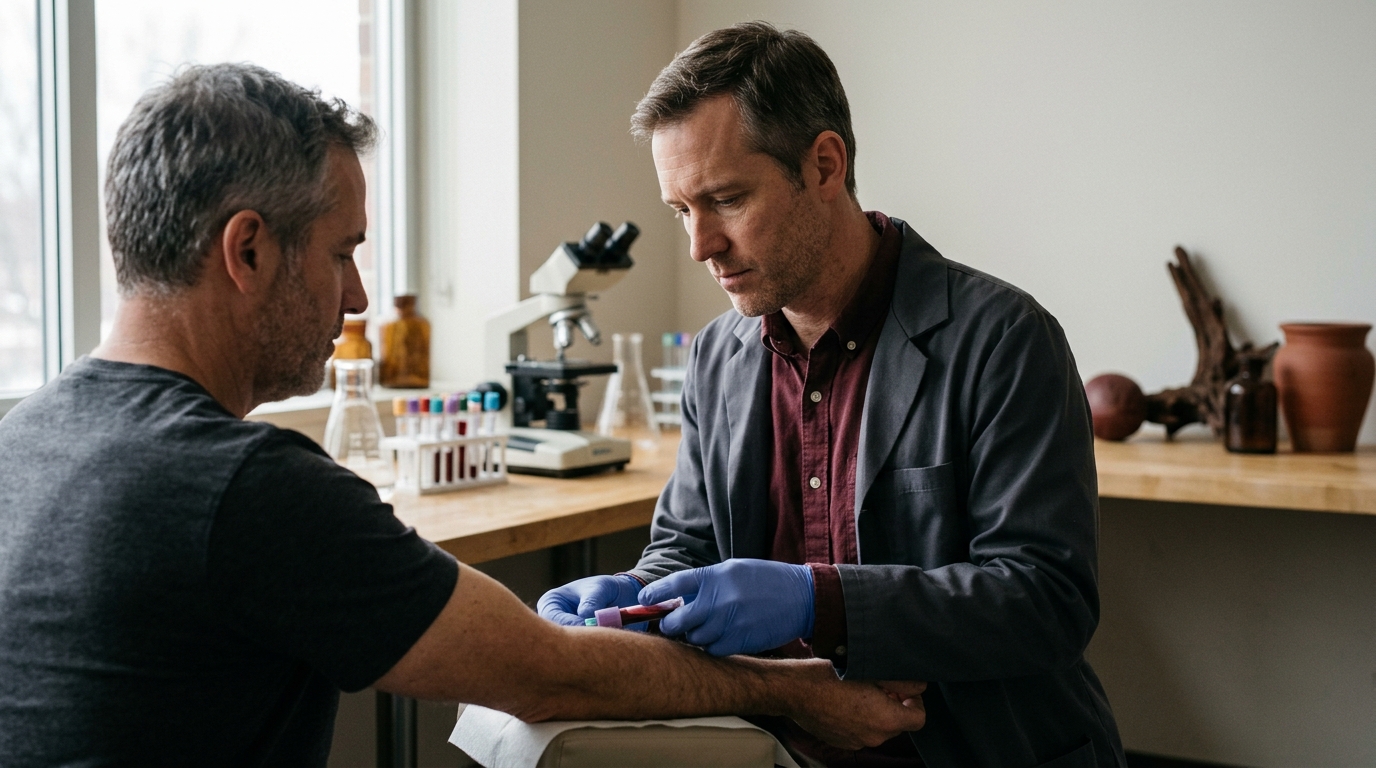
The American Urological Association similarly recommends that clinicians diagnose low testosterone only after obtaining two separate total testosterone measurements. Both tests must be taken in the early morning, when circulating levels reach their daily physiological peak.
A single abnormal blood test never provides a definitive diagnosis. Testosterone concentrations fluctuate throughout the day and vary from week to week based on acute stressors, sleep duration, and acute illness. Interpreting lab values requires medical history, a physical exam, and an understanding of reversible secondary factors.
To understand what lifestyle can influence, you must understand the distinction between primary and secondary hypogonadism.
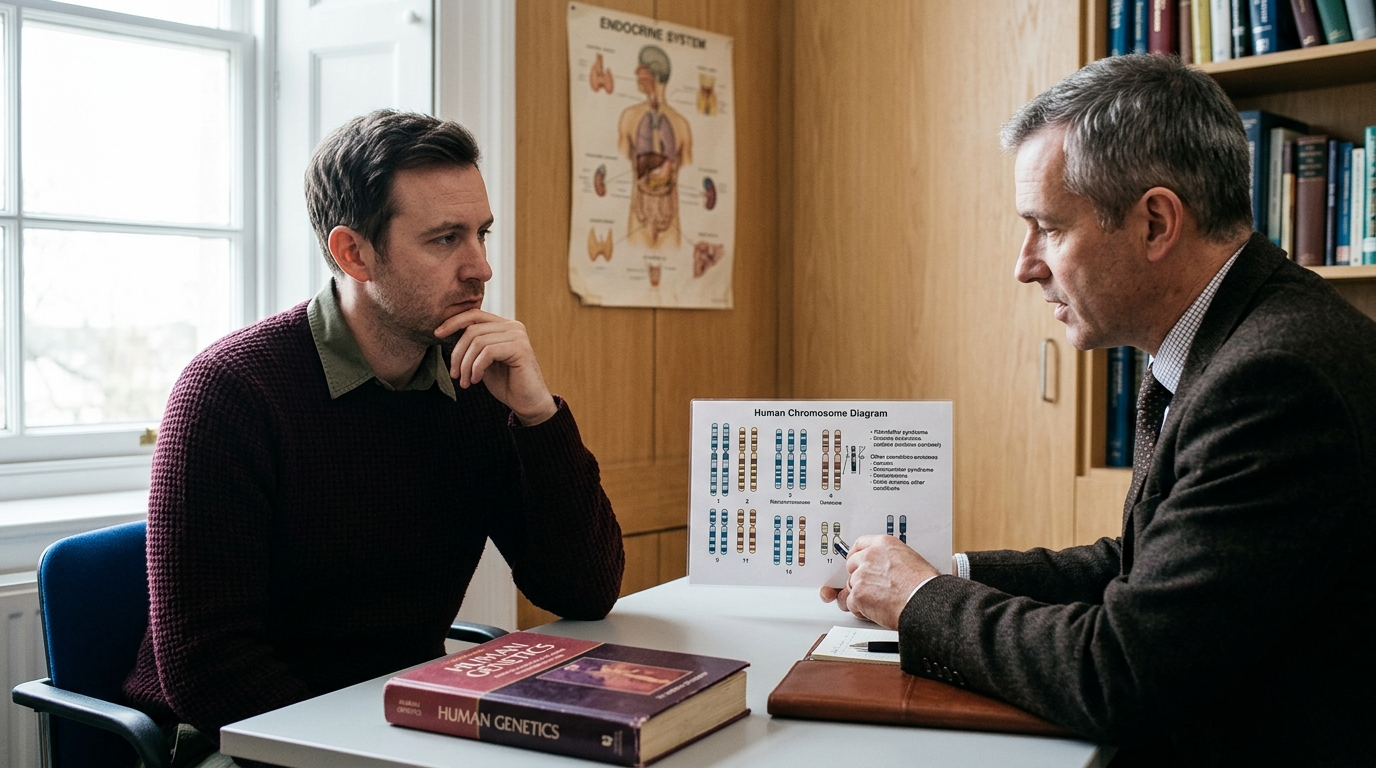
Primary hypogonadism originates within the testes themselves. In this condition, the testicular Leydig cells cannot synthesize adequate testosterone despite strong hormonal signaling from the pituitary gland. Common causes include genetic conditions such as Klinefelter syndrome, physical trauma, orchitis, radiation, or chemotherapy. Lifestyle adjustments cannot repair damaged testicular tissue or correct structural genetic abnormalities.
Secondary hypogonadism arises from signaling failures in the hypothalamus or the pituitary gland. The hypothalamus secretes Gonadotropin-Releasing Hormone (GnRH), which prompts the anterior pituitary gland to release Luteinizing Hormone (LH) and Follicle-Stimulating Hormone (FSH). LH travels through the bloodstream to stimulate testosterone synthesis in the Leydig cells.
Secondary hypogonadism can stem from pituitary tumors, hyperprolactinemia, systemic inflammatory diseases, or medications like opioids and high-dose glucocorticoids. It can also occur as a functional, potentially reversible condition linked to obesity, severe metabolic stress, sleep apnea, or profound malnutrition. In functional secondary hypogonadism, addressing the underlying lifestyle or health issue may help restore hypothalamic-pituitary-gonadal (HPG) signaling.
When reading health articles, it is crucial to distinguish between high-quality clinical trials and low-quality observational claims. The medical literature contains several distinct categories of evidence, each with clear strengths and boundaries.
Randomized controlled trials (RCTs) and systematic reviews provide the highest standard of clinical evidence. In lifestyle research, meta-analyses of RCTs pool data from hundreds of participants to evaluate how interventions like structured exercise or structured weight loss alter baseline hormone levels.
These studies demonstrate average responses across specific study groups. However, group averages do not guarantee that every individual will experience the exact same outcome.
Many widely cited testosterone studies are acute, short-term laboratory experiments. For example, researchers might keep healthy young volunteers awake for 24 hours or restrict their sleep for one week to measure immediate hormonal shifts.
These studies prove that acute physiological stress influences circulating hormone levels. However, you cannot assume that an acute 7-day laboratory response translates directly into chronic, lifelong hypogonadism. Temporary suppressions frequently reverse once the acute stressor resolves.
Observational studies examine large populations at a single point in time. They frequently show that men with healthier diets or higher physical activity levels tend to have higher average testosterone concentrations.
These studies show correlation, not causation. A man who exercises consistently and eats a balanced diet often has lower body fat, better sleep, and fewer chronic illnesses. Those underlying health factors, rather than a single specific food or workout routine, usually explain the hormonal differences.
Understanding your blood work requires looking at a complete panel rather than an isolated total testosterone number. Each biomarker provides distinct insight into endocrine and metabolic function.
Total testosterone measures the absolute concentration of all testosterone circulating in the bloodstream. This includes hormone bound tightly to proteins and hormone circulating freely. In adult men, levels naturally peak between 7:00 AM and 10:00 AM, following a circadian pattern. For general information on hormone testing protocols, review testosterone basics to learn how sample timing affects baseline results.
Sex Hormone-Binding Globulin is a glycoprotein produced by the liver that binds tightly to testosterone and estradiol. Around 40% to 60% of circulating testosterone is bound to SHBG, rendering it biologically inactive for immediate tissue uptake.
Free testosterone represents the small fraction, usually 1% to 3%, of total testosterone that is entirely unbound to plasma proteins. Bioavailable testosterone includes free testosterone plus testosterone bound loosely to albumin. Albumin-bound hormone can easily dissociate and enter target tissues.
Calculating or directly measuring free testosterone is essential when evaluating men with abnormal SHBG concentrations. For a comprehensive review of laboratory panels and reference ranges, explore our guide to testing biomarkers.
Luteinizing Hormone and Follicle-Stimulating Hormone are gonadotropins secreted by the anterior pituitary gland.
Prolactin is a pituitary hormone that can suppress GnRH secretion when elevated. Markedly elevated prolactin requires medical evaluation to rule out prolactinomas or medication side effects.
Estradiol is the primary female sex hormone, produced in men through the aromatization of testosterone by the aromatase enzyme, located primarily in adipose tissue. Elevated aromatase activity in men with excess visceral body fat converts more testosterone into estradiol. This process creates a negative feedback loop that suppresses pituitary LH release.
Sleep is one of the most critical regulators of normal endocrine physiology. The synthesis and release of testosterone are closely linked to sleep cycles and circadian rhythms.
Testosterone levels begin to rise upon falling asleep, reaching their peak during the first episodes of rapid eye movement (REM) sleep. Peak levels persist throughout the night into the early morning hours. Fragmented sleep, frequent awakenings, and shortened total sleep time disrupt this natural nocturnal endocrine rhythm.
The Centers for Disease Control and Prevention (CDC) advises adults aged 18 to 60 to obtain at least seven hours of restful sleep per night. Sufficient sleep supports healthy glucose metabolism, cardiovascular integrity, immune competence, and cognitive function.
Clinical experiments show that substantial sleep restriction noticeably suppresses daytime testosterone levels in healthy individuals. A landmark study examined healthy young men whose sleep was restricted to less than five hours per night for eight consecutive nights, following a baseline period of up to ten hours in bed.
The researchers documented a 10% to 15% reduction in daytime testosterone concentrations during the sleep-restricted period. The participants also reported progressive declines in mood, daytime vigor, and general well-being.
While these findings demonstrate a clear physiological connection, they must be interpreted carefully. Sleep restriction causes measurable, acute suppression in healthy young subjects. However, this finding does not prove that every man with poor sleep has clinical hypogonadism. Furthermore, extending sleep duration will not cure primary testicular failure or structural pituitary disease.
Obstructive sleep apnea (OSA) is a common, underdiagnosed medical disorder characterized by repeated upper airway collapse during sleep. These episodes lead to intermittent hypoxemia, sympathetic nervous system arousal, and profound sleep fragmentation.
The Endocrine Society identifies sleep disorders, including obstructive sleep apnea, as significant confounding factors in male hormone assessment. Men with severe OSA often present with fatigue, morning headaches, low libido, and suppressed morning testosterone.
Intermittent hypoxia and sleep fragmentation disrupt the nocturnal pulse generator that controls LH release. Treating OSA with continuous positive airway pressure (CPAP) or weight reduction often improves sleep architecture and daytime alertness. However, CPAP therapy alone produces variable effects on circulating hormone levels.
Exercise is widely promoted as a natural method to raise male hormone production. Scientific research reveals a nuanced reality: physical activity provides immense systemic benefits, but its ability to raise resting testosterone in healthy men is often overstated.
When analyzing exercise research, you must separate transient, acute hormonal spikes from permanent changes in resting hormone concentrations.
Heavy resistance exercise, such as multi-joint barbell squats or deadlifts, triggers an immediate, short-term increase in circulating testosterone and growth hormone. This transient rise lasts between 15 and 60 minutes following the workout. It is driven primarily by hemoconcentration, altered plasma volume, and acute sympathetic activation.
These short-term exercise spikes do not permanently change your 24-hour resting baseline hormone concentration. After an hour, circulating levels return to baseline.
A comprehensive systematic review and meta-analysis evaluated 11 randomized controlled trials comprising 421 insufficiently active, healthy adult men aged 19 to 75. The trials evaluated aerobic training, resistance training, or combined modalities over an average duration of 12 weeks.
The meta-analysis concluded that structured exercise training had a negligible overall effect on resting total testosterone and resting free testosterone in eugonadal men. While participants experienced significant improvements in muscular strength, cardiovascular fitness, and body composition, their baseline resting hormone levels remained largely unchanged.
A separate review noted modest resting testosterone increases following specific progressive resistance training regimens, while endurance training showed no such effect. However, the overall clinical consensus remains clear: in men who already have normal baseline testosterone, exercise does not consistently produce large, lasting hormone increases.
Although exercise may not dramatically alter baseline hormone levels in healthy men, it plays a vital role in supporting sexual function. Erectile dysfunction (ED) is primarily a vascular disorder mediated by endothelial health, nitric oxide production, and arterial inflow.
A randomized clinical trial in men with obesity evaluated a two-year lifestyle intervention that increased physical activity, primarily through moderate aerobic exercise, from 48 minutes to 195 minutes per week. The intervention group experienced a significant improvement in their International Index of Erectile Function (IIEF) score, which rose from 13.9 to 17.0, representing a 3.1-point advantage over controls.
Another trial cited in the clinical literature demonstrated meaningful IIEF score improvements in men with ED who completed 150 minutes of weekly moderate aerobic exercise for three months.
These sexual health benefits occur through improved endothelial nitric oxide synthase activity and reduced arterial stiffness, rather than direct increases in testosterone. For further reading on physical activity, body composition, and sexual performance, visit our resource section on lifestyle and natural testosterone support.
Major public health guidelines recommend that adults complete 150 to 300 minutes of moderate-intensity aerobic exercise, or 75 to 150 minutes of vigorous aerobic activity, each week. They also recommend muscle-strengthening activities involving all major muscle groups on two or more days per week.
Regular physical activity helps preserve insulin sensitivity, maintain functional lean mass, control blood pressure, and reduce cardiovascular risk. It should be pursued as a cornerstone of general health rather than as an unproven treatment for hypogonadism.
While sedentary habits harm health, excessive physical training combined with inadequate nutrition produces severe endocrine suppression. This condition is known as Low Energy Availability (LEA).
Energy availability refers to the dietary energy remaining for basic physiological functions after subtracting the energy expended during exercise. When an athlete trains heavily but fails to consume sufficient calories, the brain perceives a state of metabolic famine.
In response to LEA, the hypothalamus downregulates non-essential physiological functions, including reproduction and bone remodeling. The GnRH pulse generator slows down, leading to reduced LH secretion and suppressed testosterone synthesis.
Male endurance athletes, cyclists, and combat sport athletes who maintain low body fat while in severe caloric deficits frequently show:
Fixing exercise-induced hypogonadism in this population does not require hormone therapy. It requires reducing training volume, extending recovery periods, and increasing caloric intake to restore energy balance.
Nutrition exerts a profound influence on hormone health, primarily through energy balance and body fat regulation rather than individual miracle foods.
Obesity is one of the strongest modifiable risk factors for functional secondary hypogonadism in adult men. Adipose tissue, particularly deep visceral fat surrounding abdominal organs, is metabolically active. It expresses high levels of the aromatase enzyme, which converts androgens into estrogens.
In men with substantial visceral obesity, increased aromatase activity elevates circulating estradiol. This creates negative feedback at the hypothalamus and pituitary gland, suppressing LH release and lowering testosterone production.
Furthermore, visceral adiposity promotes systemic low-grade inflammation, producing cytokines like tumor necrosis factor-alpha (TNF-alpha) and interleukin-6 (IL-6), which further impair testicular Leydig cell responsiveness.
Clinical research demonstrates that substantial weight loss in men with obesity can restore endogenous testosterone production. A systematic review and meta-analysis examined hormonal changes following low-calorie dietary interventions versus bariatric surgery in men with obesity-associated functional hypogonadism.
The meta-analysis revealed distinct, dose-dependent hormonal recoveries based on the total amount of weight lost:
These findings confirm that weight reduction reduces aromatase activity, improves insulin sensitivity, and lowers inflammatory cytokines, allowing the HPG axis to recover.
However, weight loss is an effective intervention for obesity-induced functional suppression, not a universal remedy for all causes of hypogonadism. If a man with obesity also has underlying primary testicular failure, losing weight will improve his metabolic health but will not normalize his testosterone.
Online marketing often claims that specific foods, like raw eggs, oysters, or exotic root extracts, directly raise testosterone. High-quality nutritional science does not support these claims. No single food acts as a medical androgen therapy.
Instead, overall dietary patterns matter for metabolic and sexual health. Research shows that adherence to a Mediterranean dietary pattern, characterized by vegetables, fruits, whole grains, legumes, olive oil, nuts, and lean fish, is associated with a lower prevalence of erectile dysfunction.
In trials involving men with type 2 diabetes and metabolic syndrome, greater adherence to Mediterranean diet principles delayed the progression of sexual dysfunction and improved overall IIEF scores. These benefits stem from improved vascular endothelial health, enhanced lipid profiles, and reduced oxidative stress, rather than direct stimulation of steroidogenesis.
For men interested in broader lifestyle guidance, explore our resources on lifestyle natural support to understand how sustainable nutrition aids overall vitality.
Testosterone levels never exist in a vacuum. They are continuously influenced by coexisting medical conditions, prescription medications, and systemic stressors.
When evaluating an abnormal testosterone result, clinicians consider whether chronic or acute conditions are artificially depressing the lab value:
Certain widely prescribed medications profoundly suppress endogenous testosterone production. A thorough medical evaluation always includes a review of current medications.
To see how these principles apply in practice, consider five common clinical scenarios. These illustrative examples demonstrate why proper medical assessment is essential.
A 38-year-old accountant works 70 hours a week and sleeps only 4.5 hours per night. He presents with progressive brain fog, low energy, and diminished sex drive.
A 45-year-old man with a Body Mass Index (BMI) of 36 presents with fatigue, mild erectile difficulties, and a single total testosterone result of 230 ng/dL (8.0 nmol/L).
A 29-year-old marathon runner increases his weekly training volume to 80 miles while cutting carbohydrates to reduce body fat. He develops severe fatigue, loss of morning erections, and recurrent shin splints.
A 52-year-old sedentary man who smokes presents with worsening erectile dysfunction. He assumes he needs testosterone replacement therapy to fix his problem.
A 41-year-old man has blood drawn for a routine physical while recovering from a severe viral illness. His total testosterone returns at 190 ng/dL (6.6 nmol/L).
For further exploration of physical performance and hormonal health, read our resources on testosterone, body, and sexual performance.
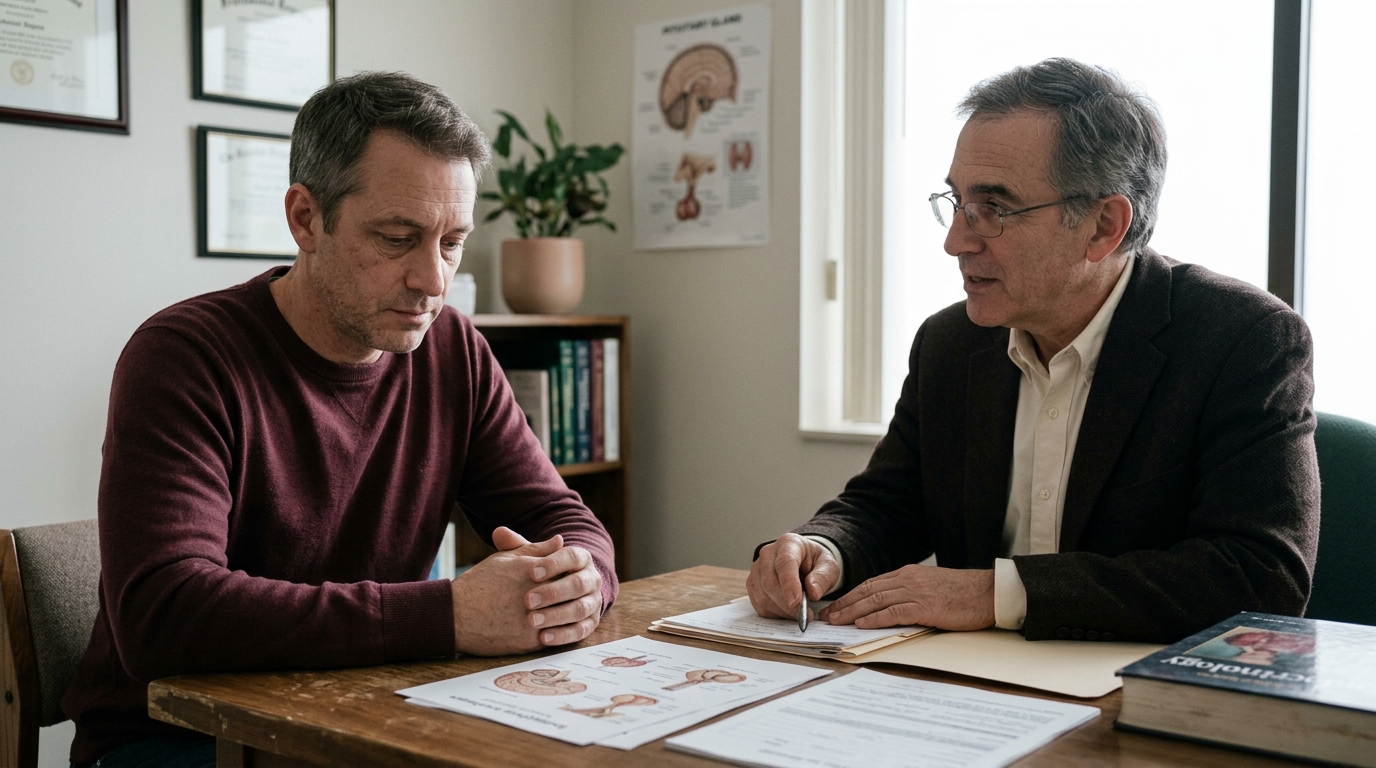
If you suspect you have low testosterone or are experiencing persistent health symptoms, scheduling an appointment with a qualified clinician is the best next step. Here are practical questions to guide your discussion:
If you want to support your general health and build strong baseline habits, use this practical checklist to take action this week:
Testostra explains testosterone biology, testing, symptoms, lifestyle factors and TRT with careful sourcing and clear clinical limits.



Send us a question, research idea or topic suggestion. Reader questions help shape future Testostra content.
Contact Testostra