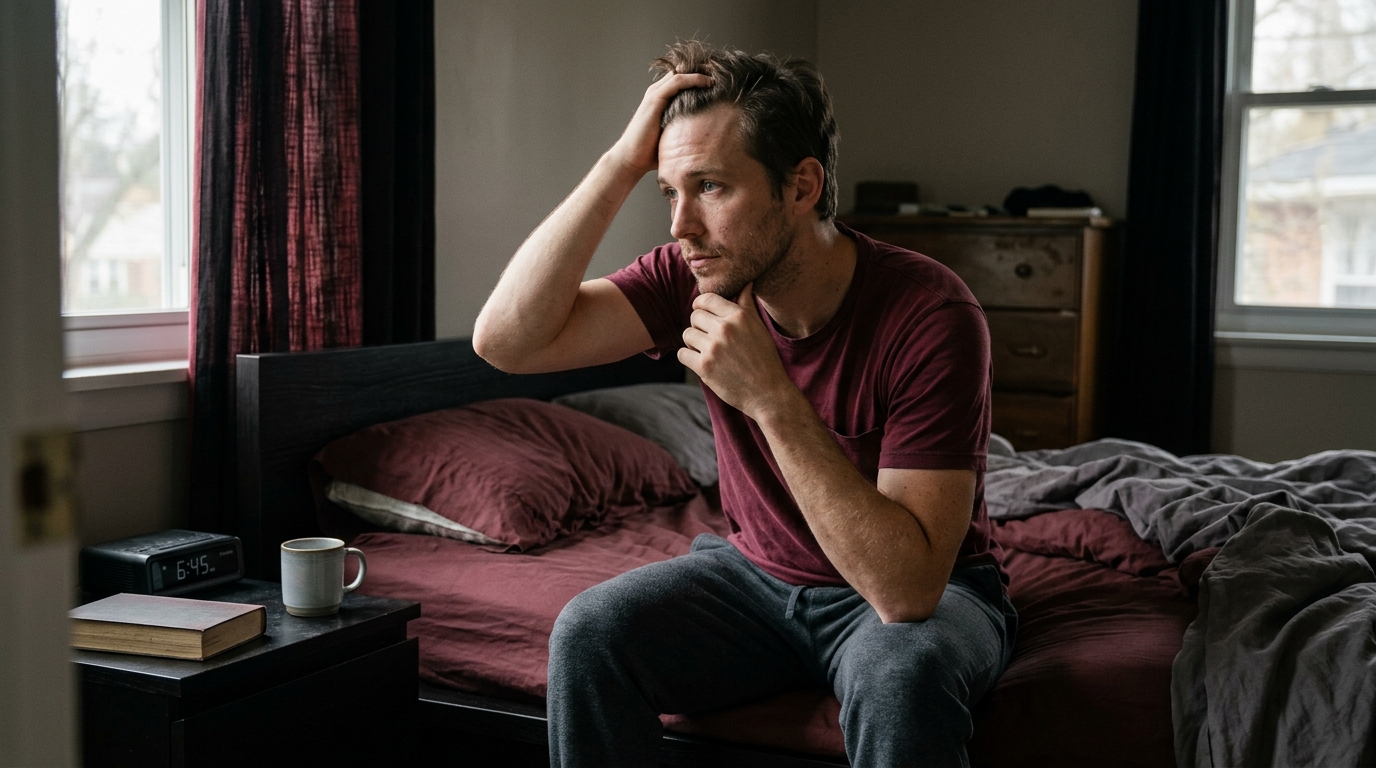

Low testosterone is often blamed for reduced drive and exhaustion, but accurate diagnosis requires specific morning biomarker testing alongside thorough clinical evaluations.





Many men find themselves searching online for explanations when their daily energy drops and their sex drive fades. It is common to wonder if low testosterone is the single hidden cause behind lingering fatigue, softer erections, and low motivation. This guide provides a clear, evidence-based review of how testosterone interacts with male vitality, why these symptoms often have multiple causes, and how to approach medical evaluation systematically.
This article is published strictly for educational and informational purposes. It does not constitute personal medical advice, formal clinical diagnosis, or treatment recommendations. Symptoms such as fatigue, low sexual desire, and erectile difficulties can stem from many overlapping medical, psychological, and lifestyle factors.
You should always consult a qualified healthcare provider for proper diagnostic testing, interpretation of laboratory results, and individualized care plans. Never start, alter, or discontinue any prescribed medications or hormone therapies without direct clinical supervision.
A central challenge in male hormonal health is separating symptoms that can occur alongside low testosterone from definitive evidence of a deficiency. When a man notices persistent exhaustion or a drop in sexual interest, it is easy to assume that testosterone is the primary culprit. However, clinical guidelines from major medical societies emphasize that symptoms alone do not establish a diagnosis.
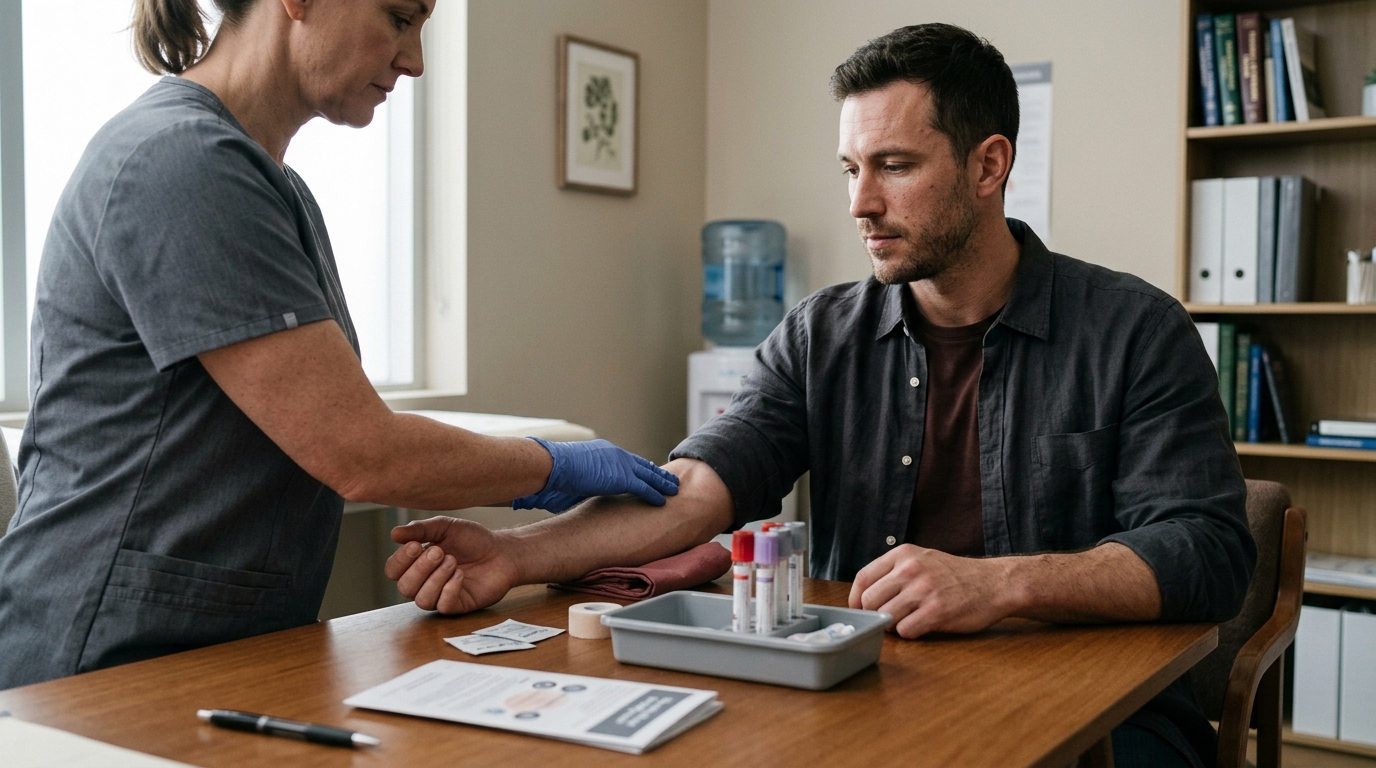
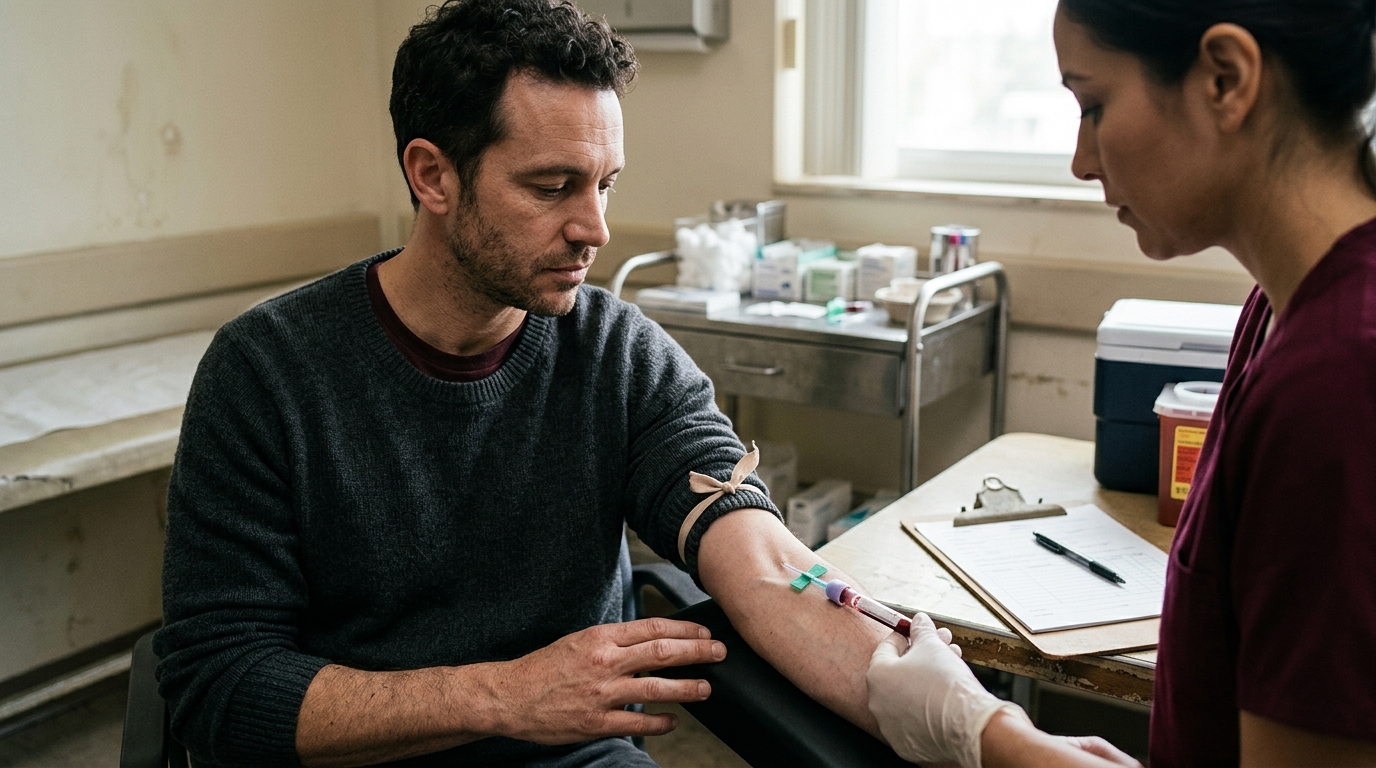
The American Urological Association and the Endocrine Society agree on a clear diagnostic standard. A patient must have both compatible signs or symptoms and documented, consistently low testosterone concentrations. The American Urological Association identifies a total testosterone value below 300 ng/dL as a reasonable cutoff supporting a diagnosis of low testosterone. Even then, guidelines require confirming this number with at least two separate blood samples drawn during the early-morning hours.
Understanding this distinction prevents premature conclusions. A symptom is an indicator to seek medical evaluation, not a stand-alone diagnostic result. Hormones operate within a complex physiological network. If you want to understand how clinicians categorize these complaints, reviewing low testosterone signs and assessment can help clarify the broader medical context.
Hormone concentrations fluctuate based on acute illness, recent meals, stress levels, and sleep patterns. A single blood draw taken in the afternoon might show a low reading even in a healthy individual. This is why professional protocols insist on repeat morning measurements using accurate assays.
Without confirmed laboratory evidence, attributing non-specific complaints like low energy entirely to hormones can lead to missed diagnoses. Underlying conditions such as thyroid disorders, sleep apnea, anemia, or depression might remain unaddressed. A thorough medical evaluation examines the full clinical picture rather than focusing on a single number.
The medical understanding of male hormones rests on a hierarchy of evidence ranging from large randomized trials to small observational experiments. Differentiating between established clinical guidelines, broad epidemiological data, and preliminary small-scale studies helps maintain realistic expectations.
At the top of the evidence framework are the consensus guidelines from bodies like the Endocrine Society and the American Urological Association. These guidelines synthesize data from hundreds of clinical trials and long-term cohort studies. They provide the most reliable benchmarks for diagnostic thresholds, safety considerations, and treatment indications.
Large observational datasets provide valuable population-level context. The European Male Ageing Study evaluated more than 3,400 men across eight European centers to determine which symptoms correlated most closely with low testosterone. This research demonstrated that sexual symptoms, such as fewer morning erections and decreased sexual thoughts, correlate much more strongly with low testosterone than general fatigue or low mood. While observational studies demonstrate associations, they do not prove that low hormone levels are the sole cause of a symptom.
Randomized controlled trials provide the clearest data on what hormone therapies can and cannot achieve. The Testosterone Trials evaluated 788 men aged 65 and older with low testosterone across multiple health domains. The trials found clear improvements in sexual desire and sexual activity in men receiving treatment compared to placebo. However, the trials did not demonstrate a significant benefit for general vitality or fatigue on standardized assessment scales.
Small experimental studies provide useful biological insights but carry clear limitations. A study evaluating sleep restriction in a small group of healthy young men showed a 10% to 15% reduction in daytime testosterone after one week of five-hour sleep nights. While this demonstrates a physiological link between sleep and hormone synthesis, the small sample size and short duration mean it cannot be used to predict individual clinical outcomes. Readers should interpret small studies as preliminary observations rather than definitive medical rules.
When investigating persistent sexual or vitality concerns, clinicians rely on a specific panel of laboratory biomarkers. Each marker provides distinct information about the endocrine system and helps locate the root cause of an imbalance. If you are learning about these tests, reviewing guides on evaluating male hormone biomarkers can provide useful baseline knowledge.
Total testosterone measures the entire amount of the hormone circulating in the bloodstream. This includes hormone that is bound tightly to proteins as well as the small fraction that is unbound.
Guidelines from the American Urological Association use a threshold of 300 ng/dL as a clinical benchmark supporting deficiency when symptoms are present. Because levels peak in the early morning, blood must be collected between 8:00 AM and 10:00 AM for an accurate reading.
Sex Hormone-Binding Globulin, often abbreviated as SHBG, is a protein produced by the liver that binds tightly to testosterone. Testosterone that is bound to SHBG is not readily available to enter tissues.
Free testosterone represents the unbound fraction that can freely interact with cellular receptors. In men with altered SHBG levels, such as those with obesity, liver issues, or advancing age, measuring free testosterone helps prevent misinterpreting total testosterone values.
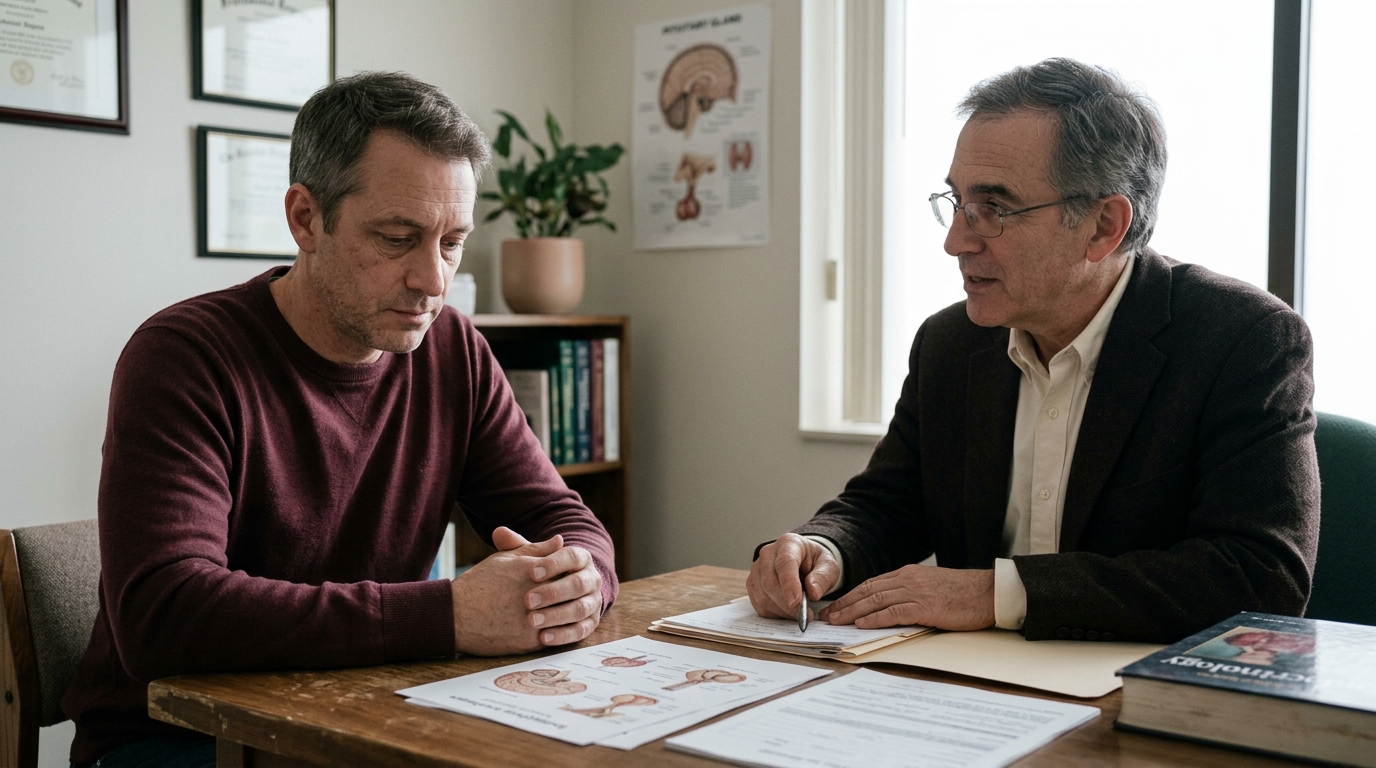
Luteinizing hormone (LH) and follicle-stimulating hormone (FSH) are signaling hormones released by the pituitary gland at the base of the brain. LH signals the Leydig cells in the testes to produce testosterone, while FSH supports sperm development.
Measuring LH and FSH is essential for distinguishing between a testicular problem and a signaling issue in the brain. High LH alongside low testosterone suggests the testes are unable to respond to normal brain signaling.
Prolactin is another hormone produced by the pituitary gland. While it serves critical functions in lactation for women, elevated prolactin in men can suppress gonadotropin-releasing hormone and lower testosterone.
Clinical guidelines recommend checking prolactin levels when low testosterone is paired with low or inappropriately normal LH. Markedly high prolactin can point to a pituitary adenoma or specific medication side effects.
Men seeking answers about their health often experience a mix of physical, emotional, and sexual changes. While these issues frequently occur together, they represent distinct physiological processes that are regulated by different systems in the body.
Libido refers to the psychological drive, interest, and mental appetite for sexual activity. Testosterone plays an established role in supporting sexual desire within the central nervous system. When testosterone falls severely below normal levels, many men notice a significant reduction in sexual thoughts and interest.
Erectile function, by contrast, is primarily a neurovascular event requiring healthy blood vessels, responsive nerve pathways, and intact smooth muscle tissue. An erection occurs when nitric oxide release causes the arteries of the penis to dilate, allowing blood to fill the erectile tissue.
A man can have high testosterone and strong sexual desire but still struggle with erections due to impaired vascular blood flow. Conversely, a man with low desire may still be able to achieve normal erections when stimulated.
According to the National Institute of Diabetes and Digestive and Kidney Diseases (NIDDK), erectile dysfunction is frequently caused by physical conditions affecting the blood vessels and nerves. Conditions such as atherosclerosis, hypertension, peripheral artery disease, and high cholesterol restrict arterial blood flow throughout the body, including the pelvic region.
Because the arteries supplying the penis are small, erectile difficulties can serve as an early warning sign of broader cardiovascular disease. Understanding how vascular health connects to male sexual performance and physical health helps men view erectile changes through a whole-body medical lens.
Diabetes is another major contributor to erectile problems. Elevated blood glucose over extended periods damages delicate peripheral nerves and impairs vascular endothelial function. Neurological conditions like multiple sclerosis, stroke, or spinal injuries can also disrupt the nerve signals required for an erection.
Fatigue and low mood are among the most frequent reasons men visit their doctors, but they are also the least specific symptoms. The Endocrine Society points out that low energy, diminished motivation, and mild depressive symptoms are common across the aging population and have dozens of potential medical causes.
Thyroid disorders, such as hypothyroidism, slow down cellular metabolism and produce profound lethargy that closely mimics hormone deficiency. Obstructive sleep apnea causes repeated nighttime airway collapses, disrupting deep sleep cycles and causing daytime exhaustion regardless of hormone levels.
Nutritional deficiencies, chronic kidney disease, auto-immune conditions, and ongoing psychological stress also drain daily energy reserves. While low testosterone can contribute to reduced vigor, addressing lifestyle and systemic health factors is essential for resolving unexplained fatigue.
A thorough symptom evaluation must include a careful review of all prescription and over-the-counter medications. Many commonly prescribed pharmaceutical agents have known side effects that impair sexual function or reduce daily energy.
Never discontinue any prescribed medication based solely on online reading. If you suspect a prescription is contributing to your symptoms, schedule a consultation with your prescribing clinician to discuss potential alternatives or dosage adjustments safely.
When blood tests confirm that a man has consistently low testosterone, the next clinical step is determining why the deficiency exists. Clinicians categorize hypogonadism into primary and secondary forms based on where the functional problem originates.
Primary hypogonadism occurs when the problem originates within the testes themselves. In this scenario, the Leydig cells are damaged or dysfunctional and cannot produce adequate testosterone despite receiving strong hormonal signals from the brain.
When a physician evaluates primary hypogonadism, laboratory tests typically reveal low total and free testosterone accompanied by significantly elevated LH and FSH. The pituitary gland is actively pumping out signaling hormones to stimulate production, but the testicular tissue cannot respond.
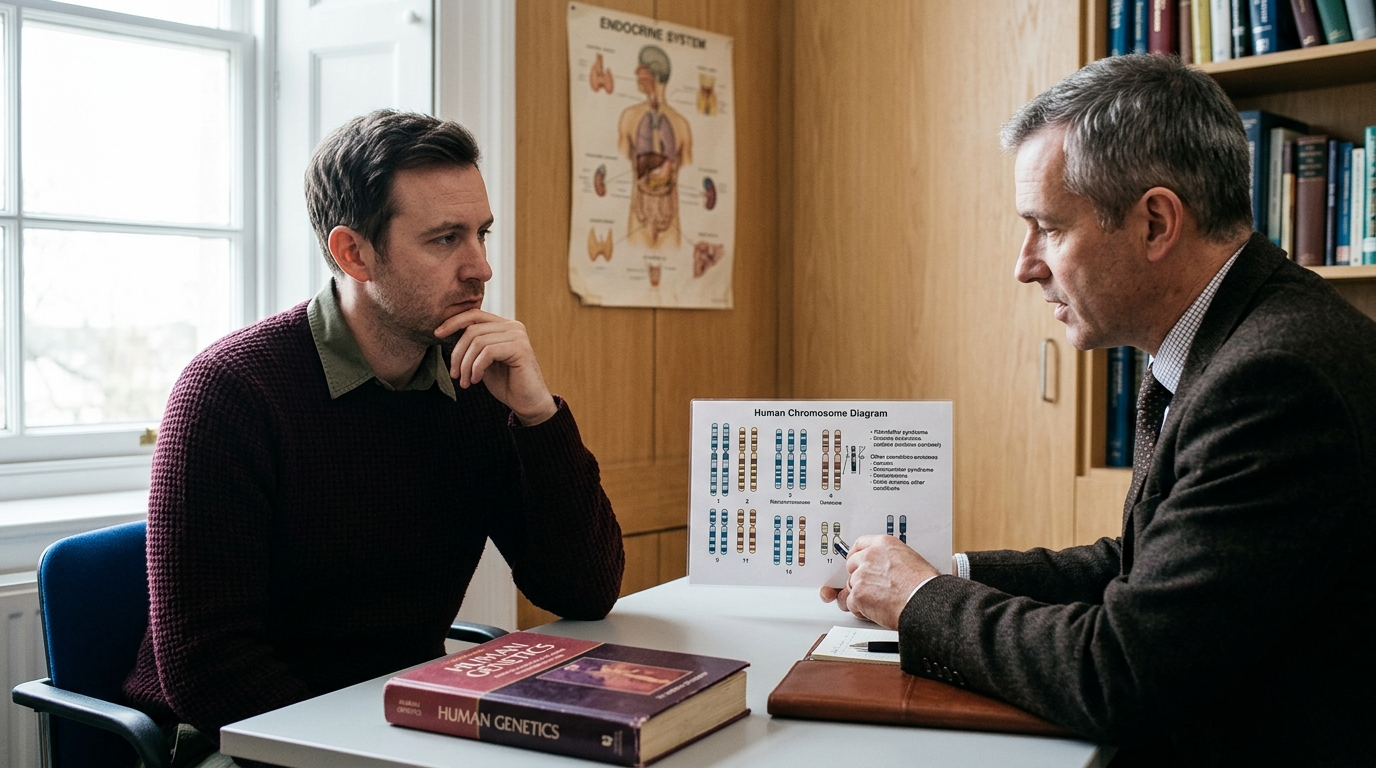
Causes of primary hypogonadism include genetic conditions like Klinefelter syndrome, undescended testicles during childhood, testicular trauma, surgical removal, radiation therapy, chemotherapy, or severe infections such as mumps orchitis. Primary hypogonadism generally represents permanent tissue damage that requires long-term medical management.
Secondary hypogonadism occurs when the signaling centers in the brain, the hypothalamus or the pituitary gland, fail to produce adequate gonadotropins to stimulate the testes. In this situation, the testicular tissue is physically capable of making testosterone, but it lacks the chemical signal to do so.
Laboratory findings in secondary hypogonadism show low testosterone alongside low or inappropriately normal concentrations of LH and FSH. The brain fails to increase signaling despite circulating testosterone levels being depressed.
Causes of secondary hypogonadism can include structural abnormalities like pituitary tumors, head trauma, genetic conditions like Kallmann syndrome, or inflammatory diseases like sarcoidosis. However, secondary hypogonadism can also be functional and potentially reversible.
A critical concept in modern endocrinology is functional secondary hypogonadism. In these cases, the endocrine signaling axis is temporarily suppressed by external factors, underlying medical conditions, or lifestyle stressors rather than permanent structural damage.
Significant obesity, type 2 diabetes, chronic opioid therapy, high-dose corticosteroid use, critical illness, and severe psychological distress can suppress the hypothalamic-pituitary axis. When these underlying factors are successfully managed, natural hormone production can sometimes recover without permanent hormone replacement therapy.
Identifying whether low testosterone is structural or functional prevents unnecessary lifelong interventions and ensures that underlying metabolic conditions receive appropriate medical attention. For patients evaluating long-term clinical options, reading about testosterone therapy research and protocols can provide insight into how doctors decide between monitoring, lifestyle modification, and medication.
Examining common clinical presentations helps illustrate how clinicians think through these complex symptom patterns in practice. These scenarios serve as educational examples rather than diagnostic templates.
These patterns demonstrate why a comprehensive medical history is essential. Clinicians must weigh the onset timeline, medication changes, and symptom clustering before drawing conclusions about hormone levels.
Daily health habits significantly influence the male endocrine system. While lifestyle modifications cannot overcome genetic or structural hypogonadism, they provide foundational support for hormone synthesis, metabolic balance, and vascular health. For a broader overview of non-pharmacological approaches, you can review lifestyle factors and natural hormone support.
Adipose tissue, particularly deep visceral fat surrounding abdominal organs, is metabolically active. It contains the enzyme aromatase, which converts circulating testosterone into estrogens. Furthermore, visceral adiposity generates systemic inflammatory cytokines that suppress hypothalamic gonadotropin-releasing hormone secretion.
A systematic review and meta-analysis published in the European Journal of Endocrinology evaluated weight loss in men with obesity-associated hypogonadotropic hypogonadism. The researchers found that both calorie-restricted diets and bariatric surgery were associated with increases in total testosterone.
In the units analyzed in the review, low-calorie diets yielded an average increase of 2.87, while bariatric surgery produced a much larger average increase of 8.73. These findings confirm that significant fat loss can help reverse functional secondary hypogonadism in men with obesity, though individual results depend on starting health and adherence.
Testosterone production is closely linked to the circadian rhythm and sleep structure. The majority of daily testosterone release occurs during deep, non-rapid eye movement (NREM) and rapid eye movement (REM) sleep cycles. Disrupted or restricted sleep directly impairs this nocturnal synthesis.
A study hosted by the Centers for Disease Control and Prevention evaluated the impact of sleep restriction on healthy young men. When participants were restricted to five hours of sleep per night for one week, their daytime testosterone levels dropped by 10% to 15%.
While this small study demonstrates that acute sleep deprivation impairs hormone production, men should not assume that simply sleeping longer will resolve chronic, structural hypogonadism. Adequate sleep is a vital baseline requirement for overall endocrine health.
Physical activity provides dual benefits for men dealing with vitality and sexual concerns. Progressive resistance training stimulates muscle protein synthesis, enhances insulin sensitivity, and provides acute neuromuscular stimulus.
Cardiovascular exercise, such as brisk walking, cycling, or swimming, improves endothelial function and increases vascular nitric oxide bioavailability. Because erectile function relies on healthy blood vessel dilation, regular aerobic conditioning directly supports erectile quality.
Exercise also plays a major role in managing psychological stress, reducing depressive symptoms, and improving baseline energy levels. Incorporating consistent physical activity creates systemic benefits that extend far beyond hormone numbers alone.
Lifestyle habits involving substance use and chronic stress can directly impair sexual performance and hormonal balance. The National Institute of Diabetes and Digestive and Kidney Diseases notes that smoking and heavy alcohol consumption are major modifiable risk factors for erectile dysfunction.
Cigarette smoking damages the inner lining of blood vessels, accelerating arterial stiffness and restricting blood flow to erectile tissue. Quitting smoking is one of the most effective lifestyle interventions for protecting long-term vascular and sexual health.
Excessive alcohol intake suppresses central nervous system signaling, impairs liver metabolism of hormones, and can acutely inhibit erectile capacity. Chronic psychological stress elevates cortisol and sympathetic nervous system tone, which constricts peripheral blood vessels and diminishes natural sexual interest.
Men exploring hormone health must understand the vital relationship between testosterone therapies and reproductive fertility. This is especially important for men in their 30s and 40s who may wish to father children in the future.
Guidelines from the American Urological Association explicitly warn that exogenous testosterone therapy should not be prescribed to men who are actively trying to conceive or planning future pregnancies. Administering external testosterone creates a negative feedback loop at the pituitary gland, shutting down LH and FSH production.
Without FSH and LH signaling, the testes cease intratesticular testosterone synthesis and halt normal sperm production, often leading to severe oligospermia or complete azoospermia. Men with low testosterone who desire future fertility should discuss fertility-preserving alternatives with an experienced reproductive urologist or endocrinologist.
Preparing for an appointment with a primary care doctor, urologist, or endocrinologist ensures that you get the most value from your visit. Arriving with clear information about your symptoms, medical history, and daily habits allows the clinician to perform a thorough evaluation.
Use these practical questions and topics to guide your conversation during your clinical consultation:
If you are experiencing low sexual desire, softer erections, or persistent fatigue, you can take constructive steps right now. Use this practical framework to organize your approach over the coming week before meeting with a doctor:
Testostra explains testosterone biology, testing, symptoms, lifestyle factors and TRT with careful sourcing and clear clinical limits.



Send us a question, research idea or topic suggestion. Reader questions help shape future Testostra content.
Contact Testostra