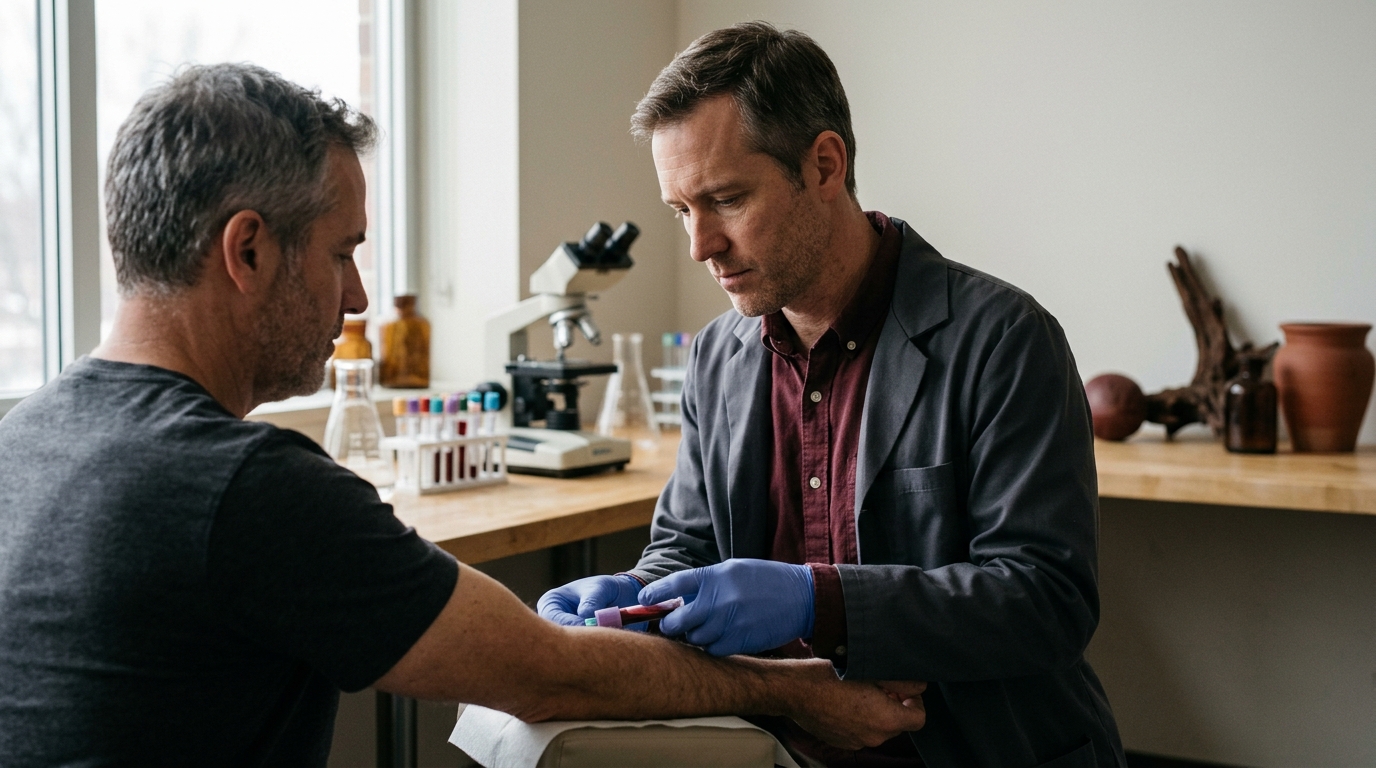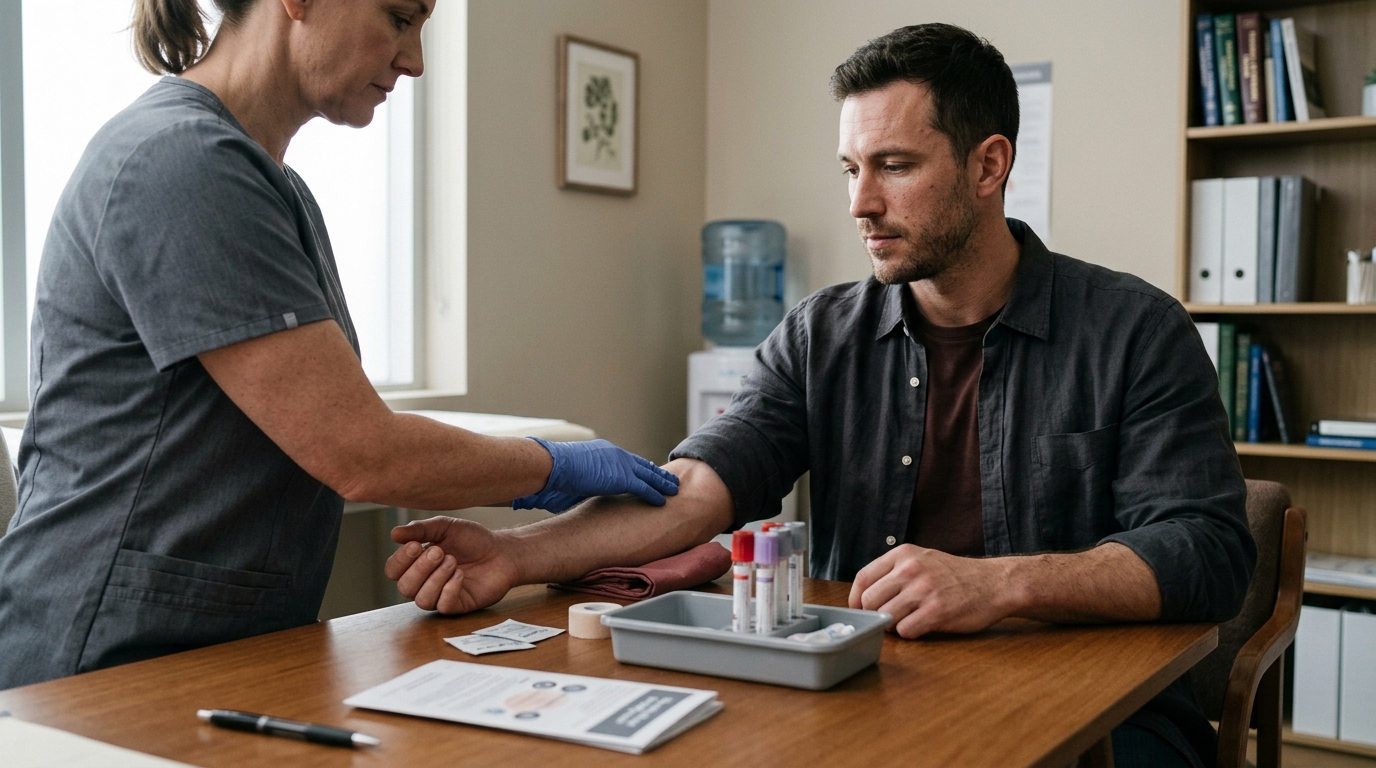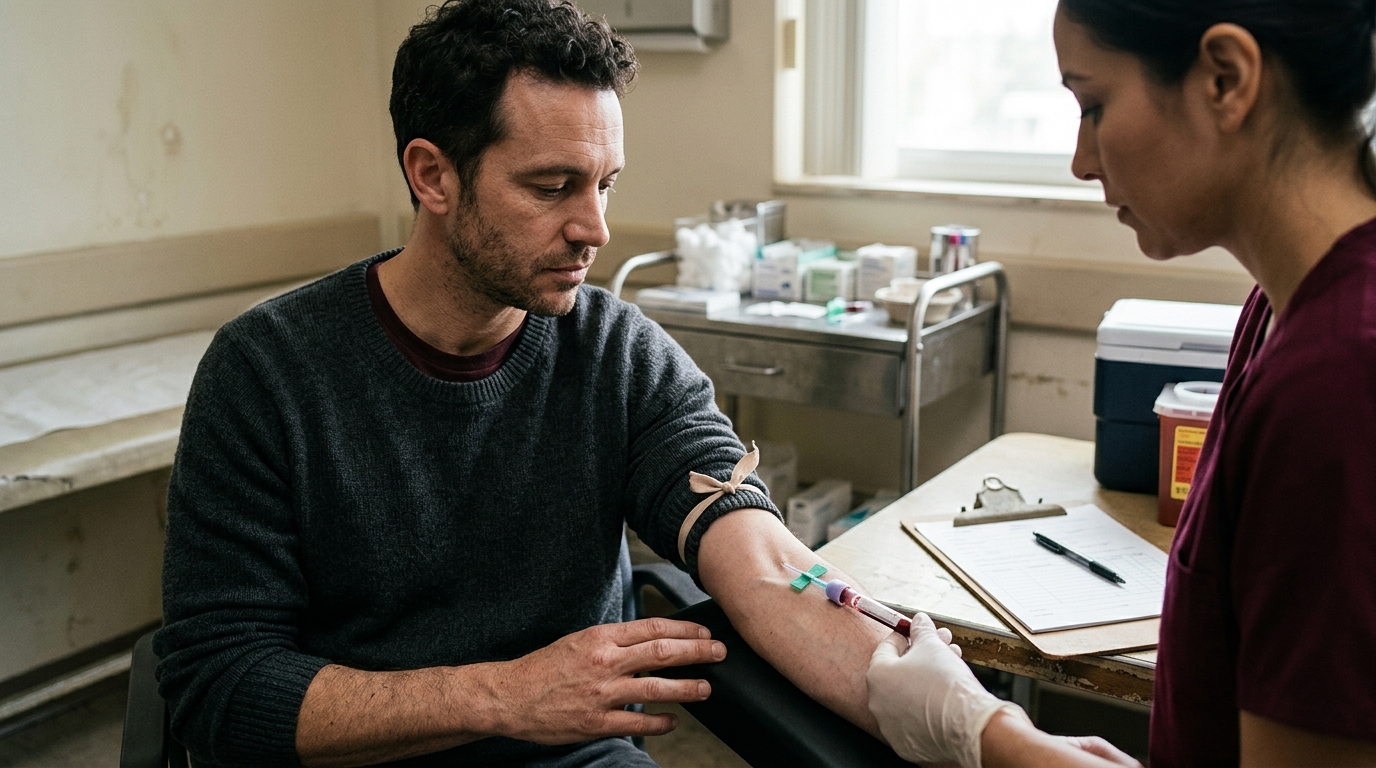

Multiple morning lab tests combined with symptom tracking and pituitary hormone panels establish an accurate medical framework for evaluating low testosterone levels.





Evaluating testosterone is a careful clinical process designed to understand symptoms, hormone production, and general health. It is not a quick screening test, an online quiz, or a pathway to an immediate prescription. A proper evaluation connects laboratory measurements with a person's medical history, physical symptoms, and overall health status.
This guide outlines the standard clinical steps used to evaluate male hormone levels. It explains how doctors confirm lab values, investigate potential causes, and discuss treatment goals.
This article is for educational purposes only. It is not personal medical advice, a diagnosis, or a treatment recommendation. Hormone testing and testosterone therapy require individualized clinical evaluation, formal laboratory testing, and ongoing medical supervision. Always consult a qualified healthcare professional regarding any medical condition or before making changes to medications.
A diagnosis of male hypogonadism requires both consistent physical symptoms and repeatedly low testosterone levels. A single abnormal lab result is never enough to confirm a medical condition.
Clinical guidelines emphasize several core principles during an evaluation:
You can learn more about general hormone health in our guide to low testosterone basics.
A proper medical evaluation involves identifying whether a person has genuine clinical hypogonadism. Hypogonadism is defined as inadequate testicular hormone production or function assessed within a complete clinical context. Professional guidelines from major medical societies state that a diagnosis requires compatible symptoms and signs alongside consistently low testosterone levels. A low laboratory number on its own does not constitute a disease.
The diagnostic process separates cases into distinct physiological categories. Primary hypogonadism occurs when the testicles fail to produce adequate testosterone despite receiving normal or high signals from the brain. Secondary hypogonadism occurs when the hypothalamus or pituitary gland fails to send adequate hormonal signals to the testicles. Differentiating between these two forms is a standard requirement in medical guidelines.
A thorough workup also distinguishes between organic hypogonadism and functional suppression. Organic hypogonadism results from permanent structural damage or genetic conditions affecting the testicles, pituitary gland, or hypothalamus. Functional suppression is a temporary or potentially reversible decrease in hormone production caused by acute illness, high stress, significant weight gain, or medications. Identifying functional causes helps clinicians treat the root problem rather than relying immediately on hormone replacement.
Standard reference ranges require careful interpretation. The American Urological Association identifies low testosterone as a total testosterone value consistently below 300 nanograms per deciliter. Other medical organizations emphasize evaluating symptoms alongside laboratory ranges derived from healthy reference populations. Because different laboratories use varying testing methods, results must be interpreted using the specific reference intervals of the facility that analyzed the blood sample.
Testosterone levels naturally fluctuate throughout the day and in response to daily activities. In healthy adult men, testosterone follows a circadian rhythm, peaking in the early morning hours and declining toward the evening. Drawing blood in the afternoon or evening can produce a falsely low result that does not reflect true baseline production.
The Endocrine Society and the American Urological Association both advise that testing must be performed in the morning. Blood draws should ideally take place between 07:00 and 10:00 after an overnight fast. Consuming food before a blood draw, particularly meals rich in carbohydrates or fats, can temporarily suppress circulating testosterone levels. Fasting ensures that the measurement reflects baseline hormonal output rather than a metabolic reaction to a recent meal.
Short-term health changes can also alter hormone levels. Acute viral infections, sudden sleep loss, intense physical exhaustion, and emotional distress can temporarily reduce testosterone synthesis. An isolated low result collected during a period of illness or poor sleep is not reliable. Clinical guidelines require at least two separate early-morning fasting blood tests before establishing a diagnosis.
Using the same laboratory for repeat testing reduces variability. Different testing platforms and commercial assays can produce slightly different numerical values for the same blood sample. When a clinician confirms an initial low reading with a second test at the same facility, the comparison remains valid and accurate. More details on standard testing protocols are available in our guide to testosterone biomarkers and testing.
A complete hormone evaluation requires matching laboratory data with specific clinical symptoms. The Endocrine Society advises against routine screening of men who do not display symptoms of androgen deficiency. Testing should be reserved for individuals who present with clear clinical concerns or underlying health conditions known to affect hormone production.
Symptoms associated with low testosterone are divided into specific and non-specific categories. Specific symptoms have a strong physiological connection to androgen deficiency. Non-specific symptoms can be caused by low testosterone, but they frequently stem from unrelated medical, psychological, or lifestyle factors.
Non-specific symptoms require a broad diagnostic perspective. A person with severe fatigue and poor concentration might have low testosterone, but they might also suffer from untreated sleep apnea, clinical depression, thyroid dysfunction, or chronic stress. Clinicians review these symptoms carefully to avoid attributing common, multi-factorial problems entirely to a hormone deficiency.
A complete hormonal workup looks beyond total testosterone. Total testosterone measures the entire amount of the hormone in circulation, including the portion bound to carrier proteins and the unbound portion. Evaluating related biomarkers provides a complete view of how hormones are produced, transported, and regulated.
To explore how these biomarkers interact, readers can review our library of testing and biomarker resources.
About 98 percent of circulating testosterone is bound to proteins in the blood. Most is tightly bound to sex hormone-binding globulin, while a smaller portion is loosely bound to albumin. Only one to two percent remains unbound, which is known as free testosterone. The combination of free testosterone and albumin-bound testosterone is referred to as bioavailable testosterone.
Measuring free testosterone is especially useful when total testosterone is near the lower boundary of the reference range. It is also important when conditions alter SHBG production. Conditions that lower SHBG include obesity, type 2 diabetes, hypothyroidism, and the use of glucocorticoids. Conditions that raise SHBG include aging, chronic liver disease, hyperthyroidism, and severe caloric restriction.
When SHBG is abnormally low, total testosterone may appear low even though the free, active hormone remains in the normal range. In these cases, the Endocrine Society recommends measuring free testosterone using equilibrium dialysis or calculating it with a validated mathematical formula. The American Urological Association notes that total testosterone remains the standard first-line test, reserving free testosterone for complex or borderline cases.
Luteinizing hormone and follicle-stimulating hormone are peptide hormones produced by the anterior pituitary gland. They are released in response to gonadotropin-releasing hormone from the hypothalamus. In men, LH stimulates the Leydig cells in the testicles to produce testosterone. FSH acts on the Sertoli cells to support sperm development and maturation.
Measuring LH and FSH is the primary way clinicians differentiate between testicular and pituitary causes of low testosterone:
Prolactin is a hormone produced by the pituitary gland that can suppress the release of gonadotropins when elevated. The American Urological Association recommends testing prolactin whenever a patient has confirmed low testosterone accompanied by low or low-normal LH levels. European guidelines also recommend measuring LH and prolactin together when pathological testosterone levels are detected.
Significantly elevated prolactin, a condition known as hyperprolactinemia, can indicate a prolactin-secreting pituitary tumor called a prolactinoma. It can also result from kidney dysfunction, liver disease, or medications such as antidepressants and antipsychotics. Identifying high prolactin helps clinicians investigate central pituitary issues before making treatment decisions.
Testosterone stimulates the bone marrow to produce red blood cells through erythropoiesis. Before starting any hormone treatment, the American Urological Association recommends checking baseline hemoglobin and hematocrit levels.
If hematocrit is already elevated above safe thresholds, starting testosterone therapy could raise blood thickness to levels that increase vascular risks. Baseline blood counts ensure that therapy can be administered safely without causing dangerous increases in red blood cell volume.
Prostate-specific antigen is a protein produced by cells in the prostate gland. The American Urological Association recommends checking PSA levels in men over 40 years of age before starting testosterone therapy. This baseline measurement helps exclude an undiagnosed prostate malignancy before treatment begins.
While modern evidence shows that physiological testosterone therapy does not cause prostate cancer, androgens can stimulate the growth of existing hormone-sensitive prostate tumors. An elevated baseline PSA requires urological evaluation before any hormone therapy can proceed.
Establishing that a patient has low testosterone is only the midpoint of an evaluation. The clinician must then identify why the deficiency exists. Categorizing the cause helps determine whether the condition is permanent, progressive, or reversible through lifestyle changes or treating an underlying illness.
Primary hypogonadism involves direct dysfunction or damage to the testicles. When Leydig cells cannot produce testosterone, the pituitary gland compensates by producing large amounts of LH. Common causes of primary testicular failure include:
Secondary hypogonadism involves a failure of central hormone signaling. The testicles are structurally normal, but they do not receive the hormonal triggers needed to produce testosterone. Causes of secondary hypogonadism include:
Many cases of secondary hypogonadism are functional rather than structural. In these instances, the hormone axis is suppressed by external influences, systemic health issues, or medications. Addressing these factors can often restore natural hormone production without lifelong therapy.
Endocrine Society patient resources estimate that hypogonadism occurs in approximately 35 percent of men over age 45. It is also found in 30 to 50 percent of men with severe obesity or type 2 diabetes. These figures reflect broad epidemiological observations rather than a guarantee that every man with these conditions requires hormone treatment.
When considering treatment for confirmed hypogonadism, patients and clinicians must review clinical evidence regarding benefits, potential adverse effects, and long-term safety. Understanding current research allows for balanced, evidence-based conversations.
For an extensive review of emerging scientific literature, visit our section on TRT and emerging research.
Cardiovascular safety has been a central topic in testosterone research for decades. Past observational studies produced conflicting results, with some suggesting increased cardiovascular risk and others suggesting protective effects. To address these questions, researchers conducted the TRAVERSE study, a large, multicenter, randomized controlled trial.
The TRAVERSE trial evaluated men aged 45 to 80 with documented hypogonadism and established cardiovascular disease or elevated cardiovascular risk. Participants were randomly assigned to receive either daily topical testosterone gel or a matching placebo gel. The primary outcome was the first occurrence of a major adverse cardiovascular event, defined as cardiovascular death, nonfatal myocardial infarction, or nonfatal stroke.
Over the study period, a primary cardiovascular event occurred in 7.0 percent of patients in the testosterone group compared to 7.3 percent of patients in the placebo group. The hazard ratio was 0.96 with a 95 percent confidence interval of 0.78 to 1.17. These findings demonstrated that testosterone replacement therapy was noninferior to placebo regarding major adverse cardiovascular events in this defined population.
While the primary cardiovascular outcome was reassuring, the TRAVERSE trial identified specific secondary safety signals that require careful clinical attention:
Blood pressure regulation is an important clinical consideration during hormone therapy. The United States Food and Drug Administration required manufacturers to conduct formal ambulatory blood pressure monitoring studies on testosterone products. These studies confirmed that testosterone replacement therapy can cause modest, class-wide increases in blood pressure.
Following these findings and the completion of the TRAVERSE trial, the FDA updated product labeling across the entire class of prescription testosterone therapies. The agency removed previous boxed-warning statements regarding non-specific cardiovascular event risks. However, labeling continues to emphasize blood pressure monitoring and individualized risk assessments before and during treatment.
Clinical guidelines from the Endocrine Society outline clear situations where testosterone therapy should not be started. Absolute and relative contraindications ensure that treatment is not administered when the risks outweigh the benefits:
To read more about medical protocols and treatment boundaries, see our guide to testosterone replacement therapy and clinical science.
Preparing organized information for a medical visit helps the clinician evaluate symptoms, medical history, and lab results efficiently. Arriving with a clear summary of your health history makes it easier to work through the necessary diagnostic steps.
A structured conversation helps ensure that every aspect of your hormonal health is considered before deciding on a plan. The following questions can help guide your discussion:
Home collection kits and finger-prick tests often use varying laboratory techniques that may not match clinical standards. Saliva testing is generally not recommended by major endocrine organizations for diagnosing hypogonadism. Official guidelines require serum blood draws analyzed by accredited laboratories using reliable assays. A formal diagnosis always requires two separate early-morning fasting venous blood tests combined with a clinical exam.
Total testosterone measures all the testosterone circulating in your bloodstream. Most of this hormone is bound tightly to sex hormone-binding globulin or loosely to albumin. Free testosterone refers to the small fraction, typically one to two percent, that is unbound and active at the cellular level. Free testosterone testing is helpful when total testosterone is borderline or when conditions like obesity or thyroid disorders alter binding proteins.
In many cases, addressing functional health factors can lead to meaningful improvements in natural testosterone production. Significant weight loss reduces visceral fat, which lowers the conversion of testosterone to estrogen and reduces inflammatory signaling that suppresses the pituitary gland. Treating obstructive sleep apnea restores normal nocturnal sleep patterns, which supports the body's natural morning testosterone surge.
Exogenous testosterone therapy introduces external hormones into the bloodstream, which signals the brain to stop producing LH and FSH. Without LH and FSH, the testicles stop natural testosterone production and halt spermatogenesis. This can cause sperm counts to drop significantly, leading to temporary or prolonged infertility. Men planning biological fatherhood in the near term should discuss alternative fertility-preserving treatments with their doctor.
Testostra explains testosterone biology, testing, symptoms, lifestyle factors and TRT with careful sourcing and clear clinical limits.



Send us a question, research idea or topic suggestion. Reader questions help shape future Testostra content.
Contact Testostra