
Sleep duration, sleep architecture, and circadian rhythms directly dictate testosterone production, shaping how clinicians evaluate blood tests for day and shift workers.





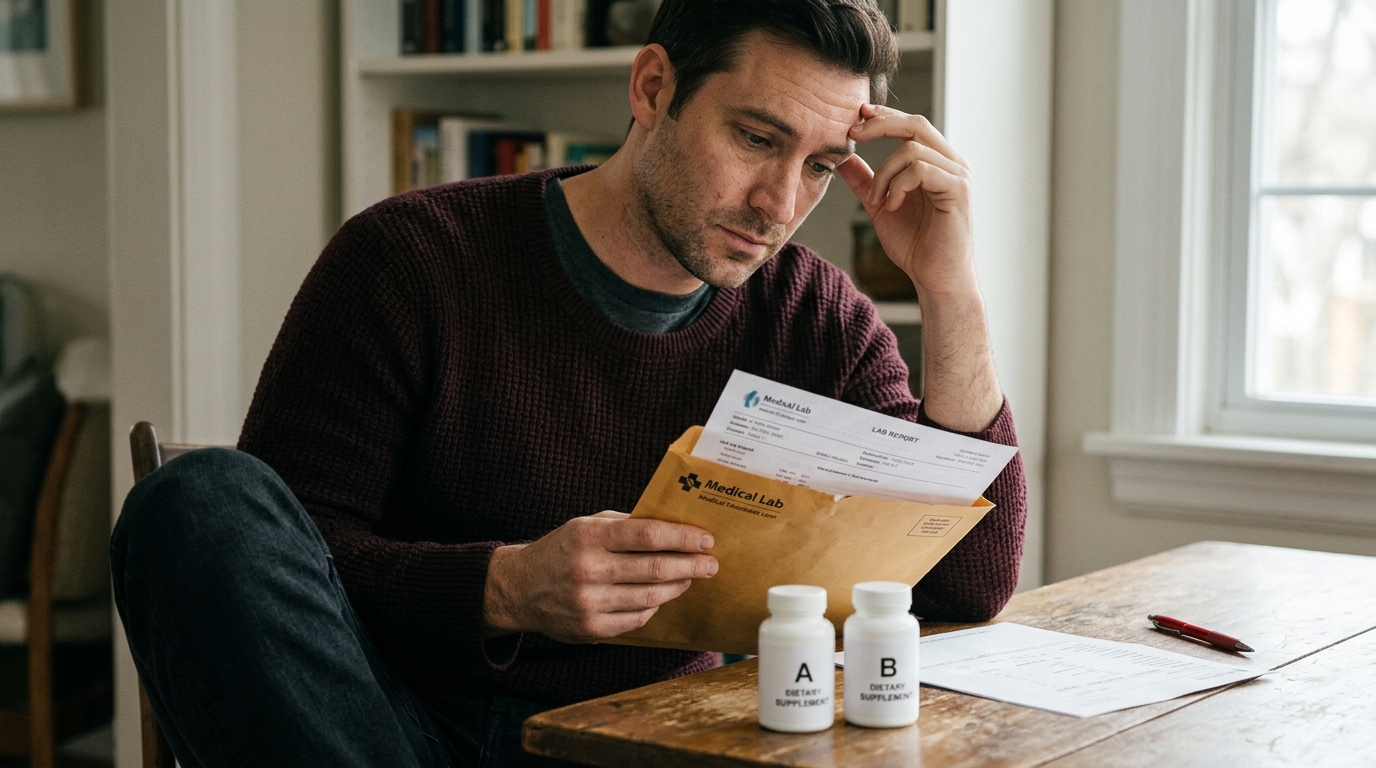
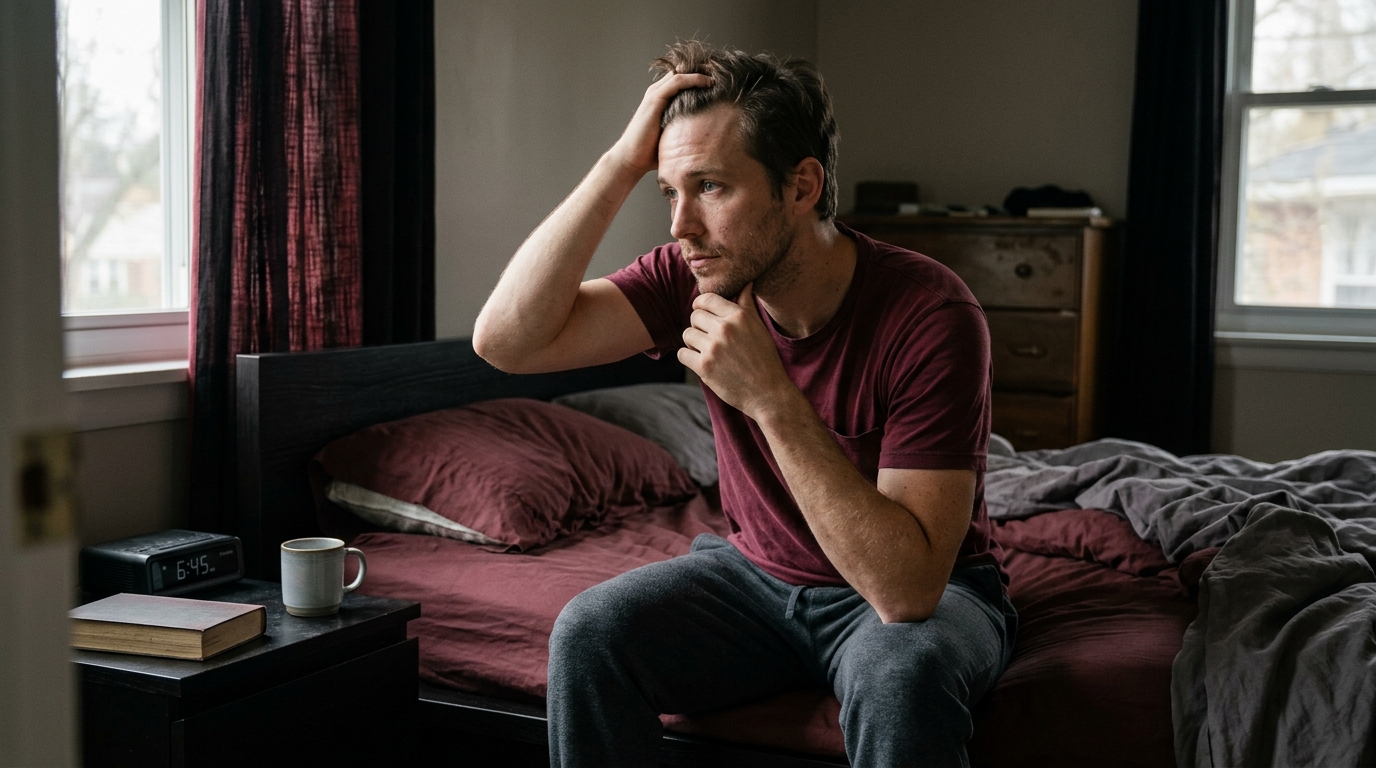
Imagine waking up at 5:30 a.m. after four interrupted hours of sleep, rushing to a local laboratory, and having blood drawn for a hormone panel. A few days later, your total testosterone comes back borderline low. You feel exhausted, unmotivated, and mentally foggy. It is natural to wonder whether those results reveal a chronic hormonal disorder or simply reflect the rough week of sleep that came before the blood draw.
Interpreting hormone levels requires understanding how sleep quantity, sleep quality, and the timing of your blood draw interact. Testosterone levels change throughout the day, and much of that change depends on how you sleep. Furthermore, sleep deprivation produces symptoms that look almost identical to clinical testosterone deficiency.
This guide breaks down the biological relationship between sleep and testosterone. It outlines the controlled scientific research, examines how shift work complicates testing, and provides clear steps to plan an accurate blood test.
This article is for educational and informational purposes only. It does not constitute medical advice, diagnosis, or treatment recommendations. Hormone testing, laboratory interpretation, and clinical decisions should always be conducted under the supervision of a qualified healthcare professional. Never start, stop, or change any medical treatment based on the information provided here.
Many people describe testosterone as following a simple circadian rhythm. They assume levels peak in the morning simply because the sun has risen. However, clinical reviews emphasize that the daily rise in testosterone is tied directly to sleep itself.
Testosterone begins to climb shortly after you fall asleep. It continues to rise as you progress through your sleep cycles, reaching a peak after your first episode of rapid eye movement sleep, also known as REM sleep. Levels generally stay elevated throughout the sleep period and remain high around waking. Once you are awake and active, circulating testosterone gradually declines over the course of the day.
Research indicates that the body needs at least three hours of continuous, architecturally normal sleep to produce this characteristic nocturnal rise. When sleep is cut short or repeatedly interrupted, the nighttime surge may be blunted or absent.
Because the peak depends on sleep, waking time is often more biologically relevant than the clock on the wall. For a person working a traditional daytime schedule, peak levels happen to coincide with standard laboratory morning hours. For someone sleeping during the day, the hormonal peak shifts relative to their personal sleep period. Understanding this distinction is essential when interpreting blood tests. You can learn more by reviewing our guide to understanding hormone testing and biomarkers.
When discussing sleep and hormone health, it is easy to lump all sleep problems together. In clinical research, scientists separate sleep problems into three distinct categories: sleep restriction, sleep fragmentation, and circadian misalignment. Each condition affects the body differently.
Sleep restriction refers to getting less total sleep than the body needs. This occurs when you go to bed late, wake up early, or have a shortened sleep opportunity.
Studies show that restricting sleep over multiple consecutive nights can reduce daytime testosterone concentrations. It also lowers daytime alertness, reduces vigor, and increases perceived physical fatigue.
Sleep fragmentation occurs when your sleep is repeatedly broken up by awakenings. A person might spend eight hours in bed, but their sleep is continually interrupted.
Common causes include untreated obstructive sleep apnea, environmental noise, chronic pain, or frequent nighttime urination. Experimental fragmentation studies show that interrupting sleep can flatten the nighttime testosterone surge. This disruption happens even if the total time spent in bed looks normal on paper.
Circadian misalignment happens when your sleep-wake schedule conflicts with your internal biological clock. This is common among rotating shift workers, night-shift employees, and people experiencing severe jet lag.
When you sleep at an irregular biological time, your sleep architecture often suffers. You may get less deep sleep and less REM sleep. As a result, the hormonal peaks that depend on sleep may occur at unusual times or become less pronounced. Understanding these differences helps clinicians interpret atypical lab results.
Much of what we know about sleep loss and testosterone comes from laboratory studies on healthy volunteers. Two major controlled trials offer valuable insights into how sleep duration influences hormone production.
In 2011, researchers at the University of Chicago published a controlled study examining the effects of sleep restriction on young, healthy men. The participants had an average age of 24 years.
The study compared two distinct conditions. First, the men spent 10 hours in bed per night for three nights, averaging nearly 9 hours of measured sleep. Next, they underwent eight nights of sleep restriction, where their time in bed was limited to 5 hours per night, averaging about 4 hours and 48 minutes of sleep.
The researchers drew blood samples across the daytime waking hours. During the well-rested condition, the men had an average daytime testosterone level of 18.4 nmol/L. After a week of restricted sleep, their average daytime testosterone dropped to 16.5 nmol/L.
This drop was especially noticeable during the afternoon and evening hours between 2:00 p.m. and 10:00 p.m. where levels fell by roughly 10% to 15%. Alongside the lower hormone levels, the men reported marked declines in vigor and mood.
In 2019, another group of researchers published findings from two randomized controlled crossover trials. They sought to test whether different forms of sleep restriction produced the same reduction in testosterone.
The first protocol examined severe acute restriction, limiting participants to 4 hours in bed for five consecutive nights. The second protocol evaluated mild chronic restriction, reducing nightly sleep by about 1.5 hours for six consecutive weeks.
Surprisingly, neither the severe acute protocol nor the mild chronic protocol showed a statistically significant decline in morning testosterone levels. In the chronic study, participants slept an average of 6.15 hours per night during restriction compared to 7.60 hours during habitual sleep. The authors concluded that sleep restriction did not cause a clinically meaningful drop under their study conditions.
These contrasting findings do not mean one study was right and the other was wrong. Instead, they highlight how sensitive hormone levels are to study design and testing protocols:
These studies demonstrate that sleep loss can influence testosterone levels, but it does not do so in a simple or predictable way. You cannot assume that losing two hours of sleep will automatically lower your testosterone by a fixed percentage.
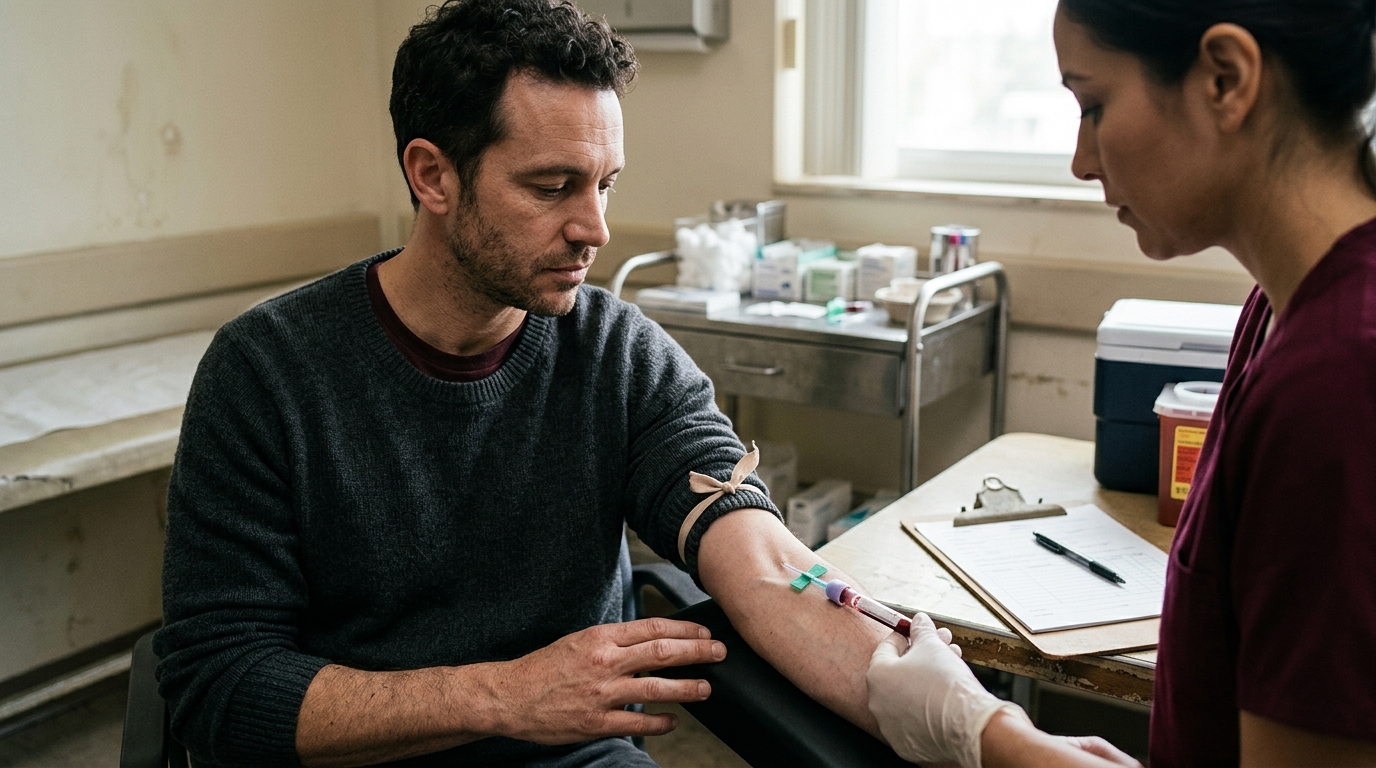
Clinical laboratory guidelines traditionally instruct patients to have their testosterone checked in the early morning, typically between 7:00 a.m. and 10:00 a.m. This recommendation assumes the patient sleeps during the night and wakes in the morning. For shift workers, this conventional rule creates significant diagnostic confusion.
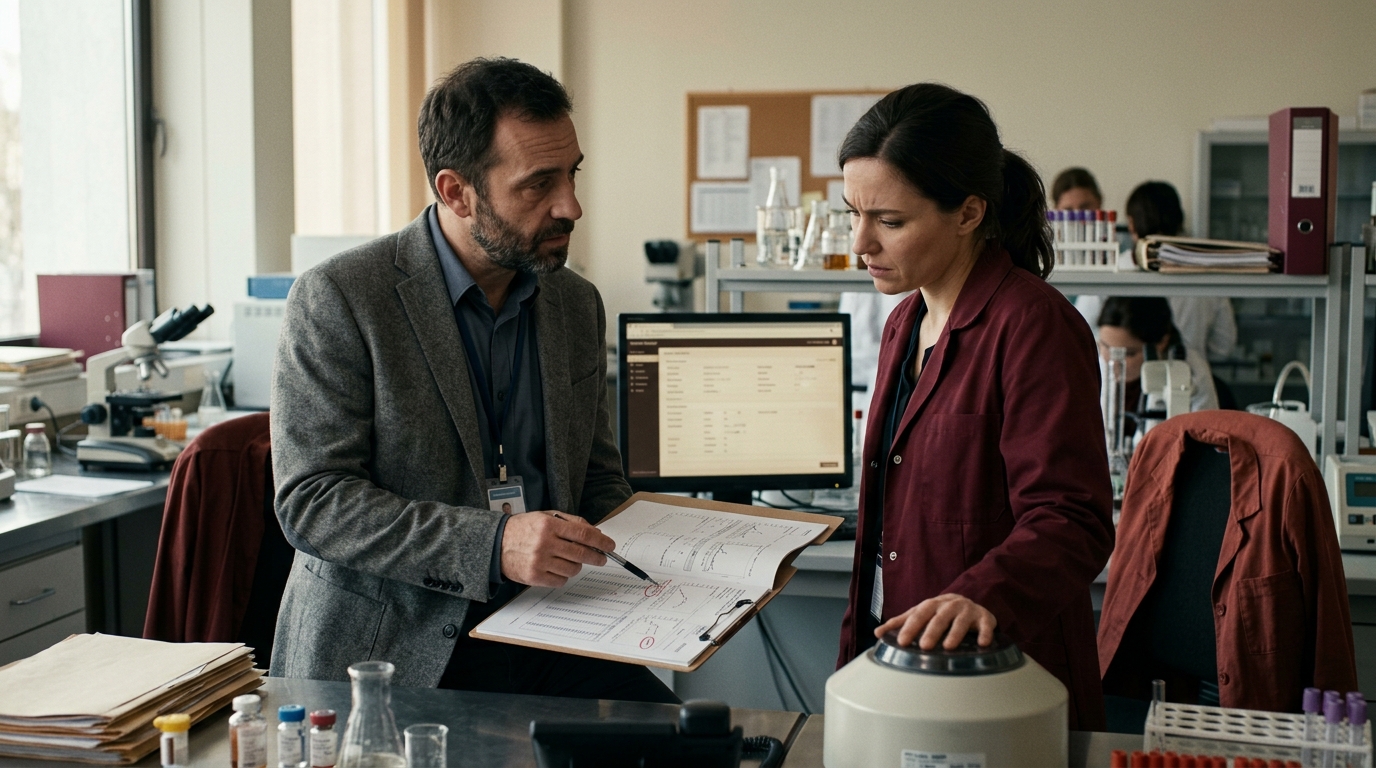
Consider a paramedic who finishes a 12-hour night shift at 7:00 a.m. and heads straight to the laboratory for an 8:00 a.m. blood draw. Although the clock says morning, the paramedic has been awake and active all night.
Biologically, 8:00 a.m. represents the end of their waking day, when testosterone levels are naturally at their lowest point. Drawing blood at that moment is likely to produce an artificially low reading. This result reflects behavioral fatigue rather than an organic endocrine disorder.
Clinical reviews and a 2022 study on endogenous hormone patterns in shift workers suggest an alternative approach. They argue that hormone testing should follow the patient's personal behavioral sleep-wake cycle rather than the clock on the wall.
For a permanent night-shift worker who sleeps from 9:00 a.m. to 5:00 p.m. the biological morning occurs shortly after 5:00 p.m. Drawing blood within one to two hours of waking from their primary sleep period provides a sample that better reflects their peak hormone output.
Major medical organizations, including the Endocrine Society and the American Urological Association, have not established a formal, standardized testing protocol specifically for shift workers.
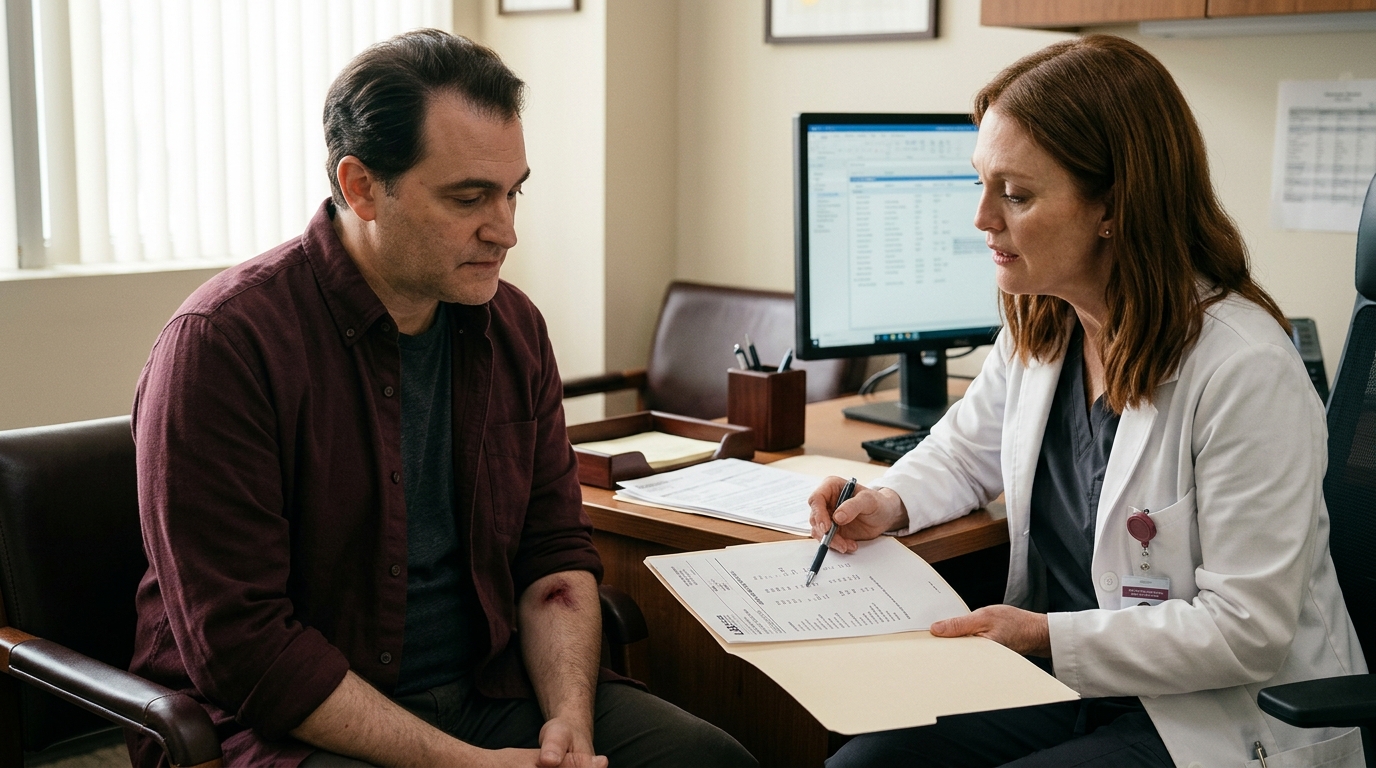
If you work nonstandard hours, you must communicate your exact schedule to your doctor. Testing soon after your primary sleep episode is a logical approach supported by clinical reviews, but your physician must interpret the lab numbers within the context of your work patterns. For deeper insights into diagnostic standards, explore our clinical testosterone testing resources.
A key challenge in evaluating male hormone health is that poor sleep and low testosterone cause nearly identical daily symptoms.
When a person does not sleep well, their central nervous system suffers. This creates a clinical picture that closely mimics hypogonadism:
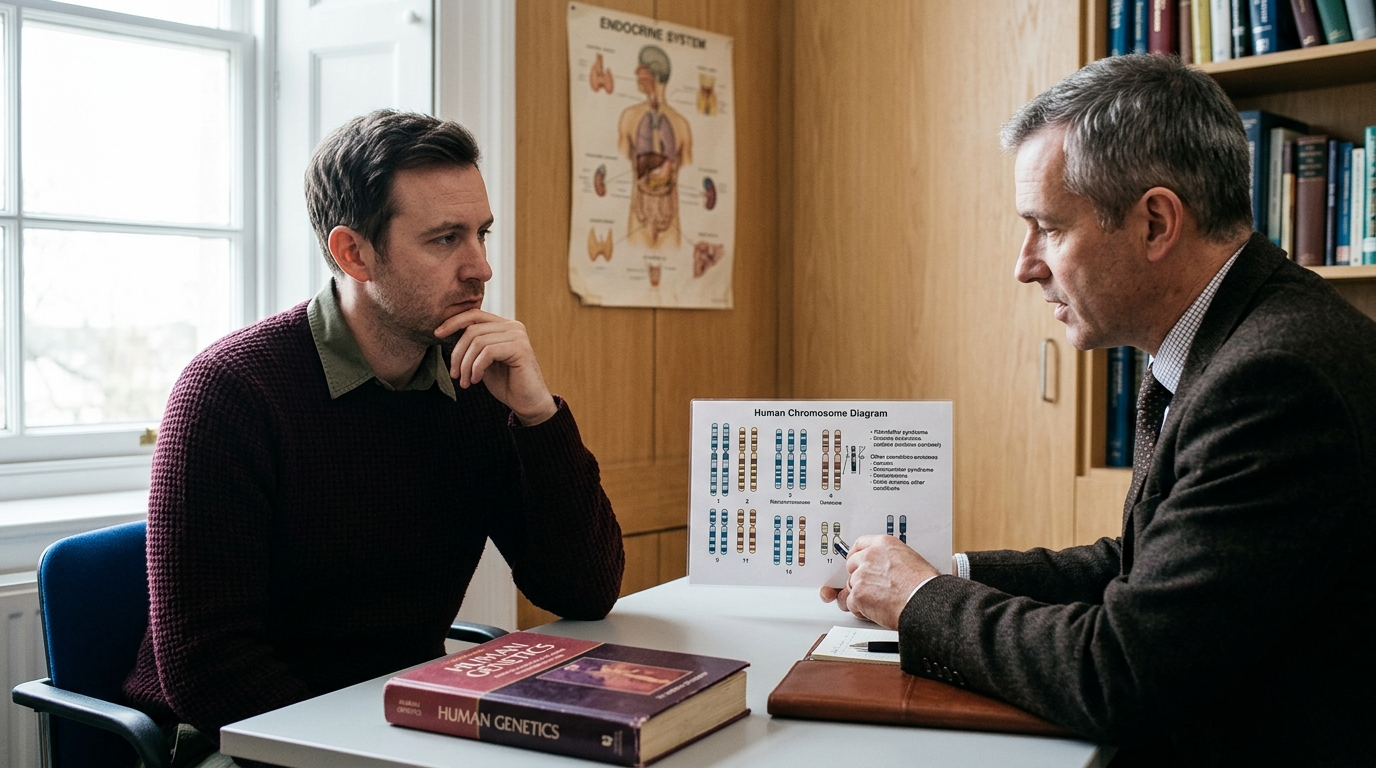
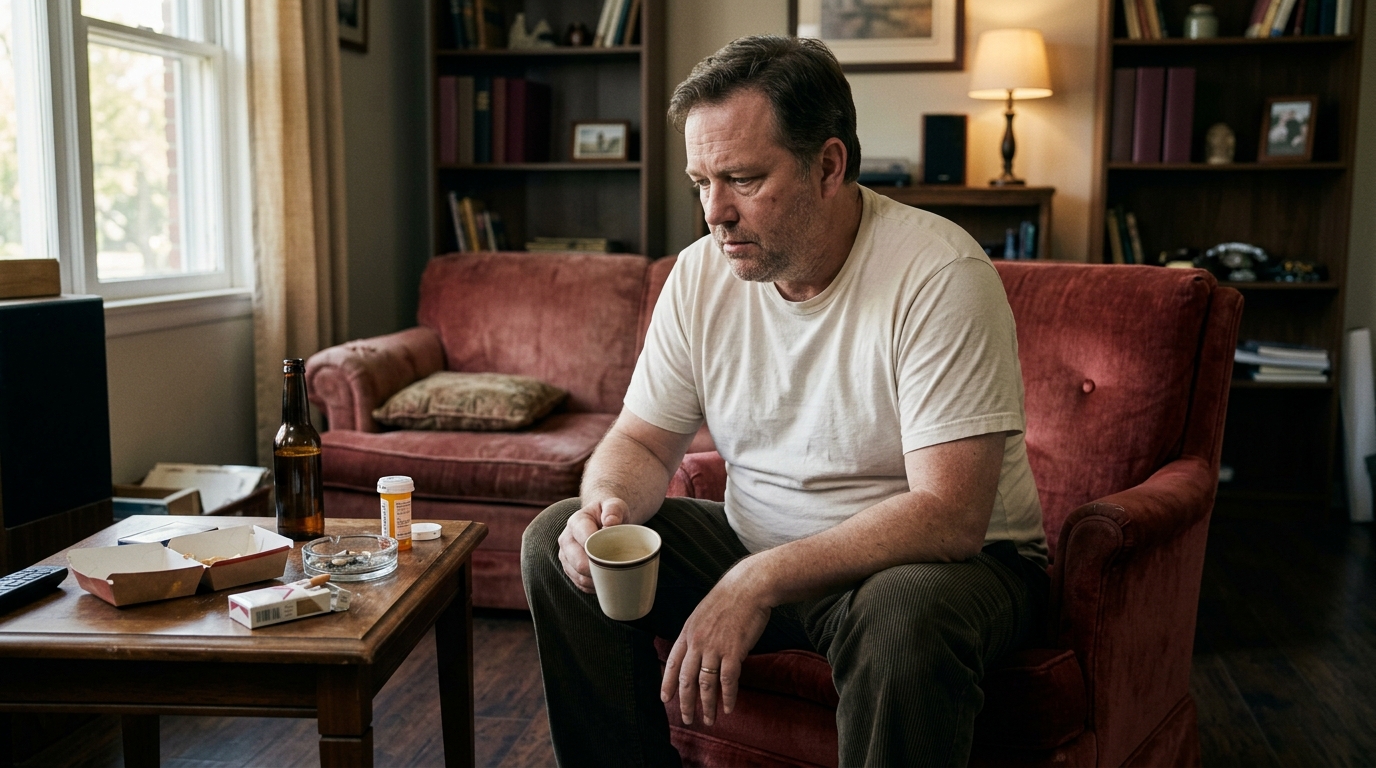
Because these symptoms overlap so completely, a clinician cannot rely on symptoms alone to make a diagnosis. If you feel exhausted and your blood test shows low testosterone after a month of severe insomnia, treating the sleep problem first is essential. Resolving sleep issues often restores daytime energy and may normalize hormone levels without endocrine medication. Learn more about identifying symptoms in our guide to evaluating low testosterone symptoms.
To evaluate hormone health accurately, physicians look at a complete panel of blood biomarkers. Understanding what these tests measure helps you make sense of your results alongside your sleep patterns.
Total testosterone measures all the testosterone circulating in your bloodstream. This includes hormone bound tightly to proteins as well as free hormone.
The American Urological Association considers a total testosterone value below 300 ng/dL as a reasonable cutoff supporting a diagnosis of deficiency. However, this number must be confirmed with multiple tests and accompanied by clear clinical symptoms.
Most testosterone in the blood is bound to sex hormone-binding globulin (SHBG) and albumin. Only about 1% to 2% circulates unbound as free testosterone.
Free testosterone and albumin-bound testosterone make up the bioavailable fraction that can readily enter target tissues. If your SHBG levels are unusually high or low due to age, diet, or metabolic factors, measuring free testosterone provides a clearer picture of your active hormone levels.
SHBG is a protein produced by the liver that transports sex hormones through the blood.
Insulin resistance, obesity, and thyroid disorders can lower SHBG levels, which alters total testosterone without necessarily changing free testosterone. Conversely, older age and certain diets can raise SHBG.
The pituitary gland in the brain releases LH and FSH to regulate the testes:
Measuring LH helps your doctor determine the underlying cause of low testosterone. If testosterone is low but LH is elevated, the problem originates in the testes, which is called primary hypogonadism. If both testosterone and LH are low or inappropriately normal, the issue stems from the brain or pituitary signaling, known as secondary hypogonadism. Severe sleep deprivation and chronic physiological stress can suppress pituitary LH signaling.
Prolactin is another hormone released by the pituitary gland. Markedly elevated prolactin can suppress LH release and lower testosterone levels.
Prolactin levels also rise naturally during sleep and can be altered by severe sleep disruption or pituitary tumors. Checking prolactin helps rule out structural pituitary issues when testosterone is significantly suppressed.
Because sleep, fasting status, and illness can cause temporary dips in hormone levels, careful planning ensures your laboratory results are accurate and representative.
Aim for at least three to seven nights of stable, unfragmented sleep before your scheduled blood draw. Avoid scheduling a hormone panel immediately following international travel, an intense night shift rotation, or a period of severe insomnia.
If you follow a standard day schedule, schedule your blood draw between 7:00 a.m. and 10:00 a.m. You should ideally have your blood drawn within one to three hours of waking up to capture peak concentrations.
Food intake can temporarily lower circulating testosterone levels. Standard guidelines recommend arriving at the laboratory after an overnight fast of 8 to 12 hours. Drinking plain water is encouraged to stay hydrated.
Exhausting endurance exercise or intense weightlifting right before testing can temporarily alter hormone concentrations and elevate liver or muscle enzymes. Stick to light activity the day before your draw.
Keep a brief personal record on the morning of your test. Write down:
This information gives your doctor essential context if your test results come back borderline or unexpectedly low.
Never rely on a single laboratory measurement to make a clinical diagnosis. Both the Endocrine Society and the American Urological Association explicitly state that a low testosterone result must be confirmed with a second early-morning, fasting measurement on a separate day. Using the same laboratory and testing method makes comparison between tests more reliable. Discover more about long-term management in our overview of testosterone replacement therapy evidence.
Hormone health and sleep science are frequently oversimplified. Clearing up these common misconceptions prevents unnecessary worry and helps you interpret your health data calmly.
Some people assume that if they slept poorly before a test, the result is completely useless and should be thrown out.
While acute sleep loss can lower hormone levels, you cannot simply dismiss a low reading. Instead, treat a low result as a preliminary finding that requires follow-up. It signals the need for repeat testing under well-rested, standardized conditions rather than immediate hormone treatment or total dismissal.
The widely quoted 10% to 15% reduction comes from a single 2011 study of 10 young men sleeping five hours per night in a laboratory. Later controlled studies in 2019 did not find this same decline under different protocols.
You cannot use that percentage as a universal correction formula for your own blood tests. The exact effect of sleep loss varies significantly based on individual genetics, age, baseline health, and which sleep stages were cut short.
It is a common myth that morning light exposure or the sun rising drives testosterone production.
In reality, the nocturnal hormone surge is driven predominantly by entering sustained sleep cycles, especially deep non-REM and REM stages. If you sleep during the day, your body shifts its peak production to your daytime sleep period.
Men diagnosed with obstructive sleep apnea often have lower testosterone levels due to chronic sleep fragmentation, nighttime oxygen drops, and shared metabolic risk factors like obesity.
However, low testosterone is rarely the primary cause of sleep apnea. While treating sleep apnea with continuous positive airway pressure (CPAP) can improve sleep architecture and reduce daytime fatigue, it may not completely resolve established hypogonadism. Both conditions should be evaluated and managed independently.
Fatigue is one of the most common physical complaints in modern medicine. While low testosterone causes fatigue, so do chronic insomnia, sleep apnea, thyroid dysfunction, iron deficiency, depression, and high stress.
Assuming your tiredness is entirely hormonal can cause you to overlook important lifestyle, breathing, or metabolic disorders. For practical lifestyle modifications, check out our guide on lifestyle factors that influence testosterone.
The following illustrative examples demonstrate how sleep patterns, collection timing, and repeat testing influence clinical interpretation in real-world practice.
An illustrative model involves an office worker who spends a week working late on a project, averaging less than five hours of sleep per night. He feels sluggish and visits his doctor at 3:30 p.m. for a routine checkup. The doctor runs a general metabolic panel and includes total testosterone.
The result comes back at 275 ng/dL, which is below the standard reference threshold. The patient worries he has clinical hypogonadism.
In this scenario, the result is confounded by two distinct variables: the test was drawn in the late afternoon when levels naturally reach their daily low, and it followed a week of cumulative sleep debt. The proper clinical step is not to begin hormone therapy, but to schedule a repeat fasting test between 7:00 a.m. and 9:00 a.m. after restoring a regular sleep schedule.
An illustrative example involves a hospital nurse working steady night shifts from 7:00 p.m. to 7:00 a.m. He schedules a blood test at 8:00 a.m. on his way home from work because the laboratory is conveniently located next to the hospital.
His total testosterone comes back at 260 ng/dL. Although the draw occurred during standard laboratory morning hours, it took place at the very end of his waking day after 14 hours of continuous alertness.
For this individual, an accurate assessment requires drawing blood within two hours of waking from his primary sleep episode, which occurs in the late afternoon around 4:30 p.m. Testing after waking provides a sample that aligns with his actual biological rhythm.
Consider an illustrative scenario of a man who reports spending eight full hours in bed every night. Despite adequate time in bed, he wakes up feeling unrefreshed, suffers from severe afternoon brain fog, and reports declining libido.
His fasting morning testosterone test shows a borderline level of 310 ng/dL. A comprehensive medical history reveals that he snores loudly, gasps for air during the night, and wakes up multiple times to use the bathroom.
Although his sleep duration appears adequate on paper, his sleep architecture is severely fragmented by suspected obstructive sleep apnea. Referring the patient for a formal sleep study is the appropriate primary step. Identifying and treating his airway obstruction addresses the root cause of his fatigue and supports natural hormone regulation.
An illustrative case involves a man who undergoes a fasting morning testosterone test after a night of severe travel-related insomnia. His initial total testosterone reads 280 ng/dL.
Following clinical guidelines, his physician orders a repeat morning fasting test two weeks later. Before the second test, the patient maintains a consistent eight-hour sleep schedule for five consecutive days.
His repeat test result comes back at 420 ng/dL, well within the normal reference range. Because diagnostic criteria require consistently low readings across multiple occasions, the initial low number is properly interpreted as a transient, sleep-related dip rather than chronic androgen deficiency.
An illustrative model involves a man who normally sleeps from 11:00 p.m. to 7:00 a.m. For four nights, he stays up watching television until 2:00 a.m. but continues to wake up at 7:00 a.m. for work. He has his hormone levels tested at 8:00 a.m. on the fifth day.
His total testosterone returns at 390 ng/dL, which is essentially unchanged from his baseline the previous year.
This scenario mirrors the findings of the 2019 clinical trials. When wake times remain stable and the final morning sleep cycles are preserved, short-term bedtime delays may not always cause a dramatic reduction in early morning peak testosterone. Nonetheless, recording his sleep hours provides helpful context for his medical chart.
Preparing specific questions helps you have a productive, balanced conversation with your healthcare provider about sleep and hormone testing:
While the connection between sleep and endocrine function is well-established, it is important to recognize the limitations of current medical research.
The primary controlled studies evaluating sleep loss and testosterone involved small groups of young, healthy male participants. These laboratory settings cannot replicate all the complexities of real-world life, where work stress, aging, chronic illness, and variable diets occur together.
Furthermore, medical guidelines published by major endocrine organizations do not provide dedicated, step-by-step testing protocols tailored for shift workers. Most diagnostic cutoffs are based on data collected from individuals sleeping standard nighttime hours.
Future research will help clarify how chronic sleep disruption affects men across different age groups. In the meantime, clinical evaluation requires a thoughtful approach that combines laboratory testing with a thorough review of sleep and lifestyle history.
Revisit this guide whenever your sleep schedule changes significantly, before scheduling routine or follow-up hormone panels, or if you receive unexpected or conflicting laboratory results.
Understanding how sleep interacts with your endocrine system ensures you approach hormone testing with clarity, patience, and confidence.
Testostra explains testosterone biology, testing, symptoms, lifestyle factors and TRT with careful sourcing and clear clinical limits.



Send us a question, research idea or topic suggestion. Reader questions help shape future Testostra content.
Contact Testostra