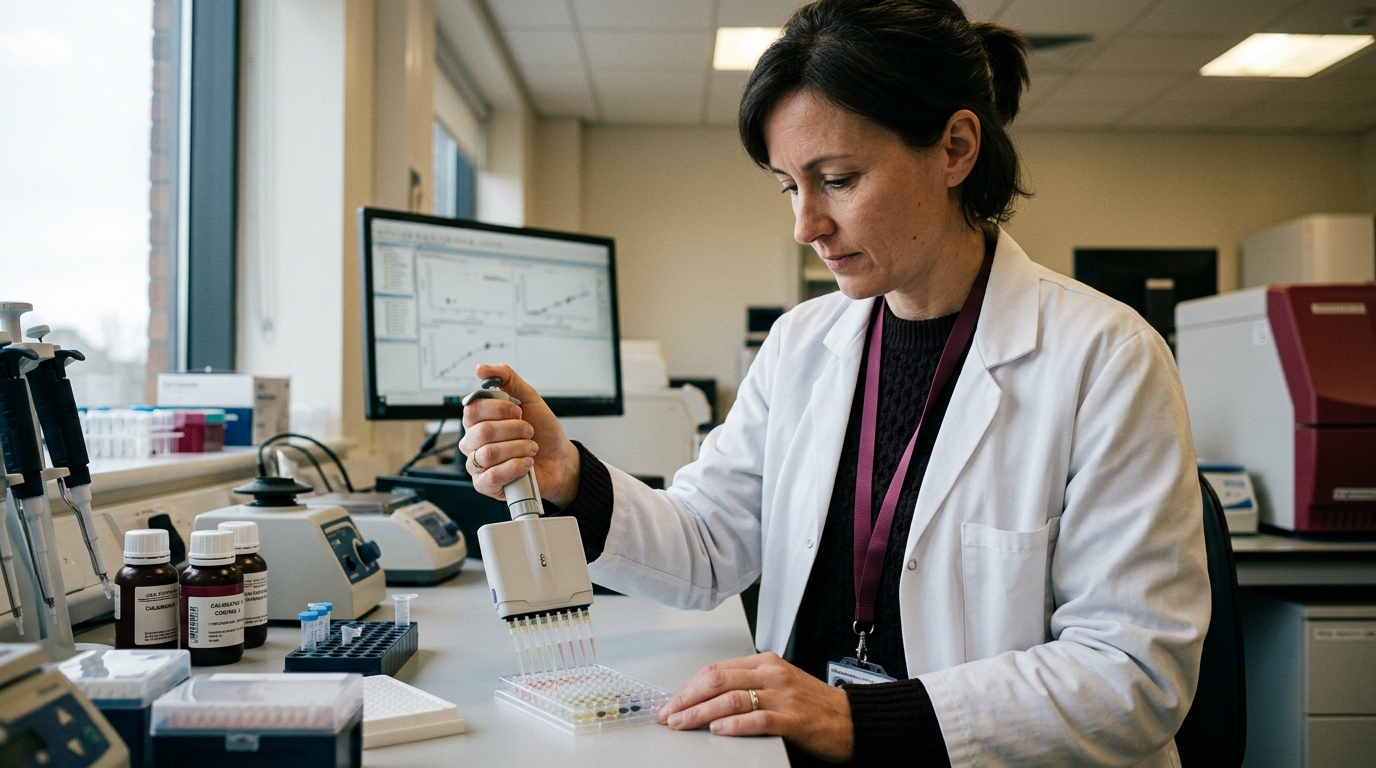

Total testosterone decreases by roughly 0.4 percent annually, making proper symptom evaluation and biomarker testing essential for identifying true midlife hormone deficiency.





Medical Disclaimer: This resource provides general educational information about male physiology, aging, and hormone testing. It is not personal medical advice, diagnosis, or treatment guidance. If you are experiencing persistent symptoms or considering medical therapy, consult a qualified healthcare professional.
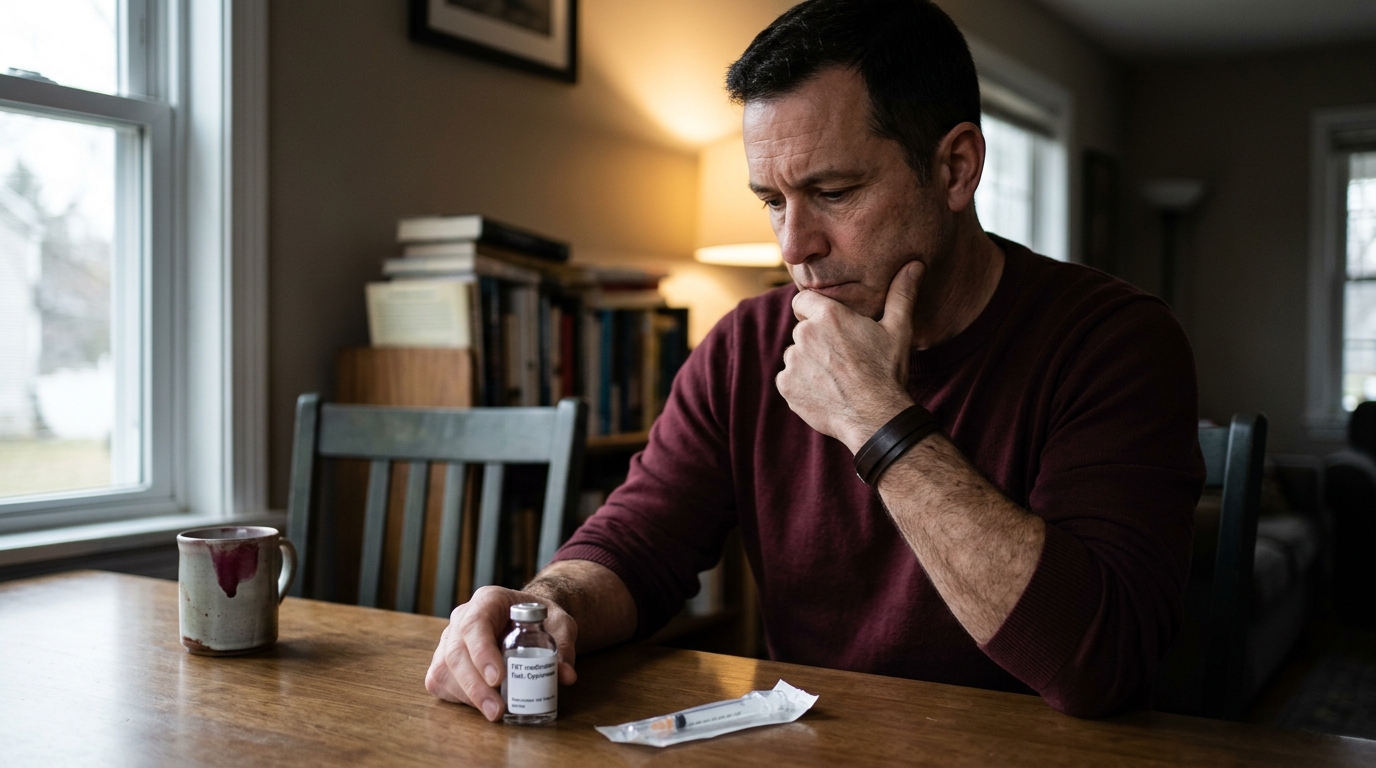
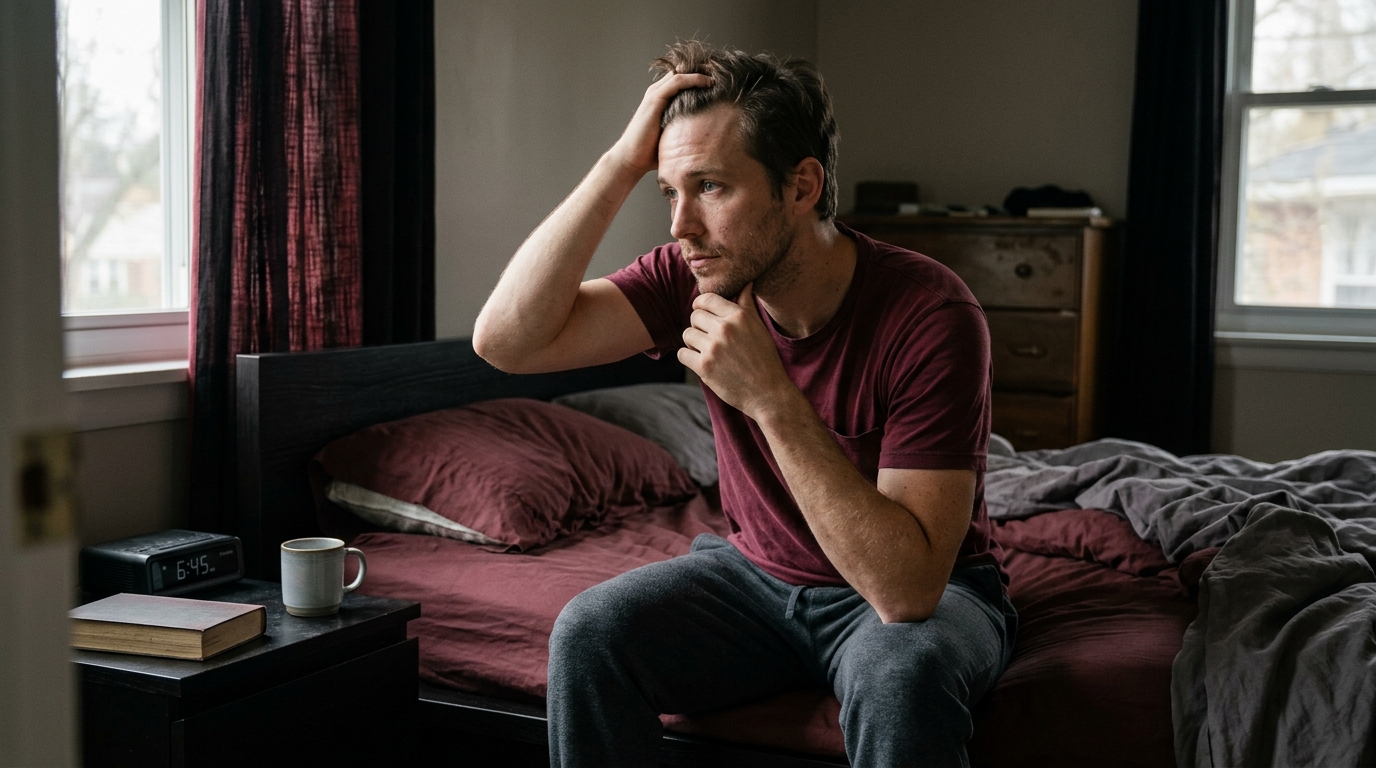
A man in his late forties notices that his recovery after a regular workout takes two days instead of one. His waistline has slowly expanded despite keeping a similar diet, and an afternoon slump regularly clouds his focus at work. Around the same time, he realizes that morning erections are less frequent than they were five years ago.
It is easy to see how marketing campaigns, social media posts, and casual conversations might lead him to a single conclusion. He might assume his testosterone has crashed and that hormone replacement is the obvious missing piece.
However, midlife male physiology is rarely that simple. Changes in body fat, physical strength, daily energy, and sexual health often happen together as decades pass. While testosterone can be a contributing factor, it is only one variable among many interrelated biological systems.
Understanding what is happening requires moving away from simplified checklists. Instead, men benefit most from looking at overall health patterns, physical context, and precise diagnostic testing before jumping to conclusions.
As men move through their thirties, forties, and fifties, the human body undergoes predictable biological shifts. Metabolism gradually slows, lean muscle mass becomes harder to maintain, and sleep architecture alters. Joint stiffness may appear, and cardiovascular resilience requires more deliberate effort to preserve.
These physical shifts are normal aspects of human biology. They reflect decades of cellular wear, changes in physical activity, dietary patterns, and cumulative life stress. Experiencing a reduction in peak athletic capacity at age 50 compared to age 25 is expected physiology, not an inherent medical defect.
At the same time, male hypogonadism is a distinct clinical condition. It is not simply a synonym for getting older. In clinical medicine, hypogonadism represents a true failure of the body to produce physiological levels of testosterone or sperm. This failure can occur at the level of the testes or within the signaling centers of the brain.
Confusing ordinary midlife transitions with clinical deficiency creates significant problems. When men attribute every midlife challenge to hormones, they often miss other treatable conditions. High blood pressure, insulin resistance, thyroid disorders, depression, and obstructive sleep apnea can all present with identical complaints.
A comprehensive look at low testosterone signs and causes helps separate everyday aging from pathological hormone deficiency. Recognizing the difference protects men from both unnecessary lifelong medical treatments and the frustration of treating the wrong underlying issue.
Testosterone production in men follows a characteristic curve throughout life. It rises sharply during puberty, peaks in early adulthood, and stabilizes during the twenties. As men age past their third decade, population-level research shows a slow, continuous decline in circulating hormone concentrations.
Data from the European Male Ageing Study (EMAS) provides one of the clearest pictures of this trajectory. Researchers analyzed thousands of men across Europe and found that total testosterone declined on average by roughly 0.4 percent per year. Free testosterone, which represents the fraction not tightly bound to transport proteins, declined faster at roughly 1.3 percent per year.
Clinical documents from the U.S. Department of Veterans Affairs observe similar general trends. However, clinical experts consistently emphasize that these numbers represent population averages rather than an inevitable timeline for any single individual. Some men maintain robust hormone production well into their seventies, while others experience earlier reductions.
Furthermore, an age-associated decline does not automatically mean a man has developed a medical disease. A slight downward shift in circulating hormones is an expected feature of the aging male endocrine system. It only becomes a clinical concern when hormone levels drop below established healthy thresholds alongside clear, compatible clinical signs.
The distinction between population statistics and personal health is vital. A statistical trend across ten thousand men cannot tell an individual man whether his current afternoon tiredness comes from his endocrine system, his sleep habits, or his job stress.
When men research midlife health changes, they encounter long lists of symptoms attributed to low testosterone. These complaints typically span three distinct biological categories: sexual function, physical body composition, and cognitive or emotional well-being. Understanding the diagnostic weight of each domain is essential.
The sexual domain contains the symptoms most strongly and specifically associated with true androgen deficiency. Testosterone plays a direct role in maintaining sexual interest, supporting nitric oxide pathways in vascular tissue, and regulating nocturnal erections.
The primary symptoms in this category include:
It is important to recognize that erectile dysfunction alone does not prove a hormone deficiency exists. Erections depend heavily on vascular health, autonomic nerve function, endothelial signaling, and psychological state. Vascular disease is a far more common cause of isolated erectile dysfunction in middle-aged men than low testosterone.
However, when erectile difficulties occur alongside a loss of sexual desire and an absence of morning erections, the clinical probability of androgen deficiency increases. The European Male Ageing Study identified this specific triad of sexual symptoms as the most reliable clinical indicator of late-onset hypogonadism.
The second domain involves physical performance and body structure. Testosterone promotes protein synthesis in skeletal muscle tissue, supports bone mineral density, and influences where the body stores adipose tissue.
When androgen levels drop significantly, physical changes can emerge:
Despite these connections, physical changes are highly nonspecific. Sarcopenia, which is the age-related loss of muscle tissue, happens naturally if resistance training and protein intake decrease. Weight gain frequently results from subtle mismatches between caloric intake and daily energy expenditure over years.
Therefore, noticing a softer midsection or lifting lighter weights at the gym is not diagnostic proof of low hormones. Clinicians view changes in body composition and sexual performance as part of a broader health picture rather than stand-alone proof of endocrine failure.
The third domain includes psychological and cognitive complaints. Men often look into hormone testing because they feel constantly depleted, mentally foggy, or emotionally flat.
Common complaints in this domain include:
This domain is by far the least specific of the three. Fatigue and low mood are among the most common complaints in all of adult medicine. They are primary features of major depression, chronic occupational burnout, poor sleep hygiene, systemic inflammation, and iron deficiency.
In the European Male Ageing Study, psychological and physical complaints appeared frequently in aging men regardless of their hormone levels. While severe androgen deficiency can certainly worsen fatigue and mood, these emotional complaints alone are not enough to confirm a hormonal issue.
Medical guidelines from organizations such as the Endocrine Society and the American Urological Association emphasize a structured evaluation process. Clinicians do not treat isolated symptoms or isolated lab numbers. Instead, they apply a systematic three-part framework: pattern, context, and confirmation.
The first step involves looking for characteristic combinations of complaints rather than a single isolated issue. A man who only complains of afternoon fatigue has a very low statistical likelihood of hypogonadism. His fatigue could stem from poor sleep, metabolic strain, or stress.
Conversely, a man who presents with fatigue, a significant loss of libido, fewer morning erections, and unexplained muscle loss displays a pattern that fits androgen deficiency. Clinicians evaluate how long these symptoms have persisted, how severely they impair daily life, and whether they developed suddenly or gradually over years.
Hormone production does not occur in a vacuum. The endocrine system responds constantly to internal health conditions, environmental stressors, and chemical exposures. Before assuming the testes or pituitary gland are permanently broken, a clinician evaluates the wider biological context.
Key contextual factors include:
When these contextual factors are present, the drop in testosterone is often functional and potentially reversible. Addressing the root cause through medical care and targeted changes in lifestyle and natural hormone support can frequently restore healthy hormone production without direct hormone replacement.
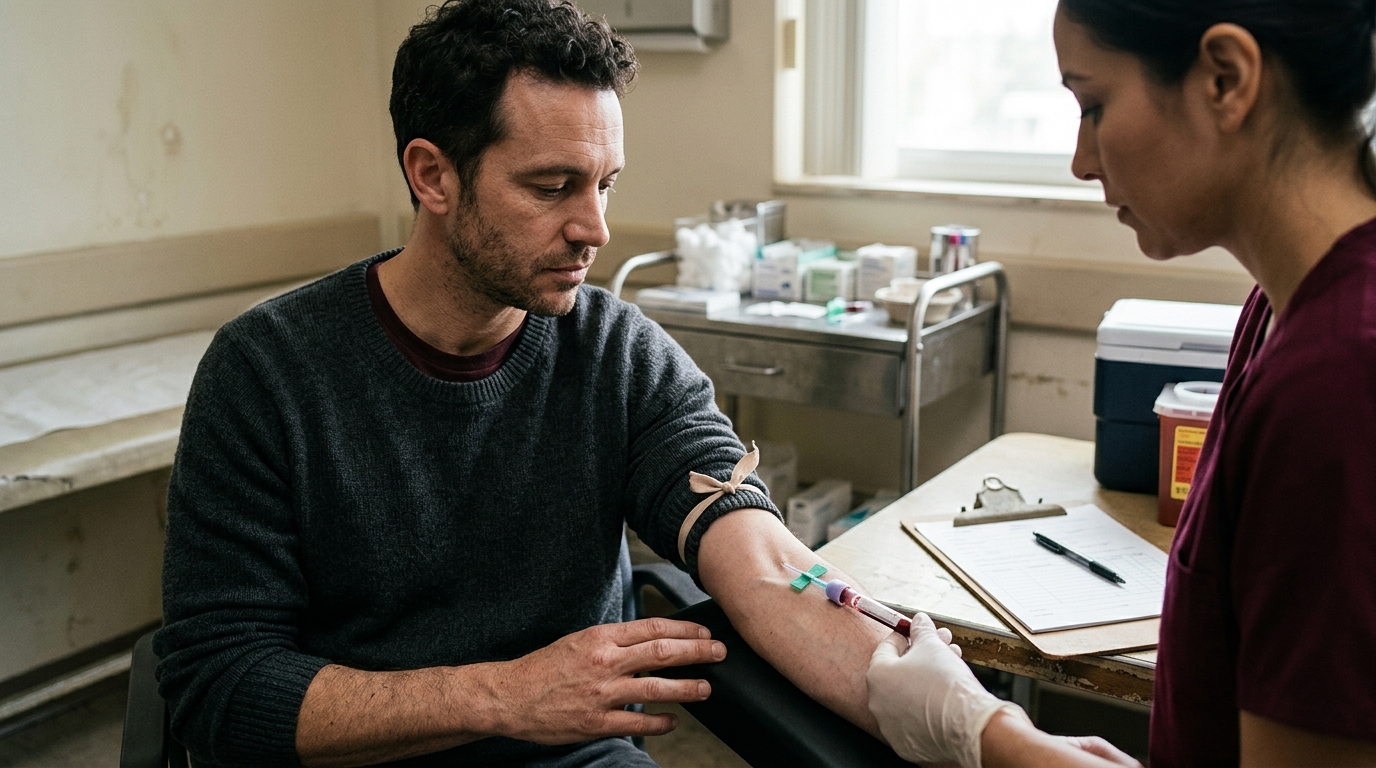
If the symptom pattern fits and the clinical context warrants investigation, the final step is rigorous laboratory testing. A diagnosis of hypogonadism cannot be made without laboratory confirmation, and laboratory testing cannot be interpreted without clinical symptoms.
Clinical guidelines establish strict standards for this confirmation:
A single low blood test is never sufficient for a diagnosis. Up to 30 percent of men with an initially low testosterone reading will test in the normal range upon repeat testing.
Evaluating male hormonal health requires looking beyond a single number. A complete laboratory assessment involves several interacting biomarkers that together tell the story of endocrine function. Understanding testosterone testing and biomarkers helps men interpret their results alongside their doctor.
Total testosterone measures all the testosterone circulating in the bloodstream. This includes hormone that is tightly bound to proteins, loosely bound to proteins, and completely unbound.
The majority of circulating testosterone is bound to two proteins:
Major clinical guidelines, such as those from the American Urological Association, generally consider a fasting total testosterone level below 300 ng/dL (10.4 nmol/L) on two separate morning tests to be a reasonable threshold for deficiency when compatible symptoms are present. However, total testosterone alone does not always reflect biological activity, especially when transport proteins fluctuate.
SHBG is a protein produced by the liver that regulates how much hormone remains free in circulation. Factors that alter liver function, metabolic health, or thyroid activity can change SHBG levels substantially.
Conditions associated with altered SHBG levels include:
When a man has low SHBG due to obesity, his total testosterone reading will often look surprisingly low. However, because less hormone is locked up by binding proteins, his active free testosterone may remain entirely normal. In these cases, treating based solely on a total testosterone number is inappropriate.
Free testosterone represents the tiny fraction, roughly 1 to 2 percent, of circulating hormone that is completely unattached to any protein. Bioavailable testosterone includes free testosterone plus the fraction loosely attached to albumin.
These fractions represent the biologically active hormones capable of exiting blood vessels and interacting with cellular androgen receptors. When total testosterone sits in a borderline zone (such as 250 to 350 ng/dL) or when SHBG levels are abnormally high or low, measuring free testosterone provides essential clarity.
Free testosterone can be measured directly through equilibrium dialysis, which is the reference standard assay, or calculated using validated mathematical formulas that combine total testosterone, SHBG, and albumin values.
The brain controls testicular function through two pituitary hormones known as gonadotropins:
When repeat blood tests confirm low testosterone, measuring LH and FSH is mandatory. These values tell the clinician where the communication breakdown is located, allowing them to classify the condition accurately.
The relationship between pituitary gonadotropins and testicular testosterone allows clinicians to categorize hypogonadism into three distinct pathophysiological types:
Distinguishing between primary and secondary hypogonadism changes clinical management. Secondary hypogonadism warrants an investigation into pituitary anatomy, sleep apnea, metabolic dysfunction, or medication side effects.
In certain situations, clinicians measure additional blood markers to complete the picture:
Much of the public conversation around male hormones relies on exaggerated promises or oversimplified marketing claims. Examining the actual scientific evidence provides a much more grounded, realistic perspective.
The European Male Ageing Study evaluated 3,369 men aged 40 to 79 across eight European centers to determine how common androgen deficiency truly is and which symptoms reliably identify it.
The researchers established specific criteria for late-onset hypogonadism (LOH):
Using these strict, clinically sound criteria, the overall prevalence of late-onset hypogonadism in the study was only 2.1 percent. The prevalence increased with advancing age, moving from 0.1 percent among men in their forties to 0.6 percent in their fifties, 3.2 percent in their sixties, and 5.1 percent in their seventies.
These findings show that while hypogonadism certainly exists and increases with age, it is far from an inevitable midlife event. Over 94 percent of men in their seventies in this large cohort did not meet the criteria for late-onset hypogonadism.
The National Institutes of Health funded the Testosterone Trials, which were a coordinated set of seven double-blind, placebo-controlled clinical trials conducted across 12 medical centers. The trials evaluated men aged 65 and older who had unequivocally low total testosterone levels (averaging under 275 ng/dL on multiple tests) and documented clinical symptoms.
The results provide clear insights into what restoring testosterone levels can and cannot achieve:
The NIH trials show that testosterone therapy is not a universal fountain of youth. While it offers clear benefits for sexual symptoms in men with verified deficiency, its effects on fatigue, walking endurance, and general vitality are modest and variable.
Navigating midlife health requires avoiding several common traps that lead to misdiagnosis, wasted money, or inappropriate medical treatments.
The concept of "andropause" or "male menopause" is frequently presented as an exact equivalent to female menopause. This comparison is biologically incorrect.
Female menopause is a universal, abrupt cessation of ovarian function and reproductive capacity that occurs over a relatively short window of time. In contrast, male hormone changes are gradual, highly variable, and do not lead to an absolute cessation of hormone production or universal infertility. Describing midlife changes as an inevitable hormonal crash misleads men about what their bodies are actually experiencing.
Men often visit clinics seeking hormone therapy because of a single frustrating complaint, such as stubborn belly fat or afternoon fatigue. However, clinical guidelines explicitly state that a single nonspecific symptom never justifies a diagnosis of hypogonadism.
Fatigue, weight gain, and reduced physical stamina are common to dozens of physical and psychological conditions. Assuming that these symptoms automatically stem from low testosterone prevents men from discovering the actual root causes of their health challenges.
A blood test result that falls slightly below a laboratory reference range does not automatically mean a man requires medical treatment. If a man has a total testosterone of 280 ng/dL but possesses strong energy, regular morning erections, robust libido, and normal muscle mass, he does not have clinical hypogonadism.
Conversely, treating a healthy man solely to push his numbers to the top of an arbitrary reference range exposes him to clinical risks without proven physiological benefits. Clinicians treat patients with clinical diseases, not isolated lab printouts.
Because testosterone influences body composition, some men view hormone therapy as a primary weight-loss strategy. However, the Endocrine Society explicitly advises against using testosterone therapy as a treatment for obesity or for improving blood sugar control in men with type 2 diabetes who do not have true, confirmed hypogonadism.
While restoring hormones in truly deficient men can modestly assist lean mass retention, meaningful fat loss still requires sustained nutritional balance, physical activity, and metabolic management. Testosterone therapy cannot replace the fundamental drivers of energy balance and cardiovascular fitness.
Many men exploring hormone therapies in their thirties, forties, or fifties still plan to have children in the future. A major pitfall is failing to understand that exogenous testosterone administration suppresses the brain's release of LH and FSH.
Without LH and FSH signaling, the testes cease their natural hormone synthesis and dramatically reduce or stop sperm production. This can lead to severe oligospermia or azoospermia (zero sperm count), which may take months or even years to reverse after stopping therapy. Clinical guidelines clearly state that testosterone therapy is contraindicated in men who are actively planning near-term fertility.
When a man and his physician determine that true clinical hypogonadism exists and consider medical therapy, they must weigh potential benefits against medical safety considerations. A complete review of the evidence on TRT and clinical treatments ensures that patients understand both the therapeutic goals and the necessary safety monitoring.
Major endocrine guidelines list several clinical conditions where starting testosterone therapy is unsafe or requires careful specialist clearance:
Testosterone therapy is not a treatment that can be started and ignored. It requires structured, ongoing clinical surveillance to ensure safety and therapeutic efficacy.
Standard medical monitoring protocols include:
To understand how clinicians evaluate midlife changes in everyday practice, it is helpful to look at several generalized patterns. These illustrative examples highlight how different clinical presentations lead to very different management pathways.
A 46-year-old man notices that he has gained 15 pounds around his abdomen over three years. He feels sluggish at the gym and finds it harder to build muscle. However, his sexual desire remains strong, he experiences regular morning erections, and he has no erectile difficulties.
In this pattern, his symptoms are purely physical and highly nonspecific. His physician investigates his diet, sedentary desk job, daily alcohol intake, and basic metabolic panels. Fasting glucose, lipid panels, and thyroid function are prioritized over hormone therapy, because his clinical pattern does not fit androgen deficiency.
A 52-year-old man presents with a twelve-month history of vanishing libido, an absence of morning erections, worsening erectile quality, and profound daily exhaustion. He has not started any new medications and has no history of major chronic illness.
This pattern displays the classic triad of sexual symptoms identified in clinical research. His physician orders an initial fasting total testosterone test drawn at 8:00 AM, which returns at 210 ng/dL. A repeat fasting test two weeks later confirms a low level of 225 ng/dL. The physician then orders LH, FSH, and prolactin tests to classify the condition and determine the underlying cause.
A 49-year-old man with a body mass index of 34 and severe, untreated snoring reports chronic brain fog, heavy fatigue, and low motivation. His initial morning total testosterone comes back borderline low at 260 ng/dL.
Rather than immediately diagnosing permanent hypogonadism, his clinician recognizes that obesity and probable sleep apnea can functionally suppress hormone production and lower SHBG. The clinician orders a sleep study to treat the underlying apnea, orders free testosterone testing, and develops a structured metabolic plan. Treating the sleep apnea and supporting weight loss often restores his natural hormone output without lifelong medication.
A 38-year-old man presents with confirmed, symptomatic hypogonadism following testicular trauma years earlier. He and his partner plan to try to conceive a child within the next twelve months.
Although his lab tests and symptoms meet all the criteria for androgen deficiency, standard testosterone therapy is avoided because it would suppress his sperm production. His clinician discusses alternative medical strategies designed to support testicular function or preserve fertility before addressing long-term hormone management.
Preparing structured questions helps ensure a productive, evidence-based conversation during a medical consultation. If you are experiencing midlife health changes, consider bringing the following topics to your appointment:
You may want to revisit this guide whenever you notice new or changing physical patterns, when reviewing annual blood test results, or before attending a consultation with an endocrinologist or urologist. Returning to these foundational concepts will help you keep laboratory numbers in perspective, ask precise diagnostic questions, and make informed choices about your long-term health.
Midlife health transitions are complex biological events that reflect the combined state of your cardiovascular system, metabolic health, sleep quality, and endocrine signaling. By approaching these changes with patience, thorough diagnostic testing, and a focus on the whole body, you can address the true root causes of your symptoms and maintain your physical resilience for decades to come.
Testostra explains testosterone biology, testing, symptoms, lifestyle factors and TRT with careful sourcing and clear clinical limits.



Send us a question, research idea or topic suggestion. Reader questions help shape future Testostra content.
Contact Testostra