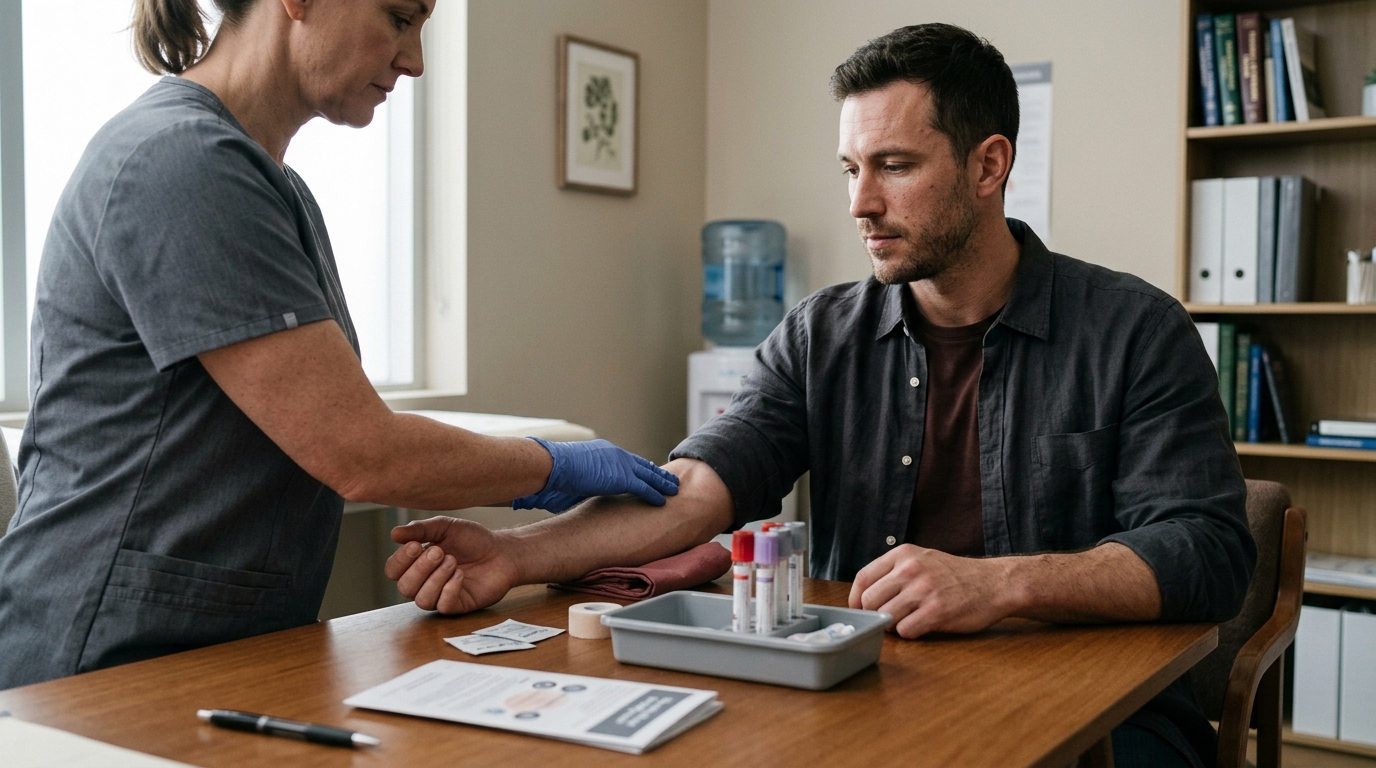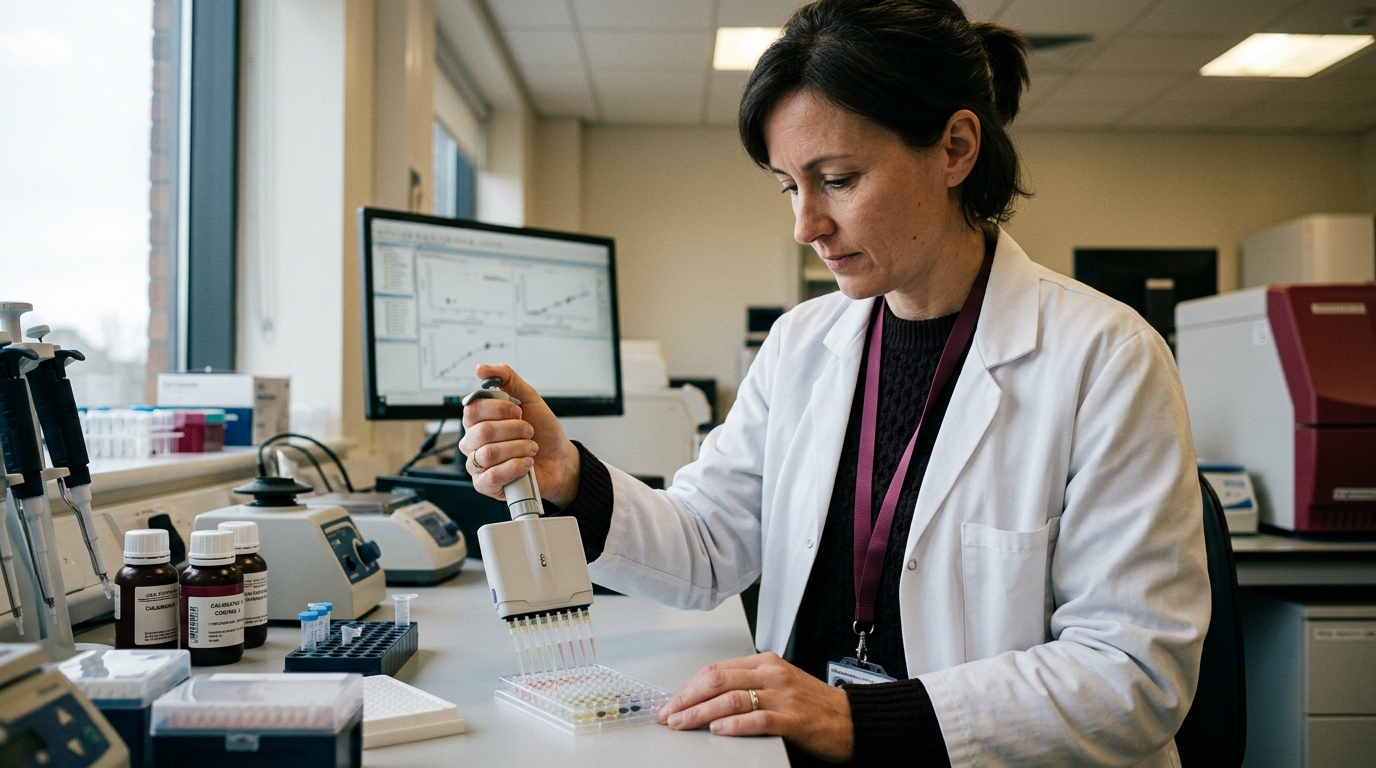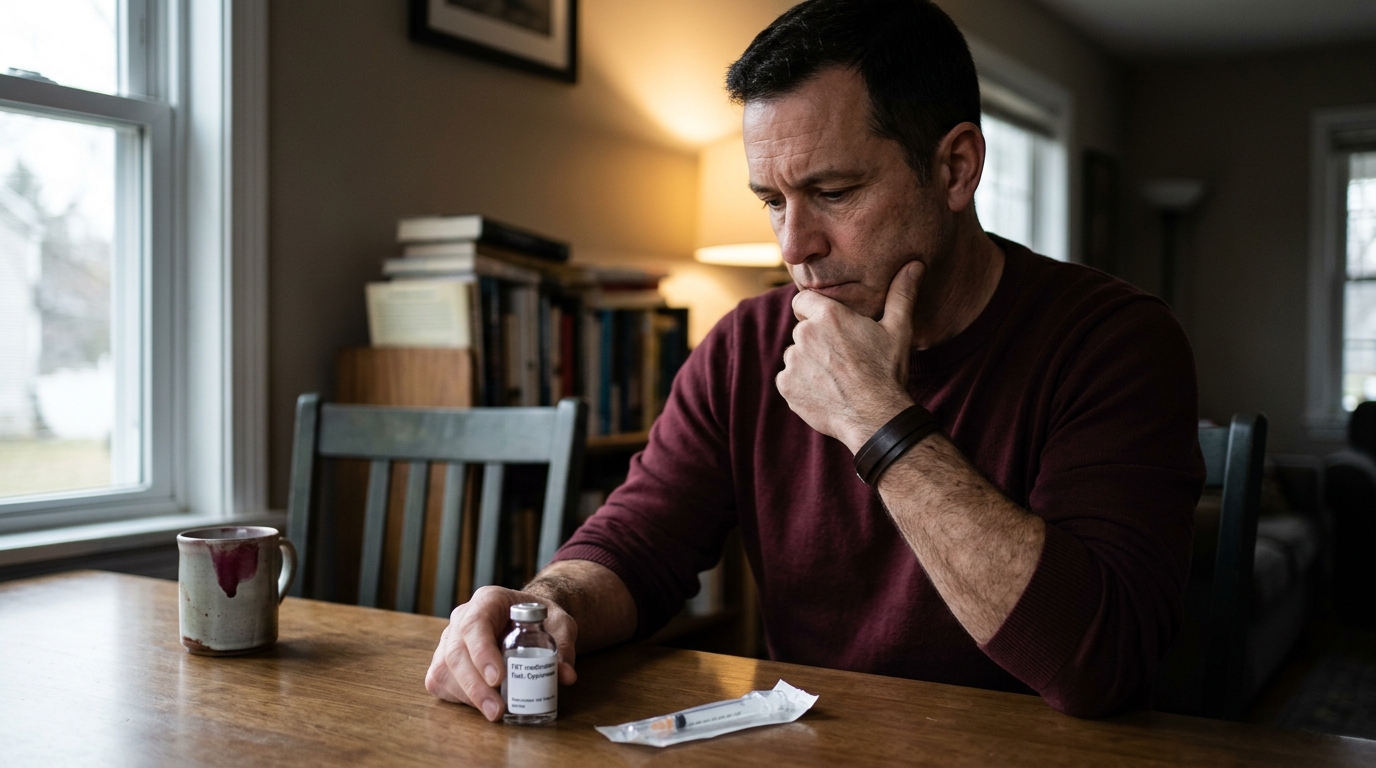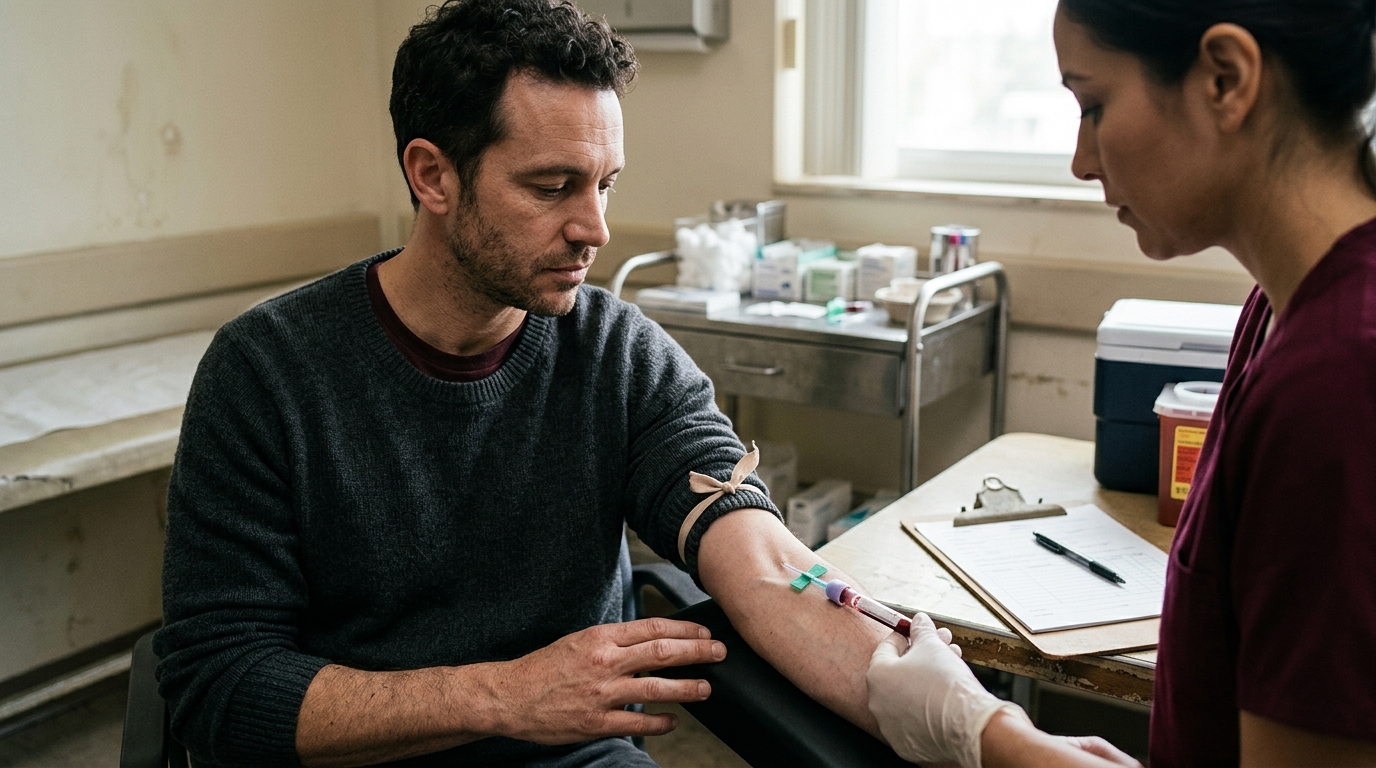

Proper hormone evaluation depends on allowing complete recovery from acute illness and managing chronic metabolic conditions before interpreting testosterone test results.





Imagine waking up three weeks after a severe bout of viral pneumonia. You feel drained of energy, your physical stamina is low, and your motivation has plummeted. Hoping for answers, you ask for routine blood work, and your total testosterone comes back well below the standard reference range. It is tempting to assume that your endocrine system has suffered permanent damage and requires lifelong hormone replacement.
In reality, your body was simply fighting off an infection. When you are sick, your body shifts its metabolic resources toward survival, immune defense, and tissue repair. Reproductive hormone production drops down the priority list.
A testosterone test provides a temporary measurement of circulating hormones in a specific biological setting. It is not an automatic diagnosis of permanent endocrine failure. Interpreting hormone levels without considering your current physical health, recovery timeline, and active medications leads to confusion and misdiagnosis.
This guide explains how acute infections, chronic conditions, and common medications influence hormone output. It also outlines why leading medical societies recommend delaying or repeating laboratory tests until you return to your baseline health.
This resource is written for educational purposes only. It is not personalized medical advice, a formal diagnosis, or a treatment protocol. Always speak with a qualified physician or endocrinologist before interpreting laboratory results, starting hormone therapy, or changing your prescribed medications.
Before reviewing the mechanisms in detail, consider the primary points supported by clinical guidelines:
Evaluating male hormones is more complex than comparing a single laboratory number against a reference sheet. A healthy endocrine system is responsive to internal and external stress. When physical trauma or illness occurs, the body adjusts hormone output to manage physiological resources.
The reproductive system is controlled by the hypothalamic-pituitary-testicular axis. The hypothalamus releases gonadotropin-releasing hormone, which prompts the pituitary gland to produce luteinizing hormone and follicle-stimulating hormone. Luteinizing hormone then signals the Leydig cells in the testes to synthesize testosterone.
When you experience an infection, systemic flare, or major surgery, this communication network is interrupted. Inflammatory cytokines travel through the bloodstream and signal the brain to downregulate non-essential functions. Energy is diverted to immune cell production and cellular recovery. As a result, the brain reduces the release of gonadotropin-releasing hormone, and testosterone levels fall.
Clinicians often refer to this temporary drop as nongonadal illness or eugonadal sick syndrome. This response is an adaptive biological mechanism rather than an intrinsic failure of the testes. If a blood sample is drawn during this period, the laboratory report will show low circulating hormones. However, that result simply documents the body under stress, not a lifelong hormonal deficit.
Because of this physiological reality, clinical organizations emphasize that testosterone deficiency is a clinical diagnosis rather than a simple laboratory value. Guidelines published by the Endocrine Society and the American Urological Association emphasize that a diagnosis requires both unequivocal, reproducible laboratory results and recognizable physical signs. Evaluating a patient when they are ill produces misleading data that does not reflect their true baseline. You can learn more about these foundational concepts in our guide to testosterone basics.
Acute illness introduces significant biochemical noise into laboratory testing. Whether you are dealing with a severe case of influenza, a systemic bacterial infection, or major orthopedic surgery, your endocrine system reacts immediately to physiological strain.
During severe illness, circulating levels of inflammatory markers like interleukin-6 and tumor necrosis factor-alpha rise rapidly. These molecules act directly on the brain and the testes to suppress steroid production. At the same time, cortisol levels surge to manage stress and inflammation. High cortisol further blunts the sensitivity of the testes to luteinizing hormone.
A clear example of this dynamic appeared in research monitoring men hospitalized with acute viral infections, including severe COVID-19. Studies demonstrated that men with the most severe illness had substantially lower total testosterone levels than men with mild symptoms. In the most critically ill patients, average circulating testosterone dropped to very low levels.
However, follow-up evaluations told a very different story. When these patients were reassessed several months after hospital discharge and recovery, their steroid concentrations returned toward baseline values. The acute reduction was a reflection of disease severity, not permanent endocrine damage.
Because physical stress suppresses hormone output, major endocrine guidelines explicitly advise against ordering hormone panels during acute illnesses. The Endocrine Society states that practitioners should avoid screening men who are currently sick, recovering from recent infections, or taking short-term suppressive medications.
Testing during an acute medical event frequently results in false-positive findings for hypogonadism. If a clinician acts on those numbers without confirming stability, a patient might be prescribed lifelong hormone therapy for a transient, self-correcting condition.
A common question is how long an individual should wait after an illness before testing their hormones. There is no single formula that applies to every person or every infection.
A 2023 clinical review recommended that patients be back to their baseline health for at least two months before undergoing diagnostic testosterone testing. The authors noted that this two-month buffer is based on clinical observation and physiological reasoning rather than rigid clinical trials. A minor viral infection that resolves in three days may require only a few weeks of recovery. Conversely, prolonged hospitalization or severe respiratory illness may require several months for the reproductive axis to regain normal function.
When an individual has endured a long or complicated medical recovery, serial laboratory testing spaced over several months is often more informative than an isolated snapshot. An upward trend in hormone levels across multiple tests provides evidence that the reproductive system is recovering naturally.
While acute infections cause rapid, temporary drops in hormone production, chronic medical conditions create sustained pressure on the endocrine system. Understanding the difference between organic hypogonadism and functional suppression is essential when evaluating long-term health.
Clinicians divide low testosterone into two distinct categories:
Recognizing functional suppression prevents unnecessary lifelong treatments. When the underlying health issue improves, hormone output often rebounds naturally. For a detailed breakdown of these classifications, review our resource on low testosterone signs and causes.
Obesity and metabolic disease are among the most common causes of functional hormone suppression in adult men. Adipose tissue contains the enzyme aromatase, which converts circulating testosterone into estradiol. Elevated estradiol feeds back to the hypothalamus and pituitary, signaling them to reduce the production of luteinizing hormone.
Excess weight also alters liver function and lowers the production of sex hormone-binding globulin. Because sex hormone-binding globulin carries the majority of circulating testosterone in the blood, low binding globulin causes total testosterone numbers to fall. In many men with obesity, total testosterone appears low, but free testosterone remains within normal limits. Clinicians describe this specific laboratory pattern as obesity-related pseudohypogonadism.
Observational studies indicate that roughly half of men with type 2 diabetes have modestly reduced total testosterone levels, often falling between 230 and 288 ng/dL. This is an observed association across populations, not a guarantee that diabetes permanently damages the Leydig cells. When patients manage their metabolic health through nutrition, activity, and weight loss, binding globulin and total testosterone frequently rise.
A comprehensive review of 24 weight-loss studies confirmed this relationship. Men who achieved substantial weight reduction through calorie-controlled diets or bariatric surgery demonstrated clear increases in total testosterone, free testosterone, and gonadotropins. Based on this evidence, the European Association of Urology recommends that lifestyle modification and weight reduction serve as the first-line approach for overweight men with functional hormone suppression. Readers interested in non-pharmaceutical approaches can consult our section on lifestyle and natural testosterone support.
Obstructive sleep apnea is another condition that suppresses male hormone levels. Testosterone production follows a circadian pattern, with peak release occurring during deep, uninterrupted REM sleep.
When a person experiences recurrent airway collapse throughout the night, their sleep architecture is fragmented. Frequent oxygen desaturations trigger nocturnal surges in adrenaline and cortisol, disrupting normal pituitary signaling. Men with untreated sleep apnea frequently report severe daytime fatigue and reduced libido, which closely mirror the symptoms of hormone deficiency. Treating the sleep disorder with positive airway pressure often improves both daytime energy and natural hormone output.
Other long-term conditions that functionally lower hormone production include:
When evaluating hormone laboratory work, reviewing an individual's complete medication list is just as important as checking their medical history. Several widely prescribed pharmaceuticals directly suppress the endocrine system.
Opioids are recognized suppressors of the reproductive axis. Opioid receptors are present throughout the hypothalamus and pituitary gland. When these receptors are continuously activated by pain medications, they inhibit the pulsatile secretion of gonadotropin-releasing hormone. This halts the downstream release of luteinizing hormone and drops testicular hormone synthesis.
The medical literature refers to this condition as opioid-induced androgen deficiency. A 2020 systematic review and meta-analysis calculated that approximately 63% of men on long-term opioid regimens develop low testosterone. A broader 2025 review observed that prevalence estimates across various studies range from 20% to 80%.
This wide variation occurs because the degree of suppression depends on several factors:
Men taking long-term opioids for chronic pain management who experience sexual dysfunction or extreme fatigue should discuss these symptoms with their prescribing doctor. Adjusting the dosage, rotating medications, or considering medical management under physician guidance can help address these side effects.
Systemic corticosteroids like prednisone, dexamethasone, and hydrocortisone are commonly prescribed to manage autoimmune diseases, severe asthma, and inflammatory conditions. While these drugs are effective at controlling inflammation, they exert a suppressive effect on male hormones.
Exogenous glucocorticoids lower testosterone through two distinct pathways. First, they act on the brain to reduce the central release of gonadotropins. Second, they act directly on the Leydig cells in the testes to blunt steroidogenesis. Clinical reviews show that even short courses of high-dose corticosteroids cause a measurable drop in circulating testosterone.
When a patient stops taking temporary corticosteroids, hormone production typically recovers as the adrenal axis stabilizes. For individuals requiring long-term steroid therapy, clinicians must interpret hormone tests with this known suppressive effect in mind.
Several other classes of medications and compounds can interfere with normal hormone assessment:
Patients should never stop or alter their prescription medications without direct supervision from their healthcare provider. A medication review allows a clinician to weigh the risks and benefits of each therapy in the context of the patient's hormonal health.
Accurate hormone assessment requires evaluating a broader panel of biomarkers rather than relying on an isolated total testosterone number. Each marker provides unique insight into how the brain, liver, and testes are communicating.
Total testosterone measures the entire concentration of testosterone circulating in the bloodstream. This includes hormone bound tightly to sex hormone-binding globulin, hormone bound loosely to albumin, and the small fraction circulating freely.
Total testosterone serves as a standard initial screening tool, but it has limitations. Because roughly 60% to 70% of total testosterone is bound to binding globulin, any medical issue that changes carrier protein levels will distort the total reading. Acute illness, liver disease, obesity, and thyroid abnormalities all alter total testosterone without necessarily changing the amount of hormone available to tissues.
Sex hormone-binding globulin is a protein manufactured by the liver. Its primary role is to transport sex steroids through the circulatory system and regulate their delivery to target tissues.
Free testosterone represents the roughly 1% to 2% of circulating hormone that is completely unattached to proteins, alongside the fraction weakly bound to albumin. This unbound hormone is readily available to interact with androgen receptors.
The Endocrine Society recommends measuring or calculating free testosterone whenever total testosterone is near the lower boundary of normal, or whenever a patient has a condition that alters binding globulin. For an in-depth review of diagnostic testing methods, see our guide on testing and biomarkers.
Luteinizing hormone and follicle-stimulating hormone are gonadotropins produced by the anterior pituitary gland. Measuring these hormones is necessary to identify where a communication breakdown is occurring.
When a patient has confirmed low testosterone, gonadotropin levels help establish the underlying pattern:
Prolactin is another hormone secreted by the pituitary gland. Markedly elevated prolactin suppresses gonadotropin-releasing hormone, driving down testosterone production.
Screening for hyperprolactinemia helps clinicians rule out prolactin-secreting pituitary adenomas or medication-induced side effects when investigating secondary hypogonadism.
Because hormone levels fluctuate throughout the day and respond quickly to physical stress, laboratory testing must follow strict, standardized protocols. Shortcuts in the testing process frequently lead to misdiagnosis.
In healthy adult men, testosterone production follows a distinct daily rhythm. Concentrations peak in the early morning hours, typically between 7:00 AM and 10:00 AM, and decline steadily toward their lowest point in the late afternoon and evening.
Because standard laboratory reference ranges are established using early-morning samples from healthy young men, drawing blood in the afternoon produces an artificially low reading. Both the Endocrine Society and the American Urological Association mandate that diagnostic blood draws occur in the early morning. While older men may experience a slightly blunted diurnal curve, morning testing remains the clinical standard across all adult age brackets.
Fasting status is another variable that influences test results. Ingesting food, particularly meals rich in simple carbohydrates or glucose, causes an immediate, temporary reduction in circulating total testosterone.
Clinical research demonstrates that an overnight fast increases morning testosterone concentrations by 9% to 16% compared to postprandial states. Fasting also reduces erratic diurnal variation. To obtain an accurate assessment, diagnostic samples should always be drawn after an overnight fast.
A single laboratory test should never serve as the sole basis for diagnosing testosterone deficiency. Hormone concentrations fluctuate from day to day based on sleep duration, acute stress, physical activity, and subtle immune activation.
Clinical studies show that up to 30% of men who have an initially low testosterone value test completely within the normal range when retested under standardized conditions. For this reason, clinical guidelines require at least two separate, early-morning, fasting blood draws taken on different days before a diagnosis can be confirmed. For additional context on therapy standards, read about TRT and emerging research.
One of the greatest challenges in evaluating male hormonal health is that low testosterone symptoms are largely nonspecific. Many symptoms attributed to hormone deficiency are identical to the symptoms of chronic illness, poor recovery, or lifestyle stress.
The European Male Ageing Study evaluated thousands of men to identify which symptoms genuinely correlate with low testosterone. The researchers discovered that while many men complained of fatigue, depressed mood, and poor concentration, these general symptoms had a weak statistical relationship with actual hormone concentrations.
The study found that only three sexual symptoms consistently correlated with biochemical deficiency in a syndromic pattern:
Even among these specific sexual symptoms, caution is required. The same study revealed that 25% to 35% of men with entirely normal testosterone levels also reported experiencing erectile difficulties or low libido.
When an individual is recovering from an illness or managing a chronic condition, fatigue and mood changes are common. Attributing these issues solely to low testosterone without a thorough clinical workup often leads to disappointment when hormone therapy fails to resolve the underlying problem.
Examining how these principles apply in everyday medical scenarios helps clarify why healthcare providers approach testing cautiously.
A 52-year-old man is hospitalized with a severe kidney infection. During his stay, an inpatient medical team runs a broad laboratory panel that includes total testosterone, which comes back at 110 ng/dL.
This low number reflects acute, illness-induced suppression of the hypothalamic-pituitary-testicular axis. Testing during hospitalization violates guideline recommendations. Rather than initiating hormone replacement, the appropriate medical step is to treat the infection, allow the patient to return home, and defer hormone re-evaluation until he has maintained baseline health for at least two months.
A 44-year-old man visits an urgent care clinic at 3:30 PM complaining of lingering fatigue four weeks after recovering from influenza. The practitioner orders a blood draw without inquiring about his recent meal or the time of day. The total testosterone result is 245 ng/dL.
This result is clinically uninterpretable. The test was drawn in the late afternoon, taken in a nonfasting state, and ordered while the patient was still recovering from a recent viral illness. The proper approach is to schedule a standardized test: an early-morning, fasting draw taken after full physical recovery, followed by a confirmatory test if the value remains low.
A 58-year-old man managing severe chronic back pain with daily prescription opioids reports a progressive loss of libido, fewer morning erections, and low energy. A properly timed morning blood draw confirms low total testosterone, accompanied by low luteinizing hormone.
In this scenario, the patient's symptoms are specific to androgen deficiency, and his laboratory pattern matches central axis suppression caused by opioids. The clinical team must evaluate whether the opioid dosage can be safely lowered or rotated under supervision. If the pain regimen cannot be altered, the clinician and patient can discuss the risks and benefits of medically supervised hormone replacement.
A 48-year-old man with obesity and newly diagnosed type 2 diabetes presents with general lethargy. His morning fasting total testosterone is 220 ng/dL, which appears low. However, follow-up testing reveals very low sex hormone-binding globulin, normal free testosterone, and normal luteinizing hormone.
This patient has obesity-related pseudohypogonadism. His low total testosterone is driven primarily by reduced binding globulin rather than a failure of hormone production. Prescribing testosterone therapy in this case does not address the underlying issue. The first-line medical strategy is structured weight management, nutritional changes, and blood sugar control, which restore binding globulin and total testosterone naturally.
A 38-year-old man undergoes major abdominal surgery followed by a complicated, six-week recovery period. Initial testing two weeks post-surgery reveals a total testosterone level of 180 ng/dL.
Rather than diagnosing permanent hypogonadism, his physician monitors him with serial blood tests over several months. As his surgical wounds heal, his physical activity increases, and systemic inflammation subsides, his morning testosterone steadily climbs: 260 ng/dL at two months, 340 ng/dL at four months, and 450 ng/dL at six months. This upward trajectory illustrates the natural recovery of the reproductive axis following major physical trauma.
A 42-year-old man with a history of mumps orchitis during adolescence reports profound loss of libido and erectile dysfunction. He is in stable health, has no active infections, takes no suppressive medications, and maintains a healthy body weight.
Two separate, early-morning, fasting blood tests demonstrate total testosterone levels below 200 ng/dL. Follow-up testing shows significantly elevated luteinizing hormone and follicle-stimulating hormone. This combination of compatible symptoms, reproducible low testosterone, and elevated gonadotropins confirms primary testicular failure. Because the condition is organic and persistent, medical hormone replacement therapy is clinically indicated.
To make informed decisions, it is important to understand the strength of the evidence supporting various testing practices. Clinical recommendations rely on different levels of scientific validation.
High-quality evidence from long-term clinical trials and international guideline consensus firmly establishes that isolated laboratory numbers cannot establish a diagnosis of hypogonadism. The requirement for standardized morning testing and repeat confirmation is supported by robust data.
Conversely, specific recovery timetables following illness rely primarily on clinical observation and expert consensus rather than large prospective trials. The physiological principle that illness suppresses the reproductive axis is well established, but individual recovery rates vary based on personal health, age, and disease severity.
Navigating hormone health requires avoiding several common traps:
When discussing your hormone health with a doctor, arriving with clear, structured questions helps ensure a thorough evaluation. Consider bringing the following points to your next appointment:
Revisit this guide if you experience a new acute illness, undergo major surgery, or face a flare of a chronic medical condition before scheduling routine hormone testing. It is also helpful to review these principles whenever a doctor suggests ordering a hormone panel, ensuring that your blood draw is scheduled under standardized, accurate conditions.
Understanding how your body manages hormone production during illness allows you to view laboratory numbers in their proper context, avoid premature diagnoses, and make informed choices about your long-term health.
Testostra explains testosterone biology, testing, symptoms, lifestyle factors and TRT with careful sourcing and clear clinical limits.



Send us a question, research idea or topic suggestion. Reader questions help shape future Testostra content.
Contact Testostra