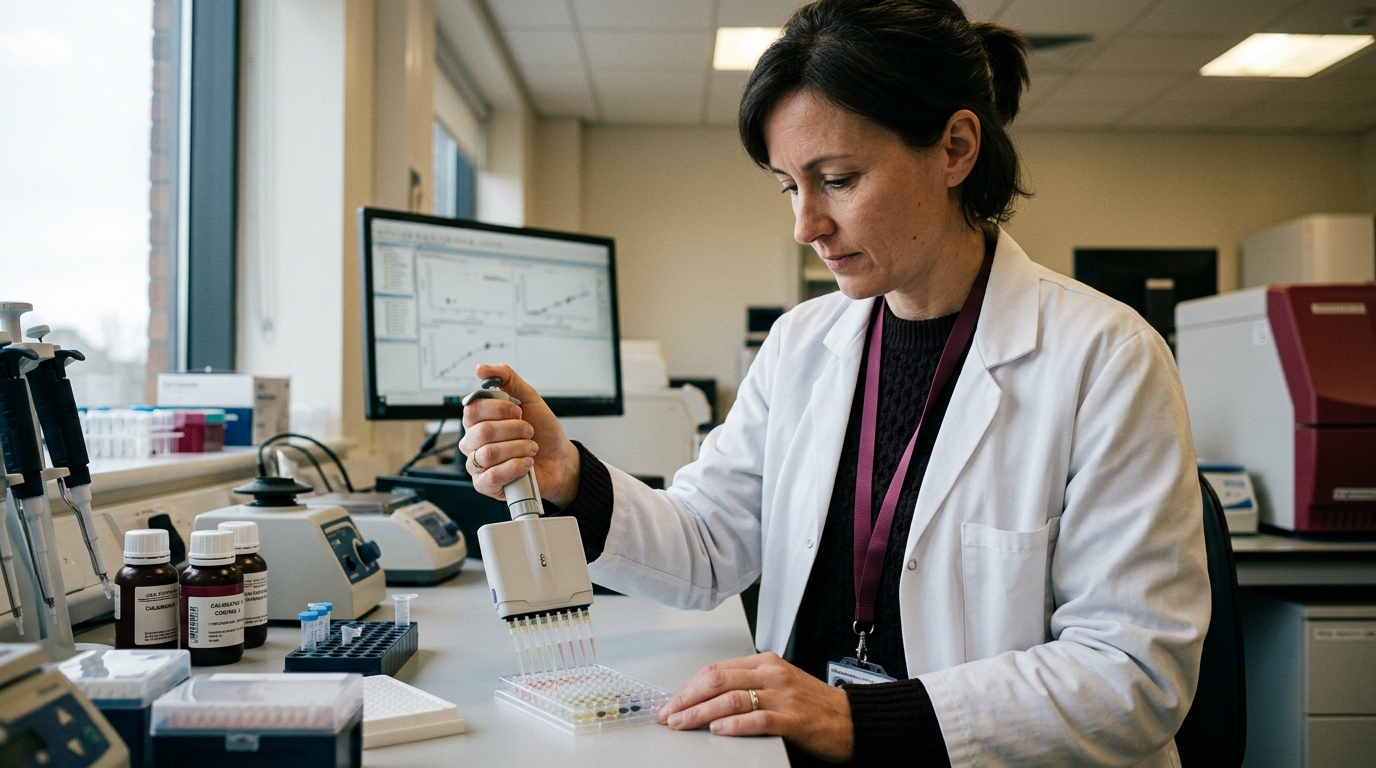

Clear insight into how dietary protein affects testosterone production helps men distinguish between muscle protein synthesis and clinical endocrine health markers based on modern research.





Popular fitness culture often treats dietary protein as a natural hormone amplifier. Many men assume that consuming extreme amounts of protein powder and meat will directly raise their testosterone levels. However, clinical evidence reveals a counter-intuitive reality: eating more protein does not increase testosterone production. In fact, consuming extreme amounts of protein while neglecting carbohydrates can actually lead to a measurable decline in circulating testosterone.
Understanding this distinction requires looking closely at human physiology. Dietary protein provides essential amino acids needed to repair tissues, support immune function, and build skeletal muscle. Hormonal regulation, however, operates under entirely different biological mechanisms. Confusing structural nutrition with endocrine stimulation leads to unrealistic expectations and potentially poor dietary choices.
This guide provides a comprehensive evaluation of how dietary protein interacts with male physiology. It explains how to establish appropriate daily targets, examines the scientific literature on hormone levels, and outlines the clinical realities of male health.
The information presented in this resource is intended strictly for educational and informational purposes. It does not constitute personal medical advice, clinical diagnosis, or individualized treatment planning. Dietary adjustments and nutritional supplements are not substitutes for professional medical care or clinical hormone therapies. If you are experiencing symptoms of hormonal imbalance or are considering significant dietary changes, consult a qualified healthcare provider or registered dietitian.
To understand the relationship between protein and testosterone, one must first separate tissue building from hormone synthesis. Dietary protein breaks down into individual amino acids during digestion. These amino acids enter the bloodstream and are utilized by cells through a process called muscle protein synthesis. Resistance exercise stimulates muscle protein synthesis, and dietary amino acids supply the necessary building blocks for that recovery.
Muscle protein synthesis is not the same thing as androgen production. Testosterone is a steroid hormone synthesized primarily by the Leydig cells in the testes, derived from cholesterol. While adequate overall nutrition supports normal testicular function, extra amino acids do not instruct the Leydig cells to manufacture more testosterone. Consuming a protein shake supplies raw material for muscle fibers, but it does not act as an endocrine signal.
Dietary guidelines establish baseline targets to prevent deficiency in sedentary populations. In the United States, the Recommended Dietary Allowance (RDA) for healthy adults is 0.8 grams of protein per kilogram of body weight per day. For a man weighing 70 kilograms (approximately 154 pounds), this baseline reference equals 56 grams of protein daily. This baseline target is designed to meet the basic nutritional needs of most healthy people. It is not an intake target intended for athletic performance or demanding physical labor.
Men who engage in regular exercise have higher metabolic demands. The International Society of Sports Nutrition (ISSN) indicates that a daily range of 1.4 to 2.0 grams of protein per kilogram of body weight is sufficient for most exercising individuals. For that same 70-kilogram active man, this translates to a daily intake of 98 to 140 grams of protein. This range provides ample amino acids to repair muscle tissue damaged during training and to support adaptation over time.
Consuming protein beyond these evidence-based ranges does not produce endless benefits. A comprehensive meta-analysis of resistance-training studies conducted by Morton and colleagues examined protein supplementation and muscle mass. The researchers found that protein intake beyond roughly 1.62 grams per kilogram per day did not result in further gains in fat-free mass. Although the statistical confidence interval reached up to 2.2 grams per kilogram, the data clearly demonstrated a point of diminishing returns. Consuming massive protein surpluses will not force muscles to grow faster, nor will it stimulate testosterone synthesis.
For readers seeking to understand how lifestyle habits interact with male physiology, Testostra provides detailed educational coverage in its lifestyle and natural testosterone support category. Learning how diet, sleep, and physical activity support general well-being helps men build sustainable daily habits without relying on exaggerated claims.
Nutritional science has investigated whether changing protein intake can influence circulating hormone concentrations. A 2023 systematic review authored by Joseph Whittaker analyzed the available scientific literature on dietary protein and testosterone. The review analyzed studies comparing moderate-protein diets with high-protein and very high-protein regimens across diverse adult populations.
The findings showed that moderate to high protein intakes, ranging from 1.25 to 3.4 grams per kilogram of body weight daily, were not associated with a consistent decrease or increase in total testosterone. Men consuming protein within these typical sports-nutrition boundaries maintained stable baseline hormone levels. This demonstrates that meeting athletic protein recommendations does not harm endocrine function. At the same time, it confirms that increasing protein within this broad range does not elevate hormone production above normal physiological baselines.
A different pattern emerged when researchers examined extreme diets exceeding 3.4 grams of protein per kilogram per day. Diets at this extreme level, which were typically paired with severe carbohydrate restriction, were associated with an average reduction of approximately 5.23 nmol/L in total testosterone. In these trials, men consuming massive protein quantities alongside very few carbohydrates experienced a measurable drop in their resting hormone concentrations.
Several physiological mechanisms explain why an extreme protein, low-carbohydrate diet might suppress testosterone. First, intense physical exercise increases the production of the stress hormone cortisol. Carbohydrates play a critical role in moderating cortisol responses and replenishing glycogen stores. When carbohydrates are severely restricted to accommodate excessive protein, elevated cortisol can suppress the hypothalamic-pituitary-gonadal (HPG) axis.
Second, processing high loads of dietary nitrogen requires significant metabolic energy for urea synthesis in the liver. This metabolic shift can influence overall endocrine signaling.
However, it is essential to interpret this data with scientific caution. The signal for reduced testosterone at intakes above 3.4 grams per kilogram rests on only three small studies with a combined total of just 26 participants. Furthermore, these clinical trials lasted between 3 and 10 days. These short durations mean that long-term hormonal effects remain unknown. The data should not be used to create unnecessary alarm, but it firmly refutes the idea that eating unlimited protein is beneficial for male hormonal health.
When evaluating testosterone, isolated blood test numbers must be interpreted within a formal clinical framework. A temporary change in a lab value following a hard workout or a change in diet is not proof of an endocrine disorder. Hormone levels naturally fluctuate throughout the day, peaking in the early morning and declining toward the evening.
The Endocrine Society provides clear clinical practice guidelines for evaluating male hypogonadism. According to these guidelines, a diagnosis of testosterone deficiency requires two distinct elements. A patient must present with persistent, recognizable clinical signs and symptoms, and they must have unequivocally low serum testosterone confirmed on repeat testing. Single lab tests or mild, temporary dips do not constitute clinical hypogonadism.
To ensure diagnostic accuracy, blood draws must be conducted in an early-morning, fasting state. Morning testing captures the natural circadian peak of testosterone in adult men. Fasting is necessary because consuming a meal, particularly one rich in simple carbohydrates or fats, can cause a transient, temporary drop in circulating testosterone levels. A blood test taken after eating or in the late afternoon will often read artificially low, leading to misinterpretation.
Dietary protein cannot replace medical treatment for diagnosed hormone deficiencies. If a man has true hypogonadism caused by testicular failure or pituitary dysfunction, adjusting protein intake will not resolve the underlying pathology. Protein powders, specialized diets, and amino acid supplements are foods, not hormonal medications. Men experiencing persistent symptoms should seek professional evaluation rather than attempting self-treatment with nutritional products.
Readers who want to understand laboratory diagnostics in greater detail can review the resources in the testosterone testing and biomarkers section. These guides explain the biological mechanisms behind blood panels, helping patients prepare for informed conversations with their physicians.
Evaluating male hormonal health requires looking beyond a single total testosterone number. Circulating androgens interact with various transport proteins, feedback loops, and metabolic pathways. A complete laboratory evaluation provides a comprehensive view of how hormones are carried and regulated throughout the body.
Total testosterone measures the entire concentration of testosterone circulating in the bloodstream. This includes hormone molecules that are tightly bound to transport proteins, loosely bound molecules, and unbound fractions. While total testosterone is the primary initial screening metric, it does not reveal how much hormone is freely available to interact with androgen receptors in target tissues.
Sex Hormone-Binding Globulin is a glycoprotein produced by the liver that binds tightly to testosterone and estradiol. Roughly 40 to 65 percent of circulating testosterone is bound to SHBG, rendering it temporarily inactive. Diet composition, body composition, and liver health all influence SHBG production. Low-carbohydrate, very high-protein diets can sometimes increase SHBG, which lowers the proportion of free testosterone available to tissues.
Free testosterone represents the unbound fraction, typically comprising 1 to 2 percent of total circulating testosterone. Bioavailable testosterone includes free hormone plus testosterone loosely bound to albumin. Because albumin binding is weak, these molecules can easily dissociate to enter tissues. Free and bioavailable measurements help clinicians evaluate men whose total testosterone appears borderline but who exhibit clinical symptoms of deficiency.
Luteinizing Hormone and Follicle-Stimulating Hormone are gonadotropins released by the anterior pituitary gland. LH signals the Leydig cells in the testes to synthesize testosterone, while FSH stimulates Sertoli cells to support sperm production. Measuring gonadotropins allows clinicians to differentiate between primary hypogonadism (testicular impairment) and secondary hypogonadism (pituitary or hypothalamic dysfunction).
Prolactin is a hormone produced by the pituitary gland. While it plays important roles in reproductive health and immune function, abnormally high prolactin levels (hyperprolactinemia) can suppress LH and FSH secretion. Evaluating prolactin helps clinicians identify or rule out pituitary adenomas or medication-induced endocrine disruptions when evaluating low testosterone.
Men seeking a broader understanding of clinical symptoms and diagnostic criteria can learn more through Testostra's low testosterone educational guides.
When reviewing nutritional science, one must distinguish between high-level clinical consensus, robust meta-analyses, and small exploratory studies. Conflating preliminary observations with established medical facts leads to confusion and misguided lifestyle choices.
The highest quality evidence comes from clinical practice guidelines published by organizations like the Endocrine Society. These guidelines synthesize decades of controlled clinical trials, longitudinal outcome data, and expert endocrine consensus. They establish rigorous diagnostic standards, such as requiring multiple early-morning fasting blood tests and verifying symptoms before confirming hypogonadism. Recommendations in this category carry high clinical confidence.
The next tier of evidence includes comprehensive meta-analyses of randomized controlled trials. Morton and colleagues evaluated dozens of resistance-training studies to establish the 1.62 g/kg/day breakpoint for muscle protein accretion. This finding is supported by robust statistical power and consistent outcomes across diverse study cohorts. It provides reliable guidance for athletic nutrition, showing where dietary protein stops offering additional muscular benefits.
Evidence regarding extreme protein intake and testosterone reduction sits within a much lower tier of certainty. The trials analyzing intakes above 3.4 g/kg/day involved only 26 subjects observed over 3 to 10 days. While these studies provide an interesting physiological signal, they do not prove that high-protein diets cause permanent endocrine dysfunction. Short-term hormonal fluctuations during extreme diets do not necessarily translate into chronic health conditions.
Dietary studies must always be interpreted in the context of total energy balance. A 31-day study summarized in a 2021 dietary review evaluated men placed in a 40 percent caloric deficit. Total testosterone declined significantly from baseline across all three tested protein groups: 0.8, 1.6, and 2.4 grams per kilogram daily.
This critical finding proves that severe energy deprivation suppresses the endocrine system regardless of protein quantity. Attributing a drop in testosterone solely to protein intake while ignoring total calories, fats, and carbohydrates leads to flawed scientific conclusions.
To explore foundational concepts of hormone regulation and metabolic interactions, visit the main Testostra knowledge base.
Meeting daily protein needs does not require complicated supplement regimens or extreme dietary restrictions. A food-first approach provides essential amino acids along with vital micronutrients, healthy fatty acids, and dietary fiber that support overall metabolic health.
Daily protein targets should reflect an individual's body weight, activity level, and overall health status.
The International Society of Sports Nutrition recommends distributing protein intake evenly throughout the day rather than consuming the bulk of it in a single sitting. Consuming roughly 0.25 grams of high-quality protein per kilogram of body weight, or 20 to 40 grams per meal, effectively stimulates muscle protein synthesis. Spacing meals approximately 3 to 4 hours apart maintains a steady supply of amino acids in the bloodstream.
Whole foods provide valuable vitamins, minerals, and cofactors that are absent in refined protein powders. Incorporating a wide variety of animal and plant-based protein sources supports balanced nutrition.
Protein powders can serve as a convenient dietary tool when preparing whole meals is impractical. However, they should supplement a well-rounded diet rather than form its primary foundation. Relying entirely on powders often leads to low intake of essential micronutrients and dietary fiber.
Dietary recommendations that suit a healthy athlete can be inappropriate or dangerous for individuals with specific medical conditions. Nutritional advice must always be adapted to an individual's overall clinical profile.
Kidney function plays a central role in filtering the metabolic byproducts of protein digestion, including urea and creatinine. In individuals with healthy kidneys, high-protein diets within normal athletic ranges have not been shown to cause renal damage. However, for individuals with pre-existing Chronic Kidney Disease, protein management is vital.
The National Kidney Foundation emphasizes that protein targets must be customized based on the stage of kidney disease and treatment modality. Patients with non-dialysis dependent CKD (Stages 3 to 5) are frequently advised to moderate or restrict protein intake (often 0.55 to 0.8 g/kg/day) to reduce glomerular hyperfiltration and slow disease progression. Conversely, patients with end-stage renal disease undergoing hemodialysis have significantly higher protein requirements due to amino acid losses during treatment. Men with kidney conditions should never adopt high-protein athletic diets without direct guidance from their nephrologist or a renal dietitian.
Consuming excessive protein while neglecting dietary fiber can lead to constipation, altered gut microbiota, and digestive discomfort. Diets that heavily emphasize processed red meats at the expense of whole plant foods may also adversely affect cardiovascular risk markers, such as LDL cholesterol and ApoB. A balanced approach ensures that cardiovascular and metabolic health are not compromised in the pursuit of arbitrary protein targets.
Reviewing real-world situations helps illustrate how scientific principles apply to daily life. These scenarios highlight common misconceptions regarding protein intake and male hormonal health.
A 35-year-old recreational lifter starts strength training three days per week. He purchases multiple protein supplements, believing that consuming 200 grams of protein daily will raise his testosterone and speed up his results.
Evidence-Based Perspective: Protein supplies the essential building blocks for muscle protein synthesis, which supports recovery from his workouts. However, the amino acids will not stimulate his testes to produce more testosterone. For his body weight and training volume, a daily intake of 1.4 to 1.6 g/kg from whole foods is completely sufficient. Consuming massive surpluses adds unnecessary calories without changing his hormonal profile.
A 28-year-old resistance-trained male weighing 75 kilograms currently consumes 130 grams of protein daily (roughly 1.73 g/kg/day). He wonders if adding three protein shakes per day to reach 220 grams will help him overcome a training plateau.
Evidence-Based Perspective: According to the meta-analysis by Morton and colleagues, muscle-building benefits plateau at roughly 1.62 g/kg/day. His current intake of 1.73 g/kg is already fully saturating his muscle protein synthesis machinery. Adding more protein powder will not stimulate new muscle growth or alter his hormones. He would benefit more by evaluating his training program, progressive overload, sleep quality, and total caloric intake.
A 42-year-old man adopts an extreme diet where he consumes 3.6 grams of protein per kilogram of body weight while reducing daily carbohydrate intake below 30 grams. After several weeks, he notices increased fatigue, reduced exercise tolerance, and lower libido.
Evidence-Based Perspective: Scientific reviews indicate that diets exceeding 3.4 g/kg/day combined with severe carbohydrate restriction are associated with an average reduction of 5.23 nmol/L in total testosterone. The extreme lack of carbohydrates elevates cortisol and reduces glycogen, impairing recovery and suppressing HPG axis signaling. Rebalancing his macronutrients to include moderate carbohydrates and reducing protein to a sensible 1.6 to 2.0 g/kg range will support endocrine recovery and energy levels.
A 48-year-old man experiences chronic fatigue, low mood, and poor recovery. He assumes his symptoms are caused by inadequate dietary protein and increases his consumption of meat and shakes. His symptoms persist unchanged.
Evidence-Based Perspective: Non-specific symptoms like fatigue and sluggish recovery can stem from numerous underlying causes, including sleep apnea, thyroid dysfunction, chronic stress, or clinical hypogonadism. Increasing dietary protein will not address medical pathology. He should schedule a clinical consultation for comprehensive evaluation, including repeat morning fasting blood panels and lifestyle assessment.
If you have concerns about your hormone levels, energy, or sexual health, open communication with a healthcare professional is essential. Self-diagnosing based on online information or attempting to treat endocrine issues with dietary supplements often delays proper care.
To make the most of your consultation, organize your personal health information beforehand:
Here are practical, constructive questions to guide your discussion with a primary care doctor or endocrinologist:
These targeted questions facilitate a constructive medical dialogue, ensuring that any diagnostic workup adheres to established clinical standards.
Selecting an appropriate daily protein target based on your physical activity supports long-term physical health, while persistent hormonal symptoms should always be evaluated by a qualified healthcare professional.
Testostra explains testosterone biology, testing, symptoms, lifestyle factors and TRT with careful sourcing and clear clinical limits.



Send us a question, research idea or topic suggestion. Reader questions help shape future Testostra content.
Contact Testostra