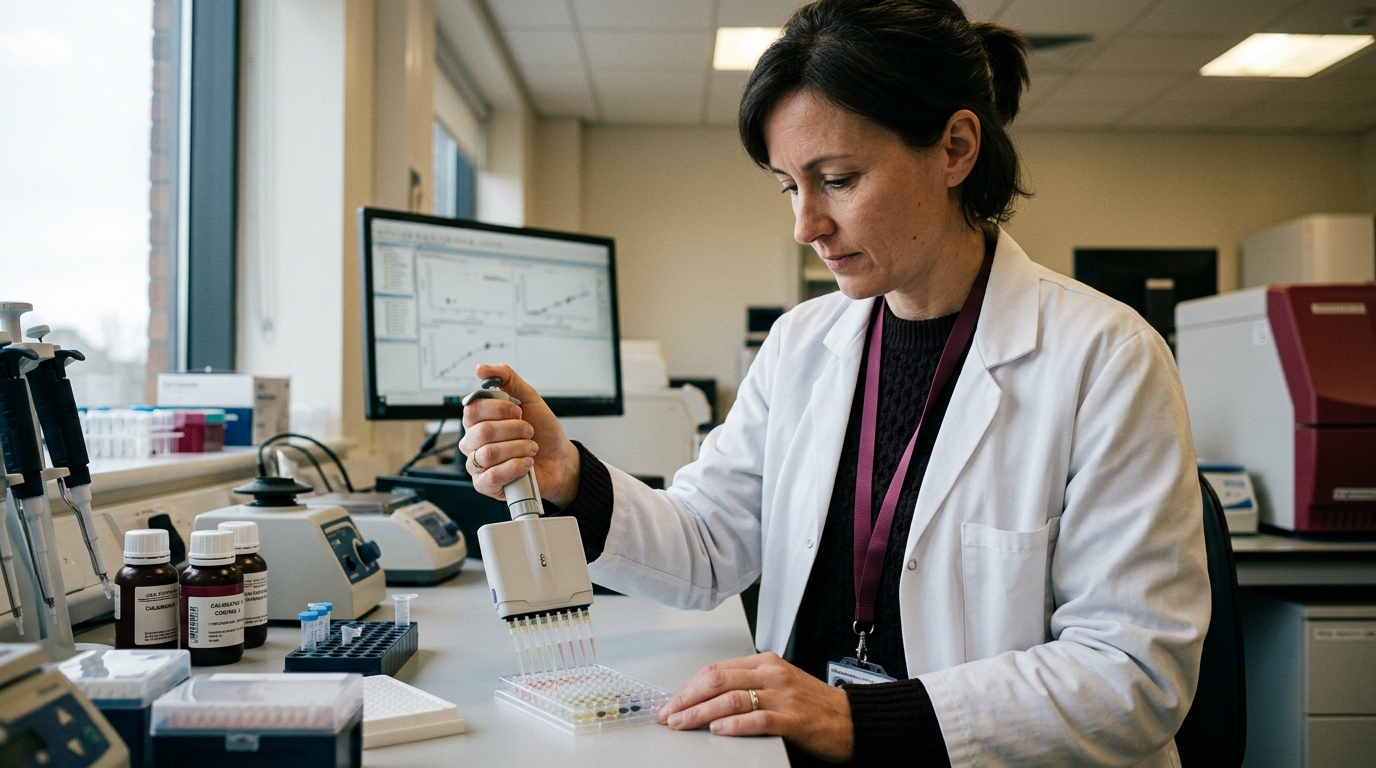

Clear insights into male reproductive health show how alcohol, smoking, cannabis, and opioids distinctly impact testosterone production, erectile quality, and fertility outcomes.





A man in his late thirties notices that his energy feels lower than usual, his morning erections are less reliable, and his recovery from workouts has slowed down. He wonders whether his evening drinks, his weekend nicotine habit, or his occasional cannabis use might be the underlying cause. When searching for answers online, he encounters conflicting advice that swings between alarmist claims and casual dismissals.
Medical Disclaimer: The information in this resource is intended for educational purposes only. It is not personal medical advice, a diagnostic tool, or a substitute for professional clinical care. Always speak with a qualified healthcare provider about your lab results, symptoms, medications, and lifestyle factors before making health decisions.
Understanding how common substances affect male hormonal pathways requires looking past simple generalizations. Substance exposure is rarely a simple switch that turns hormone production on or off. Instead, its biological influence depends on dosage, frequency, duration, co-occurring health conditions, and the specific physiological systems involved.
Substances influence male biology across three distinct areas: hormone production, sexual performance, and reproductive fertility. These areas interact with one another, but they do not always move in the same direction. A change in one biological measure does not automatically predict changes in the others.
A common mistake in health discussions is treating testosterone levels, erectile quality, and fertility as interchangeable terms. They are regulated by distinct physiological mechanisms, even though they share overlapping pathways. Evaluating male health requires assessing each of these outcomes individually.
Hormones represent the chemical signaling network of the endocrine system. The hypothalamus releases gonadotropin-releasing hormone (GnRH), which prompts the pituitary gland to produce luteinizing hormone (LH) and follicle-stimulating hormone (FSH). LH signals the Leydig cells in the testes to manufacture testosterone, while FSH supports the Sertoli cells in managing sperm production. When evaluating understanding low testosterone causes, clinicians assess this entire feedback loop rather than looking at testosterone in isolation.
Sexual function involves neurological signaling, vascular integrity, psychological health, and hormonal tone. An erection relies heavily on healthy vascular endothelial cells that produce nitric oxide, allowing smooth muscle relaxation and rapid arterial blood flow into the penile tissue. A man can have normal testosterone levels and still experience erectile dysfunction due to localized vascular impairment. Conversely, a man with low circulating testosterone may still experience normal erections, although his libido might be reduced.
Fertility refers to the biological capacity to produce viable sperm capable of fertilizing an egg and achieving pregnancy. Semen parameters, including sperm concentration, total motility, morphology, and DNA integrity, serve as intermediate clinical markers. However, an abnormal semen reading is not the same as a confirmed inability to conceive. Furthermore, high systemic testosterone does not guarantee high sperm production, particularly when exogenous hormones are introduced.
Exposure patterns also matter significantly when assessing health outcomes. Clinical research separates acute intoxication from chronic exposure, and occasional recreational use from sustained daily consumption. Co-occurring factors such as poor sleep, chronic psychological stress, nutritional deficiencies, and multiple overlapping substances frequently complicate research findings. Clinicians evaluate the entire lifestyle context rather than isolating a single exposure.
Alcohol is one of the most widely used substances worldwide, and its effects on the male body depend heavily on dosage and consumption patterns. The biological response to occasional moderate intake differs substantially from the response to chronic heavy drinking or binge episodes.
Chronic heavy alcohol use impairs male reproductive hormones at every level of the endocrine axis. In the brain, excessive alcohol interferes with the pulsatile release of GnRH from the hypothalamus. It also reduces the pituitary gland's secretion of LH and FSH, depriving the testes of the chemical signals needed to create testosterone.
Within the testes, alcohol and its primary metabolite, acetaldehyde, exert direct toxic effects on Leydig cells. This toxicity impairs key enzymes responsible for steroidogenesis, limiting the production of testosterone even when some LH signaling remains. Additionally, chronic alcohol use can increase the peripheral conversion of testosterone into estradiol by enhancing aromatase activity in fat tissue and altering liver clearance rates. Meta-analytic research indicates an average testosterone reduction of approximately 4.86 nmol/L in chronic, heavy alcohol users compared with non-drinking subjects.
The relationship between alcohol consumption and erectile function is complex. Clinical reviews describe a possible J-shaped association in observational data. Low to moderate alcohol intake occasionally correlates with neutral or slightly lower reported rates of erectile dysfunction, likely due to reduced social anxiety and mild transient vasodilation. However, this association does not prove that alcohol protects erectile tissue or that drinking benefits sexual performance.
Heavy drinking and binge consumption consistently correlate with worse erectile outcomes. Acute alcohol intoxication acts as a central nervous system depressant, blunting the neurological signals between the brain and the pelvic nerves required to initiate and maintain an erection. Over the long term, heavy alcohol use can cause permanent peripheral neuropathy and chronic vascular endothelial dysfunction. These changes lead to persistent erectile difficulties, reduced libido, delayed ejaculation, or anorgasmia.
The scientific literature demonstrates a clear link between chronic heavy drinking and impaired semen parameters. Heavy drinkers frequently exhibit lower sperm counts, poor sperm motility, and abnormal sperm morphology. In one cited study evaluating reproductive parameters, heavy drinkers showed a sperm DNA fragmentation rate of 49.6% compared to 33.9% in non-drinking controls.
In contrast, the evidence regarding low-to-moderate alcohol consumption is far less alarming. In an observational study examining more than 8,000 men, individuals reporting low-to-moderate alcohol intake showed no significant differences in standard semen parameters compared to complete non-drinkers. Some observational datasets even show slight increases in circulating testosterone among moderate drinkers, although this should not be interpreted as a reason to consume alcohol for hormonal health. Researchers emphasize that a clear, universal dose threshold for fertility impairment has not been established.
Cigarette smoking is an established cardiovascular risk factor that exerts direct, measurable effects on the male vascular network. Because healthy sexual function and reproductive output depend on vascular health, tobacco use represents a major point of clinical evaluation.
Penile erection is primarily a vascular event. Sexual stimulation triggers the release of nitric oxide from endothelial cells and non-adrenergic, non-cholinergic nerves in the corpora cavernosa. Nitric oxide stimulates cyclic guanosine monophosphate (cGMP) synthesis, relaxing cavernous smooth muscle and allowing rapid blood inflow.
Cigarette smoke contains thousands of chemical compounds, including nicotine, carbon monoxide, and heavy metals, that cause systemic endothelial injury. Smoking decreases the expression of endothelial nitric oxide synthase, accelerates atherosclerosis within the pudendal and penile arteries, and promotes structural microvascular damage. Systematic reviews combining prospective cohort and case-control studies show that cigarette smoking significantly increases the relative risk of developing erectile dysfunction. This risk increases with higher pack-year histories and longer durations of tobacco exposure.
Research demonstrates dose-dependent associations between cigarette smoking and reduced semen quality. Smokers frequently display reductions in total sperm count, lower semen volume, decreased percentage of motile sperm, and a higher proportion of abnormally shaped sperm. Toxic components in tobacco smoke increase reactive oxygen species (ROS) in seminal fluid, overwhelming local antioxidant defenses and causing oxidative stress.
This oxidative stress damages the sperm cell membrane, which is rich in polyunsaturated fatty acids, and disrupts sperm DNA integrity. Despite these observational associations, clinical guidelines, including those from the American Urological Association (AUA) and the American Society for Reproductive Medicine (ASRM), categorize the overall evidence linking tobacco to subtle reductions in sperm concentration as low quality. This categorization is due to confounding variables in observational datasets, such as diet, stress, alcohol use, and occupational exposures.
Smoking cessation leads to measurable physiological improvements. Clinical reviews document that stopping smoking improves systemic endothelial function, reduces seminal oxidative stress, and can lead to improvements in erectile firmness and overall sexual satisfaction. While cessation does not guarantee an immediate reversal of long-standing vascular damage, it remains a cornerstone recommendation for male sexual performance and physical health.
Cannabis is among the most widely used recreational substances, and its legal status has shifted significantly in recent years. This shifting landscape has renewed interest in how cannabinoids interact with the human endocannabinoid system, which is present in the hypothalamus, pituitary gland, and testicular tissue.
The human body produces endogenous cannabinoids that bind to specific cannabinoid receptors (CB1 and CB2) located throughout the central nervous system and reproductive organs. Animal models historically suggested that high doses of delta-9-tetrahydrocannabinol (THC) suppress GnRH release, leading to drops in LH and testosterone.
However, human studies provide far less conclusive results. Systematic reviews examining cannabis users have found no reliable, consistent suppression of total testosterone compared to non-users. While some investigations note slight variations in LH pulsatility, FSH levels generally remain unchanged, and systemic testosterone concentrations typically stay within standard physiological ranges. A comprehensive meta-analysis evaluating testicular function found no statistically significant difference in total testosterone levels between cannabis users and non-users. Researchers emphasize that many older studies suffered from small sample sizes, unstandardized potency measurements, and heterogeneous study populations.
The evidence regarding cannabis and semen parameters presents conflicting conclusions across the medical literature:
Because human studies often rely on self-reported usage data and rarely control for concurrent tobacco use, alcohol intake, or nutritional habits, clinicians avoid making definitive claims about cannabis causing clinical infertility. However, when a couple experiences unexplained delayed conception or abnormal semen findings, clinicians frequently suggest a trial period of cannabis cessation.
Claims that cannabis either cures sexual dysfunction or directly causes erectile failure are unsupported by high-quality human evidence. In one study evaluating self-reported sexual health parameters, the prevalence of erectile difficulties was nearly identical between cannabis users and non-users, measuring 23% and 22% respectively (p = 0.23). While some individuals report subjective improvements in sexual relaxation or sensory awareness at low doses, high doses can cause sedation, anxiety, or altered vascular tone. Animal models demonstrating severe sexual behavioral changes should not be directly applied to human clinical expectations.
Opioid medications represent one of the most clearly understood pharmacological causes of secondary hypogonadism in men. Both natural opiates and synthetic opioids interact directly with receptors in the central nervous system, creating profound changes in the reproductive endocrine system.
Opioids bind to mu-opioid receptors in the hypothalamus, exerting an inhibitory effect on the neurons that release GnRH. This central suppression disrupts the normal pulsatile signaling required to stimulate the anterior pituitary gland. Consequently, the pituitary produces inadequate amounts of LH and FSH.
Without adequate LH stimulation, the Leydig cells in the testes fail to produce sufficient testosterone. This condition is known clinically as opioid-induced androgen deficiency (OPIAD) or opioid-induced hypogonadotrophic hypogonadism. Men taking sustained daily doses of prescription opioids for chronic pain management often exhibit low total testosterone, low free testosterone, and low or inappropriately normal LH levels.
The extent of endocrine suppression depends on the specific opioid compound, the daily dosage, and the duration of therapy. Sustained-release formulations, higher daily morphine milligram equivalents (MME), and long-acting opioids such as methadone tend to produce more pronounced hormonal suppression than intermittent, short-acting agents.
Symptoms of opioid-induced hypogonadism mirror classical low testosterone presentations:
When a clinician evaluates a man taking chronic opioids who exhibits these symptoms, they review the entire clinical history rather than assuming the opioid is the only contributing factor. A full workup examines baseline pain conditions, sleep apnea, body weight, and concomitant medications. Patients should never discontinue prescribed pain medications abruptly without medical supervision, as acute withdrawal presents serious physiological risks.
The use of non-prescribed anabolic-androgenic steroids (AAS) for physique enhancement or athletic performance has increased across various age groups. A common misconception among men is that taking external testosterone improves all aspects of male reproductive health. In reality, external testosterone creates an endocrine paradox by supporting systemic androgen levels while completely halting internal testicular production.
The hypothalamic-pituitary-gonadal axis operates on a precise negative feedback system designed to keep circulating hormone levels within a specific range. When external testosterone, synthetic steroids, or high-dose prohormones enter the bloodstream, the hypothalamus detects elevated androgen levels and halts the release of GnRH. The pituitary gland immediately responds by shutting down the production of LH and FSH.
Without LH signaling, the Leydig cells stop manufacturing endogenous testosterone, causing intratesticular testosterone levels to fall to a fraction of their normal concentration. Intratesticular testosterone is essential for spermatogenesis, requiring concentrations inside the testes that are dozens of times higher than the levels found in circulating blood. Without FSH and high intratesticular testosterone, the Sertoli cells cannot support sperm maturation, leading to severe oligospermia (sperm counts below 10 million/mL) or azoospermia (the complete absence of sperm in the ejaculate).
The American Urological Association and the American Society for Reproductive Medicine have established clear clinical guidelines regarding this mechanism:
When an individual stops using anabolic steroids or exogenous testosterone, the recovery of the hypothalamic-pituitary-gonadal axis is unpredictable. Some men recover normal gonadotropin signaling and sperm production within a few months, while others experience prolonged hypogonadotrophic hypogonadism lasting a year or longer. High-quality guidelines emphasize that long-term recovery timelines cannot be guaranteed for any single individual, reinforcing the need for honest clinical discussions before starting or stopping hormonal compounds.
Recreational stimulants encompass a wide variety of chemical classes, including illicit compounds such as cocaine and methamphetamine, as well as prescription central nervous system stimulants such as amphetamine-based medications. The scientific literature regarding stimulants focuses on both neurochemical and vascular pathways.
Psychostimulants increase the availability of monoamine neurotransmitters, including dopamine, norepinephrine, and serotonin, in the brain. Because hypothalamic GnRH release is modulated in part by central neurotransmitter pathways, intense stimulant exposure can disrupt normal neuroendocrine pulsatility.
A comprehensive review of psychostimulant exposure highlights documented disruptions in the hypothalamic-pituitary-gonadal axis, altering systemic concentrations of testosterone, LH, and FSH. Additionally, animal and cellular studies suggest direct cytotoxicity to testicular tissue, including apoptosis of germ cells and functional impairment of Sertoli and Leydig cells. However, human evidence remains largely observational and is frequently confounded by polydrug use, variable drug purity, chronic sleep deprivation, and nutritional stress.
Early observational studies identified associations between cocaine use and impaired semen measures, including reduced total sperm counts, decreased forward motility, and a higher prevalence of structural sperm abnormalities. Cocaine exerts potent vasoconstrictive properties, which can transiently restrict testicular blood flow and lead to localized hypoxia and elevated oxidative stress.
Despite these observational signals, clinical researchers caution against drawing universal causal conclusions from older datasets. Cocaine users often use alcohol, tobacco, or other substances concurrently, making it difficult to isolate the exact impact of cocaine alone. The available medical literature does not support a precise mathematical model for how stimulant use alters time to pregnancy or long-term hormonal levels in an individual.
Interpreting male hormonal and reproductive health requires a structured diagnostic approach. Relying on an isolated number from a single blood draw can lead to inaccurate conclusions and unnecessary interventions.
The Endocrine Society provides clear clinical guidelines for diagnosing male hypogonadism. A diagnosis should only be made when a patient exhibits persistent, compatible clinical signs and symptoms alongside unequivocally low serum testosterone concentrations confirmed on multiple occasions.
When evaluating evaluating male biomarkers and testing, clinicians order a comprehensive panel to understand the full endocrine picture:
When reviewing the scientific literature on how substances affect male physiology, it is important to evaluate the strength and limitations of different study designs. Not all health claims carry equal scientific weight.
The medical literature is built upon a hierarchy of evidence:
Distinguishing established clinical consensus from preliminary observational data helps men view their health choices through a balanced, evidence-based lens rather than reacting to exaggerated online claims.
Open, honest discussions with a healthcare provider yield the most accurate clinical guidance. Clinicians assess substance exposures as objective medical history variables rather than moral judgments.
When preparing for an evaluation regarding hormones, sexual function, or fertility, consider raising the following structured questions:
Bringing specific details about the frequency, dosage, and duration of all substance exposures, including over-the-counter supplements and online products, ensures that your healthcare provider can provide safe, personalized clinical guidance.
You may want to revisit this resource whenever your health goals, medical treatments, or lifestyle patterns change. Reviewing these principles is particularly helpful before completing scheduled hormone blood tests, when beginning or discontinuing prescription medications that affect the central nervous system, or when planning a pregnancy with your partner. Understanding the biological relationships between substance use, endocrine signaling, and vascular health provides the clarity needed to have productive, informed discussions with your physician.
Testostra explains testosterone biology, testing, symptoms, lifestyle factors and TRT with careful sourcing and clear clinical limits.



Send us a question, research idea or topic suggestion. Reader questions help shape future Testostra content.
Contact Testostra