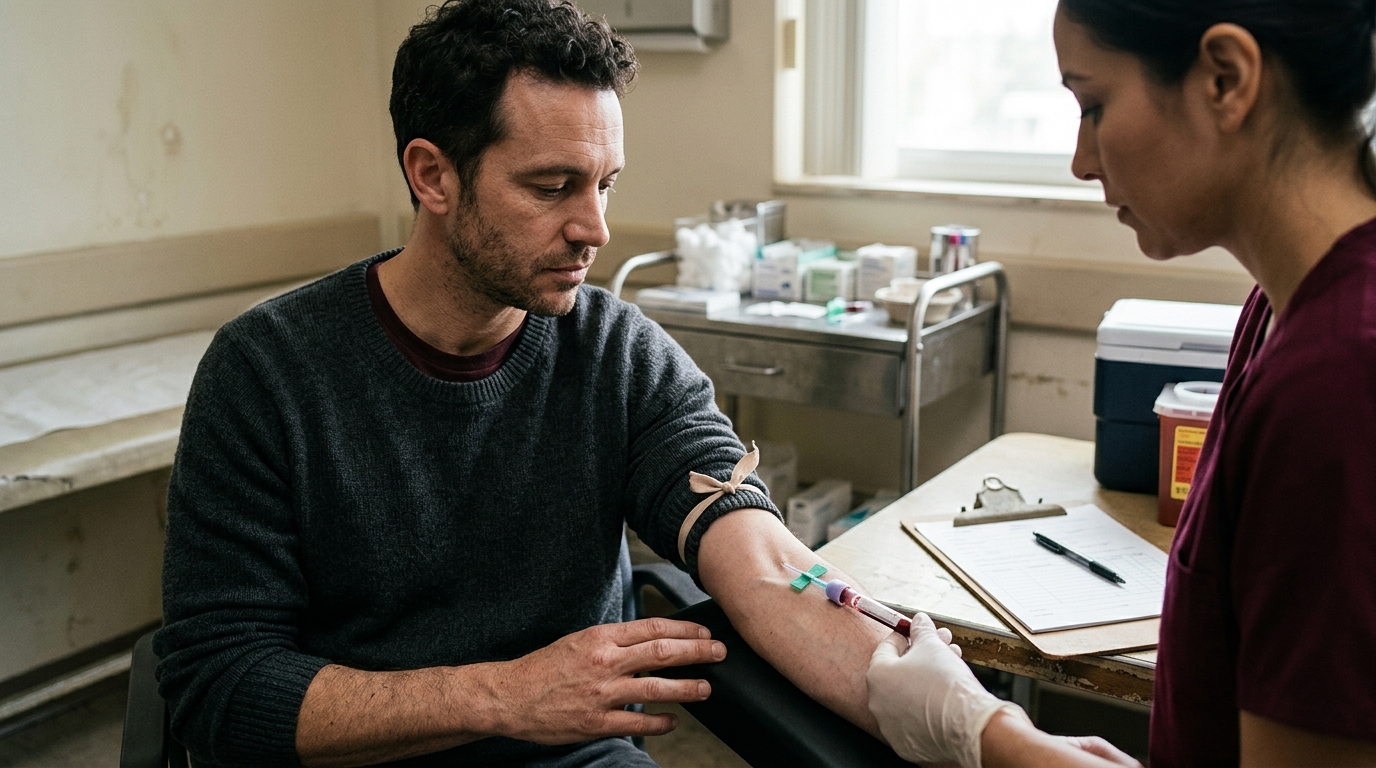

Testosterone is often marketed as a universal cure for fatigue, but clinical evidence confines its proven benefits to specific tissue and hormonal functions.





Imagine an adult man in his early forties who has felt increasingly tired for six months. He finds it harder to recover from workouts, notices a subtle dip in his sex drive, and struggles to focus during afternoon meetings. After reading online discussions about hormonal health, he begins to wonder whether a single biological factor is responsible for every symptom he is experiencing.
This scenario is common. In modern health discussions, testosterone is frequently portrayed either as an all-powerful switch for male vitality or as an irrelevant lab marker. The medical reality sits between these two extremes. Testosterone is an essential hormone that coordinates multiple physiological systems across the human body. At the same time, it has clear biological limits, and its presence or absence cannot explain every change in how a man feels.
Understanding what testosterone actually does requires looking at how the body produces it, how target tissues respond to it, and what clinical trials show when levels are altered. This guide provides a comprehensive, evidence-based breakdown of testosterone's physiological roles, the nuances of laboratory testing, and the clinical boundaries where its influence ends.
The information provided in this article is for educational and informational purposes only. It is not intended as medical advice, personal diagnosis, or individualized treatment guidance. Hormone evaluation and treatment require comprehensive assessment by a qualified healthcare professional, including repeat laboratory testing, review of medical history, and clinical examination. Never disregard professional medical advice or delay seeking it because of information read in this resource.
Before examining individual body systems in detail, several core principles help establish the clinical context:
To understand what testosterone does in target tissues, it helps to first understand how the body regulates its production. Testosterone synthesis does not happen in isolation. It is governed by a tightly calibrated feedback loop known as the hypothalamic-pituitary-gonadal (HPG) axis.
The hypothalamus sits at the base of the brain and releases gonadotropin-releasing hormone (GnRH) in rhythmic pulses. These pulses travel to the anterior pituitary gland, signaling it to release two key messengers into the bloodstream: luteinizing hormone (LH) and follicle-stimulating hormone (FSH).
Each of these pituitary hormones carries out a distinct role in the male reproductive system:
Once Leydig cells produce testosterone, the hormone enters the bloodstream and circulates throughout the body. As blood concentrations rise, testosterone and its metabolite, estradiol, act on the hypothalamus and pituitary gland. This negative feedback slows the release of GnRH and LH, keeping circulating hormone concentrations within a stable physiological window.
When this system fails, clinicians categorize the deficiency based on where the disruption occurs. In primary hypogonadism, the primary defect lies within the testes themselves. The Leydig cells cannot produce adequate testosterone despite high LH signals from the pituitary. In secondary hypogonadism, the problem originates in the hypothalamus or pituitary gland. In this case, the brain fails to produce sufficient LH and FSH, leaving otherwise healthy testes without the signal to manufacture hormones. You can learn more about these pathways in our guide to testosterone fundamentals and hormonal function.
A common point of confusion is why a single lab value is not enough to establish a diagnosis of testosterone deficiency. Hormone levels fluctuate continuously based on circadian rhythms, nutritional intake, sleep architecture, stress levels, and acute illness.
Clinical organizations like the Endocrine Society and the American Urological Association (AUA) have established clear criteria for identifying genuine deficiency:
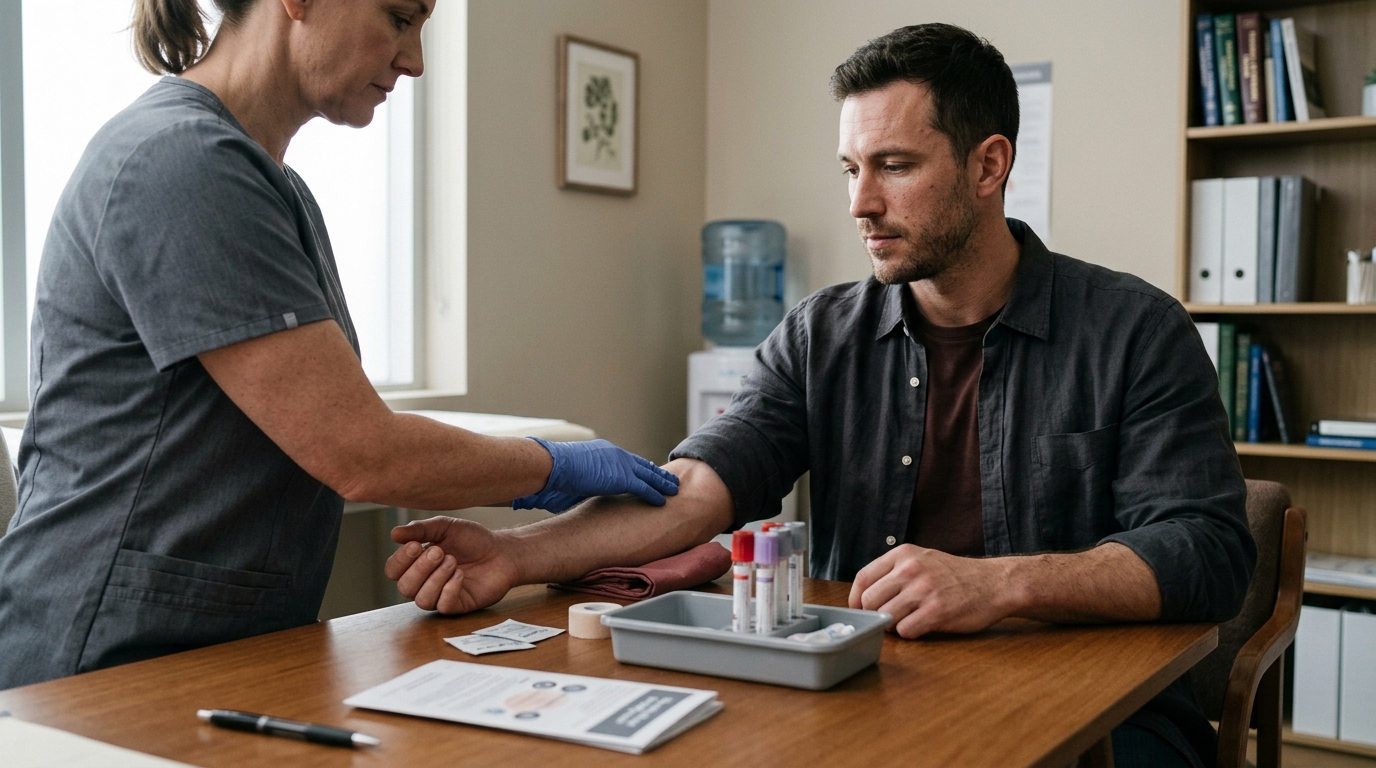
First, total testosterone naturally peaks in the early morning hours, particularly in younger and middle-aged men. Concentrations decline progressively throughout the afternoon and evening. Drawing blood late in the day can produce an artificially low reading that does not reflect a man's true peak physiological capacity. Because of this variation, clinical guidelines require at least two separate blood samples drawn early in the morning, ideally between 8:00 AM and 10:00 AM in a fasting state.
Second, symptoms must be evaluated alongside objective blood values. The AUA considers a total testosterone concentration below 300 ng/dL as a reasonable threshold to support a clinical diagnosis. However, an isolated number below this cut-off in a man with no relevant symptoms does not automatically warrant medical intervention. Conversely, having non-specific symptoms such as afternoon fatigue while maintaining normal, verified morning hormone levels indicates that other physiological factors are responsible.
Third, identifying the underlying cause is a mandatory step before considering any medical protocol. A comprehensive diagnostic workup includes checking LH and FSH levels, reviewing existing prescription medications, assessing body composition, and evaluating overall metabolic health. Lifestyle factors, such as severe caloric restriction, chronic untreated sleep apnea, or high alcohol intake, can suppress the HPG axis without representing permanent organ failure.
When evaluating claims about what testosterone does, it is vital to distinguish between different types of scientific evidence. Medical claims often blend three separate categories:
A hormone can be fundamentally important to a tissue without supplementation serving as a cure for general symptoms in that tissue. For example, testosterone is required for healthy skeletal muscle biology. Yet, giving supplemental testosterone to a man whose endogenous levels are already normal does not produce effortless physical fitness, nor does it guarantee functional improvements in daily mobility. High-quality clinical practice relies on controlled trial evidence rather than observational assumptions alone.
Within target tissues, testosterone acts primarily by crossing cell membranes and binding to intracellular androgen receptors. In certain tissues, such as the prostate and hair follicles, testosterone is converted by the enzyme 5-alpha reductase into dihydrotestosterone (DHT), a more potent androgen. In other tissues, including bone and adipose tissue, testosterone is converted by the aromatase enzyme into estradiol, an estrogen.
Through these direct and indirect mechanisms, testosterone supports several fundamental physiological processes across the male body. For an in-depth review of physical effects, explore our educational resources on testosterone, body composition, and sexual performance.
Testosterone plays a central, well-documented role in maintaining male sexual desire. Within the central nervous system, androgens modulate neural circuits responsible for sexual interest, motivation, and responsiveness to erotic stimuli.
When circulating testosterone drops significantly below the normal physiological range, many men experience a noticeable reduction in libido. In clinical trials, treating men who have confirmed hypogonadism leads to consistent improvements in sexual desire and frequency of sexual thoughts. A major evidence review published by the Endocrine Society noted a standardized mean difference (SMD) of 0.17 for libido improvement and 0.23 for sexual activity in treated men compared to placebo.
While these improvements are statistically significant and clinically meaningful for men with confirmed deficiency, they represent modest average shifts across study populations. Testosterone is a primary biological contributor to sex drive, but desire is also modulated by relationship dynamics, psychological stress, medication side effects, and overall vascular health.
Testosterone supports the structural integrity and signaling mechanisms of penile tissue. It contributes to the maintenance of the smooth muscle within the corpora cavernosa and supports the activity of nitric oxide synthase, an enzyme necessary for generating the vascular dilation that produces an erection.
However, clinical evidence shows that testosterone is rarely a stand-alone solution for erectile dysfunction (ED). Controlled trials reviewed by the Endocrine Society found a modest average improvement in erectile function scores among hypogonadal men receiving therapy, with an SMD of 0.16.
Erectile dysfunction is predominantly a neurovascular condition influenced heavily by arterial blood flow, endothelial function, autonomic nervous system tone, and psychological factors. While the AUA recommends measuring total testosterone during a formal workup for erectile dysfunction to identify coexisting deficiency, restoring hormone levels alone rarely resolves severe vascular ED without addressing broader cardiovascular health or using targeted therapies.
Testosterone exerts strong anabolic effects on skeletal muscle. It stimulates amino acid uptake, enhances intramuscular protein synthesis, and promotes the proliferation of muscle satellite cells, which are necessary for muscle repair and long-term fiber growth.
In men with genuine hypogonadism, bringing testosterone levels back into the normal range leads to measurable increases in fat-free mass and reductions in whole-body fat mass. These changes in body composition are consistently demonstrated across short-term and multi-year studies.
However, there is an important clinical distinction between increasing lean tissue mass and improving functional physical performance. While muscle cross-sectional area and laboratory-measured strength typically increase with therapy, improvements in everyday mobility, endurance, and physical independence are less uniform. In the landmark Testosterone Trials, which evaluated 788 older men with low testosterone, treated participants showed small improvements in walking distance, but therapy did not produce broad transformations in everyday functional ability for every participant.
Bone tissue undergoes continuous remodeling, with specialized cells breaking down old bone (osteoclasts) and forming new bone matrix (osteoblasts). Testosterone supports this remodeling cycle through direct androgen receptor signaling and, critically, through its conversion to estradiol via aromatase. Estradiol is the primary hormone responsible for slowing bone resorption in both men and women.
Hypogonadal men frequently display accelerated bone loss, leading to osteopenia or osteoporosis over time. Clinical trials show that raising testosterone in deficient men leads to significant increases in volumetric bone mineral density and estimated bone strength, particularly in the lumbar spine and femoral neck.
Despite these clear improvements in bone density, clinicians emphasize that surrogate lab markers do not automatically guarantee fracture prevention. In long-term clinical safety trials such as the TRAVERSE study, researchers noted an unexpected increase in clinical fractures among treated men despite documented improvements in bone density across the wider literature. Consequently, testosterone is not classified as a stand-alone therapy for osteoporosis or a proven fracture-prevention drug.
One of the most direct and reliable physiological effects of testosterone is the stimulation of erythropoiesis, the biological process of making red blood cells. Testosterone stimulates the kidneys to produce erythropoietin (EPO), while also acting directly on bone marrow progenitor cells and modulating iron metabolism through the suppression of hepcidin.
Because of this mechanism, men naturally have higher baseline hemoglobin and hematocrit concentrations than premenopausal women. In men with hypogonadism and unexplained mild anemia, testosterone therapy reliably raises red blood cell volume. In the Testosterone Trials, treatment normalized hemoglobin levels in a substantial portion of men with baseline anemia.
Similarly, data from the TRAVERSE study showed that testosterone corrected anemia in 41.0% of treated men compared to 27.5% of placebo recipients at six months. However, this physiological pathway also represents a key clinical monitoring parameter, as excessive red blood cell production (erythrocytosis) can increase blood viscosity and require medical adjustment.
During male fetal development and subsequent pubertal maturation, testosterone coordinates the development of primary and secondary sex characteristics. It drives the enlargement of the penis and testes, the deepening of the vocal cords through laryngeal growth, the development of masculine facial and body hair patterns, and the typical distribution of subcutaneous fat.
In adult life, adequate circulating testosterone is required to maintain these secondary sex characteristics. Severe, prolonged androgen deficiency in adulthood can result in reduced facial hair growth rate, loss of axillary and pubic hair density, and changes in skin texture.
While testosterone maintains these physical features, administering additional androgens to an adult male whose secondary characteristics are already fully formed does not produce further beneficial structural changes. For more information on recognizing changes in these features, read our comprehensive overview of low testosterone signs, causes, and risk factors.
Because testosterone affects multiple organs, commercial advertising and online discussions often attribute almost every aspect of male well-being to this single hormone. Clinical trial data demonstrate clear boundaries where testosterone's influence is frequently exaggerated.
Fatigue is one of the most common complaints that prompts adult men to investigate their hormone levels. While severe testosterone deficiency can contribute to lethargy, non-specific fatigue is weakly correlated with isolated testosterone numbers.
In the Endocrine Society's comprehensive systematic review of randomized trials, pooled data showed no statistically significant difference in general energy scores between testosterone-treated men and placebo groups. In the Testosterone Trials Vitality study, treatment produced small improvements in certain vitality questionnaires, but failed to show a broad, transformative effect on daily energy levels.
Fatigue is fundamentally multifactorial. It is heavily driven by:
Assuming that low energy is automatically a hormonal problem often leads men to overlook primary lifestyle or medical causes that require completely different interventions.
Androgen receptors are present throughout brain regions that regulate emotional processing, such as the amygdala and hippocampus. Men with severe hypogonadism frequently report irritability, dysthymia, and reduced motivation.
However, testosterone is not a primary antidepressant medication. In clinical trials, testosterone therapy produces modest improvements in mood and depressive symptom scales in men with documented hypogonadism and mild depressive symptoms. Yet, for major clinical depression or mood disorders occurring in men with normal baseline hormone levels, testosterone shows no proven therapeutic benefit.
Clinicians carefully differentiate between the mild, secondary emotional flatness that can accompany hypogonadism and primary psychiatric conditions that require dedicated psychological or psychiatric care.
Popular health media often suggests that testosterone enhances memory, focus, and overall cognitive sharpness. Scientific investigations designed to test this hypothesis have yielded largely neutral results.
The Testosterone Trials included a dedicated cognitive sub-study that tracked memory, visual-spatial processing, and executive function in older men over an entire year of therapy. The researchers found no statistically significant improvement in overall cognitive function or memory performance compared to placebo.
While androgens participate in basic neurobiological maintenance, clinical trials do not support the idea that elevating testosterone clears general brain fog or prevents age-related cognitive decline. Attributing focus difficulties solely to testosterone can distract from critical factors like sleep quality, stress levels, and vascular health.
A widespread and clinically harmful misconception is that taking supplemental testosterone will enhance male fertility. In biological reality, exogenous testosterone administration acts as a potent male contraceptive.
When exogenous testosterone enters the bloodstream, it creates strong negative feedback at the hypothalamus and pituitary gland. The pituitary responds by halting the secretion of LH and FSH. Without FSH to stimulate Sertoli cells and without high local concentrations of intratesticular testosterone driven by LH, spermatogenesis slows down dramatically or ceases altogether.
Because of this physiological reality:
Men with obesity, metabolic syndrome, and type 2 diabetes frequently exhibit lower circulating total testosterone levels. This is largely because increased visceral adiposity and elevated circulating insulin alter sex hormone-binding globulin (SHBG) production in the liver and impair hypothalamic signaling.
While low testosterone is closely associated with metabolic dysfunction, raising hormone levels is not an approved treatment for diabetes. The Endocrine Society specifically recommends against prescribing testosterone therapy as a primary strategy to improve glycemic control in men with type 2 diabetes.
While restoring physiological levels can improve body composition by reducing visceral fat mass, primary lifestyle modifications, structured exercise, and evidence-based metabolic medications remain the foundational therapies for metabolic health.
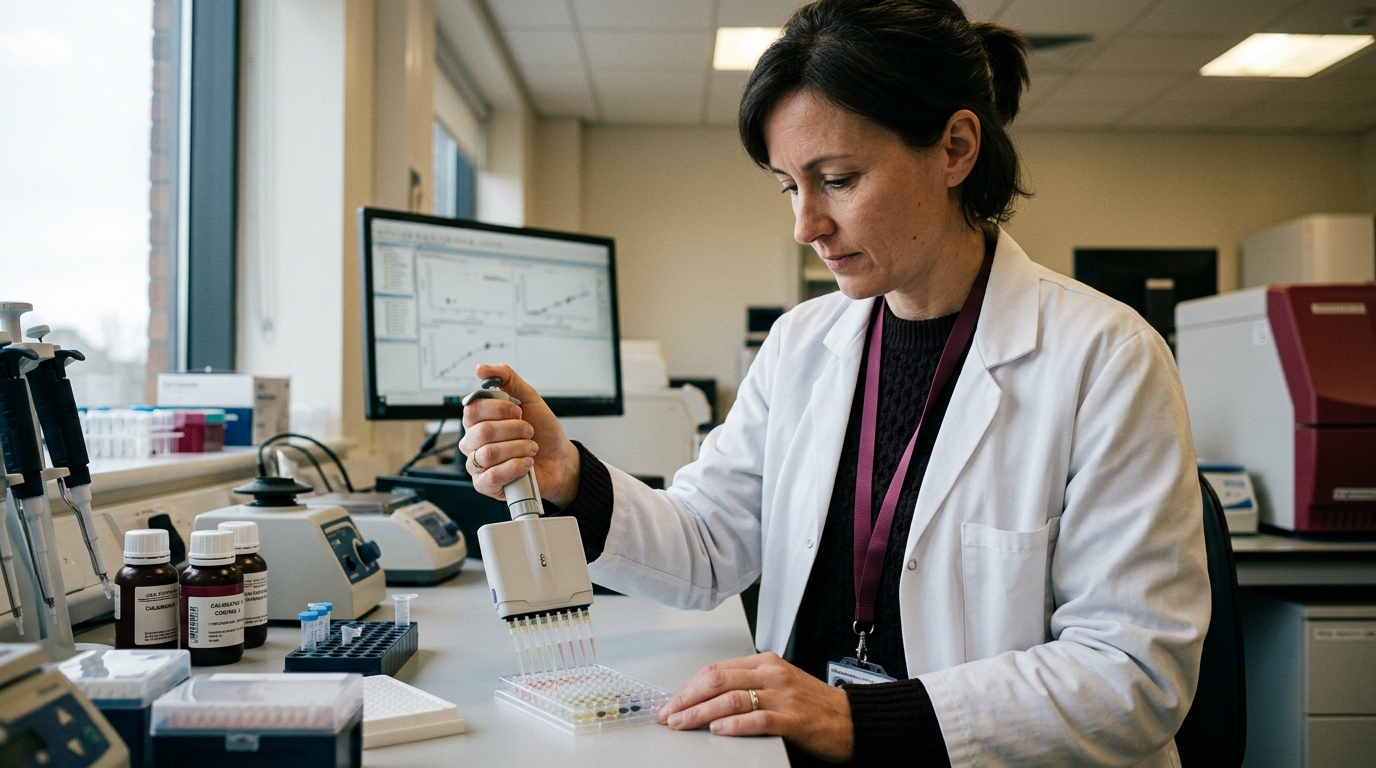
Accurately evaluating male hormonal health requires looking beyond a single total testosterone figure. A comprehensive assessment evaluates several interrelated biomarkers to establish a complete clinical picture. For deeper guidance on diagnostic testing, review our detailed guide to testing and biomarkers.
Total testosterone measures the entire concentration of testosterone circulating in the bloodstream. This includes hormone that is tightly bound to proteins, loosely bound to proteins, and circulating freely.
SHBG is a glycoprotein produced by the liver that binds tightly to testosterone and estradiol, regulating their delivery to target tissues.
Free testosterone represents the unbound fraction of hormone circulating in the blood, which typically accounts for only 1% to 2% of the total amount. Bioavailable testosterone includes free testosterone plus testosterone loosely bound to albumin.
Pituitary gonadotropins provide the necessary context to determine why a patient's testosterone level is abnormal.
Prolactin is a pituitary hormone primarily involved in lactation, but it is present in small amounts in men.
Hematocrit measures the percentage of whole blood volume made up of red blood cells.
In recent years, large-scale, rigorously controlled clinical trials have provided high-quality evidence regarding the true benefits and safety parameters of testosterone therapy. Two research programs in particular have shaped modern clinical guidelines.
The Testosterone Trials were a coordinated series of seven double-blind, placebo-controlled trials conducted across twelve medical centers. The studies enrolled 788 men aged 65 and older who had unequivocally low morning total testosterone levels (averaging below 275 ng/dL) accompanied by clinical symptoms of deficiency.
The trials evaluated key functional areas over twelve months of treatment:
The TTrials proved that while testosterone produces reliable, objective improvements in sexual desire and red blood cell production, its effects on general fatigue and physical vitality in older men are limited.
For decades, clinicians and patients debated whether testosterone therapy increased cardiovascular risk in middle-aged and older men. To address this uncertainty, researchers conducted the TRAVERSE study, the largest randomized safety trial of testosterone therapy to date.
The trial enrolled 5,246 men aged 45 to 80 with documented hypogonadism (two morning fasting levels below 300 ng/dL), pre-existing cardiovascular disease, or elevated cardiovascular risk factors. Participants were followed for a median duration of 33 months.
Key findings from the TRAVERSE trial include:
The TRAVERSE study provided reassurance regarding major cardiovascular safety in appropriately screened men, while confirming that hormone therapy requires careful, ongoing clinical management.
To understand how clinicians apply these scientific principles, consider five real-world clinical patterns. These illustrative examples demonstrate how symptoms, medical history, and lab values must be synthesized together.
A 48-year-old man presents with a progressive, year-long decline in sexual desire and reduced frequency of morning erections. He has no other major medical conditions and sleeps seven hours per night. Two separate fasting blood tests drawn at 8:00 AM reveal total testosterone levels of 210 ng/dL and 225 ng/dL. His LH is moderately elevated, while prolactin is normal.
A 42-year-old corporate manager reports persistent afternoon fatigue, mental fog, and poor workout recovery. A single blood test ordered at 3:30 PM during a busy workday reveals a total testosterone level of 280 ng/dL. A follow-up test drawn at 8:00 AM after a full night of sleep shows a total testosterone of 465 ng/dL, with normal free testosterone and normal SHBG. Further evaluation reveals mild obstructive sleep apnea and chronic sleep restriction.
A 56-year-old man with a history of hypertension and elevated cholesterol experiences worsening difficulty maintaining erections. He notes that his sexual desire remains completely intact. Two morning blood tests show a total testosterone level of 410 ng/dL and 430 ng/dL, with normal gonadotropins.
A 34-year-old man with documented low testosterone (two morning readings averaging 215 ng/dL) and symptoms of low libido presents to a clinic. During his clinical history, he mentions that he and his partner are actively planning to conceive their first child within the next twelve months.
A 68-year-old man with confirmed hypogonadism begins therapy under physician supervision. Over twelve months, his body composition shifts favorably, gaining two kilograms of fat-free mass and losing one kilogram of fat mass. However, he notices little change in his ability to climb stairs or complete long walks without joint discomfort.
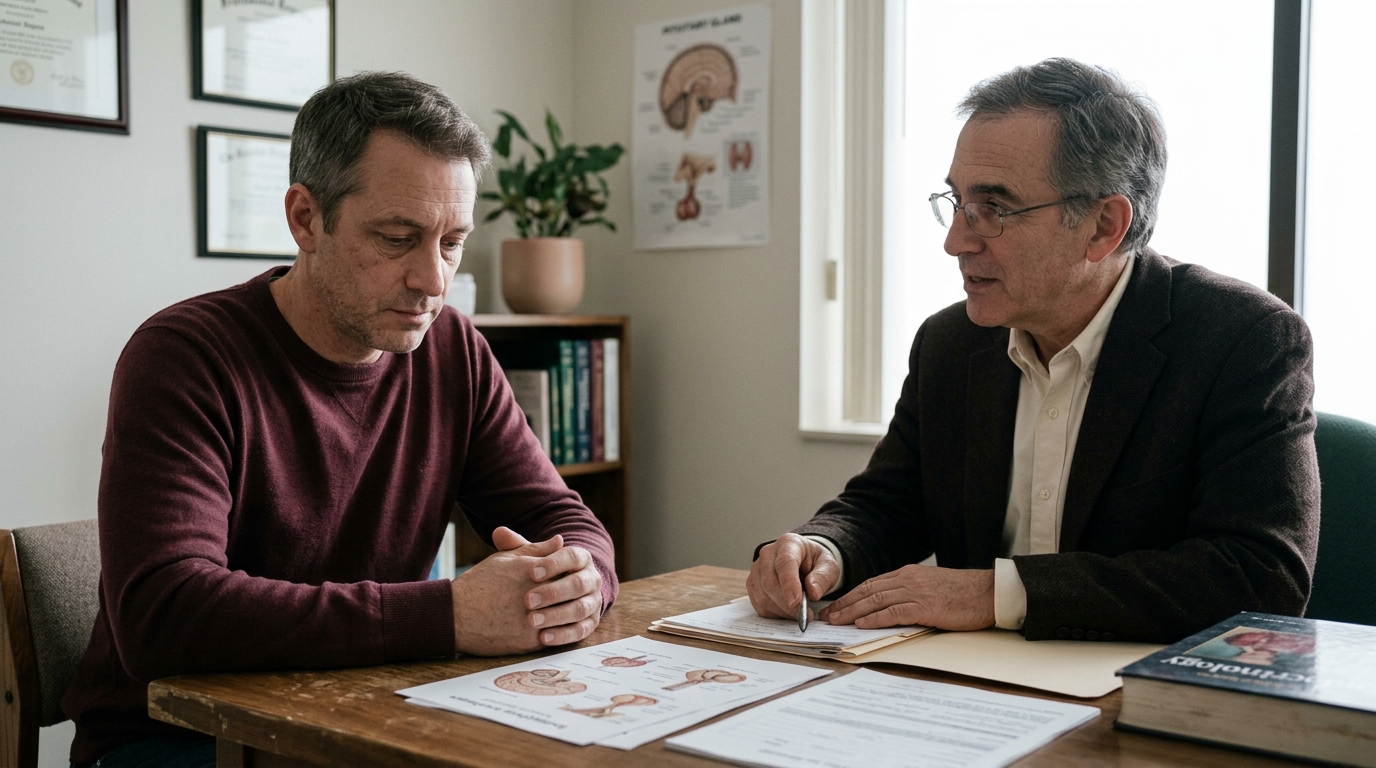
If you are researching your hormone levels or experiencing symptoms that you suspect may be related to testosterone, having a structured conversation with a qualified healthcare provider is the most effective next step.
Here are constructive, evidence-based questions to guide your discussion:
You can find more educational material to prepare for your medical appointments across our comprehensive collection of testosterone research guides and resources.
Male hormonal health is not a static topic. You may want to return to this guide whenever you encounter new laboratory results, experience shifts in your physical health, or encounter confusing claims about hormone therapy online.
Reviewing these foundational physiological principles can help you evaluate health information with clarity, maintain realistic expectations regarding what hormones can and cannot do, and engage in informed, productive conversations with your medical care team.
Testosterone is an essential biological foundation for male health, but it operates as part of an integrated, highly regulated human system rather than an isolated solution for every symptom.
Testostra explains testosterone biology, testing, symptoms, lifestyle factors and TRT with careful sourcing and clear clinical limits.



Send us a question, research idea or topic suggestion. Reader questions help shape future Testostra content.
Contact Testostra