
Clear guidance on male hormone shifts helps you distinguish natural age-related changes from clinical hypogonadism through proper biomarker testing and lifestyle insights.





Consider a familiar scenario. A fifty-two-year-old man notices that he feels more sluggish in the late afternoon. He reads an article online claiming that male testosterone drops by one percent every year after age thirty. Concerned that his vitality is slipping away, he orders a private blood test online. The single result comes back slightly below the lab reference range, leaving him wondering if his age has made hormone therapy inevitable.
Situations like this are increasingly common. The relationship between chronological aging and male hormones is often presented as a simple, downward slope. Popular discussions frequently suggest that every man experiences a mandatory, uniform decline in testosterone as the years pass. However, clinical research tells a far more nuanced story.
While average testosterone levels across large populations do tend to decrease over time, age alone is a poor predictor of an individual man's hormonal health. Health status, body weight, sleep quality, and chronic medical conditions often play a much larger role in hormone changes than the date on a birth certificate. Understanding what truly changes with age, and what remains stable, is the first step toward making sense of your health.
This resource is published strictly for educational and informational purposes. It is not intended to provide medical advice, diagnosis, or treatment protocols. Hormonal health involves complex physiological systems that require personalized evaluation by a qualified healthcare provider.
Never disregard professional medical advice or delay seeking it because of information presented here. If you are experiencing concerning physical or psychological symptoms, speak with a physician or endocrinologist. A doctor can review your complete medical history, order appropriate laboratory assessments, and help you determine an individualized plan of care.
Understanding the science behind male aging requires separating population statistics from individual clinical realities. Research from major endocrine societies and international aging studies highlights several critical points.
To understand how testosterone changes across a lifespan, one must first look at the endocrine system. Testosterone production is controlled by the hypothalamic-pituitary-gonadal axis. The hypothalamus releases gonadotropin-releasing hormone, which signals the pituitary gland to produce luteinizing hormone and follicle-stimulating hormone. Luteinizing hormone then stimulates the Leydig cells in the testes to synthesize testosterone.
As men grow older, subtle changes can occur at every level of this control loop. In the testes, the total number of functional Leydig cells may gradually decline. The remaining Leydig cells may also show a slightly reduced secretory response to luteinizing hormone stimulation. At the same time, the hypothalamic pulse generator can become less coordinated, altering the rhythm and amplitude of hormone release.
Despite these physiological shifts, the male endocrine system does not undergo an abrupt cessation of function comparable to female menopause. Instead, any age-related decrease occurs gradually over decades. Furthermore, the rate of change is not fixed. Two men of the exact same age can have radically different hormone profiles depending on their overall physical condition.
Clinical context is essential when evaluating these physiological changes. A clinician evaluating an older man does not look at age in a vacuum. A complete medical history, a physical examination, and an evaluation of comorbid conditions are necessary to determine whether a measured change represents normal variation, functional suppression, or an underlying medical disorder.
Scientific understanding of testosterone and aging has evolved through large-scale epidemiological studies. Early cross-sectional studies, which compared groups of younger men to groups of older men at a single point in time, often reported steep declines in testosterone. However, cross-sectional designs have a major limitation. Older cohorts in those studies frequently had higher rates of chronic illness, diabetes, and obesity than the younger cohorts.
When researchers began following the same men over time through longitudinal studies, a clearer picture emerged. The European Male Ageing Study evaluated 3,369 community-dwelling men aged forty to seventy-nine across eight European centers over a median follow-up of 4.3 years. The findings demonstrated that while group averages decreased, the annualized changes were modest. The average total testosterone reduction was approximately 0.1 nmol/L per year, while free testosterone decreased by about 3.83 pmol/L per year.
Other longitudinal reviews have reported that estimated rates of decline across adult populations range widely, from 0.04% to 2.6% per year after age forty. This massive variation between studies occurs because different populations have different baselines of physical health, body composition, and medication use. An individual participant data meta-analysis revealed that average testosterone levels remained relatively stable between ages seventeen and seventy, with a clearer average decrease emerging primarily in men over the age of seventy.
These findings show that an age-related decline is an average statistical trend across a population, not an inevitable destiny for an individual. Chronological age alone does not dictate what a man's hormone levels will be at fifty, sixty, or seventy. Knowing this helps men avoid assuming that feeling unwell is simply an unavoidable consequence of getting older. To better understand these physiological mechanisms, readers can review lifestyle and natural support strategies that help maintain overall endocrine health.
Interpreting a hormone panel requires understanding the different forms of testosterone circulating in the bloodstream. Testosterone does not travel through the blood entirely on its own. Instead, the vast majority is bound to carrier proteins.
Sex hormone-binding globulin is a glycoprotein produced by the liver that binds tightly to testosterone. Another significant portion of testosterone is loosely bound to albumin. Only a very small fraction, typically between one and two percent, remains unbound. This unbound portion is referred to as free testosterone. The combination of free testosterone and albumin-bound testosterone is known as bioavailable testosterone, as these fractions are readily accessible to bodily tissues.
As men age, circulating levels of sex hormone-binding globulin tend to rise. Because sex hormone-binding globulin binds testosterone with high affinity, an increase in this protein reduces the fraction of testosterone left in the free, unbound state.
This age-related rise in sex hormone-binding globulin creates an important clinical consideration. An older man may have a total testosterone measurement that falls comfortably within the normal reference range. However, because a higher proportion of that hormone is bound to protein, his free testosterone concentration may be relatively low.
While aging generally increases sex hormone-binding globulin, metabolic conditions do the exact opposite. Obesity, elevated insulin levels, and type 2 diabetes suppress hepatic production of sex hormone-binding globulin.
When sex hormone-binding globulin drops significantly, total testosterone measurements also decrease. In a man with obesity, a blood test may show a total testosterone concentration that appears low. Yet, his free testosterone fraction might remain within normal limits because less hormone is tied up by binding proteins.
Because of these shifting dynamics, guidelines from the Endocrine Society and the American Urological Association advise clinicians to evaluate free or bioavailable testosterone whenever total testosterone is near the lower threshold, or when a patient has conditions known to alter sex hormone-binding globulin. For a deeper look at specific lab panels, explore evaluating hormone biomarkers to see how clinicians interpret these complex interactions.
A complete assessment of the male reproductive system often looks beyond testosterone and binding proteins. Clinicians frequently evaluate several upstream and related hormones to understand the root cause of an abnormal result.
One of the most challenging aspects of evaluating hormones in aging men is symptom overlap. As people grow older, it is common to experience changes in physical stamina, sleep quality, joint comfort, and mood. These general symptoms are frequently attributed to low testosterone by popular media, but clinical evidence suggests caution.
Fatigue, mild cognitive changes, reduced motivation, and minor shifts in mood are highly nonspecific. They can stem from thyroid dysfunction, depressive disorders, cardiovascular disease, sleep apnea, or standard lifestyle stress. Attributing these widespread symptoms solely to testosterone is a frequent clinical pitfall.
The European Male Ageing Study specifically investigated which clinical features were truly associated with low testosterone levels in older men. The researchers found that general complaints like low energy, sadness, and poor physical performance were weakly linked to hormone levels. Instead, three specific sexual symptoms showed the strongest statistical relationship with low testosterone concentrations:
While sexual symptoms provide stronger clinical clues, they are still not definitive proof of hormone deficiency on their own. Erectile dysfunction, for example, is frequently caused by vascular disease, endothelial damage, or medication side effects. Consequently, professional clinical guidelines require both the presence of persistent, compatible symptoms and unequivocal biochemical evidence before reaching a diagnosis. You can read more about identifying low testosterone signs to understand how clinical guidelines categorize specific versus nonspecific symptoms.
When a blood test indicates low testosterone, chronological age is often the first suspect. However, large population studies reveal that modifiable health factors typically exert a far stronger influence on male hormones than aging alone.
Data from the European Male Ageing Study demonstrated that obesity was the single most important determinant of testosterone variance among middle-aged and older men. Excess adipose tissue affects the endocrine system through multiple biological pathways.
Adipose tissue contains the aromatase enzyme, which converts circulating testosterone into estradiol. Elevated estradiol can exert negative feedback on the hypothalamus and pituitary, reducing luteinizing hormone secretion. Additionally, visceral fat produces pro-inflammatory cytokines that can impair Leydig cell function.
Fortunately, research indicates that functional hormone suppression related to body weight is often reversible. In longitudinal analyses, men who lost significant weight experienced meaningful increases in total testosterone, free testosterone, and sex hormone-binding globulin. A comprehensive review noted that a weight reduction of approximately ten percent was associated with a significant rise in circulating testosterone among men with obesity.
However, weight loss strategies must be tailored carefully in older populations. In frail older adults, rapid or aggressive weight loss can lead to unintended loss of skeletal muscle mass and bone mineral density. Clinical management must balance metabolic improvement with the preservation of physical strength.
Sleep plays an indispensable role in maintaining healthy endocrine function. In healthy adult men, testosterone release follows a diurnal rhythm, with levels rising during deep, uninterrupted sleep and peaking in the early morning hours.
Disrupted sleep architecture can directly suppress daytime hormone levels. In a controlled study involving healthy young men, restricting sleep to five hours per night for just one single week resulted in daytime testosterone concentrations that were ten to fifteen percent lower than during a well-rested state.
While that study involved a small sample of younger participants, it highlights the acute sensitivity of the hypothalamic-pituitary-gonadal axis to sleep debt. In older adults, common conditions like obstructive sleep apnea and frequent nighttime awakenings can disrupt the slow-wave sleep required for optimal hormone synthesis. Addressing underlying sleep disorders is therefore an essential component of evaluating male hormonal health.
Modern endocrine guidance makes a critical distinction between organic hypogonadism and functional hypogonadism. Understanding this difference prevents unnecessary interventions and ensures that underlying medical conditions are properly addressed.
Organic hypogonadism refers to irreversible, structural damage to the endocrine system. This can be caused by congenital genetic conditions, testicular trauma, radiation therapy, pituitary tumors, or surgical removal of the testes. In organic cases, the body cannot produce adequate testosterone regardless of lifestyle modifications, making medical hormone replacement a standard consideration.
Functional hypogonadism, by contrast, occurs when the hypothalamic-pituitary-gonadal axis is physically intact but its activity is suppressed by external or systemic factors. Common causes of functional suppression include:
The European Association of Urology emphasizes that functional hypogonadism is potentially reversible. Because the underlying endocrine glands remain structurally sound, addressing root causes often restores endogenous hormone production. When a clinician identifies low testosterone in an older man, the initial priority is usually evaluating reversible contributors rather than assuming lifelong therapy is required. For those interested in medical treatments, reviewing the research on testosterone therapy can clarify how clinical guidelines determine when treatment is truly appropriate.
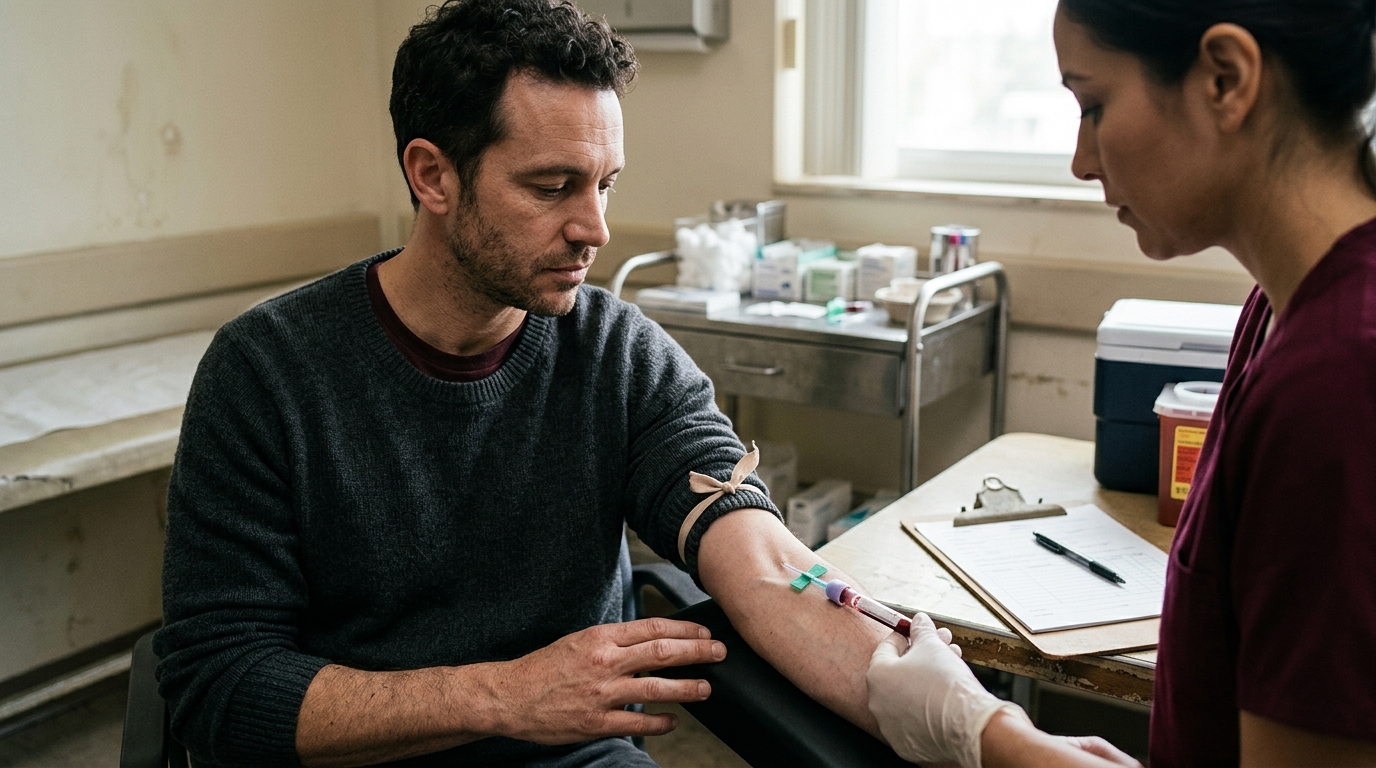
Accurate hormone assessment requires strict adherence to standardized laboratory practices. Testosterone levels fluctuate naturally throughout the day, and improper testing techniques can easily lead to a misdiagnosis.
Testosterone concentrations follow a distinct circadian rhythm, with the highest values occurring in the early morning. As the day progresses, circulating levels naturally decline.
Although the amplitude of this daily rhythm can diminish somewhat in older men, clinical guidelines consistently emphasize that all diagnostic blood samples should be drawn early in the morning. Provincial guidelines, such as those from British Columbia, recommend taking samples before 10:00 AM, preferably in a fasting state and while the individual is clinically well.
A single laboratory reading provides only a momentary snapshot of circulating hormones. Testosterone exhibits significant biological variability from day to day. Routine physiological fluctuations can cause a man's testosterone levels to vary by ten to fifteen percent between consecutive days, with differences of up to thirty percent observed across successive weeks.
Because of this natural fluctuation, professional organizations such as the Endocrine Society and the American Urological Association recommend confirming any initial low result with a repeat test. The second test should also be an early-morning, fasting sample collected on a completely separate day. A diagnosis should never be established on the basis of a single isolated measurement.
The analytical method used to measure hormones also influences result reliability. Immunoassays, while widely used in routine outpatient laboratories, can lack precision at lower concentrations or in the presence of altered binding proteins.
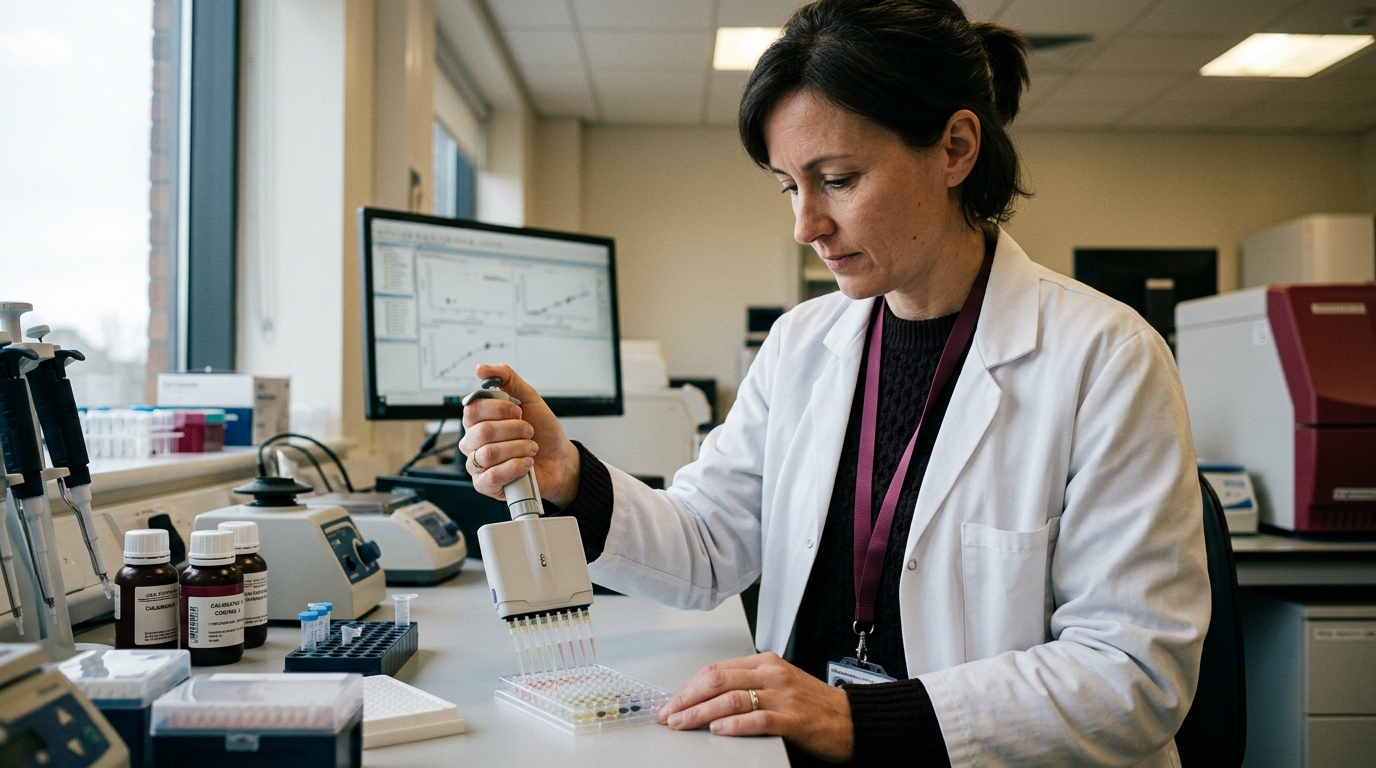
Liquid chromatography-tandem mass spectrometry is widely recognized as the gold standard for measuring total testosterone. For free testosterone, equilibrium dialysis is considered the reference standard. When evaluating borderline results, clinicians often prefer assays calibrated against these reference methods. You can learn more about standard collection guidelines by reviewing protocols for testosterone blood testing.
To understand how clinical principles operate in real-world medicine, healthcare providers use a systematic evaluation framework. This framework balances symptoms, proper testing conditions, and overall metabolic health.
The following illustrative case models show how this framework applies across diverse patient scenarios.
A seventy-two-year-old man visits his physician for an annual physical examination. He feels energetic, walks daily, and reports no sexual dysfunction or mood changes. A routine screening panel includes a total testosterone test that returns at 290 ng/dL, slightly below the standard 300 ng/dL reference threshold.
Clinical Assessment: Guidelines state that testosterone testing should not be performed in asymptomatic men. Because he exhibits no compatible clinical signs or symptoms, this isolated number does not indicate hypogonadism. The physician reviews the result, notes the absence of symptoms, and avoids unnecessary medical treatments.
A fifty-eight-year-old man reports a progressive six-month decline in libido, a complete absence of spontaneous morning erections, and difficulty maintaining erections. An initial morning fasting test reveals a total testosterone level of 210 ng/dL. A repeat morning fasting test performed three weeks later shows 225 ng/dL.
Clinical Assessment: The patient presents with specific sexual symptoms alongside two separate, consistently low early-morning laboratory results. The clinical criteria for hypogonadism are satisfied. The physician proceeds with secondary testing, including luteinizing hormone and prolactin measurements, to evaluate whether the origin is primary testicular failure or secondary pituitary suppression.
A forty-eight-year-old man gains thirty-five pounds over three years due to workplace stress and a sedentary lifestyle. He reports feeling sluggish and notes that his total testosterone reading is 260 ng/dL. His fasting glucose is elevated, and his sex hormone-binding globulin is low.
Clinical Assessment: The patient's low total testosterone is largely driven by obesity-induced suppression of sex hormone-binding globulin and metabolic inflammation. Rather than initiating lifelong hormone therapy, the physician collaborates with the patient on a structured nutrition, sleep, and physical activity plan. Over time, weight reduction can reverse functional suppression and restore circulating hormone levels.
A forty-two-year-old man works consecutive overnight shifts while caring for an ill family member, averaging less than four hours of broken sleep per night for two weeks. Feeling exhausted, he takes an afternoon blood test that reveals a total testosterone level of 240 ng/dL.
Clinical Assessment: The laboratory test was compromised by both afternoon timing and severe acute sleep debt. The physician explains that sleep restriction temporarily lowers daytime testosterone. The patient is advised to retest only after restoring a regular sleep schedule, using an early-morning fasting draw.
A sixty-eight-year-old man reports low energy, muscle weakness, and reduced libido. His total testosterone returns at 380 ng/dL, which sits within the standard laboratory reference range. However, his sex hormone-binding globulin is significantly elevated.
Clinical Assessment: Because sex hormone-binding globulin increases with age, total testosterone can mask a true deficit in circulating unbound hormone. The physician orders a calculated free testosterone test using equilibrium dialysis methodology. The free testosterone fraction is confirmed to be unequivocally low, aligning with the patient's clinical presentation and prompting further clinical evaluation.
Navigating hormone health requires thoughtful communication with your healthcare provider. Entering a clinical appointment with structured questions helps ensure a thorough, evidence-based evaluation.
Hormonal health is not a static measurement. You may want to return to this guide whenever your health circumstances evolve:
Aging is a complex, individualized process, and male hormone levels reflect the health of the entire body rather than the passage of time alone.
Testostra explains testosterone biology, testing, symptoms, lifestyle factors and TRT with careful sourcing and clear clinical limits.



Send us a question, research idea or topic suggestion. Reader questions help shape future Testostra content.
Contact Testostra