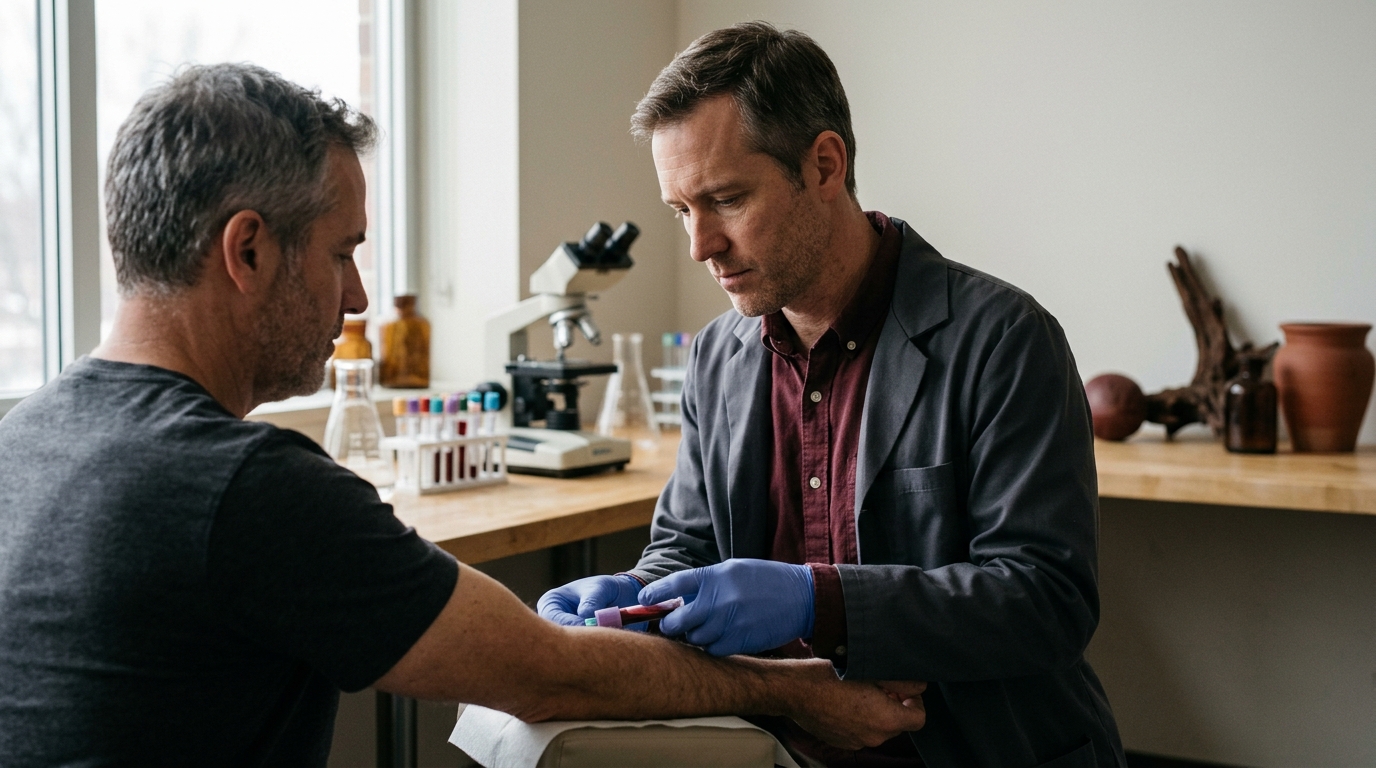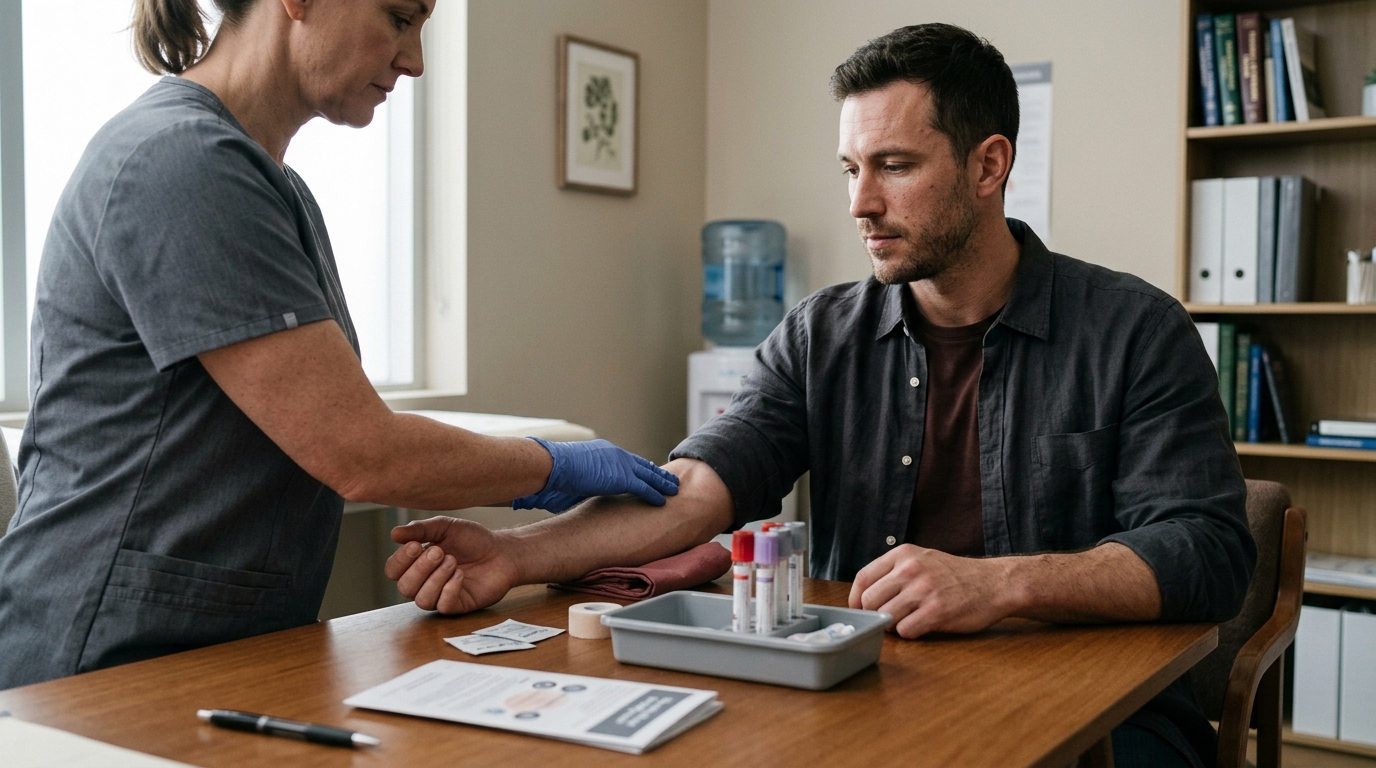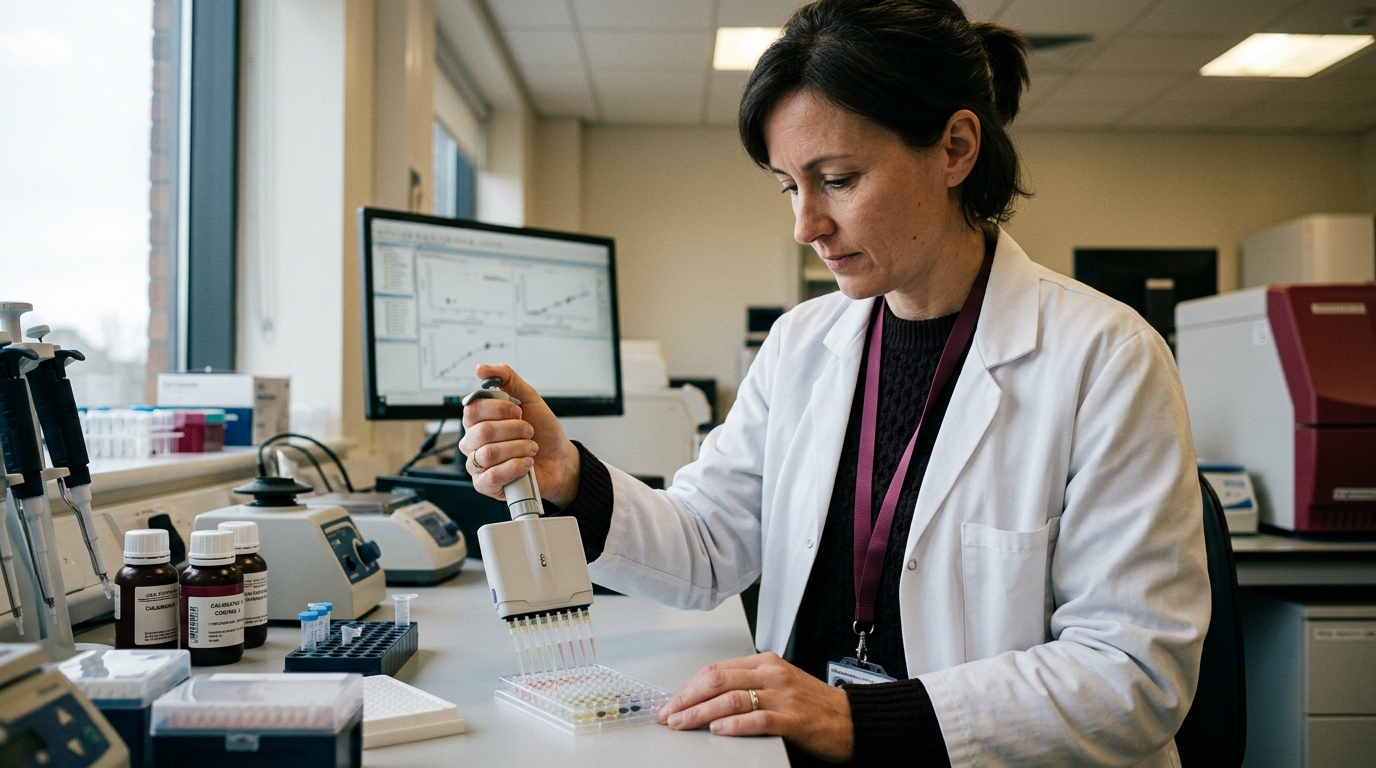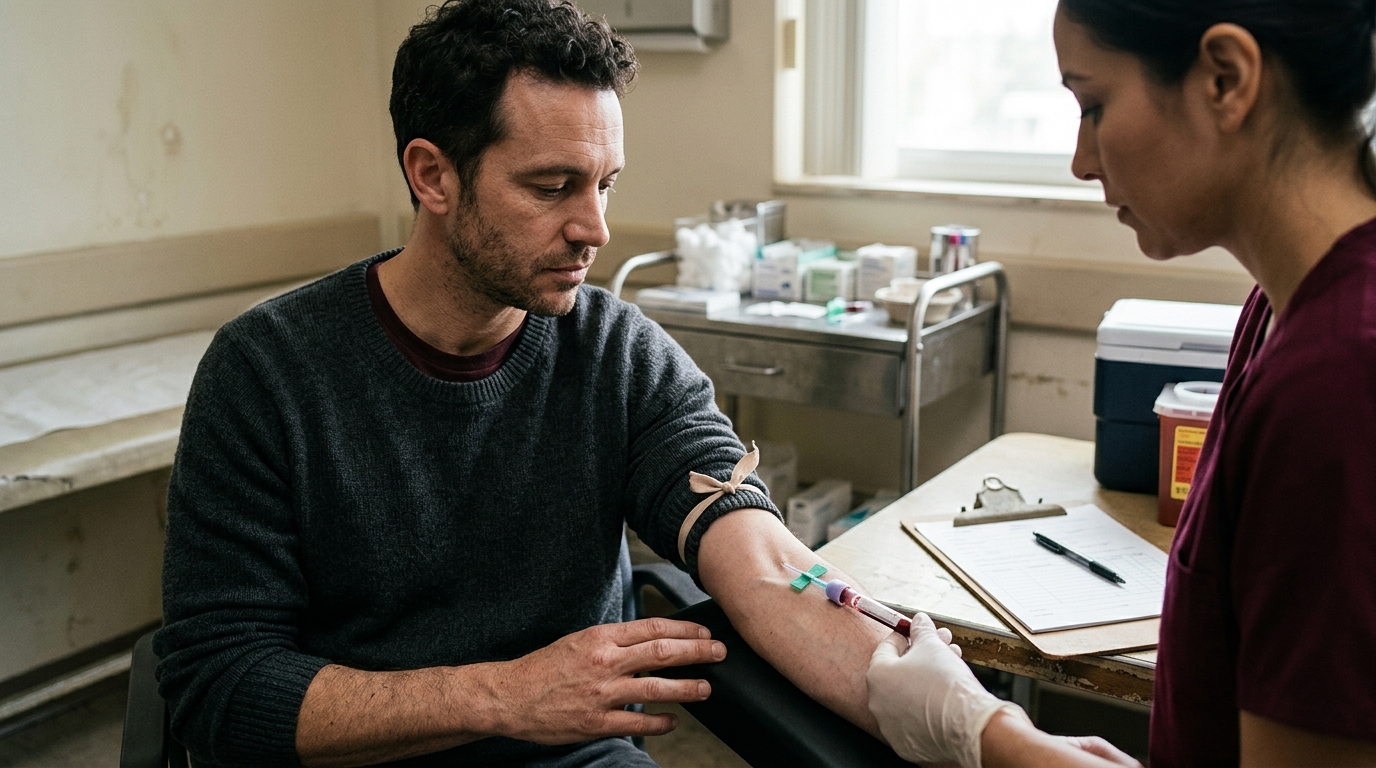

Diagnostic clarity improves when comparing specimen preparation, clinical accuracy, and laboratory testing methods between serum, plasma, and salivary testosterone hormone evaluations.





A testosterone test is not a single uniform measurement. It is an analytical procedure that evaluates a specific hormone fraction within a specific biological fluid using a specific laboratory technology. Comparing tests across serum, plasma, and saliva requires looking beyond the numerical result printed on a lab report.
A lab value is clinically meaningful only when the specimen matrix, the measured analyte, and the laboratory method are understood together. Evaluating testosterone involves separating the biological fluid collected from the fraction of hormone circulating within it.
This resource provides a comprehensive comparison of serum, plasma, and saliva testing for testosterone. It explains how specimen preparation alters test behavior, examines the strengths and limitations of primary laboratory technologies, and outlines the standard clinical framework used to interpret male androgen levels.
This article is for educational and informational purposes only. It is not intended to serve as individual medical advice, clinical diagnosis, or treatment guidance. Hormone testing and the diagnosis of male hypogonadism require comprehensive evaluation by a qualified healthcare professional. Always consult a physician regarding medical symptoms, lab test selection, and the interpretation of hormone panels.
Understanding a hormone panel requires breaking down three distinct analytical elements. Patients and clinicians often treat these elements as interchangeable, which leads to confusion when comparing results from different laboratories.
The first element is the specimen matrix. The matrix is the physical biological material collected from the patient, such as whole blood, serum, plasma, or oral fluid. Each matrix has unique biochemical properties, proteins, viscosities, and potential interfering substances.
The second element is the target analyte. Testosterone exists in several physiological states within the body. A test may target total testosterone, free testosterone, bioavailable testosterone, or salivary testosterone metabolites.
The third element is the analytical method. Laboratories use different testing technologies to isolate and quantify molecules, including automated immunoassays, equilibrium dialysis, and liquid chromatography-tandem mass spectrometry (LC-MS/MS).
A test result cannot be interpreted using the analyte name alone. A total testosterone result generated by an immunoassay using serum cannot be directly compared to a total testosterone result generated by mass spectrometry using plasma.
Evaluating any hormone result requires asking six foundational questions:
When these technical boundaries are ignored, laboratory values can be easily misinterpreted. Knowing how specimens are collected and processed is the first step in assessing their clinical value.
The biochemical differences between serum, plasma, and saliva begin at the moment of sample collection. The handling steps that occur before a sample reaches an analyzer directly affect the molecular composition of the fluid.
Serum is produced by collecting whole blood in a tube without anticoagulants, allowing the blood to clot naturally over thirty to sixty minutes. Centrifugation then separates the solid clot from the liquid supernatant. During this process, clotting proteins, particularly fibrinogen, are consumed and removed from the fluid.
Plasma is produced by collecting whole blood in tubes containing chemical anticoagulants, such as lithium heparin, ethylenediaminetetraacetic acid (EDTA), or sodium citrate. These additives prevent the clotting cascade from activating. When the tube is centrifuged, the cellular components settle at the bottom, leaving liquid plasma that retains fibrinogen and other clotting factors.
Saliva is an entirely different biological matrix produced by the major and minor salivary glands. It consists primarily of water, electrolytes, digestive enzymes, and antimicrobial proteins. Unlike blood, saliva contains very low concentrations of large plasma proteins.
Because albumin and sex hormone-binding globulin (SHBG) are large proteins, they do not readily pass through the salivary gland epithelium. Consequently, saliva contains only a tiny fraction of the total hormone circulating in the vascular system. Most research indicates that salivary testosterone concentrations represent less than two to three percent of the total concentration found in circulating blood.
These biochemical variations mean that each matrix presents distinct challenges for diagnostic equipment. Reagents designed to bind testosterone in serum may interact unpredictably with the anticoagulant chemicals in plasma or fail to detect the minuscule hormone concentrations present in saliva.
Serum total testosterone is the primary biomarker recommended by the Endocrine Society and major international urological associations for the initial evaluation of male hypogonadism. Decades of clinical trials, epidemiological databases, and diagnostic reference ranges have been constructed around morning serum samples.
Circulating testosterone follows a pronounced diurnal rhythm in healthy adult males. Levels peak during the early morning hours and decline progressively throughout the afternoon and evening. This daily cycle is particularly prominent in men under forty-five years of age.
To ensure consistency, clinical guidelines specify that blood collection must occur in the morning, typically between 8:00 AM and 10:00 AM, while the patient is fasting. Food consumption, particularly glucose and mixed meals, causes a temporary reduction in circulating testosterone concentrations. Obtaining a sample after eating can create a false impression of hormone deficiency.
A single low serum reading is never sufficient to establish a medical diagnosis. The Endocrine Society notes that approximately 30 percent of men who display an initial testosterone concentration in the hypogonadal range have normal concentrations when retested on a separate morning.
Day-to-day biological fluctuation, transient stress, poor sleep, and minor viral illnesses can all temporarily suppress androgen output. Clinical protocols therefore require a low result to be confirmed with a second fasting morning test before initiating further diagnostic steps.
For standardized total testosterone testing in healthy, non-obese men aged 19 to 39 years, the CDC-standardized reference range spans roughly 264 to 916 ng/dL for the 2.5th to 97.5th percentiles. However, diagnostic interpretation must always account for the patient's symptoms, overall clinical presentation, and specific laboratory methodology.
Understanding the broader context of testosterone testing and biomarkers helps prevent premature conclusions based on single laboratory readings.
Although both serum and plasma are derived from whole blood, they are not universally interchangeable in hormone testing. Whether plasma is acceptable for a testosterone assay depends entirely on the analytical platform and the specific anticoagulant used during collection.
Chemical anticoagulants alter the sample matrix in ways that can interfere with laboratory measurements. For example, EDTA binds divalent cations such as calcium and magnesium, which can disrupt the enzymatic reactions used in certain automated immunoassay platforms. Sodium citrate dilutes the blood sample, requiring mathematical correction factors that introduce potential calculation errors.
Major diagnostic platforms demonstrate distinct matrix requirements:
These platform-specific differences illustrate why a blanket assumption that plasma equals serum is clinically unsafe. One laboratory instrument may handle lithium-heparin plasma effectively, while another instrument exhibits negative analytical bias when analyzing the same tube.
When monitoring testosterone levels over time, patients and clinicians should ensure that consistent collection tubes and specimen types are utilized. Switching between serum separator tubes and plasma collection tubes can introduce analytical noise that mimics true biological change.
Salivary testing has gained popularity in research settings and commercial wellness panels due to its non-invasive collection process. Rather than requiring venipuncture, patients provide a fluid sample by spitting into a tube. However, understanding what saliva measures is essential for interpreting its clinical utility.
Because large binding proteins do not pass freely into salivary secretions, saliva contains predominantly unbound steroid molecules. Salivary testosterone is therefore studied as a non-invasive proxy for circulating free testosterone rather than total testosterone.
Peer-reviewed studies using sensitive LC-MS/MS methods have shown moderate statistical correlations between salivary testosterone and calculated serum free testosterone. In one notable investigation, researchers observed a correlation coefficient of r = 0.71 in men and r = 0.39 in women. The same study revealed a weaker correlation with serum total testosterone, recording r = 0.50 in men and r = 0.37 in women.
A statistical correlation indicates that two measurements tend to rise and fall together across a population. It does not establish that the numbers share numerical equivalence, utilize the same reference intervals, or identify disease states with equal accuracy.
Salivary testing faces several critical analytical and physiological limitations:
Because salivary testosterone concentrations are extremely low, diagnostic assays must possess exceptional analytical sensitivity. In research settings using LC-MS/MS, lower limits of quantification typically reach down to 5 pmol/L. Standard commercial immunoassays frequently struggle with precision at these low concentrations, leading to high rates of measurement error.
Salivary steroid measurements are highly sensitive to oral contamination. The presence of microscopic traces of blood in the oral cavity, caused by gingivitis, vigorous tooth brushing, or recent dental procedures, dramatically skews results. Because blood contains forty to fifty times more testosterone than saliva, even undetectable micro-bleeding artificially elevates salivary hormone readings.
The method used to collect saliva directly impacts hormone recovery. Several studies have demonstrated that commercial cotton or synthetic swab devices can bind testosterone non-specifically, preventing the hormone from being extracted during laboratory analysis. For this reason, steroid research protocols typically mandate passive drool collection into plain polypropylene tubes rather than absorbent swabs.
Unlike serum total testosterone, which benefits from CDC standardization initiatives, salivary testosterone lacks harmonized international reference ranges. Reference intervals published in individual research studies belong exclusively to the specific methodology, collection protocol, and cohort investigated. They cannot be applied broadly to clinical decision-making.
For these reasons, major endocrine societies do not recommend salivary testosterone testing for diagnosing male hypogonadism or guiding clinical treatment decisions. Men looking into low testosterone signs and causes should rely on validated blood measurements.
The reliability of a testosterone measurement is governed by the analytical chemistry used to detect the molecule. The two primary technologies utilized in modern clinical laboratories are automated immunoassays and mass spectrometry.
Immunoassays rely on antibodies designed to bind specifically to the testosterone molecule. Once bound, a chemical or luminescent tag generates a measurable signal proportional to the hormone concentration.
Immunoassays are cost-effective, automated, and capable of processing hundreds of blood samples per hour. However, their primary limitation is cross-reactivity. The antibodies used in these platforms can unintentionally bind to structurally similar steroid molecules, such as androstenedione, dihydrotestosterone (DHT), or dehydroepiandrosterone sulfate (DHEA-S).
Furthermore, immunoassays often exhibit poor precision at lower hormone concentrations, such as those found in women, children, and hypogonadal men. Immunoassays are also vulnerable to pre-analytical interferences, including high circulating levels of dietary biotin, which can distort results on certain commercial platforms.
The potential scale of laboratory variation was highlighted in an Endocrine Society review of 1,133 laboratories using 14 different assays. When analyzing the exact same serum sample from a hypogonadal male, reported results ranged from a low of 45 ng/dL to a high of 365 ng/dL. This finding demonstrates why comparing raw values across different laboratory platforms is clinically invalid.
LC-MS/MS is widely regarded as the gold standard analytical method for steroid hormone quantification. In this process, chromatography physically separates the molecules within a sample based on their chemical properties. The separated molecules are then ionized and sorted according to their precise mass-to-charge ratio in a tandem mass spectrometer.
Because mass spectrometry identifies molecules by their exact physical mass and fragmentation patterns rather than antibody binding, it eliminates cross-reactivity from interfering steroids. It provides superior analytical specificity, high accuracy, and exceptional sensitivity across low concentration ranges.
Clinical guidelines strongly recommend using LC-MS/MS assays that are certified by the CDC Hormone Standardization Program (HoST) or verified through external quality-control programs, especially when evaluating borderline hormone levels.
A critical distinction must be made regarding free testosterone testing. Direct analog free testosterone tests use a labeled testosterone analog that competes with free testosterone for antibody binding sites.
The Endocrine Society explicitly advises against using direct analog free testosterone immunoassays. These assays are notoriously inaccurate because the analog tracer binds unpredictably to serum proteins, producing results that correlate poorly with true physiological concentrations.
When free testosterone measurement is clinically necessary, guidelines recommend using equilibrium dialysis or calculated formulas based on total testosterone, SHBG, and albumin.
For a deeper look into hormone physiology, see our guide to testosterone fundamentals and hormonal function.
Testosterone does not operate in isolation. Accurately assessing male hormonal health requires evaluating several complementary biomarkers that regulate steroid transport, production, and feedback loops.
SHBG is a liver-derived glycoprotein that binds circulating testosterone with high affinity. Approximately 44 to 60 percent of circulating testosterone in men is bound tightly to SHBG, rendering it temporarily inactive for immediate tissue uptake.
Alterations in SHBG concentrations dramatically change total testosterone readings without necessarily altering the amount of biologically active free hormone:
Albumin is the most abundant protein in blood plasma. Roughly 38 to 54 percent of circulating testosterone binds loosely to albumin. Because this binding bond is weak, albumin-bound testosterone readily dissociates within capillary beds and is considered part of the bioavailable hormone pool alongside free testosterone. Accurate albumin measurements are necessary when calculating free testosterone concentrations mathematically.
Free testosterone represents the unattached hormone fraction, accounting for roughly 1 to 4 percent of total circulating testosterone. When equilibrium dialysis is unavailable, validated formulas such as the Vermeulen equation use total testosterone, SHBG, and albumin to calculate free testosterone.
Calculated free testosterone is only as accurate as its input values. If total testosterone is measured using an uncalibrated immunoassay or SHBG is measured inaccurately, the resulting calculated value will also be unreliable.
LH and FSH are gonadotropins secreted by the anterior pituitary gland. LH stimulates Leydig cells in the testes to synthesize testosterone, while FSH supports spermatogenesis in Sertoli cells.
Measuring gonadotropins helps differentiate the primary origin of a hormone disorder:
Prolactin is a pituitary hormone that can suppress gonadotropin-releasing hormone (GnRH) secretion when elevated. Significant hyperprolactinemia can cause secondary hypogonadism, low libido, and erectile dysfunction. Evaluating prolactin helps clinicians identify pituitary adenomas or medication-induced endocrine suppression.
To learn more about the scientific research behind these biomarkers, explore our dedicated section on testosterone testing and research.
When evaluating diagnostic literature, clinicians distinguish between established clinical practice guidelines, analytical validation studies, and preliminary exploratory research. These categories carry different levels of scientific certainty.
Established clinical practice guidelines represent the highest level of diagnostic authority. Recommendations published by the Endocrine Society, the American Urological Association, and the European Association of Urology are based on systematic reviews of clinical trials and decades of epidemiological data. These guidelines uniformly recommend serum blood tests collected under fasting morning conditions for clinical diagnosis.
Analytical validation studies evaluate whether a specific machine or chemical reagent can reliably detect a target molecule within a specific fluid. These studies establish technical parameters such as limits of detection, limits of quantification, recovery rates, and cross-reactivity profiles. While an assay may prove analytically precise in a laboratory validation study, that precision alone does not make the test clinically validated for diagnosing disease.
Observational and exploratory research includes studies evaluating salivary testosterone in specific patient groups, such as athletes, psychiatric cohorts, or patients with chronic kidney disease. For instance, a 2025 study in individuals with chronic kidney disease on hemodialysis observed positive correlations between salivary free testosterone and calculated free testosterone only within specific concentration subgroups.
These exploratory studies provide valuable physiological insights, but they do not establish universal diagnostic cutoffs. They cannot justify substituting saliva for established blood protocols in clinical practice.
Readers interested in the clinical applications of hormone research can consult our resource center on TRT and emerging research.
In clinical practice, laboratory results rarely present in a simple, textbook fashion. Clinicians regularly encounter conflicting data points, borderline values, and pre-analytical interferences. The following clinical patterns illustrate how specimen matrix, testing methodology, and patient physiology interact.
A 42-year-old male presents with fatigue and low mood. An initial morning serum total testosterone test returns a value of 240 ng/dL, which falls below the standard reference range. A repeat fasting test performed two weeks later on a separate morning reveals a total testosterone level of 380 ng/dL.
This pattern illustrates standard biological variability. Transient lifestyle stressors, acute sleep fragmentation, or an unrecorded breakfast prior to the first blood draw can temporarily lower circulating testosterone. This scenario reinforces why clinical guidelines require two separate fasting morning samples before diagnosing biochemical deficiency.
A 50-year-old male with a body mass index of 34 kg/m² and poorly controlled type 2 diabetes displays a serum total testosterone level of 230 ng/dL. Because obesity and insulin resistance suppress hepatic SHBG synthesis, his measured SHBG level is only 12 nmol/L. When free testosterone is evaluated using equilibrium dialysis, the result falls comfortably within the normal range.
In this scenario, the low total testosterone reading reflects reduced carrier protein availability rather than true testicular failure. Treating this patient based solely on total testosterone would misdiagnose his condition. The underlying metabolic disturbance is the primary issue affecting his hormone panel.
A 68-year-old male presents with progressive loss of muscle mass and decreased libido. His serum total testosterone is reported at 420 ng/dL, which appears adequate on a standard laboratory reference sheet. However, his SHBG is elevated at 75 nmol/L due to age-related shifts in protein synthesis.
Because the majority of his circulating hormone is bound tightly to excess SHBG, his calculated free testosterone is significantly depressed. This case demonstrates why relying exclusively on total testosterone in older men or individuals with elevated SHBG can obscure a meaningful deficiency in biologically active hormone.
A patient undergoing hormone monitoring has blood drawn at two different facilities within the same week. Facility A collects blood in a serum separator tube and reports total testosterone at 450 ng/dL via an LC-MS/MS platform. Facility B collects blood in an EDTA plasma tube and processes it on an automated immunoassay, reporting 310 ng/dL.
This apparent drop in testosterone is an artifact of specimen handling and methodology. The immunoassay used by Facility B was not validated for EDTA plasma, resulting in chemical interference that artificially suppressed the luminescent signal. The two results cannot be directly compared.
A man uses a direct-to-consumer saliva kit to check his hormone levels. The test reports an extraordinarily high salivary testosterone reading exceeding 600 pmol/L. Upon clinical review, the patient mentions that he brushed his teeth vigorously and flossed twenty minutes before providing the saliva sample.
Vigorous brushing caused minor gum abrasion, allowing microscopic amounts of blood to seep into the oral fluid. Because blood contains substantially higher hormone concentrations than saliva, this trace contamination invalidated the sample.
Men navigating these diagnostic complexities can review broader clinical considerations in our overview of low testosterone.
Navigating hormone testing requires open, informed communication with a healthcare provider. Patients can use the following structured questions to guide clinical discussions:
These questions help keep the diagnostic process focused on validated clinical evidence.
Fingerstick tests collect capillary blood from the fingertip rather than venous blood from a vein. While dried blood spot and capillary testing can be analytically valid for specific screening applications when processed by certified mass spectrometry laboratories, they are subject to pre-analytical errors.
Milking or squeezing the finger during collection can cause tissue fluid to dilute the sample, and red blood cell rupture (hemolysis) can interfere with certain assays. A venous blood draw remains the gold standard for clinical diagnosis.
Laboratories use different measurement systems depending on their geographic location and platform standards. In the United States, total testosterone is typically reported in nanograms per deciliter (ng/dL). In Europe, Canada, and Australia, it is commonly reported in nanomoles per liter (nmol/L).
To convert nmol/L to ng/dL, multiply the value by 28.84. To convert ng/dL to nmol/L, divide the value by 28.84 or multiply by 0.0347. Always confirm the units of measurement before comparing test results from different sources.
Drinking plain water does not affect circulating testosterone levels and is encouraged before a blood draw to ensure adequate hydration. Dehydration can make venipuncture more difficult and temporarily alter blood volume. However, caloric beverages, coffee with milk or sugar, energy drinks, and breakfast foods must be avoided because caloric intake suppresses circulating testosterone concentrations.
Salivary testing is not recommended for monitoring testosterone replacement therapy (TRT). Exogenous testosterone, particularly topical gels or creams applied to the skin, can easily contaminate hands, clothing, and collection tubes, leading to massive measurement artifacts. Furthermore, clinical treatment targets and safety parameters established in medical guidelines are defined entirely by serum blood concentrations.
Testostra explains testosterone biology, testing, symptoms, lifestyle factors and TRT with careful sourcing and clear clinical limits.



Send us a question, research idea or topic suggestion. Reader questions help shape future Testostra content.
Contact Testostra