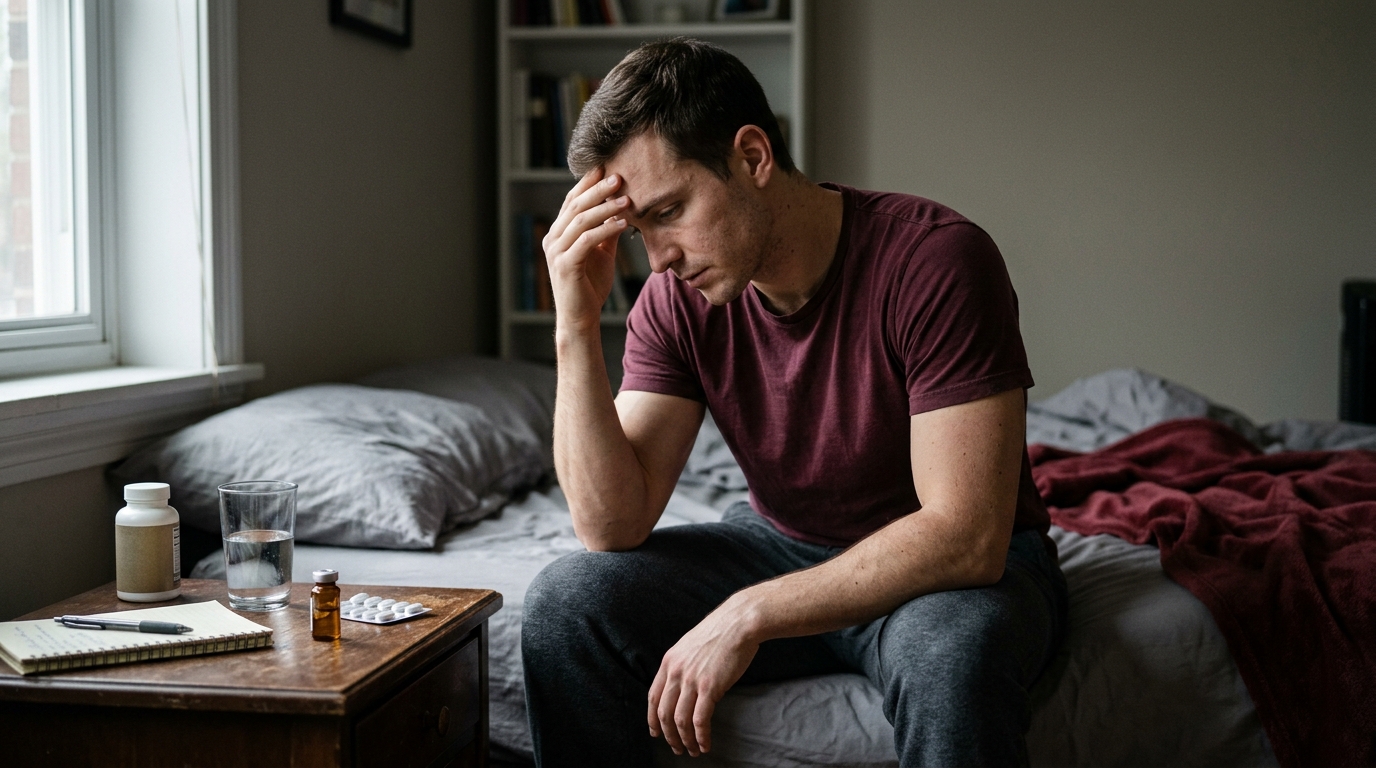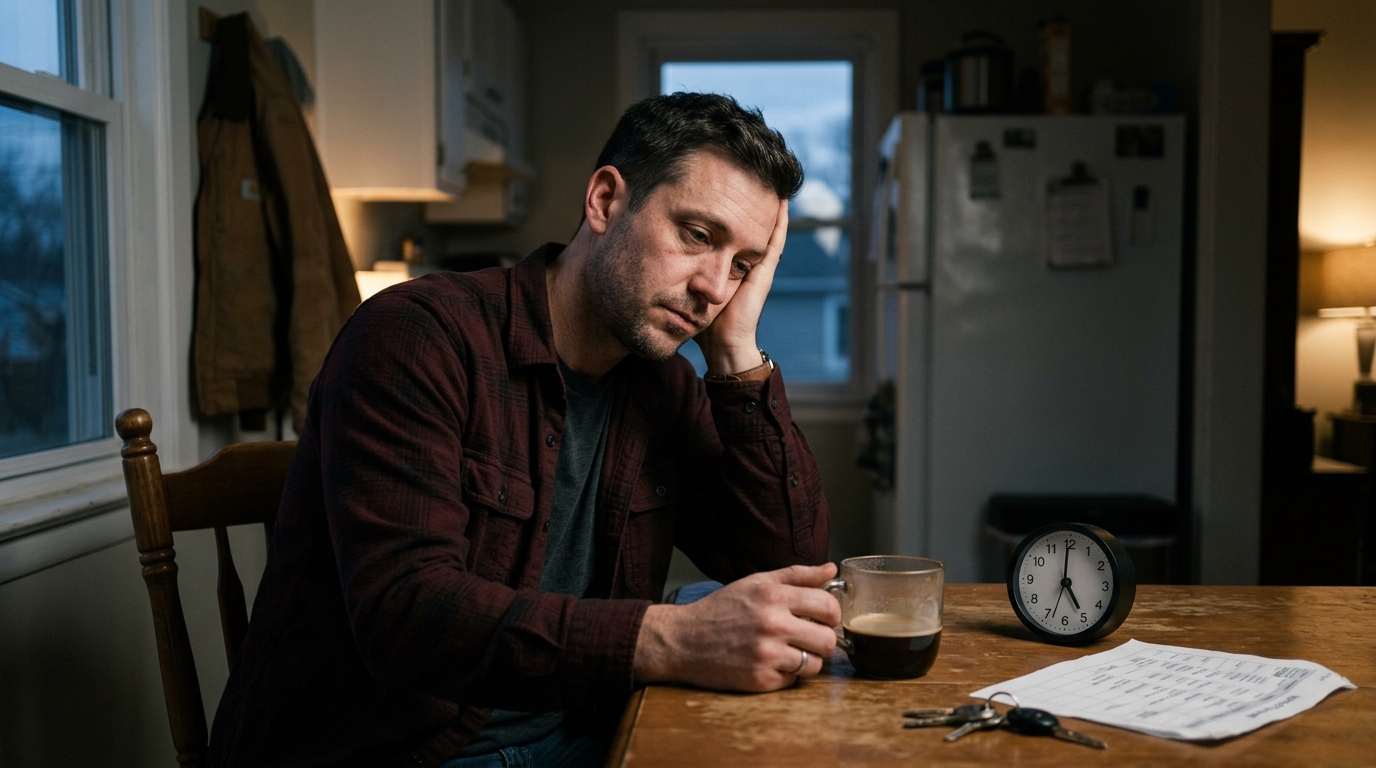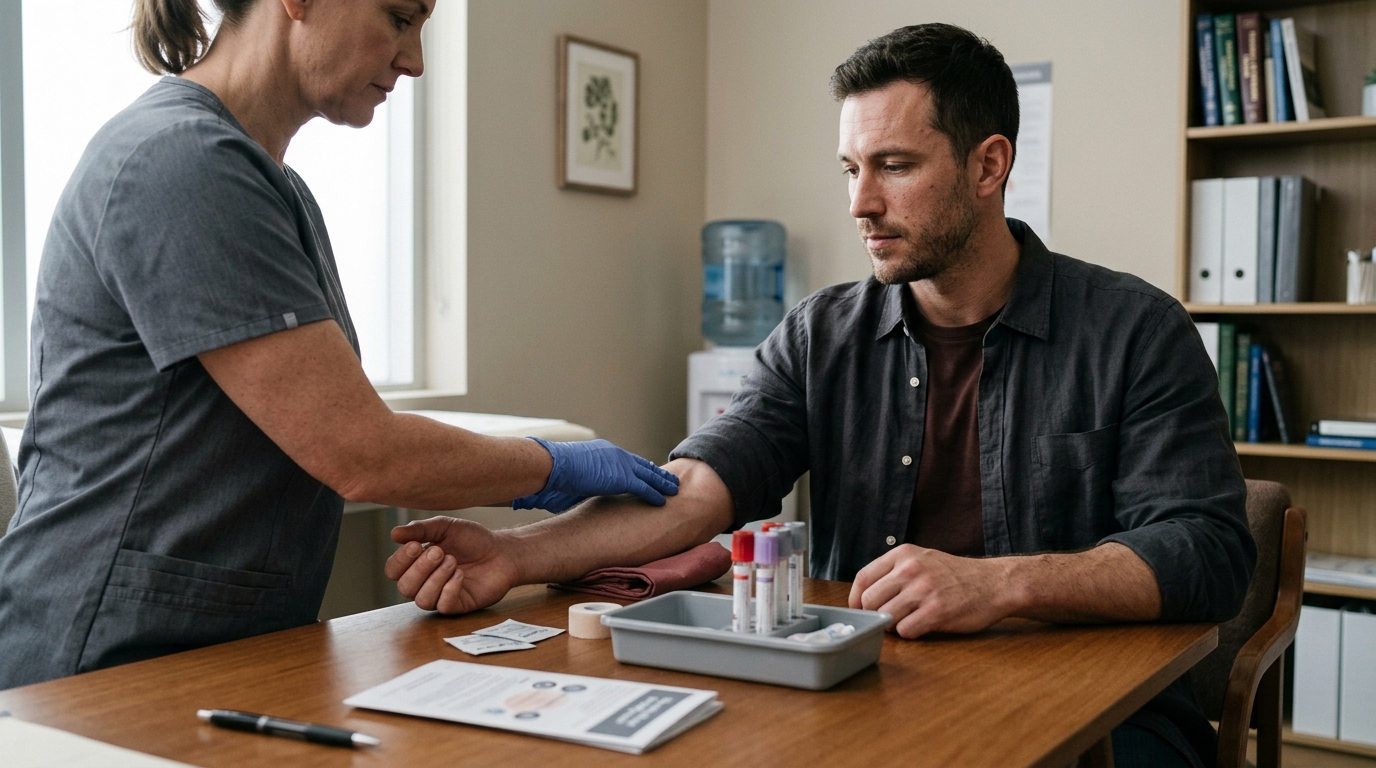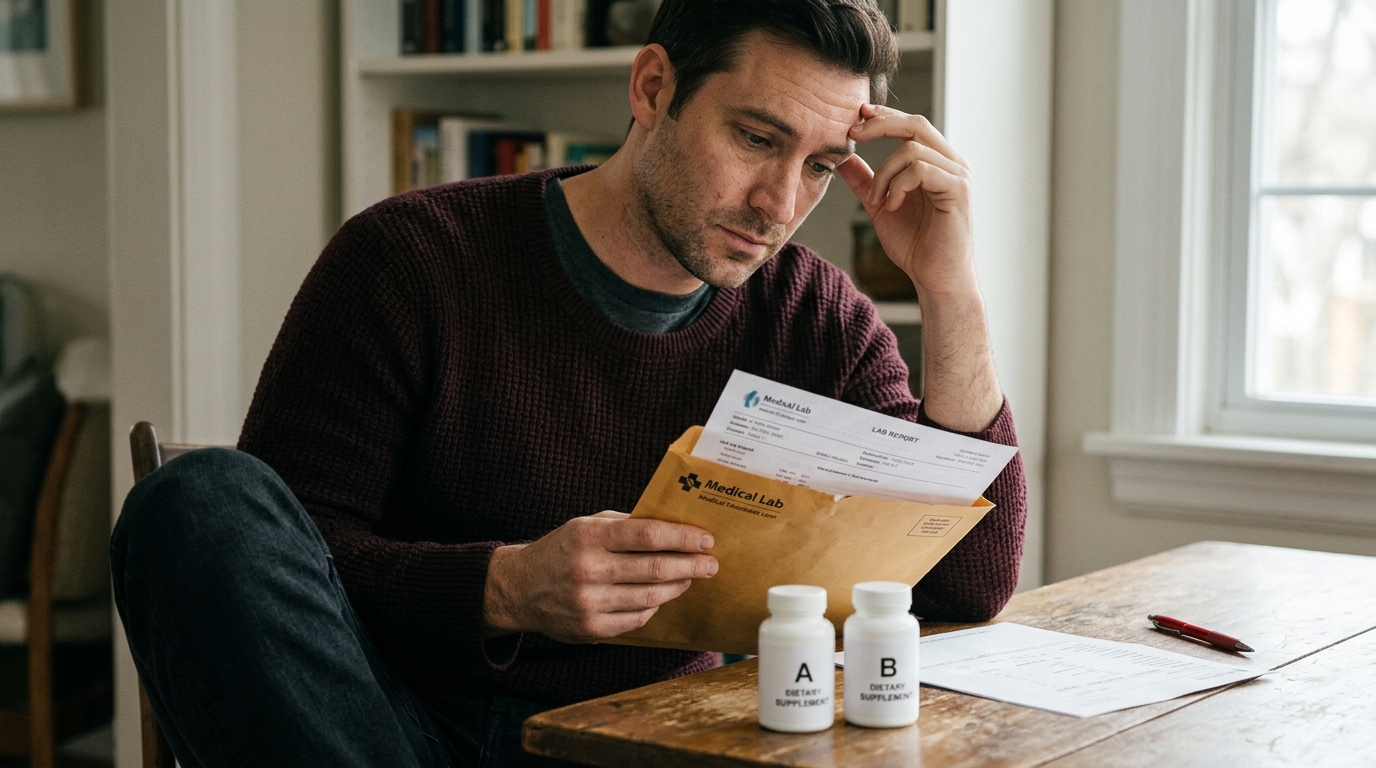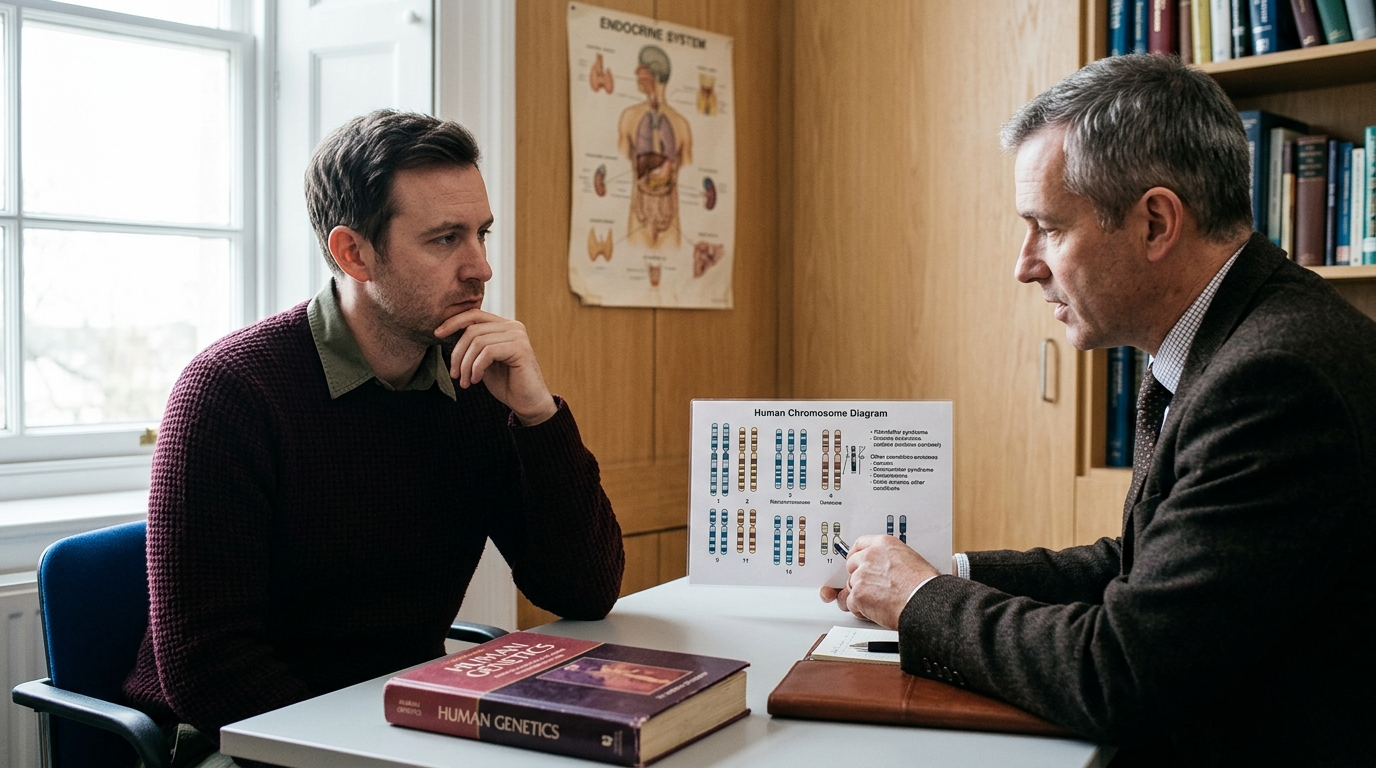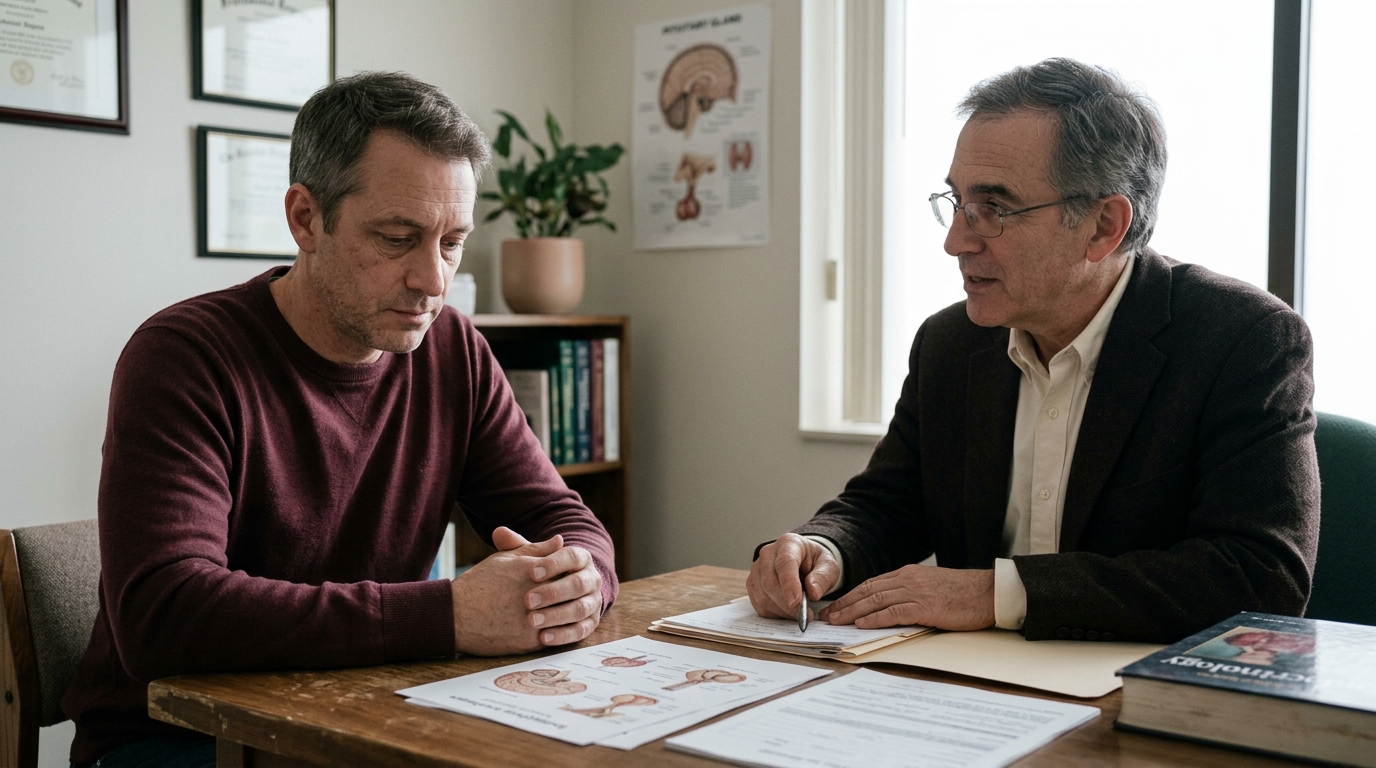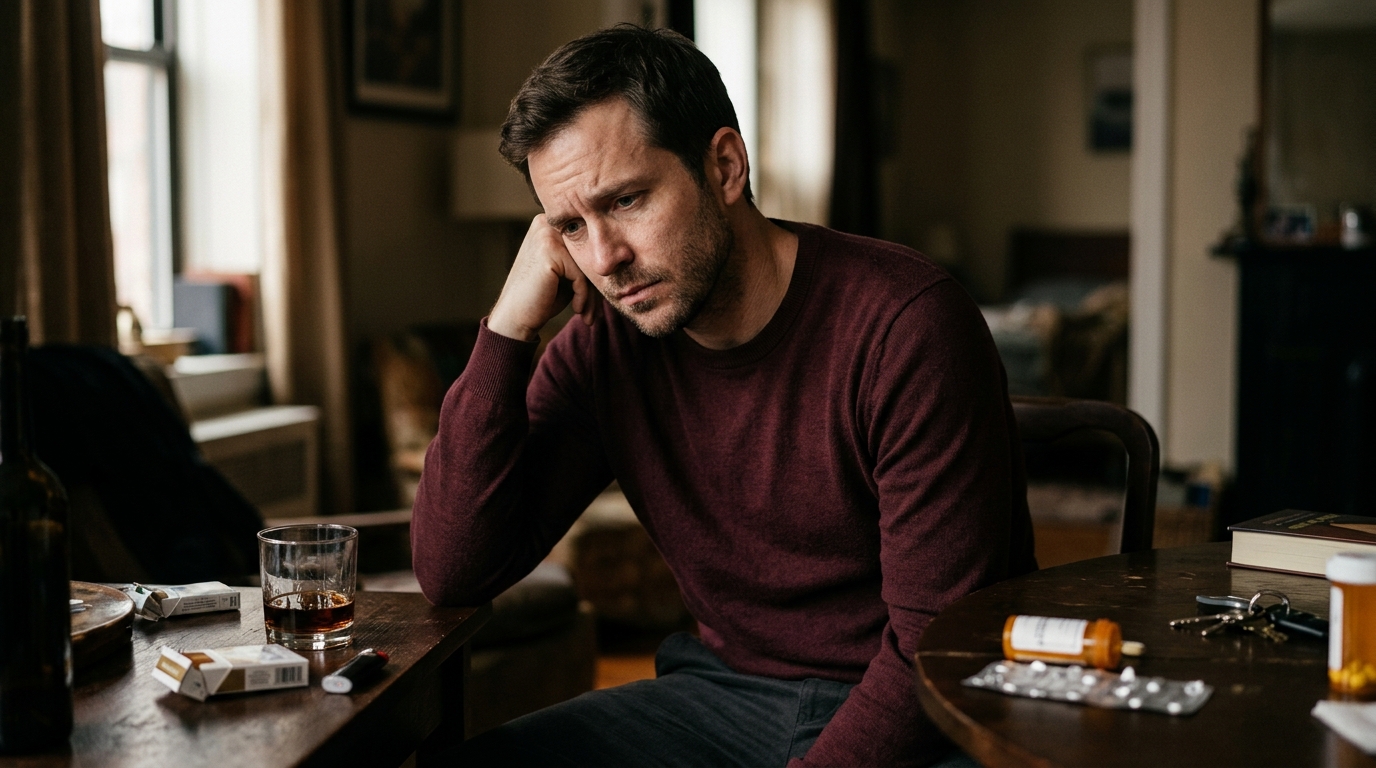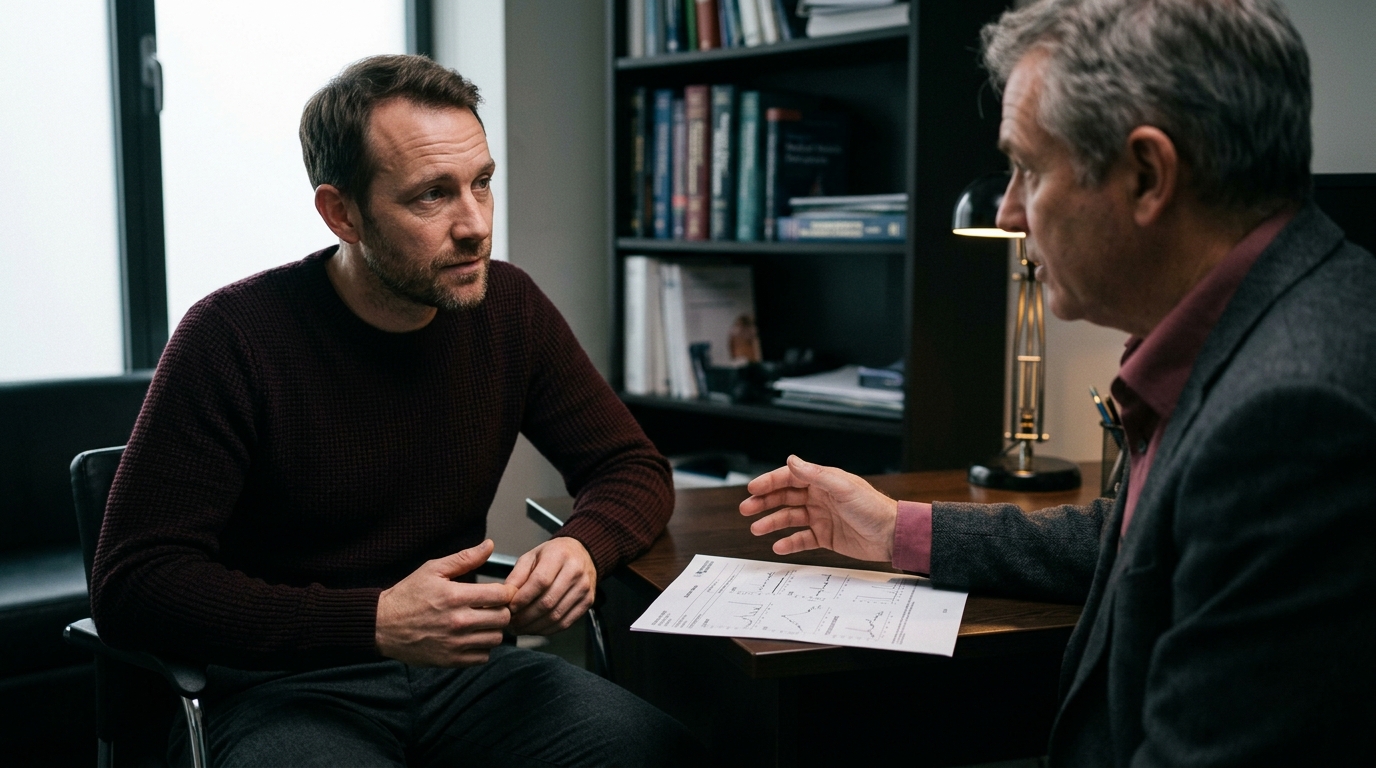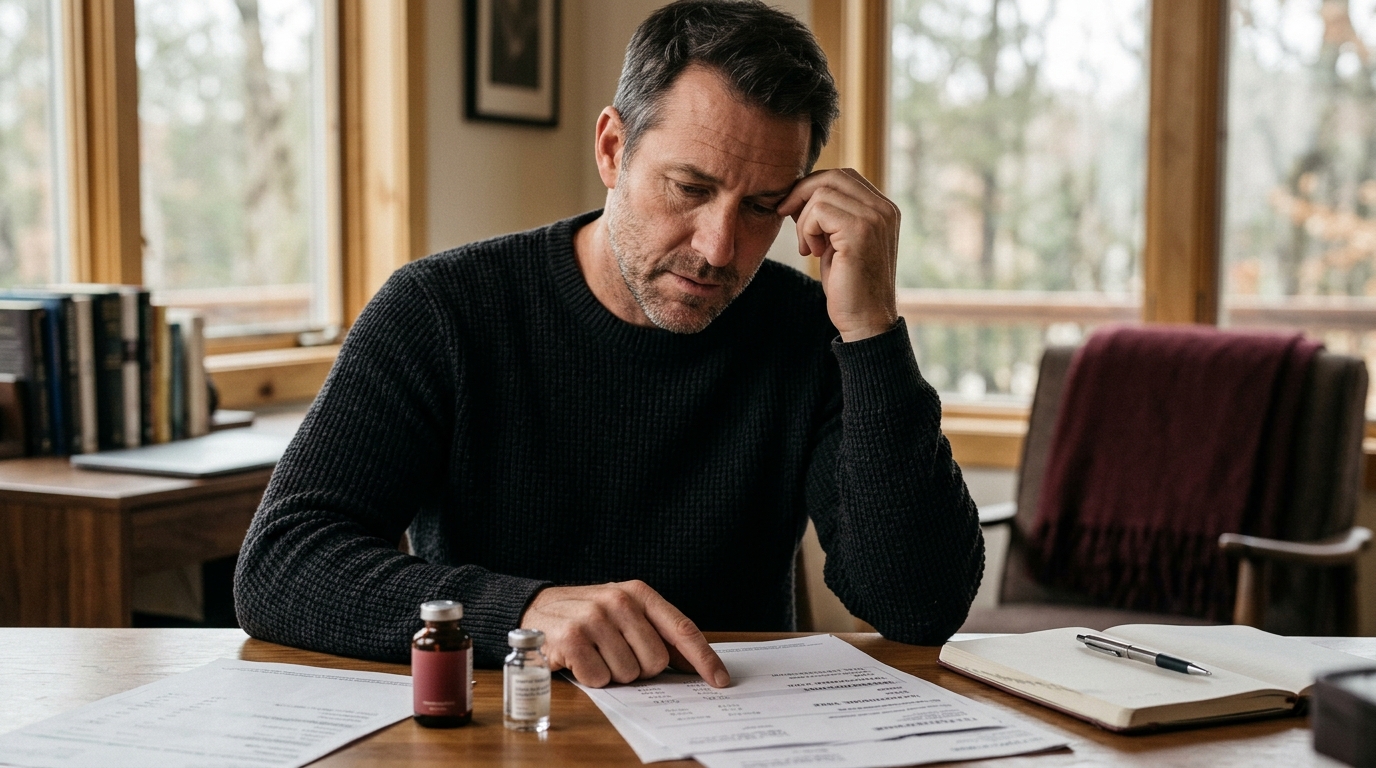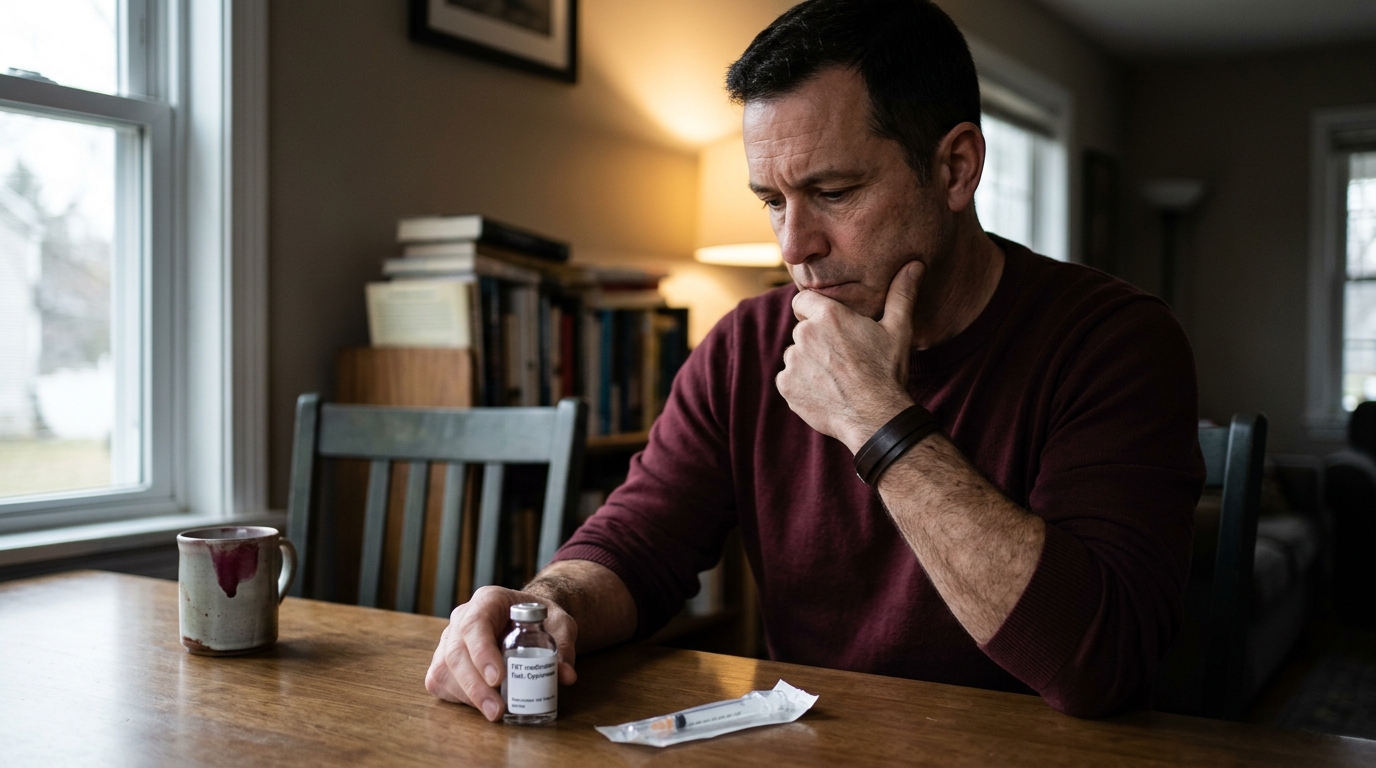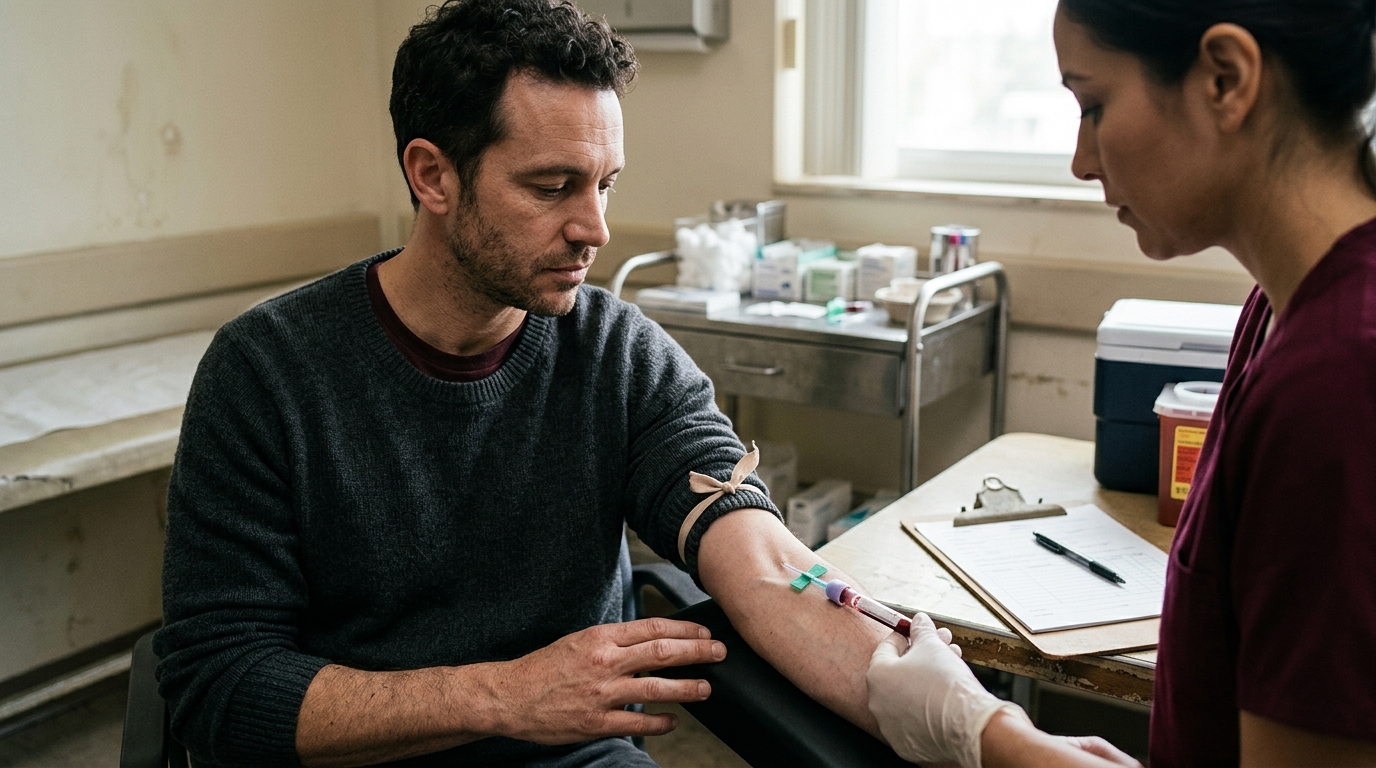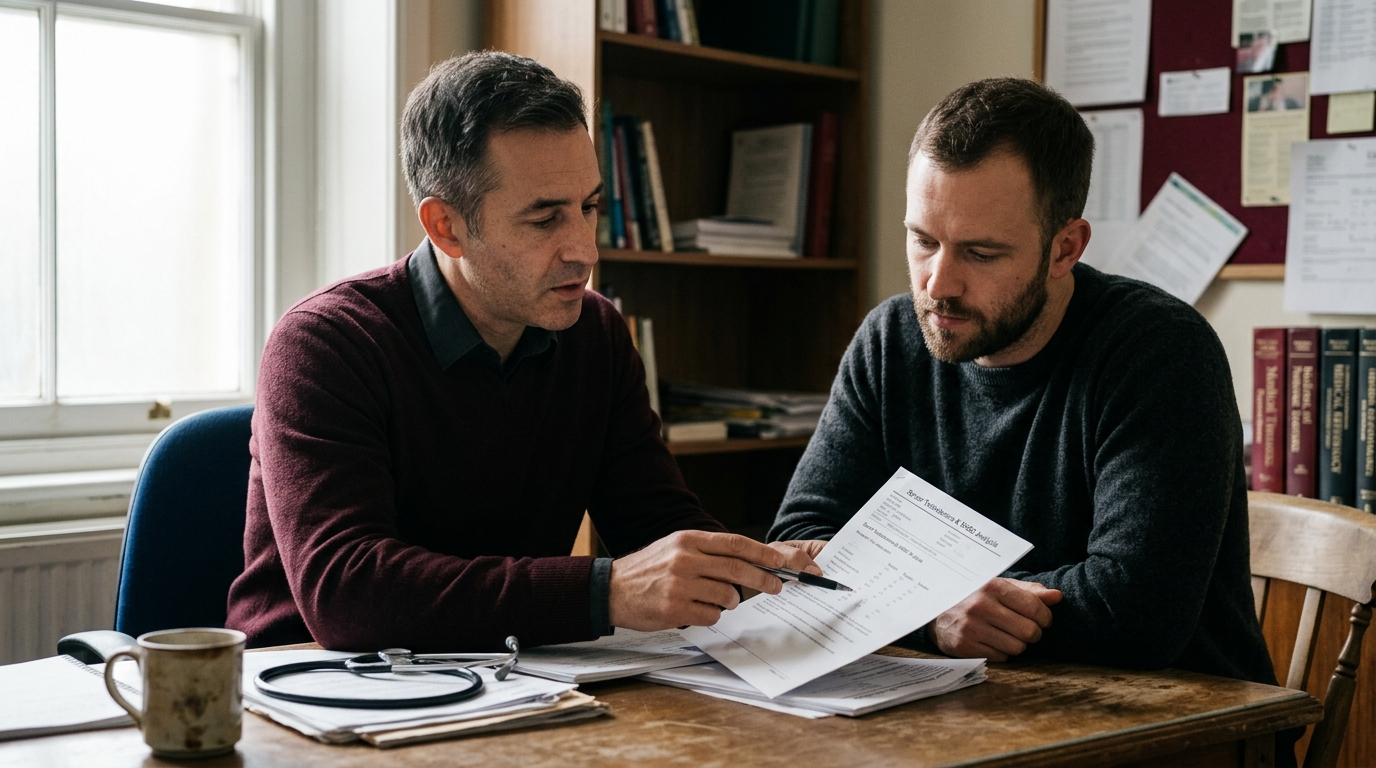

Four stages of the training continuum reveal how under-recovery, poor sleep, and energy deficits suppress male hormone levels and physical performance.





You increase your weekly mileage or add extra sets to your lifting routine. At first, you feel productive and driven. Over the next month, your progress stalls, your morning energy drops, and your weights feel heavier than usual. You wonder if your testosterone has crashed from working too hard, or if you just need an extra rest day.
This scenario is common among active men. Intense exercise is a powerful stimulus for physical adaptation, but the body does not build strength during the workout itself. Progress happens during recovery, when tissues repair and endocrine signals rebalance. When physical exertion consistently outpaces rest, nutrition, and sleep, systemic strain begins to accumulate.
Understanding how heavy workloads interact with male hormonal health requires looking at the full physiological picture. Testosterone is one component of a broader regulatory network. This guide breaks down the science of training stress, energy availability, sleep restriction, and endocrine function to help you navigate your training safely and sustainably.
This resource is designed for educational and informational purposes only. It does not constitute personal medical advice, clinical diagnosis, or treatment recommendations. Hormonal health, athletic fatigue, and endocrine function involve complex biological systems that require individualized assessment.
If you suspect you have an endocrine disorder, persistent overtraining syndrome, or clinically low testosterone, consult a qualified healthcare provider. Never begin, alter, or discontinue any medical protocol, hormone therapy, or severe dietary restriction based solely on digital health resources.
The relationship between physical exertion and male hormones is defined by training load, energy intake, and rest. The most essential points from current exercise science and endocrinology include:
Physical training relies on the principle of overload. To stimulate physiological adaptation, you must apply a stressor that exceeds your current baseline capacity. When followed by appropriate rest and nutrition, the body recovers and rebuilds stronger. When excessive stress accumulates without adequate recovery, the body struggles to maintain normal homeostatic balance.
Sports scientists categorize this accumulation along a continuum. Distinguishing between these stages is critical for understanding what is happening in your body.
Acute fatigue is the immediate tiredness you feel after a challenging workout or hard training day. It typically resolves within 24 to 48 hours with basic rest and adequate meals.
Functional overreaching involves a deliberate or incidental block of increased training volume or intensity. It results in a temporary dip in performance that can last from several days to two weeks. When an athlete takes a planned deload or recovery period following functional overreaching, performance often rebounds above previous levels. This process is a normal, productive part of athletic progression.
Non-functional overreaching occurs when heavy training continues without sufficient rest or nutritional support. In this state, performance drops and remains depressed for several weeks or even months.
Athletes in this stage do not experience a positive rebound after a brief rest. Instead, they often experience psychological distress, persistent muscle soreness, disturbed sleep, and altered neuroendocrine function. The primary difference between functional and non-functional overreaching is the time required for full recovery. While non-functional overreaching is fully reversible, it requires a significant reduction in training stress.
Overtraining syndrome is the most severe and prolonged state of exercise-induced maladaptation. It is characterized by a persistent decline in physical performance that lasts for months, and in some cases longer, despite prolonged rest.
This condition involves widespread neuroendocrine, immunological, and psychological dysregulation. Athletes with overtraining syndrome often suffer from severe mood disturbances, chronic fatigue, frequent infections, and metabolic suppression. Overtraining syndrome is not just feeling tired after a hard week. It is a profound physiological shutdown resulting from chronic, unmanaged allostatic load.
Heavy exercise volume is rarely the sole driver of endocrine suppression. In many cases, the primary underlying culprit is a lack of dietary fuel. When the calories you consume do not meet the combined demands of daily living and physical activity, your body enters a state of low energy availability.
When energy availability drops too low, the brain makes survival adjustments. It down-regulates non-essential biological processes such as reproductive function, bone remodeling, and thermoregulation to conserve calories for basic survival.
The International Olympic Committee defines Relative Energy Deficiency in Sport as a syndrome of impaired physiological and psychological functioning caused by prolonged low energy availability. While historically studied in female athletes, recent research confirms that male athletes are also susceptible.
In men, prolonged low energy availability can impair:
Understanding these risks is essential when managing lifestyle and natural support strategies for long-term health.
The Male Athlete Triad is a clinical framework that describes the relationship between three distinct elements: energy availability, reproductive axis suppression, and bone health.
When a man trains heavily while undereating, the brain reduces the secretion of gonadotropin-releasing hormone from the hypothalamus. This drop leads to reduced luteinizing hormone and follicle-stimulating hormone release from the pituitary gland. Without adequate stimulation from luteinizing hormone, the Leydig cells in the testes produce less testosterone.
Over time, this state of hypogonadotropic hypogonadism reduces bone mineral accrual and accelerates bone resorption. This leaves endurance athletes, cyclists, and weight-class competitors vulnerable to stress fractures.
Energy availability is defined scientifically as dietary energy intake minus exercise energy expenditure, normalized to fat-free mass. In clinical research, it is expressed as calories per kilogram of fat-free mass per day.
Calculating this number outside of a specialized laboratory is difficult and prone to substantial errors. Estimating caloric intake accurately from food logs is notoriously inaccurate. Similarly, wearable devices often miscalculate exercise energy expenditure during intense sessions.
Because of these calculation errors, leading international sports science consensus statements caution against relying on a single numeric cutoff to diagnose energy deficiency. Instead of calculating strict equations, men should evaluate their fueling trends alongside physical and hormonal symptoms.
Sleep is the primary physiological window for male hormonal production and tissue repair. The hypothalamic-pituitary-gonadal axis operates on a pronounced circadian rhythm. In healthy adult men, testosterone levels begin to rise upon falling asleep, peak during the early morning hours, and gradually decline throughout the day.
When sleep is restricted, fragmented, or irregular, this nocturnal endocrine cascade is disrupted.
Research demonstrates how rapidly sleep deficits can alter circulating hormone levels. A landmark study published in JAMA investigated the effects of one week of sleep restriction in healthy young men. After eight nights of five hours of sleep per night, participants experienced a 10 to 15 percent reduction in daytime testosterone levels compared to their well-rested baseline.
The participants also reported significant declines in overall mood, daytime vigor, and sense of well-being. Their lowest daytime testosterone concentrations occurred during the mid-afternoon and evening hours. This study illustrates that sleep restriction acts as a potent, immediate physiological stressor on the male endocrine system.
Public health guidelines from the Centers for Disease Control and Prevention recommend that adults aged 18 to 60 sleep at least seven hours per night. For men who engage in regular, intense athletic training, seven hours may represent an absolute minimum rather than an optimal target.
Athletic recovery involves extensive tissue remodeling and central nervous system repair. Scientific reviews of sleep in athletic populations suggest that highly active individuals often need between seven and nine hours of sleep per night. Some high-volume endurance or strength athletes may benefit from even more sleep during periods of peak training volume.
Consistently sleeping less than seven hours while maintaining a high training volume creates a compounding recovery deficit. This deficit impairs athletic performance, blunts natural testosterone production, and elevates resting cortisol levels over time.
Under-recovery does not happen overnight. It develops through a gradual accumulation of unmanaged physical, nutritional, and emotional stress. Identifying the early warning signs allows you to adjust your routine before functional fatigue progresses into non-functional overreaching or systemic endocrine suppression.
These warning signs must be evaluated as clusters and long-term trends rather than isolated, single-day events.
A sustained, unexplained decline in performance is the hallmark of under-recovery. If your training weights, running paces, or power outputs drop for several consecutive weeks despite high effort, your body is struggling to adapt.
Common physical signals include:
The reproductive system is highly sensitive to overall systemic stress and energy deficits. When allostatic load exceeds recovery capacity, reproductive signals decline.
Male endocrine warning signs include:
Men experiencing these issues often explore educational resources on low testosterone signs and causes to understand if their symptoms stem from lifestyle strain or an underlying medical condition.
The central nervous system and brain chemistry are directly affected by overtraining and hormonal shifts. Psychological changes often appear before major structural injuries occur.
Behavioral warning signs include:
Interpreting laboratory tests during periods of heavy physical training requires understanding how exercise stress affects normal reference ranges. A single isolated lab value rarely tells the complete story. A thorough evaluation looks at multiple related biomarkers to assess how your endocrine system is functioning.
Total testosterone measures the entire quantity of testosterone circulating in your bloodstream. This includes hormone that is tightly bound to proteins, loosely bound to proteins, and circulating freely.
In healthy adult men, normal reference ranges generally span from 300 to 1,000 nanograms per deciliter. However, training stress, acute undereating, and recent sleep loss can temporarily suppress total testosterone levels. A single test showing total testosterone below the clinical threshold of 300 nanograms per deciliter does not prove permanent testicular failure. It simply indicates that hormone levels were low at that specific moment.
The vast majority of circulating testosterone is bound to transport proteins. Free testosterone represents the unbound fraction, which typically accounts for roughly one to two percent of total circulating hormone. A slightly larger portion is loosely bound to albumin.
Free and albumin-bound testosterone are often referred to collectively as bioavailable testosterone. These fractions are biologically active and capable of leaving the bloodstream to bind with androgen receptors in muscle, bone, and brain tissues. When evaluating athletic fatigue, assessing free testosterone provides essential context, especially if binding protein concentrations have shifted.
Sex hormone-binding globulin is a liver-produced glycoprotein that binds tightly to testosterone and estradiol. It plays a critical role in regulating the amount of free hormone available to target tissues.
Intense endurance training, prolonged low energy availability, and low-carbohydrate diets can increase sex hormone-binding globulin levels. When this protein rises, a larger percentage of total testosterone is bound, which can lower the amount of free testosterone available to tissues. Conversely, high insulin levels and metabolic dysfunction often suppress this binding protein.
Luteinizing hormone and follicle-stimulating hormone are gonadotropins secreted by the anterior pituitary gland. They are the primary messengers that instruct the testes to produce testosterone and mature sperm cells.
Evaluating gonadotropins helps clinicians distinguish between primary and secondary hormonal suppression:
Men looking to understand these tests can read more about testosterone testing and biomarkers to better prepare for clinical discussions.
Cortisol is the primary glucocorticoid hormone produced by the adrenal glands in response to physical and psychological stress. It helps mobilize energy substrates, manage inflammation, and regulate blood pressure during exercise.
In sports physiology research, the ratio of free testosterone to cortisol has been investigated as an indicator of systemic anabolic versus catabolic balance. When training volume spikes and recovery is neglected, cortisol levels often rise while testosterone declines, lowering this ratio. While useful in controlled research settings, this ratio has high day-to-day variability and is not recognized as a definitive clinical test for overtraining.
Diagnosing hormonal issues or overtraining requires clinical rigor. Symptoms like fatigue, reduced libido, and low motivation are non-specific. They can be caused by thyroid disorders, clinical depression, chronic viral infections, micronutrient deficiencies, sleep apnea, or lifestyle strain.
Endocrine guidelines provide clear standards to ensure patients are evaluated accurately and not misdiagnosed.
The Endocrine Society provides explicit clinical practice guidelines for diagnosing male hypogonadism. According to these guidelines, a diagnosis of testosterone deficiency should only be made when two criteria are met simultaneously:
Blood samples must be drawn in the early morning, ideally between 8:00 AM and 10:00 AM, following an overnight fast. Testosterone levels fluctuate throughout the day and drop significantly after meals, particularly meals high in fats or carbohydrates. Failing to test in a fasted, early-morning state frequently leads to false-positive low testosterone readings.
There is no single blood test, muscle biopsy, or psychological questionnaire that independently diagnoses overtraining syndrome. Both the European College of Sport Science and the American College of Sports Medicine emphasize that overtraining syndrome is a clinical diagnosis of exclusion.
Before concluding that an athlete has overtraining syndrome, a healthcare provider must methodically rule out other potential causes. A comprehensive clinical workup typically investigates:
For more detailed information on understanding how these conditions present, review our resources on low testosterone categories.
When evaluating research on training, recovery, and male hormones, it is vital to distinguish between established clinical consensus and preliminary findings. Not all scientific studies carry the same weight.
High-quality evidence includes large-scale clinical guidelines and multi-society consensus statements. These papers undergo rigorous peer review and synthesize decades of clinical data.
Examples of strong, established evidence include:
These documents provide reliable, consistent standards for diagnostic requirements, testing procedures, and clinical boundaries.
Moderate-quality evidence includes controlled laboratory trials with small sample sizes and focused observational studies.
An example is the published research examining sleep restriction and testosterone suppression in healthy young men. While the study utilized precise laboratory protocols and showed statistically significant drops in hormone levels, it evaluated a small group over a single week.
This research proves that acute sleep restriction suppresses testosterone in the short term. However, it cannot be used to claim that every man who has a few bad nights of sleep will develop permanent clinical hypogonadism.
Preliminary evidence involves emerging frameworks, observational surveys, and small-cohort athletic studies.
The application of Relative Energy Deficiency in Sport and the Male Athlete Triad to male athletes represents an evolving area of sports science. While the biological mechanisms linking energy availability to hypothalamic suppression are clear, precise diagnostic thresholds for men remain uncertain.
Consensus statements from the International Olympic Committee emphasize that clear caloric cutoffs and long-term outcome data in male populations are still limited. Athletes should view these concepts as valuable educational models rather than settled mathematical rules.
Examining realistic scenarios helps illustrate how training load, nutrition, and rest interact in everyday life. These models demonstrate common challenges active men encounter.
An active 38-year-old male decides to prepare for a marathon while simultaneously trying to cut body fat. He increases his running volume from 20 miles per week to 50 miles per week. At the same time, he adopts a strict low-carbohydrate diet, consuming 1,800 calories per day.
After six weeks, his running times get slower instead of faster. He notices that his morning erections have stopped, his sex drive has disappeared, and his legs feel constantly heavy. A single morning blood test shows a total testosterone level of 240 nanograms per deciliter.
This individual does not necessarily have a permanent testicular disorder. His body is experiencing severe low energy availability. The primary corrective step is not hormone therapy, but closing the energy gap by increasing caloric and carbohydrate intake while reducing training volume. Once energy balance is restored, his hypothalamic-pituitary-gonadal axis will likely recover.
A 32-year-old recreational lifter participates in an intensive two-week training camp. He lifts heavy weights twice per day, five days per week. By the end of the second week, his strength numbers drop significantly on all major lifts, and he feels deeply fatigued.
Recognizing the heavy stress load, he takes a planned five-day deload involving light active recovery, generous meals, and nine hours of sleep per night. By the middle of the following week, his strength returns to baseline and he sets a new personal record on his deadlift.
This scenario represents classic functional overreaching. The temporary drop in performance was a normal physiological response to high training stress. Because it was followed by adequate rest and nutrition, the body supercompensated and adapted positively.
A 45-year-old executive trains for amateur triathlon competitions, logging 12 hours of training per week. He is simultaneously managing a demanding corporate merger and averaging five hours of fragmented sleep per night. He feels exhausted, irritable, and unmotivated to train.
He requests a hormone panel from his doctor, which reveals total testosterone at the lower end of the normal range. Rather than having a localized athletic injury, he is experiencing high allostatic load. The combination of career stress, severe sleep debt, and high physical exertion has overwhelmed his recovery capacity.
Addressing his situation requires looking at total lifestyle stress. Adjusting his training volume to match his current sleep realities is essential to prevent deeper non-functional overreaching. For those wanting to learn more about the biological basics of endocrine function, our guides on testosterone fundamentals offer helpful context.
If you suspect that your training volume, sleep habits, or nutritional intake are negatively impacting your health and hormone levels, follow a structured, stepwise approach. Do not make drastic, unmeasured changes all at once.
Begin by recording your daily training load, sleep duration, subjective energy levels, and resting morning heart rate. Note specific details such as session duration, perceived exertion, muscle soreness, and changes in morning erections. Tracking these metrics for two to four weeks provides clear data to identify whether you are experiencing a temporary dip or a persistent downward trend.
Evaluate your training log to see if your fatigue matches your recent workouts. If you completed an unusually hard training block last week, a few days of sluggishness is expected. If your performance has remained depressed for more than three consecutive weeks despite standard rest days, you may be moving into non-functional overreaching.
Review your daily food intake against your current training volume. Ensure you are consuming enough total calories and adequate carbohydrates to support your activity level. Carbohydrates are the primary fuel source for high-intensity training and play a crucial role in maintaining thyroid and reproductive hormone signaling. Avoid aggressive caloric deficits during periods of peak training volume.
Establish a strict, consistent sleep routine. Aim for a minimum of seven to eight hours of continuous sleep each night, adjusting toward eight or nine hours during heavy training phases. Keep your bedroom dark, quiet, and cool. Avoid alcohol and heavy meals close to bedtime, and eliminate blue-light screens 60 minutes before sleeping to support natural melatonin and growth hormone release.
If your performance remains suppressed, reduce your overall training volume by 40 to 60 percent for one to two weeks while maintaining moderate intensity. Alternatively, take several consecutive days of complete active rest consisting only of light walking and gentle mobility work. Use this time to allow central nervous system fatigue to dissipate and tissue glycogen stores to fully replenish.
If your performance, energy, libido, and mood do not improve after two to four weeks of reduced training, improved nutrition, and adequate sleep, schedule a visit with a qualified healthcare provider. Bring your training and symptom logs to the appointment. A clinician can perform a full physical examination, order appropriate morning fasting blood panels, and screen for underlying medical conditions.
You can learn more about clinical options and evidence-based medicine by reviewing our section on testosterone testing and research.
When consulting a physician regarding persistent fatigue, athletic underperformance, or potential hormone suppression, asking clear, precise questions will help guide a productive evaluation.
Consider discussing the following topics with your doctor:
For men interested in learning more about medical therapies, exploring our educational overview of TRT and emerging research can provide helpful foundational knowledge before speaking with an endocrinologist.
Bookmark and revisit this guide whenever you plan a significant increase in your training volume, begin preparing for an endurance event, or start an intentional fat-loss phase. It is also wise to review these principles if you experience a persistent drop in motivation, a sudden loss of morning erections, or performance plateaus that do not respond to your usual rest days.
Balancing hard physical training with dedicated recovery, adequate nutrition, and quality sleep protects your endocrine health and ensures your athletic pursuits support your long-term vitality.
Testostra explains testosterone biology, testing, symptoms, lifestyle factors and TRT with careful sourcing and clear clinical limits.



Send us a question, research idea or topic suggestion. Reader questions help shape future Testostra content.
Contact Testostra