
Testosterone therapy consistently increases lean body mass, but clinical trials show that higher hormone levels do not automatically improve functional strength or physical mobility.





Medical Disclaimer: This article is for educational purposes only. It does not constitute personal medical advice, diagnosis, or treatment recommendations. Always consult a qualified healthcare professional before making changes to your health routine, interpreting laboratory test results, or considering medical therapies.
Testosterone is a foundational steroid hormone that influences muscle tissue, bone density, red blood cell production, and metabolic health. It is not, however, a direct proxy for muscular strength, athletic capability, or physical independence. While hormones provide an underlying chemical signal for tissue maintenance, muscle health is a dynamic system shaped by physical activity, mechanical loading, adequate nutrition, neurological coordination, and overall metabolic state.
Understanding the relationship between androgens and skeletal muscle requires separating biological facts from popular fitness culture. Many discussions treat hormones as a simple volume knob where higher numbers automatically equal greater physical capacity. Clinical research shows a more nuanced reality. This guide examines how testosterone interacts with muscle quantity, strength, and real-world function across adulthood. It details what current scientific trials demonstrate, how aging affects functional capacity, and how lifestyle factors interact with clinical care.
The relationship between androgen levels and muscular health involves clear distinctions between tissue volume and practical physical capability. Clinical trials consistently demonstrate that changing hormone levels does not affect all physical outcomes in the same way.
Readers interested in the broader context of endocrine health can examine our testosterone fundamentals and hormonal function resources for foundational biological concepts.
To evaluate the scientific literature on hormones and muscle, one must understand how researchers measure physical outcomes. Popular media often treats muscle size, strength, and mobility as interchangeable terms. In physiological research, these are distinct variables that often respond differently to interventions.
Lean body mass represents total body weight minus adipose tissue. It includes skeletal muscle, water content, bone mineral content, and internal organs. When clinical trials measure changes in lean mass using dual-energy X-ray absorptiometry (DXA), they are measuring total non-fat tissue rather than functional capacity. An increase in lean mass indicates that tissue volume or cellular water has expanded. It does not verify that the new tissue generates usable force efficiently.
Muscle strength refers to the maximal force a specific muscle or muscle group can generate against resistance during a single effort. Clinicians and researchers often evaluate strength using isometric tests, such as handgrip dynamometry, or dynamic tests, such as a one-repetition maximum on a leg press or chest press. Strength depends on muscle cross-sectional area, but it also relies heavily on neuromuscular recruitment. Neuromuscular recruitment describes the central nervous system's ability to activate motor units rapidly and efficiently.
Muscle power introduces the element of speed. It represents the product of the force generated and the velocity of the movement. Power reflects the ability to produce force quickly, which is critical for tasks like climbing stairs, recovering from a stumble, or rising rapidly from a seated position. A person may possess adequate absolute strength but lack the power needed to perform rapid movements safely.
Physical function represents what an individual can accomplish in daily life. Functional tests assess tasks such as comfortable walking speed, the six-minute walk distance, balance metrics, and the time required to complete repeated chair stands. These tests integrate muscular strength, power, cardiovascular stamina, joint mobility, neurological coordination, and confidence.
Trials examining androgen therapy often find that while lean mass increases predictably, gains in strength and power are variable. Furthermore, improvements in composite functional mobility tests are often modest or absent. You can read more about how physical capabilities integrate with overall wellbeing in our guide to testosterone, body, and sexual performance.
Testosterone influences skeletal muscle through both genomic and non-genomic pathways. Circulating testosterone enters muscle cells and binds to intracellular androgen receptors. This hormone-receptor complex translocates to the cell nucleus, where it binds to specific DNA sequences. This process regulates gene transcription, promoting muscle protein synthesis and inhibiting muscle protein breakdown.
Testosterone also affects satellite cells, which are the resident stem cells of skeletal muscle tissue. Under the influence of androgen signaling, satellite cells proliferate and fuse with existing muscle fibers. This donation of new nuclei allows muscle fibers to repair, adapt, and expand their protein machinery in response to mechanical stimulus.
Additionally, androgens downregulate certain signaling pathways that promote fat storage within and around muscle groups. This contributes to the shift in body composition seen in clinical trials.
However, hormonal signaling only provides the biochemical permissive environment. It does not replace the mechanical tension required to organize and strengthen muscle architecture. Without physical loading through resistance exercise, the cellular signals provided by hormones do not build functional, coordinated neuromuscular pathways.
For a deeper look into the general principles of endocrine physiology, consult our educational overview of testosterone basics.
Over the past three decades, numerous randomized controlled trials have investigated the effects of testosterone administration on body composition, strength, and mobility. The evidence presents a consistent pattern: structural changes in tissue volume occur readily, but functional improvements are far less dependable.
The Testosterone Trials, published in the New England Journal of Medicine, represented a major investigation into androgen therapy in older men. The study enrolled 790 men aged 65 years or older who had consistently low serum testosterone concentrations (below 275 ng/dL) and clear clinical symptoms. Participants received either a daily testosterone gel or a matched placebo gel for one year.
The trial yielded clear, measured outcomes across multiple domains. Men receiving testosterone experienced moderate improvements in sexual desire and erectile function, along with slight improvements in mood and depressive symptoms. However, the trial showed no significant benefit for overall vitality or physical walking capacity as measured by the six-minute walk distance. The study demonstrated that raising hormone levels in symptomatic older men did not automatically restore youthful physical performance or stamina.
A prominent study published in JAMA further highlighted the gap between body composition and functional mobility. In this randomized trial of older men with mobility limitations, testosterone administration increased lean body mass and decreased total fat mass compared to placebo. Yet, despite these clear changes on body composition scans, the participants demonstrated no corresponding gains in functional mobility or muscle strength.
A comprehensive review of the design and outcomes of the Testosterone Trials confirmed this broader trend across the medical literature. Across dozens of trials, testosterone therapy consistently increased lean mass and reduced fat mass. Yet the findings for maximal muscle strength, physical performance, and everyday mobility remained inconsistent and varied widely across study designs.
Some clinical studies, such as the Hormonal Regulators of Muscle and Metabolism in Aging (HORMA) trial, have documented measurable increases in maximal voluntary strength and leg power following treatment. Researchers observed modest gains in specific laboratory metrics, such as stair-climbing power under loaded conditions.
However, scientific reviews evaluating this evidence emphasize that these laboratory improvements do not reliably translate into meaningful changes in daily physical independence. Furthermore, the clinical significance of these modest functional gains must be weighed against safety considerations. The medical consensus emphasizes that current data do not justify prescribing hormone therapy to all older men with low testosterone simply in the hope of improving muscle function.
To review how clinical research evaluates treatment protocols, see our section on TRT and emerging research.
A critical challenge in modern men's health is distinguishing normal age-related biological changes from a true clinical disorder. Skeletal muscle mass and muscular strength naturally decline over time, a process known clinically as sarcopenia. Concurrently, average circulating total testosterone concentrations decline by approximately one percent per year after early adulthood.
This gradual statistical decline in hormone levels does not mean that every aging man has developed a medical disease.
Medical guidelines from the Endocrine Society and the European Association of Urology (EAU) define hypogonadism strictly. It is a clinical syndrome caused by a failure of the testes to produce physiological levels of testosterone and normal sperm counts.
A diagnosis cannot be made based on a laboratory test result alone. It requires the presence of consistent clinical signs and symptoms alongside unequivocally and persistently low serum testosterone concentrations.
Common symptoms include reduced sexual desire, decreased spontaneous morning erections, loss of body hair, low bone mineral density, and persistent hot flashes. General weakness or reduced exercise recovery can occur, but these non-specific complaints alone do not constitute diagnostic proof of hypogonadism.
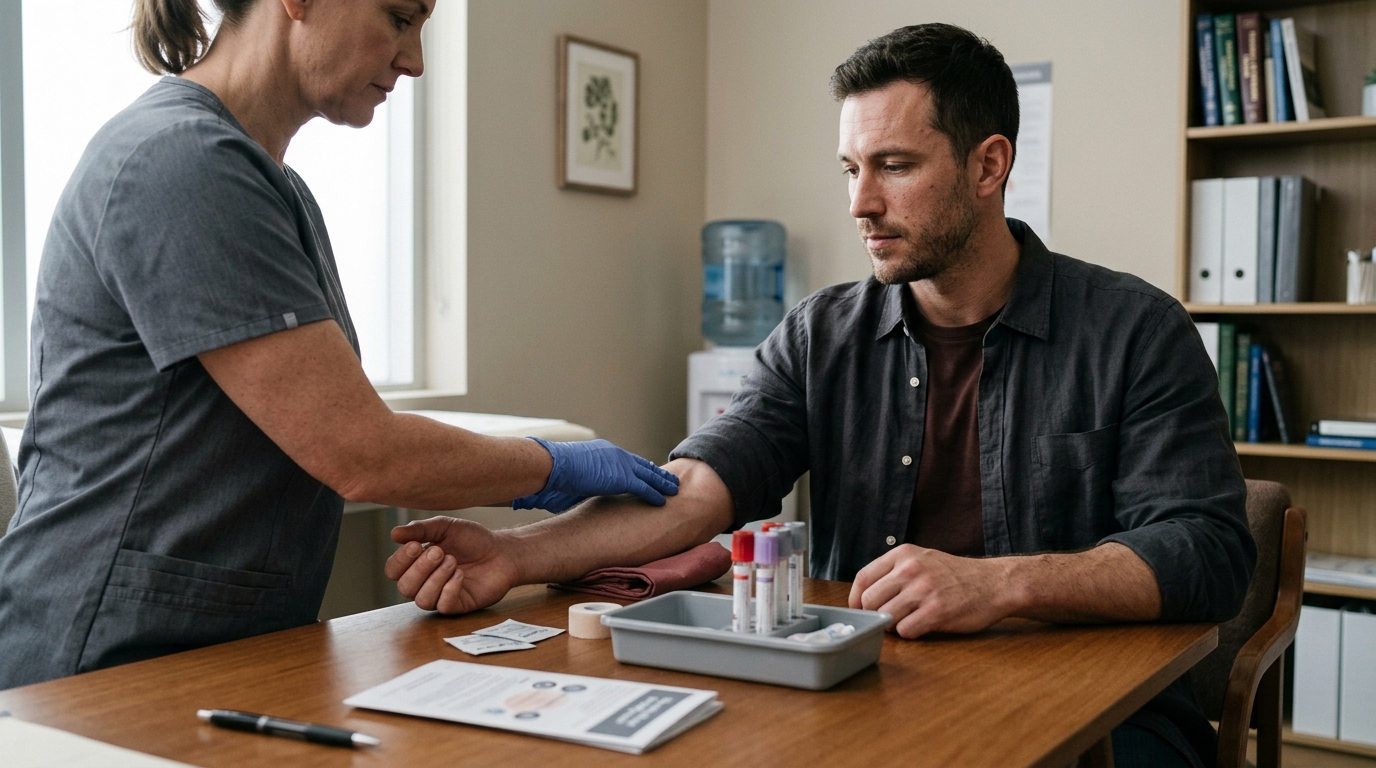
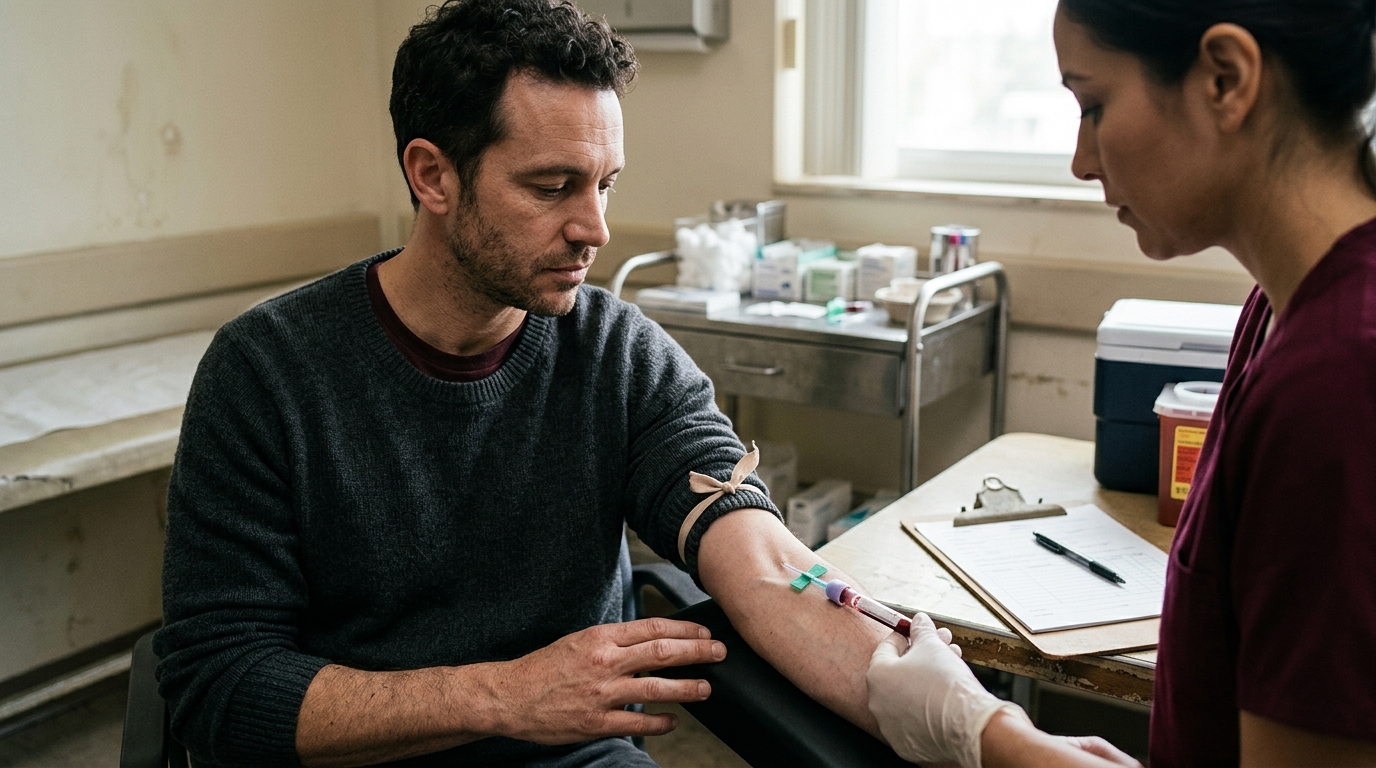
Major medical guidelines provide explicit testing requirements to ensure diagnostic accuracy:
For a comprehensive explanation of how hormone tests are structured, explore our detailed resource on testosterone testing and biomarkers.
Evaluating the endocrine system requires interpreting a panel of interrelated biomarkers rather than focusing on a single number. Each biomarker provides distinct information about hormone production, transport, and tissue availability.
Total testosterone measures all circulating testosterone in the bloodstream. This includes hormone bound tightly to sex hormone-binding globulin, hormone bound loosely to albumin, and unbound hormone. While total testosterone is the initial screening biomarker, its concentrations can be influenced by alterations in binding proteins, liver function, and thyroid status.
SHBG is a glycoprotein produced by the liver that binds testosterone and estradiol with high affinity. Approximately 40 to 65 percent of circulating testosterone is bound to SHBG and is not immediately available to enter target tissues. Conditions such as obesity, insulin resistance, and hypothyroidism can lower SHBG levels. Conversely, advancing age, caloric restriction, and hyperthyroidism typically increase SHBG concentrations.
Free testosterone refers to the small fraction (typically 1 to 2 percent) of total testosterone that circulates unbound to any protein. Bioavailable testosterone includes free testosterone plus the portion loosely bound to albumin, which can dissociate easily for tissue uptake. Measuring or calculating free testosterone is valuable when SHBG abnormalities are suspected, ensuring an accurate assessment of active hormone levels.
LH and FSH are gonadotropins secreted by the anterior pituitary gland. LH signals the Leydig cells in the testes to produce testosterone, while FSH supports spermatogenesis. Measuring LH and FSH helps clinicians differentiate between primary hypogonadism (testicular failure, where LH is elevated) and secondary hypogonadism (pituitary or hypothalamic dysfunction, where LH is low or inappropriately normal).
Hematocrit measures the percentage of whole blood composed of red blood cells. Testosterone stimulates erythropoiesis in the bone marrow. Baseline and ongoing hematocrit monitoring is essential during testosterone therapy, as elevated levels (erythrocytosis) increase blood viscosity and cardiovascular strain.
To learn more about tracking and interpreting these lab values, visit our guide on testing and biomarkers.
While hormones establish an internal chemical baseline, mechanical loading and nutritional intake are the direct operational drivers of muscle mass, strength, and physical function. These lifestyle interventions are essential for preserving physical independence regardless of baseline hormone levels.
The Centers for Disease Control and Prevention (CDC) provides clear physical activity guidelines for adults and older adults. Adults require at least 150 minutes of moderate-intensity aerobic physical activity weekly, alongside muscle-strengthening activities on two or more days per week. For older adults, CDC guidance emphasizes a multi-component regimen combining muscle strengthening, aerobic conditioning, and balance training.
For muscle strengthening, public health guidance recommends working all major muscle groups, including the legs, hips, back, abdomen, chest, shoulders, and arms. Exercises should involve resistance sufficient to make completing another repetition difficult without assistance, typically utilizing sets of 8 to 12 repetitions.
Resistance exercise stimulates muscle protein synthesis directly through mechanotransduction. Mechanical strain activates the mTOR pathway, leading to structural remodeling of muscle fibers. Furthermore, resistance training enhances motor unit recruitment, improves tendon stiffness, and increases bone mineral density. These functional adaptations cannot be replicated by hormonal interventions alone.
Adequate dietary protein provides the essential amino acids required to synthesize new muscle tissue and repair microtrauma induced by exercise. As the body ages, it experiences a phenomenon known as anabolic resistance, where muscle tissue requires a higher concentration of circulating amino acids to stimulate protein synthesis effectively.
The PROT-AGE Study Group, an international expert panel, reviewed nutritional requirements for healthy aging. The group recommended an average daily protein intake of 1.0 to 1.2 grams per kilogram of body weight for healthy older adults to maintain lean mass and physical function. For older adults managing acute or chronic illnesses, or those at risk of malnutrition, the recommended intake increases to 1.2 to 1.5 grams per kilogram daily.
Distributing protein intake evenly across daily meals ensures repeated stimulation of muscle protein synthesis throughout the day. It is important to note that dietary protein supports muscle structure directly; it does not serve as a medical tool to increase endogenous testosterone concentrations.
For additional evidence-based strategies, explore our resources on lifestyle and natural support.
Hormone concentrations exist in close communication with overall metabolic health, adipose tissue volume, and systemic illness. Understanding these interactions prevents misinterpreting reversible fluctuations as permanent endocrine disorders.
Excess adipose tissue, particularly visceral fat, significantly influences androgen metabolism. Adipose tissue contains the aromatase enzyme, which converts testosterone into estradiol. Elevated estradiol exerts negative feedback on the hypothalamus and pituitary gland, reducing LH secretion and suppressing testicular testosterone production.
Furthermore, obesity promotes systemic, low-grade inflammation and insulin resistance. These metabolic changes suppress hepatic synthesis of SHBG, lowering measured total testosterone concentrations. This state is frequently referred to as obesity-associated functional hypogonadotropic hypogonadism.
Scientific literature demonstrates that weight loss can reverse functional hormone suppression. Systematic reviews and meta-analyses examining lifestyle modifications and metabolic interventions show that substantial weight loss leads to significant increases in both total and free testosterone levels.
In these analyses, the magnitude of hormonal recovery corresponded with the degree of weight lost. Participants undergoing bariatric surgery experienced greater average increases in circulating testosterone compared to those following low-calorie dietary interventions alone.
However, meta-analytic data represent population averages. Individual responses vary based on baseline health, the durability of weight loss, and personal medical history. Lifestyle modification serves as a foundational approach to metabolic health, but it should not be viewed as a guaranteed solution for every individual case of hormone deficiency. European Association of Urology guidelines explicitly recommend lifestyle modifications and weight reduction as the initial clinical approach for overweight or obese men presenting with low testosterone.
Physiological stress and acute illnesses alter endocrine pathways temporarily. Severe infections, surgical trauma, myocardial infarction, uncontrolled metabolic conditions, and acute hospital admissions reliably suppress serum testosterone concentrations.
Clinical guidelines, including testing protocols from the Government of British Columbia, advise against measuring serum testosterone during acute illness or hospitalization. Blood tests conducted during acute medical events frequently yield misleadingly low results that do not reflect baseline endocrine status. To obtain an accurate assessment, testing must be deferred until the patient has fully recovered and returned to normal health.
For more information on non-hormonal contributors to fatigue and weakness, review our educational guides on low testosterone signs, causes, and risk factors.
Testosterone replacement therapy is a medical treatment that alters systemic physiology. It is not a general wellness intervention or an athletic performance aid. Clinical guidelines establish clear safety boundaries, absolute contraindications, and mandatory monitoring schedules.
The Endocrine Society clinical practice guidelines specify clinical conditions where testosterone therapy should not be initiated:
When testosterone therapy is prescribed for confirmed hypogonadism, ongoing clinical surveillance is mandatory to prevent adverse events.
Clinicians evaluate the patient three to six months after treatment initiation and annually thereafter. Hematocrit is measured at baseline, at three to six months, and yearly. If hematocrit rises above 54 percent, Endocrine Society guidance recommends stopping therapy until levels return to a safe range, evaluating for hypoxia and sleep apnea, and restarting at a lower dose if appropriate.
Prostate health is tracked through digital rectal examinations and serum prostate-specific antigen (PSA) testing. Symptom response is evaluated to determine whether the patient derives measurable clinical benefit from the treatment.
To read more about medical standards and evidence, visit our TRT, treatment, and emerging testosterone science resources.
Navigating discussions about muscle health, aging, and hormone testing requires a structured, evidence-based approach. If you are experiencing persistent changes in physical capacity or fatigue, consider using the following questions to guide your consultation with a qualified physician:
For additional resources and background reading, visit the Testostra research library.
Scientific evidence does not support claims that over-the-counter dietary supplements or herbal boosters produce meaningful, sustained increases in serum testosterone. While some nutrients correct nutritional deficiencies (such as vitamin D or zinc), they do not elevate hormones above normal physiological levels. Muscle growth from dietary supplements is primarily driven by adequate protein intake, sufficient total calories, and progressive resistance exercise.
In men with normal baseline testosterone levels, adding exogenous androgens to achieve higher levels does not predictably improve everyday physical function or mobility. While supra-physiological doses increase muscle cross-sectional area in athletic settings, they carry significant medical risks, including cardiovascular strain, hepatic stress, lipid abnormalities, and suppression of natural fertility. Clinical practice guidelines advise against using hormone therapy for performance enhancement.
Intense physical overreaching, severe caloric restriction, acute systemic illness, and psychological stress can temporarily suppress the hypothalamic-pituitary-gonadal axis. This leads to transient reductions in circulating hormone levels. A low laboratory result during these periods reflects acute physiological stress rather than permanent hypogonadism. Guidelines recommend repeating the test under standardized, rested, and healthy conditions before drawing conclusions.
Engaging in resistance exercise causes short-term, transient elevations in circulating testosterone and growth hormone immediately following a workout. These acute spikes return to baseline within several hours. Long-term resistance training improves androgen receptor density, insulin sensitivity, neuromuscular coordination, and body composition. However, it does not permanently alter baseline resting testosterone concentrations outside of normal physiological ranges.
Testostra explains testosterone biology, testing, symptoms, lifestyle factors and TRT with careful sourcing and clear clinical limits.



Send us a question, research idea or topic suggestion. Reader questions help shape future Testostra content.
Contact Testostra