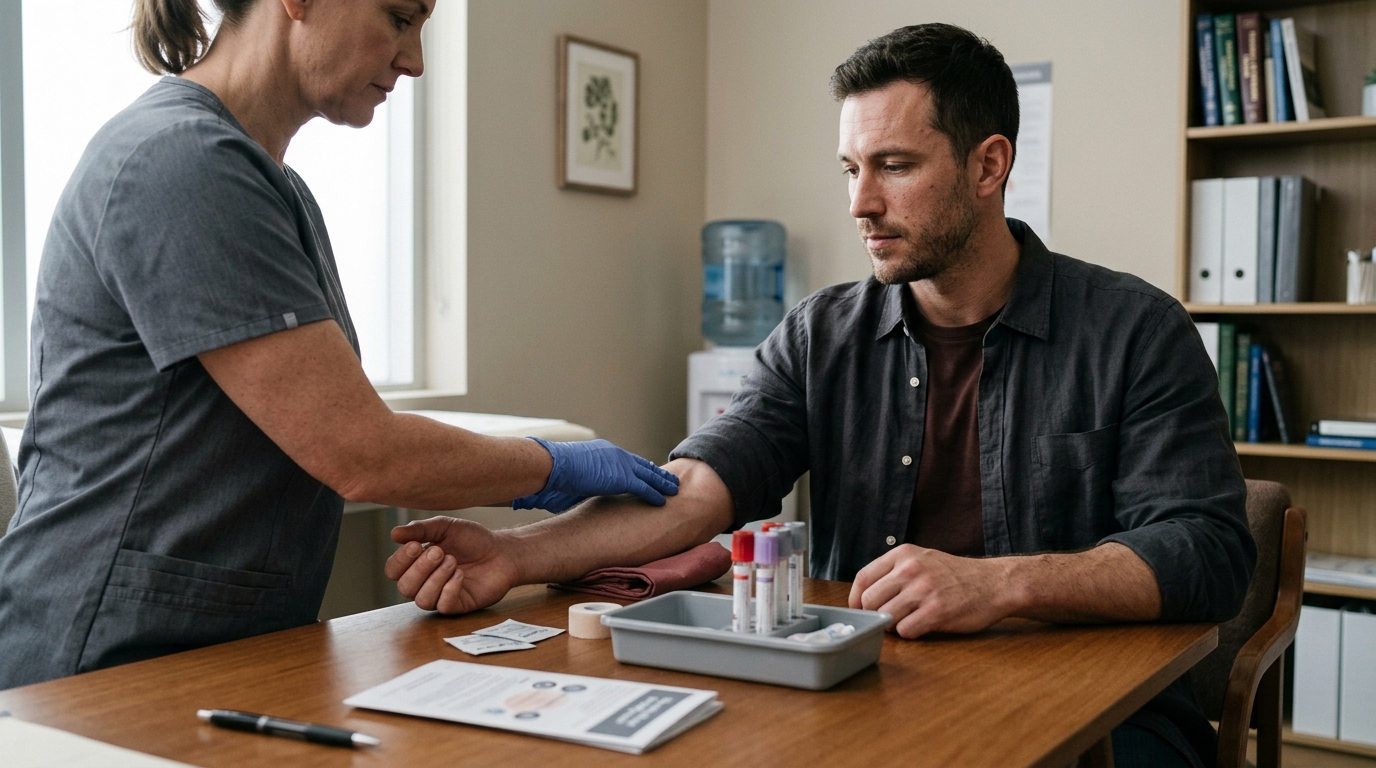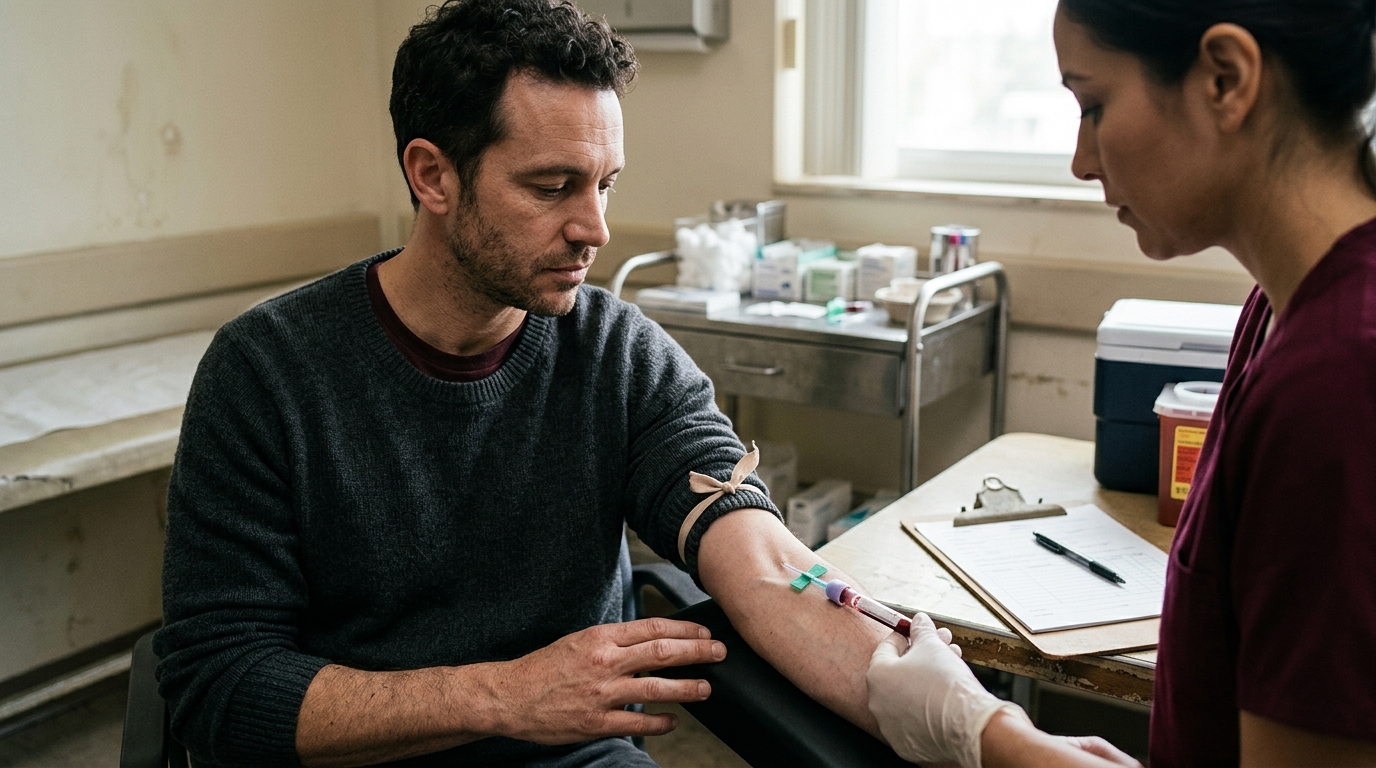

Men often expect major testosterone changes across the seasons, but scientific evidence shows that annual variations remain minor compared to daily rhythms and testing factors.





Medical Disclaimer: The information provided in this article is for educational and informational purposes only. It is not intended as medical advice, diagnosis, or treatment. Hormone levels and health concerns should always be evaluated by a qualified healthcare professional in the context of individual symptoms, medical history, and comprehensive laboratory testing.
Many men assume that warmer weather and longer days automatically raise testosterone levels. Popular health discussions often suggest that summer sunlight acts as an immediate trigger for male hormone production. However, published scientific literature reveals a far more complex picture. Large population studies show conflicting results, with some cohorts peaking in summer, others peaking in late autumn or winter, and several finding no meaningful seasonal changes at all.
Understanding what happens to your hormones throughout the year requires moving past simple assumptions. A single blood draw taken in December cannot be understood without knowing how time of day, sleep quality, physical activity, and laboratory variance influence the result. This comprehensive guide examines how seasonal variables intersect with male physiology, what the research actually says, and how to evaluate your hormone levels accurately across the changing calendar.
When researchers study hormone patterns across the year, they look for circannual rhythms. These are biological cycles that repeat approximately every twelve months. In many animal species, seasonal hormonal swings are dramatic, controlling distinct mating and hibernation periods. In humans, however, circannual rhythms are much less pronounced. Modern indoor living, artificial lighting, temperature control, and stable year-round food supplies have largely buffered humans from severe environmental shifts.
Despite these modern comforts, human physiology still interacts with the changing seasons. Changes in photoperiod, which refers to the duration of daily sunlight, can influence the brain and the endocrine system. The hypothalamus and pituitary gland receive environmental signals that influence sleep patterns, mood, and metabolism. These neuroendocrine pathways regulate the production of luteinizing hormone and follicle-stimulating hormone. In turn, these signals direct the testes to produce testosterone.
Seasonal shifts also influence human behavior in subtle ways. People often adjust their sleep schedules, exercise frequency, nutritional habits, and outdoor exposure as the weather changes. These behavioral adjustments can alter hormone readings from one month to the next. Because of these interacting factors, researchers must separate true physiological rhythms from lifestyle changes and testing artifacts.
Clinicians view seasonal hormone variation as a minor background variable rather than a primary driver of health. An apparent seasonal fluctuation is rarely large enough on its own to shift a healthy man into a state of hormone deficiency. When interpreting lab results, it is essential to consider the entire clinical picture rather than attributing an unexpected number solely to the season. You can learn more about fundamental endocrine pathways through testosterone basics.
Interpreting blood test results requires understanding that hormone levels are never completely static. When you compare a test result from January with a test result from July, the difference could reflect several distinct types of variability. Failing to separate these categories often leads to incorrect conclusions about personal health.
Testosterone follows a robust circadian rhythm, which is a daily 24-hour cycle. In healthy young and middle-aged men, testosterone levels reach their peak in the early morning hours, usually between 7:00 AM and 10:00 AM. Levels decline steadily throughout the day, reaching their lowest point in the late afternoon and evening.
This daily variation is substantial. An afternoon measurement can be 20% to 40% lower than a morning measurement taken from the exact same individual. Because of this daily drop, comparing a morning blood draw from summer to an afternoon blood draw from winter is completely invalid. Standard clinical protocols require all diagnostic testosterone blood draws to occur in the early morning.
Even when blood is drawn at the exact same hour under identical conditions, testosterone levels fluctuate from one day to the next. Clinical testing protocols note that routine biological variation in testosterone is typically between 10% and 15%. In some individuals, successive tests can differ by up to 30% without any underlying disease.
This biological bounce occurs because the pituitary gland releases luteinizing hormone in intermittent pulses rather than a steady stream. A single blood draw captures a single moment in this pulsing cycle. A modest difference between two seasonal tests often represents this normal background noise rather than a meaningful seasonal trend.
Seasonal variation refers to recurring patterns that emerge across specific months or calendar seasons. While circadian rhythms are clear and present in every healthy man, seasonal rhythms in humans are small, inconsistent, and highly variable across different geographic regions.
Some studies report subtle group-level shifts across the calendar year. However, these patterns rarely look identical from one study population to another. A seasonal trend observed in a group of men living in northern Scandinavia may not appear in men living in southern California or equatorial regions.
The fourth category involves acute lifestyle and environmental factors that occur in the days or hours leading up to a blood draw. These pre-test variables can dramatically distort laboratory measurements.
When reviewing historical lab data, these acute contextual factors are often forgotten, leading people to credit or blame the season instead. For deeper insight into testing conditions, review our guide on testing biomarkers.
The scientific literature on seasonal testosterone variation does not present a single, unified conclusion. Instead, published studies present conflicting findings that highlight how geography, study design, and sample sizes affect the data. Reviewing the most prominent studies demonstrates why absolute claims about seasonal peaks are inaccurate.
A large study analyzing real-world laboratory data collected over a nine-year period identified statistically significant differences in testosterone levels across calendar seasons. In this dataset, researchers observed higher average testosterone concentrations during the summer months compared to the autumn months. The study also reported a direct positive correlation between measured testosterone levels and daily daylight duration.
While these findings suggest a potential relationship between longer daylight hours and higher circulating androgens, the researchers noted that population-level trends do not guarantee a predictable shift for every individual. Observational datasets capture broad patterns across thousands of diverse patients, but they cannot control for individual lifestyle changes across seasons.
In stark contrast to the summer-peak data, a major cross-sectional study of 1,548 men living in northern Norway found the exact opposite relationship with daylight. The researchers analyzed total testosterone, free testosterone, and sex hormone-binding globulin across the full calendar year in a subarctic environment with extreme variations in daylight.
The Norwegian researchers found that total testosterone reached its lowest level in June, which is the period of the midnight sun with 24 hours of continuous daylight. Total testosterone reached a minor peak in February and its highest annual peak in October and November. Free testosterone showed a similar counter-intuitive pattern, reaching its lowest point in August and peaking in December. This study directly contradicted the idea that more daylight and warmer temperatures automatically drive higher testosterone production.
Other clinical investigations have found that seasonal differences are too minor to have any clinical significance. A 2023 report evaluated seasonal hormone levels and found average total testosterone concentrations of 412 ng/dL in spring, 416 ng/dL in summer, and 417 ng/dL in autumn. The authors concluded that these tiny differences represent normal statistical variation and are entirely irrelevant for clinical health.
Similarly, other studies examining men living in distinct geographic climates have found no statistically significant seasonal variability. Studies assessing seasonal sexual behavior have occasionally observed shifts in self-reported activity between winter and summer, yet confirmed that hormone measurements remained comfortably within normal clinical reference ranges during both periods.
These contrasting findings prove that there is no universal seasonal calendar for human testosterone. A man cannot assume his testosterone is automatically higher in July or lower in January. Factors such as local climate, latitude, personal routine, and baseline health all interact to shape individual biology.
Evaluating hormonal health across different seasons requires looking beyond total testosterone alone. A comprehensive hormone evaluation involves multiple interacting proteins and signaling molecules. Each of these biomarkers can behave differently over the course of a year.
Total testosterone measures all circulating testosterone in the bloodstream. This includes hormone that is tightly bound to sex hormone-binding globulin, hormone that is loosely bound to albumin, and the small unbound fraction. Most seasonal research tracks total testosterone because it is the standard initial test ordered in clinical settings. However, total testosterone alone does not always reflect the amount of hormone available to enter tissues and exert biological effects.
Free testosterone represents the unbound fraction, which typically accounts for only 1% to 3% of total circulating testosterone. This unbound hormone is immediately available to bind to androgen receptors throughout the body.
Interestingly, free testosterone does not always mirror the seasonal fluctuations of total testosterone. In the Norwegian population study, total testosterone reached its annual trough in June, while free testosterone reached its trough two months later in August. Because free testosterone reflects both total hormone output and binding protein concentrations, measuring both markers provides a much clearer picture of endocrine function across time.
Sex hormone-binding globulin is a liver-produced glycoprotein that binds tightly to testosterone and estradiol. When SHBG concentrations rise, a larger percentage of total testosterone becomes bound, which can lower the proportion of free testosterone.
SHBG levels change in response to metabolic health, insulin sensitivity, thyroid function, liver health, and nutritional patterns. Seasonal changes in body weight, diet, or alcohol consumption can alter SHBG levels across the year. If a man gains weight during the winter, his insulin levels may rise, leading to a drop in SHBG that alters his ratio of total to free testosterone.
Luteinizing hormone and follicle-stimulating hormone are gonadotropins released by the anterior pituitary gland. Luteinizing hormone stimulates the Leydig cells in the testes to produce testosterone, while follicle-stimulating hormone supports sperm production in the Sertoli cells.
Some seasonal studies measure LH alongside testosterone to determine whether seasonal shifts originate in the brain or in the testes. However, clinical researchers emphasize that a seasonal shift in one hormone does not prove a cause-and-effect relationship with another. Gonadotropin secretion occurs in rapid, pulsatile bursts throughout the day, which makes seasonal tracking difficult without multiple, carefully timed samples.
Vitamin D is a secosteroid hormone produced in the skin upon exposure to ultraviolet B radiation, as well as obtained through diet and supplementation. Unlike testosterone, 25-hydroxyvitamin D exhibits a clear and predictable seasonal rhythm in populations living away from the equator.
In temperate and northern climates, vitamin D levels reliably peak in late summer, typically in August, following months of sun exposure. Levels decline through autumn and reach their lowest point in late winter, usually around February. Because vitamin D receptors are present in testicular tissue, many researchers have investigated whether the annual vitamin D cycle drives a matching testosterone cycle. Understanding how these biomarkers interact is essential when exploring lifestyle and natural support.
When men notice shifts in their energy, mood, or laboratory numbers across different months, they frequently assume the season itself is responsible. In reality, these shifts are usually driven by specific biological variables that happen to align with the time of year. Understanding these candidate influences prevents misinterpreting normal physiological responses.
Sleep patterns often change between summer and winter. In summer, extended daylight and social activities can lead to later bedtimes and shorter sleep durations. In winter, colder weather and shorter days may increase time spent in bed, but disrupted sleep quality or reduced morning light exposure can impair circadian alignment.
Sleep duration has a direct impact on testosterone production. In a landmark controlled study published in the Journal of the American Medical Association, healthy young men underwent eight nights of sleep restriction, where their sleep opportunities were limited to five hours per night. Following this sleep restriction, their daytime testosterone levels dropped by 10% to 15% compared to their well-rested baseline measurements.
However, scientific evidence on sleep is nuanced. Another controlled study evaluated severe acute and mild chronic sleep restriction conditions and found no statistically significant reduction in plasma testosterone among healthy young men. These differing results indicate that while poor sleep can lower testosterone in many individuals, the effect depends on individual resilience, baseline sleep debt, and study design. Sleep disruption also produces fatigue, low motivation, and reduced concentration, which closely mimic symptoms of low testosterone.
Physical activity patterns often shift with the seasons. Many men engage in more outdoor sports, running, and yard work during warmer months, while shifting toward indoor gym training or a more sedentary routine during the winter. These changes in physical exertion can directly affect lab tests.
A comprehensive review of exercise physiology demonstrates that acute bouts of moderate-to-high-intensity resistance training or endurance exercise cause a temporary surge in circulating testosterone. A systematic review and meta-analysis confirmed that this hormonal spike occurs immediately following strenuous physical activity. However, this increase is short-lived and typically returns to baseline within 30 minutes after exercise stops.
If a man schedules a blood draw immediately after a morning workout, his measured testosterone may appear artificially elevated. Conversely, chronic overtraining without adequate recovery can suppress resting testosterone levels over time. These activity-related shifts reflect temporary exercise responses, not lasting changes in baseline seasonal health.
The relationship between daylight, temperature, and testosterone remains a subject of intense scientific debate. While some researchers propose that sunlight exposure stimulates neuroendocrine pathways that support androgen synthesis, real-world data shows conflicting outcomes.
As noted in the Tromso study, men exposed to continuous summer daylight in northern Norway had lower total testosterone than during the dark winter months. This finding shows that daylight duration alone does not guarantee higher hormone output. Ambient temperature also influences physical behavior, hydration status, and blood volume, all of which can subtly alter laboratory concentrations without reflecting true changes in endocrine production.
Because vitamin D displays a strong seasonal pattern, many people assume that low winter vitamin D causes low winter testosterone. However, high-quality clinical studies show that these two cycles do not necessarily move in lockstep.
In a clinical study tracking both hormones across seasons, 25-hydroxyvitamin D concentrations peaked in August and reached their lowest point in February. Yet, within that exact same cohort of men, total testosterone, free testosterone, and estradiol showed no seasonal variation whatsoever. The annual swing in vitamin D occurred without producing any corresponding change in sex hormones.
Intervention trials exploring vitamin D supplementation show equally mixed results:
The overall medical evidence indicates that while maintaining adequate vitamin D is essential for bone density and overall health, vitamin D drops during winter do not automatically cause testosterone deficiency. Furthermore, taking high-dose vitamin D cannot be viewed as a reliable strategy to raise testosterone levels.
One of the most important principles in endocrinology is that an isolated lab number does not equal a medical diagnosis. Minor fluctuations across the calendar year must never be confused with clinical hypogonadism, which is a recognized medical condition requiring formal evaluation.
According to clinical practice guidelines from the Endocrine Society, a diagnosis of hypogonadism requires two distinct criteria:
A blood test that registers slightly lower during a particular month does not satisfy these criteria if the level remains within the laboratory reference range or if the individual has no symptoms. To learn more about identifying recognized signs and risk factors, explore our educational guides on low testosterone.
Because hormone levels fluctuate naturally from day to day and season to season, professional guidelines from the Endocrine Society and the American Urological Association state that a single low testosterone measurement is never sufficient for diagnosis.
Clinical protocols require confirming any low initial result with a repeat measurement drawn on a separate morning. Blood must be collected between 7:00 AM and 10:00 AM while the patient is fasting and free from acute illness. Studies show that up to 30% of men with an initial testosterone reading below the normal threshold test completely normal upon repeat morning testing. Relying on a single seasonal reading risks misdiagnosing a completely healthy individual.
To understand how these principles apply in real-world scenarios, reviewing common testing patterns can be helpful. These illustrative models show how daily rhythms, lifestyle context, and laboratory testing conditions interact across the year.
A 42-year-old man schedules a routine physical in January. His blood is drawn at 3:30 PM, and his total testosterone returns at 260 ng/dL, which falls below the standard laboratory reference range of 300 to 1,000 ng/dL. Concerned that winter has suppressed his hormones, he consults his physician.
The clinician orders a repeat fasting test for 8:00 AM two weeks later. The repeat morning test returns at 440 ng/dL, well within the normal reference interval. In this scenario, the initial low result was caused by standard circadian variation rather than a seasonal deficiency. Comparing an afternoon sample to a morning standard creates a false impression of hormone decline.
A 38-year-old man tracks his health markers every six months. In August, his 25-hydroxyvitamin D is 45 ng/mL and his total testosterone is 520 ng/dL. In February, his vitamin D drops to 22 ng/mL due to reduced sun exposure, yet his morning total testosterone measures 515 ng/dL.
This scenario matches clinical literature showing that seasonal vitamin D swings often occur independently of androgen levels. While the individual may choose to address his vitamin D status for general wellness, his testosterone production remains stable regardless of the calendar month.
A 35-year-old amateur athlete has blood drawn at 9:00 AM immediately after completing an intense heavy resistance training session. His total testosterone returns at 680 ng/dL. Six months later, he takes the test at the same morning hour on a complete rest day, and his result is 540 ng/dL.
The higher initial reading reflected an acute, temporary post-exercise hormone spike rather than a true change in his baseline endocrine production. Heavy physical exertion immediately before a blood draw artificially alters test comparisons.
A 48-year-old man undergoes hormone testing in late December during a stressful work deadline and holiday travel, sleeping only four to five hours per night. His total testosterone measures 310 ng/dL. Three months later in March, after restoring a regular eight-hour sleep schedule, his repeat morning test measures 425 ng/dL.
The lower December value reflected the physiological strain of acute sleep restriction and stress. When normal sleep and recovery returned, his hormone output returned to his true baseline without medical intervention.
A 50-year-old man undergoes annual preventative blood panels. His morning total testosterone is 480 ng/dL in July and 430 ng/dL in November. He reports excellent energy, normal sexual function, and consistent strength in the gym.
While a 50 ng/dL difference exists between the tests, both numbers reside comfortably within the normal reference range. Furthermore, this 10% difference falls entirely within normal day-to-day biological variability. Without clinical symptoms or subnormal values, this change represents normal physiological background noise.
A 45-year-old man experiences persistent fatigue, low libido, and loss of muscle mass over a nine-month period. His morning fasting testosterone test in October measures 220 ng/dL. A confirmatory repeat test performed in December under identical morning fasting conditions measures 210 ng/dL.
In this case, the low testosterone values are persistent, reproducible, and accompanied by clear clinical symptoms. This pattern warrants a formal clinical evaluation to identify potential primary or secondary causes of hypogonadism. The season of the year is irrelevant to the underlying medical assessment. For more structured information on medical evaluations, visit our curated testosterone resources.
If you and your healthcare provider are tracking hormone measurements across different seasons, establishing a standardized testing protocol is critical. Standardizing your preparation ensures that future comparisons reflect true biological trends rather than procedural inconsistencies.
Always schedule laboratory visits between 7:00 AM and 10:00 AM, or within three hours of waking. If your summer blood draw was performed at 7:30 AM, schedule your winter blood draw for 7:30 AM as well. Consistent timing eliminates daily circadian drop-offs from your historical comparisons.
Testosterone levels can drop temporarily following food consumption, particularly after meals containing simple sugars or high fat contents. Arrive at the laboratory in a fasting state following an overnight fast. Drinking plain water is encouraged to maintain hydration, which makes blood draws easier and keeps blood volume stable.
Do not perform heavy resistance training, high-intensity intervals, or exhaustive endurance workouts within 12 to 24 hours of your scheduled blood draw. Arriving at the laboratory in a rested state prevents acute exercise-induced spikes or acute fatigue-induced drops from distorting your baseline values.
If you develop a viral infection, fever, respiratory illness, or gastrointestinal distress, contact your clinician to reschedule your test. Systemic immune responses and acute physiological stress temporarily suppress the endocrine system, producing artificially low readings that do not reflect your healthy baseline.
Keep a simple written log of your testing conditions for every blood panel. Record the date, exact time of the blood draw, hours of sleep the night before, fasting status, recent exercise, and current medications or supplements. Having this context allows you and your physician to interpret unexpected results accurately. Detailed testing protocols are explained in our resource on testosterone testing biomarkers.
Interpreting hormone tests should always be an informed, collaborative discussion between you and a licensed medical provider. Rather than attempting to self-diagnose based on calendar patterns or single lab draws, use your consultation to gain clinical clarity.
Here are constructive, evidence-based questions to raise during your next appointment:
A qualified clinician will welcome these structured, thoughtful questions. Approaching your health with objective data and clear boundaries ensures you receive personalized, safe, and medically sound guidance.
Evaluating male hormones across the year requires looking past seasonal myths and focusing on standardized testing, repeated measurements, and professional clinical interpretation.
Testostra explains testosterone biology, testing, symptoms, lifestyle factors and TRT with careful sourcing and clear clinical limits.



Send us a question, research idea or topic suggestion. Reader questions help shape future Testostra content.
Contact Testostra