
Accurate insight into how testosterone replacement therapy affects sleep architecture, breathing disorders, and daytime energy helps patients evaluate clinical evidence and biomarkers.





Many men assume that starting testosterone therapy will immediately resolve chronic fatigue and restore deep sleep. Others believe that a single night of restless sleep is the sole reason their testosterone blood test came back low. Both views oversimplify a complex clinical relationship.
Testosterone replacement therapy, sleep architecture, and daytime vitality interact in ways that are often counter-intuitive. Restoring testosterone to a normal physiological range does not automatically guarantee higher energy levels. Furthermore, poor sleep can mimic the symptoms of androgen deficiency while complicating laboratory test results.
Understanding how these systems overlap is essential for anyone evaluating their hormone health. This guide provides a detailed, evidence-based examination of the links between hormone therapy, sleep quality, and daytime energy.
Medical Disclaimer: The information provided in this guide is for educational and informational purposes only. It is not intended as personal medical advice, diagnosis, or treatment. Always consult a qualified healthcare provider regarding any medical condition, laboratory test interpretation, or treatment plan.
Testosterone levels, sleep quality, and daytime energy are distinct clinical areas that frequently overlap. Clinicians often see patients who struggle with persistent tiredness and assume a single hormone deficiency is responsible. However, low energy can stem from primary endocrine disorders, primary sleep disorders, or lifestyle factors.
The Endocrine Society emphasizes that testosterone replacement therapy (TRT) is indicated only for men with confirmed androgen deficiency syndromes. It is not a general remedy for non-specific tiredness or poor sleep quality. A comprehensive evaluation requires looking at each factor independently before drawing conclusions about treatment.
Sleep disruption can lower circulating testosterone levels, while untreated sleep apnea can make testosterone therapy unsafe. Conversely, hormone therapy can alter breathing patterns during sleep in certain individuals. Disentangling these factors requires careful testing and structured medical history taking.
To understand these interactions, one must examine how the body regulates hormone production across the 24-hour day. Testosterone production follows a circadian rhythm that depends heavily on normal sleep patterns.
Diagnosing androgen deficiency requires meeting strict biochemical and clinical criteria. According to the Endocrine Society clinical practice guidelines, a diagnosis should never rest on laboratory values alone. A patient must present with consistent symptoms alongside unequivocally low serum total testosterone levels measured on multiple occasions.
Symptoms of low testosterone often overlap with symptoms of common sleep disorders. Decreased energy, depressed mood, difficulty concentrating, and daytime sleepiness appear in both conditions. When a patient reports low vitality, a clinician must determine whether the root cause is hormonal, sleep-related, or a combination of both.
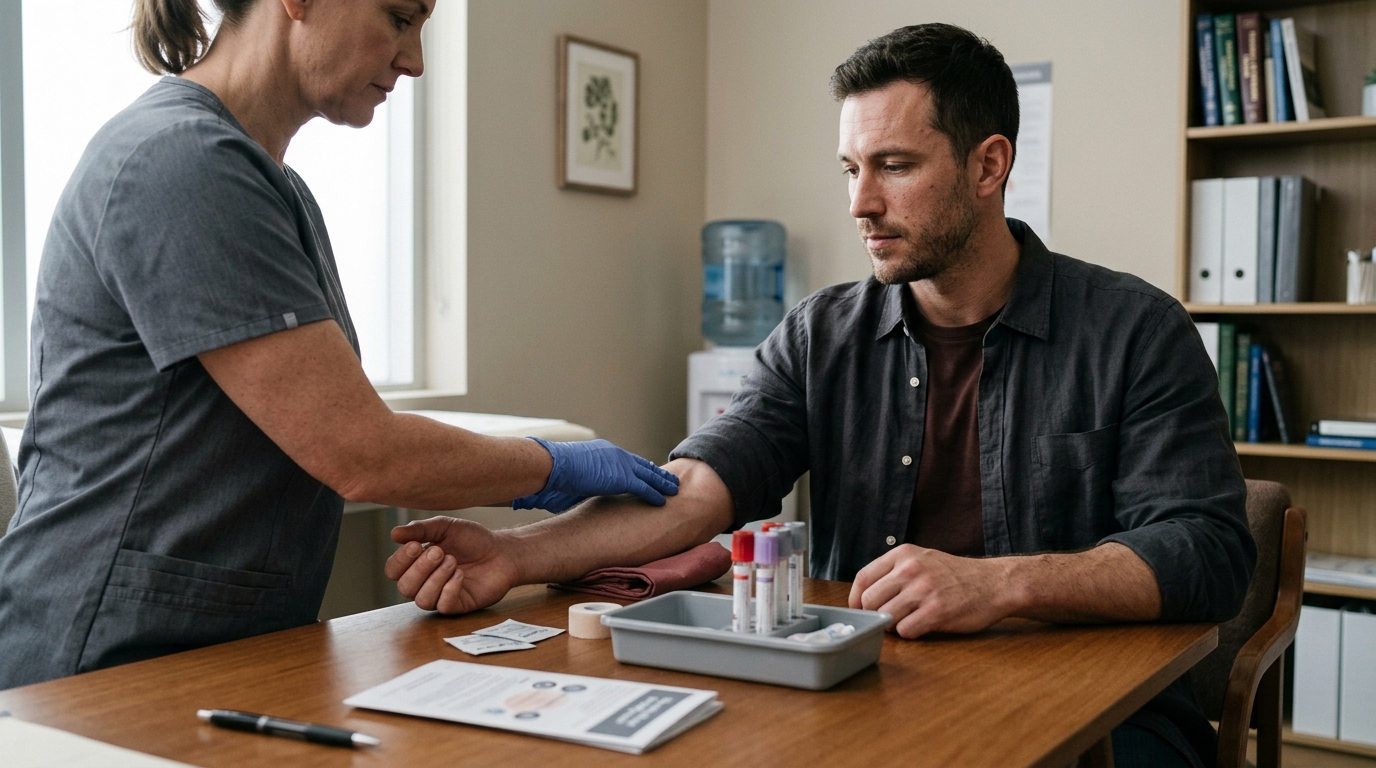
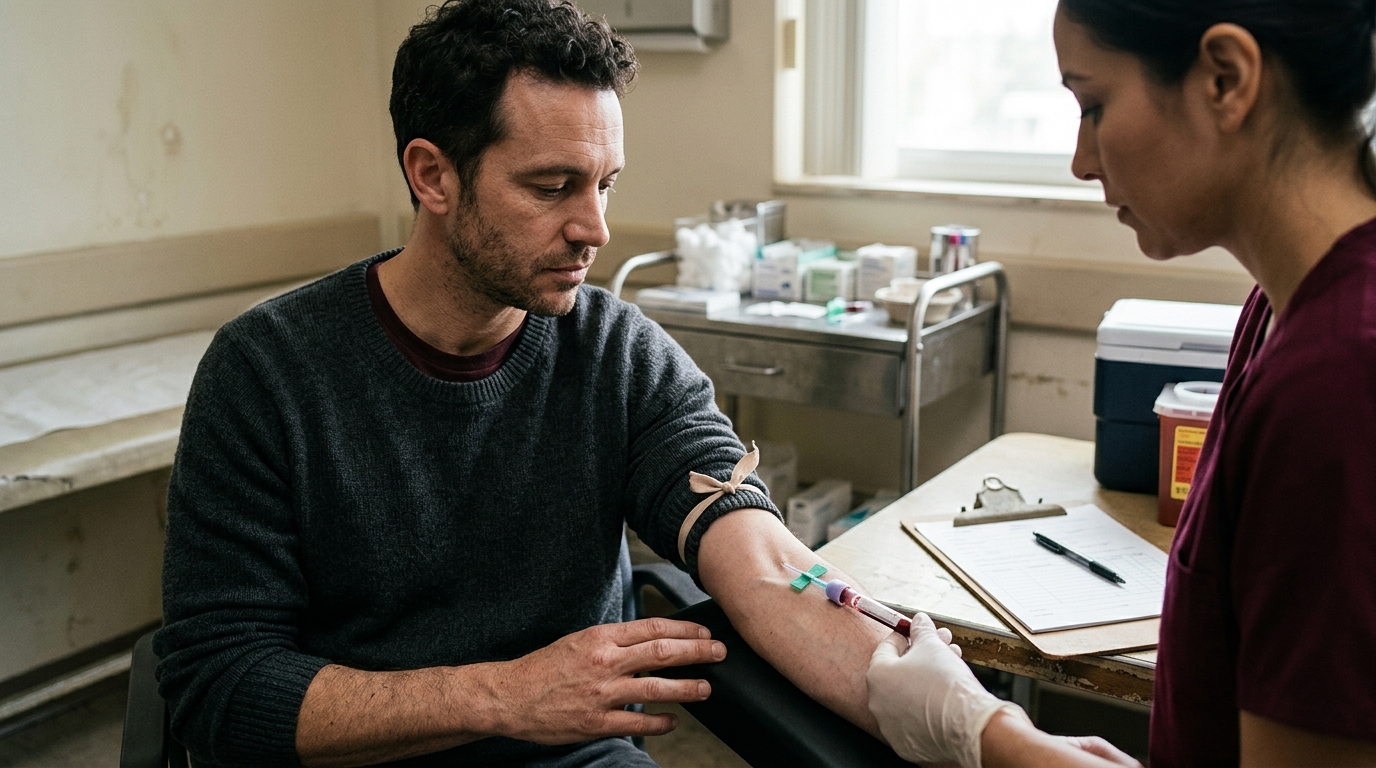
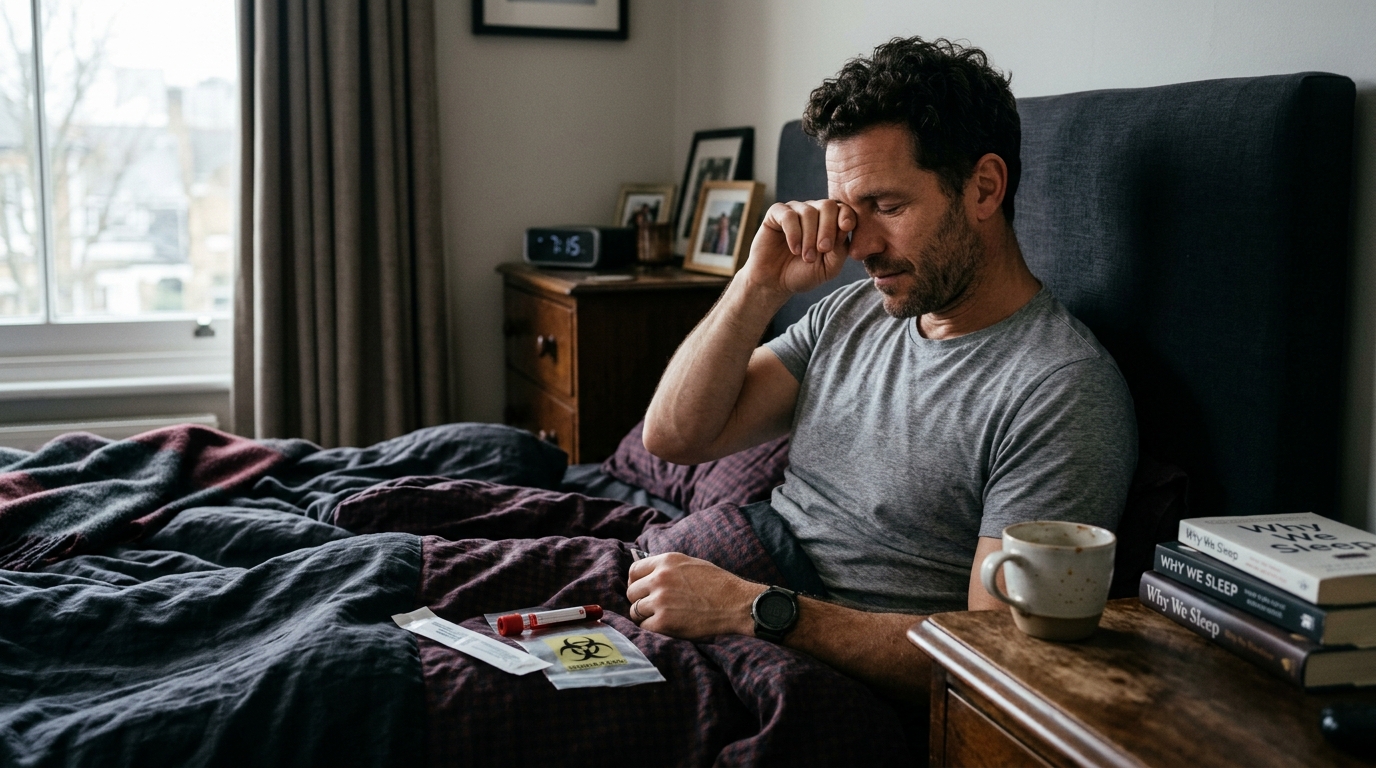
The timing of laboratory testing is critical. Serum testosterone levels peak in the early morning hours, particularly in younger and middle-aged men. Guidelines recommend obtaining blood samples between 8:00 AM and 10:00 AM in a fasting state.
Testing should also be avoided during acute or subacute illnesses. Infections, physical trauma, and severe psychological stress can cause temporary drops in testosterone. Relying on an isolated test during a period of poor health often leads to an inaccurate assessment. For a deeper look at diagnostic standards, explore our guide to understanding low testosterone causes and symptoms.
A single low measurement does not establish hypogonadism. Research cited in clinical guidelines demonstrates that up to 30 percent of men with an initial testosterone level in the mildly hypogonadal range show normal levels upon repeat testing. This finding highlights the absolute necessity of confirmatory laboratory draws before considering any therapeutic intervention.
The relationship between testosterone and sleep is supported by different tiers of scientific evidence. Controlled laboratory experiments provide insight into acute sleep loss, while large clinical trials examine long-term treatment outcomes. Separating strong evidence from preliminary findings prevents unrealistic treatment expectations.
Laboratory studies show that severe sleep deprivation can disrupt normal endocrine function. Research on sleep physiology indicates that circulating testosterone begins to rise with the onset of the first rapid eye movement (REM) sleep period. Levels continue to climb throughout the night, reaching their maximum in the early morning.
When healthy individuals undergo controlled sleep restriction to four or five hours per night, several studies report a measurable decline in daytime testosterone. Time-of-day analyses show reductions in both morning and afternoon androgen concentrations following restricted sleep.
However, the scientific literature is not entirely uniform. Some studies involving healthy young men subjected to moderate sleep restriction have reported no significant adverse changes in plasma testosterone. Because individual responses vary, clinicians cannot assume that a single night of poor sleep will predictably drop a patient's testosterone by a specific percentage.
The effect of testosterone therapy on daytime energy was rigorously evaluated in the landmark Testosterone Trials published in the New England Journal of Medicine. In the vitality trial, which enrolled 474 older men with low testosterone, researchers used the Functional Assessment of Chronic Illness Therapy-Fatigue (FACIT-Fatigue) scale as the primary outcome measure.
The trial found that testosterone treatment did not produce a statistically significant improvement in vitality compared to placebo on the primary fatigue endpoint. Men receiving testosterone did report small improvements in mood and lower severity of depressive symptoms. However, these emotional benefits did not translate into large, measurable gains in physical energy or reductions in fatigue.
More recent data from large studies, such as secondary analyses from the TRAVERSE trial, evaluated energy domains using symptom questionnaires. These reports noted small percentage improvements in specific subjective energy scores. Yet, because different trials use different measurement tools, findings across studies cannot be treated as identical. Overall, clinical trials demonstrate that testosterone therapy is not a guaranteed remedy for chronic exhaustion.
A thorough clinical evaluation requires looking beyond total testosterone numbers. Several interrelated biomarkers provide a complete picture of endocrine and metabolic health. Understanding how these markers behave helps clinicians distinguish between primary hormone deficiency and secondary lifestyle disruptions.
Total testosterone measures all circulating hormone in the bloodstream, including hormone bound to proteins. Most circulating testosterone is bound tightly to sex hormone-binding globulin (SHBG) or loosely to albumin. Only a small fraction, typically one to two percent, remains unbound as free testosterone.
Free testosterone represents the biologically active fraction that readily enters target tissues. When a patient's total testosterone sits near the lower limit of normal, measuring free testosterone via equilibrium dialysis or calculating it from SHBG provides necessary clarity. You can learn more about these specific assays in our review of testosterone testing and biomarker interpretation.
SHBG is a liver-produced protein that regulates hormone delivery to tissues. Alterations in SHBG levels directly impact total testosterone measurements without necessarily changing free hormone concentrations.
Several conditions common in middle-aged men can lower SHBG levels:
Conversely, advancing age and hyperthyroidism can raise SHBG concentrations. When SHBG is very low, total testosterone may appear abnormally depressed even if the concentration of free, active hormone remains adequate. Clinicians must account for SHBG variations before establishing a hypogonadism diagnosis.
Hematocrit measures the percentage of blood volume occupied by red blood cells. Testosterone stimulates erythropoiesis, the process of red blood cell production in the bone marrow. As a result, men starting hormone therapy experience a dose-dependent increase in hematocrit.
Endocrine Society guidelines state that if hematocrit exceeds 54 percent during therapy, treatment should be stopped. A level above 54 percent increases blood viscosity and raises the risk of thromboembolic events. Clinicians must evaluate the patient for underlying hypoxia and undiagnosed obstructive sleep apnea before restarting treatment at a reduced dosage.
Obstructive sleep apnea (OSA) is a common sleep-related breathing disorder characterized by repetitive collapse of the upper airway during sleep. It causes intermittent drops in blood oxygen saturation and frequent nighttime awakenings. OSA is highly prevalent among middle-aged men and shares numerous symptoms with testosterone deficiency.
The American Academy of Sleep Medicine (AASM) defines obstructive sleep apnea using the Apnea-Hypopnea Index (AHI) or Respiratory Disturbance Index (RDI). These indices quantify the number of complete breathing pauses (apneas) and partial airway collapses (hypopneas) per hour of sleep.
The diagnostic criteria for adult OSA include:
Proper diagnosis requires formal testing rather than symptom screening alone. The AASM guidelines establish in-laboratory polysomnography (PSG) as the reference standard for evaluating sleep disorders. Polysomnography monitors brain waves, eye movements, heart rhythm, respiratory effort, and blood oxygen levels throughout the night.
For uncomplicated adult patients with a high pre-test probability of moderate to severe OSA, home sleep apnea testing (HSAT) is an accepted alternative. Home tests measure respiratory effort, airflow, and oxygen saturation. If an HSAT is negative or inconclusive in a symptomatic individual, comprehensive laboratory polysomnography is required to rule out airway disorders.
The relationship between exogenous testosterone and sleep architecture is complex and often misunderstood. While some individuals report improved sleep quality once hormone levels normalize, clinical studies demonstrate that high doses or unmonitored therapy can adversely affect nocturnal breathing.
Observational studies have shown that lower endogenous testosterone levels correlate with reduced sleep efficiency, increased nighttime awakenings, and reduced slow-wave sleep. However, correlation does not establish causation. Administering testosterone therapy does not automatically reverse these architectural disruptions in every patient.
A randomized controlled study by Liu and colleagues investigated the effects of short-term, high-dose testosterone administration in 17 healthy men over 60 years old. The researchers observed noticeable changes in sleep and respiratory parameters.
Participants receiving high-dose testosterone experienced:
Because this study used supra-physiological doses in a small cohort of older men, its results cannot be applied directly to standard, replacement-dose therapy. Nevertheless, it demonstrates that exogenous androgens have the physiological capacity to destabilize nighttime breathing and shorten sleep duration.
Trials evaluating standard therapeutic doses of testosterone show much more nuanced outcomes. A randomized study of 67 obese men with pre-existing obstructive sleep apnea evaluated the effects of testosterone undecanoate over 12 weeks. The study found that physiological replacement therapy did not significantly worsen sleep quality or aggravate breathing metrics compared to placebo.
Other clinical reviews describe a time-dependent effect of hormone therapy on airway stability. In some patients, respiratory disturbance indices increased mildly during the first seven weeks of treatment. However, by week 18, these breathing measurements were no longer significantly different from baseline levels.
These findings show that testosterone does not uniformly cause or worsen sleep apnea across all individuals. The clinical response depends heavily on dosage, treatment duration, baseline body composition, and pre-existing airway anatomy.
Men seeking hormone therapy frequently cite low energy and fatigue as their primary concerns. Marketing messages from commercial clinics often portray testosterone as a universal cure for exhaustion. Clinical evidence paints a far more restrained picture.
Daytime fatigue is a multi-dimensional symptom influenced by endocrine function, sleep quality, metabolic health, psychological stress, and physical conditioning. While testosterone replacement effectively restores red blood cell production, muscle mass, and sexual function in hypogonadal men, its effect on subjective vitality is variable.
When evaluating treatment response, clinicians differentiate between true physiological fatigue and excessive daytime sleepiness. Fatigue refers to a lack of physical or mental stamina, whereas sleepiness refers to an inability to stay awake during the day. Sleepiness is a hallmark symptom of obstructive sleep apnea and chronic sleep deprivation, not primary hypogonadism.
Patients who start testosterone therapy with the sole expectation of resolving severe daytime tiredness are often disappointed if underlying sleep disorders remain unaddressed. Setting realistic, evidence-based goals before initiating treatment helps ensure that both hormonal and non-hormonal contributors to fatigue receive appropriate medical attention. For additional perspectives on treatment science, see our overview of emerging testosterone research and therapy.
To ensure patient safety and optimize outcomes, clinicians utilize a structured framework to evaluate sleep health both before starting and throughout the course of testosterone therapy. This approach identifies contraindications early and catches emerging side effects before they cause harm.
The Endocrine Society explicitly lists untreated severe obstructive sleep apnea as a clinical condition where testosterone therapy should not be started. Administering androgens to an individual with severe, unmanaged airway obstruction can exacerbate nocturnal hypoxemia and place unnecessary strain on the cardiovascular system.
This guideline does not mean that a past diagnosis of sleep apnea permanently prevents someone from receiving hormone therapy. Men with sleep apnea that is effectively treated and controlled with continuous positive airway pressure (CPAP) or oral appliances can safely undergo testosterone therapy under medical supervision.
The following examples illustrate how sleep disorders and hormone evaluations intersect in standard clinical practice.
An individual reports severe daytime fatigue, morning brain fog, and unrefreshing sleep. Further questioning reveals loud nightly snoring and witnessed breathing pauses.
A man presents with an initial total testosterone level slightly below the reference range after working consecutive 80-hour weeks with four hours of sleep per night.
A patient on testosterone replacement therapy achieves therapeutic testosterone concentrations within the target range, yet continues to experience heavy daytime exhaustion.
A man begins testosterone therapy and his partner notices the onset of loud snoring, gasping, and restless nighttime movements after two months of treatment.
A routine three-month blood panel reveals that a patient's hematocrit has risen to 55 percent while on standard replacement therapy.
For practical steps on supporting general wellness alongside medical care, review our resource on lifestyle strategies and hormonal support.
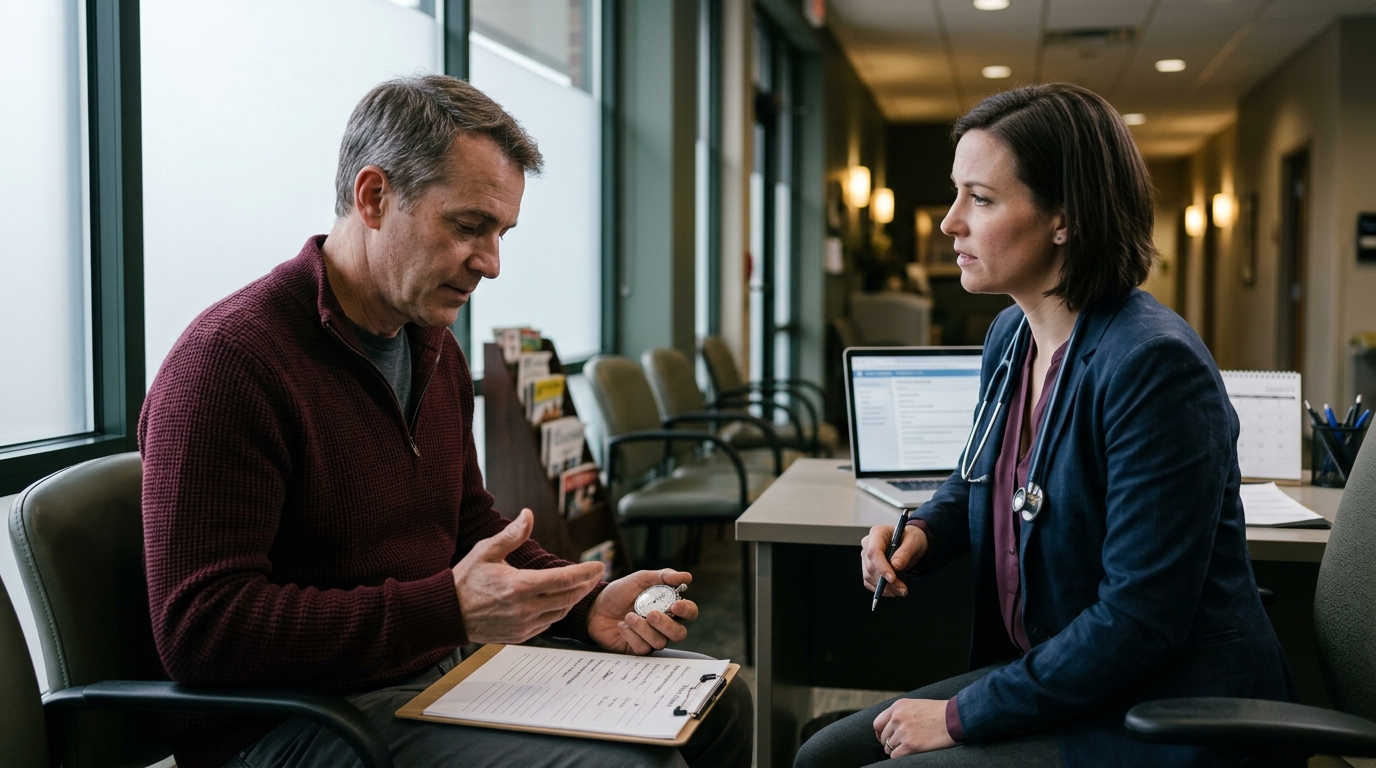
Navigating the connections between hormone therapy, sleep, and energy requires clear communication with a qualified healthcare provider. Patients should feel empowered to ask structured, relevant questions during their clinical visits.
When preparing for an appointment, consider discussing the following points:
Open dialogue ensures that all potential causes of fatigue receive proper clinical attention rather than relying on a single, incomplete explanation.
Evaluating hormone health alongside sleep quality requires a balanced, evidence-based approach. The relationship between these systems involves precise clinical boundaries:
Approaching hormone health and sleep quality with scientific rigor ensures that medical decisions are safe, targeted, and grounded in clinical evidence.
Testostra explains testosterone biology, testing, symptoms, lifestyle factors and TRT with careful sourcing and clear clinical limits.



Send us a question, research idea or topic suggestion. Reader questions help shape future Testostra content.
Contact Testostra