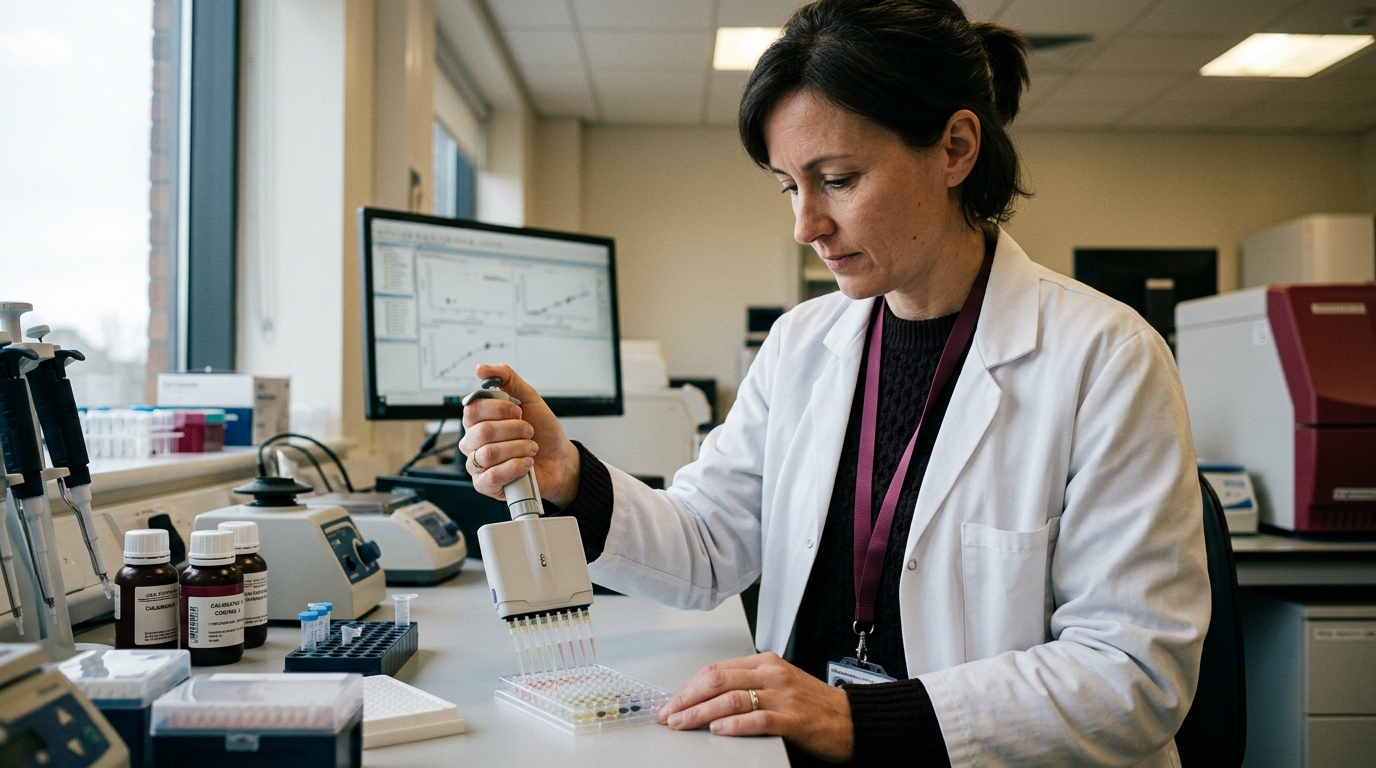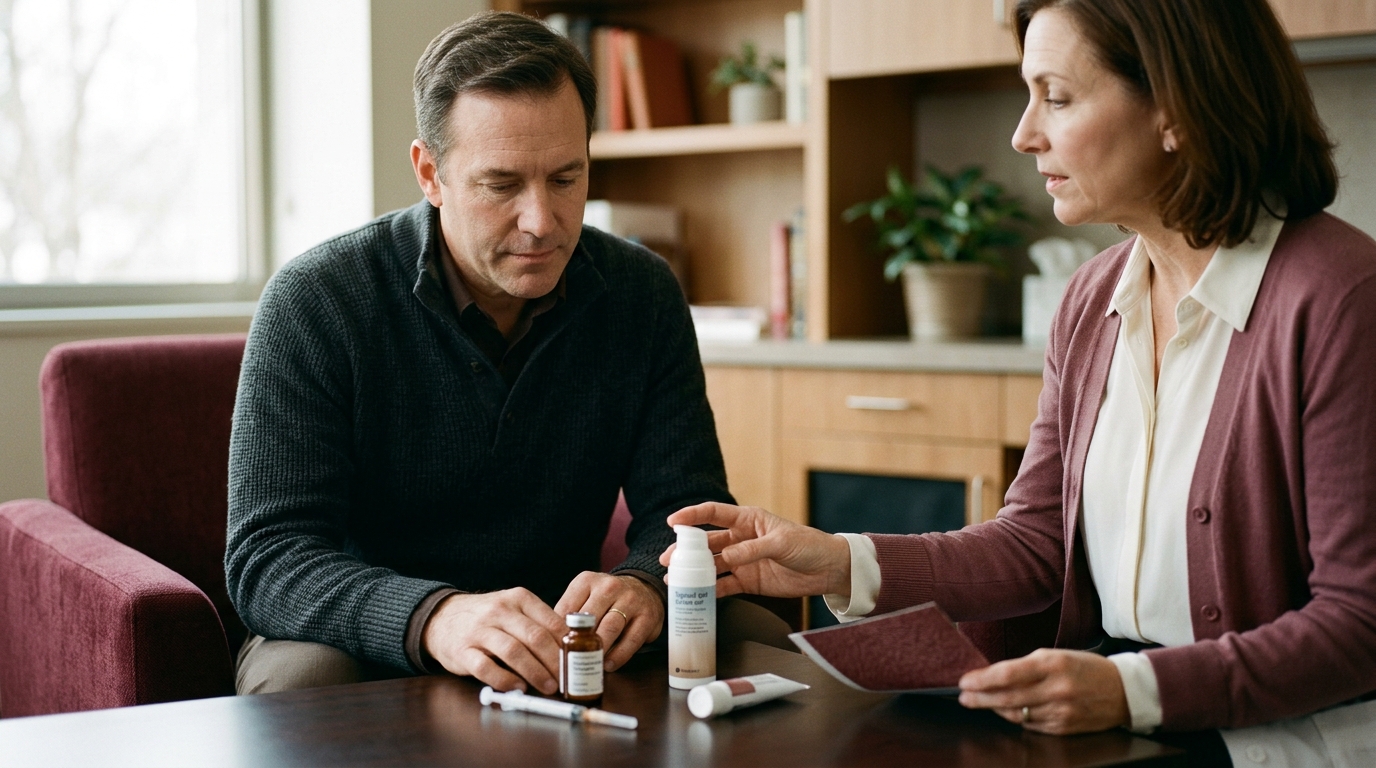

Realistic expectations for TRT emerge when you separate sexual desire from erectile mechanics and evaluate the broader vascular drivers behind intimacy.





Medical Disclaimer: The information provided in this article is for educational and informational purposes only. It is not intended as medical advice, diagnosis, or treatment. Hormone therapies and sexual health concerns involve complex physiological pathways that require individualized evaluation. Always consult a qualified healthcare professional regarding any medical condition or before making changes to any treatment plan.
Many men assume that male sexual performance is a single dial controlled entirely by testosterone. Popular discussions often suggest that if a man experiences erectile difficulties or lower interest in intimacy, raising his serum testosterone will resolve both problems together.
Clinical research demonstrates a very different reality. While testosterone replacement therapy (TRT) reliably increases sexual thoughts and desire in men with genuine hormone deficiency, its impact on erectile firmness is far more modest. In major clinical trials, men frequently experience a restoration of sexual appetite while their physical erectile capacity remains largely unchanged.
Understanding why this separation occurs requires looking beyond marketing promises. Sexual function is not a single outcome. It consists of multiple distinct physiological domains that rely on different biological mechanisms. When you examine the evidence from large clinical studies, you can set realistic expectations and understand why a comprehensive evaluation is essential.
To evaluate how hormone treatment affects intimacy, one must first separate sexual desire from physical execution. Libido refers to the psychological and neurochemical motivation for sexual activity. It involves spontaneous sexual thoughts, fantasies, and responsiveness to intimate cues.
Erectile function is a distinct physical process that relies heavily on vascular health, smooth muscle relaxation, and nerve transmission within the pelvic region. A man can experience intense sexual desire while having physical difficulty achieving or sustaining an erection. Conversely, another man may retain normal erectile mechanics despite feeling minimal interest in sex.
A comprehensive view of intimacy also includes outcomes such as orgasm intensity, ejaculatory control, overall satisfaction, and relationship dynamics. The biological pathways governing these domains overlap, but they are not identical. Central dopamine pathways in the brain drive sexual interest and motivation. In contrast, the local release of nitric oxide in penile tissue drives the vascular changes required for an erection.
Testosterone acts on the central nervous system to support sexual drive and motivation. In the periphery, testosterone helps maintain healthy erectile tissue structure and supports the enzymatic production of nitric oxide. However, peripheral hormone support cannot overcome physical blockages in the arteries or nerve damage caused by other conditions. You can read more about these distinct physical pathways in our guide to understanding body, libido, and sexual performance.
The International Index of Erectile Function (IIEF) and specific libido questionnaires measure these outcomes as separate subdomains. When clinical studies group all sexual symptoms into a generic category, they obscure crucial details. Evaluating desire, physical stiffness, and overall satisfaction as separate domains allows clinicians to target treatments accurately rather than assuming one intervention will solve every symptom.
Randomized controlled trials offer clear insight into what testosterone can and cannot achieve. Systematic reviews evaluating men with hypogonadism consistently show that testosterone therapy produces a moderate, reliable improvement in sexual desire. However, the average effect on erectile function is consistently smaller and far less predictable.
A comprehensive systematic review and meta-analysis of testosterone therapy in hypogonadal men evaluated these differences directly. The researchers found an average improvement in libido with a standardized mean difference of 0.33 compared to placebo. In contrast, the standardized mean difference for erectile function was only 0.25. While both outcomes showed statistical benefit, the magnitude of improvement for erections was noticeably smaller across the pooled trial data.
The American College of Physicians published an evidence report reviewing randomized trials of testosterone therapy. Their pooled analysis demonstrated a small overall improvement in global sexual function, with a standardized mean difference of 0.35. Within specific subdomains, sexual activity increased with an effect size of 0.45, while sexual desire increased with an effect size of 0.44. These findings demonstrate that behavioral frequency and psychological interest respond more strongly than physical stiffness.
The landmark Testosterone Trials evaluated 788 older men with an average age of 72 who had confirmed low testosterone levels. In the sexual function trial, participants receiving testosterone experienced measurable increases in sexual desire, sexual activity, and erectile function. The average treatment effect was 2.93 points on the sexual desire questionnaire and 2.64 points on the IIEF erectile function domain. These findings confirmed that older men with confirmed deficiency can experience improvements, but group averages do not guarantee that every individual will experience dramatic erectile changes.
The large TRAVERSE sexual function substudy provided further clarity regarding this biological divide. The study enrolled older men who had preexisting cardiovascular disease, low sexual desire, and morning total testosterone concentrations below 300 ng/dL. Participants received either topical testosterone gel or a placebo over an extended follow-up period.
The results of the TRAVERSE substudy were striking. Men receiving testosterone achieved a 3.9 point improvement on the Hypogonadism Impact of Symptoms Questionnaire libido subdomain compared to placebo. They also reported an increase of 3.3 sexual events per week. Yet, despite these clear improvements in desire and activity, the testosterone group showed no statistically significant improvement in IIEF erectile function scores compared to the placebo group.
A 2024 randomized trial evaluating middle-aged and older men with hypogonadism and low libido over two years reinforced this exact pattern. Over 24 months of treatment, participants experienced substantial improvements in hypogonadal symptoms, overall sexual desire, and total sexual activity. However, just like in TRAVERSE, their erectile function scores did not show meaningful improvement over baseline.
The Testosterone for the Prevention of Type 2 Diabetes Mellitus (T4DM) trial examined sexual function outcomes across a large cohort. In the T4DM sexual function analysis, clinically meaningful improvements in erectile function occurred in 23 percent of testosterone-treated men compared to 20 percent of men receiving placebo. This three percent difference was not statistically significant. In contrast, clinically meaningful improvements in sexual desire occurred in 32 percent of testosterone-treated men versus 22 percent of men receiving placebo, which was highly statistically significant.
The T4DM analysis also highlighted the natural progression of sexual symptoms over time. Erectile function deteriorated over the study period in 29 percent of testosterone-treated men and in 37 percent of placebo-treated men. Sexual desire deteriorated in 25 percent of the testosterone group compared to 36 percent of the placebo group. These numbers show that while hormone therapy can slow symptom decline and support desire, it is not an absolute barrier against vascular erectile deterioration.
An individual participant data meta-analysis combining 17 clinical trials and 3,380 men aged 40 and older evaluated whether baseline hormone numbers predict erectile response. The overall mean increase in IIEF erectile function was 2.14 points across the trials. Crucially, the researchers found no relationship between a man's baseline total testosterone concentration and the magnitude of his erectile response. Having a lower initial number did not mean a man experienced a larger erectile improvement.
A common error in clinical discussions is treating a lab value as an absolute prediction of sexual symptoms or treatment response. Many men assume that a testosterone test below an arbitrary threshold guarantees severe erectile dysfunction. Similarly, they often believe that a normal value guarantees optimal sexual health.
Major clinical guidelines emphasize that a single laboratory test cannot establish a diagnosis or predict treatment outcomes. The Endocrine Society recommends diagnosing male hypogonadism only when a patient presents with consistent clinical symptoms alongside unequivocally low serum testosterone. Furthermore, the Endocrine Society explicitly advises confirming any low reading with a repeat early morning fasting measurement.
The American Urological Association (AUA) guidelines on testosterone deficiency echo this standard. The AUA requires both the presence of symptoms and two separate early morning blood tests drawn on different days. The AUA uses a total testosterone threshold of less than 300 ng/dL as a reasonable cutoff in support of the clinical diagnosis. You can review the clinical definitions in our overview of low testosterone signs and causes.
Morning collection is necessary because testosterone follows a natural circadian rhythm in adult men. Concentrations typically peak in the early morning hours and decline toward the late afternoon and evening. A blood sample drawn at 2:00 PM may appear low, yet reflect normal diurnal variation rather than true deficiency. Acute stress, illness, poor sleep, and nutritional intake before testing can also suppress circulating levels temporarily.
Symptoms associated with low testosterone are highly nonspecific. Fatigue, reduced motivation, mild mood changes, and lower libido occur frequently across the general population. The Endocrine Society notes that these symptoms have dozens of non-hormonal causes, including chronic stress, sleep apnea, metabolic dysfunction, and relationship strain. A clinician must evaluate the complete clinical context rather than assuming a single low number explains every symptom.
The outcome a man hopes to improve also dictates how useful a lab test is. A low testosterone reading provides reasonable biological plausibility when evaluating reduced sexual thoughts or low motivation. However, that same number is a poor predictor of isolated erectile failure, because the vascular health of the pelvic blood vessels plays a much larger role.
A thorough hormonal assessment looks beyond total testosterone alone. When investigating sexual symptoms, clinicians frequently order a comprehensive panel of related biomarkers to gain a complete picture of endocrine function.
Total testosterone measures all circulating testosterone in the bloodstream. Most of this hormone is bound tightly to sex hormone-binding globulin (SHBG) or loosely to albumin. Only a small fraction circulates in an unbound state, which is known as free testosterone.
SHBG is a transport protein produced by the liver that regulates hormone delivery to tissues. Factors such as aging, thyroid dysfunction, liver health, and certain medications can elevate SHBG levels. When SHBG is elevated, a man may have a normal total testosterone level while his circulating free testosterone is substantially reduced.
Conversely, conditions like obesity, type 2 diabetes, and high insulin levels frequently lower SHBG concentrations. In these cases, total testosterone may appear abnormally low on a standard test, yet free testosterone remains within the normal physiological range. The Endocrine Society recommends calculating or directly measuring free testosterone using an accurate equilibrium dialysis method when total testosterone is near the lower diagnostic threshold or when SHBG alterations are suspected. For a detailed breakdown of these tests, explore our guide to testosterone testing and biomarkers.
Luteinizing hormone (LH) and follicle-stimulating hormone (FSH) are pituitary hormones that direct testicular function. Measuring LH helps clinicians distinguish between primary hypogonadism, where the testes fail to produce testosterone despite strong pituitary signals, and secondary hypogonadism, where the pituitary fails to send adequate signals. This distinction is vital for determining the underlying cause and selecting safe management options.
Prolactin is an anterior pituitary hormone that clinicians measure when assessing severe libido loss or erectile dysfunction. Markedly elevated prolactin, known as hyperprolactinemia, directly suppresses the hypothalamic-pituitary-gonadal axis and blunts sexual desire. Identifying an elevated prolactin level can reveal pituitary adenomas or medication side effects that require distinct medical management.
Estradiol is the primary female sex hormone, but it plays essential roles in male sexual physiology as well. In men, circulating testosterone is converted into estradiol by the enzyme aromatase in adipose tissue, the brain, and bone. Both excessively high and excessively low estradiol concentrations can negatively affect libido, erectile firmness, and mood. Balancing these hormonal intermediaries requires a nuanced medical assessment rather than aggressive manual manipulation.
Erectile dysfunction is predominantly a vascular and neurological condition rather than a purely hormonal one. While testosterone provides the necessary hormonal foundation for sexual health, the physical erection depends directly on blood flow into the corpora cavernosa of the penis.
Guidelines from the European Association of Urology (EAU) categorize the mechanisms of erectile dysfunction into several distinct pathways. These include vasculogenic, neurogenic, anatomical, hormonal, drug-induced, and psychogenic factors. In most middle-aged and older men, erectile difficulties stem from a combination of these pathways rather than a single isolated cause.
Vasculogenic causes represent the most common driver of persistent erectile problems. The penile arteries are small, measuring roughly one to two millimeters in diameter. Conditions that damage the vascular endothelium, such as atherosclerosis, hypertension, dyslipidemia, and cigarette smoking, restrict blood flow to these microvessels long before larger coronary arteries become fully obstructed.
Because of this shared vascular biology, the American Urological Association emphasizes that erectile dysfunction is a major clinical marker for underlying cardiovascular disease. An inability to achieve firm erections often serves as an early warning sign of systemic arterial disease. The Princeton Consensus guidelines recommend calculating a formal atherosclerotic cardiovascular disease (ASCVD) risk score for any man presenting with vasculogenic erectile dysfunction.
Metabolic health also exerts a massive influence on erectile mechanics. Chronic hyperglycemia and insulin resistance impair endothelial nitric oxide synthase, the enzyme responsible for initiating smooth muscle relaxation in penile tissue. Men with poorly managed type 2 diabetes frequently experience severe erectile difficulties even when their testosterone levels are within the normal reference range.
Neurological pathways are equally critical for normal erectile function. Conditions such as multiple sclerosis, Parkinson's disease, lumbar disc herniations, and pelvic nerve damage from prostate or colorectal surgery disrupt the nerve signals required to trigger an erection. When neural pathways are severed or damaged, hormone therapy cannot restore function on its own.
Prescription medications represent another widespread, reversible cause of sexual dysfunction. Antihypertensive drugs, particularly beta-blockers and thiazide diuretics, can reduce penile perfusion and impair erectile firmness. Selective serotonin reuptake inhibitors (SSRIs) and other psychotropic medications frequently suppress libido, cause erectile difficulties, and delay ejaculation.
Psychogenic factors also play a powerful role in sexual performance. Performance anxiety, relationship conflict, chronic workplace stress, and clinical depression can completely override normal hormonal signals. When a man experiences acute stress, his sympathetic nervous system releases high levels of adrenaline and cortisol, which actively constrict penile blood vessels and prevent smooth muscle relaxation.
Recognizing these diverse mechanisms prevents patients and clinicians from focusing exclusively on hormone concentrations. If a man has significant arterial narrowing, unmanaged diabetes, or severe performance anxiety, raising his testosterone will not solve his erectile problems. Addressing lifestyle factors, cardiovascular risk, mental health, and medication side effects is essential for genuine recovery. You can learn more about holistic health strategies in our section on lifestyle and natural testosterone support.
Because testosterone therapy primarily targets desire while leaving vascular pathways untouched, many men with low testosterone and persistent erectile difficulties require additional treatment modalities. Phosphodiesterase type 5 (PDE5) inhibitors, such as sildenafil and tadalafil, represent the first-line medical therapy for erectile dysfunction.
PDE5 inhibitors work by preventing the breakdown of cyclic guanosine monophosphate (cGMP) in penile smooth muscle cells. When sexual stimulation triggers nitric oxide release, elevated cGMP levels allow the penile arteries to dilate and fill with blood. PDE5 inhibitors do not create sexual desire; they simply amplify the natural vascular response to sexual stimulation.
In men who have both confirmed testosterone deficiency and erectile dysfunction, combining testosterone therapy with a PDE5 inhibitor is a common clinical strategy. The American Urological Association guidelines state that clinicians may counsel men with testosterone deficiency and erectile dysfunction that a PDE5 inhibitor might be more effective when combined with testosterone therapy.
The physiological rationale for this combination is straightforward. Testosterone helps maintain the enzymatic machinery required to produce nitric oxide, while PDE5 inhibitors prolong the action of downstream signaling molecules. In men with low testosterone who fail to respond to PDE5 inhibitors alone, normalizing hormone levels can sometimes restore responsiveness to the medication.
However, clinical reviews emphasize that the evidence supporting combination therapy is heterogeneous and subject to methodological limitations. Adding testosterone to a PDE5 inhibitor is not a guaranteed solution for every patient. If the underlying cause of the erectile dysfunction is advanced vascular disease or severe nerve injury, combining medications may still produce incomplete results.
When evaluating combined therapies, clinicians must also review patient safety and cardiovascular readiness for sexual activity. Men with unstable angina, recent myocardial infarction, or severe heart failure require cardiovascular stabilization before initiating any medical treatment for erectile dysfunction. Furthermore, PDE5 inhibitors are strictly contraindicated in patients taking nitrate medications due to the risk of severe, life-threatening hypotension.
Navigating sexual health treatments requires separating established medical evidence from commercial marketing. Many common assumptions regarding testosterone replacement therapy lead to frustration, unnecessary dose escalations, and missed medical diagnoses.
One widespread misconception is that low testosterone is the sole cause of erectile failure in aging men. As clinical trials consistently demonstrate, men with confirmed hypogonadism often have multiple coexisting health conditions. Expecting testosterone therapy to single-handedly reverse years of vascular stiffness or nerve changes is unrealistic.
Another frequent pitfall is assuming that an improvement in libido will automatically lead to improved erectile firmness. The TRAVERSE study proved that these two outcomes can diverge entirely. A man may feel a renewed interest in intimacy, yet find that his physical erectile capacity remains unchanged. Recognizing that desire and erections are driven by different biological mechanisms prevents patients from concluding that their hormone treatment has completely failed.
A third major error is assuming that persistent erectile dysfunction means a man's testosterone dose must be increased. When a patient on TRT continues to struggle with erections, some practitioners mistakenly increase the hormone dose well beyond normal physiological levels. Supraphysiological testosterone dosing does not overcome vascular blockages, but it does increase the risk of adverse effects like erythrocytosis, fluid retention, and sleep apnea exacerbation.
It is also vital to understand that testosterone therapy is not an effective treatment for men with normal baseline hormone levels. Systematic reviews show that administering testosterone to eugonadal men produces no meaningful improvement in erectile function or sexual satisfaction. Using hormone therapy as a performance-enhancing agent in healthy men carries significant health risks without providing legitimate therapeutic benefits.
To understand how these principles apply in real-world clinical contexts, consider five educational case patterns:
An adult man presents with a complete lack of sexual interest and spontaneous intimate thoughts. His physical exams are normal, and two separate fasting morning blood tests confirm total testosterone levels well below 300 ng/dL.
This scenario represents the classic clinical presentation where testosterone replacement therapy has the highest likelihood of providing meaningful benefit. Clinical trials consistently show that restoring physiological hormone levels in men with true hypogonadism leads to reliable improvements in sexual motivation and overall activity.
A man diagnosed with hypogonadism begins testosterone therapy. After several months of treatment, his morning total testosterone levels normalize, and he reports a welcome return of sexual appetite and intimate thoughts. However, he continues to lose erectile firmness during intercourse.
This outcome mirrors the findings seen in the TRAVERSE substudy and the 2024 two-year clinical trial. The appropriate clinical response is not to escalate the testosterone dose, but rather to investigate non-hormonal contributors to his erectile dysfunction. The clinician should evaluate his blood pressure, lipid profile, fasting glucose, medication list, and pelvic vascular health.
A man seeks treatment specifically for difficulty maintaining erections, but he reports that his sexual appetite, motivation, and morning energy levels are entirely normal. His blood tests reveal normal total and free testosterone concentrations alongside normal LH and prolactin.
In this situation, testosterone therapy is not clinically indicated. The primary target must be a comprehensive erectile dysfunction evaluation, including cardiovascular risk stratification and a trial of first-line vascular therapies like PDE5 inhibitors. Prescribing testosterone in this scenario exposes the patient to medication risks without addressing the actual cause of his vascular symptoms.
A man receives a slightly low total testosterone reading from a single blood draw taken late in the afternoon during a period of severe work stress and sleep deprivation. He complains of general fatigue and occasional erectile difficulties.
Labeling this patient with hypogonadism based on a single afternoon test is a major clinical error. Proper management requires addressing his sleep hygiene and stress levels, followed by repeat fasting morning blood tests that measure total testosterone, free testosterone, and SHBG. In many cases, addressing lifestyle disruptions normalizes circulating hormone levels without requiring lifelong hormone therapy.
A man with confirmed low testosterone and long-standing erectile difficulties tries a standard PDE5 inhibitor, but experiences minimal improvement in erectile stiffness.
Under the guidance of AUA guidelines, this patient is a reasonable candidate for combined therapy. Normalizing his testosterone levels with TRT may restore tissue responsiveness to the PDE5 inhibitor over time. However, the clinician and patient must maintain realistic expectations, recognizing that severe vascular or neurological damage may still require advanced urological interventions.
For more information on evaluating research and treatment strategies, read our overview of TRT, treatment, and emerging science.
Navigating hormone health and sexual function requires open, detailed communication with a qualified medical provider. Patients should prepare for their appointments by defining their primary concerns and understanding the diagnostic steps required for safe care.
Before starting any treatment, establish which specific sexual domains are causing distress. Distinguishing between a lack of sexual thoughts, difficulty obtaining an erection, difficulty maintaining an erection, or relationship distress helps your clinician select the appropriate diagnostic pathway.
During your evaluation, consider discussing the following structured questions with your physician:
Ongoing monitoring is essential for any man undergoing hormone replacement therapy. Follow-up appointments should systematically reassess both subjective symptoms and objective laboratory parameters. Tracking changes in desire, physical performance, and overall satisfaction as separate outcomes ensures that your treatment plan remains targeted, safe, and effective.
Managing male sexual health requires a balanced, evidence-based approach that addresses hormonal, vascular, and psychological factors together.
Testostra explains testosterone biology, testing, symptoms, lifestyle factors and TRT with careful sourcing and clear clinical limits.



Send us a question, research idea or topic suggestion. Reader questions help shape future Testostra content.
Contact Testostra