
Evidence-based expectations regarding testosterone therapy clarify how medical replacement alters body composition, reduces fat mass, and differs from high-dose athletic enhancement.





Many men searching online want to know whether testosterone replacement therapy will rebuild lost muscle, strip away stubborn body fat, or restore physical strength. The answers found on forums and clinic websites often swing between two extremes. Some claim that hormone therapy reshapes the male body effortlessly, while others dismiss any meaningful physical change.
This guide provides a comprehensive, evidence-based assessment of how testosterone replacement therapy (TRT) influences body composition. It examines what clinical trials show for men with diagnosed androgen deficiency, explains the physiological differences between medical replacement and high-dose performance enhancement, and outlines what you can realistically expect.
This guide is published solely for educational and informational purposes. It does not constitute personal medical advice, diagnosis, or treatment recommendations. Hormone replacement therapy involves prescription medications that carry physiological risks and require thorough evaluation by a qualified medical professional.
Before reviewing the data in detail, consider the primary findings established across clinical research:
Testosterone exerts powerful effects on multiple tissues throughout the human body. Understanding how the hormone interacts with androgen receptors helps explain why changes in circulating levels affect physical appearance and metabolic function.
Testosterone acts directly on skeletal muscle tissue by binding to intracellular androgen receptors. Once bound, the receptor complex translocates to the cell nucleus, where it alters DNA transcription. This signaling cascade stimulates muscle protein synthesis, inhibits protein breakdown, and promotes the recruitment and differentiation of muscle satellite cells.
Satellite cells are specialized stem cells located on the periphery of muscle fibers. When activated, they donate nuclei to existing muscle fibers, increasing their capacity to synthesize new contractile proteins. Testosterone also stimulates the local expression of growth factors within muscle tissue, which further supports fiber hypertrophy. Through these mechanisms, adequate circulating testosterone maintains muscle mass and counteracts age-related muscle wasting.
Adipose tissue is not merely an inert energy store. It is an active endocrine organ that expresses androgen receptors. Testosterone influences fat metabolism by inhibiting lipoprotein lipase, an enzyme responsible for taking up triglycerides into fat cells.
At the same time, testosterone enhances lipolysis by upregulating beta-adrenergic receptors on adipocyte cell membranes. This process allows stored fatty acids to be mobilized and utilized for fuel. When testosterone levels drop significantly below normal physiological limits, fat accumulation often accelerates, particularly in deep visceral fat depots around abdominal organs.
The relationship between testosterone and body composition is bidirectional. While low hormone levels promote fat gain and muscle loss, excess body fat directly suppresses testosterone production.
Adipose tissue contains the aromatase enzyme, which converts circulating testosterone into estradiol. In men with elevated body fat, increased aromatase activity lowers circulating testosterone and raises estrogen levels. Furthermore, visceral fat releases pro-inflammatory cytokines that suppress hypothalamic gonadotropin-releasing hormone secretion. This cycle can trap men in a progressive state of increasing body fat and declining androgen status. To understand these hormonal interactions in depth, explore the testosterone body and sexual performance resources available on Testostra.
Randomized controlled trials evaluating testosterone therapy in men with hypogonadism provide clear, quantifiable data on body composition changes. These trials examine specific patient populations over defined timeframes, offering realistic benchmarks rather than theoretical promises.
A comprehensive systematic review of randomized trials in middle-aged and older men evaluated the body composition effects of restoring physiological testosterone levels. The analysis found that testosterone treatment reduced total body fat by an average of 1.6 kilograms. Simultaneously, fat-free mass increased by an average of 1.6 kilograms.
Because the gain in lean mass equaled the loss in fat mass, the review observed no significant change in total body weight. Other systematic reviews summarizing trials in older men report broader ranges depending on baseline characteristics and intervention duration. Across these trials, lean mass gains generally ranged between 1.5 and 5.0 kilograms, while fat mass reductions ranged between 1.0 and 4.0 kilograms.
These changes represent meaningful physiological shifts in tissue distribution. However, they do not match the dramatic transformations often advertised in commercial marketing. The clinical reality is a steady, modest recomposition rather than an overnight physique overhaul.
One common source of confusion for men undergoing treatment is a lack of change on the bathroom scale. When a patient begins therapy, they often expect their overall body weight to drop as they lose fat or rise as they gain muscle.
In clinical trials, total body weight, body mass index, and waist circumference frequently remain unchanged. Lean tissue is denser than adipose tissue, meaning a man can lose several pounds of fat while gaining an equal weight in water, glycogen, and lean tissue. The scale reflects total mass, not tissue quality or distribution.
A stable weight reading over six months does not mean the intervention failed. Dual-energy X-ray absorptiometry scans frequently confirm substantial reductions in fat mass alongside increases in fat-free tissue despite an unchanged body weight.
Visceral adipose tissue, which sits deep within the abdominal cavity, poses greater metabolic risks than subcutaneous fat. Researchers have examined whether testosterone therapy reliably reduces visceral fat and improves markers of metabolic health such as glycated hemoglobin.
A review of trials in men with late-onset hypogonadism noted that while total fat mass consistently declines, reductions in visceral fat are less predictable. Furthermore, improvements in blood sugar control and insulin sensitivity vary widely across patient groups. Men with pre-existing metabolic dysfunction may experience modest metabolic benefits, but testosterone therapy alone is not a reliable treatment for insulin resistance or type 2 diabetes. For more clinical analysis, review the TRT treatment and emerging science guide.
A common assumption among patients is that gaining lean mass automatically improves physical strength and athletic capability. Clinical trials consistently demonstrate that muscle mass, muscle strength, and functional performance are distinct outcomes that do not always move together.
Systematic reviews evaluating androgen therapy show a clear dissociation between muscle mass and muscle strength. While almost all trials document an increase in lean mass, strength outcomes are far more heterogeneous.
In meta-analyses, strength improvements are typically modest and limited to specific muscle groups, such as knee extension or grip strength. Many trials find no statistically significant difference in composite strength scores between treated men and control groups.
Fat-free mass measured on a scan includes cellular water, connective tissue, and glycogen stores in addition to contractile myofibrils. An increase in lean mass indicates that tissue protein and water content have expanded. It does not prove that the neurological drive or contractile machinery necessary for high force production has grown at the same rate.
The Testosterone Trials, a major coordinated research initiative in older men with low testosterone, evaluated physical function as a primary outcome measure. The Physical Function Trial assessed whether normalizing testosterone levels would improve walking ability in men with mobility limitations.
The primary results showed that testosterone therapy did not produce a statistically significant benefit in the distance participants could walk in six minutes compared to placebo. A broader meta-analysis on testosterone therapy and physical mobility estimated an average improvement of 9.35 meters in the six-minute walk test.
A confidence interval ranging from 0.64 to 18.07 meters shows that the average functional change is very modest. While men frequently report improvements in sexual function and energy, significant improvements in raw physical mobility cannot be assumed based on hormone therapy alone.
A landmark 12-month clinical trial evaluated older men randomized to receive either testosterone or a placebo, combined with either progressive resistance training or no exercise. This study design allowed researchers to separate the effects of the hormone from the effects of physical exercise.
The results demonstrated clear differences across the groups:
These findings highlight an essential clinical rule. Progressive resistance training is the primary driver of strength and functional capacity. Testosterone replacement optimizes the internal hormonal environment, but mechanical load and neurological adaptation remain essential for building strength.
Much of the public perception surrounding testosterone and muscle growth comes from bodybuilding communities and athletic doping scandals. Conflating medical replacement with supraphysiologic enhancement leads to unrealistic expectations and dangerous misunderstandings.
Medically supervised testosterone replacement therapy is designed to treat an endocrine disorder known as male hypogonadism. The goal of clinical treatment is to restore circulating hormone concentrations to a normal, mid-physiologic range, typically between 300 and 1,000 nanograms per deciliter.
By restoring normal physiological levels, clinicians aim to resolve symptoms such as fatigue, low libido, depressed mood, and progressive muscle wasting. The physiological effects are restorative. The body is simply returned to the hormonal state of a healthy male, allowing normal biological processes to resume.
Performance-enhancing protocols involve administering high doses of androgens that push circulating concentrations far beyond normal physiological boundaries. These regimens often elevate total testosterone to levels exceeding 2,000 to 4,000 nanograms per deciliter.
A classic randomized controlled trial published in the New England Journal of Medicine examined the effects of supraphysiologic testosterone administration in healthy young men. Participants received 600 milligrams of testosterone enanthate weekly, a dose roughly five to six times higher than standard medical replacement.
Over ten weeks, healthy men receiving high-dose testosterone who engaged in progressive resistance training gained an average of 6.1 kilograms of fat-free mass. They also experienced massive increases in muscle cross-sectional area and bench press strength. Even men receiving high doses without lifting weights gained lean mass.
The outcomes observed in supraphysiologic studies cannot be used to forecast the results of clinical TRT. The biological environments are completely different:
Presenting high-dose bodybuilding results as typical outcomes for medical therapy creates false expectations. A patient beginning TRT should anticipate gradual, modest health improvements, not rapid physique transformations. For an overview of hormone balance principles, explore the Testostra fundamentals section.
Testosterone replacement therapy does not operate in a biological vacuum. The degree to which body composition improves depends heavily on the presence of physical stimulus and nutritional support.
Skeletal muscle requires mechanical tension to stimulate the intracellular signaling pathways responsible for hypertrophy. Resistance training activates the mechanistic target of rapamycin complex 1, which drives the translation of new proteins within the muscle cell.
While testosterone enhances the machinery for protein synthesis, mechanical overload provides the primary signal that directs those resources toward muscle remodeling. Without resistance exercise, the body has little physiological reason to build new contractile muscle tissue.
A structured program incorporating progressive overload through multi-joint exercises provides the stimulus necessary to capitalize on restored hormone levels.
Dietary intake dictates whether the body has the energetic resources to build tissue or the caloric deficit required to mobilize fat stores. Testosterone alters nutrient partitioning, favoring the storage of energy in lean tissue rather than adipose depots.
In a randomized clinical trial of obese men with low-to-low-normal testosterone participating in a structured weight-loss program, researchers evaluated the effects of concurrent testosterone therapy. Both the testosterone group and the control group lost similar amounts of total body weight due to the hypocaloric diet.
However, the composition of the weight loss differed markedly between the two cohorts:
This study illustrates that testosterone supports muscle retention during weight loss, but the caloric deficit itself drives the reduction in total scale weight. To learn more about supportive lifestyle habits, review the lifestyle and natural testosterone support guide.
The physical changes a man experiences during replacement therapy depend heavily on his starting health status. Clinical responses generally fall into several distinct patient profiles:
An older man with documented androgen deficiency and age-related muscle loss begins therapy. Restoring normal testosterone levels increases lean mass by two to three kilograms over 12 months, halting muscle wasting and improving daily vitality. His overall body weight changes minimally, but his functional stability improves.
A middle-aged man with excess body weight and low total testosterone enters a supervised diet and exercise regimen. With hormone normalization, he retains his skeletal muscle while losing significant body fat. The therapy prevents the typical drop in metabolic rate associated with muscle loss during dieting.
A man with normal natural hormone levels attempts to obtain replacement therapy to improve gym performance. Because his androgen receptors are already saturated within normal physiologic ranges, standard replacement doses provide no additional body composition benefit while shutting down his endogenous hormone production.
Testosterone replacement therapy is indicated only for men with verified clinical hypogonadism. A single low laboratory value or vague physical symptoms do not constitute a medical diagnosis.
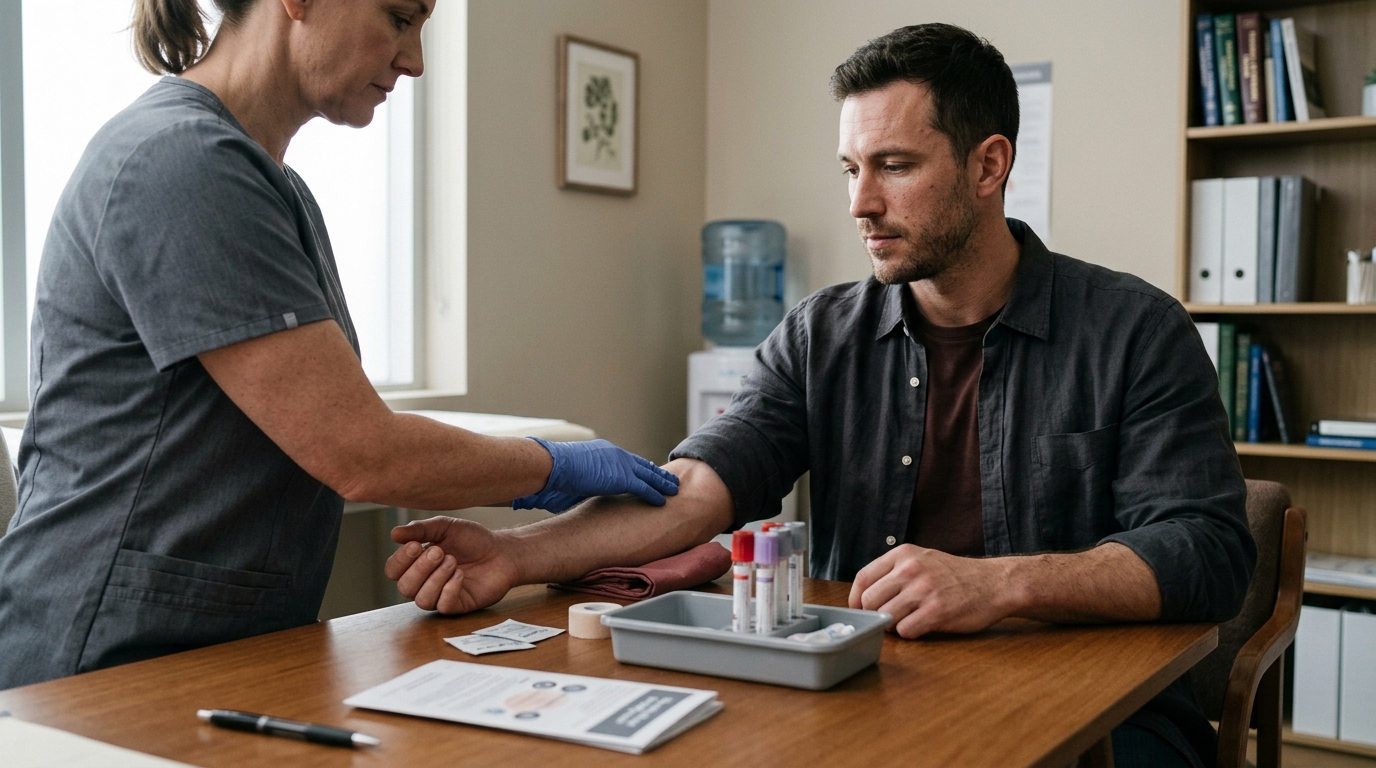
A complete diagnostic workup requires evaluating multiple biomarkers to determine the underlying cause of hormonal alterations:
For detailed testing methodologies, read the testosterone testing and biomarkers guide.
The Endocrine Society clinical practice guidelines set clear standards for establishing a hypogonadism diagnosis. Clinicians must confirm both compatible clinical signs and consistently low serum hormone concentrations.
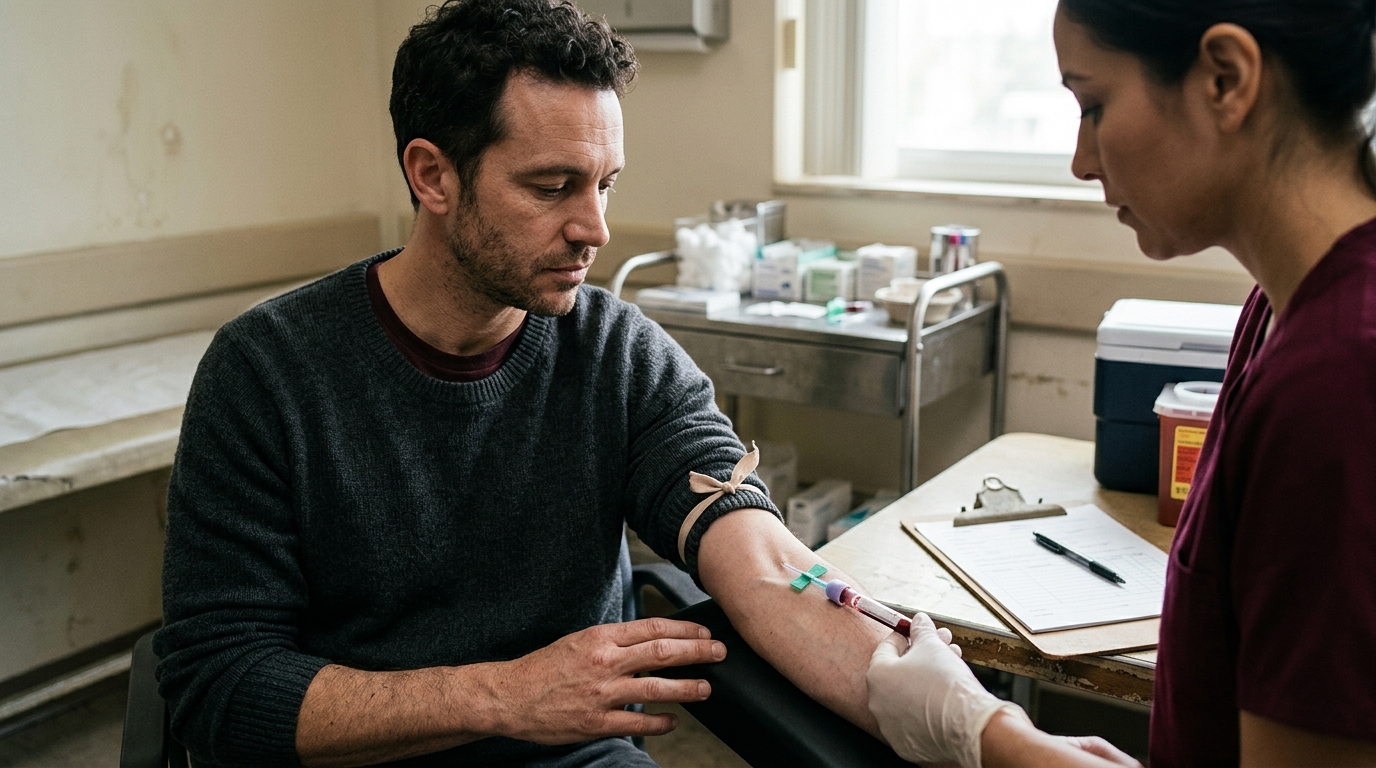
Because testosterone levels fluctuate due to acute illness, sleep disruption, nutritional status, and circadian rhythms, a single reading is never sufficient. Blood samples must be collected in a fasting state during the early morning hours, between 8:00 AM and 10:00 AM, when physiological secretion peaks. If the initial test shows low testosterone, a confirmatory test on a separate morning is mandatory before considering clinical intervention. To explore the root causes of hormonal decline, visit the low testosterone signs and causes overview.
Testosterone replacement therapy alters various physiological systems. Safe management requires comprehensive baseline screening, awareness of absolute contraindications, and consistent long-term laboratory monitoring.
According to Endocrine Society guidelines, testosterone replacement therapy should not be initiated in men with specific pre-existing health conditions. Clinicians must screen for these risks before prescribing treatment:
Once therapy begins, ongoing surveillance ensures that hormone levels remain within the target range and adverse hematologic changes are detected early.
Hematocrit must be evaluated at baseline, three to six months after starting treatment, and annually thereafter. Exogenous testosterone stimulates erythropoiesis in bone marrow. If hematocrit rises above 54 percent, therapy should be withheld or adjusted to reduce the risk of hyperviscosity and vascular thrombosis.
Prostate health monitoring is also required. Clinicians assess prostate-specific antigen and perform digital rectal examinations prior to treatment, repeating these evaluations during the first year of therapy.
The United States Food and Drug Administration issued class-wide safety labeling updates for all approved testosterone products. Postmarket ambulatory blood pressure monitoring studies confirmed that testosterone therapy can cause modest increases in blood pressure.
Clinicians must monitor blood pressure at baseline and periodically throughout treatment. Patients should maintain healthy cardiovascular habits and address any pre-existing hypertension prior to and during therapy. To review broader safety literature, read the clinical research on testosterone therapy.
Navigating information about hormone therapy requires separating documented clinical outcomes from aggressive commercial marketing claims.
Clinical reality shows that testosterone restores the physiological potential for muscle maintenance and fat loss. Without progressive resistance training and controlled caloric intake, average lean mass increases remain modest, typically around one to two kilograms, with no guarantee of visible muscle definition.
Body recomposition frequently involves concurrent fat loss and lean tissue gain. The scale measures total mass rather than tissue distribution. Measuring waist circumference, tracking strength performance, and using body composition scans provide a far more accurate reflection of physical progress.
Clinical trials show that lean mass increases do not automatically translate into major improvements in strength or physical mobility. Functional capacity requires targeted physical conditioning and neurological adaptation through regular training.
Serum testosterone follows a circadian rhythm, peaking in the morning and declining across the day. A diagnosis requires at least two separate fasting morning blood tests along with consistent clinical symptoms.
If you are experiencing symptoms of hormonal deficiency and evaluating whether replacement therapy is appropriate, prepare specific questions for your healthcare provider:
If you are concerned about declining muscle mass, rising body fat, or potential hormonal deficiency, take these concrete steps this week:
Keep a written log of your physical and psychological symptoms over a two-week period. Note specific issues regarding energy levels, recovery from exercise, muscle weakness, changes in body fat distribution, sleep quality, and sexual function.
Before attributing body composition changes entirely to hormones, evaluate your foundational lifestyle habits. Ensure you are getting seven to eight hours of uninterrupted sleep nightly, eating adequate protein, and maintaining consistent physical activity.
Contact a healthcare provider to request a full male endocrine panel. Ensure the blood draw is scheduled between 8:00 AM and 10:00 AM in a fasted state.
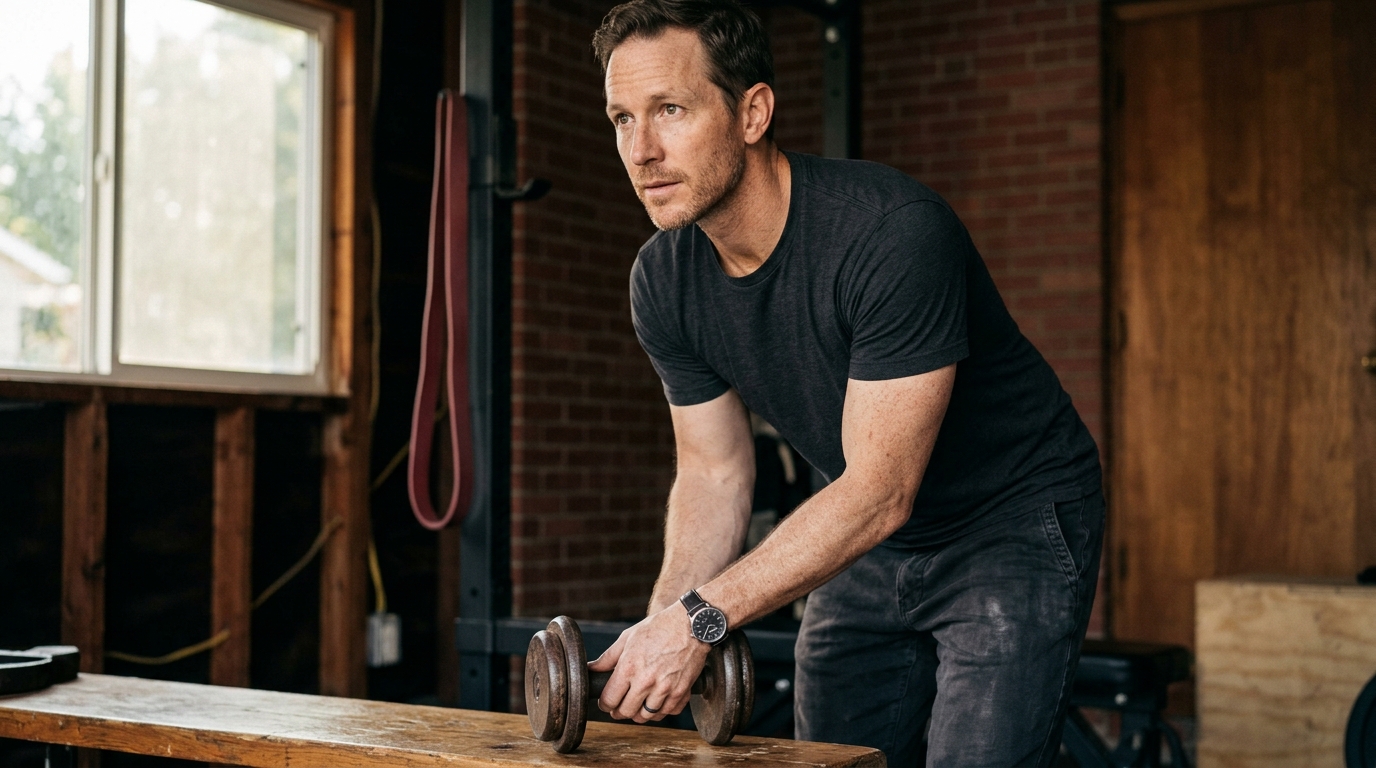
Begin a progressive resistance training routine focused on fundamental compound movements two to four times per week. Consistent physical training provides the necessary mechanical stimulus to build muscle tissue regardless of baseline hormone levels.
Review your complete laboratory results alongside your symptom history with a physician who specializes in endocrinology, urology, or internal medicine. Focus the conversation on overall health, safety parameters, and realistic outcomes rather than cosmetic changes. For ongoing educational guides, explore the full library of Testostra health resources.
Testostra explains testosterone biology, testing, symptoms, lifestyle factors and TRT with careful sourcing and clear clinical limits.



Send us a question, research idea or topic suggestion. Reader questions help shape future Testostra content.
Contact Testostra