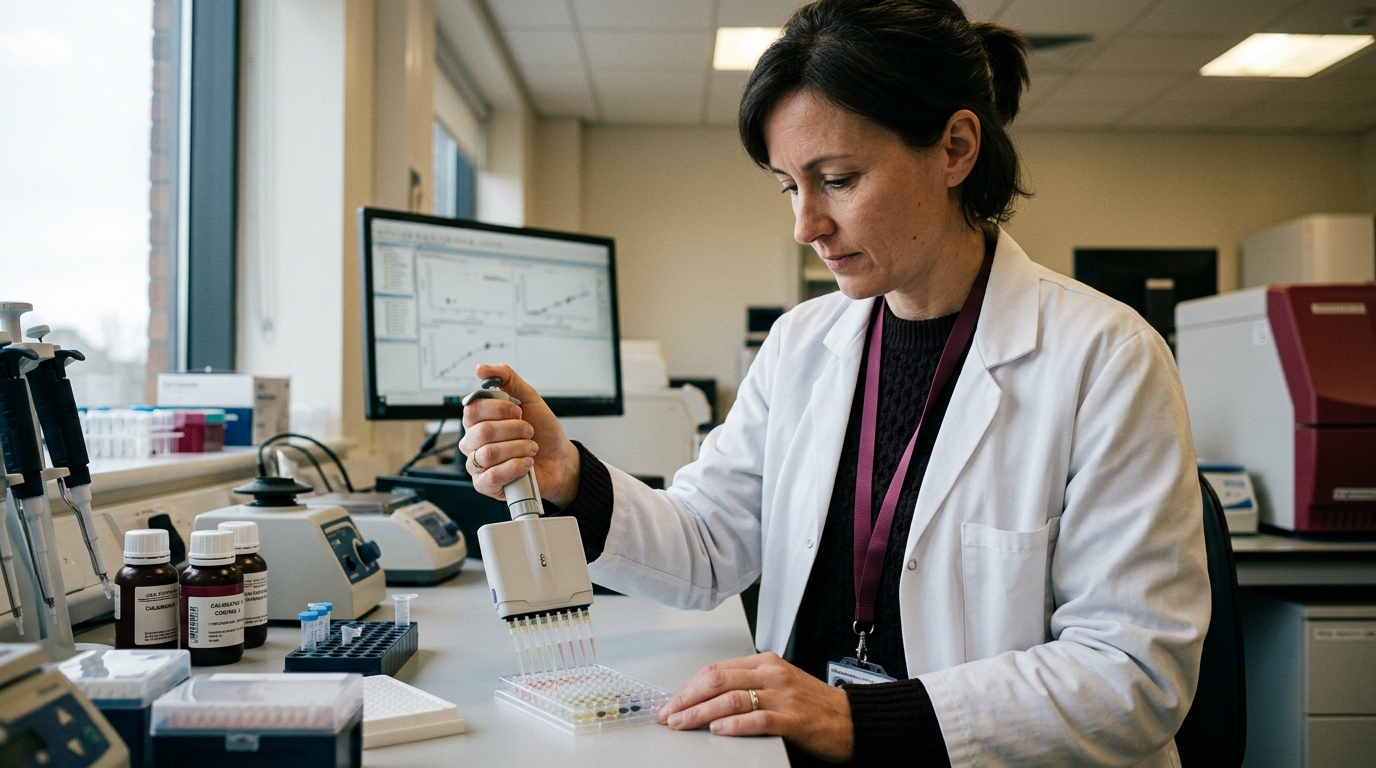

Patients navigating suspected low testosterone can assess clinical lab testing requirements and review safety data comparing over-the-counter supplements to regulated medical therapies.





Medical Disclaimer: The information provided in this article is for educational and informational purposes only. It is not intended as medical advice, diagnosis, or treatment. Always consult a qualified healthcare provider regarding any medical condition, laboratory interpretation, or therapy choice.
Testosterone health is often surrounded by aggressive marketing and conflicting medical claims. This topic is not about chasing extreme physical enhancement or finding a single shortcut for vitality. It is a clinical field governed by endocrine physiology, regulated pharmacology, and strict diagnostic standards.
Understanding how different testosterone products work requires separating marketing language from verified medical evidence. Dietary supplements, compounded hormones, and regulated prescription therapies occupy completely different categories of oversight and safety. This guide examines how these products differ in regulation, evidence quality, clinical benefits, and safety considerations.
Evaluating testosterone options requires a systematic approach to diagnostic criteria, product quality, and safety monitoring.
Low testosterone is a specific medical diagnosis rather than a subjective feeling of fatigue. The Endocrine Society and the American Urological Association establish clear boundaries for diagnosing male hypogonadism. A proper assessment always pairs clinical signs with objective, repeatable laboratory measurements.
A diagnosis cannot be established from a single blood test or an afternoon laboratory draw. Circadian rhythms cause testosterone levels to peak in the early morning hours in healthy adult men. Afternoon draws can show falsely depressed numbers that do not reflect true baseline production.
Clinical guidelines recommend obtaining at least two separate fasting total testosterone measurements taken in the early morning. The American Urological Association identifies a total testosterone level below 300 ng/dL as a reasonable cutoff in support of a diagnosis. However, an isolated number below 300 ng/dL is never sufficient on its own.
Clinicians evaluate whether the patient experiences characteristic signs and symptoms of androgen deficiency. These include reduced sexual desire, decreased spontaneous morning erections, loss of body hair, unexplained low bone density, and persistent fatigue. When symptoms and verified laboratory deficiencies align, a formal workup for clinical evaluation of low testosterone can proceed.
The next clinical step involves identifying the underlying cause of the deficiency. The Endocrine Society recommends measuring luteinizing hormone (LH) and follicle-stimulating hormone (FSH) to categorize the condition. High LH and FSH levels indicate primary hypogonadism, pointing to testicular dysfunction. Low or inappropriately normal gonadotropins indicate secondary hypogonadism, which originates in the pituitary gland or hypothalamus.
This distinction is vital because secondary hypogonadism may stem from reversible systemic issues. Chronic illnesses, severe sleep apnea, obesity, hyperprolactinemia, or pituitary tumors can suppress the hypothalamic-pituitary-gonadal axis. Treating an underlying medical issue or reviewing existing medications can sometimes restore endocrine balance without exogenous hormones.
Interpreting hormonal laboratory tests requires looking beyond a single total testosterone value. Circulating testosterone interacts with multiple carrier proteins, organ systems, and feedback loops. Understanding these interactions helps clinicians make informed diagnostic and therapeutic choices.
A comprehensive look at testosterone testing and biomarkers clarifies why two men with identical total testosterone values may experience different biological effects.
Total testosterone measures all circulating hormone in the bloodstream. This includes hormone bound tightly to sex hormone-binding globulin (SHBG), hormone bound loosely to albumin, and unbound free testosterone.
Total testosterone serves as the standard screening measurement in clinical practice. Automated immunoassays are widely used, though liquid chromatography-tandem mass spectrometry (LC-MS/MS) provides greater analytical accuracy at lower concentrations.
Sex hormone-binding globulin is a protein produced by the liver that binds testosterone with high affinity. Approximately 40% to 70% of circulating testosterone is bound to SHBG, rendering it biologically unavailable for immediate tissue uptake.
When conditions alter SHBG production, total testosterone numbers can become misleading. Obesity, type 2 diabetes, hypothyroidism, and nephrotic syndrome frequently lower SHBG concentrations. Conversely, aging, liver disease, hyperthyroidism, and prolonged caloric restriction can elevate SHBG levels.
When total testosterone falls in a borderline range, measuring free testosterone is clinically recommended. The Endocrine Society suggests obtaining free testosterone through equilibrium dialysis or an accurate calculation based on total testosterone, SHBG, and albumin. Calculating free testosterone helps prevent misdiagnosis in men whose binding proteins are significantly abnormal.
Luteinizing hormone signals the Leydig cells in the testes to produce testosterone. Follicle-stimulating hormone acts on Sertoli cells to support spermatogenesis.
Measuring both hormones determines whether low production reflects testicular failure or central regulatory suppression. This step is essential before initiating any medical intervention.
Before initiating therapy, baseline safety markers must be evaluated. Exogenous testosterone stimulates erythropoietin production, which increases red blood cell mass. Baseline hematocrit must be measured to identify preexisting polycythemia, which can increase blood viscosity.
Prostate-specific antigen (PSA) screening and digital rectal examinations assess prostate health. The Endocrine Society recommends assessing prostate cancer risk before therapy begins. Patients with an elevated baseline PSA or palpable prostate abnormalities require formal urologic clearance before starting treatment.
The market for male hormonal products is divided into distinct categories with vastly different standards of oversight. Consumers frequently encounter marketing that blurs the boundaries between these product classes. Understanding regulatory definitions is critical for evaluating safety and clinical efficacy.
Over-the-counter dietary supplements operate under the Dietary Supplement Health and Education Act (DSHEA). Under this framework, the Food and Drug Administration (FDA) does not review dietary supplements for safety and efficacy before they are sold.
Manufacturers are legally prohibited from claiming that their supplements treat, diagnose, or prevent hypogonadism. Instead, these products rely on structure-function claims such as supporting vitality or maintaining natural hormone levels.
A supplement bottle may contain dozens of herbs, vitamins, and minerals. However, the presence of these ingredients does not mean the finished blend has been tested for clinical outcomes.
Compounded medications are prepared by specialized pharmacies for individual patients based on a specific prescription. These formulations may include custom-dosed creams, sublingual troches, nasal gels, or combined hormonal solutions.
Compounded drugs are not FDA-approved. The FDA does not verify the safety, clinical effectiveness, or manufacturing consistency of compounded drugs prior to distribution.
The FDA states that compounded drugs should only be used when an approved commercial product cannot meet a patient's documented medical need. Examples include a confirmed allergy to an inactive preservative in an approved product or a requirement for an unavailable administration route.
Regulated prescription therapies undergo rigorous multi-phase clinical trials to demonstrate safety, pharmacokinetic predictability, and efficacy. These products are manufactured under strict current Good Manufacturing Practice (cGMP) regulations, ensuring consistent batch-to-batch potency and purity.
The FDA approves testosterone products specifically for men with low testosterone caused by associated medical conditions. These conditions include genetic disorders like Klinefelter syndrome, pituitary injury, or bilateral testicular loss.
Approval by a regulatory authority does not mean a therapy is free from adverse effects. Rather, it means the benefits outweigh the risks when used for verified clinical indications under proper medical supervision.
Many men turn to over-the-counter supplements hoping for a non-prescription alternative to medical therapy. Marketing campaigns often cite laboratory research or small pilot trials to suggest substantial hormonal improvements. A rigorous review of the scientific literature reveals a very different reality.
A comprehensive review of commercial testosterone-boosting supplements evaluated 109 common supplement ingredients. The researchers found that 61.5% of the reviewed ingredients had zero published human studies assessing their effects on testosterone levels.
Among the remaining ingredients with published human data, the findings were deeply mixed. Only 24.8% of ingredients had data showing an increase in testosterone, while 18.3% showed no change, and 10.1% showed a decrease.
These numbers demonstrate the risk of assuming that multi-ingredient retail products are supported by robust science. Furthermore, finding a modest change from an isolated chemical does not prove that a commercial supplement blend produces meaningful benefits.
Tribulus terrestris is one of the most widely marketed botanical ingredients in male health formulations. A 2025 systematic review examined the clinical evidence surrounding Tribulus terrestris supplementation.
The review found no robust evidence demonstrating that Tribulus terrestris reliably increases serum testosterone levels in men. The few historical studies reporting minor increases involved small cohorts of hypogonadal men, yielded minor changes of only 60 to 70 ng/dL, and exhibited high risk of methodological bias.
The National Institutes of Health (NIH) Office of Dietary Supplements also characterizes evidence for Tribulus as highly limited. Controlled trials in healthy young men aged 20 to 36 have shown no significant changes in total testosterone, free testosterone, or luteinizing hormone after weeks of continuous use.
Nutritional deficiencies can impair normal endocrine function. When an individual has a severe micronutrient deficiency, restoring normal nutritional status may help normalize suppressed hormone production.
Zinc is an essential trace element required for steroidogenesis. Men with severe dietary zinc deficiencies who receive repletion therapy often show a recovery of baseline hormone production.
However, clinical research does not show that supplementing zinc above normal physiological requirements produces supranormal testosterone levels. Taking excessive zinc can also lead to copper deficiency and gastrointestinal distress.
Similarly, vitamin D receptors are present throughout the male reproductive tract. While correcting a clinical vitamin D deficiency supports general health, large randomized controlled trials in men with normal baseline vitamin D levels have failed to show consistent hormonal increases.
Compounded testosterone is frequently promoted through specialized wellness clinics as a bioidentical or superior alternative to commercial medications. These marketing claims often exploit consumer desires for personalized medicine.
The clinical reality is that compounding pharmacies serve a specific, bounded medical role. They are not intended as an alternative distribution channel for unverified hormone regimens.
The FDA does not review compounded medications for safety, effectiveness, or manufacturing quality before they reach consumers. Unlike commercial manufacturing plants, compounding facilities are subject to different oversight structures that vary between state boards of pharmacy and federal registration tiers.
The absence of mandatory pre-market clinical trials introduces several practical concerns for patients:
A consumer considering compounded hormones should evaluate why an FDA-approved medication cannot fulfill their medical requirement. Legitimate medical reasons include documented allergies to commercial carrier oils (such as sesame or cottonseed oil) or sensitivities to specific transdermal preservatives.
Choosing a compounded product simply because it is marketed as natural or customized bypasses the rigorous quality standards established for commercial therapies.
When male hypogonadism is accurately diagnosed, testosterone replacement therapy options provide predictable pharmacological restoration of physiological hormone levels. The Endocrine Society recommends testosterone therapy to induce and maintain secondary sexual characteristics and relieve symptoms of androgen deficiency.
Recognized clinical benefits in hypogonadal men include improved sexual desire, increased frequency of spontaneous erections, modest improvements in lean muscle mass, and increased bone mineral density. However, clinical guidelines emphasize that testosterone is not a universal treatment for non-specific aging symptoms or unconfirmed fatigue.
For example, the Endocrine Society explicitly recommends against prescribing testosterone therapy as a strategy to improve glycemic control in men with type 2 diabetes who lack clinical hypogonadism. While low testosterone often coexists with metabolic dysfunction, exogenous hormone administration is not a substitute for standard diabetes management.
Cardiovascular safety has been a central question in testosterone prescribing for decades. In 2023, the landmark TRAVERSE trial provided high-quality randomized controlled trial data regarding cardiovascular endpoints in a defined patient population.
The TRAVERSE study enrolled 5,246 men aged 45 to 80 with confirmed symptomatic hypogonadism. All participants had two separate fasting morning testosterone levels below 300 ng/dL alongside preexisting cardiovascular disease or elevated cardiovascular risk.
Participants were randomly assigned to receive daily transdermal testosterone gel or a matching placebo gel. They were followed over a median period of approximately 33 months.
The primary cardiovascular outcome was a composite of death from cardiovascular causes, nonfatal myocardial infarction, or nonfatal stroke. Primary cardiovascular events occurred in 182 men (7.0%) in the testosterone group compared to 190 men (7.3%) in the placebo group.
This resulted in a hazard ratio of 0.96 (95% confidence interval, 0.78 to 1.17), establishing noninferiority to placebo for the primary cardiovascular safety endpoint.
While the TRAVERSE trial provided reassuring data regarding major adverse cardiovascular events, it also identified secondary safety signals. Men receiving testosterone exhibited higher incidences of atrial fibrillation (3.5% versus 2.4%), acute kidney injury (2.3% versus 1.5%), and pulmonary embolism (0.9% versus 0.5%) compared to placebo recipients.
These findings show that while testosterone does not increase major cardiac events in a carefully monitored population, it is not free from cardiovascular and renal risks. The trial findings apply specifically to men meeting strict diagnostic criteria and cannot be generalized to unmonitored hormone use.
Blood pressure is a key clinical consideration for any patient starting testosterone. Following completed ambulatory blood pressure monitoring studies, the FDA required class-wide labeling updates for all prescription testosterone products.
These clinical monitoring studies confirmed that testosterone products cause an increase in blood pressure across all delivery formulations. Even modest blood pressure elevations can increase long-term cardiovascular risk if left unmonitored.
Clinicians must assess baseline blood pressure before starting therapy and recheck values periodically throughout treatment.
Prescription testosterone therapy alters systemic physiology and requires comprehensive clinical oversight. Starting therapy involves understanding potential contraindications, reproductive impacts, and environmental safety measures.
The Endocrine Society identifies several absolute and relative clinical cautions before initiating testosterone:
Exogenous testosterone acts as a systemic contraceptive in men. Administering external testosterone triggers negative feedback on the hypothalamus and pituitary gland, shutting down endogenous LH and FSH secretion.
Without FSH and high intratesticular testosterone concentrations produced by Leydig cells, normal spermatogenesis ceases. The American Urological Association states that testosterone therapy should never be prescribed to men who are actively attempting to conceive.
Exogenous therapy routinely induces severe oligospermia or complete azoospermia. While sperm counts frequently recover after stopping therapy, recovery is not guaranteed and can take many months or years.
Men who wish to preserve fertility should discuss alternative management strategies with their clinician prior to starting any hormonal intervention.
Topical testosterone gels and liquids offer steady daily hormone delivery without injections. However, they carry a unique risk of secondary transfer to household contacts through direct skin-to-skin contact.
The FDA mandates black-box warnings on topical testosterone products regarding secondary exposure risks. Accidental contact with application sites can cause virilization in women and children.
Reported cases in children accidentally exposed to testosterone gel include premature pubic hair development, advanced bone age, genital enlargement, and aggressive behavior.
Patients using topical formulations must adopt strict household hygiene measures:
Testosterone therapy requires ongoing laboratory and clinical evaluations. A comprehensive protocol ensures therapeutic efficacy while minimizing potential complications.
The American Urological Association recommends checking total testosterone levels every 6 to 12 months once a stable therapeutic target is achieved. Clinicians also monitor hematocrit levels to detect polycythemia early. If hematocrit rises above 54%, clinicians may reduce the hormone dose, switch administration routes, or pause therapy to prevent hyperviscosity complications.
Prostate monitoring involves repeating PSA tests and clinical assessments within 3 to 12 months after starting treatment. The Endocrine Society recommends a urological consultation if a patient exhibits a confirmed PSA increase of more than 1.4 ng/dL above baseline in the first year, a confirmed absolute PSA above 4.0 ng/dL, or an abnormal digital rectal examination.
Navigating male hormonal health requires an active, informed dialogue with a licensed medical provider. The following structured questions help establish diagnostic accuracy, evaluate product options, and ensure appropriate safety monitoring.
The Endocrine Society recommends against routinely prescribing testosterone therapy to all older men with low testosterone concentrations. Age-related declines in testosterone occur gradually, but low levels without specific symptoms do not warrant automatic treatment.
In men aged 65 and older who exhibit persistent symptoms and unequivocally low fasting morning testosterone levels, therapy may be considered on an individualized basis after discussing risks and benefits.
The Endocrine Society explicitly recommends against using testosterone therapy as a treatment to improve glycemic control in men with type 2 diabetes.
While metabolic health and testosterone levels interact closely, diabetes management should rely on established dietary, lifestyle, and pharmacological interventions. Testosterone is indicated solely to treat confirmed hypogonadism.
This situation typically occurs when a man has low levels of sex hormone-binding globulin (SHBG). Conditions such as obesity, insulin resistance, and hypothyroidism decrease liver production of SHBG.
Because less testosterone is bound to SHBG, a greater proportion remains free and biologically active. In these cases, total testosterone appears low, but free testosterone remains within normal limits, meaning tissue-level deficiency may not be present.
Over-the-counter dietary supplements are not inherently safer than regulated prescription drugs. The FDA does not evaluate dietary supplements for safety, potency, or clinical efficacy before they are sold.
Many supplement ingredients lack published human evidence, and finished products can occasionally contain unlisted compounds or variable ingredient dosages. Prescription therapies, while carrying documented medical risks, offer verified purity, consistent pharmacokinetics, and standardized medical monitoring.
Testostra explains testosterone biology, testing, symptoms, lifestyle factors and TRT with careful sourcing and clear clinical limits.



Send us a question, research idea or topic suggestion. Reader questions help shape future Testostra content.
Contact Testostra