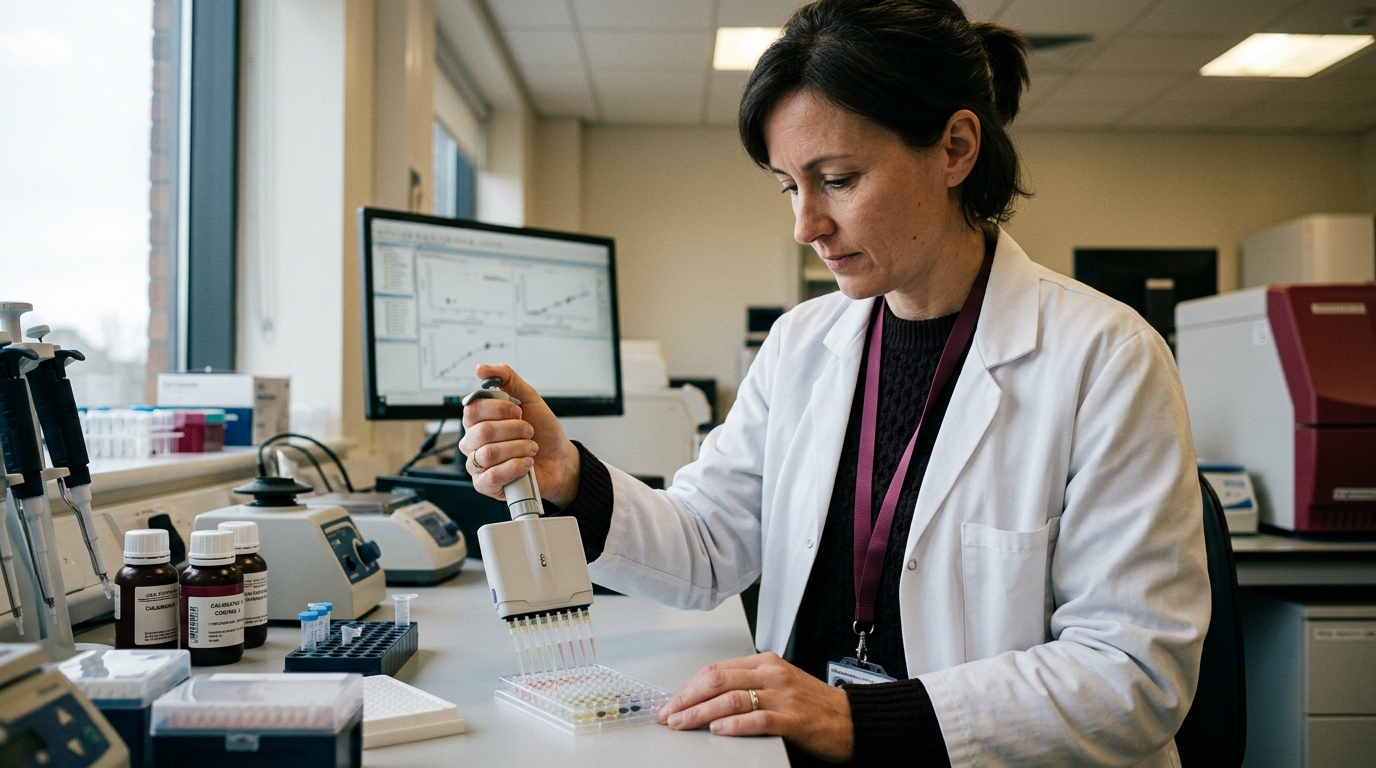

Men struggling with unexplained fatigue and mood changes can review clinical evidence on how testosterone affects neural signaling, emotional health, and cognition.





Many men search online for answers when they notice sudden brain fog, unexplained fatigue, or persistent changes in mood. They often wonder whether a drop in testosterone is the single hidden cause behind their mental exhaustion and emotional shifts.
The relationship between testosterone and the central nervous system is complex and widely misunderstood. Popular discussions often frame testosterone as either a direct cognitive enhancer or a primary trigger for aggression and mood swings. Clinical research reveals a much more nuanced reality.
This guide provides a comprehensive overview of how testosterone interacts with the brain. It examines the biological mechanisms of hormone signaling, the clinical evidence regarding mood and cognitive function, and the diagnostic protocols required to evaluate hormonal health safely.
This article is for educational and informational purposes only and does not constitute personal medical advice. Hormonal evaluation and the diagnosis of endocrine conditions require formal clinical assessment by a qualified medical provider.
Do not start, alter, or discontinue any medical treatment, prescription therapy, or hormone protocol based solely on the information provided in this guide. If you are experiencing persistent mood changes, cognitive decline, or fatigue, consult a licensed healthcare professional for individualized diagnostic testing and care.
Understanding the role of testosterone in brain function requires separating biological theories from demonstrated clinical outcomes. Research shows that testosterone has active biological pathways in neural tissue, but clinical trials show specific limits to what hormone therapy can achieve.
Mood changes, fatigue, and memory complaints are among the most common reasons men seek testosterone testing. However, these symptoms are entirely nonspecific. Because many physiological systems influence mental clarity and emotional regulation, a structured diagnostic framework is necessary to avoid misdiagnosis.
Clinical guidelines from the Endocrine Society emphasize that hypogonadism is a clinical diagnosis, not simply a number on a laboratory report. A physician must confirm the presence of characteristic symptoms alongside unequivocally and consistently low serum testosterone concentrations.
Diagnosing hypogonadism requires a multi-step clinical pathway:
The clinician begins by taking a comprehensive medical history. They review sleep patterns, lifestyle stressors, medication use, and metabolic health.
They also evaluate specific signs of androgen deficiency, such as reduced sexual desire, loss of spontaneous morning erections, loss of body hair, or reduced bone mineral density. A complaint of poor concentration alone is never sufficient to identify a hormone deficiency.
Testosterone levels naturally fluctuate throughout the day, peaking in the early morning hours. Proper laboratory protocol requires measuring total testosterone using an accurate, standardized assay from a blood sample collected in the early morning while fasting.
If the initial test shows a low value, the clinician must confirm the result with a second morning fasting test drawn on a different day. Acute illness, poor sleep, travel, or nutritional deficits can temporarily lower testosterone readings. You can read more about standard laboratory protocols in our guide to low testosterone signs and risk factors.
Once low testosterone is confirmed through repeated testing, the medical provider must determine the underlying cause. Measuring luteinizing hormone and follicle-stimulating hormone helps distinguish primary hypogonadism from secondary hypogonadism.
Primary hypogonadism originates in the testes, where the glands fail to produce adequate hormone despite strong pituitary stimulation. Secondary hypogonadism originates in the hypothalamus or pituitary gland, resulting in inadequate signaling to the testes. Identifying the specific etiology dictates the appropriate treatment pathway.
Testosterone exerts its influence on the human brain through distinct biochemical pathways. The central nervous system is not a passive recipient of circulating hormones. Instead, neural tissue actively metabolizes, transforms, and responds to circulating androgens through local receptor networks.
To understand how hormones relate to brain function, it is essential to distinguish between circulating blood levels, local neural conversion, and clinical outcomes.
Testosterone crosses the blood-brain barrier with ease due to its lipophilic steroid structure. Once inside neural cells, it can bind directly to intracellular androgen receptors.
These androgen receptors are widely distributed throughout regions involved in emotional processing, memory, and executive function. High concentrations of androgen receptors are found in the hypothalamus, the amygdala, the hippocampus, and the prefrontal cortex.
When testosterone binds to an androgen receptor, the complex moves into the cell nucleus. There, it influences gene transcription, altering the production of structural proteins, enzymes, and neurotransmitter receptors.
A substantial portion of testosterone's activity in the brain occurs through local conversion into estradiol. Brain tissue contains high levels of the aromatase enzyme, particularly in the hypothalamus, amygdala, and bed nucleus of the stria terminalis.
Through aromatization, local brain tissue produces estrogens directly from circulating testosterone. Research indicates that locally formed estrogens play established roles in gonadotropin regulation, sexual differentiation of neural circuits, and reproductive behaviors.
Laboratory models also suggest that local estrogen signaling supports neurogenesis and cellular responses to neural injury. This mechanism demonstrates that brain effects attributed to testosterone are often mediated by local estrogen signaling rather than androgen receptors alone. For a deeper look at basic endocrine pathways, see our breakdown of testosterone fundamentals and hormonal function.
Steroid hormones also modulate classic neurotransmitter pathways across the central nervous system. Testosterone and its metabolites interact with dopamine, serotonin, and gamma-aminobutyric acid systems.
Androgens influence dopamine synthesis and receptor density in the mesolimbic pathway, which governs reward processing, goal-directed behavior, and motivation. Similarly, neurosteroid metabolites can act as allosteric modulators on GABA-A receptors, altering neural excitability, emotional reactivity, and sleep architecture.
While these biological interactions are well-documented in preclinical research, they represent biological plausibility rather than guaranteed clinical changes in human patients.
The link between low testosterone and mood disturbance is one of the most frequently discussed topics in male health. Men experiencing chronic fatigue, low drive, or depressive feelings often wonder if hormone replacement will resolve their emotional struggles.
Clinical research shows that testosterone does influence mood regulation, but the magnitude of this effect is often far more modest than marketing claims suggest.
The landmark Testosterone Trials evaluated 790 men aged 65 years and older who presented with serum total testosterone levels of 9.5 nmol/L or less, alongside clear clinical symptoms of androgen deficiency. This randomized, placebo-controlled trial provided rigorous insight into how hormone therapy affects vitality and mood.
The trial assessed mood using standardized psychiatric tools, including the Patient Health Questionnaire-9 and the Positive and Negative Affect Schedule. Researchers observed statistically significant improvements in mood scores and depressive symptoms in men receiving testosterone compared to placebo.
However, the magnitude of these improvements was categorized by clinical researchers as modest. The trial showed that while hormone therapy can assist with depressive symptoms in men with confirmed deficiency, it does not function as a broad-spectrum cure for clinical depression.
Fatigue and depleted energy are classic complaints among men with low hormone levels. In the Testosterone Trials, researchers evaluated vitality using two different assessment tools with distinct results:
This contrast illustrates why outcome measures matter. While patients often experience a mild to moderate reduction in daily fatigue, hormone therapy does not automatically restore boundless physical or mental energy.
The broader TRAVERSE trial examined more than 5,200 men with confirmed hypogonadism and elevated cardiovascular risk. Within this large cohort, 2,643 participants presented with significant baseline depressive symptoms.
Researchers found that testosterone therapy produced modest but statistically significant improvements in both mood and perceived daily energy. These positive shifts occurred across the general study group and within the subgroup experiencing baseline depressive symptoms.
Importantly, the trial found no detectable improvement in overall sleep quality. This finding reinforces the fact that testosterone therapy addresses specific endocrine parameters rather than resolving every lifestyle-related health complaint.
When reviewing clinical literature, it is crucial to recognize that a statistically significant finding does not always equal a dramatic clinical transformation.
A 2024 comprehensive review of testosterone therapy in older men noted that while mood and vitality improvements in hypogonadal men are real, the average effect size remains modest. The authors concluded that mood improvements alone are generally too small to justify initiating lifelong hormone replacement therapy.
Testosterone therapy should only be considered when clinical symptoms are accompanied by unequivocally low laboratory values and evaluated within a complete medical context.
One of the most persistent claims in popular health media is that testosterone therapy sharpens mental focus, clears brain fog, and protects against age-related cognitive decline. Because androgen receptors are present in the hippocampus and prefrontal cortex, many assume that raising testosterone will enhance memory and executive function.
However, controlled clinical trials have consistently failed to demonstrate that testosterone acts as a general cognitive enhancer.
To directly evaluate the effects of hormone replacement on mental capacity, the Testosterone Trials included a dedicated Cognitive Function substudy. This investigation focused on 493 older men who had both confirmed low testosterone and age-associated memory impairment.
Participants underwent comprehensive neuropsychological testing over a twelve-month period. Researchers evaluated verbal memory, visual memory, spatial ability, and processing speed using validated testing protocols.
The results were clear: testosterone therapy did not improve memory performance or general cognitive function in men with age-associated memory impairment compared to placebo. The study demonstrated that restoring testosterone to normal physiological ranges does not reverse or slow age-related memory difficulties.
When researchers conducted an exploratory analysis across the broader Testosterone Trials cohort, they noted a small, statistically significant improvement in executive function. Executive function encompasses working memory, cognitive flexibility, planning, and task switching.
However, clinical reviewers and the study authors emphasized that this exploratory finding must be interpreted with extreme caution. Exploratory findings from secondary analyses are not definitive proof of efficacy.
Subsequent large-scale clinical trials, including the TEAAM trial and the TRAVERSE trial, evaluated cognitive performance and found no clinically meaningful improvements in cognitive ability. As established in medical literature, exploratory signals require prospective confirmation before they can guide clinical practice.
Systematic reviews and pooled data provide a high level of clinical evidence regarding cognitive outcomes. A major meta-analysis pooling data across 23 controlled studies and 1,638 participants evaluated the overall effect of testosterone supplementation on cognitive functioning.
The meta-analysis calculated a standardized mean difference of g = 0.09, with a 95% confidence interval ranging from -0.02 to 0.19. The overall effect was small and did not reach statistical significance.
An earlier comprehensive clinical review of controlled trials similarly concluded that the available medical evidence does not support using testosterone therapy to improve or preserve cognitive function. Clinicians should not recommend hormone therapy as a treatment for memory loss, dementia risk, or general cognitive optimization.
Testosterone has long been associated with aggressive behavior, dominance, and impulsivity. Popular culture often portrays higher testosterone levels as the primary driver of hostile or antisocial conduct.
Modern behavioral endocrinology reveals that the link between testosterone and human social behavior is far more nuanced than common stereotypes suggest.
Observational studies frequently look for correlations between baseline testosterone levels in saliva or blood and scores on aggression questionnaires. A comprehensive meta-analysis evaluating baseline hormone measurements and human aggression reported a very small positive correlation of r = 0.064.
However, this analysis revealed substantial heterogeneity across studies, with an I-squared value of 54.695%. This indicates that the relationship varies considerably depending on the study design, population demographics, and assessment tools used.
A small observational association does not prove that testosterone causes aggressive behavior. Other factors, such as social context, stress levels, personality traits, and environment, heavily influence behavioral outcomes.
To determine whether testosterone directly causes aggression, researchers must conduct controlled administration trials where participants receive either testosterone or a placebo under standardized laboratory conditions.
In the same behavioral meta-analysis, researchers analyzed trials where testosterone was directly administered to participants. The analysis found an overall effect size on aggressive behavior of r = 0.046, with a 95% confidence interval of -0.015 to 0.108.
Because the confidence interval crossed zero, the overall effect was not statistically significant. Administering physiological doses of testosterone does not reliably cause or increase aggressive behavior in human subjects.
Modern behavioral theories suggest that testosterone influences motivation toward social status rather than blind physical aggression. Depending on the social context and cultural norms, status-seeking behavior can manifest in various ways:
The clinical consensus is that testosterone therapy, when administered within normal physiological replacement ranges, does not turn men into aggressive individuals. Portraying testosterone as an inevitable cause of human violence is contradicted by experimental evidence.
When evaluating brain-related symptoms such as fatigue, mood shifts, or reduced concentration, clinicians use a structured panel of laboratory biomarkers. These tests help clarify hormonal status, rule out competing medical issues, and identify the root cause of symptoms.
To explore lab testing methods in greater depth, review our comprehensive resource on testosterone testing and biomarkers.
Total testosterone measures the entire concentration of testosterone circulating in the bloodstream. This includes hormone bound tightly to sex hormone-binding globulin, hormone bound loosely to albumin, and unbound hormone.
Testing must be performed via early morning fasting draws using a standardized assay. While total testosterone is the primary screening tool for hypogonadism, it must always be interpreted alongside clinical symptoms and confirmed with repeat testing.
Approximately 40% to 65% of circulating testosterone is bound tightly to sex hormone-binding globulin and is not immediately available to enter tissues. Free testosterone refers to the small fraction, typically 1% to 2%, that circulates unbound in the blood.
Bioavailable testosterone includes free testosterone plus the portion loosely bound to albumin. Measuring or calculating free testosterone is especially important in men with conditions that alter binding proteins, such as obesity, thyroid disease, liver conditions, or advancing age.
Sex hormone-binding globulin is a glycoprotein produced by the liver that binds androgens and estrogens with high affinity. Changes in SHBG levels directly affect the proportion of free testosterone available to tissues.
Elevated SHBG levels can occur with aging, hyperthyroidism, caloric restriction, or liver disease, potentially leading to low free testosterone despite normal total testosterone levels. Conversely, obesity, insulin resistance, and hypothyroidism can lower SHBG levels, resulting in low total testosterone readings while free hormone concentrations remain adequate.
Luteinizing hormone and follicle-stimulating hormone are gonadotropins secreted by the anterior pituitary gland. They are essential for identifying the anatomical origin of a hormone deficiency.
Elevated LH and FSH levels alongside low testosterone indicate primary hypogonadism, meaning the testicular tissue has diminished capacity to produce hormones. Low or inappropriately normal LH and FSH levels alongside low testosterone indicate secondary hypogonadism, pointing to hypothalamic or pituitary dysfunction.
Prolactin is a pituitary hormone that, when significantly elevated, can suppress the secretion of gonadotropin-releasing hormone from the hypothalamus.
Clinicians measure prolactin when investigating secondary hypogonadism or severe androgen deficiency. Markedly elevated prolactin levels may indicate a prolactin-secreting pituitary adenoma or side effects from specific medications, including certain antidepressants and antipsychotics.
Estradiol is the primary biological estrogen in the human body. In men, circulating estradiol is derived primarily from the peripheral aromatization of testosterone in adipose and neural tissues.
Assessing estradiol provides valuable context regarding the balance between androgens and estrogens. Maintaining appropriate estradiol levels is essential for male bone density, cardiovascular health, libido, and emotional well-being.
Interpreting the scientific literature on testosterone and the central nervous system requires examining study designs, participant selection, and baseline hormone thresholds. Contradictory claims in popular media often stem from comparing trials that evaluated completely different patient populations.
Understanding these methodological nuances allows readers to view research findings through a balanced, evidence-led lens.
The baseline testosterone concentration required for study enrollment varies significantly between trials, influencing observed outcomes:
Trials enrolling men with lower baseline hormone concentrations consistently reported modest improvements in vitality and mood measures. In contrast, trials that included men with low-normal concentrations showed no meaningful change in these endpoints.
This difference underscores an important clinical reality: hormone replacement provides modest symptomatic relief only to men with genuine deficiency. It does not provide benefits to men who already maintain normal physiological concentrations.
Much of the popular hype regarding hormones and brain health stems from laboratory and preclinical studies. Preclinical models demonstrate that androgens and estrogens can promote dendritic spine density, modulate neuroinflammation, and protect neurons against oxidative stress in cell cultures.
While these mechanistic findings are biologically fascinating, they cannot be directly translated into clinical guarantees for human patients. Human clinical trials demonstrate that these microscopic cellular mechanisms do not translate into measurable improvements in overall memory, executive functioning, or dementia prevention.
Evidence-based medicine relies on randomized, double-blind, placebo-controlled human trials to establish clinical efficacy. Preclinical mechanisms provide biological context, but patient care decisions must be guided by human clinical data. You can explore how clinical trials guide treatment decisions in our review of testosterone replacement therapy and emerging science.
One of the largest challenges in studying testosterone and mental health is the highly nonspecific nature of mood and cognitive symptoms. Chronic poor sleep, sleep apnea, major depressive disorder, chronic stress, metabolic syndrome, and nutritional deficiencies all present with symptoms identical to low testosterone.
An illustrative model of clinical practice shows why careful differential diagnosis is necessary. Consider a situation where an individual presents with severe fatigue, low mood, and mild concentration difficulties:
Differentiating between primary endocrine deficiency and secondary symptom presentation protects patients from unnecessary, lifelong medical interventions.
If you are experiencing persistent changes in mood, mental clarity, or daily energy, a structured conversation with a qualified healthcare provider is the best next step.
Here are sensible, evidence-led questions to guide your discussion:
Navigating concerns about mood, brain health, and hormone levels can feel overwhelming. Following a structured, practical checklist can help you take informed, productive action.
Testostra explains testosterone biology, testing, symptoms, lifestyle factors and TRT with careful sourcing and clear clinical limits.



Send us a question, research idea or topic suggestion. Reader questions help shape future Testostra content.
Contact Testostra