
Sudden shifts in drive, energy, and emotional well-being often prompt hormone testing, though clinical evidence clarifies what testosterone therapy actually improves.





This article is for educational and informational purposes only. It does not constitute personal medical advice, psychiatric advice, diagnosis, or treatment recommendations. Hormonal health and mental well-being involve complex physical and psychological factors that require individualized assessment by a qualified healthcare professional. If you are experiencing severe depression, thoughts of self-harm, or severe emotional distress, seek immediate support from a qualified medical or mental health provider.
You wake up feeling persistently drained, irritable, and detached from your daily routines. Work tasks that used to feel manageable now feel overwhelming, and your general drive seems to have evaporated. When searching for explanations, you might encounter claims that your emotional state is simply a direct readout of your testosterone levels. Marketing messages often suggest that low mood, lost ambition, and short tempers are definitive proof of hormone deficiency that can be quickly fixed with a prescription.
The real biology of male hormones and emotional health is far more nuanced. While testosterone interacts with neurological pathways, emotional well-being cannot be treated as a simple dipstick test for circulating androgens. Mood changes, fatigue, irritability, and low motivation can occur alongside low testosterone, but they also stem from chronic stress, major depression, sleep deprivation, or metabolic illness. To understand what your symptoms mean, you must look at how laboratory values, clinical criteria, and daily health habits intersect.
Testosterone deficiency requires both compatible symptoms and consistently low blood levels confirmed across multiple early-morning tests. Clinical guidelines from the American Urological Association and the Endocrine Society emphasize that mood symptoms alone cannot diagnose hypogonadism.
Emotional changes are nonspecific. Low motivation, fatigue, irritability, and sadness are shared by many physical and psychiatric conditions, including major depressive disorder and sleep apnea.
The scientific evidence on testosterone therapy and mood shows modest, outcome-specific effects. A large systematic review found a small average improvement in depressive symptoms across randomized trials, but research has not shown broad improvements in general vitality or severe clinical depression.
Testosterone is not an established treatment for psychiatric illness. Major endocrine guidelines explicitly advise against using testosterone therapy as a general antidepressant.
Reversible health factors frequently lower testosterone and worsen mood simultaneously. Disrupted sleep, acute illness, caloric restriction, severe obesity, and certain prescription medications can depress androgen production while directly causing emotional distress.
Dosing context matters when evaluating behavior. Therapeutic hormone replacement under medical supervision does not typically produce aggressive behavior, whereas supraphysiological doses carry distinct risks for emotional instability.
Diagnosing testosterone deficiency is fundamentally a clinical and laboratory process. An accurate diagnosis cannot be made purely on how you feel, nor can it be based on a single laboratory printout. Medical organizations require a structured evaluation that pairs persistent, compatible physical and psychological signs with unequivocal biochemical evidence.
According to the Endocrine Society clinical practice guideline, clinicians should only diagnose hypogonadism in men with consistent symptoms and signs alongside repeatedly low serum testosterone concentrations. The American Urological Association identifies a total testosterone level below 300 ng/dL as a reasonable cutoff to support a clinical diagnosis. This laboratory threshold serves as a diagnostic aid rather than an absolute boundary. A number below 300 ng/dL does not automatically mean that low testosterone is the primary cause of your low mood.
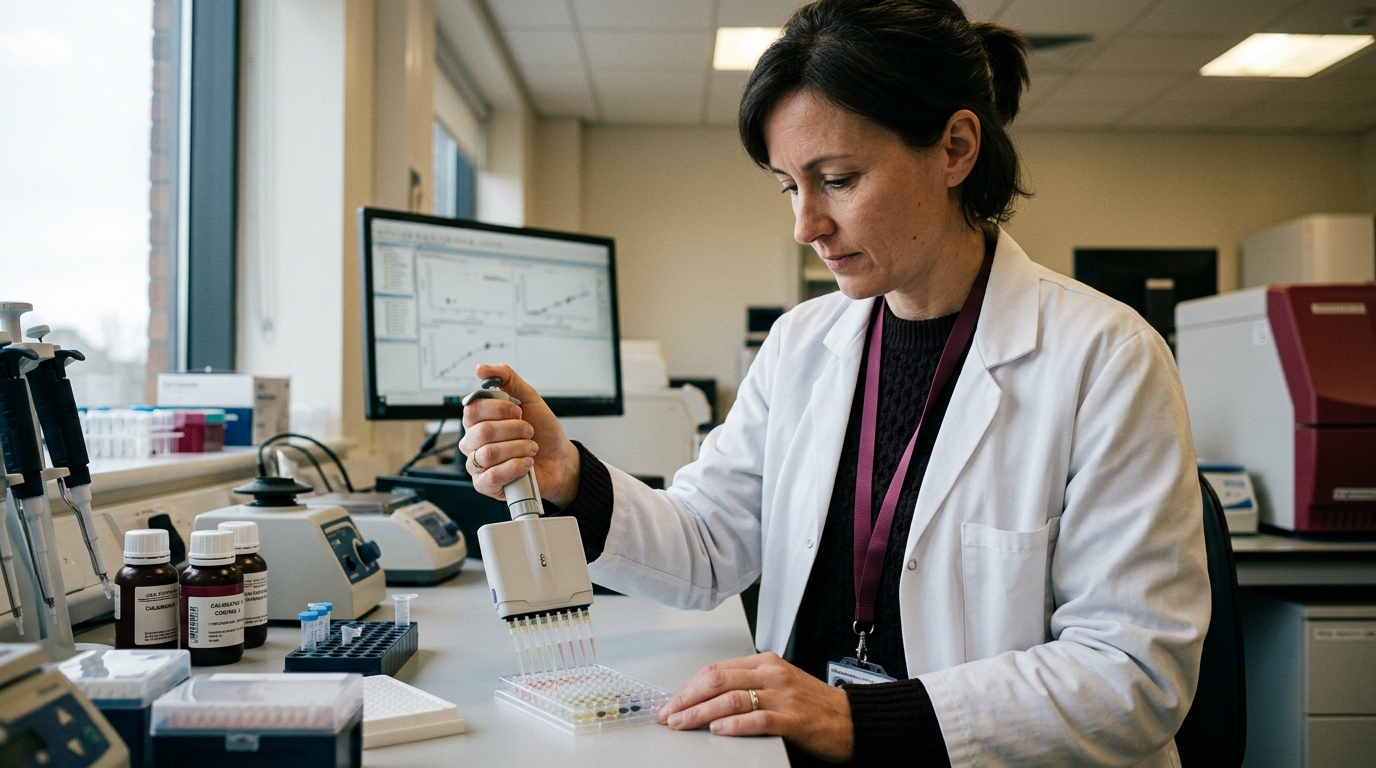
Proper laboratory testing requires careful preparation. Testosterone levels fluctuate naturally throughout the day, peaking in the early morning hours and declining toward the evening. Concentrations can drop significantly after eating meals rich in simple carbohydrates or fats. Because of this natural biological variation, professional guidelines recommend obtaining at least two separate blood samples. Both samples must be collected in the early morning, typically between 7:00 AM and 10:00 AM, while fasting.
Clinicians must interpret these numbers in the broader context of an individual's total health history. If you test your blood during an intense period of work stress, after three nights of poor sleep, or while fighting a respiratory infection, your testosterone level will likely be suppressed temporarily. Labeling that transient drop as a permanent medical disorder misidentifies the underlying problem. A thorough clinical evaluation looks for chronic physical signs, such as reduced testicular volume, loss of body hair, or unexplained bone density loss, rather than relying exclusively on emotional complaints.
Symptoms also vary widely in their clinical specificity. Decreased spontaneous erections and reduced sexual desire are relatively specific indicators of androgen deficiency. Depressed mood, irritability, brain fog, and low motivation are highly nonspecific. A symptom can be entirely compatible with low testosterone without serving as evidence that low testosterone caused it. The American Urological Association explicitly warns that complaints like irritability, difficulty focusing, and fatigue often reflect chronic stress, burnout, or primary depressive illness rather than an endocrine disorder.
When evaluating your health, exploring the foundational concepts of testosterone basics can help you understand how hormones function within the body. Recognizing these clinical boundaries prevents two common errors. It prevents men from attributing treatable psychiatric conditions solely to hormones, and it ensures that genuine endocrine disorders are not overlooked when mood complaints are present.
To evaluate how testosterone influences emotional health, researchers look beyond subjective anecdotes and analyze controlled clinical trials. Scientists divide emotional outcomes into distinct categories, including depressive symptom severity, general mood, perceived vitality, daily motivation, and behavioral aggression. The evidence reveals that testosterone affects each of these dimensions differently.
Depression is a major area of research in male endocrine health. Men with low testosterone report higher rates of depressive symptoms in observational surveys, but observational links do not prove that low androgens cause depression. A comprehensive systematic review and meta-analysis published in JAMA Psychiatry analyzed 27 randomized placebo-controlled clinical trials involving 1,890 men. The researchers found a statistically significant reduction in depressive symptoms among men receiving testosterone compared to those receiving a placebo.
The measured effect size in this meta-analysis was modest, showing a standardized mean difference of Hedges g = 0.21. In clinical research, an effect size of 0.21 represents a small average improvement across a population. The researchers noted that symptom reductions were more noticeable in trials using higher therapeutic doses or in specific participant subgroups. The authors emphasized substantial study heterogeneity and called for more preregistered trials focusing on depression as a primary outcome.
A small average improvement in a clinical trial does not mean testosterone functions as a standard antidepressant. Major clinical practice guidelines do not recommend testosterone therapy as a psychiatric treatment for clinical depression. The Endocrine Society guideline notes that testosterone replacement does not reliably improve depressive symptoms in men diagnosed with major depressive disorder. Some limited evidence suggests potential benefit in a narrower subset of older men with confirmed low testosterone and persistent, low-grade depressive symptoms, but broader psychiatric claims remain unsupported.
Many men assume that raising testosterone levels will immediately restore youthful energy and banish fatigue. The clinical trial evidence on general mood and vitality presents a mixed, conservative picture. The Endocrine Society commissioned systematic reviews of randomized trials to evaluate these specific outcomes. The pooled data showed no statistically significant difference in overall energy or general mood between men treated with testosterone and those given a placebo.
The landmark Testosterone Trials evaluated men aged 65 years and older with confirmed low testosterone levels across one year of treatment. Participants who received testosterone experienced small improvements in positive mood scores and modest reductions in negative mood scores. The trials found no statistically significant improvement in overall vitality, cognitive performance, or chronic fatigue compared to placebo.
These findings highlight an important distinction for patients and clinicians. A measurable shift on a standardized psychological questionnaire does not always translate into tangible changes in daily stamina, career motivation, or perceived energy. A separate clinical trial evaluated men with erectile dysfunction and low testosterone who were taking sildenafil. Adding testosterone therapy produced no significant improvement in subjective well-being or general mood scores compared to sildenafil alone. The researchers described the historic observational links between low testosterone, fatigue, and reduced vigor as weak and inconsistent.
Reduced drive and lost ambition are frequently cited by men seeking hormone testing. In clinical diagnostic tables from the American Urological Association, reduced motivation appears as a recognized potential symptom of testosterone deficiency. Its presence on a symptom checklist does not make it a reliable diagnostic gauge.
Motivation is an intricate psychological state driven by dopamine signaling, emotional resilience, social environment, and physical recovery. A person may experience a severe drop in motivation because of occupational burnout, relationship difficulties, sleep deprivation, or unaddressed anxiety. A blood test showing low testosterone cannot determine whether the hormone deficit is creating the lack of drive, or if chronic lifestyle stress is suppressing both your drive and your pituitary signaling.
Subjective feelings of ambition cannot replace validated medical testing. When evaluating motivation deficits, healthcare providers must look at the complete psychological and physical picture. Assuming that lost drive is purely a hormone deficiency often leads men to overlook critical psychological support, career adjustments, or necessary lifestyle modifications.
Popular culture often portrays testosterone as an aggressive hormone that fuels hostility, explosive anger, and short tempers. Science paints a very different picture when looking at normal physiology and medically supervised therapy. Irritability is actually listed in endocrine guidelines as a possible symptom of hormone deficiency rather than an indicator of high testosterone. Men with untreated hypogonadism sometimes report heightened irritability due to poor sleep quality, chronic fatigue, and emotional distress.
A comprehensive review by the British Psychological Society examined the relationship between testosterone and male behavior. The authors found little to no evidence that therapeutic doses of testosterone increase aggression, hostility, or anger in men undergoing standard medical treatment. When testosterone concentrations remain within normal physiological ranges, the hormone does not alter baseline personality traits or provoke antisocial behavior.
The evidence changes when examining supraphysiological exposure. Studies evaluating illicit anabolic steroid abuse or experimental protocols using massive doses well above normal physiological limits do show increased risks of irritability, aggressive reactions, and mood volatility. It is critical to separate the effects of medically supervised replacement therapy from the psychological risks of high-dose androgen abuse.
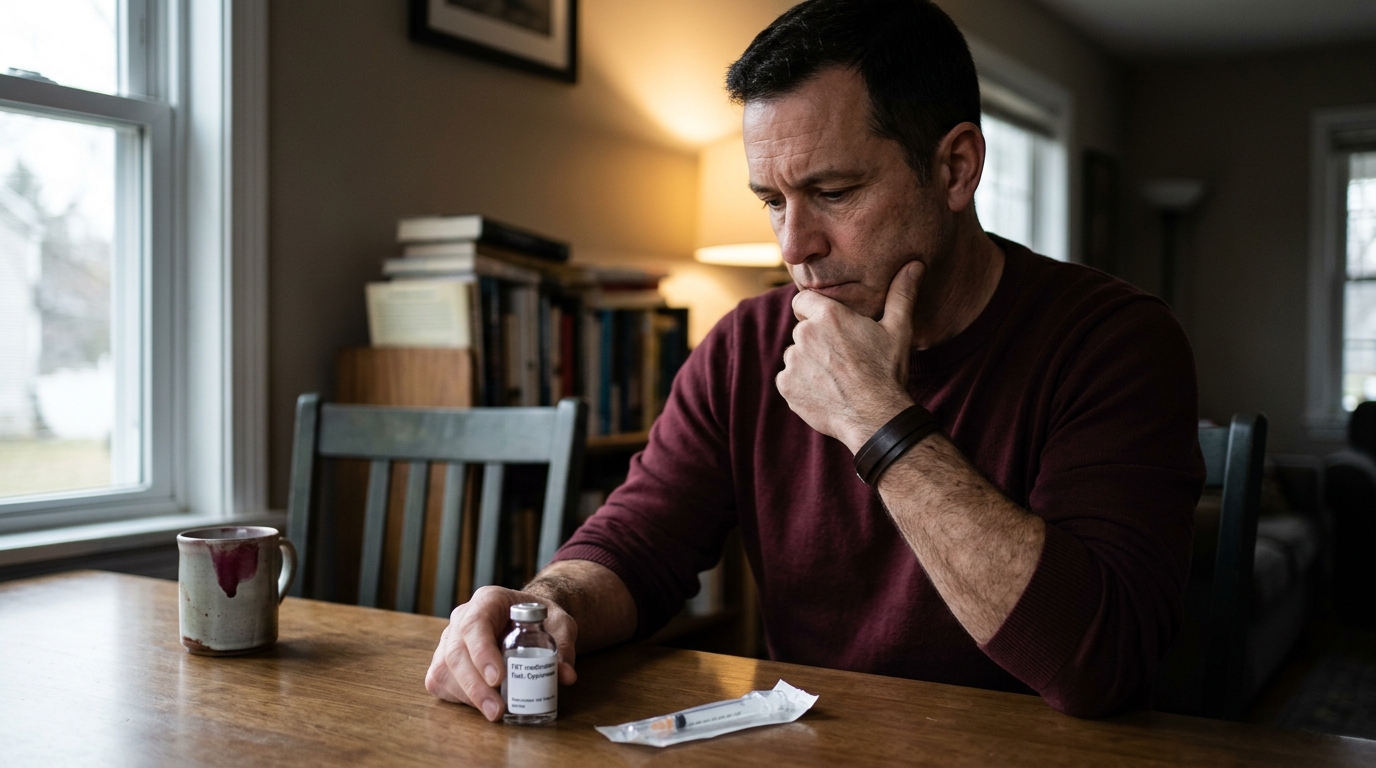
Fluctuations in mood can also occur with specific medical treatments. Injectable testosterone esters with short half-lives can create high peaks shortly after administration, followed by low troughs before the next scheduled injection. The Endocrine Society notes that these hormonal peaks and valleys can occasionally trigger noticeable swings in mood, irritability, and sexual desire across the dosing interval. Switching to more stable delivery methods, such as transdermal gels or more frequent low-dose injections, often stabilizes these emotional fluctuations.
Hormone production and emotional regulation do not occur in isolation. They share common physiological pathways that respond continuously to environmental stress, physical illness, and lifestyle behaviors. Many reversible health conditions can suppress testosterone production while simultaneously causing severe mood disruptions.
Understanding how lifestyle and natural testosterone support interact with hormone production is essential for anyone experiencing unexplained emotional changes.
Sleep architecture exerts a profound influence on male endocrine function. The vast majority of daily testosterone release occurs during deep, restorative sleep stages. When sleep is fragmented, truncated, or chemically disrupted, both hormone production and emotional resilience suffer immediate setbacks.
The Endocrine Society highlights sleep disorders, particularly obstructive sleep apnea, as significant contributors to suppressed testosterone concentrations. Obstructive sleep apnea causes repeated oxygen desaturations and micro-arousals throughout the night, preventing the body from sustaining deep sleep. This condition frequently produces heavy daytime fatigue, brain fog, depressive symptoms, and morning irritability, creating a clinical picture that perfectly mimics primary hypogonadism.
Experimental sleep deprivation studies demonstrate this hormonal vulnerability. In a widely cited laboratory study, healthy young men subjected to five hours of sleep per night for one week experienced a 10% to 15% reduction in daytime testosterone concentrations. Their subjective sense of vigor and well-being also declined sharply across the week. Other research examining longer-term mild sleep restriction in different cohorts has shown more variable hormonal outcomes. While poor sleep clearly impairs daily mood and recovery, scientific evidence warns against assuming that every instance of sleep disruption causes permanent endocrine failure.
Chronic psychological stress stimulates the hypothalamic-pituitary-adrenal axis, increasing circulating cortisol and inflammatory signaling. Prolonged activation of this stress response can centrally suppress the hypothalamic-pituitary-gonadal axis, leading to reduced luteinizing hormone secretion and lower testosterone synthesis.
This physiological connection creates a clinical diagnostic challenge. Chronic occupational burnout, marital discord, or severe financial anxiety can directly depress testosterone levels while causing intense emotional suffering. The American Urological Association guideline explicitly notes that complaints such as difficulty focusing, emotional numbness, and low energy are often secondary to chronic stress rather than primary testicular dysfunction.
Primary major depressive disorder involves complex changes in brain chemistry, neural connectivity, and neuroinflammation. Depression itself can disrupt sleep rhythms, suppress appetite, and alter pituitary hormone release. Treating a depressed patient exclusively with hormone therapy while ignoring evidence-based psychotherapy or psychiatric medication can delay necessary mental health care and leave the underlying psychiatric disorder untreated.
The human endocrine system is highly responsive to acute physical trauma and systemic infection. During an acute illness, such as a severe viral infection, pneumonia, or major surgical recovery, the body temporarily downregulates non-essential reproductive pathways to prioritize immune defense and cellular repair.
During acute physical illness, total and free testosterone concentrations often plummet into severely deficient ranges. Inflammatory cytokines directly inhibit testicular Leydig cell function and suppress pituitary gonadotropin release. These physiological changes are accompanied by sickness behavior, a biological state characterized by lethargy, social withdrawal, flat mood, and profound fatigue.
Testing hormone levels during an acute illness or in the immediate weeks of recovery will almost certainly yield artificially low results. The Endocrine Society firmly advises against screening for testosterone deficiency during acute medical illnesses. The Canadian Urological Association guidelines emphasize that acute illness is a temporary, reversible contributor. Clinicians must allow the patient to recover fully before assessing baseline endocrine status.
Several widely prescribed medications exert strong suppressive effects on androgen production while directly altering emotional stability. Healthcare providers must conduct a thorough medication inventory before reaching diagnostic conclusions about low testosterone.
Opioid analgesics represent a primary cause of medication-induced hypogonadism. Chronic opioid therapy suppresses hypothalamic gonadotropin-releasing hormone secretion, leading to rapid drops in testosterone production. Patients taking regular opioid medications frequently report severe fatigue, reduced libido, depression, and emotional blunting. Glucocorticoid medications, such as prednisone, can similarly suppress pituitary signaling and induce muscle wasting, sleep disturbances, and severe mood swings.
Recreational substances, including heavy alcohol intake and cannabis use, can also interfere with hormone metabolism and disrupt sleep quality. Alcohol directly impairs Leydig cell steroidogenesis and alters hepatic estrogen clearance. When a patient reports low mood alongside low laboratory values, reviewing all pharmaceutical and recreational exposures is an essential clinical step.
Metabolic health plays an integral role in determining circulating hormone concentrations. Severe obesity, marked by elevated visceral adipose tissue, significantly increases the activity of the aromatase enzyme. Aromatase converts circulating testosterone into estradiol, reducing total androgen levels while increasing estrogenic feedback on the pituitary gland.
Obesity is also closely linked with insulin resistance and decreased hepatic synthesis of sex hormone-binding globulin. This reduction lowers total testosterone measurements without necessarily causing a proportionate drop in biologically available hormone. Men with significant metabolic strain frequently suffer from low energy, reduced physical capacity, and low mood due to underlying systemic inflammation and impaired vascular health.
The opposite extreme presents equal endocrine challenges. Severe caloric restriction, rapid weight loss diets, and excessive endurance training signal energy scarcity to the brain. In response, the hypothalamus downregulates reproductive signaling, causing circulating testosterone to fall sharply. Men undergoing extreme physical conditioning or suffering from disordered eating often report high irritability, lost sex drive, and depressive symptoms caused by systemic energy deprivation.
Evaluating hormonal health requires looking at a complete biomarker panel rather than relying on a single isolated number. Each laboratory marker provides a distinct piece of physiological context, helping clinicians understand whether a deficiency exists, where the signaling breakdown is occurring, and how external factors are influencing the results.
A detailed examination of testosterone testing and biomarkers can clarify how these specific blood tests are interpreted in clinical practice.
Total testosterone measures the cumulative amount of the hormone circulating in your bloodstream. This measurement includes testosterone that is tightly bound to proteins, loosely bound to albumin, and circulating in an unbound state. It serves as the primary initial screening biomarker in clinical medicine.
As established by professional urological guidelines, a fasting early-morning total testosterone level consistently below 300 ng/dL supports a diagnosis of hypogonadism when compatible clinical symptoms are present. Total testosterone measurements must always be interpreted with caution. Alterations in binding proteins can artificially lower or raise total concentrations without altering the amount of biologically active hormone reaching peripheral tissues.
Not all testosterone circulating in the blood is immediately available to interact with cellular receptors. Approximately 40% to 70% of total testosterone is tightly bound to sex hormone-binding globulin, rendering it biologically inactive for immediate tissue uptake. Another 30% to 50% is loosely bound to albumin, from which it can dissociate easily.
Free testosterone represents the remaining 1% to 3% of the hormone that floats unbound in the bloodstream. Together, free testosterone and albumin-bound testosterone constitute bioavailable testosterone. The Endocrine Society recommends calculating or measuring free testosterone when total testosterone levels are borderline, typically between 200 and 400 ng/dL, or when a patient has medical conditions known to alter binding proteins.
Sex hormone-binding globulin is a glycoprotein synthesized primarily by the liver. It binds tightly to androgens and estrogens, regulating their transport and delivery throughout the body. Understanding SHBG levels is critical for interpreting borderline total testosterone results.
Certain medical conditions and medications significantly alter SHBG concentrations. Obesity, type 2 diabetes, hypothyroidism, and nephrotic syndrome can decrease SHBG production, resulting in an artificially low total testosterone reading despite normal free hormone concentrations. Aging, hyperthyroidism, chronic hepatic disease, and extreme caloric restriction increase SHBG levels, which can make total testosterone appear adequate even when free testosterone is biologically deficient.
Luteinizing hormone and follicle-stimulating hormone are gonadotropins secreted by the anterior pituitary gland in response to hypothalamic gonadotropin-releasing hormone. They provide essential anatomical localization when evaluating an endocrine deficit.
LH acts directly on testicular Leydig cells to stimulate testosterone synthesis, while FSH acts on Sertoli cells to support sperm production. Measuring LH and FSH allows clinicians to distinguish between two primary categories of hypogonadism:
Secondary hypogonadism is far more common in clinical practice and is frequently driven by reversible health factors, such as obesity, chronic stress, severe sleep apnea, opioid medications, or chronic inflammatory conditions.
Prolactin is a pituitary hormone primarily involved in lactation and immune modulation. In men, significantly elevated prolactin levels, a condition known as hyperprolactinemia, directly suppress hypothalamic gonadotropin-releasing hormone secretion, leading to secondary hypogonadism.
Evaluating prolactin is a standard clinical step when investigating low testosterone accompanied by inappropriately low LH and FSH levels. Markedly elevated prolactin concentrations can indicate the presence of a benign pituitary adenoma, known as a prolactinoma, or side effects from specific medications like antipsychotics or antidepressants. Detecting elevated prolactin directs clinical attention to intracranial or pharmacological causes rather than primary testicular failure.
Navigating hormone health can be confusing, especially with the volume of conflicting claims found online. Dissecting the most common misinterpretations helps patients approach their symptoms with realistic expectations and clear clinical logic.
Emotional distress is completely valid, but it is not a specific diagnostic indicator of an endocrine disorder. Irritability, low mood, and emotional detachment can result from chronic occupational burnout, unaddressed marital conflict, major depressive disorder, or generalized anxiety. Assuming that emotional distress is always driven by hormones leads many men to delay necessary psychological care while seeking unnecessary hormone treatments.
A single morning blood draw is never sufficient to establish a medical diagnosis of hypogonadism. Circulating testosterone levels fluctuate based on recent sleep patterns, acute psychological stress, recent illnesses, and nutritional intake. Both the American Urological Association and the Endocrine Society require confirming low values with at least two early-morning fasting measurements collected on separate days. Relying on an isolated test result frequently leads to misdiagnosis and inappropriate medical intervention.
When a man experiencing profound fatigue, low drive, and brain fog receives a normal testosterone test result, he may feel dismissed. A normal hormone result simply means that an endocrine deficiency is not the primary driver of those complaints. The symptoms remain real and clinically meaningful. A normal testosterone result directs the diagnostic search toward other treatable conditions, such as clinical depression, thyroid dysfunction, iron deficiency, or chronic sleep disorders.
The 27-trial meta-analysis published in JAMA Psychiatry showed a modest statistical reduction in depressive symptom scores across study populations, but this does not make testosterone an antidepressant. The Endocrine Society guideline explicitly states that testosterone therapy does not improve depressive symptoms in men with diagnosed clinical depression. Hormone therapy should never be viewed as a universal substitute for evidence-based psychiatric therapies, cognitive behavioral counseling, or lifestyle interventions.
Marketing materials often promise that elevating testosterone will eliminate daytime exhaustion and restore relentless motivation. The clinical trial data from the Endocrine Society reviews showed no statistically significant improvement in overall vitality or fatigue compared to placebo. Motivation and physical energy involve cellular metabolism, cardiovascular fitness, and psychological well-being. Raising hormone levels without improving sleep, diet, and stress management rarely resolves chronic exhaustion.
Many men believe that once a testosterone measurement comes back low, they must immediately commit to lifelong hormone therapy. Guidelines from the Canadian Urological Association emphasize identifying and treating potentially reversible causes first. Improving severe sleep apnea, losing significant visceral body fat, eliminating suppressive medications, and recovering from chronic overtraining can often restore natural hormone production without the need for exogenous replacement.
To learn more about the scientific considerations and therapeutic frameworks surrounding hormone care, consult our comprehensive guide to low testosterone.
Examining realistic clinical patterns illustrates how physicians evaluate complex symptoms in practice. These illustrative examples demonstrate how emotional symptoms, health habits, and laboratory values intersect in real-world medicine.
A 42-year-old corporate manager presents with progressive irritability, afternoon brain fog, and low motivation over the past six months. He suspects his testosterone is low after reading an article online. A thorough clinical history reveals that he sleeps five hours per night, consumes high amounts of caffeine late in the day, and frequently wakes up gasping for air.
His initial fasting morning total testosterone returns at 270 ng/dL. Instead of immediately prescribing hormone therapy, his physician orders a home sleep study, which confirms moderate obstructive sleep apnea. After three months of continuous positive airway pressure therapy and improving his sleep hygiene to seven hours nightly, his irritability resolves completely. A repeat morning fasting lab test shows his total testosterone has risen naturally to 460 ng/dL.
Clinical Takeaway: Sleep fragmentation suppresses androgen production while directly destabilizing mood. Treating the primary sleep disorder often resolves both the emotional symptoms and the biochemical suppression.
A 36-year-old teacher presents with severe feelings of worthlessness, persistent sadness, social withdrawal, and difficulty concentrating following a difficult divorce. He requests testosterone therapy to fix his low energy. His initial early-morning total testosterone is measured at 315 ng/dL, with a normal repeat test of 330 ng/dL.
His physician recognizes that his symptom timeline, severity, and cognitive patterns align with a major depressive episode rather than primary hypogonadism. The physician refers him to a clinical psychologist for cognitive behavioral therapy and initiates a standard antidepressant. Over the subsequent four months, his mood, social engagement, and concentration improve substantially without any endocrine intervention.
Clinical Takeaway: Severe psychiatric distress requires structured mental health evaluation. A borderline hormone number should not distract clinicians from addressing primary psychiatric disorders with established, evidence-based therapies.
A 48-year-old accountant schedules an executive health screening one week after recovering from a severe case of influenza accompanied by high fevers. His blood panel reveals a total testosterone level of 210 ng/dL. He reports feeling emotionally flat, physically exhausted, and unmotivated to return to his normal exercise routine.
His clinician explains the biology of sickness behavior and the acute suppressive effects of systemic inflammation on the pituitary gland. The clinician advises him to focus on rest, balanced nutrition, and hydration, and schedules a repeat test six weeks later. Upon full physical recovery, a repeat fasting morning test shows a total testosterone level of 510 ng/dL, and his emotional vitality returns to normal.
Clinical Takeaway: Endocrine testing during or immediately following an acute illness yields misleading results. Transient inflammatory suppression must be allowed to clear before assessing long-term hormonal health.
A 55-year-old construction worker with chronic lumbar spine pain has been taking prescription hydrocodone daily for two years. Over the past year, he has developed profound lethargy, lost all sexual interest, and experienced persistent irritability with his family.
Two separate morning lab tests confirm a total testosterone level of 160 ng/dL, with inappropriately low LH and FSH levels. His physician identifies opioid-induced secondary hypogonadism. Working collaboratively with his pain management specialist, the patient transitions to non-opioid multimodal pain therapies and physical rehabilitation. As his opioid exposure is tapered down under medical supervision, his endocrine function and daily mood show marked improvement.
Clinical Takeaway: Chronic opioid use is a well-documented cause of secondary hypogonadism. Medication reviews are a mandatory step in evaluating unexplained hormonal and emotional decline.
A 52-year-old executive with a body mass index of 36 presents with persistent lethargy, depressed mood, and erectile dysfunction. Two separate fasting morning blood tests reveal total testosterone levels of 220 ng/dL and 235 ng/dL, with an elevated LH level of 12 IU/L, indicating primary testicular hypogonadism alongside severe metabolic syndrome.
His clinical team implements a comprehensive care plan combining medical weight management, dietary restructuring, resistance training, and medically supervised hormone replacement therapy. Over the next year, the patient loses 35 pounds, experiences significant improvements in sexual function, and notes modest improvements in baseline mood. His physician carefully monitors his cardiovascular biomarkers, hematocrit, and prostate health throughout treatment.
Clinical Takeaway: Confirmed hypogonadism often coexists with metabolic disease. Effective care requires addressing both the endocrine deficiency and the underlying metabolic strain in parallel.
A 45-year-old man with documented primary hypogonadism has been receiving intramuscular testosterone cypionate injections of 200 mg once every two weeks. He notices that during the first four days following an injection, he feels energetic and confident. By days ten through fourteen, he experiences severe fatigue, brain fog, and intense irritability.
His physician explains that large, infrequent injections create dramatic supra-physiological peaks followed by sub-therapeutic troughs. The physician adjusts his prescription protocol to 50 mg twice weekly to maintain stable, physiological blood levels across the week. Following this protocol adjustment, his emotional fluctuations stabilize, and his symptoms remain steady throughout the month.
Clinical Takeaway: Pharmacokinetic peaks and valleys can directly induce mood swings during hormone therapy. Adjusting injection frequency or delivery methods often smooths out emotional instability.
For those interested in the evolving science of medical protocols and clinical monitoring, our overview of TRT, treatment and emerging testosterone science provides further context.
Approaching a clinical consultation with structured, informed questions helps ensure a comprehensive evaluation. If you are experiencing mood changes, fatigue, or motivation deficits, consider discussing the following points with your healthcare provider:
For further guidance on preparing for diagnostic assessments and reviewing laboratory panels, visit our dedicated resources section.
Revisit this resource whenever you receive new hormone blood test results, experience unexplained shifts in your daily energy and emotional well-being, or consider adjustments to your medical care plan. Reviewing these clinical principles ensures that you interpret laboratory data within its proper context, maintain realistic expectations about medical treatments, and prioritize a comprehensive, evidence-led approach to your long-term physical and mental health.
Testostra explains testosterone biology, testing, symptoms, lifestyle factors and TRT with careful sourcing and clear clinical limits.



Send us a question, research idea or topic suggestion. Reader questions help shape future Testostra content.
Contact Testostra