
Multiple clinical trials show that total and free testosterone levels influence sexual desire differently than physical arousal, emotional intimacy, and general performance.





Popular culture often treats testosterone as a simple on-off switch for human sex drive. The scientific reality is far more complex and interesting. Having high testosterone does not guarantee a voracious libido, and experiencing a dip in desire does not automatically mean your hormones have collapsed.
Sexual desire operates through an intricate web of biological signals, psychological states, relationship dynamics, and general health habits. Testosterone is an essential player in this system, but it is rarely the sole driver. Looking closely at the evidence helps separate genuine endocrine issues from the dozens of other factors that influence human desire.
This article is created strictly for educational purposes and does not constitute medical advice, diagnosis, or treatment protocols. Always consult a qualified physician or endocrinologist before initiating hormone testing, altering prescribed medications, or starting any hormone therapy.
To understand how hormones affect sexuality, you must first separate desire from other sexual functions. Libido, arousal, erectile capacity, and orgasm are distinct physiological and neurological processes. They frequently interact, but they do not always move in tandem.
Libido refers specifically to your motivation, interest, or appetite for sexual activity. It includes spontaneous sexual thoughts, daydreams, and the mental drive to seek intimacy. Arousal, by contrast, is the physical and subjective response to sexual stimulation. A person can experience physical arousal without an initial craving for sex, or feel strong desire while experiencing difficulty with physical arousal.
Physical performance involves mechanics such as penile erection in men or lubrication and vasocongestion in women. In clinical studies, researchers have found that changes in hormone levels can influence sexual desire without producing an identical shift in physical performance. A comprehensive review of the Testosterone Trials showed that increases in circulating testosterone and estradiol correlated with improvements in sexual desire and sexual activity, but did not show the same direct correlation with erectile function scores.
Desire itself also presents in multiple forms. Spontaneous desire emerges out of nowhere without an external sexual cue. Responsive desire arises in response to physical closeness, emotional connection, or erotic context. Lacking spontaneous desire is not automatically a medical dysfunction if responsive desire remains intact and the individual experiences no personal distress.
When evaluating concerns regarding sexual health, clinicians look at whether the issue is isolated to motivation, mechanics, or emotional satisfaction. Grouping all of these experiences under the label of sex drive often obscures the real underlying cause. You can learn more about these interconnected systems by reading about testosterone and sexual performance.
Human sexual desire does not live exclusively in a blood sample. Medical experts evaluate libido using a biopsychosocial model, which recognizes that biology, mental state, and social context continuously shape each other. If one pillar experiences strain, sexual desire often shifts in response.
General systemic health forms the baseline for normal sexual motivation. Chronic illnesses such as type 2 diabetes, cardiovascular disease, chronic kidney disease, and systemic inflammation place substantial metabolic stress on the body. When energy resources are diverted toward managing chronic disease or fighting systemic inflammation, reproductive and sexual drives are often down-regulated by the central nervous system. Endocrine conditions such as thyroid dysfunction or elevated prolactin can also directly dampen sexual appetite.
The brain is the primary sex organ in humans. Conditions like major depressive disorder, generalized anxiety, and chronic occupational stress alter central neurotransmitters such as dopamine and serotonin. Dopamine generally supports motivation and desire, while excessive serotonin activity or elevated stress hormones can blunt sexual interest. When the nervous system remains in a prolonged state of fight-or-flight, the brain down-regulates non-essential survival functions, including sexual desire.
Many common pharmaceutical agents exert a noticeable impact on libido. Selective serotonin reuptake inhibitors, commonly prescribed for depression and anxiety, are well-documented contributors to reduced sexual desire and delayed orgasm. Blood pressure medications, anti-androgens, opioids, and heavy alcohol consumption can similarly suppress sexual interest through central and peripheral mechanisms. Anyone noticing a sudden shift in libido should look closely at recent prescription changes with their doctor.
Sleep architecture plays a foundational role in both hormone production and nervous system recovery. In one study of healthy young men, restricting sleep to five hours per night for a single week reduced daytime testosterone levels by 10% to 15%. A broader scientific review published in 2026 noted that while total sleep deprivation of 24 hours significantly reduces circulating testosterone, short-term partial sleep restriction shows more variable hormonal effects across different study designs. Regardless of the exact lab value, chronic fatigue alone drains the physical and emotional energy necessary to initiate sexual activity.
Desire rarely operates in isolation from the social environment. Interpersonal conflict, unresolved resentment, communication breakdowns, and differing expectations between partners can suppress desire rapidly. Furthermore, a desire discrepancy where one partner prefers sex more frequently than the other does not mean the less interested partner has a medical pathology. Clinical definitions require that a desire problem cause personal distress to the individual, rather than merely reflecting a mismatch with a partner's preferences.
The relationship between testosterone and male libido has been evaluated across numerous randomized, double-blind, placebo-controlled trials. The findings paint a consistent picture. Testosterone therapy can provide modest improvements in desire for men with genuine deficiency, but it is not an automatic remedy for every sexual concern.
The most thorough data comes from the National Institutes of Health-supported Testosterone Trials, specifically the Sexual Function Trial. This study evaluated 470 older men who presented with both low libido and unequivocally low serum testosterone levels. Men assigned to receive testosterone gel showed statistically significant improvements in sexual desire and across 10 of 12 sexual activity measures compared to the placebo group over the course of one year.
In a broader analysis of 790 men across the coordinated Testosterone Trials, researchers evaluated erectile changes using the International Index of Erectile Function questionnaire. Men receiving testosterone achieved an average 2.64-point greater improvement in erectile function scores compared to those receiving a placebo, with a 95% confidence interval ranging from 1.06 to 4.02 points. While these improvements were measurable and statistically significant, researchers noted that the clinical magnitude was moderate rather than transformative.
Clinical practice guidelines from major medical societies place these trial results into proper perspective. The Endocrine Society emphasizes that testosterone therapy produces modest improvements in sexual desire in men with age-related declines, provided they meet strict diagnostic criteria for hypogonadism. The guidelines caution against expecting testosterone to resolve sexual problems that originate from vascular disease, relationship strain, or psychological depression.
Crucially, trial analyses show that while higher circulating total and free testosterone levels correlated with increased sexual interest and frequency of intercourse, they did not correlate strongly with erectile stiffness or resolution of performance anxiety. This distinction reinforces the concept that libido and mechanical performance depend on different physiological pathways. To understand these foundational concepts better, you can review our guide on male hormone fundamentals.
Testosterone is not an exclusively male hormone; it is produced by the ovaries and adrenal glands in women as well. Research over the past several decades has investigated whether supplemental testosterone can support female sexual desire, particularly following menopause.
The primary evidence-based indication for testosterone therapy in women is Hypoactive Sexual Desire Disorder, commonly abbreviated as HSDD. The Global Consensus Position Statement on the Use of Testosterone Therapy for Women, endorsed by multiple international endocrine societies, analyzed randomized controlled trials lasting at least 12 weeks. The meta-analysis established that physiological doses of testosterone produced a statistically significant increase of approximately one additional satisfying sexual event per month above placebo.
Along with increased frequency of satisfying events, the trials demonstrated improvements in sexual desire, subjective arousal, orgasm quality, and overall sexual pleasure. The therapy also reduced personal distress related to low desire. Both the Global Consensus statement and guidelines from the International Society for the Study of Women's Sexual Health endorse systemic testosterone exclusively for postmenopausal women diagnosed with HSDD after a thorough clinical assessment.
The consensus panel strictly cautions against using testosterone for any other indication in women. The evidence does not support using testosterone to treat low energy, depressed mood, cognitive changes, or bone loss in women. Furthermore, blood testosterone concentrations cannot be used as a stand-alone diagnostic test to identify low desire in women, because baseline hormone levels do not reliably predict sexual function. Dosing must remain strictly within normal physiological female ranges to minimize the risk of androgenic side effects such as acne, hirsutism, or voice deepening.
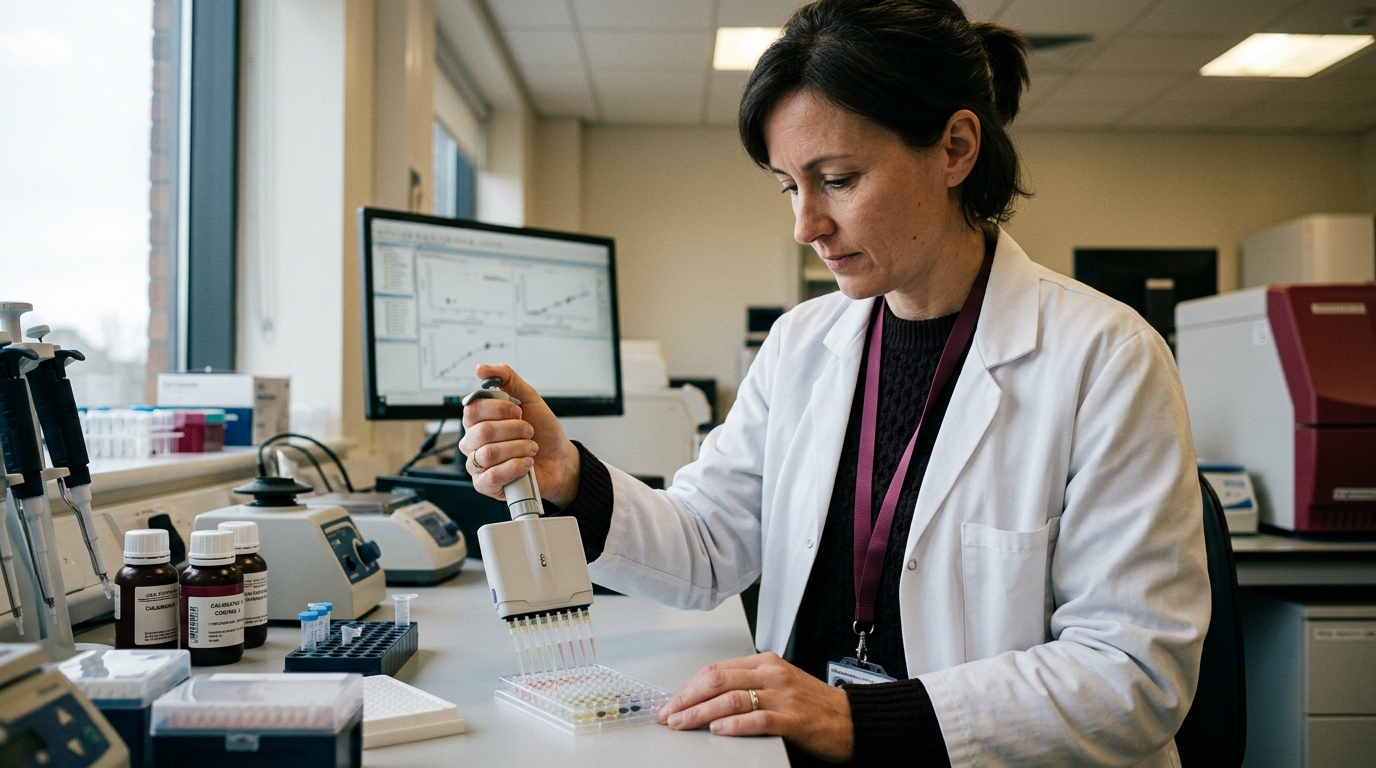
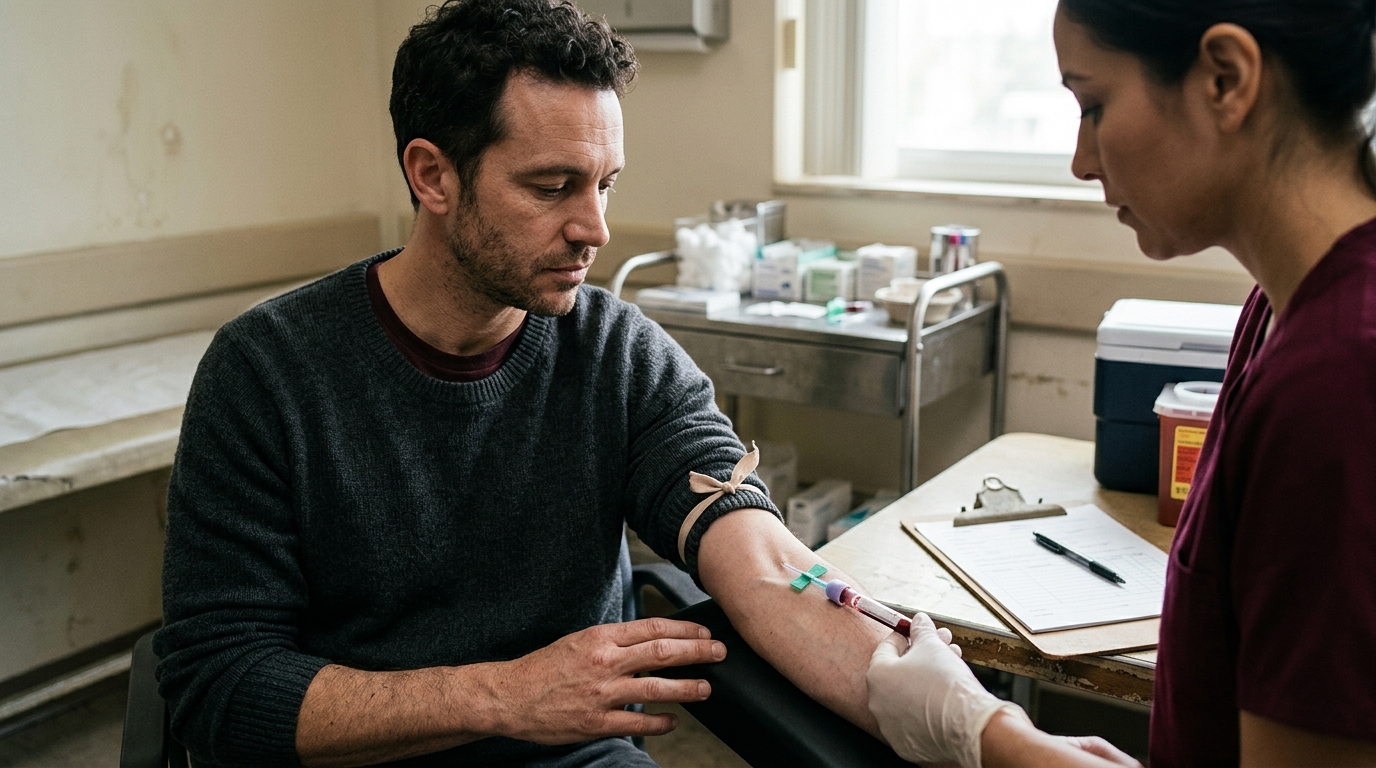
When investigating persistent changes in sexual appetite, clinicians rely on a structured panel of biomarkers. A single laboratory draw never provides sufficient evidence for a clinical diagnosis. Understanding how these tests work allows you to interpret results accurately in collaboration with your healthcare provider.
Total testosterone measures all circulating testosterone in the bloodstream. This includes hormone molecules bound tightly to sex hormone-binding globulin, hormone bound loosely to albumin, and unbound hormone. The American Urological Association guidelines establish a total testosterone concentration below 300 ng/dL as a reasonable cutoff supporting a diagnosis of testosterone deficiency. However, guidelines from both the American Urological Association and the Endocrine Society explicitly mandate that this value must be confirmed across two separate early-morning fasting blood tests before making a diagnosis.
Approximately 98% of circulating testosterone is bound to carrier proteins. Sex hormone-binding globulin binds roughly 40% to 60% with high affinity, rendering that fraction temporarily unavailable to cellular receptors. Free testosterone represents the 1% to 2% that remains entirely unattached. Bioavailable testosterone includes free testosterone plus the portion loosely bound to albumin. If an individual has abnormally high or low binding globulin levels, total testosterone tests can be misleading, making free testosterone measurements clinically necessary.
Sex hormone-binding globulin is a protein produced by the liver that regulates how much active hormone enters peripheral tissues. Aging, thyroid conditions, liver health, and metabolic factors influence this protein. When binding globulin levels are high, total testosterone may look normal while active free testosterone is suppressed. Conversely, insulin resistance and obesity often lower this protein, resulting in low total testosterone despite normal free testosterone levels.
These pituitary hormones signal the testes to produce testosterone and mature sperm cells. Measuring luteinizing hormone helps clinicians categorize the origin of a hormone deficiency. Elevated luteinizing hormone combined with low testosterone points toward primary hypogonadism, meaning the issue resides within the testes. Low or inappropriately normal luteinizing hormone alongside low testosterone indicates secondary hypogonadism, pointing toward an issue in the pituitary gland or hypothalamus.
Prolactin is a pituitary hormone that, when abnormally elevated due to medications or a benign pituitary adenoma, directly suppresses gonadotropin-releasing hormone and destroys libido in both men and women. Estradiol, the primary form of estrogen, is produced in men through the aromatization of testosterone. Maintaining balanced estradiol levels is necessary for healthy male sexual desire, bone density, and metabolic function. You can learn more about how clinicians evaluate these tests by reviewing our guide on hormone testing protocols.
To see how these concepts function in clinical practice, it helps to examine common scenarios encountered by healthcare providers. These illustrative case patterns demonstrate how symptoms, lab values, and personal circumstances intersect.
Consider an illustrative scenario of a 48-year-old man experiencing a steady decline in sexual motivation over eighteen months, accompanied by mild fatigue and reduced morning erections. Initial morning lab testing shows a total testosterone of 240 ng/dL. A repeat fasting morning draw two weeks later confirms a level of 255 ng/dL, with normal prolactin and elevated luteinizing hormone. Because he presents with both persistent clinical symptoms and repeatedly verified low morning levels, he meets established clinical criteria for hypogonadism evaluation and potential treatment.
In another common scenario, an individual with previously normal sexual drive begins taking an antidepressant for generalized anxiety. Within four weeks, they report complete loss of sexual thoughts and difficulty achieving orgasm, despite feeling less anxious overall. Routine blood tests reveal completely normal testosterone and thyroid levels. In this situation, the drop in libido stems from altered central serotonin signaling rather than an endocrine deficiency, requiring a medication review with the prescribing doctor.
A healthy 38-year-old individual reports concern because they rarely experience spontaneous sexual daydreams or unprompted cravings for intercourse. However, when their partner initiates affection and creates an unhurried, comfortable environment, they easily become aroused, enjoy the experience, and reach orgasm. Laboratory panels return entirely normal hormone profiles. This pattern reflects normal responsive desire rather than a biological disorder, requiring reassurance rather than hormonal intervention.
In this scenario, a couple experiences tension because one partner desires sexual intimacy four times per week, while the other is fully satisfied with intimacy once every two weeks. The partner with lower frequency feels energetic, content, and healthy, experiencing distress only when their partner expresses frustration. Blood tests show normal hormonal concentrations. This situation represents an interpersonal desire mismatch rather than a physiological pathology, making relationship counseling or communication adjustments far more appropriate than medical therapies.
A 35-year-old professional working 70 hours per week sleeps five hours per night and relies heavily on caffeine and evening alcohol. They notice a significant drop in libido, mild brain fog, and low gym recovery. A single afternoon hormone test shows total testosterone at 290 ng/dL. However, a properly timed morning fasting re-test shows borderline normal levels, while a comprehensive lifestyle history identifies severe circadian disruption. In this case, addressing sleep hygiene, recovery, and stress reduction is the appropriate initial strategy, which you can read about in our resource on natural lifestyle factors and hormone health.
Hormone therapies carry distinct physiological trade-offs that require careful evaluation before initiating treatment. Testosterone is not a risk-free tonic, and using it without clear medical indications can create lasting complications.
A critical consideration for men is the preservation of fertility. When exogenous testosterone enters the bloodstream, the hypothalamus and pituitary gland detect the elevated hormone levels and shut down the production of luteinizing hormone and follicle-stimulating hormone. Without these signals, intratesticular testosterone production plummets and spermatogenesis halts. The Endocrine Society explicitly advises against initiating testosterone therapy in men who desire near-term biological fertility. The United States Food and Drug Administration includes clear class-wide warnings regarding the suppression of sperm production on all approved testosterone formulations.
Testosterone therapy also requires ongoing medical monitoring of specific safety biomarkers. Exogenous androgens can stimulate erythropoiesis, leading to elevated hematocrit levels and increased blood viscosity. Clinicians must routinely monitor complete blood counts, lipid profiles, liver enzymes, and prostate-specific antigen levels throughout the duration of treatment.
For men considering medical intervention, exploring the broader landscape of testosterone replacement therapy evidence provides essential context regarding long-term safety, monitoring schedules, and realistic health outcomes. Hormonal treatment should never be viewed as a lifestyle shortcut, but rather as a focused medical therapy for objectively diagnosed physiological conditions.
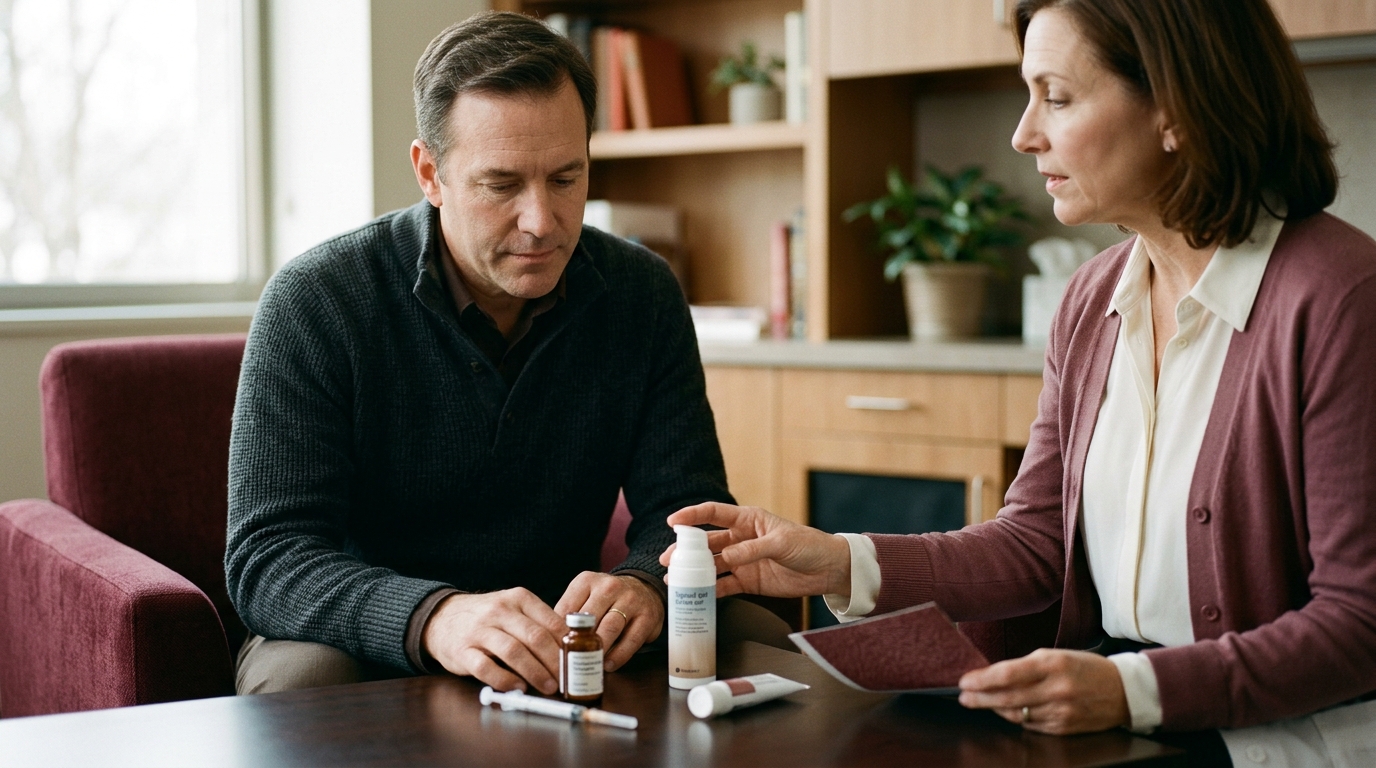
Walking into a clinical appointment with organized observations and clear questions leads to much better medical care. When discussing sexual health, being specific about your timeline, symptoms, and concerns helps your physician narrow down the cause efficiently.
Before your appointment, take time to outline exactly what you are experiencing. Note when you first noticed the change in desire and whether it developed gradually or suddenly. Record whether the low desire occurs in all situations or only within specific environments or partnerships. Clarify whether you still experience responsive desire, sexual daydreams, or normal morning erections, as these details help distinguish neurological, psychological, and hormonal causes.
Be clear about how this symptom affects your quality of life. Are you personally distressed by the lack of interest, or are you primarily feeling pressure from relationship expectations? Define what a successful outcome looks like for you. Success might mean restoring spontaneous sexual motivation, reducing anxiety surrounding intimacy, improving physical erection quality, or simply gaining reassurance that your body is functioning normally.
Bring a complete list of all prescription medications, over-the-counter drugs, dietary supplements, and daily caffeine or alcohol habits. Highlight any medications that were started, stopped, or adjusted around the time your symptoms began. Be prepared to discuss your average nightly sleep duration, occupational stress levels, and any history of chronic conditions such as high blood pressure or metabolic issues.
Use these specific prompts to guide your conversation during the visit:
Understanding the genuine evidence behind testosterone and libido allows you to approach your sexual health with clarity, realistic expectations, and confidence when speaking with your doctor.
Testostra explains testosterone biology, testing, symptoms, lifestyle factors and TRT with careful sourcing and clear clinical limits.



Send us a question, research idea or topic suggestion. Reader questions help shape future Testostra content.
Contact Testostra