
Clear insights into how chronic strain, cortisol, and disrupted sleep truly affect male reproductive hormones help separate biological facts from common wellness myths.





The relationship between psychological stress and male reproductive hormones is widely discussed, but it is frequently misunderstood. Stress is not a single, uniform physical state, and testosterone is not a simple gauge of daily mood or workload. Instead, the interaction between emotional distress, bodily strain, and endocrine function involves complex neurological pathways, lifestyle habits, and individual health factors.
This guide examines the physiological links between chronic stress and testosterone production. It reviews what clinical research demonstrates, what remains uncertain, and why lifestyle distress should not be confused with a clinical hormone deficiency.
This article is written for educational purposes only. It is not intended to provide personal medical advice, diagnose health conditions, or replace a clinical consultation with a qualified physician. Anyone experiencing persistent health symptoms or considering hormone testing should seek guidance from a licensed medical professional.
Understanding how stress affects hormones requires separating biological possibilities from definitive medical outcomes. The following points summarize the current clinical understanding of this relationship:
To understand how psychological tension might influence testosterone, it helps to examine two distinct communication networks in the human body. These networks are the hypothalamic-pituitary-adrenal axis and the hypothalamic-pituitary-gonadal axis.
The hypothalamic-pituitary-adrenal axis acts as the primary hormonal response system for physical threats and psychological stress. When the brain perceives a threat, the hypothalamus releases corticotropin-releasing hormone.
This signal prompts the pituitary gland to secrete adrenocorticotropic hormone into the bloodstream. In turn, this stimulates the adrenal glands to produce cortisol and other glucocorticoids. Cortisol helps mobilize energy stores, increases cardiovascular alertness, and temporarily suppresses non-essential bodily functions like digestion and immune activity.
The hypothalamic-pituitary-gonadal axis governs reproduction and sex hormone production. In men, the hypothalamus releases gonadotropin-releasing hormone in rhythmic pulses throughout the day and night.
These pulses signal the pituitary gland to produce luteinizing hormone and follicle-stimulating hormone. Luteinizing hormone travels through the bloodstream to the testes, where it stimulates Leydig cells to manufacture testosterone. Follicle-stimulating hormone acts on the Sertoli cells to support sperm production.
These two regulatory pathways do not operate in complete isolation. Under conditions of intense or prolonged survival stress, the body prioritizes immediate defense over long-term reproductive functions. Research indicates that high levels of corticotropin-releasing hormone and systemic glucocorticoids can act directly on the hypothalamus to reduce the frequency and strength of gonadotropin-releasing hormone pulses.
When gonadotropin-releasing hormone pulses slow down, the pituitary gland secretes less luteinizing hormone. Without adequate luteinizing hormone signaling, the testes produce less testosterone.
Additionally, elevated adrenal hormones may exert mild inhibitory effects directly at the testicular tissue level. This physiological cross-talk explains why severe physical trauma, extreme operational environments, and exhausting physiological demands frequently result in temporary reductions in circulating testosterone.
In popular health discussions, cortisol is frequently described as the direct enemy of testosterone. This perspective assumes that whenever cortisol rises, testosterone must immediately fall.
Clinical research demonstrates that this assumption is overly simplistic. The interaction between these two hormone systems is dynamic and context-dependent.
During certain acute physical or mental challenges, both cortisol and testosterone can rise simultaneously. For instance, competitive sports, brief public speaking events, and short bouts of exercise often prompt an increase in alertness and a temporary elevation in both hormones.
The two axes are not locked into an automatic inverse relationship during everyday life. Sustained suppression typically requires severe, persistent strain rather than brief daily frustrations.
Many men wonder whether difficult work conditions, financial worries, or relationship difficulties can directly suppress their hormone levels into an unhealthy range. The scientific evidence regarding purely psychological stress is nuanced and varied.
The duration and predictability of a stressor significantly change the hormonal response. Human studies distinguish between brief, acute stressors and prolonged, unremitting strain.
Much of the clinical data regarding stress-induced hormone suppression comes from observational studies of military personnel, elite athletes, and emergency workers. While these studies provide valuable biological insights, their findings cannot always be applied directly to ordinary civilian life.
For example, studies observing candidates in military training environments have documented notable decreases in circulating testosterone during the earliest, most chaotic phases of instruction. As candidates adapted to the physical demands, learned routines, and gained a sense of mastery, hormone levels often stabilized or began to recover.
Similar observations were documented in paratrooper training cohorts. Initial jumps with high perceived threat produced elevated cortisol and reduced testosterone, whereas subsequent successful jumps were followed by normalized hormone patterns.
However, these intense training environments combine multiple profound stressors. Candidates experience extreme physical labor, severe caloric deficits, total sleep disruption, and intense emotional pressure all at once.
Researchers cannot easily isolate the effect of psychological fear from the physical strain of carrying heavy gear on four hours of sleep. Therefore, these studies do not prove that standard workplace stress produces the same degree of endocrine suppression.
Psychological research emphasizes that an individual's cognitive appraisal of a stressor influences their physical response. When a person views a demanding project as a meaningful challenge with achievable solutions, their physiological stress response remains relatively balanced.
Conversely, when an individual feels helpless, overwhelmed, and completely lacking in personal control, the resulting distress creates a heavier biological burden. Even so, human studies show wide variation in how individual hormone systems respond to subjective emotional pressure. While chronic distress can be a contributing factor, it rarely acts as an isolated switch that turns off testosterone production.
When examining how chronic distress affects male hormones, sleep is often the most critical underlying factor. Psychological worry frequently disrupts sleep onset and sleep maintenance, creating a secondary cascade of physical fatigue and hormonal disturbance.
Testosterone synthesis follows a distinct circadian rhythm in healthy adult men. Production begins to rise sharply near the onset of sleep, peaks during early morning hours, and gradually declines across the afternoon and evening.
This nocturnal surge is closely tied to healthy sleep architecture, particularly deep slow-wave sleep and rapid eye movement phases. When sleep is truncated, fragmented, or irregular, the normal nighttime hormone surge is interrupted.
Clinical investigations into sleep deprivation demonstrate how sensitive endocrine rhythms can be to short-term behavioral disruptions. In a widely cited laboratory study of healthy young men, restricting sleep to five hours per night for just one week resulted in a daytime testosterone reduction of approximately 10 to 15 percent. Participants in this study also reported marked declines in vigor and mood.
However, the scientific literature on sleep loss is not entirely uniform. Other controlled trials examining brief periods of mild sleep restriction have found minimal or statistically non-significant changes in baseline plasma testosterone among healthy subjects.
These differing outcomes illustrate why single research studies should not be treated as universal rules. Individual resilience, baseline health, and the exact timing of blood sampling all influence test outcomes.
What remains clear across the broader literature is that consistent, high-quality rest provides the baseline environment necessary for healthy hormone production. You can read more about how daily behaviors influence hormonal health in our guide to lifestyle factors and natural testosterone support.
Chronic stress can worsen lifestyle habits that increase the risk of sleep-disordered breathing, such as weight gain or late-night alcohol use. Obstructive sleep apnea causes repeated nighttime oxygen drops and frequent brief awakenings that prevent sustained deep sleep.
Men with untreated sleep apnea frequently present with low morning testosterone levels alongside severe daytime fatigue, brain fog, and low motivation. In many cases, addressing the underlying sleep disorder allows nocturnal hormone production to recover without any direct endocrine therapies.
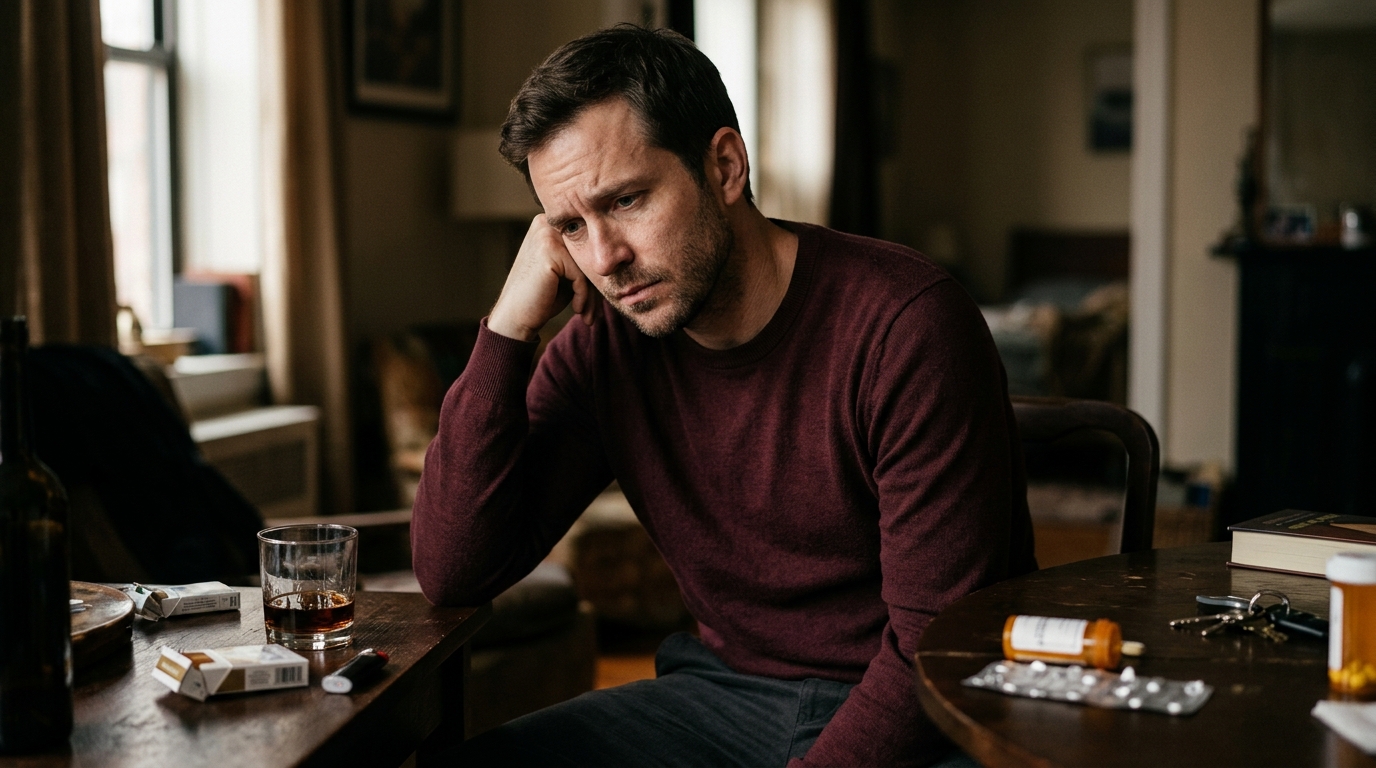
One of the most challenging aspects of evaluating male hormone health is distinguishing between ordinary lifestyle exhaustion and an organic medical condition. The symptoms of long-term psychological burnout overlap heavily with the symptoms of low testosterone.
A man experiencing months of intense work stress, short sleep, and emotional strain may notice several physical and cognitive changes. These common symptoms include:
Every one of these complaints can be caused entirely by nervous system fatigue, poor sleep hygiene, and psychological distress. They can also occur in a man with clinically low testosterone who feels zero psychological stress. Because symptoms alone cannot reveal the underlying cause, clinical guidelines caution against diagnosing hormone disorders based solely on patient complaints.
The Endocrine Society provides clear clinical practice guidelines for diagnosing male hypogonadism. A proper medical diagnosis requires meeting two distinct criteria simultaneously:
If a man has low energy but normal hormone levels, he does not have hypogonadism. Similarly, if a man has a single slightly low lab value during an exhausting week but experiences no long-term physical signs, that single result does not warrant an immediate medical diagnosis. To understand these diagnostic boundaries in greater detail, review our clinical overview of diagnosing low testosterone.
Attributing all low hormone readings or symptoms to stress can cause patients and doctors to overlook significant underlying health issues. A wide range of physical conditions, medications, and lifestyle factors can suppress androgen production, including:
A thorough medical workup evaluates all potential contributing factors rather than assuming that daily tension is the sole explanation.
When reviewing scientific literature, it is essential to distinguish between proven clinical facts, suggestive observational trends, and preliminary biological hypotheses. Not all health claims carry equal scientific weight.
Clinical research and professional endocrine guidelines provide strong agreement on several core principles:
Several areas of research show plausible connections but lack definitive proof across broad civilian populations:
Popular media and supplement advertising frequently promote claims that lack rigorous scientific backing:
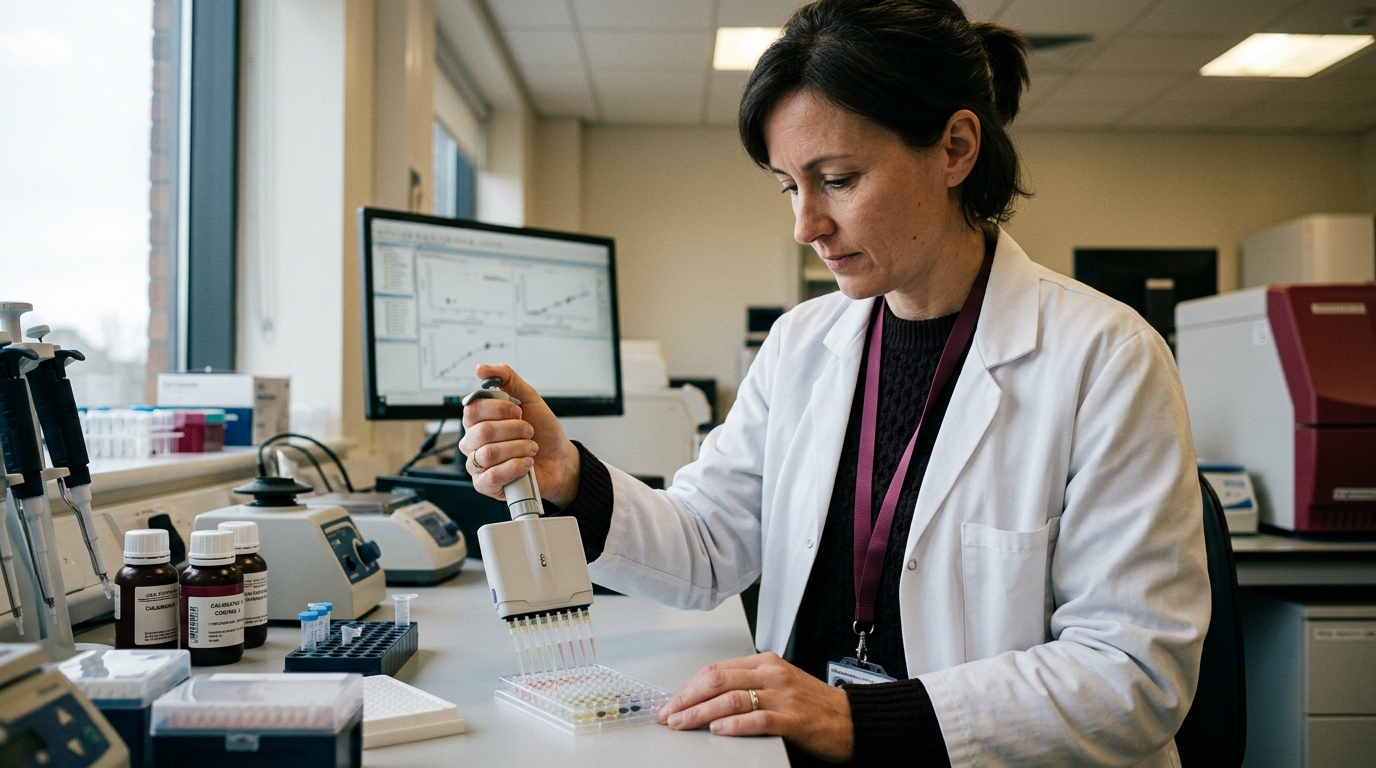
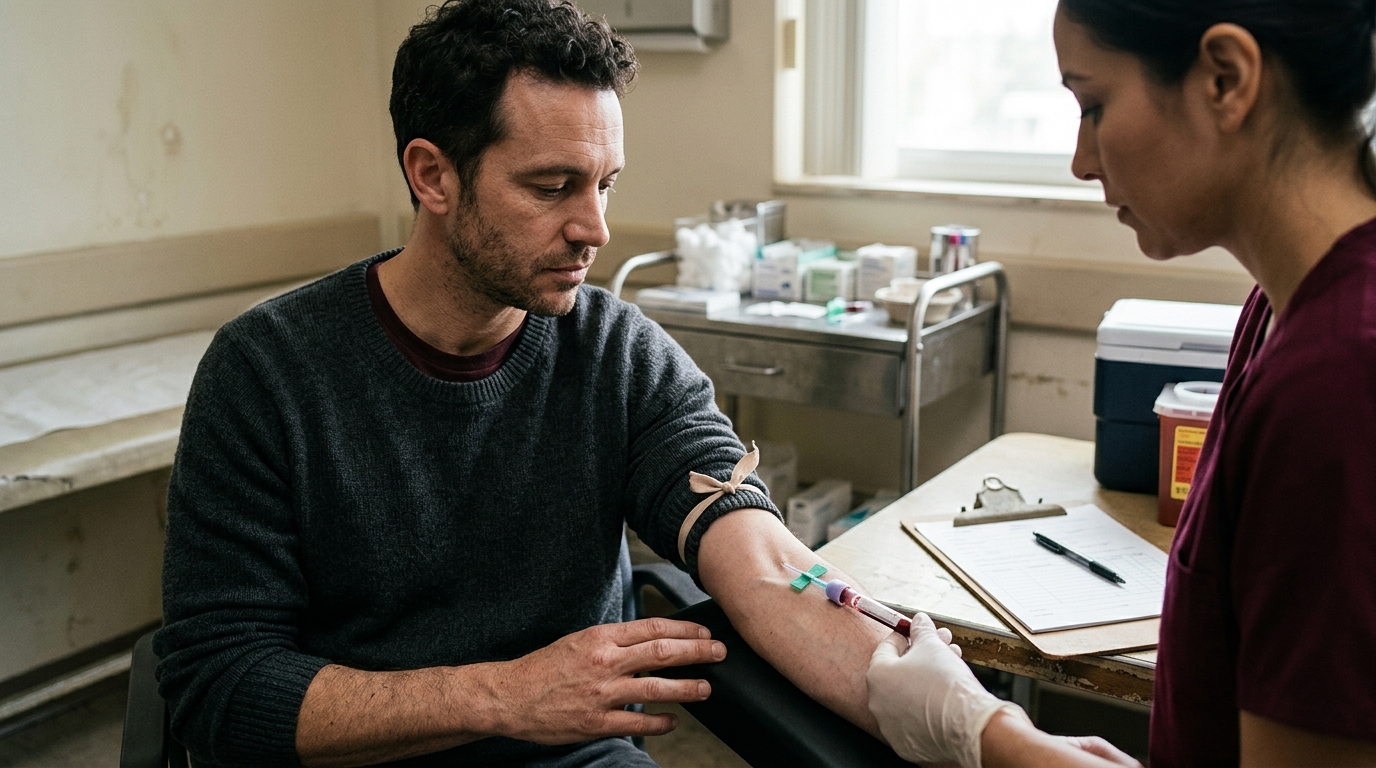
When evaluating hormone status, clinicians do not rely on an isolated number. A comprehensive blood panel provides the physiological context necessary to interpret what is happening inside the endocrine system.
If you are preparing for laboratory work, exploring our detailed breakdown of hormone testing and key biomarkers can help you understand these measurements.
Total testosterone measures all of the hormone circulating in the bloodstream. This includes hormone that is tightly bound to proteins, loosely bound to proteins, and circulating freely.
Because testosterone levels naturally peak in the early morning hours, blood samples must be drawn between 7:00 AM and 10:00 AM after an overnight fast. Testing later in the day or after eating can result in falsely low measurements.
Sex hormone-binding globulin is a protein manufactured primarily by the liver. It binds tightly to testosterone, preventing it from entering most target cells.
Factors like metabolic health, thyroid function, age, and nutritional status can alter SHBG production. When SHBG is unusually high, total testosterone may appear normal while the active fraction remains low. Conversely, low SHBG can make total testosterone look low even when sufficient active hormone is circulating.
Free testosterone refers to the small fraction of the hormone, usually about one to two percent, that is not bound to any protein. Bioavailable testosterone includes free hormone plus testosterone loosely attached to albumin.
These fractions represent the biologically active androgen accessible to tissues. Clinicians often calculate or directly measure free testosterone when a patient has borderline total testosterone or conditions that alter SHBG levels.
Measuring pituitary gonadotropins helps doctors identify the underlying location of an endocrine issue:
Prolactin is another hormone secreted by the pituitary gland. Elevated prolactin levels can suppress gonadotropin-releasing hormone pulsatility and lower testosterone production. Clinicians frequently evaluate prolactin to rule out benign pituitary adenomas or medication side effects in men with confirmed central hypogonadism.
While cortisol can be measured in blood, saliva, or urine, a single resting blood test rarely provides a complete picture of chronic psychological stress. Cortisol fluctuates rapidly throughout the day in response to minor physical stimuli, food intake, and the simple anxiety of having blood drawn. Clinicians typically use cortisol testing to diagnose specific adrenal disorders rather than as a general scorecard for daily stress.
Managing long-term psychological stress requires realistic, sustainable habits rather than extreme lifestyle overhauls. Public health organizations, including the Centers for Disease Control and Prevention and the Office of Disease Prevention and Health Promotion, emphasize steady lifestyle foundations to support nervous system recovery.
Because nocturnal sleep drives the daily testosterone rhythm, protecting your sleep schedule is one of the most effective ways to support endocrine health.
For additional strategies on building healthy routines, review our educational materials on lifestyle habits and natural hormone support.
Regular physical movement helps reduce sympathetic nervous system arousal, improves insulin sensitivity, and enhances sleep quality.
Chronic distress can prompt poor nutritional habits, including overeating processed foods or severely skipping meals due to anxiety.
Managing mental load involves creating intentional boundaries and engaging in restorative activities.
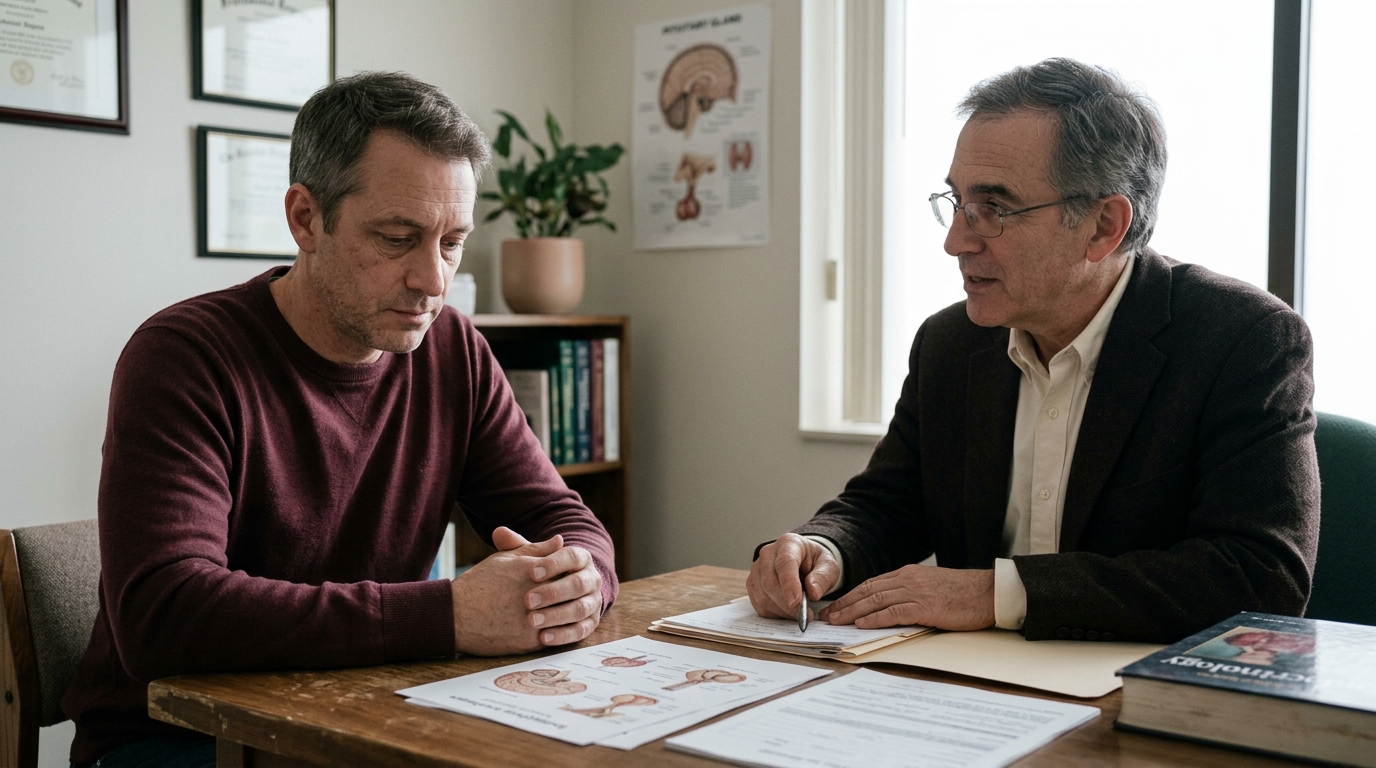
If you are experiencing persistent fatigue, low mood, or concerns about your hormone health, having an organized conversation with a doctor is an effective first step. Bringing clear, focused questions helps ensure a thorough clinical evaluation.
Consider discussing the following topics during your consultation:
For further reading on laboratory procedures and preparation, see our clinical guide to testosterone testing protocols.
While lifestyle adjustments can help manage everyday tension, severe psychological distress requires professional intervention. It is vital to recognize when emotional or physical symptoms require prompt care.
Schedule a prompt medical appointment if you experience any of the following physical red flags:
According to guidance from MedlinePlus and public health agencies, you should seek immediate evaluation from a licensed physician or mental health provider if:
Immediate crisis support is available around the clock through national helplines, emergency departments, and crisis intervention specialists. Mental health needs should always be addressed promptly and directly, regardless of any hormone testing.
A single afternoon of mental stress is unlikely to cause a dramatic drop in baseline testosterone production. However, an acute stressor that leads to a completely sleepless night, severe dehydration, or acute illness can cause a temporary dip in next-day morning levels. This is precisely why clinical guidelines require doctors to confirm low lab results with repeat morning fasting tests on separate days.
There is no reliable clinical evidence that over-the-counter supplements or herbal "cortisol blockers" treat hormone deficiencies. While certain adaptogenic herbs may help some individuals feel slightly calmer, they do not cure hypogonadism or reliably alter endocrine signaling. Relying on unproven supplements can delay proper medical diagnosis of underlying health issues.
Testosterone replacement therapy is an established medical treatment for men with confirmed, organic hypogonadism. It is not an appropriate treatment for workplace burnout, emotional distress, or lifestyle exhaustion in men with normal hormone production. If underlying psychological stress, sleep deprivation, or metabolic issues are the primary drivers of fatigue, starting hormone therapy will not solve those root problems.
When hormone suppression is driven by temporary lifestyle factors, such as extreme physical training, brief illness, or acute sleep loss, hormone levels often begin to normalize within a few weeks of restored sleep, adequate nutrition, and reduced strain. However, recovery timelines vary widely depending on general health, age, and whether other underlying medical conditions are present.
Testostra explains testosterone biology, testing, symptoms, lifestyle factors and TRT with careful sourcing and clear clinical limits.



Send us a question, research idea or topic suggestion. Reader questions help shape future Testostra content.
Contact Testostra