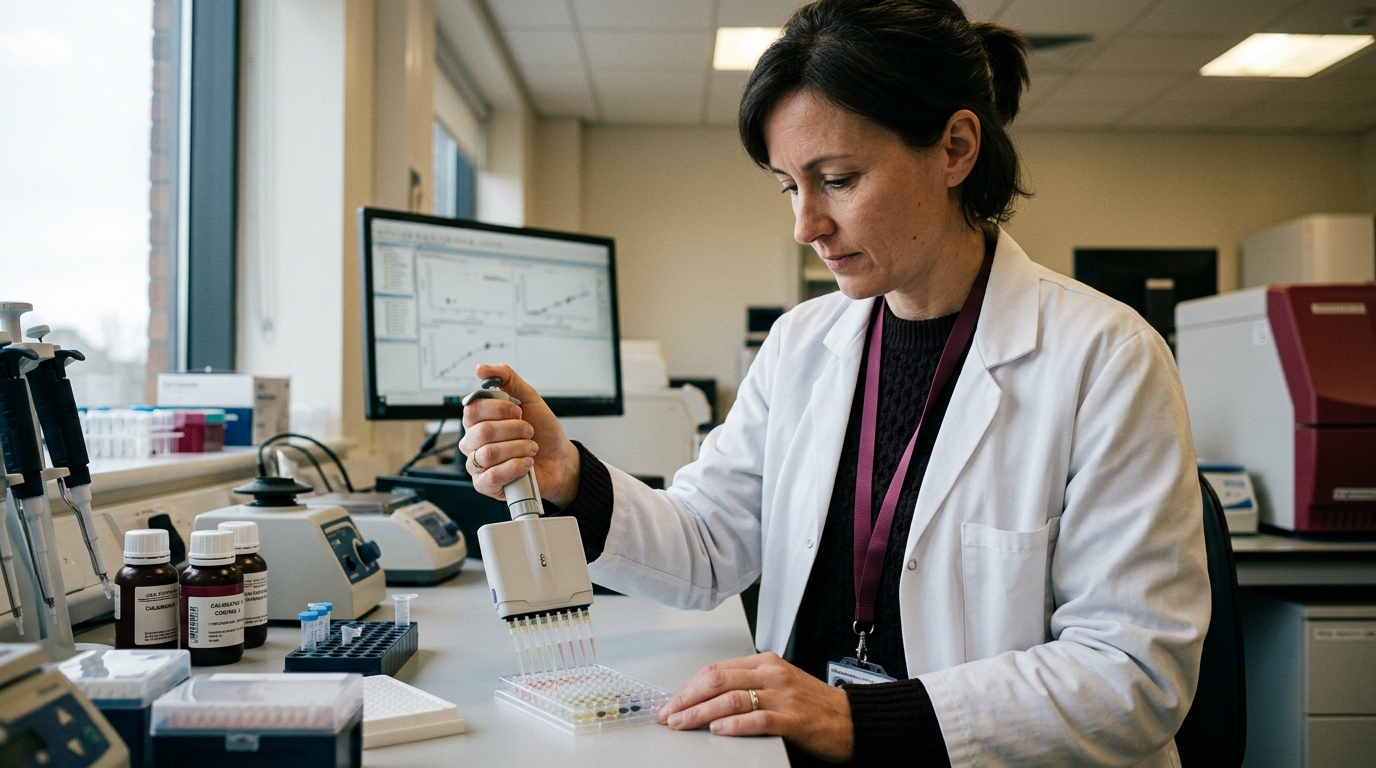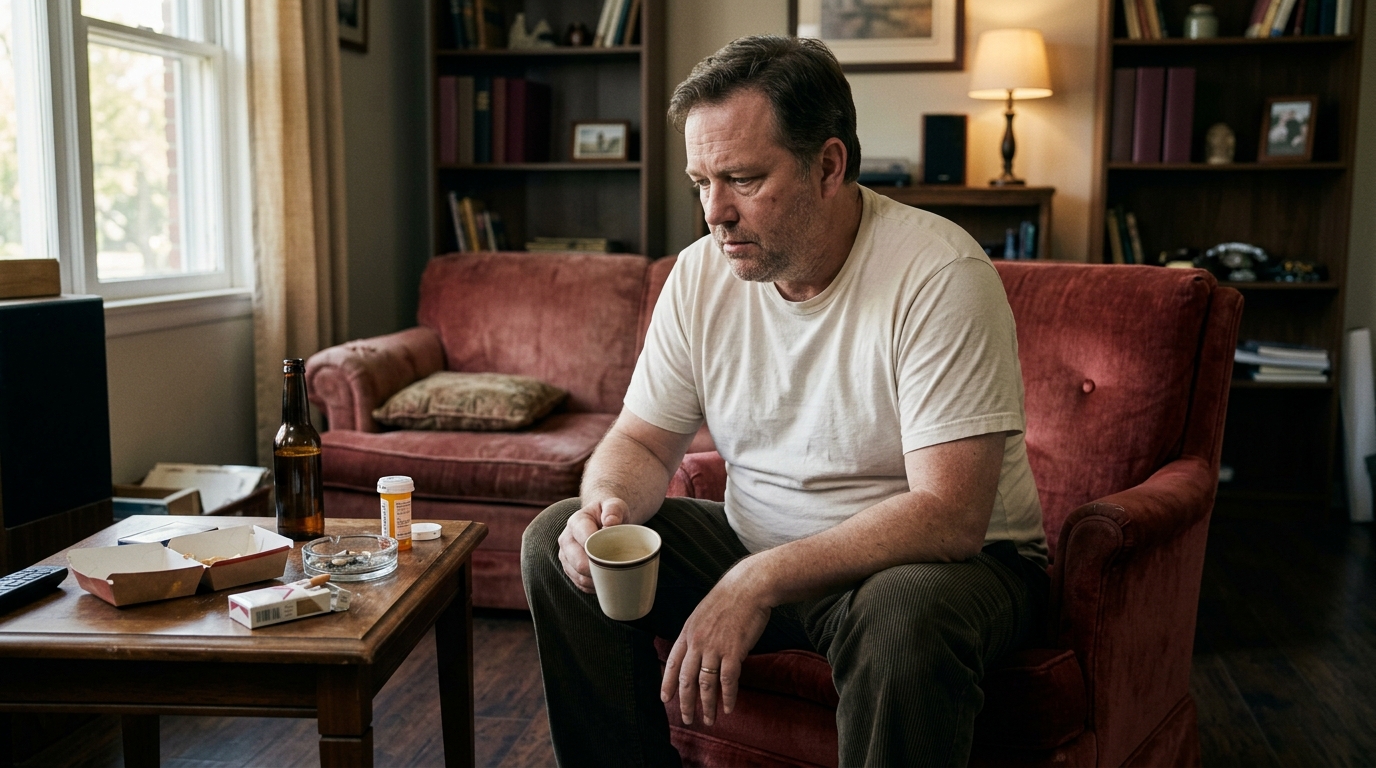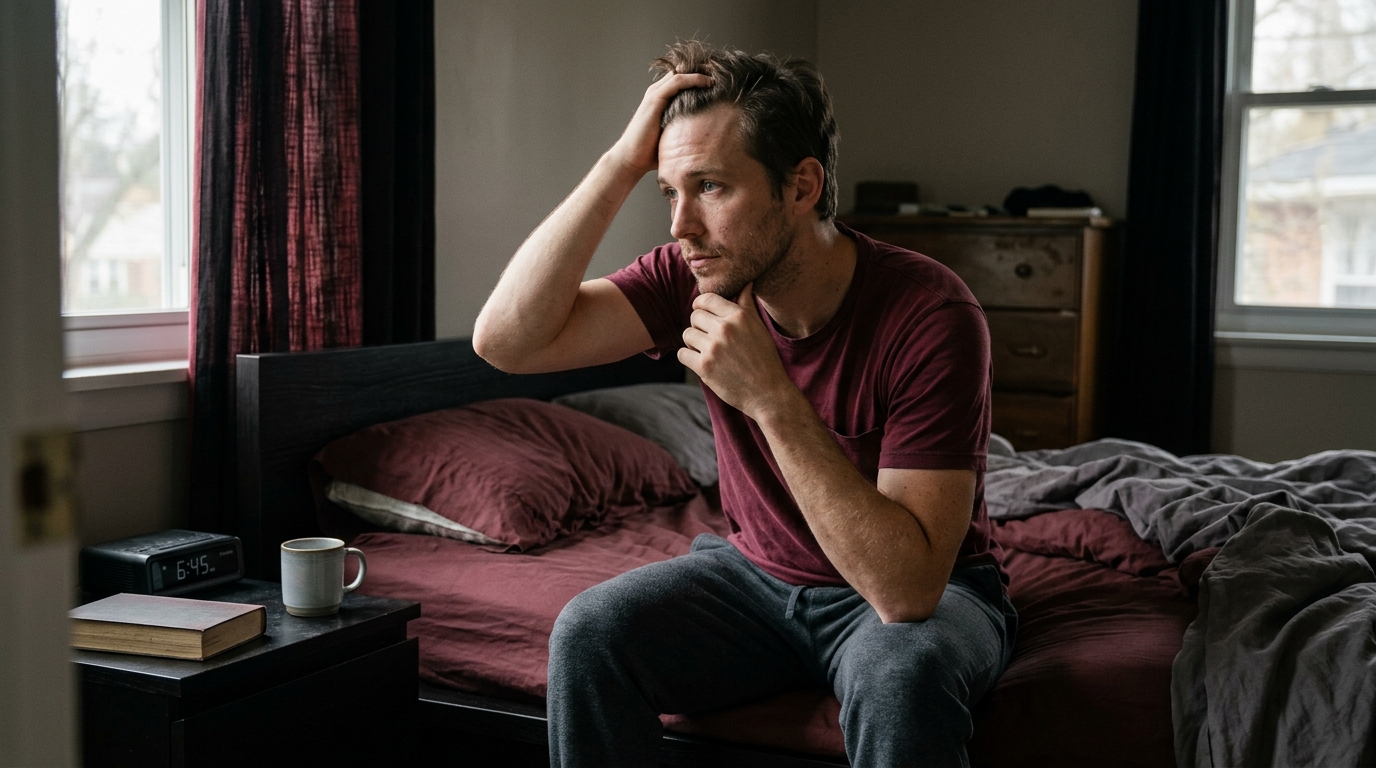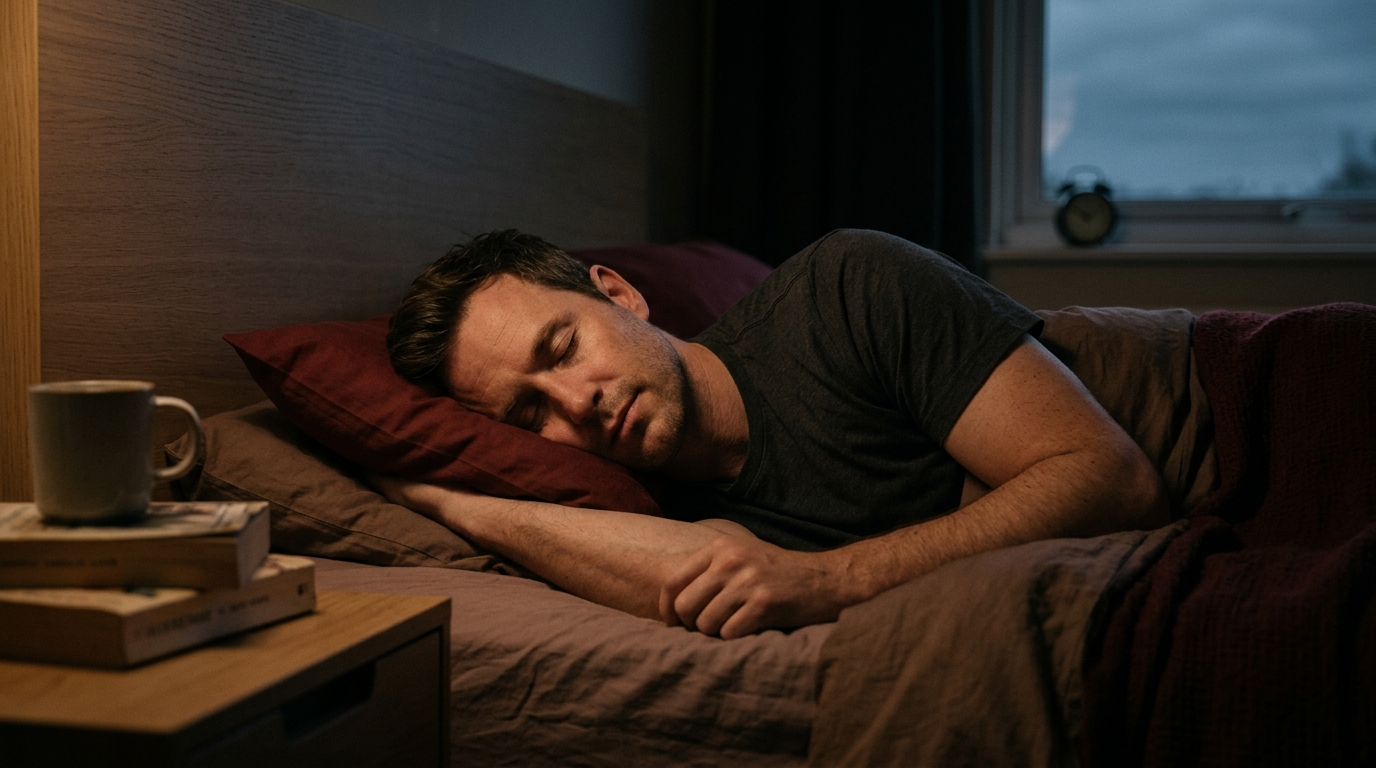

Restorative sleep supports healthy male hormone production by maintaining natural nocturnal rhythms and preventing temporary dips in total testosterone levels.





Medical Disclaimer: The information provided in this guide is for educational purposes only. It is not personal medical advice, diagnosis, or treatment. Always consult a qualified healthcare professional regarding any medical condition, laboratory test interpretation, or changes to your health regimen.
Many men search online to see if a string of poor nights is ruining their testosterone levels. They wake up feeling unrefreshed, notice low daytime energy, and wonder if their sleep habits are causing a hormonal drop. Popular health articles often claim that a single week of short sleep cuts testosterone in half.
This guide provides a definitive, evidence-led examination of the relationship between sleep and testosterone. It covers the biology of nighttime hormone production, details what experimental trials actually show, and outlines practical steps to support restorative rest.
Total sleep deprivation reliably lowers testosterone in controlled laboratory settings. Staying awake for 24 to 48 hours produces a measurable, statistically significant drop in circulating testosterone levels. However, the effects of partial sleep restriction are far more mixed across published trials.
A widely cited study showed a 10% to 15% daytime testosterone reduction after one week of five-hour sleep opportunities. Yet other controlled studies found no significant hormonal changes after multiple nights of severe restriction or weeks of mild sleep loss. Sleep loss affects individuals differently, and short-term trials do not prove permanent endocrine damage.
The timing of testosterone production is tied directly to sleep itself rather than just the time on the clock. Testosterone levels begin to climb with the onset of sleep, frequently peaking around the first episode of rapid eye movement (REM) sleep. Fragmented sleep can delay or blunt this nighttime rise.
Addressing sleep issues is essential for general vitality, cognitive function, and cardiovascular health. However, treating sleep disorders like obstructive sleep apnea does not reliably produce large increases in testosterone. Sleep should be managed as a fundamental pillar of health, not as a quick tool to manipulate hormone numbers.
Testosterone is not a static number. Circulating concentrations change continuously throughout the day and night in response to biological rhythms, metabolic state, stress, and physical rest. In healthy young men, testosterone values typically reach their highest concentration in the early morning hours and decline gradually toward the evening.
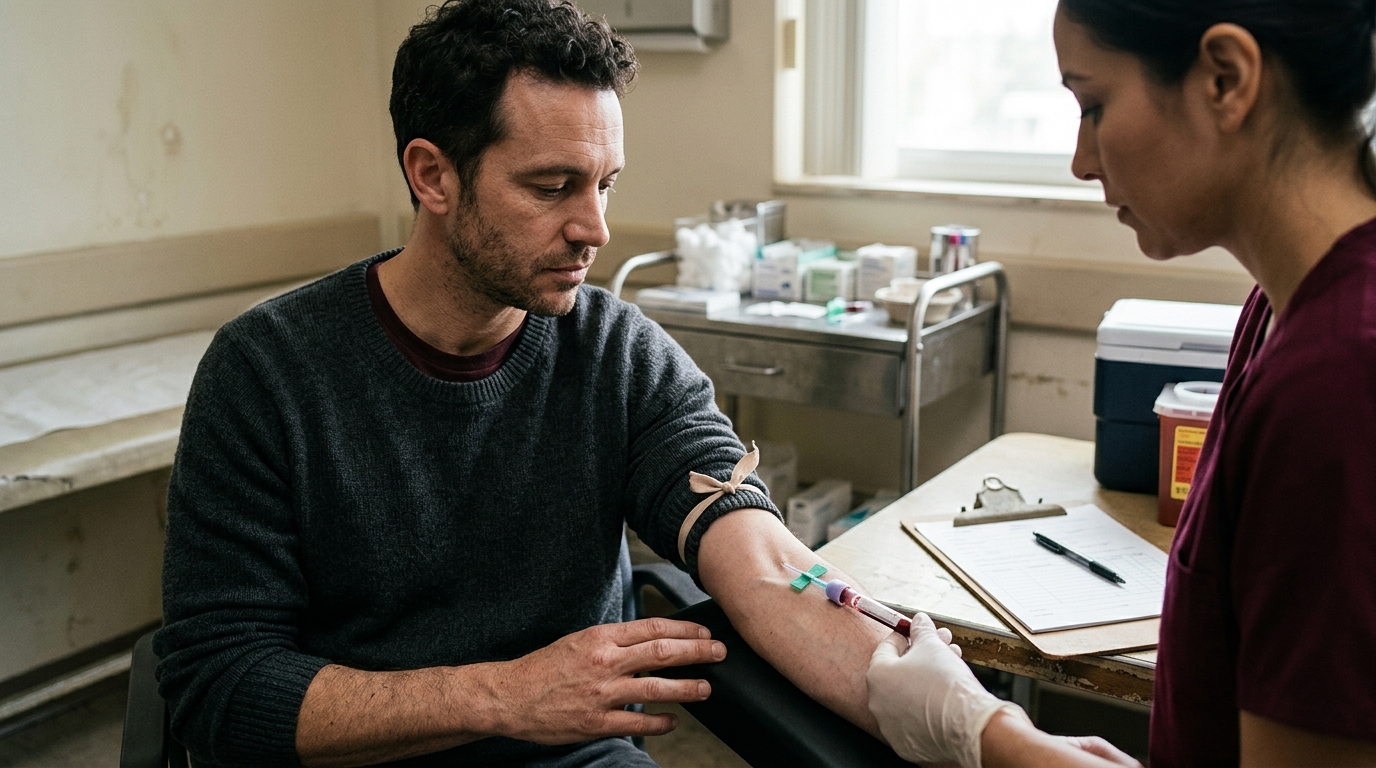
Because of this daily fluctuation, clinical guidelines from the Endocrine Society require specific testing protocols. A diagnosis of hypogonadism requires consistent symptoms accompanied by unequivocally low testosterone levels measured across multiple occasions. Blood draws must be conducted in the morning, in a fasting state, when concentrations are expected to be at their daily peak.
A single low lab value obtained after an acute bout of poor sleep does not constitute a medical diagnosis. Short-term physical stressors, acute illness, emotional strain, and fragmented nights can temporarily suppress testosterone secretion. A clinician will evaluate whether a low reading represents a transient dip or a persistent endocrine issue.
Interpreting lab results requires evaluating the whole clinical picture. Symptoms such as lethargy, low libido, poor recovery, and depressed mood overlap heavily between chronic sleep deficiency and clinical androgen deficiency. Men investigating possible hormone imbalances can review educational resources on low testosterone signs and causes to understand how doctors differentiate non-specific symptoms from primary endocrine disorders.
Clinicians also evaluate medical history, prescription medications, body composition, and metabolic markers. Attributing general fatigue entirely to testosterone without examining sleep quality can lead to misdiagnosis. A thorough clinical assessment ensures that underlying sleep disorders, lifestyle stressors, and endocrine conditions receive appropriate care.
When evaluating scientific studies on sleep and testosterone, it is crucial to separate established facts from preliminary findings. Not all sleep research carries the same clinical weight. Experimental designs vary significantly in duration, severity of sleep loss, and participant demographics.
The strongest experimental signal exists for total sleep deprivation. A systematic review and meta-analysis examining 18 studies and 252 men analyzed the hormonal impact of staying awake continuously. The researchers found a statistically significant pooled reduction in serum testosterone among men subjected to total sleep deprivation.
The meta-analysis showed that being awake for 24 continuous hours produced a clear negative effect on circulating levels. Extending wakefulness to 40 or 48 hours produced an even larger reduction. In these extreme settings, the prolonged absence of sleep disrupts central neuroendocrine signaling, suppressing the normal pulsatile release of reproductive hormones.
The evidence surrounding partial sleep restriction is far more complex and inconsistent. The same meta-analysis evaluated studies where participants were restricted to fewer hours of sleep per night rather than kept awake entirely. When pooling the data across these trials, the researchers found no statistically significant pooled effect on serum testosterone.
This finding does not mean partial sleep restriction has zero biological impact. Instead, it indicates that moderate sleep loss does not produce a uniform, predictable hormone crash across every individual. Differences in study protocols, baseline fitness, metabolic health, and genetic resilience contribute to varying endocrine responses.
Much of the popular discussion regarding sleep and hormones stems from a small 2011 study published in JAMA. In this trial, 10 healthy young men spent three nights in a lab sleeping 10 hours, followed by eight nights with sleep restricted to five hours. Researchers measured daytime testosterone levels across a 24-hour sampling period.
The study reported that daytime testosterone concentrations dropped by 10% to 15% after one week of restricted sleep. Morning levels fell from an average of 18.4 nmol/L during the rested phase to 16.5 nmol/L following the restriction phase. The participants also reported progressive declines in their subjective sense of energy and well-being.
While valuable, this trial represents a small convenience sample of young, healthy men under strictly controlled conditions. It demonstrates that severe sleep restriction can suppress daytime testosterone in some individuals. However, it does not prove that every adult who sleeps five hours will experience an identical drop.
Other rigorous studies have reached different conclusions regarding partial sleep loss. A controlled trial evaluated healthy young men across two distinct sleep-restriction protocols. One group experienced acute severe restriction, sleeping less than four hours per night for five consecutive nights. A second group underwent mild chronic restriction, sleeping 1.5 hours less than baseline for six weeks.
Surprisingly, neither the severe five-night protocol nor the six-week mild restriction protocol caused a statistically significant reduction in plasma testosterone concentrations. The researchers observed normal day-to-day variability without a sustained downward shift in hormone levels.
These contrasting results demonstrate why medical science avoids relying on single studies. Sleep restriction clearly places stress on the body, but human endocrine systems exhibit varying degrees of adaptive buffering. Learning more through lifestyle and natural testosterone support resources helps provide context on how diet, stress, and rest interact as a combined system rather than isolated variables.
The human body does not produce testosterone at a steady rate throughout the 24-hour day. Instead, secretion follows a distinct pattern that is heavily dependent on the initiation and architecture of sleep. Understanding these physiological mechanisms explains why both sleep duration and sleep quality matter.
Scientific reviews indicate that the daily testosterone pattern is primarily sleep-dependent rather than governed purely by an internal circadian clock. In normal conditions, circulating testosterone begins to rise shortly after a person falls asleep. Levels continue to climb across successive sleep cycles, reaching peak values in the early morning.
Research demonstrates that this nocturnal rise requires at least three hours of continuous sleep with normal sleep architecture. If a person stays awake all night, the expected morning surge fails to occur. Instead, testosterone levels remain near their lower evening baseline.
Sleep is divided into distinct stages, including non-rapid eye movement (NREM) sleep and rapid eye movement (REM) sleep. NREM sleep includes lighter stages and slow-wave deep sleep, while REM sleep is characterized by vivid dreaming and rapid brain activity. These stages cycle roughly every 90 to 110 minutes throughout the night.
Studies examining sleep architecture show that the initial nocturnal testosterone rise frequently coincides with the onset of the first REM sleep episode. Disruptions that prevent the brain from cycling normally through deeper NREM and REM stages can alter the timing of hormone release.
Sleep duration measures total sleep time, while sleep continuity measures how uninterrupted that sleep remains. An individual might spend eight hours in bed but wake up dozens of times due to noise, stress, or airway resistance. This sleep fragmentation alters normal neuroendocrine rhythms.
In experimental trials where sleep was repeatedly fragmented by auditory stimuli, researchers observed a delayed and blunted nocturnal testosterone rise. The total amount of sleep was technically adequate, but the lack of consolidated cycles disrupted the normal secretory cascade. Fragmented sleep prevents the body from spending adequate time in restorative, deeper sleep stages.
Circadian timing refers to the coordination of internal biological processes with the external 24-hour day-night cycle. Light exposure entering the eyes signals the brain's suprachiasmatic nucleus, regulating melatonin production, body temperature, and cortisol rhythms. When sleep occurs at irregular times, this internal alignment is challenged.
Long-term shift workers often experience chronic misalignment between their internal clock and their sleep-wake schedule. However, scientific reviews analyzing shift workers have found no consistent difference in mean testosterone concentrations compared to day workers. Many studies in this area are confounded by differences in diet, physical activity, alcohol intake, and overall sleep duration.
While shift work presents real challenges for sleep quality and metabolic health, it does not automatically guarantee low testosterone. Workers on rotating or night shifts should focus on optimizing sleep opportunity, maintaining dark and quiet bedrooms, and managing fatigue.
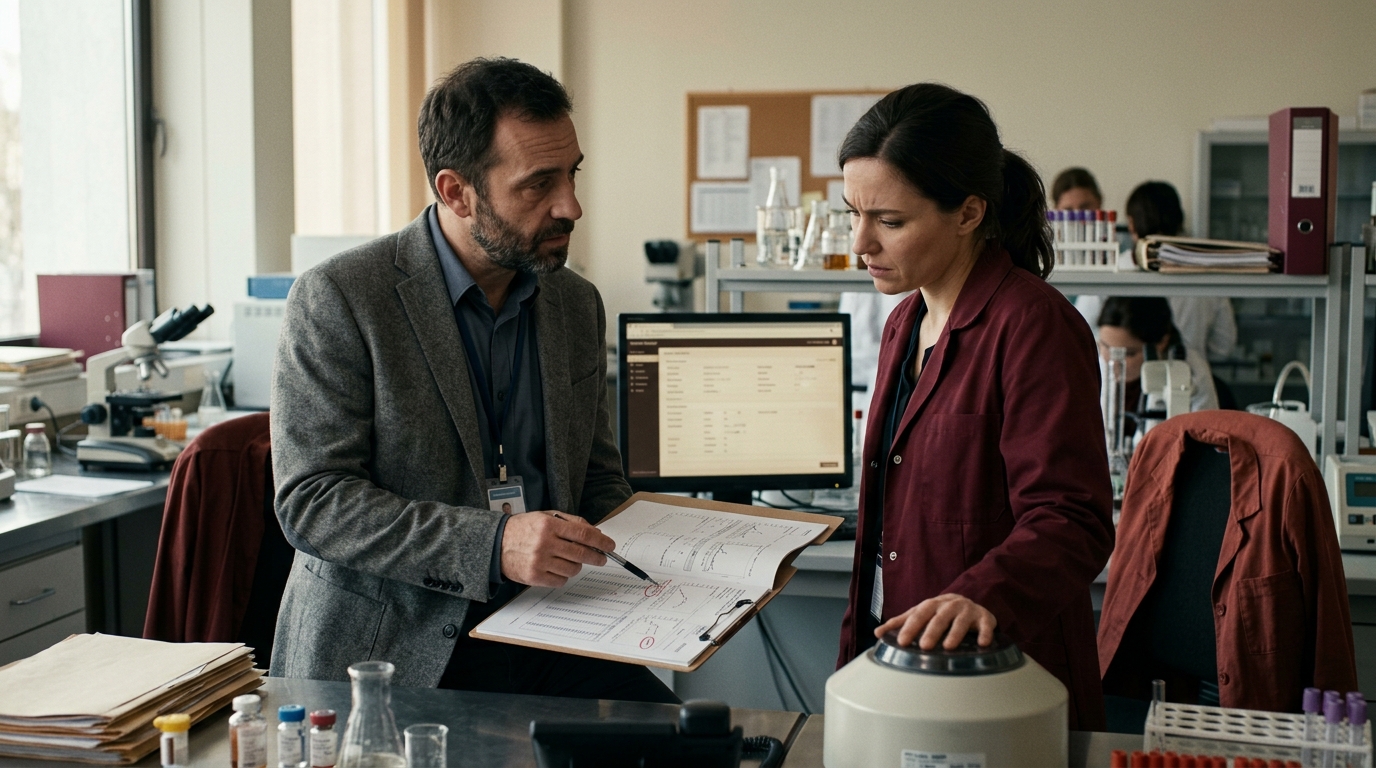
When evaluating male hormonal health, clinicians look at a broader panel of biomarkers rather than relying solely on a single total testosterone number. Sleep disruption, metabolic health, and stress interact with multiple endocrine pathways. Understanding these markers provides valuable clarity during medical evaluations.
Total testosterone measures all testosterone circulating in the bloodstream. This includes hormone bound tightly to proteins as well as free, unbound hormone. In healthy adult men, total testosterone follows a diurnal rhythm, peaking in the morning and declining in the evening.
When assessing total testosterone, proper timing is essential. If a blood sample is drawn late in the afternoon or after an all-night period of wakefulness, the result will often appear artificially depressed. Clinicians use early morning fasting blood tests to evaluate baseline production accurately.
The majority of circulating testosterone is bound to transport proteins, leaving only a small fraction freely available to enter tissues. Free testosterone refers to the unbound hormone, representing roughly 1% to 3% of total circulating levels. Bioavailable testosterone includes free hormone plus testosterone loosely bound to albumin.
Free testosterone provides helpful clinical insight when protein levels are abnormal. An individual may have a normal total testosterone level but altered free testosterone due to shifts in binding proteins. Men researching lab testing can consult educational guides on testosterone testing and biomarkers to better understand these laboratory distinctions.
Sex hormone-binding globulin is a protein produced by the liver that binds tightly to testosterone and estradiol. SHBG regulates the balance between bound and active free hormones in the circulation. Levels of SHBG are influenced by age, liver function, thyroid status, insulin levels, and nutritional intake.
Metabolic conditions associated with poor sleep, such as insulin resistance and obesity, often suppress SHBG production. When SHBG drops, total testosterone measurements often decline as well, even if bioavailable testosterone remains relatively stable. Evaluating SHBG alongside total testosterone prevents clinicians from misinterpreting lower total values.
Luteinizing hormone and follicle-stimulating hormone are gonadotropins secreted by the pituitary gland in the brain. LH stimulates the Leydig cells in the testes to produce testosterone, while FSH supports sperm production. These hormones operate within a negative feedback loop known as the hypothalamic-pituitary-gonadal (HPG) axis.
When testosterone drops, the brain normally increases LH secretion to stimulate production. Measuring LH helps clinicians classify whether low testosterone originates in the testes (primary hypogonadism) or in the brain (secondary hypogonadism). Prolonged severe physical stress and systemic illness can suppress pituitary LH release, leading to temporary functional hypogonadism.
Prolactin is a pituitary hormone that, when significantly elevated, can suppress LH and testosterone secretion. Very high prolactin levels warrant clinical investigation for pituitary microadenomas or medication interactions. Chronic sleep disruption and severe stress can cause modest fluctuations in prolactin and the primary stress hormone, cortisol.
Cortisol follows a diurnal rhythm opposite to testosterone, rising sharply upon waking and dropping toward bedtime. Disrupted sleep architecture and chronic stress can elevate evening cortisol, promoting nighttime arousal and metabolic strain. Comprehensive laboratory testing allows doctors to view these interrelated hormonal systems together.
Obstructive sleep apnea (OSA) is one of the most common and underdiagnosed sleep disorders in adult men. It is characterized by recurrent collapse of the upper airway during sleep, leading to temporary breathing pauses, oxygen desaturation, and frequent micro-arousals. The relationship between sleep apnea, body weight, and testosterone is complex.
During an obstructive apnea event, the lack of airflow causes blood oxygen levels to drop, a condition known as hypoxemia. Each drop in oxygen triggers a surge in sympathetic nervous system activity, elevating blood pressure and heart rate. The brain is forced to briefly wake up to restore muscle tone in the throat, shattering sleep architecture.
Men with severe OSA spend significantly less time in continuous slow-wave and REM sleep. Because normal testosterone production depends on consolidated sleep cycles, severe fragmentation and recurrent nocturnal hypoxemia can impair the normal nocturnal hormone surge. Observational studies frequently observe lower testosterone levels in men with untreated, moderate-to-severe OSA.
A critical challenge in interpreting OSA research is the significant overlap between sleep apnea and obesity. Excess adipose tissue, particularly around the neck and abdomen, increases the risk of upper airway collapse during sleep. At the same time, adipose tissue expresses the aromatase enzyme, which converts testosterone into estradiol.
Obesity also promotes insulin resistance and systemic inflammation, both of which lower SHBG and suppress central gonadotropin release. Clinical reviews emphasize that it remains difficult to separate how much of the hormone reduction in OSA patients stems directly from airway obstruction versus coexisting visceral obesity. Both factors likely contribute to the observed clinical picture.
Continuous Positive Airway Pressure (CPAP) is the gold-standard treatment for obstructive sleep apnea. CPAP uses a gentle stream of pressurized air to keep the airway open, eliminating apneas, preventing hypoxemia, and restoring normal sleep continuity. Given the role of sleep in hormone secretion, many assumed that CPAP therapy would naturally boost testosterone.
However, clinical meta-analyses evaluating CPAP therapy have not shown a statistically significant average increase in total testosterone. A comprehensive meta-analysis of randomized and prospective trials including 388 men found no meaningful change in testosterone levels after CPAP use. Another systematic review of seven studies involving 232 men found identical results.
These findings carry an important clinical message. CPAP therapy is vital for reducing cardiovascular strain, improving daytime alertness, and eliminating nighttime choking, but it should not be prescribed solely as a hormone-boosting intervention. Men seeking comprehensive care can review articles on male hormone basics and testing to understand how medical therapies are appropriately targeted.
If an individual with sleep apnea has persistent, clinically confirmed hypogonadism that fails to resolve, a clinician will address the sleep disorder and the endocrine condition as separate, interconnected health priorities.
Optimizing sleep health requires establishing consistent habits, creating an ideal sleep environment, and addressing underlying psychological and physiological barriers. While these practical steps should not be marketed as magic hormone fixes, they support overall physical recovery, metabolic health, and general well-being.
Sleep opportunity refers to the total amount of time allocated for resting in bed. Many adults confuse time in bed with actual time asleep. If a person spends seven hours in bed but takes 45 minutes to fall asleep and wakes up twice, their total sleep duration may fall well below six hours.
The Centers for Disease Control and Prevention (CDC) and the American Academy of Sleep Medicine recommend that adults obtain at least seven hours of actual sleep per night. Protecting an eight-hour window of dedicated quiet time ensures adequate opportunity for the body to complete multiple 90-minute sleep cycles.
The human brain relies on consistent environmental and behavioral cues to maintain stable circadian rhythms. Going to bed and waking up at roughly the same time every day reinforces internal timing mechanisms. This regularity makes falling asleep easier and promotes more consolidated sleep architecture.
Maintaining a stable wake-up time is particularly beneficial, even on weekends. Large swings in sleep timing, sometimes referred to as social jetlag, disrupt the body's internal clock and impair daytime alertness. A consistent rhythm supports predictable hormonal fluctuations across the 24-hour day.
The physical bedroom environment directly influences sleep continuity and the depth of rest. External noise, excess light, and improper temperatures can trigger unconscious micro-arousals that fragment sleep cycles without fully waking the sleeper.
Simple, evidence-backed environmental adjustments include:
Behavioral habits in the hours leading up to bedtime significantly impact sleep latency and continuity. Substances like caffeine, alcohol, and nicotine alter central nervous system activity and disrupt normal sleep stages.
Caffeine possesses a half-life of roughly five to seven hours, meaning a significant portion remains active in the brain hours after consumption. Stopping caffeine intake by early afternoon prevents it from blocking adenosine receptors that signal sleep drive.
Alcohol acts as a central nervous system depressant that can induce rapid drowsiness, leading some to mistakenly use it as a sleep aid. However, as the liver metabolizes alcohol during the night, it causes severe sleep fragmentation, suppresses REM sleep, and relaxes throat muscles, worsening airway obstruction.
Finally, heavy or spicy meals consumed right before lying down can trigger acid reflux and gastrointestinal discomfort. Allowing two to three hours between dinner and bedtime supports comfortable, uninterrupted rest.
General sleep hygiene recommendations are often insufficient for individuals suffering from chronic insomnia disorder. Chronic insomnia involves persistent difficulty falling asleep, staying asleep, or waking up too early, occurring at least three nights per week for three months or longer.
For these individuals, the American Academy of Sleep Medicine strongly recommends multicomponent Cognitive Behavioral Therapy for Insomnia (CBT-I) as the first-line treatment. CBT-I is a structured, evidence-based psychotherapeutic intervention that targets the cognitive patterns and conditioned behaviors that perpetuate sleeplessness.
Unlike generic advice, CBT-I utilizes specific protocols such as sleep restriction therapy, stimulus control, cognitive restructuring, and relaxation training. Clinical trials demonstrate that CBT-I is more effective and durable than sedative medications for long-term insomnia management. Men struggling with persistent sleeplessness should seek a qualified behavioral sleep specialist rather than relying indefinitely on over-the-counter sleep supplements.
The following examples illustrate common ways that sleep disruptions intersect with hormonal questions in clinical practice. These models are illustrative examples designed to provide educational context rather than individual diagnostic predictions.
An adult male routinely limits his sleep to five or six hours per night due to long work hours and late-night digital entertainment. He experiences afternoon fatigue, brain fog, and reduced exercise recovery, leading him to wonder if his testosterone has dropped.
Educational Context: This individual's symptoms are classic manifestations of chronic sleep debt. While experimental trials show that severe restriction can suppress daytime testosterone in some men, his primary issue is insufficient sleep opportunity. Extending his nightly sleep opportunity to a consistent seven to eight hours is the logical first step to restore daytime alertness, physical recovery, and general well-being.
A man in his late forties reports profound daytime sleepiness, morning headaches, and low exercise tolerance. His partner reports that he snores loudly and occasionally gasps or pauses during breathing at night. He is seeking hormone therapy to treat his fatigue.
Educational Context: These symptoms represent hallmark warning signs of obstructive sleep apnea rather than simple androgen deficiency. Requesting a hormone panel before assessing airway function overlooks a potentially serious medical condition. This individual warrants a comprehensive sleep evaluation, which may include an in-laboratory polysomnography or a home sleep apnea test.
A man experiences chronic sleep onset insomnia, taking up to two hours to fall asleep most nights. He has diligently implemented all standard sleep hygiene tips, including dark curtains, cool room temperatures, and avoiding caffeine, but his sleep remains severely impaired.
Educational Context: When sleep hygiene fails to resolve persistent sleeplessness, attempting to self-treat with unproven hormone boosters or random supplements is ineffective. This pattern points toward chronic insomnia disorder. The recommended clinical pathway is a structured course of Cognitive Behavioral Therapy for Insomnia (CBT-I) under the care of a sleep specialist.
An industrial worker on rotating 12-hour night shifts worries that his irregular schedule is causing irreversible endocrine damage. He feels tired on transition days but generally manages to sleep seven hours in a dark room between shifts.
Educational Context: Scientific reviews indicate that shift work does not inevitably cause low mean testosterone concentrations, provided total sleep duration and sleep quality remain protected. His clinical focus should center on minimizing light exposure during morning commutes, using blackout shades during day sleeps, and managing transition schedules to ensure adequate total recovery time.
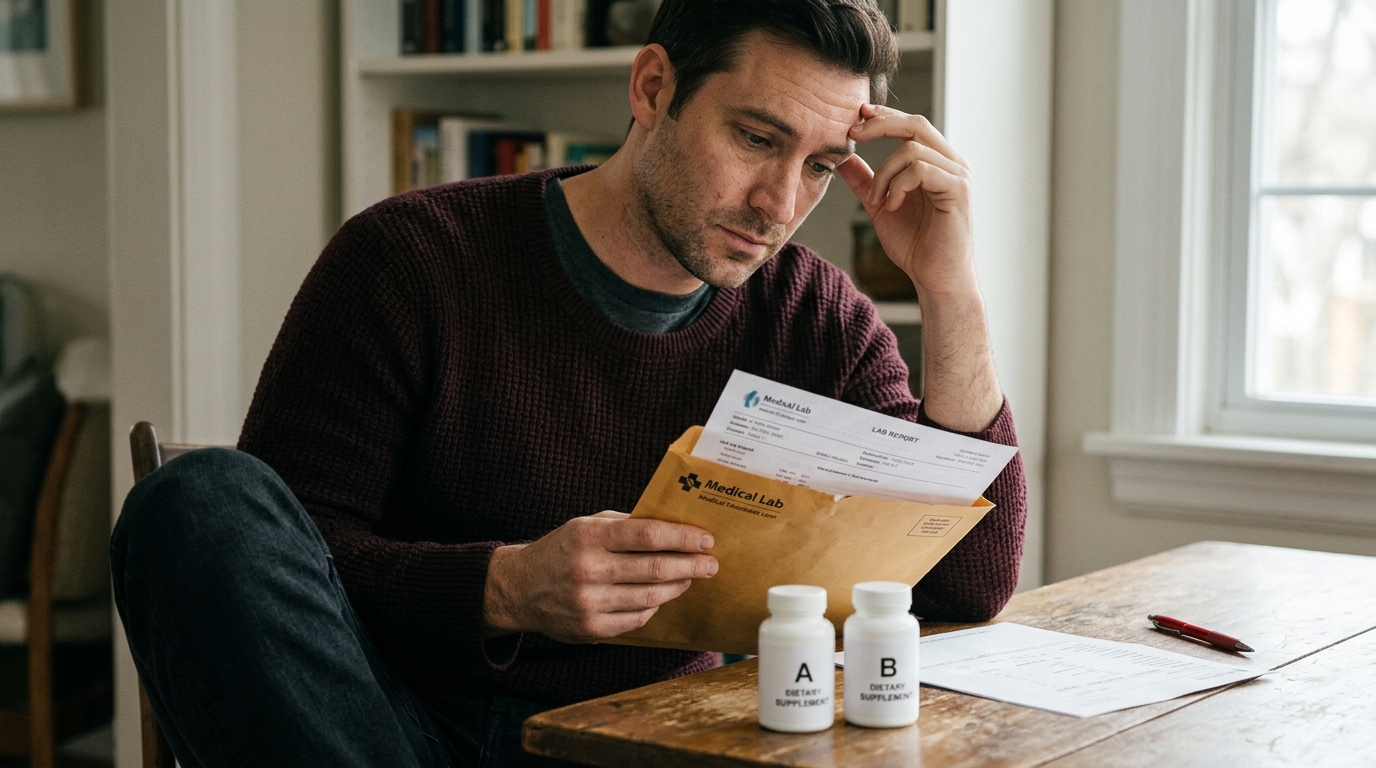
A man has a routine blood draw scheduled at 2:00 PM following an all-night work shift and a stressful week. The laboratory report indicates a total testosterone level below the reference range, causing him significant anxiety.
Educational Context: This lab value was obtained under conditions that violate clinical testing guidelines. Afternoon timing, acute sleep deprivation, and high stress can cause transient drops in circulating hormones. In accordance with Endocrine Society guidelines, this result cannot diagnose hypogonadism and must be repeated on at least two separate mornings in a fasting state under normal resting conditions.
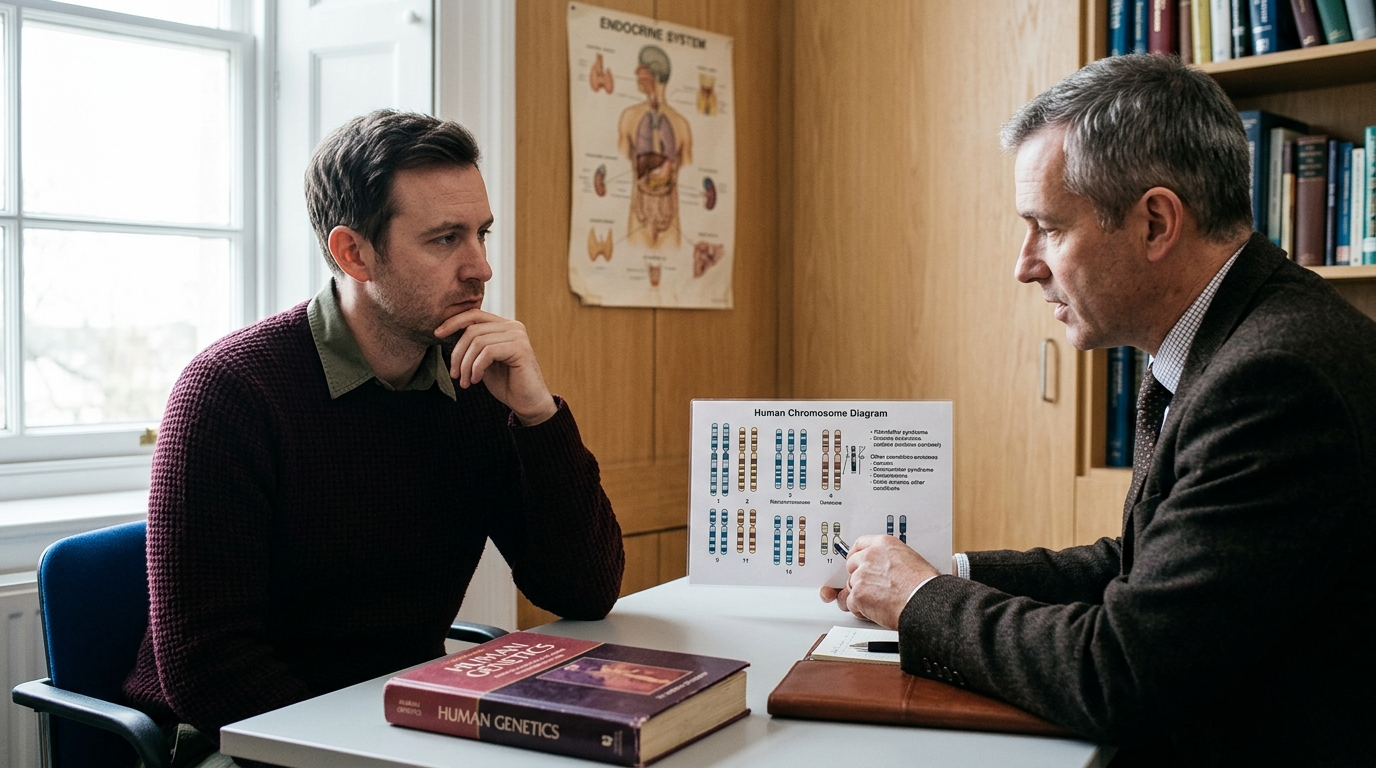
Navigating sleep complaints and hormone concerns requires open, structured communication with a medical provider. If you are experiencing persistent fatigue, unrefreshing sleep, or low energy, consider discussing the following topics with your doctor:
Rather than attempting complicated lifestyle overhauls or relying on unverified supplements, focus on practical, evidence-supported steps to improve your rest this week:
Testostra explains testosterone biology, testing, symptoms, lifestyle factors and TRT with careful sourcing and clear clinical limits.



Send us a question, research idea or topic suggestion. Reader questions help shape future Testostra content.
Contact Testostra