Walking into a medical office with a completed online symptom quiz or a single low laboratory printout rarely speeds up a clinical evaluation. Many men assume that showing up with a list of checked boxes will immediately establish a diagnosis and secure a treatment plan. In clinical practice, the opposite often happens.
Testosterone deficiency is not diagnosed by a symptom tally or an isolated blood draw. Proper medical evaluation requires careful investigation into what has changed, when it changed, and what other health factors might explain those changes. Approaching an evaluation requires gathering structured context rather than attempting to prove a predetermined conclusion.
This guide provides a comprehensive framework to help you organize your health history, track symptoms, document current medications, and compile prior laboratory testing. By preparing thorough, objective records, you can collaborate with your clinician to uncover the root cause of your symptoms.
Understand the Clinical Context of Testosterone Testing
Medical guidelines from organizations such as the American Urological Association and the Endocrine Society establish clear standards for evaluating testosterone deficiency. A diagnosis requires two distinct components: consistent clinical symptoms or signs, paired with unequivocally low serum total testosterone levels on multiple tests. One without the other is insufficient for a clinical diagnosis.
Guidelines from the American Urological Association state that a total testosterone level below 300 ng/dL serves as a reasonable threshold in support of diagnosis. This numerical cutoff is not a standalone diagnostic rule. A man with a result below 300 ng/dL who has no symptoms or physical signs does not meet the diagnostic criteria for hypogonadism. Similarly, a man with classic symptoms whose laboratory values are well within the normal reference range requires a broader medical investigation.
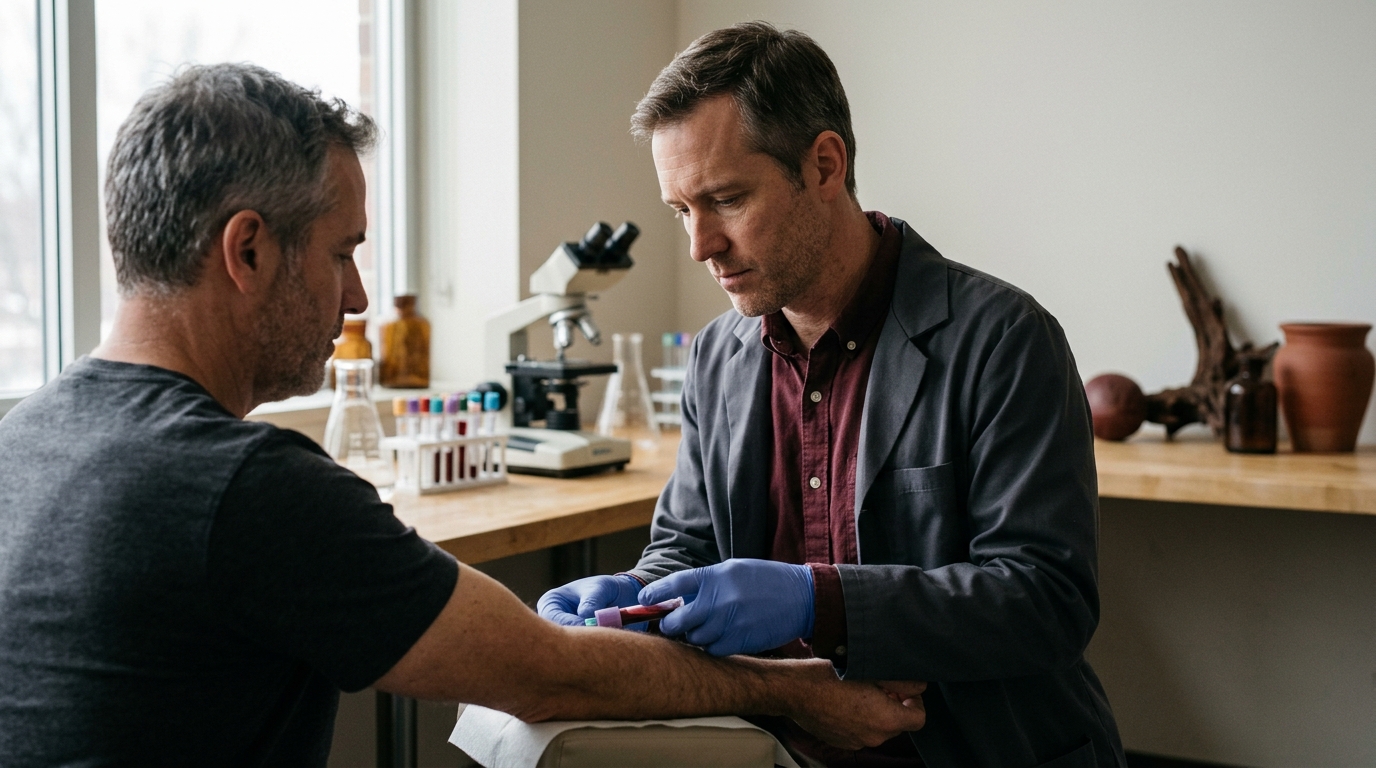
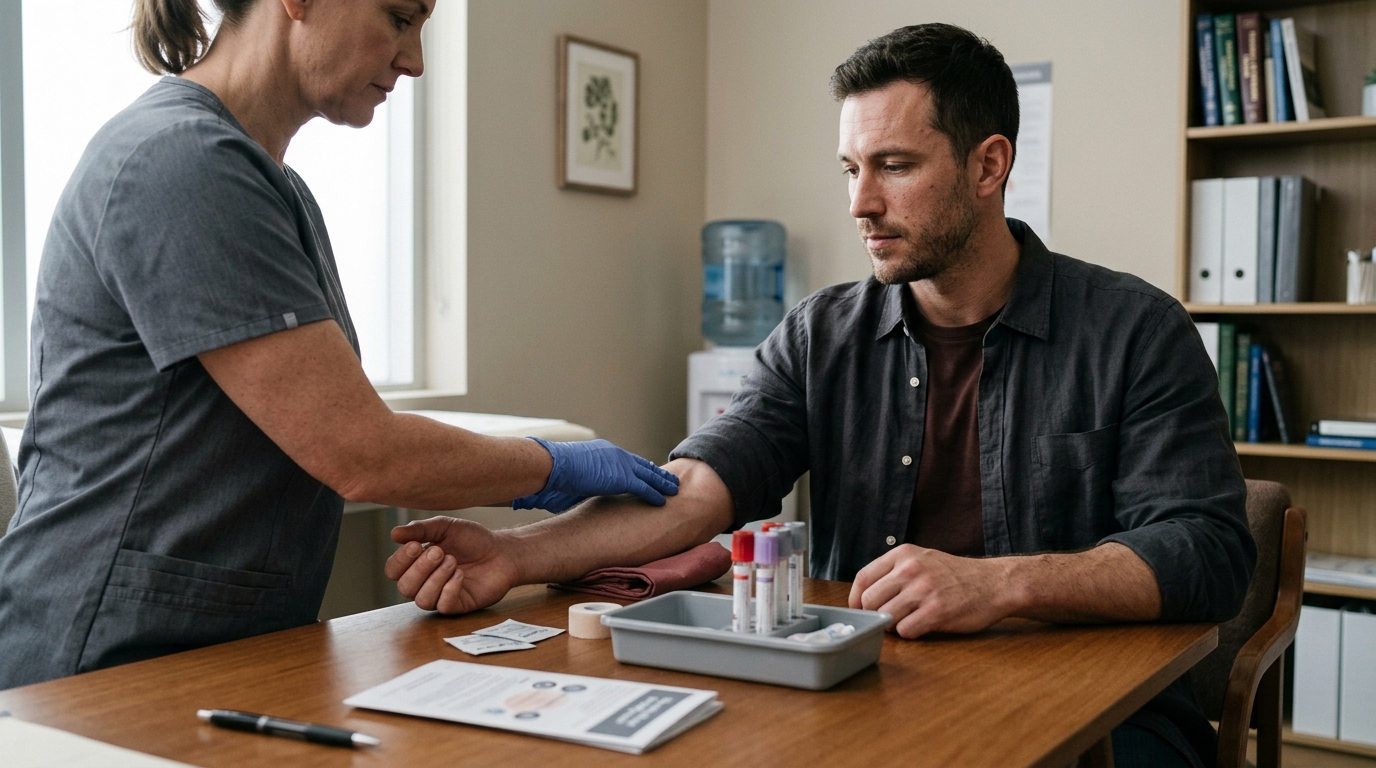
Testosterone levels naturally fluctuate throughout the day and are influenced by acute illness, nutritional status, and sleep quality. Because of this natural variability, both the Endocrine Society and the American Urological Association recommend confirming low levels with at least two separate morning blood samples. These samples should ideally be collected while fasting, using the same laboratory and the same assay method to ensure accurate comparison.
When evaluating low testosterone signs, causes, and risk factors, clinicians look beyond the test number to determine the underlying mechanism. The evaluation aims to distinguish between primary hypogonadism, which originates in the testes, and secondary hypogonadism, which involves the pituitary gland or hypothalamus. Proper preparation ensures your doctor has the historical detail needed to make this distinction.
The Role of Morning Testing
Testosterone production follows a circadian rhythm, peaking in the early morning hours between 7:00 AM and 10:00 AM. As the day progresses, circulating levels naturally decline, especially in younger and middle-aged men.
A blood sample drawn in the afternoon may register well below normal limits, creating a false impression of deficiency. Clinicians require early morning collections to capture your peak physiological production. Repeating the test on a separate morning confirms whether a low reading reflects a persistent state or temporary daily variation.
Why Symptoms Overlap with Other Conditions
The symptoms frequently associated with low testosterone are highly nonspecific. Chronic fatigue, low motivation, sleep disturbances, and depressed mood can stem from numerous underlying physiological and psychological conditions.
Thyroid disorders, obstructive sleep apnea, clinical depression, chronic work stress, and metabolic syndrome can produce symptoms identical to androgen deficiency. A thorough clinical visit evaluates all of these possibilities. Providing your clinician with precise symptom timelines helps differentiate primary hormonal issues from other systemic conditions.
Document Your Specific Physical, Sexual, and Emotional Changes
When recording your symptoms, avoid simply checking boxes on a generic questionnaire. Questionnaires cannot distinguish between hormonal deficiency and general lifestyle fatigue. Instead, write down concrete descriptions of what you are experiencing, including how frequently the issue occurs and how significantly it impairs your daily life.
Dividing your observations into sexual, physical, and cognitive categories provides a structured overview. This allows your clinician to assess the full clinical picture during your visit.
Sexual Changes to Record
Sexual symptoms are often the most specific indicators of androgen deficiency, though they can still stem from vascular, neurological, or relationship factors.
- Libido and Sexual Interest: Note any noticeable reduction in your baseline desire for sexual activity. Record whether the change was sudden or developed gradually over several years.
- Morning and Spontaneous Erections: Track the frequency and quality of involuntary morning or nocturnal erections. A loss of spontaneous morning erections is a valuable clinical detail to report.
- Erectile Function: Describe any difficulty achieving or sustaining an erection during sexual activity. Note whether the issue occurs consistently or only under specific circumstances, such as high stress.
- Ejaculatory Changes: Document any noticeable decrease in semen volume, changes in sensation, or discomfort during ejaculation.
- Fertility Concerns: Note if you and your partner have been attempting to conceive without success, or if you have had a formal semen analysis in the past.
Physical Changes to Record
Physical changes provide objective markers that help clinicians evaluate long-term hormonal shifts.
- Energy and Endurance: Describe your daily fatigue patterns. Note whether exhaustion is constant, follows physical exertion, or improves after restorative sleep.
- Body Composition: Record any unexplained loss of lean muscle mass or noticeable increases in body fat, particularly around the abdomen.
- Breast Tissue Changes: Note any new tenderness, swelling, or development of firm glandular tissue beneath the nipples, known clinically as gynecomastia.
- Hair and Testicular Changes: Document any thinning of body or facial hair, reduction in shaving frequency, or noticeable changes in testicular size or firmness.
- Bone Health and Red Blood Cell History: Record any past history of unexplained fractures, low bone mineral density, or documented anemia.
Emotional and Cognitive Changes to Record
Hormones influence neurotransmitter systems, but emotional changes must be evaluated within your broader life context.
- Mood and Motivation: Describe any persistent low mood, apathy, loss of drive, or increased irritability.
- Cognitive Clarity: Note any difficulties with working memory, sustained focus, or feelings of mental sluggishness.
- Life Events and Stressors: Record whether your emotional changes coincided with major life disruptions, such as job changes, grief, divorce, or severe financial strain.
- Sleep Patterns: Document your average sleep duration, nighttime awakenings, snoring severity, or daytime sleepiness.
Map Your Medical History and Underlying Health Conditions
A complete medical history is essential for diagnosing low testosterone. Many chronic health conditions directly suppress the hypothalamic-pituitary-gonadal axis, leading to secondary reductions in hormone output.
Other medical conditions can cause symptoms that mimic testosterone deficiency, while some diagnoses may serve as contraindications to specific therapies. Writing out your medical history in advance ensures that no relevant background details are missed during a brief clinical consultation.
Chronic Metabolic and Endocrine Conditions
Metabolic health is closely linked to testosterone production. Insulin resistance and systemic inflammation can alter how the body produces and transports hormones.
- Type 2 Diabetes and Prediabetes: High circulating insulin and elevated blood glucose frequently lower sex hormone-binding globulin and suppress pituitary signaling.
- Metabolic Syndrome: A combination of elevated blood pressure, central obesity, abnormal lipids, and high blood sugar is strongly correlated with secondary hypogonadism.
- Thyroid Disorders: Hypothyroidism and hyperthyroidism can both alter energy, mood, and hormone-binding proteins in the bloodstream.
- Pituitary Conditions: Any history of pituitary adenomas, elevated prolactin, or head trauma can disrupt the hormonal signals sent to the testes.
Cardiovascular, Respiratory, and Renal Health
Systemic organ health influences whether hormone therapy can be safely considered and helps clinicians identify non-hormonal sources of fatigue.
- Cardiovascular Disease: Inform your clinician of any history of heart attacks, angina, coronary stents, heart failure, stroke, or peripheral artery disease.
- Hypertension: Document your recent blood pressure trends and any medications you take to manage it.
- Obstructive Sleep Apnea: Untreated sleep apnea disrupts the deep sleep phases required for nocturnal testosterone production and causes severe daytime exhaustion.
- Chronic Kidney or Liver Disease: Organ impairment alters hormone metabolism, fluid balance, and protein synthesis throughout the body.
Prior Surgeries, Cancer Treatments, and Systemic Exposures
Past treatments can have long-lasting effects on testicular function or hypothalamic regulation.
- Testicular Trauma or Surgery: Note any history of undescended testicles, testicular torsion, inguinal hernia repairs, or vasectomy.
- Cancer Therapies: Document any past chemotherapy regimens or pelvic and testicular radiation, which can permanently impair Leydig cell function.
- Chronic Infections or Autoimmune Conditions: Conditions such as HIV/AIDS, autoimmune disorders, or systemic inflammatory diseases can reduce androgen output.
Compile a Comprehensive Medication and Supplement Inventory
Exogenous compounds can profoundly alter endogenous hormone levels. Many common prescription drugs, over-the-counter remedies, and dietary supplements directly suppress testosterone production or interfere with laboratory testing assays.
The Mayo Clinic recommends bringing a complete, written list of every substance you consume, including the exact dosages and frequencies. Never discontinue a prescribed medication without first consulting your healthcare provider.
Prescription Medications That Influence Hormones
Several widely prescribed drug classes alter the synthesis, transport, or action of testosterone.
- Opioid Pain Medications: Chronic use of prescription narcotics suppresses pituitary gonadotropin release, often leading to rapid and profound hypogonadism.
- Corticosteroids: Long-term use of medications like prednisone suppresses both the adrenal glands and the hypothalamic-pituitary-gonadal axis.
- Antidepressants and Psychotropics: Certain selective serotonin reuptake inhibitors can contribute to sexual dysfunction, erectile changes, and mild hormonal shifts.
- Ketoconazole and Antifungals: High-dose systemic antifungals can directly inhibit the enzymatic steps required for steroid hormone synthesis.
- Blood Pressure Medications: Specific diuretics and beta-blockers can cause erectile difficulties, complicating the interpretation of your symptoms.
Supplements, Botanicals, and Biotin
Over-the-counter supplements can affect both your actual hormone levels and the accuracy of laboratory assays.
- High-Dose Biotin (Vitamin B7): Biotin is common in hair, skin, and nail supplements. High doses can severely interfere with laboratory immunoassay technology, creating falsely high or falsely low test readings across multiple hormone panels.
- Anabolic Compounds and Prohormones: Any past or present use of over-the-counter muscle-building compounds, selective androgen receptor modulators, or illicit steroids must be disclosed. These agents suppress natural production and alter lipid profiles.
- Herbal Testosterone Boosters: Products containing ashwagandha, tribulus, tongkat ali, or fenugreek should be documented. Disclosing these allows your doctor to evaluate whether your test results reflect your baseline physiology.
- General Vitamins and Minerals: List all multivitamins, zinc, magnesium, and vitamin D supplements, along with their daily doses.
Organize Prior Laboratory Results and Testing Parameters
Interpreting hormone levels requires understanding the exact conditions under which the blood was drawn. A laboratory value without context is difficult for a clinician to evaluate accurately.
If you have already undergone preliminary blood work, gather the original laboratory reports rather than relying on memory. Reviewing past records using testing and biomarkers resources can help you understand the specific parameters your doctor will look for.
Crucial Details to Locate on Past Lab Reports
When presenting prior test results to your clinician, make sure you can identify several key testing variables.
- Date and Time of Blood Collection: Verify whether the blood draw occurred during the required early morning window, ideally between 7:00 AM and 10:00 AM.
- Fasting Status: Confirm whether you had fasted overnight prior to the blood draw. Consuming a carbohydrate-rich meal before a test can temporarily lower total testosterone levels by up to 25 percent.
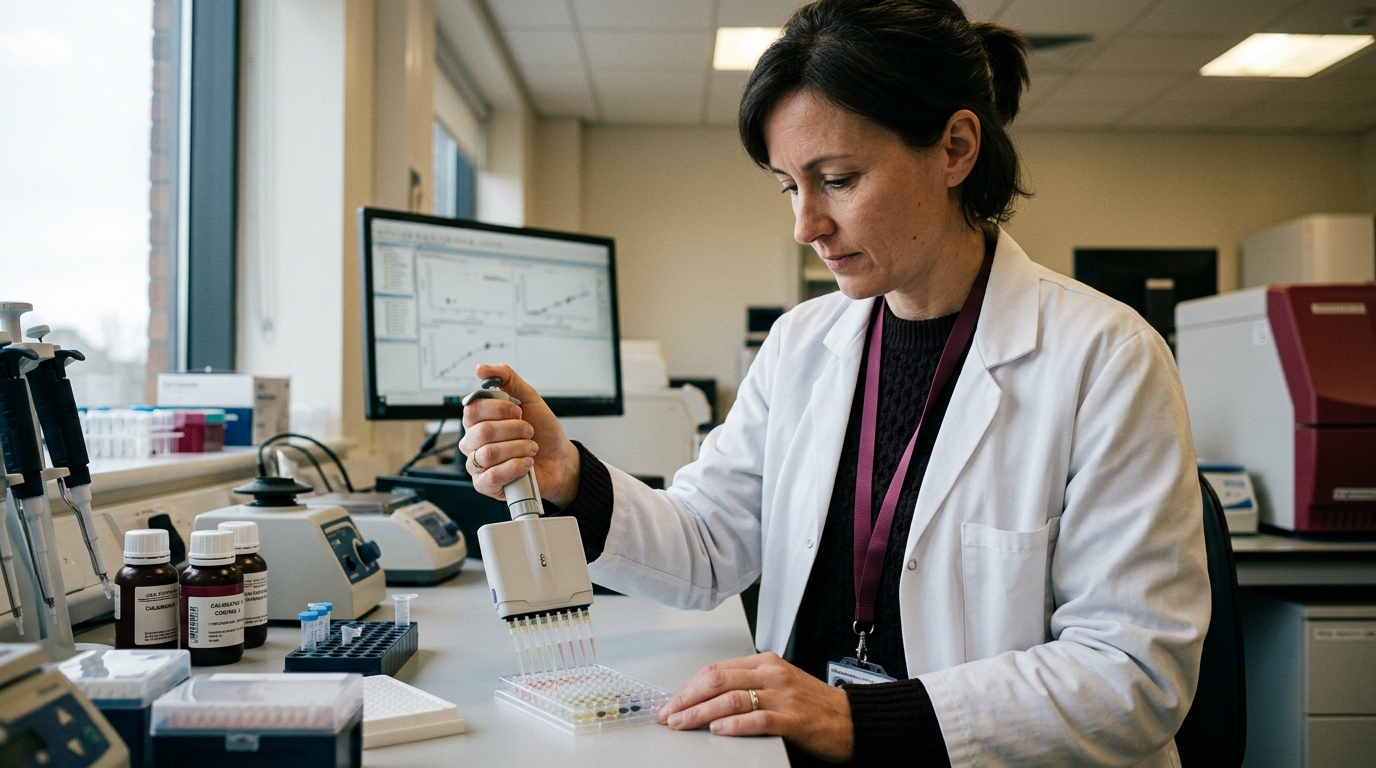
- Testing Laboratory and Assay Methodology: Different laboratories use different testing platforms, such as liquid chromatography-tandem mass spectrometry or automated immunoassays. Comparing results from different labs using different methods can lead to incorrect conclusions.
- Reference Ranges and Units: Reference intervals vary between facilities. Always document the specific numerical range provided on your laboratory report alongside your absolute result.
- Acute Illness Context: Note if a previous blood draw occurred while you were suffering from a viral illness, severe sleep deprivation, or an acute infection, as these transiently lower hormone output.
Illustrative Tracking Models
To keep your records organized, consider structuring your past results and symptom timeline using clear, written notes.
- Example Record
- Test Date: October 12
- Draw Time: 7:45 AM (Fasting)
- Total Testosterone: 265 ng/dL (Reference: 300 to 1000 ng/dL)
- Free Testosterone: 5.2 pg/mL (Reference: 8.7 to 25.1 pg/mL)
- Notes: Normal sleep the night before; no acute illness.
Maintaining clear, sequential documentation allows your clinician to evaluate your hormonal patterns over time and determine whether repeat testing is warranted.
Clarify Your Fertility Priorities and Family Planning Goals
One of the most critical steps in preparing for an appointment is defining your reproductive goals. A man's fertility plans directly dictate which diagnostic pathways and management strategies are clinically appropriate.
The American Urological Association explicitly advises against prescribing exogenous testosterone therapy to men who are currently attempting to conceive or who plan to have children in the near future. Clarifying these priorities before your appointment ensures that your treatment plan aligns with your long-term family goals.
The Biological Impact of Exogenous Testosterone on Sperm Production
Exogenous testosterone therapy introduces external androgens into the bloodstream. This triggers a negative feedback loop at the pituitary gland, causing it to shut down the production of luteinizing hormone and follicle-stimulating hormone.
Without follicle-stimulating hormone and high intratesticular testosterone concentrations, the testes cease normal spermatogenesis. This often results in profound oligospermia or complete azoospermia within several months of starting therapy. While fertility can sometimes be recovered after discontinuing therapy, recovery is not guaranteed and can take over a year.
Formulating Your Fertility Statement
Before speaking with your clinician, clarify your position on the following questions:
- Are you actively trying to conceive with your partner right now?
- Do you plan to conceive children in the next one to three years?
- Do you wish to preserve your future fertility, even if you do not have immediate plans for children?
- Have you ever had a semen analysis or a formal reproductive evaluation?
- Would you be interested in discussing non-testosterone medical options that preserve endogenous sperm production if hypogonadism is diagnosed?
Sharing this information early in the visit prevents your doctor from recommending treatment protocols that conflict with your reproductive goals.
Distinguish Established Clinical Guidance from Emerging Evidence
Hormone health is an active field of medical research. It is important to distinguish established clinical guidelines from preliminary findings or evolving trial data when discussing care with your doctor.
Authoritative guidelines from the Endocrine Society and the American Urological Association provide the benchmark for safe practice. These guidelines define diagnostic thresholds, emphasize repeat morning testing, outline contraindications, and detail required safety monitoring protocols.
Established Clinical Guidance
Clinical guidelines clearly define the evidence-supported standards for diagnosing and managing hypogonadism.
- Diagnostic Confirmation: Diagnosis requires documented symptoms alongside at least two fasting, early morning total testosterone measurements below clinical thresholds.
- Baseline Safety Assessments: Guidelines recommend baseline measurements of hematocrit and hemoglobin to evaluate red blood cell concentration. Men over 40 years of age should also have their prostate-specific antigen checked before starting therapy.
- Established Therapeutic Benefits: Clear evidence demonstrates that hormone therapy improves bone mineral density, increases lean body mass, and enhances libido and erectile function in men with confirmed hypogonadism.
- Definite Contraindications: Therapy is contraindicated in men with active prostate cancer, elevated baseline hematocrit, uncontrolled congestive heart failure, severe untreated obstructive sleep apnea, or active fertility goals.
Emerging and Nuanced Evidence
Other clinical areas continue to evolve as new clinical trial data and regulatory updates emerge.
- Cognitive and Energy Outcomes: The American Urological Association notes that evidence remains inconclusive regarding whether hormone therapy reliably improves general fatigue, cognitive processing, or overall quality of life in men without severe deficiency.
- Cardiovascular Safety Data: The landmark TRAVERSE trial evaluated major adverse cardiovascular events in over 5,000 middle-aged and older men with confirmed hypogonadism and high cardiovascular risk. The study found that testosterone replacement therapy was noninferior to placebo regarding major cardiac events, with 7.0 percent of the testosterone group and 7.3 percent of the placebo group experiencing an event.
- Adverse Event Nuances: The TRAVERSE trial noted higher incidences of secondary complications in the testosterone cohort, including pulmonary embolism, atrial fibrillation, and acute kidney injury. These findings underscore the importance of ongoing clinical monitoring.
- Regulatory Labeling Updates: In early 2025, the Food and Drug Administration updated class-wide product labeling for testosterone therapies. The update highlighted potential increases in blood pressure based on ambulatory blood pressure monitoring studies and maintained established limitations regarding treatment for age-related declines.
Discussing these nuances helps maintain realistic expectations regarding what medical therapy can and cannot accomplish.
Review Relevant Hormonal Biomarkers and Follow-up Labs
A complete hormonal workup extends beyond a single total testosterone measurement. Your clinician may order several complementary biomarkers to identify the underlying cause of your symptoms and ensure that treatment can be administered safely.
Understanding the role of each biomarker allows you to interpret your test results in context. You can learn more about these laboratory panels by reviewing our guide on testing and biomarkers.
Primary Hormonal Biomarkers
- Total Testosterone: This measures all circulating testosterone in the bloodstream, including both protein-bound and unbound fractions. It serves as the primary initial screening biomarker.
- Sex Hormone-Binding Globulin (SHBG): This liver-produced glycoprotein binds tightly to circulating testosterone, rendering it temporarily inactive. High or low SHBG levels alter the proportion of free, biologically active hormone.
- Free and Bioavailable Testosterone: Free testosterone measures the unbound fraction circulating in the blood, while bioavailable testosterone includes both free hormone and hormone loosely bound to albumin. These tests are especially valuable when SHBG levels are abnormal due to obesity, thyroid shifts, or aging.
- Luteinizing Hormone (LH): Secreted by the anterior pituitary gland, LH signals the Leydig cells in the testes to produce testosterone. Elevated LH with low testosterone suggests primary testicular failure, whereas low or inappropriately normal LH points toward secondary hypothalamic-pituitary dysfunction.
- Follicle-Stimulating Hormone (FSH): FSH stimulates testicular Sertoli cells to support sperm production. Evaluating LH and FSH together helps clinicians differentiate between primary and secondary hypogonadism.
- Prolactin: This pituitary hormone can suppress gonadotropin-releasing hormone. The American Urological Association recommends checking prolactin if testosterone is low and LH is low or normal, helping rule out pituitary prolactinomas.
Essential Baseline and Safety Biomarkers
- Complete Blood Count (Hematocrit and Hemoglobin): Androgens stimulate erythropoietin and bone marrow production of red blood cells. Baseline hematocrit must be evaluated because testosterone therapy can cause polycythemia, which increases blood viscosity.
- Prostate-Specific Antigen (PSA): PSA is screened to detect underlying prostate abnormalities or occult malignancies before initiating androgen therapy in men over 40.
- Comprehensive Metabolic Panel: This panel checks baseline kidney and liver function, as well as fasting glucose and electrolyte balance.
- Lipid Panel: Monitoring cholesterol and triglycerides provides a baseline assessment of cardiovascular and metabolic health.
Prepare Focused Questions to Discuss With Your Clinician
Medical appointments are often brief, making it easy to forget important questions. Arriving with a concise, written list of questions ensures that you cover all critical topics during your visit.
Organize your questions around establishing an accurate diagnosis, investigating underlying causes, and evaluating the safety of potential treatments.
Questions Regarding Diagnosis and Testing
- "Do my current symptoms, medical history, and physical examination findings support a diagnosis of testosterone deficiency?"
- "Given the natural daily fluctuations in hormone levels, should we schedule a repeat morning fasting test to confirm these findings?"
- "Were my previous blood tests drawn at the optimal time of day and analyzed using a standard reference assay?"
- "Would evaluating additional biomarkers, such as free testosterone, SHBG, LH, or prolactin, help clarify the underlying cause of my symptoms?"
- "Could another condition, such as sleep apnea, a thyroid issue, or chronic stress, explain my current symptoms?"
Questions Regarding Medications and Health Interactions
- "Could any of my current prescription medications, over-the-counter drugs, or dietary supplements be suppressing my natural hormone production?"
- "Are there lifestyle modifications, nutritional changes, or sleep adjustments that could help improve my hormonal health?"
- "How does my personal medical history influence the safety of potential treatment options?"
Questions Regarding Treatment, Risks, and Fertility
- "If treatment is recommended, what specific clinical benefits can I realistically expect, and what symptoms might not respond to therapy?"
- "How would starting exogenous hormone therapy affect my current and future fertility?"
- "What non-testosterone medical therapies are available if we need to preserve my natural sperm production?"
- "What baseline safety tests, such as hematocrit or PSA, do we need to perform before considering any medical therapy?"
- "What routine follow-up schedule and laboratory monitoring will be required to ensure long-term treatment safety?"
Approaching the conversation with these structured questions encourages an objective, collaborative discussion. It ensures that any treatment decision is based on sound clinical evidence and tailored to your specific health needs.
Key Takeaways
- A medical diagnosis of testosterone deficiency requires both consistent clinical symptoms and unequivocally low early morning total testosterone levels confirmed on at least two separate occasions.
- An isolated laboratory reading below 300 ng/dL is not a standalone diagnosis. It must be interpreted in the context of your symptoms, overall health, and repeat testing.
- Symptoms like fatigue, low mood, and cognitive changes are nonspecific and can stem from sleep apnea, metabolic syndrome, thyroid disorders, or chronic stress.
- Exogenous testosterone therapy significantly suppresses natural sperm production and is contraindicated in men who are actively attempting to conceive.
- Bring an organized record to your visit that includes your symptom timeline, a complete medication and supplement inventory with dosages, and copies of previous laboratory reports with collection times.
Preparing thoroughly for your appointment allows you and your clinician to conduct an evidence-based evaluation, identify the root causes of your symptoms, and build a safe, personalized care plan.
Sources
- FDA issues class-wide labeling changes for testosterone ...
- Testosterone Therapy for Hypogonadism Guideline Resources
- AUA Releases New Clinical Guideline For Diagnosis And ...
- ADR that result in revision of patient information - 2025-03-01 (1)
- Testosterone Deficiency Guideline
- Testosterone Therapy in Men with Androgen Deficiency Syndromes
- TRAVERSE Study Supports Cardiovascular Safety of ...
- Cardiovascular Safety of Testosterone-Replacement Therapy
- Male hypogonadism-Male hypogonadism - Symptoms & causes - Mayo Clinic
- (PDF) Evaluation and Management of Testosterone Deficiency: AUA ...
- An Endocrine Society* Clinical Practice Guideline
- Standardising the biochemical confirmation of adult male ...