
Accurate knowledge of low testosterone patterns helps men evaluate specific symptoms, rule out overlapping medical conditions, and navigate proper diagnostic biomarker testing.





The information in this guide is for
educational and informational purposes only. It does not constitute personal medical advice, clinical diagnosis, or treatment recommendations. Always consult a qualified healthcare professional regarding any medical concerns, laboratory interpretations, or symptoms.
You notice that getting out of bed feels harder than it used to. Your workouts seem less productive, your drive at work is slipping, and your interest in sex is noticeably lower. A quick online search suggests that low testosterone is the root cause of every single one of these changes.
Symptom checklists make hormone deficiency seem like a straightforward puzzle. Yet clinical reality is far more nuanced. A symptom is a valid reason to seek a medical evaluation, but it is never definitive proof of a hormone deficiency on its own.
Many common complaints attributed to low testosterone overlap heavily with normal aging, poor sleep, metabolic shifts, and chronic stress. Understanding how clinicians evaluate symptom patterns, laboratory markers, and health history helps you approach your health with clarity and confidence.
The medical community distinguishes between a low laboratory value and the clinical condition known as hypogonadism. A laboratory value below a standard threshold is simply a biochemical finding. Clinical hypogonadism is a diagnosed medical condition where low circulating hormone concentrations coexist with consistent, recognizable signs and symptoms.
Medical guidelines from the Endocrine Society and the American Urological Association emphasize that a diagnosis cannot rest on numbers alone or symptoms alone. Both elements must be present simultaneously. If a person has fatigue but normal laboratory values, testosterone deficiency is not the explanation.
Conversely, an otherwise healthy individual with a borderline laboratory value and no physical symptoms generally does not meet the diagnostic threshold for treatment. Research published in the European Male Ageing Study evaluated 3,369 men aged 40 to 79 across eight European centers. The researchers looked closely at the relationship between measured hormone levels and reported physical, psychological, and sexual symptoms.
They found that general symptoms like fatigue, low mood, and poor concentration were widely reported regardless of testosterone concentrations. The researchers proposed a strict research definition of late-onset hypogonadism that required at least three specific sexual symptoms alongside low testosterone. Under this rigorous standard, only 2.1 percent of the total study population met the criteria for hypogonadism.
Furthermore, sexual symptoms were reported by 25 to 35 percent of men who had completely normal hormone levels. This finding shows why a symptom checklist cannot serve as a self-diagnosis tool. You can review detailed scientific analyses within our low testosterone signs and causes library to better understand how clinical definitions are applied in modern medicine.
Clinicians categorize potential signs and symptoms based on how specifically they point toward an androgen deficiency. Some changes carry substantial clinical weight, while others are shared by dozens of common medical conditions.
Sexual symptoms have the closest and most consistent relationship with circulating testosterone levels in clinical literature. The most informative indicators include a persistent decrease in sexual desire, a reduction in spontaneous morning erections, and changes in erectile quality.
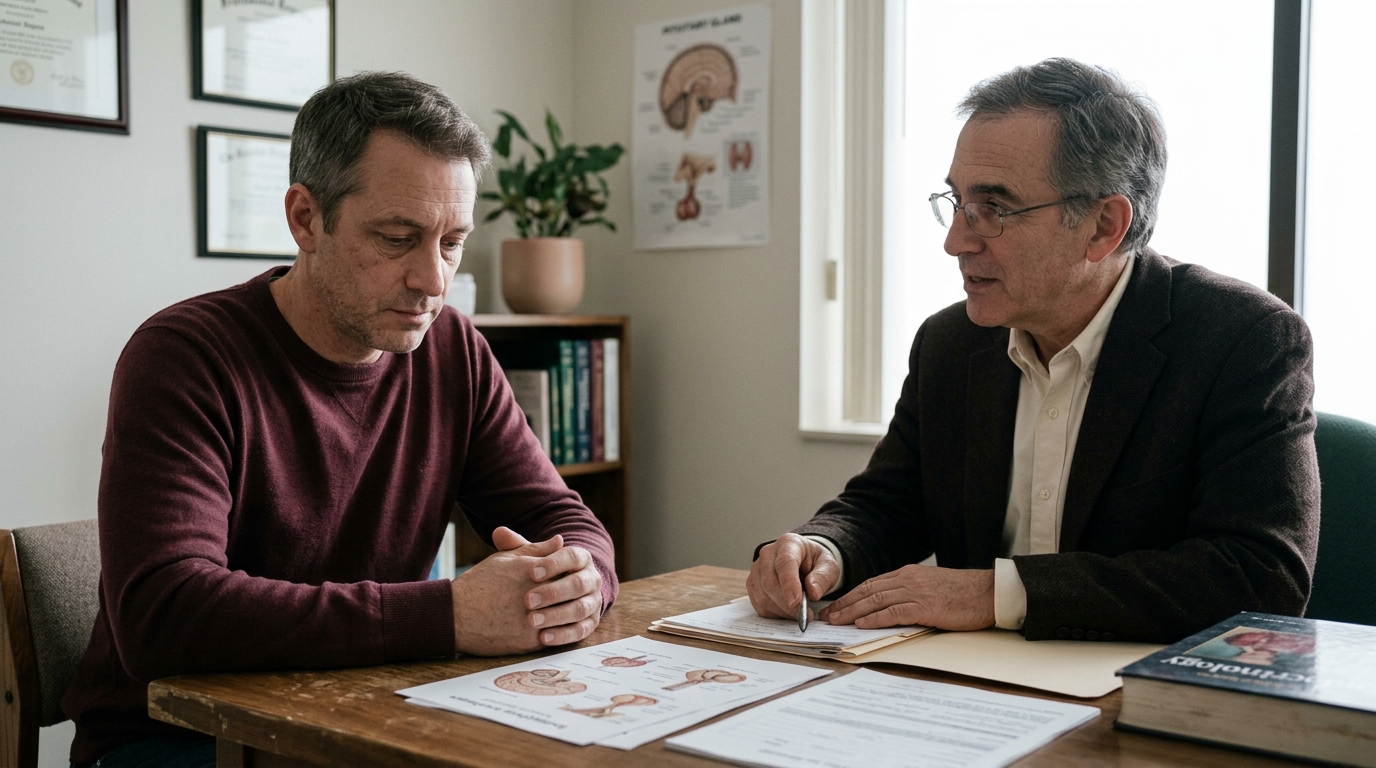
When discussing sexual changes with a doctor, detail and context matter. Clinicians evaluate whether the reduction in libido represents a distinct change from your personal baseline. They will also ask whether waking erections have declined over months and whether difficulties with erections happen in all settings or only during partnered sexual activity.
Erectile dysfunction alone is not proof of low testosterone. Most erectile difficulties in adult men stem from vascular, neurological, or psychological factors rather than hormone deficits. Testosterone supports the physiological pathways necessary for erectile function, but an isolated complaint of erectile difficulty often points to cardiovascular health or stress.
Fatigue is one of the most frequent complaints that leads men to research hormone replacement. It is also one of the least specific symptoms in all of medicine. Decreased energy can arise from poor sleep hygiene, sleep apnea, metabolic dysfunction, thyroid disorders, nutritional deficiencies, or occupational burnout.
In the landmark Testosterone Trials, which examined symptomatic men aged 65 and older, restoring testosterone to normal levels did not produce a statistically significant improvement on standard vitality and fatigue scales. While some men experience improved energy after addressing a true deficiency, clinical trials show that testosterone is not a universal solution for persistent fatigue.
Tracking how your fatigue behaves across the day provides useful context for your doctor. Fatigue that peaks after meals or presents alongside morning headaches suggests metabolic or airway issues rather than an endocrine problem.
Depressed mood, irritability, reduced drive, and difficulty concentrating are frequently listed as potential indicators of low testosterone. In the European Male Ageing Study, mood alterations were observed across all testosterone ranges. Psychological distress was frequently present in men with completely normal testicular function.
Testosterone exerts neurological effects on mood and neurotransmitter pathways, but emotional changes are rarely isolated to hormones. Major life stressors, relationship strain, and unmanaged depression cause identical cognitive and affective symptoms.
When clinical trials have evaluated hormone treatment in older men with low testosterone, researchers noted modest improvements in depressive scores. However, these benefits occurred primarily in men with established biochemical hypogonadism rather than general populations struggling with low mood.
Androgens play a direct role in maintaining lean skeletal muscle mass and regulating adipose tissue distribution. Men with confirmed hypogonadism often experience gradual shifts in body composition, including reduced muscle strength and an accumulation of visceral abdominal fat.
However, changes in body composition are not exclusive to hormone deficiencies. Sedentary lifestyles, poor dietary habits, natural age-related sarcopenia, and alcohol consumption produce identical physical alterations. Research from the European Male Ageing Study revealed that physical symptoms, including difficulty walking vigor distances or lifting heavy objects, occurred in 5 to 21 percent of men with normal testosterone levels.
A decline in physical strength should be tracked alongside exercise volume, recovery habits, and nutrition. You can explore our dedicated guide on body composition and sexual performance to understand how physical changes interact with endocrine function.
Certain physical findings carry much greater diagnostic significance because they rarely occur from lifestyle factors alone:
When these physical signs are present, clinicians prioritize an endocrine workup to identify potential testicular or pituitary disorders.
Because testosterone receptors exist in tissues throughout the entire body, low hormone levels can mimic numerous systemic disorders. Before attributing symptoms entirely to hormones, clinicians systematically rule out or treat several common overlapping conditions.
Testosterone synthesis follows a distinct circadian pattern tied directly to sleep cycles. The majority of daily testosterone release occurs during deep, uninterrupted REM sleep. Disruptions in sleep architecture severely blunt natural hormone production.
Obstructive sleep apnea is particularly common among men experiencing fatigue, morning brain fog, low libido, and weight gain. Sleep apnea causes repeated airway collapses throughout the night, depriving the brain of oxygen and fracturing sleep continuity. This disorder lowers natural testosterone production while simultaneously producing symptoms that look identical to hypogonadism.
Treating obstructive sleep apnea with continuous positive airway pressure therapy often resolves daytime fatigue and can help restore normal circadian hormone output.
Adipose tissue is not an inert storage space for calories. It is an active endocrine organ that contains the enzyme aromatase. Aromatase converts circulating testosterone into estradiol, lowering circulating androgens while altering central feedback mechanisms.
Visceral fat also secretes pro-inflammatory cytokines that suppress the hypothalamus and pituitary gland. Men with metabolic syndrome, insulin resistance, or type 2 diabetes frequently present with lower total testosterone measurements. In many cases, these low values reflect secondary metabolic suppression rather than primary failure of the testes.
Lifestyle interventions that improve insulin sensitivity, reduce visceral adiposity, and stabilize blood sugar frequently result in meaningful rebounds in endogenous hormone production.
The hypothalamic-pituitary-adrenal axis and the hypothalamic-pituitary-gonadal axis maintain an inverse relationship. When the body experiences chronic psychological or physiological stress, the adrenal glands produce elevated amounts of cortisol. Sustained high cortisol levels directly inhibit the brain signals that stimulate testosterone production.
Chronic occupational burnout, severe anxiety, and major depressive disorder diminish sexual desire and sap physical energy. If an individual begins hormone therapy while remaining in a state of severe psychological distress, the underlying symptoms often persist. Distinguishing between a primary mood disorder and an endocrine deficiency requires careful psychological and medical assessment.
A comprehensive clinical evaluation always includes an audit of current and past medications. Several widely prescribed drugs directly suppress androgen production or cause overlapping side effects:
Interpreting hormone lab panels requires an understanding of how androgens circulate through the bloodstream. A single number rarely tells the complete biological story. To learn more about testing methods, review our resources on testosterone testing and biomarkers.
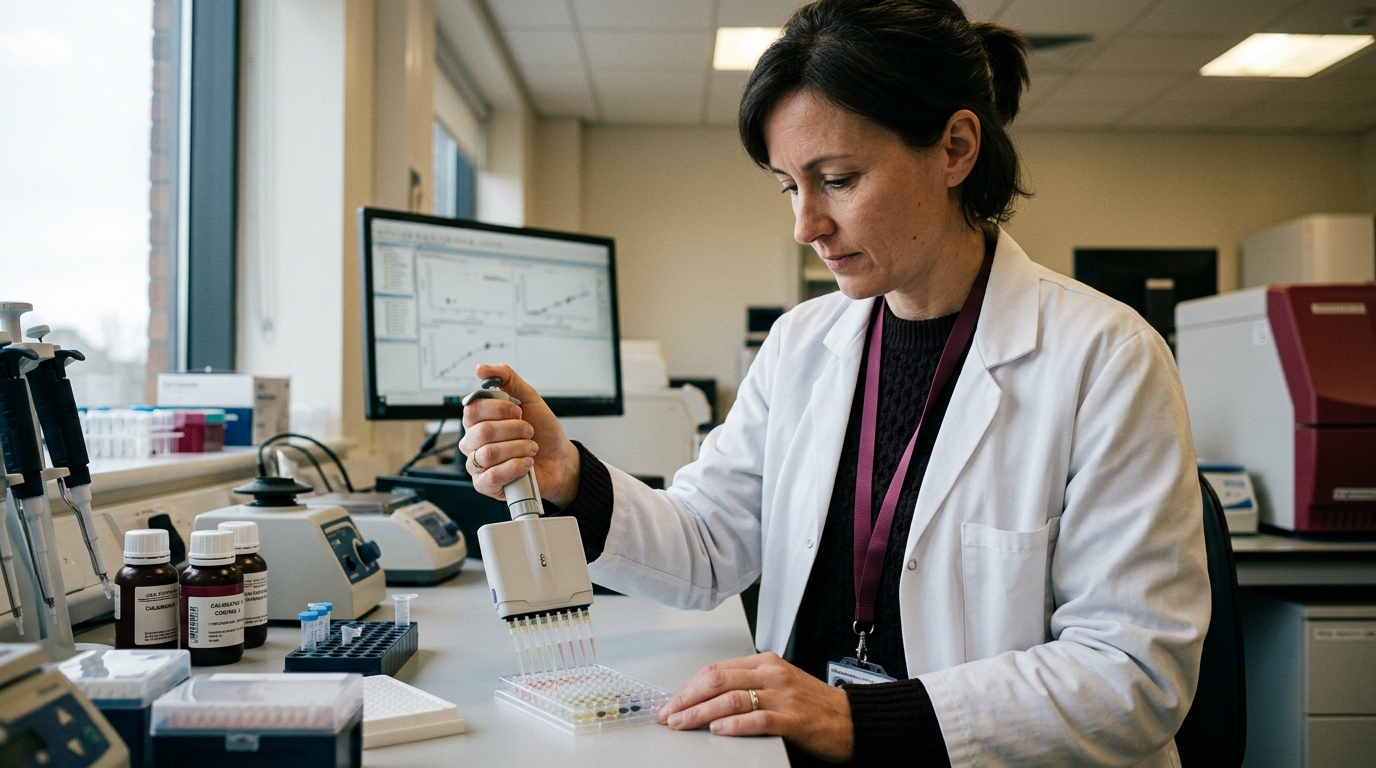
Total testosterone measures all forms of the hormone circulating in the blood. This includes testosterone tightly bound to proteins, loosely bound to albumin, and circulating freely. The Endocrine Society and the American Urological Association emphasize that total testosterone must be measured using accurate, validated assays, such as liquid chromatography-tandem mass spectrometry.
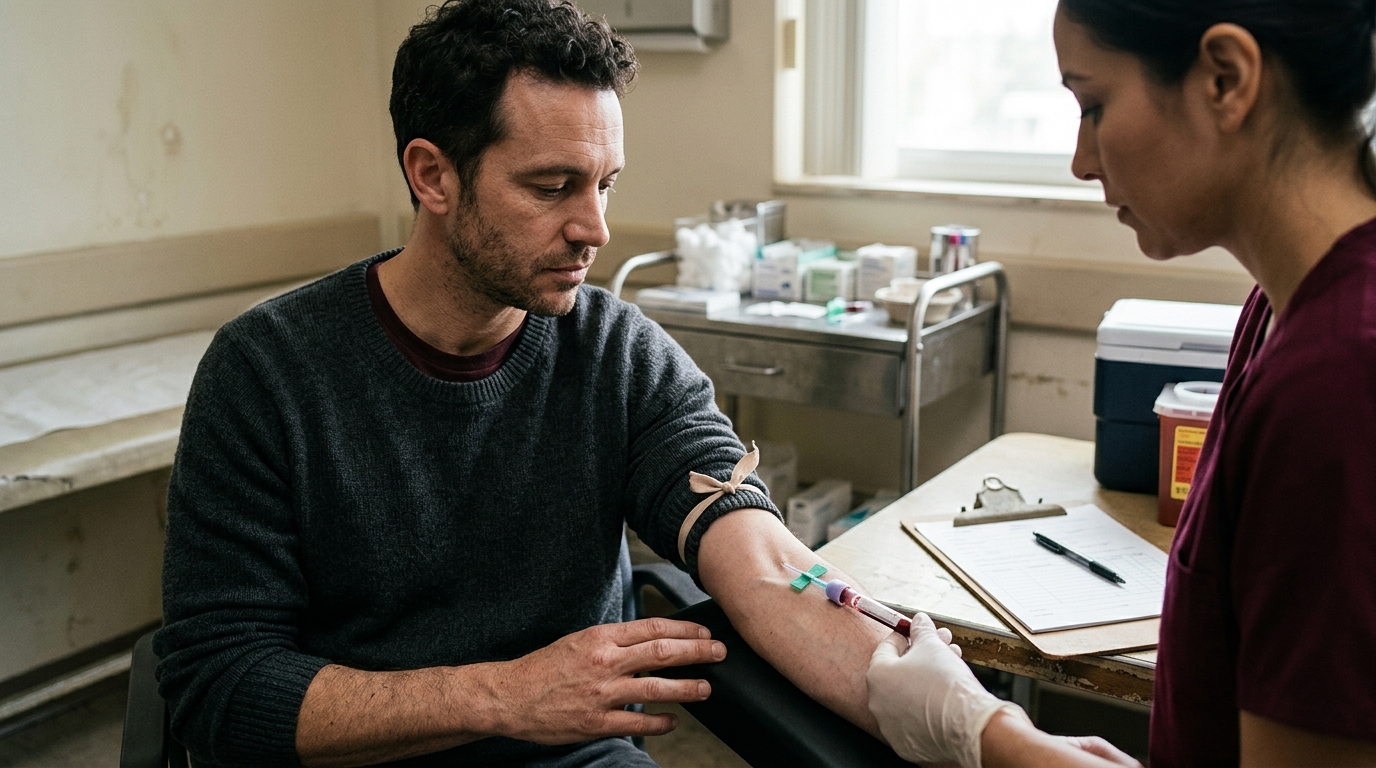
Because testosterone levels peak in the early morning and decline throughout the afternoon, blood samples must be drawn between 7:00 AM and 10:00 AM. Furthermore, acute illness, intense physical exhaustion, or poor sleep the night before can temporarily depress values. Guidelines mandate obtaining at least two separate early-morning fasting measurements before establishing a diagnosis.
The American Urological Association considers a total testosterone value below 300 ng/dL as a reasonable cutoff supporting a deficiency diagnosis when paired with compatible symptoms. However, this number is a clinical guide rather than an absolute biological dividing line.
Sex hormone-binding globulin is a glycoprotein produced by the liver. It binds tightly to circulating testosterone, rendering that portion biologically inactive for immediate cellular uptake. Approximately 40 to 70 percent of circulating testosterone is bound to SHBG under normal physiological conditions.
Circulating SHBG concentrations vary widely based on individual health status and genetics. Factors that increase SHBG include:
Factors that decrease SHBG include:
When SHBG is unusually high, total testosterone may appear normal even though the amount of unbound, active hormone is low. When SHBG is very low, total testosterone may appear deficient even if the free, bioavailable fraction remains within an acceptable range.
Free testosterone represents the small fraction, typically 1 to 3 percent, of circulating hormone that is entirely unbound to carrier proteins. Bioavailable testosterone includes free testosterone plus the portion loosely attached to albumin, which dissociates easily at the tissue level.
Clinicians evaluate free or bioavailable testosterone when total testosterone levels fall into a borderline range, typically between 250 and 350 ng/dL. It is also measured when a patient has medical conditions known to alter SHBG levels.
Direct analog immunoassay kits for free testosterone are notoriously unreliable in laboratory settings. Major endocrine guidelines recommend calculating free testosterone using validated formulas based on total testosterone, SHBG, and albumin, or measuring it via equilibrium dialysis.
Luteinizing hormone and follicle-stimulating hormone are gonadotropins secreted by the anterior pituitary gland. LH signals the Leydig cells in the testes to manufacture testosterone. FSH acts on the Sertoli cells to support normal sperm development.
Measuring LH and FSH is a mandatory step once a low testosterone concentration is confirmed. These two markers tell the clinician whether the primary defect resides within the testes themselves or stems from the brain signaling pathways.
Prolactin is an anterior pituitary hormone involved in lactation and immune modulation. Marked elevations in prolactin, known as hyperprolactinemia, directly suppress gonadotropin release and lower testosterone production. Clinicians check prolactin to rule out prolactin-secreting pituitary tumors when secondary hypogonadism is suspected.
Similarly, iron saturation and ferritin panels help identify conditions such as hemochromatosis. Systemic iron overload deposits excess iron into both the pituitary gland and testicular tissue, leading to progressive hormone deficiency.
Confirming that testosterone is low is only the first phase of a clinical workup. A complete evaluation must determine why the deficiency is present. Hypogonadism is broadly classified into two distinct anatomical categories.
Primary hypogonadism occurs when the testes cannot produce adequate amounts of testosterone despite receiving normal or elevated signals from the brain. In this scenario, laboratory testing reveals low total and free testosterone alongside elevated concentrations of LH and FSH.
The pituitary gland detects the deficiency and secretes increasing amounts of gonadotropins to stimulate the gonads. However, the damaged or impaired Leydig cells cannot respond to the signal. Causes of primary hypogonadism include:
Secondary hypogonadism, also called hypogonadotropic hypogonadism, occurs when the hypothalamus or pituitary gland fails to signal the testes properly. Laboratory testing in secondary hypogonadism shows low total testosterone accompanied by inappropriately low or normal LH and FSH levels.
The testes are physically capable of manufacturing hormones, but they lack the upstream stimulation needed to function. Secondary hypogonadism is significantly more common than primary failure and has a wider range of causes:
Identifying secondary hypogonadism is critical because addressing the underlying cause can often restore natural hormone synthesis without lifelong medication. You can read more about these mechanisms in our general guide on low testosterone.
When evaluating low testosterone, it is important to distinguish between marketing claims and established clinical trial data. Understanding what hormone therapy can and cannot achieve helps set realistic expectations for care.
The strongest and most consistent evidence for testosterone therapy relates to sexual function in men with verified hypogonadism. In the landmark Testosterone Trials published in the New England Journal of Medicine, older men with unequivocally low morning testosterone levels received treatment for one year.
The study demonstrated significant, moderate improvements in sexual desire, erectile function, and overall sexual activity compared to a placebo. Multiple subsequent systematic reviews have confirmed that hormone therapy reliably improves libido when a genuine deficiency is present.
However, in men whose baseline testosterone is normal or borderline, clinical trials show minimal to no benefit in sexual performance from supplemental hormones.
Evidence regarding emotional health and vitality is far more mixed. The Testosterone Trials reported modest, statistically significant improvements in positive mood and reductions in depressive symptom scores among treated men.
However, the trial showed no statistically significant improvement in overall vitality as measured by validated fatigue scales. Testosterone therapy cannot be viewed as a standalone treatment for clinical depression or chronic exhaustion. While resolving a severe deficiency may help improve overall motivation, general psychological complaints often require lifestyle, behavioral, or psychiatric care.
Clinical studies consistently show that raising testosterone in hypogonadal men increases lean muscle mass and decreases fat mass over six to twelve months of treatment. These changes occur even without major alterations in exercise programming.
Despite these favorable structural changes, improvements in functional performance are less predictable. In the physical function arm of the Testosterone Trials, the percentage of men who improved their six-minute walking distance by at least 50 meters did not differ significantly between the treatment and placebo groups.
Hormones support tissue structure, but functional athletic performance and mobility depend heavily on neuromuscular adaptation, progressive strength training, and cardiovascular conditioning.
To interpret medical literature accurately, you must recognize the hierarchy of clinical evidence:
Guideline recommendations from major medical societies rely primarily on high-quality randomized trials rather than observational associations.
Navigating hormone health can be confusing. Avoiding several common mistakes ensures that you receive a safe and thorough medical assessment.
Testosterone follows a diurnal rhythm, peaking in the morning and declining by 20 to 50 percent as the day progresses. Drawing blood in the afternoon or early evening almost guarantees a falsely depressed reading that does not reflect true baseline production.
Furthermore, transient illnesses, stress, or poor sleep can temporarily suppress values. A diagnosis should never be made based on a single laboratory test. Two separate early-morning fasting draws are necessary to establish consistency.
Some individuals experience significant symptoms with testosterone values near the lower boundary of normal. Others remain completely asymptomatic with values well below standard reference averages.
Hormone receptors exhibit variable sensitivity across individuals. Clinicians treat the clinical picture rather than chasing an arbitrary target number. If a man feels vibrant, maintains strong libido, and shows no clinical signs of deficiency, a borderline laboratory number does not necessitate medical therapy.
While testosterone production gradually declines by approximately 1 percent per year after age 30, severe hypogonadism is not an inevitable consequence of aging. Attributing debilitating fatigue, severe erectile dysfunction, or deep depression solely to getting older can cause men to overlook treatable underlying conditions.
Cardiovascular disease, diabetes, and sleep apnea all become more prevalent with age and require dedicated clinical evaluation.
Exogenous testosterone therapy delivers external androgens that trigger a negative feedback loop in the brain. The hypothalamus and pituitary gland detect the presence of androgens and shut down the secretion of LH and FSH.
Without LH and FSH, the testes cease intratesticular testosterone production and halt spermatogenesis. For men who wish to father children in the future, standard testosterone replacement therapy can cause profound oligospermia or complete azoospermia.
Medical guidelines from the American Urological Association explicitly state that exogenous testosterone should not be prescribed to men actively trying to conceive. Alternative therapies, such as selective estrogen receptor modulators or human chorionic gonadotropin, can support hormone production while preserving sperm production under the supervision of a fertility specialist.
Entering a medical appointment with an organized account of your symptoms and history allows for a more productive evaluation.
For additional clinical background and detailed educational resources on hormone health, visit our complete testosterone research index.
Revisit this guide if you receive an unexpected hormone test result, if your symptoms evolve over time, or before attending a follow-up consultation with an endocrinologist or urologist. Understanding how symptoms, overlapping conditions, and biomarkers connect ensures that you remain an informed advocate for your long-term health.
Testostra explains testosterone biology, testing, symptoms, lifestyle factors and TRT with careful sourcing and clear clinical limits.



Send us a question, research idea or topic suggestion. Reader questions help shape future Testostra content.
Contact Testostra