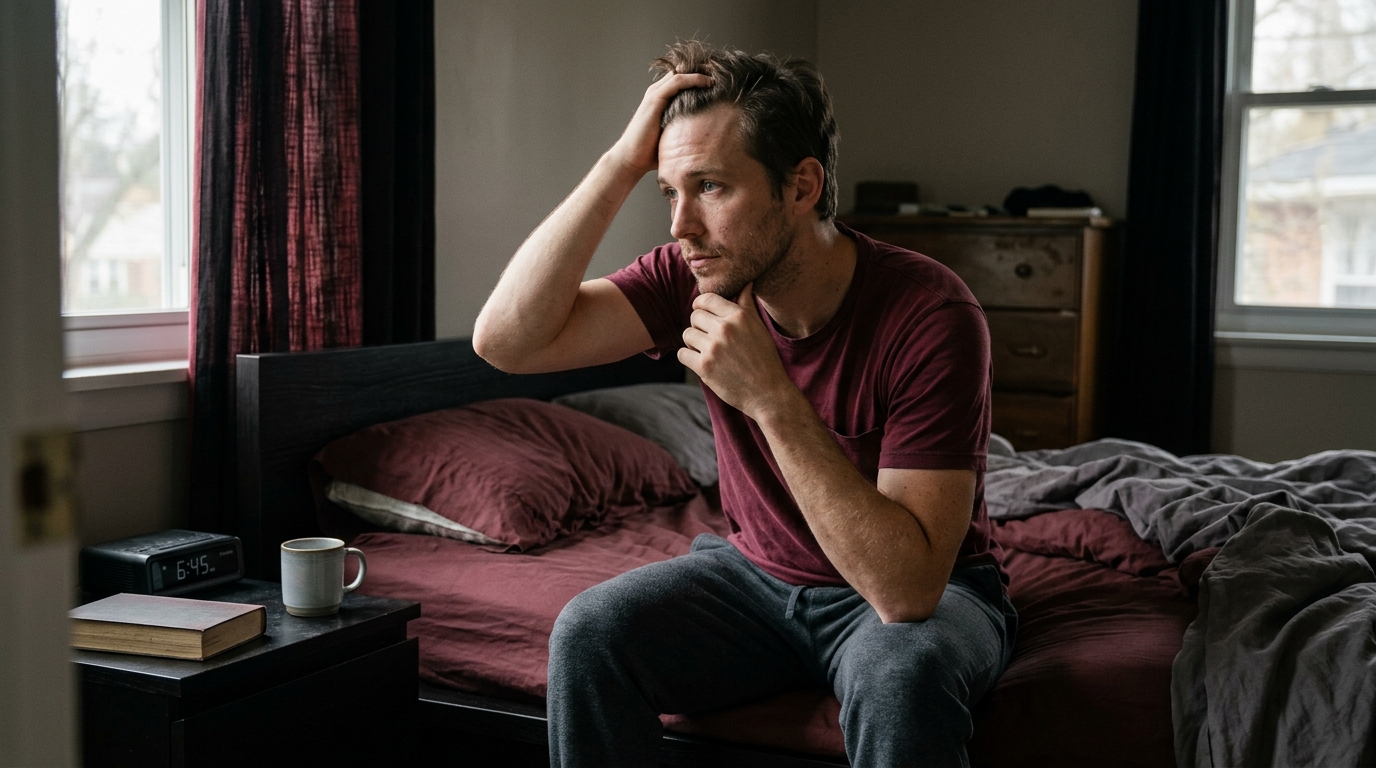

Total testosterone levels below 300 ng/dL require careful clinical evaluation alongside symptoms to navigate overlapping metabolic risks and accurately diagnose hypogonadism.





Many men searching online ask a straightforward question: why do low testosterone symptoms look identical to the symptoms of so many other medical problems? When fatigue, weight gain, brain fog, and low mood strike at once, it is tempting to seek a single explanation. Men often wonder if a low hormone score explains their entire health profile, or if another underlying condition is driving the change.
This guide provides a definitive overview of how testosterone interacts with broader health. It explains how clinicians evaluate overlapping risks, why a single blood test is never enough, and how addressing whole-body health clarifies the diagnostic picture.
This content is for educational and informational purposes only. It does not constitute personal medical advice, diagnosis, or treatment protocols. Always consult a qualified healthcare provider before making changes to medications, beginning hormone therapy, or adjusting treatment for any medical condition.
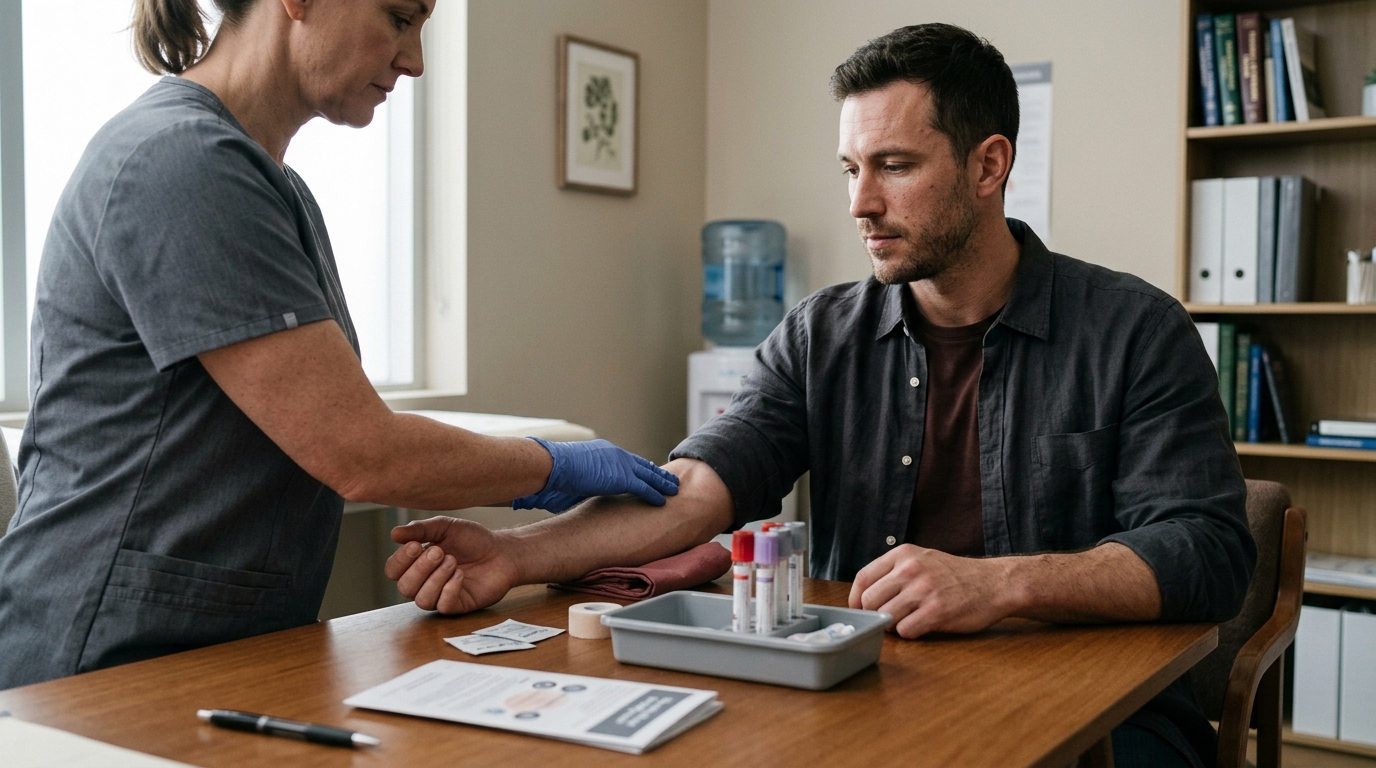
Testosterone deficiency, clinically termed hypogonadism, cannot be diagnosed through laboratory numbers alone. Both the American Urological Association (AUA) and the Endocrine Society emphasize that a proper diagnosis requires two elements. First, a man must display recognizable symptoms or clinical signs. Second, laboratory testing must demonstrate reliably low testosterone levels on multiple occasions.
Relying on a single test often leads to inaccurate conclusions. Testosterone levels naturally fluctuate throughout the day, peaking in the early morning and declining toward the evening. Concentrations can also drop temporarily due to poor sleep, emotional stress, intense physical exertion, or acute illness.
Clinical guidelines define specific parameters for accurate measurement:
The AUA establishes a total testosterone level below 300 ng/dL as a reasonable cutoff to support a clinical diagnosis. The Endocrine Society also recommends using an early-morning fasting threshold, interpreted within the context of reliable assays.
A laboratory value is not a standalone diagnosis. A man with a result below 300 ng/dL who feels completely healthy and displays no physical signs does not automatically require medical intervention. Conversely, a man with severe symptoms but normal hormone levels requires an investigation into other potential causes rather than hormone therapy. You can read more about foundational diagnostic principles in our guide to low testosterone signs and causes.
One of the greatest challenges in male hormonal health is symptom overlap. A wide array of health conditions produce symptoms that mimic testosterone deficiency. When a man feels exhausted, unmotivated, and physically weaker, several systems may be involved.
The AUA explicitly cautions that many symptoms linked to low testosterone are highly nonspecific. Fatigue, general weakness, sleep disturbances, irritability, and low mood are common across many chronic illnesses. Attributing these issues exclusively to low testosterone can delay the discovery of other medical problems.
General symptoms frequently occur across multiple conditions, including:
These issues can easily stem from thyroid disease, chronic kidney disease, vitamin deficiencies, major depression, or untreated sleep disorders. When evaluated alone, they provide weak diagnostic evidence for hypogonadism.
Clinical research demonstrates that sexual symptoms carry far greater diagnostic specificity for androgen deficiency. Findings from the European Male Ageing Study (EMAS), which evaluated more than 3,400 men across eight European medical centers, highlighted this distinction. The study identified three symptoms that consistently clustered with biochemical androgen deficiency:
While sexual symptoms do not guarantee a low hormone level, their presence offers a much stronger clinical signal than fatigue alone. If sexual symptoms are entirely absent, clinicians look especially closely at non-hormonal explanations for a patient's fatigue.
To understand how multiple health conditions intersect with hormone health, clinicians use an organizing framework. Rather than viewing the body as isolated parts, this model evaluates how different bodily systems influence hormone production, transport, and tissue response.
This category includes structural or genetic conditions that impair hormone synthesis. Primary testicular failure occurs when the testes cannot produce adequate testosterone despite strong signaling from the brain. Secondary disruptions occur when the hypothalamus or pituitary gland fails to release adequate signaling hormones. Structural lesions in the pituitary gland or elevated prolactin levels fall into this group.
Metabolic and systemic conditions frequently suppress hormone production without causing structural damage to the endocrine glands. Obesity, insulin resistance, chronic systemic inflammation, and obstructive sleep apnea can downregulate the hormonal axis. When these underlying health issues are managed, hormone levels often rise naturally.
Prescription medications are an underappreciated cause of secondary hormone suppression. Long-term opioid therapy for chronic pain suppresses hypothalamic gonadotropin-releasing hormone. Systemic corticosteroids used for autoimmune or inflammatory conditions exert similar suppressive effects. A thorough medication review is essential before concluding that hormone loss is permanent.
Accurate assessment requires strict control of testing conditions. Alterations in sex hormone-binding globulin (SHBG) can distort total testosterone readings. Drawing blood in the afternoon or during an acute viral infection will produce falsely depressed values. Repeating tests under standardized conditions prevents unnecessary treatments.
Metabolic health and androgen production are closely linked. Conditions like obesity, metabolic syndrome, and type 2 diabetes frequently coexist with low testosterone levels. Understanding how these factors interact helps clarify treatment priorities.
The relationship between excess body fat and low testosterone is circular rather than one-way. Excess adipose tissue contains the enzyme aromatase, which converts testosterone into estradiol. Higher estradiol levels send inhibitory signals to the hypothalamus and pituitary gland, reducing luteinizing hormone secretion.
At the same time, low testosterone promotes the accumulation of visceral fat and reduces lean muscle mass. Visceral fat worsens insulin resistance, which further impairs testicular steroidogenesis. This creates a cycle where weight gain lowers testosterone, and lower testosterone makes weight management more difficult.
In the European Male Ageing Study, men with a body mass index (BMI) over 30 kg/m² had a 13-fold higher prevalence of hypogonadal features compared to normal-weight men. Furthermore, an analysis from the same cohort found that a BMI of 30 or higher was linked to secondary hypogonadism with a relative risk ratio of 8.74. These figures reflect broad statistical patterns rather than guaranteed outcomes for individuals, but they demonstrate the strength of the connection.
Because metabolic suppression is often functional, reducing body weight can lead to meaningful hormonal recovery. A systematic review and meta-analysis evaluating weight loss in obesity-associated hypogonadotropic hypogonadism demonstrated clear improvements. In men with this functional suppression, a diet-driven loss of approximately 10% of total body weight produced an average testosterone increase of 2.87 nmol/L.
Recent clinical reviews emphasize that significant weight loss can reverse obesity-related reductions in testosterone. Losing weight also alleviates many nonspecific symptoms that mimic androgen deficiency, including daytime fatigue and joint stiffness. Exploring foundational lifestyle and natural testosterone support strategies is therefore a standard first step in clinical care.
Given the link between insulin resistance and low hormones, some have questioned whether testosterone therapy could treat type 2 diabetes. Systematic reviews indicate that while testosterone therapy may produce slight, variable changes in HbA1c, the evidence remains inconsistent.
Clinical guidelines state that testosterone replacement cannot currently be recommended as a tool for glycemic control. Men with type 2 diabetes who have confirmed hypogonadism may be candidates for therapy, but the goal is treating the hormone deficiency, not managing blood sugar. Managing blood glucose requires proven metabolic therapies, diet, and physical activity.
Evaluating a man with overlapping health conditions requires looking beyond a single total testosterone number. A complete biomarker panel maps the signaling pathway from the brain to the testes. This helps clinicians identify the root cause of the issue and choose the right therapeutic path.
Total testosterone measures all circulating hormone in the bloodstream. This includes hormone bound tightly to sex hormone-binding globulin (SHBG), hormone bound loosely to albumin, and unbound hormone. Total testosterone serves as the standard starting point for evaluation. If early morning levels are consistently normal, clinical hypogonadism is unlikely.
SHBG is a liver-produced protein that binds testosterone and regulates its delivery to tissues. Factors that alter SHBG production will change total testosterone levels without necessarily changing the amount of active hormone.
When SHBG is significantly decreased, total testosterone will appear low even if unbound hormone levels are adequate.
Free testosterone represents the roughly 1% to 3% of hormone floating unbound in the bloodstream. Bioavailable testosterone includes free hormone plus hormone loosely bound to albumin, which can easily detach and enter cells.
When a patient has obesity or diabetes and their total testosterone is borderline, measuring free or bioavailable testosterone is essential. This step prevents misdiagnosing a man whose total number is skewed solely by low binding proteins. You can read more about these assays in our guide to testosterone testing and biomarkers.
Once low testosterone is confirmed, measuring the pituitary gonadotropins LH and FSH determines the site of the problem:
Prolactin is a hormone produced by the anterior pituitary gland. The AUA recommends testing prolactin in men with confirmed low testosterone and low or low-normal LH levels.
Persistently high prolactin (hyperprolactinemia) suppresses gonadotropin-releasing hormone, causing secondary hypogonadism. Elevated prolactin may result from certain medications, kidney disease, or a benign pituitary tumor called a prolactinoma. If total testosterone falls below 150 ng/dL alongside low gonadotropins and high prolactin, pituitary imaging is typically recommended to evaluate for structural changes.
Prescription drugs, over-the-counter supplements, and acute medical events frequently alter the hormonal axis. A complete clinical review must account for these external influences before assuming a permanent endocrine disorder.
Opioid medications are a well-documented cause of secondary hypogonadism. Opioids act on central receptors in the hypothalamus, suppressing the pulsatile release of gonadotropin-releasing hormone. This halts the production of LH and rapidly lowers circulating testosterone.
This suppression can occur with both short-term high-dose use and long-term maintenance therapy for chronic pain. Patients often experience reduced libido, loss of morning erections, and profound fatigue. A clinician-guided medication review can help determine whether tapering, switching pain management strategies, or hormone treatment is the most appropriate next step.
Glucocorticoids such as prednisone, dexamethasone, and hydrocortisone are widely prescribed for autoimmune conditions, asthma, and severe inflammatory disorders. High-dose or prolonged corticosteroid use directly suppresses hypothalamic and pituitary signaling. It can also impair testosterone synthesis in the testes.
Because corticosteroids also cause muscle wasting, central weight gain, and fatigue, their side effects closely mirror hypogonadism. Testing hormone levels while a patient is taking high-dose steroids often yields misleading results.
Undergoing surgery, suffering an acute infection, or experiencing severe physical trauma temporarily downregulates non-essential reproductive pathways. The body redirects metabolic resources toward immune function and tissue repair.
Testing testosterone levels while hospitalized or recovering from an acute illness often shows transiently low numbers. Clinical guidelines caution against diagnosing late-onset hypogonadism during acute health events. Testing should be postponed until the patient has fully recovered.
When clinical hypogonadism is confirmed and underlying causes have been evaluated, treatment discussions may begin. Testosterone therapy in men with existing medical conditions requires a nuanced understanding of cardiovascular safety, respiratory risks, and monitoring requirements.
Concerns regarding testosterone replacement therapy and cardiovascular safety have been debated for decades. The TRAVERSE trial provided rigorous, high-level evidence on this topic. The study evaluated men aged 45 to 80 with confirmed hypogonadism and established cardiovascular disease or elevated cardiovascular risk.
In the trial, 182 men in the testosterone group (7.0%) and 190 men in the placebo group (7.3%) experienced a primary cardiovascular endpoint event, such as nonfatal heart attack, nonfatal stroke, or cardiovascular death. The hazard ratio was 0.96 with a 95% confidence interval of 0.78 to 1.17, establishing that testosterone was noninferior to placebo for major adverse cardiac events in this population.
However, the study also revealed specific secondary safety considerations:
These findings show that while testosterone replacement does not inherently trigger heart attacks in high-risk men, it carries specific medical risks that require ongoing supervision. Readers can learn more about clinical trial data in our section on testosterone replacement therapy and emerging research.
Obstructive sleep apnea (OSA) is common in men with obesity and metabolic syndrome. Untreated severe OSA is listed by the Endocrine Society as a clear reason to avoid starting testosterone therapy until the breathing disorder is managed.
Testosterone therapy can occasionally worsen nocturnal airway collapse and oxygen desaturation. Men undergoing evaluation should be screened for loud snoring, witnessed apneas, and daytime sleepiness. If OSA is identified, it must be treated with continuous positive airway pressure (CPAP) or other therapies before initiating hormone replacement.
Testosterone stimulates erythropoietin production in the kidneys and increases red blood cell mass in bone marrow. This causes an increase in hematocrit, which is the percentage of whole blood made up of red blood cells.
If hematocrit rises too high, blood viscosity increases, raising the potential risk of vascular complications. Endocrine Society guidelines recommend that if hematocrit exceeds 54%, therapy should be paused until levels normalize. Clinicians will then evaluate the patient for hypoxia, smoking-related lung changes, or sleep apnea before restarting at a lower dose.
Exogenous testosterone suppresses the hypothalamic-pituitary-gonadal axis through negative feedback. This halts the internal production of LH and FSH, which stops intratesticular testosterone synthesis and significantly impairs sperm production.
The Endocrine Society strongly advises against testosterone therapy in men actively seeking fertility in the near term. The AUA similarly recommends that men with testosterone deficiency who desire children receive a reproductive health assessment to discuss alternative treatments, such as selective estrogen receptor modulators or human chorionic gonadotropin.
Hormone therapy requires consistent, lifelong medical monitoring. Clinical guidelines establish a structured schedule to ensure both safety and effectiveness:
The following scenarios illustrate how overlapping medical risks influence real-world clinical decision-making. These examples are educational models and do not represent individual diagnoses or treatment plans.
A 44-year-old man visits his primary care doctor reporting severe afternoon fatigue, low mood, and reduced motivation. His BMI is 33 kg/m². An initial afternoon blood test shows a total testosterone level of 260 ng/dL.
A thorough clinician does not immediately prescribe hormone therapy. The single afternoon blood draw is unreliable due to normal daily hormone fluctuations. Furthermore, his general symptoms overlap with major depression, metabolic strain, and poor sleep hygiene.
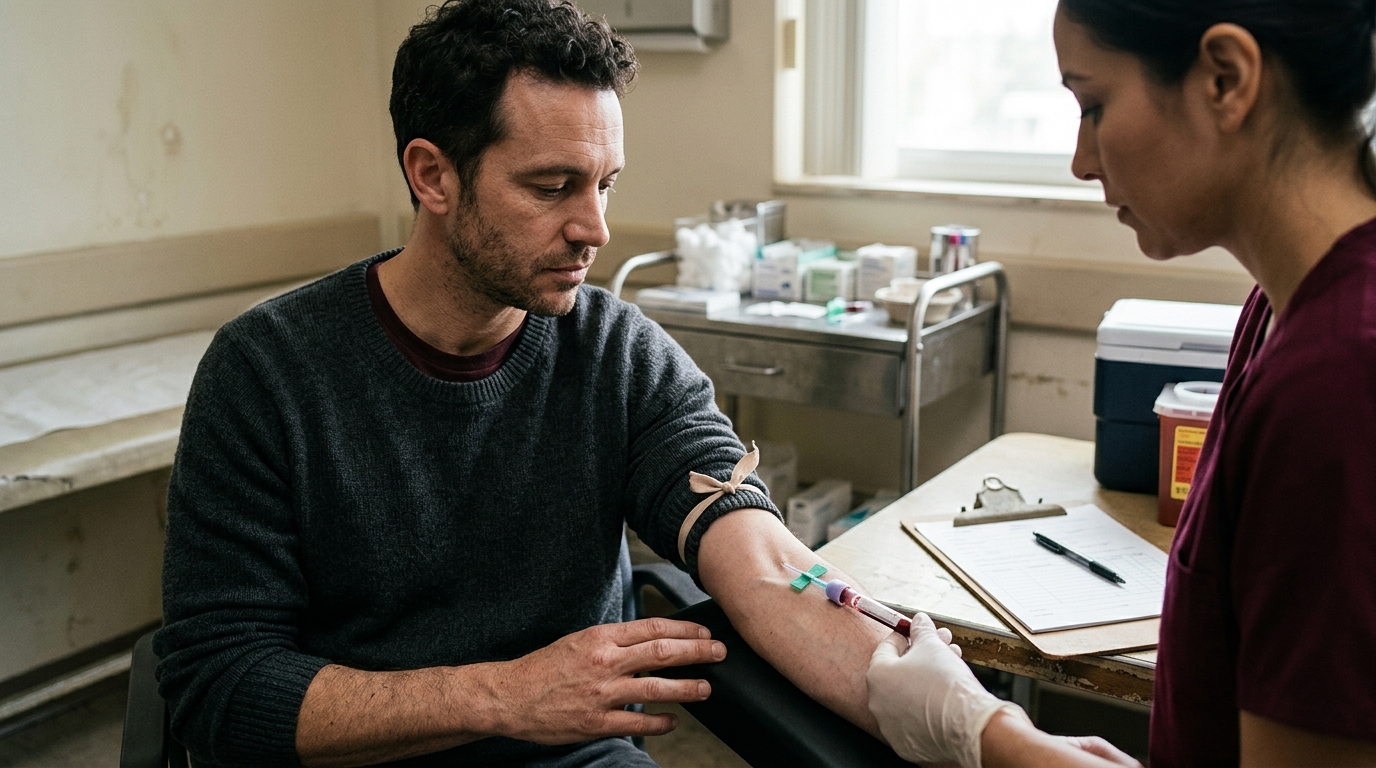
The next clinical step involves ordering repeat fasting blood tests between 7:00 AM and 10:00 AM to measure total testosterone, free testosterone, and SHBG. Concurrently, the clinician evaluates him for depressive illness, screens for sleep apnea, and discusses structured lifestyle adjustments.
A 52-year-old man with well-managed type 2 diabetes presents with declining libido and fewer spontaneous morning erections over the past year. Two morning blood tests show total testosterone levels of 315 ng/dL and 310 ng/dL, which sit just above the standard diagnostic threshold.
Because type 2 diabetes lowers SHBG production, total testosterone readings can hide a true deficiency in unbound hormone. The clinician orders a free testosterone assay.
The results show a low free testosterone level alongside low-normal LH, confirming secondary hypogonadism. Treatment discussions focus on addressing his sexual symptoms and hormone balance, while clarifying that hormone therapy is not a replacement for his standard diabetes medications.
A 58-year-old man managing chronic lumbar pain with daily prescription opioids reports severe muscle weakness and low libido. Morning blood work confirms a total testosterone of 180 ng/dL. Follow-up testing reveals low LH and FSH levels, with a normal prolactin level.
This pattern demonstrates classic drug-induced secondary hypogonadism. The opioid medication is suppressing hypothalamic signaling.
Rather than changing pain medications abruptly, the patient's pain specialist and endocrinologist collaborate. They review whether the opioid dose can be safely reduced or if non-opioid pain strategies are an option. If opioid therapy remains medically necessary, the team evaluates the benefits and risks of medical hormone replacement.
A 38-year-old man presents with severe erectile dysfunction and persistent headaches. Morning blood testing shows a total testosterone level of 110 ng/dL and an inappropriately low LH level. Follow-up lab work reveals a significantly elevated prolactin level.
Because his total testosterone is well below 150 ng/dL and prolactin is elevated without clear medication causes, the clinician suspects a central endocrine disorder.
The patient is referred for pituitary magnetic resonance imaging (MRI), which reveals a small, benign pituitary adenoma (prolactinoma). Rather than starting lifelong testosterone therapy, the patient is treated with a dopamine agonist to shrink the prolactinoma. This treatment normalizes his prolactin levels and successfully restores his natural testosterone production.
A 50-year-old man with a BMI of 36 kg/m² and confirmed hypogonadism asks to start testosterone therapy. During his clinical intake, his partner notes that he snores loudly and occasionally stops breathing during sleep. His baseline hematocrit is 49%.
Starting testosterone therapy immediately carries a risk of worsening his undiagnosed airway obstruction and driving his hematocrit above safe limits.
The clinician pauses hormone discussions and refers the patient for an overnight sleep study. The test confirms moderate obstructive sleep apnea. The patient begins CPAP therapy, which improves his sleep quality and daytime energy. Once his breathing is stable and repeat blood work confirms persistent deficiency, hormone therapy is reconsidered with regular hematocrit monitoring.
A 63-year-old man with a history of coronary stenting five years prior is diagnosed with symptomatic, confirmed hypogonadism. He asks whether hormone therapy will trigger a second heart attack.
The clinician reviews the findings from the TRAVERSE trial, explaining that testosterone therapy did not increase major adverse cardiac events compared to placebo in high-risk trial participants.
However, the doctor also highlights the observed risks of atrial fibrillation and fluid-related complications. Together, they decide to proceed with therapy while establishing a rigorous monitoring plan that includes regular electrocardiograms, blood pressure tracking, and hematocrit checks.
Navigating low testosterone alongside other medical conditions requires open, structured communication with your healthcare team. The following questions can help guide your conversation during an appointment:
If you are experiencing symptoms of low testosterone alongside other health conditions, use this checklist to guide your next steps:
Testostra explains testosterone biology, testing, symptoms, lifestyle factors and TRT with careful sourcing and clear clinical limits.



Send us a question, research idea or topic suggestion. Reader questions help shape future Testostra content.
Contact Testostra