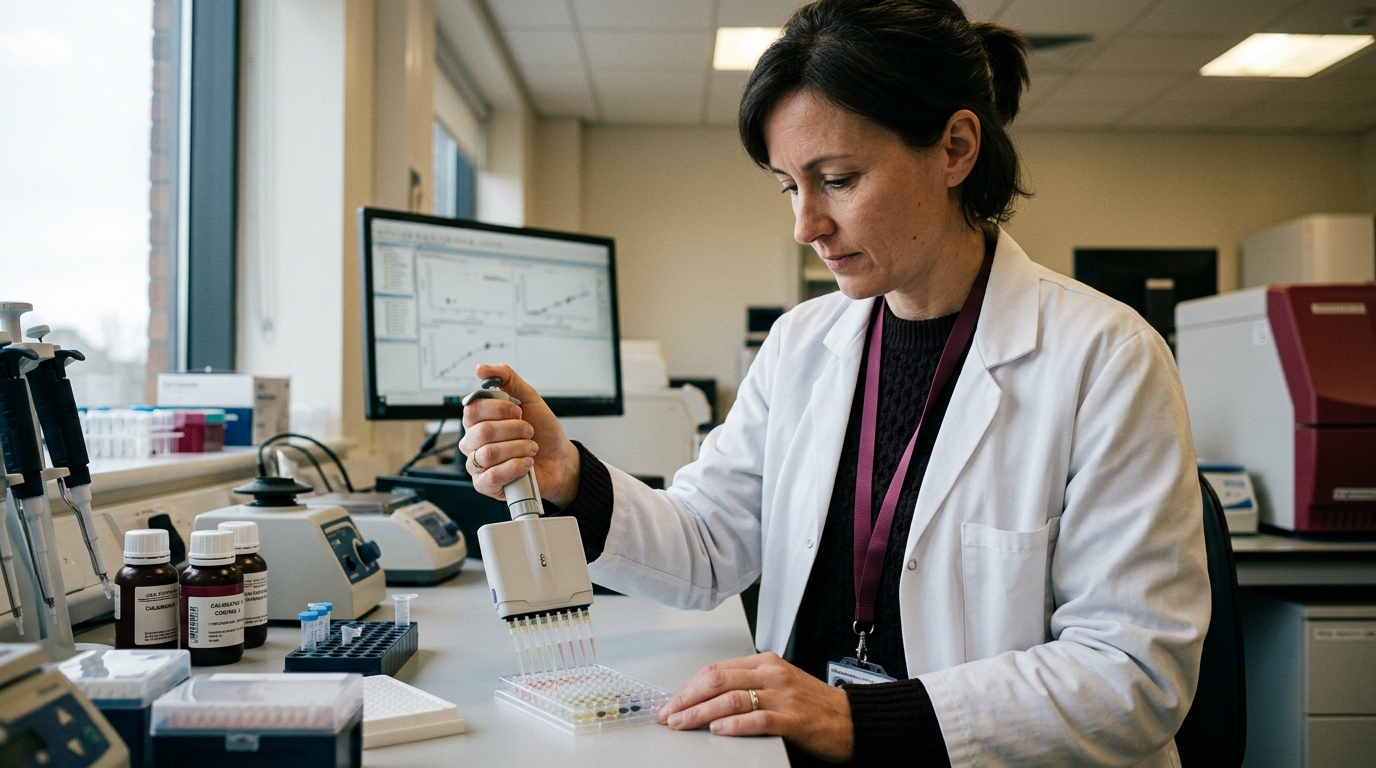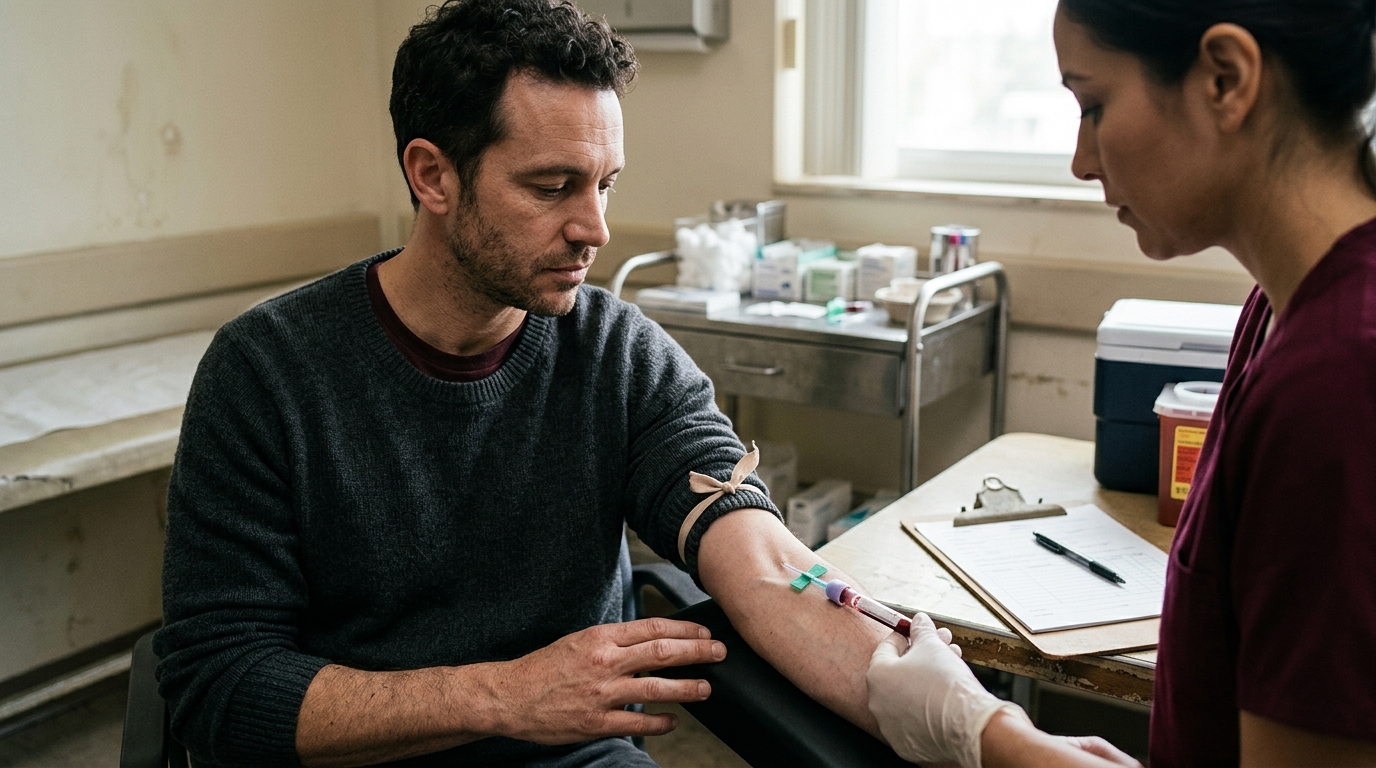

Patients navigating unexplained low testosterone symptoms can examine diagnostic lab markers and clinical guidelines to see how lifestyle interventions integrate with hormone therapy.





Men who search for ways to fix fatigue, low libido, or brain fog often encounter two conflicting viewpoints online. One side claims that low testosterone is purely a lifestyle failure, insisting that diet, heavy lifting, and discipline can resolve any hormone issue. The other side presents testosterone replacement therapy as an immediate fix for everyday stress, sluggish metabolism, and weight gain.
This guide provides a definitive, evidence-led examination of how health habits and medical testosterone replacement therapy work together. It clarifies the clinical difference between true organic deficiency and functional hormonal suppression. It also explains why lifestyle changes should never be used to dismiss an accurate diagnosis or withhold needed medical treatment.
This article is for educational and informational purposes only. It is not personal medical advice, a diagnostic tool, or a treatment recommendation. Hormone therapy involves meaningful clinical benefits and potential risks that require direct supervision by a licensed healthcare provider. You should never initiate, stop, or change hormone treatments or prescription medications without consulting a qualified medical professional.
Understanding how lifestyle factors interact with medical hormone therapy requires a clear look at established endocrinology guidelines. The following principles summarize current clinical consensus and evidence:
A common frustration for men seeking help is experiencing symptoms while receiving incomplete answers. A man might receive a single borderline lab result and find himself immediately offered a lifelong prescription. Another man might present with severe deficiency symptoms and low numbers, only to be told to lose twenty pounds before any further bloodwork is considered. Both approaches fail basic clinical standards.
The diagnostic process must answer three distinct clinical questions in order:
When clinicians and patients skip the second question, care suffers. A low testosterone reading is a laboratory measurement, not a complete diagnosis on its own. For detailed background on clinical causes, you can review our guide to low testosterone.
Understanding why a level is low dictates whether lifestyle changes, pituitary imaging, testicular examination, or hormone therapy is the appropriate next step. Lifestyle optimization should support general health in every man. However, treating lifestyle change as an excuse to avoid investigating medical causes leaves serious conditions unaddressed.
Accurate diagnosis depends on testing the right biomarkers at the right times using standardized laboratory assays. An isolated blood test taken in the afternoon or during a period of acute illness does not provide reliable diagnostic data. Clinicians look at several key markers to build an accurate clinical picture.
Total testosterone measures the entire pool of testosterone circulating in the bloodstream. This includes hormone bound tightly to sex hormone-binding globulin, hormone bound loosely to albumin, and unbound hormone. Professional societies, including the Endocrine Society, recommend that total testosterone be drawn in the morning after an overnight fast.
Testosterone levels follow a circadian rhythm that peaks in the early morning hours, particularly in younger and middle-aged men. Repeating the test on a separate morning is necessary to confirm consistently low concentrations before reaching a diagnosis.
Not all circulating testosterone is readily available to target tissues. Sex hormone-binding globulin binds a substantial portion of circulating hormone with high affinity. Albumin binds another portion with lower affinity.
Free testosterone represents the unbound fraction, which typically accounts for roughly one to two percent of total hormone. In men with obesity, type 2 diabetes, or liver alterations, binding protein levels often drop substantially. In these cases, total testosterone can appear misleadingly low while free testosterone remains within normal limits. Calculating or directly measuring free testosterone using an accurate equilibrium dialysis method provides vital clarity.
The pituitary gland releases luteinizing hormone and follicle-stimulating hormone to regulate testicular function. Luteinizing hormone signals the Leydig cells in the testes to produce testosterone. Follicle-stimulating hormone acts on the Sertoli cells to support sperm production.
Measuring these pituitary gonadotropins is essential because they identify the anatomical origin of the problem:
Understanding these pathways is part of learning testosterone fundamentals.
When gonadotropins are abnormally low or suppressed, clinicians frequently evaluate prolactin levels. Elevated prolactin can signal a prolactin-secreting pituitary adenoma or medication side effects that suppress normal pituitary signaling.
Iron studies, thyroid panels, and genetic testing may also be indicated depending on the age of onset and clinical presentation. Relying solely on a total testosterone number without these contextual markers leads to missed diagnoses.
A foundational concept in modern neuroendocrinology is the distinction between organic hypogonadism and functional hypothalamic-pituitary-gonadal axis suppression. While both states can result in identical low testosterone numbers on a laboratory report, their underlying mechanisms and clinical trajectories differ dramatically.
Organic hypogonadism results from permanent structural damage, genetic conditions, or congenital defects affecting the testes, pituitary gland, or hypothalamus. Common causes include:
In these situations, the underlying pathology prevents the body from manufacturing adequate testosterone on its own. Lifestyle modifications, no matter how rigorous or consistent, cannot repair damaged testicular tissue or replace missing pituitary cells. For these patients, testosterone replacement therapy is the standard medical treatment to restore normal physiological function, protect bone mineral density, and maintain secondary sexual characteristics.
Functional hypogonadism involves a potentially reversible reduction in testosterone production without permanent anatomical injury to the endocrine axis. In this state, the hypothalamic-pituitary-gonadal axis remains physically intact but operates at a reduced output due to external or systemic stressors.
Common contributors to functional suppression include:
In functional suppression, treating the underlying stressor or health condition can allow the endocrine system to recover endogenous production. However, establishing that a case is functional requires ruling out organic causes first.
Organic disease and functional suppression are not mutually exclusive. A man with genetic primary hypogonadism can also develop obesity, metabolic syndrome, and obstructive sleep apnea. Conversely, an individual with severe visceral obesity can harbor an undiagnosed pituitary microadenoma.
Assuming that an elevated body mass index automatically explains low testosterone is a serious clinical mistake. Labeling every overweight patient with low testosterone as simply a lifestyle case creates diagnostic delays. Clinicians must perform a complete clinical and laboratory evaluation before concluding that a patient's numbers are entirely functional. You can learn more about how specialists conduct these evaluations by reading about hormone testing and biomarkers.
When evaluating medical literature regarding testosterone, lifestyle habits, and prescription therapy, the quality of available scientific evidence varies significantly. Clinical decisions should rely on robust randomized controlled trials and validated clinical practice guidelines rather than small observational cohorts or marketing claims.
Major professional medical organizations provide clear frameworks for diagnosing and managing testosterone deficiency. The Endocrine Society clinical practice guidelines emphasize that testosterone therapy should be reserved for patients with clear clinical symptoms and unequivocally low, confirmed morning testosterone concentrations. The guidelines explicitly recommend against prescribing testosterone to improve blood sugar control in men with diabetes who lack confirmed hypogonadism.
Similarly, the American Urological Association guidelines emphasize the necessity of obtaining two separate morning fasting measurements before diagnosis. The European Association of Urology also highlights lifestyle modification and weight reduction as essential initial steps in overweight men. However, these guidelines affirm that medical therapy remains indicated when a definitive organic deficiency exists.
The TRAVERSE trial stands as the largest randomized controlled study investigating the cardiovascular safety of testosterone replacement therapy. The trial enrolled 5,246 men aged 45 to 80 years with established cardiovascular disease or elevated cardiovascular risk who had confirmed hypogonadism and compatible symptoms.
The primary objective was to determine whether testosterone therapy increased major adverse cardiovascular events compared to placebo over a mean follow-up of 33 months. The trial confirmed noninferiority, showing no statistically significant increase in the composite endpoint of cardiovascular death, nonfatal heart attack, or nonfatal stroke.
However, secondary analyses identified higher rates of nonfatal arrhythmias requiring intervention, atrial fibrillation, acute kidney injury, and pulmonary embolism in the testosterone cohort. This high-grade evidence shows that while therapy does not inherently trigger heart attacks in properly screened men, it carries specific medical risks that require ongoing clinical oversight.
The T4DM study investigated whether testosterone therapy, when added to a structured lifestyle program, could reduce the progression to type 2 diabetes in men with impaired glucose tolerance or newly diagnosed diabetes. The trial found that fewer men in the testosterone group met the diagnostic criteria for diabetes at two years compared to the lifestyle-only group.
While these findings demonstrate a potent physiological effect on body composition and glucose handling, major endocrine guidelines maintain that testosterone is not an approved standalone diabetes treatment. The study highlights the powerful metabolic effects of correcting hormone levels, but it does not replace the requirement for standard metabolic care and dietary changes.
The relationship between excess body fat and suppressed testosterone levels is bidirectional. Adipose tissue is not an inert storage depot; it is an active endocrine organ that influences steroidogenesis and hormone clearance.
Excess visceral fat contains high concentrations of the aromatase enzyme, which converts circulating testosterone into estradiol. Elevated estradiol levels provide negative feedback to the hypothalamus and pituitary gland, reducing the secretion of luteinizing hormone.
Furthermore, visceral adiposity promotes systemic inflammation through the release of pro-inflammatory cytokines such as tumor necrosis factor-alpha and interleukin-6. These cytokines directly impair hypothalamic gonadotropin-releasing hormone pulsatility and blunt the responsiveness of Leydig cells in the testes. Obesity also reduces hepatic synthesis of sex hormone-binding globulin, lowering total circulating testosterone concentrations.
Clinical trials demonstrate that substantial weight loss can restore endogenous testosterone production in men with functional suppression. Systematic reviews and meta-analyses show that weight loss achieved through caloric restriction, exercise, pharmacotherapy, or bariatric surgery reliably increases both total and free testosterone.
Research indicates that losing at least ten percent of total body weight is typically required to produce a clinically meaningful rise in testosterone for most men with obesity. Men who achieve substantial weight reductions through bariatric procedures often experience normalization of their pituitary-gonadal axis, accompanied by a rise in luteinizing hormone and circulating binding proteins.
However, the magnitude of hormonal recovery varies widely between individuals. Factors such as the duration of obesity, baseline age, concurrent chronic illnesses, and pre-existing testicular health influence whether hormone levels return to a normal range.
Telling a patient that weight loss will resolve their low testosterone is an oversimplification. While weight reduction should always be encouraged to improve metabolic, vascular, and joint health, it does not guarantee complete hormonal restoration. Exploring lifestyle and natural support provides a helpful starting point for sustainable behavioral change.
Beyond weight management, specific daily habits influence hormonal and metabolic health:
Cardiovascular health remains a primary consideration when evaluating hypogonadism and testosterone therapy. For years, observational studies produced conflicting conclusions, with some suggesting increased cardiovascular danger and others suggesting protective effects.
Hypogonadism itself is associated with unfavorable cardiovascular risk profiles, including increased visceral adiposity, adverse lipid panels, insulin resistance, and endothelial dysfunction. However, restoring hormone concentrations through medical replacement introduces distinct physiological changes that require careful management:
The TRAVERSE trial provided crucial clarity by showing that properly monitored testosterone replacement therapy does not increase the risk of major adverse cardiac events compared to placebo over a multi-year period in men with pre-existing vascular disease.
At the same time, the observed increases in venous thromboembolism, atrial fibrillation, and acute renal events underline why unsupervised therapy is hazardous. A comprehensive overview of recent data can be found in our section on testosterone replacement therapy research.
The high prevalence of low testosterone among men with type 2 diabetes frequently creates confusion regarding appropriate treatment indications. While metabolic disease frequently drives down testosterone levels, clinicians must maintain clear boundaries between hormone replacement and diabetes management.
Men with type 2 diabetes frequently experience classic hypogonadal symptoms, such as severe erectile dysfunction, loss of morning erections, fatigue, and reduced muscle strength. When repeated testing confirms genuine testosterone deficiency, these men are appropriate candidates for hormone therapy to address deficiency symptoms.
However, testosterone therapy must never be prescribed as a substitute for standard diabetes medications, dietary interventions, or glucose-lowering drugs. The Endocrine Society explicitly advises against using testosterone therapy purely to treat diabetes or improve blood sugar control.
While trials like T4DM demonstrate improvements in glucose tolerance when testosterone is combined with lifestyle programs, these metabolic shifts represent secondary physiological effects. Patients with diabetes require evidence-based metabolic care, including metformin, GLP-1 receptor agonists, SGLT2 inhibitors, and nutritional therapy alongside any indicated hormone treatment.
One of the most consequential clinical considerations in male hormone management is reproductive intention. Exogenous testosterone therapy acts as a potent male contraceptive by triggering negative feedback on the hypothalamic-pituitary axis.
When a patient receives external testosterone, circulating levels signal the brain that the body has abundant hormone. In response, the pituitary gland halts the production of luteinizing hormone and follicle-stimulating hormone. Without follicle-stimulating hormone and high levels of locally produced intratesticular testosterone, the Sertoli cells cannot support spermatogenesis. This leads to profound drops in sperm count, often resulting in complete azoospermia within months.
Both the American Urological Association and the Endocrine Society explicitly recommend against prescribing exogenous testosterone to men who are currently attempting to conceive or who plan to pursue fertility in the near term.
For men with confirmed hypogonadism who wish to preserve their reproductive capacity, alternative therapeutic strategies are required. These specialized approaches may include:
These alternatives require careful monitoring by an experienced endocrinologist or reproductive urologist. Initiating standard testosterone therapy without discussing family planning can cause prolonged or irreversible infertility.
Initiating testosterone replacement therapy requires a systematic safety evaluation before the first dose, followed by regular clinical monitoring. The Endocrine Society and other international bodies have outlined clear absolute and relative contraindications.
Clinicians recommend against starting testosterone therapy in patients with the following conditions:
Once a patient begins therapy, ongoing clinical follow-up is mandatory to balance therapeutic efficacy with safety. Standard monitoring protocols include:
The following illustrative examples demonstrate how diagnostic principles and lifestyle factors intersect in real-world clinical care. These scenarios show why identical symptoms require different management paths based on underlying causes.
A 42-year-old male with a body mass index of 34 presents with general fatigue, afternoon brain fog, and low motivation. A single morning blood draw reveals a total testosterone level slightly below the reference range. He has no history of testicular trauma, normal physical development, and no visual changes.
A 38-year-old male presents with severe loss of libido, erectile dysfunction, loss of morning erections, and difficulty maintaining muscle mass despite regular exercise. Two separate morning fasting tests show total testosterone well below normal limits. His luteinizing hormone and follicle-stimulating hormone are markedly elevated, while physical examination reveals small testicular volume. The patient also has mild hypertension and elevated visceral fat.
A 32-year-old male with moderate obesity presents with low libido, depressed mood, and low testosterone confirmed on two fasting morning tests. Pituitary and testicular evaluations indicate secondary hypogonadism without an organic tumor. He and his partner plan to start a family within the next twelve months.
Preparing focused, precise questions can help you have a productive conversation with your doctor about your hormone health and overall care:
If you are experiencing symptoms of low testosterone or trying to understand your laboratory results, take these concrete steps this week to build a clear plan:
Testostra explains testosterone biology, testing, symptoms, lifestyle factors and TRT with careful sourcing and clear clinical limits.



Send us a question, research idea or topic suggestion. Reader questions help shape future Testostra content.
Contact Testostra