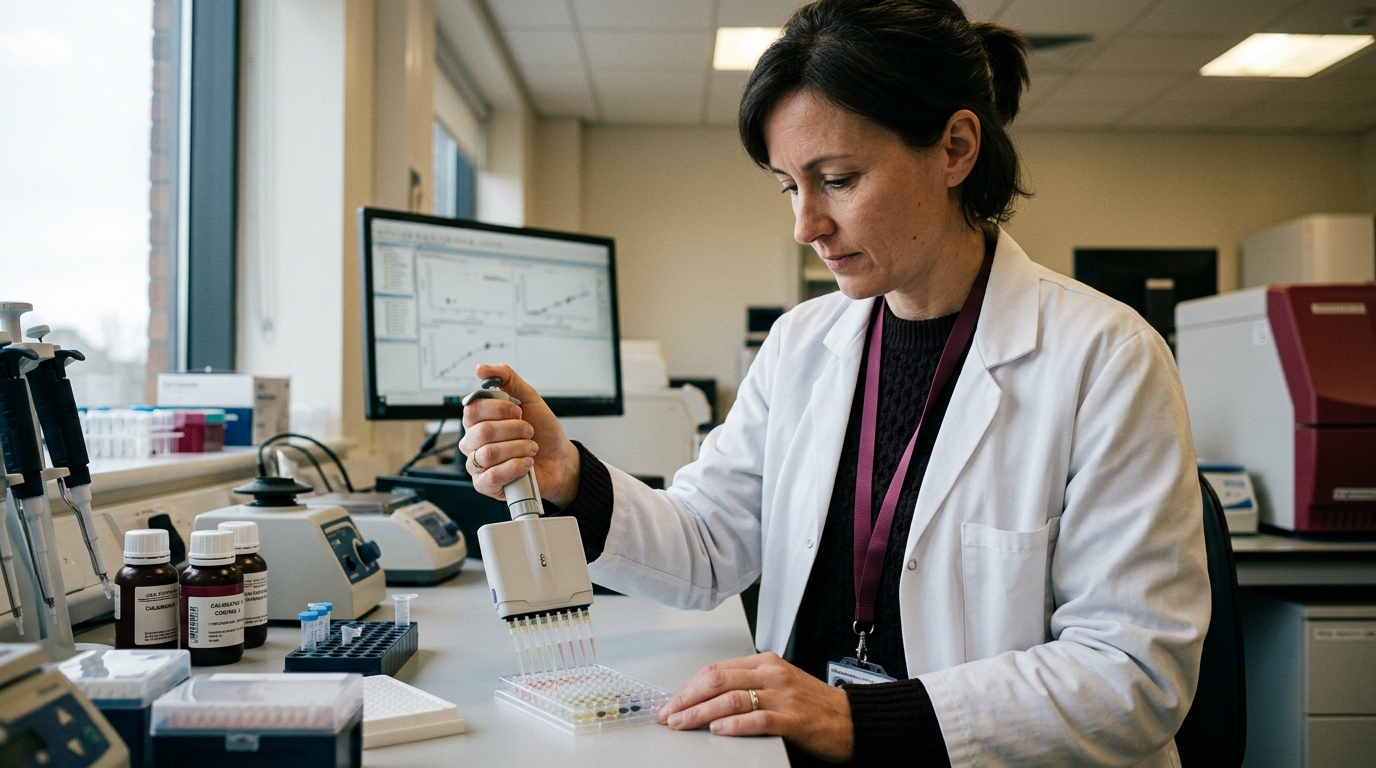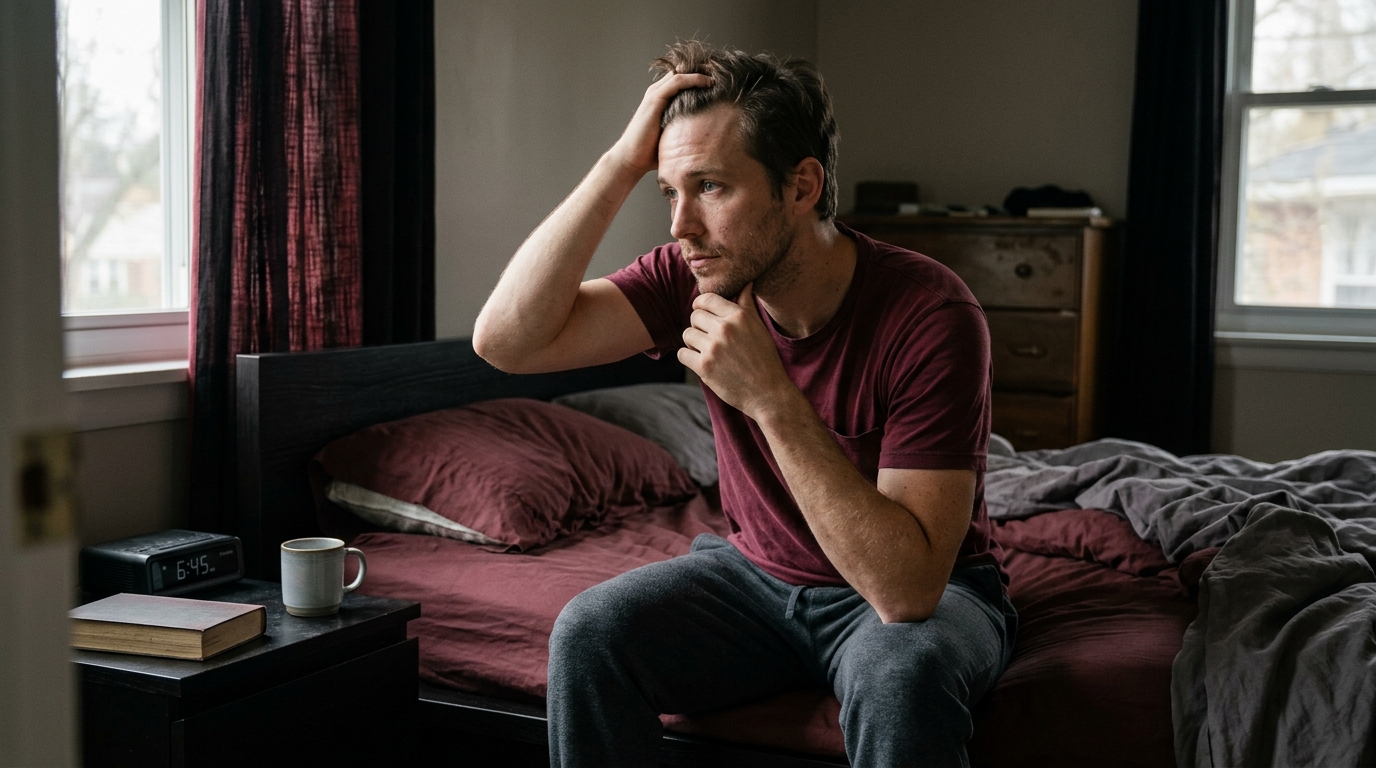

Low energy is often blamed on low testosterone, but persistent fatigue frequently stems from sleep disorders, nutritional deficiencies, or metabolic conditions.





This resource provides educational information about male health, hormone biology, and common causes of fatigue. It does not provide medical advice, diagnosis, or treatment protocols. Persistent exhaustion or unexplained fatigue requires evaluation by a qualified healthcare professional. Never stop or modify prescription medications without clinical supervision.
Fatigue is a non-specific symptom rather than an individual medical condition. While low testosterone can contribute to reduced energy, it is only one of many potential causes.
You can learn more about recognizing low testosterone signs and causes to understand how hormones interact with overall health.
You wake up to your alarm after eight hours in bed, but you still feel exhausted. By early afternoon, completing basic work tasks requires intense mental effort. It is common to wonder if a hormonal imbalance is responsible for this loss of drive.
Fatigue is one of the most frequent reasons adults visit primary care physicians. However, fatigue itself is a symptom, not a diagnosis. It acts as an internal check engine light. It signals that a biological system is under strain, but it does not specify which system is struggling.
Clinical practice guidelines emphasize that symptoms should be treated as diagnostic clues rather than definitive proof. Low energy, low mood, brain fog, and reduced physical stamina can stem from many independent health issues. In many cases, multiple contributing factors exist at the same time.
Assuming that fatigue automatically points to low testosterone can lead to missed diagnoses. If an underlying sleep disorder, thyroid problem, or nutrient deficiency is ignored, starting hormone therapy will not solve the underlying problem. A methodical clinical evaluation is the safest and most effective way to identify the true root causes.
In medical evaluations, clinicians distinguish between fatigue and daytime sleepiness. While these terms are often used interchangeably in everyday conversation, they describe different physiological states.
Fatigue refers to an overwhelming sense of tiredness, lack of energy, or difficulty sustaining physical and mental effort. A person with fatigue often feels drained, heavy, or physically exhausted, yet they may not easily fall asleep if given the chance.
Sleepiness refers to a strong biological drive to doze off or an inability to stay awake during the day. Someone who falls asleep involuntarily while reading, sitting in meetings, or driving is experiencing excessive daytime sleepiness.
Clarifying this difference helps your clinician determine the best diagnostic path. Excessive sleepiness often points toward sleep-disordered breathing, primary sleep disorders, or circadian disruptions. Fatigue, on the other hand, suggests a broader differential diagnosis that includes endocrine, metabolic, hematologic, and psychological causes.
Because low energy can stem from several body systems, medical organizations like the American Academy of Family Physicians recommend a structured assessment. Rather than ordering arbitrary blood panels, a physician reviews several distinct health categories.
A proper assessment begins by evaluating total time in bed, sleep continuity, and nighttime breathing patterns. Spending eight hours in bed does not guarantee eight hours of restorative rest. Frequent micro-awakenings from breathing disruptions or limb movements can fragment sleep architecture without a person consciously remembering them.
The brain and endocrine systems are tightly connected. Chronic psychological stress, depressive disorders, anxiety, and major life changes alter neurotransmitter balance and adrenal signaling. These changes frequently manifest as persistent physical exhaustion, reduced motivation, and disrupted sleep.
The body relies on specific micronutrients and adequate red blood cell mass to deliver oxygen to tissues and generate cellular energy. Deficiencies in iron, vitamin B12, or folate directly impair oxygen transport and mitochondrial efficiency. This leads to profound physical fatigue and reduced exercise tolerance.
Hormones act as chemical messengers that regulate metabolism, tissue repair, and basal energy expenditure. Hypothyroidism slows cellular metabolism throughout the entire body. Similarly, dysregulated glucose metabolism, insulin resistance, and hypogonadism can disrupt energy production and stamina.
Prescription drugs, over-the-counter products, and recreational substances are frequent, overlooked contributors to chronic fatigue. Sedatives, certain cardiovascular drugs, antihistamines, and pain medications can impair daytime alertness. A full medication reconciliation is an essential part of any diagnostic evaluation.
If initial screenings point toward an endocrine issue, or if low energy is paired with specific symptoms like loss of morning erections, testicular atrophy, or hot flushes, a clinician will assess reproductive hormones. Reviewing understanding hormone testing and biomarkers can help clarify the standard laboratory panels used in this process.
Before focusing on testosterone levels, it is helpful to examine the non-hormonal conditions that frequently cause fatigue in adult men.
Sleep is the primary biological period for physical recovery, cellular repair, and hormone production. Disruptions to normal sleep architecture undermine daytime functioning and energy levels.
Obstructive sleep apnea is one of the most common medical causes of daytime fatigue in men. In this condition, the upper airway repeatedly collapses during sleep, leading to oxygen desaturations and micro-arousals. According to the American Academy of Sleep Medicine, key indicators include loud snoring, witnessed pauses in breathing, waking up gasping, and waking up unrefreshed despite sufficient time in bed.
Chronic insomnia also impairs recovery. Men with insomnia may have difficulty falling asleep, experience frequent middle-of-the-night awakenings, or wake up too early in the morning. Restless legs syndrome, characterized by an irresistible urge to move the legs in the evening, can also severely disrupt sleep onset.
Psychological conditions create direct physical symptoms. Major depressive disorder and chronic anxiety alter autonomic nervous system activity, immune signaling, and neuroendocrine function.
The National Institute of Mental Health notes that depression involves symptoms present most of the day, nearly every day, for at least two weeks. Alongside low energy and psychomotor slowing, classic signs include persistent sadness, irritability, loss of interest in hobbies, changes in appetite, and difficulty concentrating.
Chronic psychological stress triggers prolonged elevation of cortisol and sympathetic nervous system activation. Over time, this state of heightened arousal depletes physiological reserves. It impairs sleep quality and leads to persistent mental and physical exhaustion.
Anemia occurs when the blood lacks enough healthy red blood cells or hemoglobin to carry adequate oxygen to tissues. When skeletal muscles and organs receive suboptimal oxygen, physical stamina drops significantly.
Iron deficiency is a primary driver of anemia, but it can also cause fatigue on its own before anemia fully develops. Iron is an essential cofactor for enzymes involved in mitochondrial energy production. According to the National Health Service, iron deficiency anemia often presents with fatigue, shortness of breath on exertion, heart palpitations, dizziness, and pale skin.
Other nutritional deficiencies, including low vitamin B12 and folate, impair red blood cell production and neurological health. Poor dietary intake, malabsorption disorders like celiac disease, or occult gastrointestinal blood loss can trigger these deficiencies.
The thyroid gland produces hormones that regulate the metabolic rate of virtually every cell in the body. Both underactive and overactive thyroid conditions can cause profound fatigue.
Hypothyroidism occurs when the thyroid gland produces insufficient thyroxine and triiodothyronine. The National Institute of Diabetes and Digestive and Kidney Diseases explains that hypothyroidism slows cellular processes throughout the body. Common symptoms include weight gain, cold intolerance, constipation, muscle aches, joint stiffness, dry skin, thinning hair, and slowed thinking.
Hyperthyroidism, or an overactive thyroid, accelerates metabolism. While this might sound like it would increase energy, it often leads to muscle weakness, tremors, anxiety, insomnia, and rapid physical burnout. Because thyroid symptoms overlap heavily with other conditions, blood tests are necessary to evaluate thyroid function.
Medications are a frequently overlooked cause of chronic tiredness. Many commonly prescribed and over-the-counter drugs affect the central nervous system, blood pressure, or muscle metabolism.
The Mayo Clinic notes that taking multiple medications increases the likelihood of fatigue as an adverse reaction. Drugs that frequently cause fatigue or drowsiness include:
Patients should never stop taking prescribed medications without speaking to their doctor. Instead, compile a comprehensive list of all prescriptions, over-the-counter drugs, and supplements to review with your prescribing clinician.
Testosterone plays an important biological role in male energy, mood stability, muscle protein synthesis, erythropoiesis, and bone density. When true clinical hypogonadism is present, men often report fatigue, low motivation, reduced physical endurance, and diminished sexual desire.
However, fatigue is not exclusive to low testosterone. Millions of men with low energy have normal testosterone levels, and some men with low testosterone do not report fatigue.
The Endocrine Society provides clear clinical guidelines for diagnosing male hypogonadism. A diagnosis should only be made when a patient has:
A 2026 Endocrine Society statement highlights that low energy, mood changes, and reduced libido are common as men age. These symptoms can stem from many reversible factors, including obesity, systemic illness, chronic stress, or medication use.
Research shows that testosterone levels naturally fluctuate. An acute illness, poor sleep for a few consecutive nights, or intense psychological distress can temporarily lower morning testosterone values. This is why a single low lab result should never be used to make a diagnosis or start long-term therapy. Following established testosterone testing protocols ensures that lab readings accurately reflect your baseline physiology.
Furthermore, medical guidelines caution against using testosterone therapy as a general treatment for nonspecific fatigue. When testosterone is prescribed to men who do not have true hypogonadism, clinical trials show minimal improvement in energy. At the same time, it exposes the patient to potential health risks, such as suppressed fertility and elevated hematocrit.
When researching fatigue and hormone health, it is essential to evaluate the quality of available information. Commercial clinics and online sources often rely on weak evidence or overstate findings to market treatments.
The highest tier of medical evidence comes from peer-reviewed clinical guidelines, such as those from the Endocrine Society, the American Academy of Sleep Medicine, and the American Academy of Family Physicians. These guidelines are developed by multidisciplinary panels of clinicians and researchers.
They evaluate large bodies of randomized controlled trials and long-term observational data. These organizations consistently recommend confirming low lab values through repeat morning testing, screening for non-hormonal causes of fatigue, and addressing reversible lifestyle factors.
Many popular articles cite observational studies that show an association between low testosterone and low energy, cardiovascular disease, or depression. While these studies are valuable, correlation does not prove causation.
For example, men with severe sleep apnea, obesity, or diabetes often have low testosterone levels. In many cases, the underlying metabolic disease causes both the fatigue and the drop in testosterone. Treating the hormone level in isolation without addressing sleep quality or metabolic health rarely resolves the root problem.
Small pilot studies, animal research, and commercial claims should be interpreted with caution. Many online wellness platforms promote custom supplement blends or hormone therapies by promising dramatic energy increases.
These claims often rely on open-label studies with high placebo responses or studies conducted in specific clinical populations that cannot be applied to the general public. Relying on verified medical sources ensures that your health decisions are based on solid science rather than commercial hype. Exploring lifestyle approaches to male hormonal health provides a practical way to support energy and overall health safely.
When a clinician evaluates a patient for chronic fatigue, they typically select a targeted panel of blood tests based on the patient's symptoms and physical exam. Below is an overview of common biomarkers used during a comprehensive fatigue evaluation.
Total testosterone measures all circulating testosterone in the bloodstream, including both protein-bound and unbound fractions. Because testosterone secretion follows a circadian rhythm, peaking in the early morning hours, blood samples must be collected between 7:00 AM and 10:00 AM after an overnight fast.
Free testosterone measures the small percentage of hormone that is biologically active and unbound to Sex Hormone-Binding Globulin (SHBG). Measuring free testosterone is especially useful when conditions like obesity, thyroid disease, or liver conditions alter SHBG levels.
Luteinizing Hormone (LH) and Follicle-Stimulating Hormone (FSH) are produced by the anterior pituitary gland to stimulate testosterone production and sperm maturation in the testes.
If testosterone levels are low, measuring LH and FSH helps clinicians identify the root cause:
TSH is released by the pituitary gland to regulate thyroid hormone production. It is the primary screening tool for thyroid disorders.
An elevated TSH level indicates that the pituitary is working harder to stimulate an underactive thyroid gland, suggesting primary hypothyroidism. Conversely, a low TSH level can indicate hyperthyroidism. If TSH is abnormal, clinicians typically order Free Thyroxine (Free T4) to confirm the diagnosis and determine appropriate treatment.
A Complete Blood Count evaluates the size, quantity, and health of red blood cells. Parameters such as hemoglobin, hematocrit, and mean corpuscular volume (MCV) help detect various types of anemia.
Serum ferritin measures the body's stored iron. A low ferritin level indicates depleted iron reserves, which can cause significant physical fatigue, reduced exercise tolerance, and cognitive sluggishness even before full-blown anemia appears on a CBC.
A Comprehensive Metabolic Panel evaluates fourteen different chemical substances in the blood. It provides key information about:
Understanding these biomarkers helps you discuss your results constructively with your doctor. To read more about how these tests guide treatment decisions, review the clinical evidence around testosterone therapy.
Walking into a medical appointment with vague complaints like "I just feel tired" can make it challenging for a clinician to identify the cause. Keeping a detailed symptom log for one to two weeks provides objective data that can help guide the evaluation.
Recording these patterns helps clarify your clinical picture. For instance, if your log shows that your energy drops sharply after a specific blood pressure medication, your doctor may consider adjusting the dose. If your partner notes regular snoring and gasping for air, a sleep evaluation is likely the best place to start.
The following examples illustrate how similar complaints of fatigue can stem from entirely different root causes. These scenarios are educational models designed to highlight the importance of a comprehensive clinical evaluation.
A 45-year-old man visits his doctor complaining of severe afternoon fatigue, morning headaches, and difficulty concentrating at work. He goes to bed at 10:00 PM and wakes at 6:30 AM every day. Despite spending over eight hours in bed, he wakes up feeling completely unrefreshed.
His partner reports that he snores loudly and occasionally gasps for breath during the night. A comprehensive blood panel reveals normal thyroid function, normal blood counts, and a borderline-low morning testosterone level.
Rather than prescribing testosterone therapy, the clinician refers him for an overnight sleep study, which confirms moderate obstructive sleep apnea. Once treated with continuous positive airway pressure (CPAP) therapy, his daytime sleepiness resolves, and his follow-up morning testosterone levels normalize without hormone medication.
A 38-year-old man reports that over the past six months, he has had no energy, has stopped working out, and struggles to get out of bed on weekends. He suspects low testosterone is causing his low drive.
During a detailed clinical interview, his physician asks about other areas of his life. The patient shares that he no longer enjoys his favorite hobbies, feels persistently down, has trouble focusing, and has experienced significant changes in appetite. His physical examination and comprehensive blood tests, including morning testosterone, thyroid hormones, and iron panels, all return within normal ranges.
The clinician discusses a diagnosis of major depressive disorder. By initiating evidence-based psychotherapy and appropriate mental health support, his energy, focus, and motivation gradually return.
A 52-year-old avid cyclist notices that his physical stamina has dropped significantly over the past two months. Along with daily fatigue, he experiences unusual shortness of breath when climbing hills and occasionally feels lightheaded upon standing.
A routine metabolic panel is unremarkable, but a Complete Blood Count reveals low hemoglobin and low hematocrit. Further testing shows a low serum ferritin level, confirming iron-deficiency anemia.
A subsequent gastroenterology evaluation identifies a small, bleeding polyp in his colon. After the polyp is removed and he completes an iron repletion protocol, his blood counts normalize, and his physical stamina returns. Assuming his fatigue was simply age-related low testosterone would have delayed diagnosing this gastrointestinal condition.
A 41-year-old man reports increasing fatigue over the past year, accompanied by a fifteen-pound weight gain, chronic constipation, dry skin, and a constant sensitivity to cold temperatures. He wonders if a hormone replacement clinic can help boost his metabolism.
His primary care physician performs a physical examination and orders a comprehensive laboratory evaluation. His total testosterone is in the low-normal range, but his Thyroid-Stimulating Hormone (TSH) is significantly elevated at 14.5 mIU/L, with a low Free T4 level.
These findings confirm primary hypothyroidism. His clinician prescribes standard levothyroxine therapy. As his thyroid hormone levels normalize over several months, his bowel function regulates, his cold intolerance disappears, his energy returns, and his follow-up testosterone levels improve naturally.
A 58-year-old man who recently started treatment for mild hypertension complains of persistent lethargy, heavy limbs, and a general lack of drive. He assumes his age and testosterone levels are catching up with him.
During a medication review, the clinician notes that the patient was prescribed a beta-blocker six weeks earlier, which coincided with the onset of his fatigue. His comprehensive blood tests, including morning hormone panels, are entirely normal.
The physician switches his blood pressure regimen to an angiotensin receptor blocker (ARB), a different class of medication that does not impact central alertness. Within two weeks of the medication switch, his energy levels return to baseline.
A 34-year-old man presents with profound, unrelenting fatigue, complete loss of libido, absence of morning erections, and noticeable loss of muscle mass over an eighteen-month period. He sleeps eight hours per night without snoring, reports positive mental health and life satisfaction, and takes no medications.
His initial fasting morning total testosterone returns at 145 ng/dL (reference range: 300 to 1000 ng/dL). Following clinical guidelines, his physician repeats the fasting morning test two weeks later, which confirms a persistently low level of 152 ng/dL, along with low free testosterone.
Further testing reveals elevated LH and FSH levels, indicating primary testicular hypogonadism. A comprehensive clinical workup rules out other systemic issues. Under the care of an endocrinologist, he begins evidence-based testosterone replacement therapy, leading to steady improvements in his energy, body composition, and sexual function.
Preparing focused, organized questions helps you have a productive conversation during your medical appointment. Use these discussion points to guide your evaluation:
Revisit this resource whenever you experience an unexplained shift in your daily energy levels, start a new prescription medication, or prepare for an annual physical examination. Reviewing these frameworks can help you keep an organized symptom log and evaluate laboratory results in their proper clinical context.
Working alongside a qualified medical professional ensures that all contributing factors are addressed safely, effectively, and thoroughly.
Testostra explains testosterone biology, testing, symptoms, lifestyle factors and TRT with careful sourcing and clear clinical limits.



Send us a question, research idea or topic suggestion. Reader questions help shape future Testostra content.
Contact Testostra