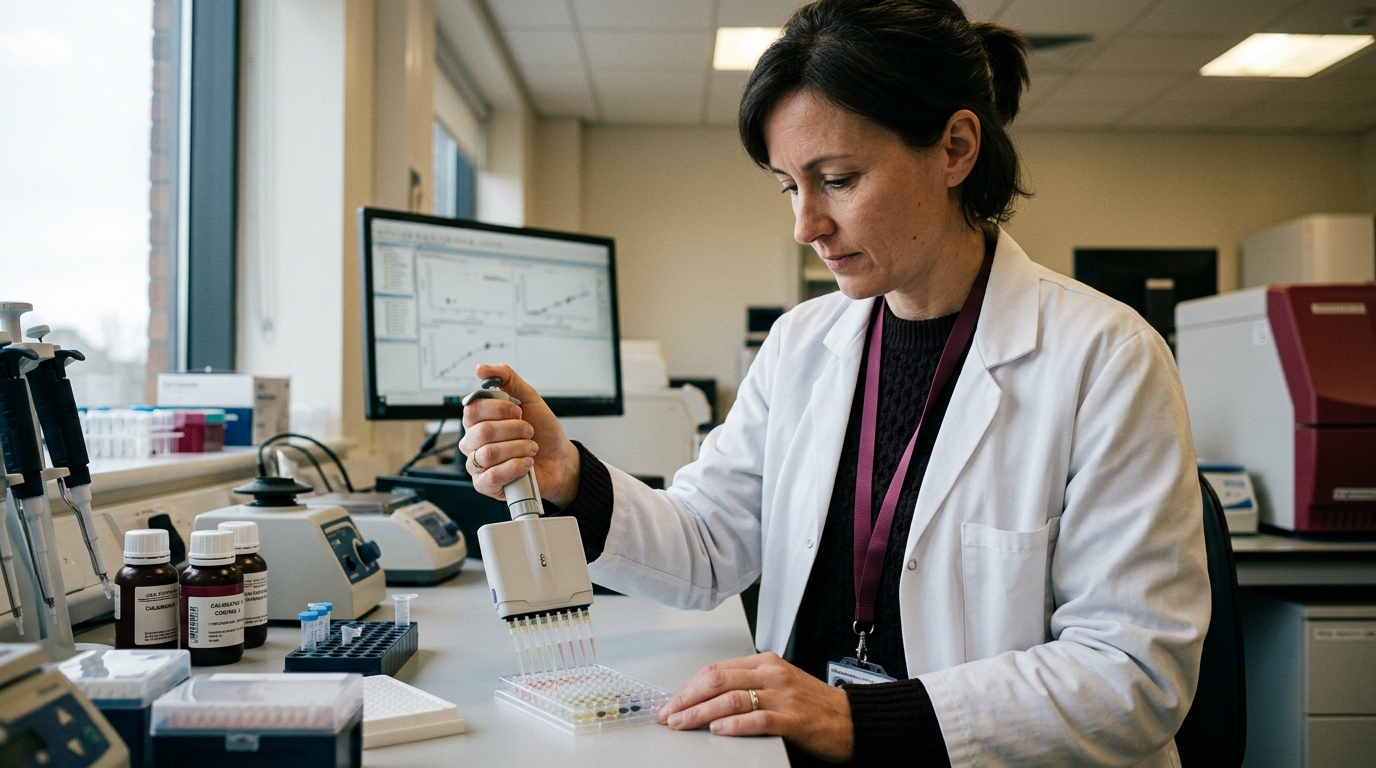

Low testosterone is commonly treated as an isolated hormonal deficit instead of a reversible byproduct of chronic metabolic disease, sleep apnea, and lifestyle factors.





This guide is for educational and informational purposes only. It does not constitute personal medical advice, diagnosis, or treatment recommendations. Hormonal health is deeply connected to overall physical well-being. Always consult a qualified physician or endocrinologist before making changes to your health plan, medications, or lifestyle routines.
Imagine a man in his mid-forties who notices a persistent drop in his daily energy. He finds it harder to stay focused at work, his physical stamina has declined, and he has gained weight around his waist. When he seeks answers, a single blood test shows a total testosterone level near the lower edge of the laboratory reference range. It is tempting to look at that single number as the sole root of his problems. Yet, a broader medical check might reveal rising fasting blood glucose, elevated blood pressure, and untreated sleep apnea.
Hormones do not operate in a vacuum. Testosterone is just one component of a complex, interconnected biological network. Viewing testosterone as an isolated wellness score often leads people to overlook underlying health issues that require medical attention. When chronic health conditions and hormonal changes intersect, taking a whole-person approach helps clarify both the causes of your symptoms and the safest path forward.
A complete medical evaluation looks at the entire person rather than focusing on a single laboratory measurement. Symptoms such as fatigue, low libido, and mood changes can stem from many different physical and psychological factors.
Understanding how chronic conditions interact with hormones requires a balanced perspective on clinical evidence:
Interpreting hormone levels requires understanding clinical context. A laboratory result is simply data, while a medical diagnosis requires a comprehensive clinical evaluation. The Endocrine Society notes that diagnosing hypogonadism requires both consistent, characteristic symptoms and repeatedly low testosterone levels measured through accurate assays.
Symptoms commonly associated with low testosterone include reduced sexual desire, fewer spontaneous morning erections, and erectile dysfunction. However, many other symptoms are nonspecific. Fatigue, poor concentration, reduced muscle mass, increased body fat, and low mood are frequently caused by chronic stress, depression, poor sleep, or metabolic illness.
Because hormone levels naturally fluctuate throughout the day, timing and preparation matter. Testosterone levels peak in the early morning hours for most adult men. Levels can drop significantly later in the day or after eating a meal. For this reason, professional guidelines state that clinicians should obtain at least two separate blood samples drawn early in the morning while the patient is fasting.
A single reading near 300 ng/dL is a common reference threshold, but it is not an absolute cutoff for self-diagnosis. A clinician must interpret that number in the context of the patient's age, overall health history, physical examination findings, and specific symptoms. Exploring testosterone testing and biomarkers helps illustrate why clinical context is vital for accurate interpretation.
Medical organizations also distinguish between general population screening and targeted clinical evaluation. The Endocrine Society advises against broad, population-level screening for low testosterone in men without relevant symptoms or specific risk factors. In contrast, the American Urological Association suggests that clinicians consider checking testosterone levels in patients with specific health histories, such as type 2 diabetes, even if they have not reported classic symptoms. These positions are complementary. One protects against unnecessary testing in healthy populations, while the other encourages targeted case-finding in men with high-risk health conditions.
To make sense of hormone levels and chronic disease, it helps to understand the difference between organic and functional hypogonadism.
Organic hypogonadism refers to an irreversible condition caused by structural, genetic, or physical damage to the testes or the hypothalamic-pituitary axis. Examples include Klinefelter syndrome, severe testicular trauma, radiation therapy, pituitary tumors, or surgical removal of the testes. In these situations, the body cannot produce adequate testosterone regardless of lifestyle modifications. Medical hormone replacement is usually required to restore normal physiological function.
Functional hypogonadism involves a suppression of the hypothalamic-pituitary-gonadal axis without structural damage to the endocrine organs. The European Association of Urology notes that obesity, chronic comorbidities, and aging are the primary drivers of functional hypogonadism. In functional cases, the underlying hormonal machinery remains intact, but its activity is dampened by systemic illness, metabolic stress, or inflammation.
The European Academy of Andrology emphasizes that diagnosing functional hypogonadism requires confirming persistent symptoms, obtaining repeatedly low morning fasting laboratory values, and carefully ruling out organic causes. Functional suppression is often potentially reversible. When a person improves their metabolic health, manages chronic conditions, or resolves sleep disruptions, natural hormone production can improve.
Differentiating between these two forms is essential. Assuming that every low testosterone reading in an overweight man is purely functional can lead a clinician to miss an underlying pituitary problem. Conversely, assuming every low reading represents permanent organ failure can lead to lifelong medical treatment when targeted lifestyle and medical management of chronic disease might resolve the issue naturally.
Body weight and hormonal balance influence each other continuously. Excess body fat, particularly visceral fat stored deep within the abdominal cavity, has direct effects on hormone signaling.
Adipose tissue is not just an energy storage depot. It functions as an active endocrine organ that secretes inflammatory cytokines, alters insulin sensitivity, and produces the aromatase enzyme. Aromatase converts circulating testosterone into estradiol. Higher levels of body fat can increase aromatase activity, which reduces circulating total testosterone and alters central hormone feedback loops.
Additionally, systemic inflammation and elevated leptin levels associated with excess visceral fat can suppress the release of gonadotropin-releasing hormone from the hypothalamus. This reduces luteinizing hormone secretion from the pituitary gland, leading to lower testosterone synthesis in the testes.
This creates a self-reinforcing cycle. Low testosterone levels can lead to a loss of lean muscle mass and an increase in body fat accumulation. Increased body fat then further suppresses the hypothalamic-pituitary-gonadal axis.
A comprehensive review of metabolic health indicates that mild to moderate reductions in testosterone frequently accompany obesity and its related health conditions. However, research demonstrates that clinically meaningful weight loss can substantially reverse obesity-related reductions in hormone levels. A systematic review and meta-analysis confirmed that significant body-weight reduction raises testosterone levels in men with obesity-associated functional hypogonadotropic hypogonadism.
For this reason, the European Association of Urology recommends that weight loss and lifestyle modifications serve as the primary approach for overweight or obese men with functional hypogonadism. Implementing sustained nutritional improvements and regular physical exercise directly addresses the root metabolic drivers of hormone suppression. Learn more about these foundational approaches in our guide to lifestyle and natural testosterone support.
Type 2 diabetes and insulin resistance share an extensive overlap with male hormonal health. The relationship between blood sugar regulation and testosterone is a prime example of why whole-person care is necessary.
Men with type 2 diabetes have a significantly higher prevalence of low total testosterone compared to men with normal glucose tolerance. Insulin resistance alters hormone production through multiple pathways. High circulating insulin levels can suppress the hepatic synthesis of sex hormone-binding globulin, the primary carrier protein for testosterone in the bloodstream. When this carrier protein drops, total testosterone measurements decrease, even if free hormone availability is less severely affected.
Clinical organizations have developed specific guidance for evaluating hormones in men with diabetes:
While diabetes frequently coincides with low hormone levels, testosterone therapy is not a standalone treatment for blood glucose management. The Endocrine Society explicitly recommends against using testosterone replacement therapy as a method to improve glycemic control. Clinical trials examining hormone therapy in men with diabetes have shown inconsistent and minimal changes in long-term blood glucose markers like HbA1c.
Furthermore, diabetes carries major systemic implications. According to the Centers for Disease Control and Prevention, adults with diabetes are twice as likely to develop heart disease or experience a stroke compared to adults without diabetes. Focusing narrowly on hormone levels while neglecting blood glucose control, lipid management, and blood pressure leaves major cardiovascular risks unaddressed.
Cardiovascular disease remains the leading cause of health complications in adult men. Evaluating heart health alongside hormonal health is critical whenever symptoms like low energy or sexual dysfunction arise.
The Centers for Disease Control and Prevention lists high blood pressure, elevated LDL cholesterol, type 2 diabetes, cigarette smoking, excess body weight, an unhealthy diet, and physical inactivity as major contributors to cardiovascular disease. The CDC reports that nearly 74 percent of adults in the United States have overweight or obesity, placing a large portion of the population at increased risk for heart disease and stroke.
When a man presents with reduced physical stamina or erectile difficulties, these symptoms may indicate early vascular disease rather than simple hormone deficiency. The blood vessels supplying the penile tissues are small in diameter. They often show signs of endothelial dysfunction and arterial plaque accumulation before larger coronary vessels show noticeable symptoms.
Cardiovascular considerations are equally important when evaluating the safety of medical hormone therapy. Clinical evidence surrounding testosterone and heart health requires careful interpretation:
Because testosterone can raise blood pressure and hematocrit levels, clinicians must carefully review a patient's cardiovascular history before considering treatment. The Endocrine Society advises against initiating testosterone therapy in men who have experienced a myocardial infarction or stroke within the previous six months, as well as those with uncontrolled heart failure or untreated thrombophilia.
Men managing cardiovascular risk factors should prioritize blood pressure control, smoking cessation, cholesterol management, and regular aerobic exercise. These lifestyle measures protect the vascular system and support systemic hormonal balance.
Hormone regulation is sensitive to daily circadian rhythms, psychological stress, and pharmacological agents. Overlooking these factors can lead to misinterpreting standard lab tests.
Obstructive sleep apnea is a sleep-related breathing disorder characterized by repeated upper airway collapse during sleep. This causes intermittent nocturnal hypoxemia and frequent sleep fragmentation. Sleep apnea is common in men with obesity and metabolic syndrome.
Normal testosterone production relies on intact, uninterrupted sleep architecture. The deep stages of rapid eye movement sleep and slow-wave sleep coincide with peak nocturnal hormone secretion. Chronic sleep fragmentation and low nocturnal oxygen levels disrupt the pulsatile release of luteinizing hormone from the brain, leading to lower circulating testosterone levels.
Untreated severe obstructive sleep apnea is also a recognized contraindication to testosterone replacement therapy. Exogenous testosterone can worsen sleep-disordered breathing patterns, increase nocturnal hypoxemic episodes, and elevate red blood cell production. The Endocrine Society recommends against starting testosterone therapy in men with untreated severe obstructive sleep apnea. Treating sleep apnea with continuous positive airway pressure or weight management often improves both daytime energy and natural hormone balance.
Chronic psychological stress, anxiety, and major depressive disorder can mimic the symptoms of hormonal deficiency. High stress levels activate the hypothalamic-pituitary-adrenal axis, increasing circulating cortisol. Prolonged elevations in cortisol can suppress the reproductive axis, dampening testosterone synthesis.
Depression frequently presents with low energy, reduced libido, sleep disturbances, and poor physical motivation. When a man experiences these symptoms alongside a borderline lab result, it is essential to evaluate his mental health. Treating depression through psychotherapy, stress reduction practices, or appropriate medical care is vital for full recovery.
Many widely prescribed medications influence hormone production, metabolism, and sexual function. A thorough medical evaluation must always include a medication review:
Identifying medication-induced symptoms helps avoid attributing side effects to an intrinsic hormone disorder. For a deeper look at underlying factors, review our analysis of low testosterone signs, causes, and risk factors.
Evaluating male hormonal health requires looking beyond a single total testosterone number. A comprehensive laboratory panel helps clinicians understand hormone transport, pituitary function, and overall metabolic health.
Total testosterone measures the entire pool of testosterone circulating in the bloodstream. This includes hormone bound tightly to sex hormone-binding globulin, hormone bound loosely to albumin, and unbound hormone. While total testosterone is the standard initial marker, it can be misleading when binding protein concentrations are unusually high or low.
Sex hormone-binding globulin is a protein produced by the liver that binds tightly to testosterone and estradiol. Conditions like obesity, insulin resistance, type 2 diabetes, and hypothyroidism can lower SHBG concentrations. When SHBG is low, total testosterone measurements may appear deficient even when the biologically active, free hormone fraction remains within normal limits. Conversely, aging, liver disease, and hyperthyroidism can raise SHBG, which might keep total testosterone in the normal range despite a reduction in available active hormone.
Free testosterone represents the small fraction (typically 1 to 3 percent) of hormone that is completely unattached to blood proteins. Bioavailable testosterone includes free testosterone plus the fraction loosely bound to albumin, which can easily dissociate and interact with tissue receptors. In patients with altered SHBG levels, calculating free testosterone or measuring it via equilibrium dialysis provides a much clearer picture of actual hormonal status.
Pituitary gonadotropins are critical for identifying the anatomical level of hormone dysfunction:
Prolactin is a pituitary hormone that, when elevated, can suppress gonadotropin-releasing hormone and cause low testosterone levels. Measuring prolactin helps rule out prolactin-secreting pituitary adenomas or medication-induced hyperprolactinemia.
Because hormonal health is tied to metabolic status, a thorough workup often includes:
To understand how these laboratory parameters interact during a complete diagnostic workup, read our comprehensive overview of low testosterone.
Examining common clinical scenarios illustrates how chronic health issues, laboratory data, and lifestyle factors interact in real-world settings. These illustrative patterns show why healthcare providers look at the entire clinical picture rather than relying on isolated lab results.
A 52-year-old man with a five-year history of type 2 diabetes reports a noticeable decline in sexual desire and difficulty maintaining erections. His morning fasting total testosterone is slightly below the standard reference range.
Under American Diabetes Association guidelines, measuring morning testosterone is appropriate when a man with diabetes reports these symptoms. However, his clinician explains that testosterone therapy is not a treatment for glycemic control. Instead, the clinical plan focuses on optimizing his diabetes management, reviewing cardiovascular risk markers, and evaluating vascular health alongside hormone balance.
A 44-year-old man who has gained 30 pounds over three years presents with persistent fatigue and low motivation. An afternoon blood test ordered through a commercial testing service shows low total testosterone.
Rather than starting hormone replacement immediately, a physician repeats the test twice in the early morning while the patient is fasting. The repeat tests show total testosterone near the lower end of normal, while his SHBG is low due to insulin resistance. The physician notes that his symptoms align with functional suppression driven by weight gain and poor sleep. Following European Association of Urology guidelines, the primary recommendation is a structured nutrition, exercise, and weight-management plan.
A 58-year-old man with treated high blood pressure and elevated LDL cholesterol reports low energy and reduced libido. A comprehensive evaluation shows repeatedly low morning testosterone and normal pituitary markers.
Before discussing any medical therapies, his doctor reviews cardiovascular safety considerations. Under current FDA labeling, testosterone therapy can cause an increase in blood pressure, requiring closer cardiovascular monitoring. Furthermore, results from the TRAVERSE trial highlight the need to monitor for conditions like atrial fibrillation. The clinician and patient decide to focus on aerobic exercise, blood pressure control, and dietary improvements while continuing to evaluate his symptoms.
A 48-year-old man presents with chronic daytime exhaustion, brain fog, and a moderately low total testosterone measurement. His partner reports that he snores loudly and frequently gasps for air during sleep.
The physician recognizes that sleep fragmentation and nocturnal hypoxemia suppress the hypothalamic-pituitary-gonadal axis. Furthermore, Endocrine Society guidelines recommend against initiating testosterone therapy in men with untreated severe obstructive sleep apnea. The patient completes a sleep study, is diagnosed with sleep apnea, and begins continuous positive airway pressure therapy. Within several months, his daytime energy improves, and a follow-up morning hormone test shows an increase in natural testosterone levels.
A 34-year-old man with borderline low testosterone and fatigue asks about starting testosterone replacement therapy. During the consultation, he mentions that he and his partner are planning to start a family within the next year.
The Endocrine Society explicitly advises against starting testosterone replacement therapy in men who desire near-term fertility. Exogenous testosterone suppresses pituitary LH and FSH production, which severely impairs testicular spermatogenesis and can cause infertility. The clinician directs the focus toward natural metabolic support, stress reduction, and non-suppressive medical options that preserve reproductive capacity.
Making informed decisions about hormonal health requires understanding the strength of different types of medical evidence. Health claims regarding testosterone and chronic disease vary widely in their scientific backing.
Medical knowledge is built on a hierarchy of evidence:
Separating established clinical consensus from preliminary research helps patients and clinicians focus on interventions that have proven safety and efficacy profiles.
Supporting natural hormone function and managing chronic disease share the same core lifestyle foundations. Rather than pursuing short-term fixes, adopting sustainable daily habits provides lasting benefits for both metabolic and hormonal health.
Nutrition plays a direct role in regulating blood glucose, reducing systemic inflammation, and supporting liver function. Rather than following extreme dietary restrictions that can increase physiological stress, focus on consistent, whole-food nutrition:
Regular exercise is one of the most potent interventions for improving insulin sensitivity, body composition, and cardiovascular capacity:
Because peak testosterone production occurs during uninterrupted sleep, optimizing sleep hygiene is essential for hormonal and metabolic health:
Chronic psychological stress and disrupted circadian rhythms elevate cortisol and place continuous demands on the autonomic nervous system:
Open, detailed communication with a healthcare provider ensures that all contributing health factors are evaluated together. When preparing for an appointment, consider using these questions to guide your conversation:
Revisit this guide whenever you receive new blood test results, experience changes in your chronic health conditions, or find that your daily energy, sleep, or physical performance has shifted.
Taking a whole-person approach to your health ensures that you and your medical team treat hormones as one vital part of a much larger, interconnected system.
Testostra explains testosterone biology, testing, symptoms, lifestyle factors and TRT with careful sourcing and clear clinical limits.



Send us a question, research idea or topic suggestion. Reader questions help shape future Testostra content.
Contact Testostra