
At-home testosterone tests require careful evaluation of specimen types, laboratory analytical methods, and key biomarkers to ensure reliable results for clinical follow-up.





An at-home testosterone test is a remote specimen collection method. It is not an automated medical diagnosis. These services allow individuals to collect blood or saliva at home and mail the sample to a laboratory. They offer a convenient way to view physiological data, but convenience does not guarantee clinical validity. Evaluating these tests requires understanding how samples are collected, which laboratory methods are used, and how results should be interpreted.
This guide examines the mechanics of remote hormone testing. It outlines the analytical differences between capillary, venous, and salivary samples. It also reviews laboratory certification standards and clinical guidelines from major medical organizations.
This guide is provided strictly for educational purposes and does not constitute personal medical advice. Diagnosing hormone deficiencies requires comprehensive clinical assessment by a qualified medical professional.
Interpreting mail-in hormone testing requires an understanding of clinical guidelines, collection variables, and laboratory science:
Evaluating any remote hormone test requires looking beyond marketing claims. A rigorous evaluation examines four distinct links in the testing process. Weakness at any single link can lead to misleading numbers or inappropriate health decisions.
Every diagnostic test begins with an underlying clinical question. Is the test intended for initial screening, formal diagnostic confirmation, or routine monitoring? A screening test identifies individuals who may need formal clinical workups. A diagnostic test requires strict analytical precision and validated clinical thresholds.
A test designed for general wellness screening is often insufficient for formal clinical diagnosis. When reviewing at-home options, you must determine whether the test is designed to answer your specific medical question. Testing without a clear clinical purpose often generates confusion rather than actionable insight.
The physical specimen collected at home must reliably reflect circulating hormone levels in the body. Biological specimens include venous blood, capillary finger-prick blood, dried blood spots, and saliva. Each specimen type presents unique collection, storage, and transport challenges.
A primary concern is whether the specimen matches the biological matrix used to establish clinical reference ranges. Most diagnostic guidelines rely on venous serum. If a mail-in kit uses dried capillary blood or saliva, the results may not translate directly to standard clinical decision limits.
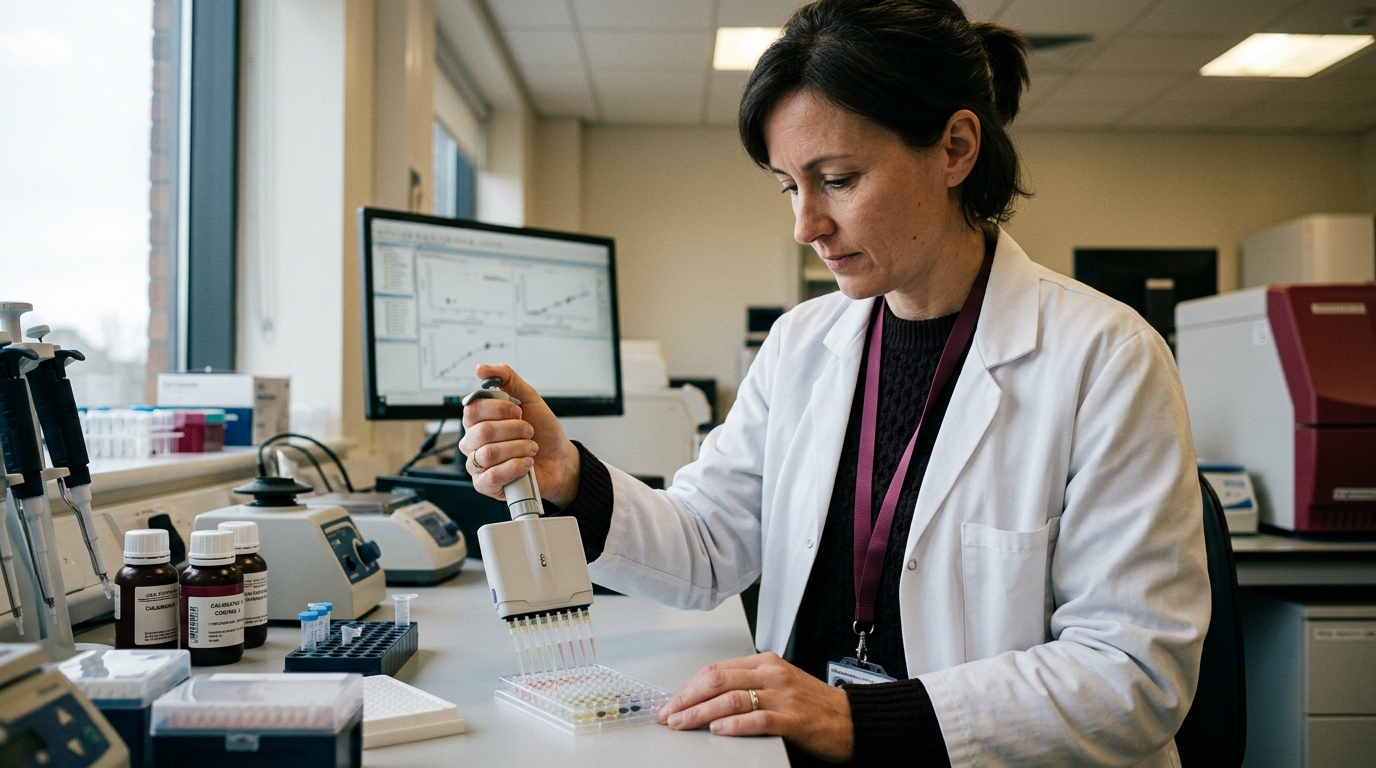
Once the sample reaches the facility, the laboratory must use an appropriate analytical assay. Laboratories typically use either antibody-based immunoassays or liquid chromatography-tandem mass spectrometry (LC-MS/MS).
Mass spectrometry generally offers superior sensitivity and precision, especially at lower testosterone concentrations. Furthermore, the laboratory itself must hold appropriate regulatory certifications. You should verify that the testing facility is accredited and adheres to established analytical quality standards for that specific specimen type.
The final link is translating a laboratory value into an accurate clinical plan. A laboratory report provides an isolated number, but clinical assessment requires evaluating symptoms, overall health history, and physical signs.
A quality service outlines the limitations of the data and provides clear pathways for medical confirmation. Services that encourage immediate hormone interventions based on a single mail-in result bypass necessary clinical safeguards. Safe medical care requires thoughtful evaluation by a physician before initiating any treatment plan.
Mail-in hormone testing services use various sample collection methods. These methods are not interchangeable, as each biological matrix carries distinct scientific advantages and limitations.
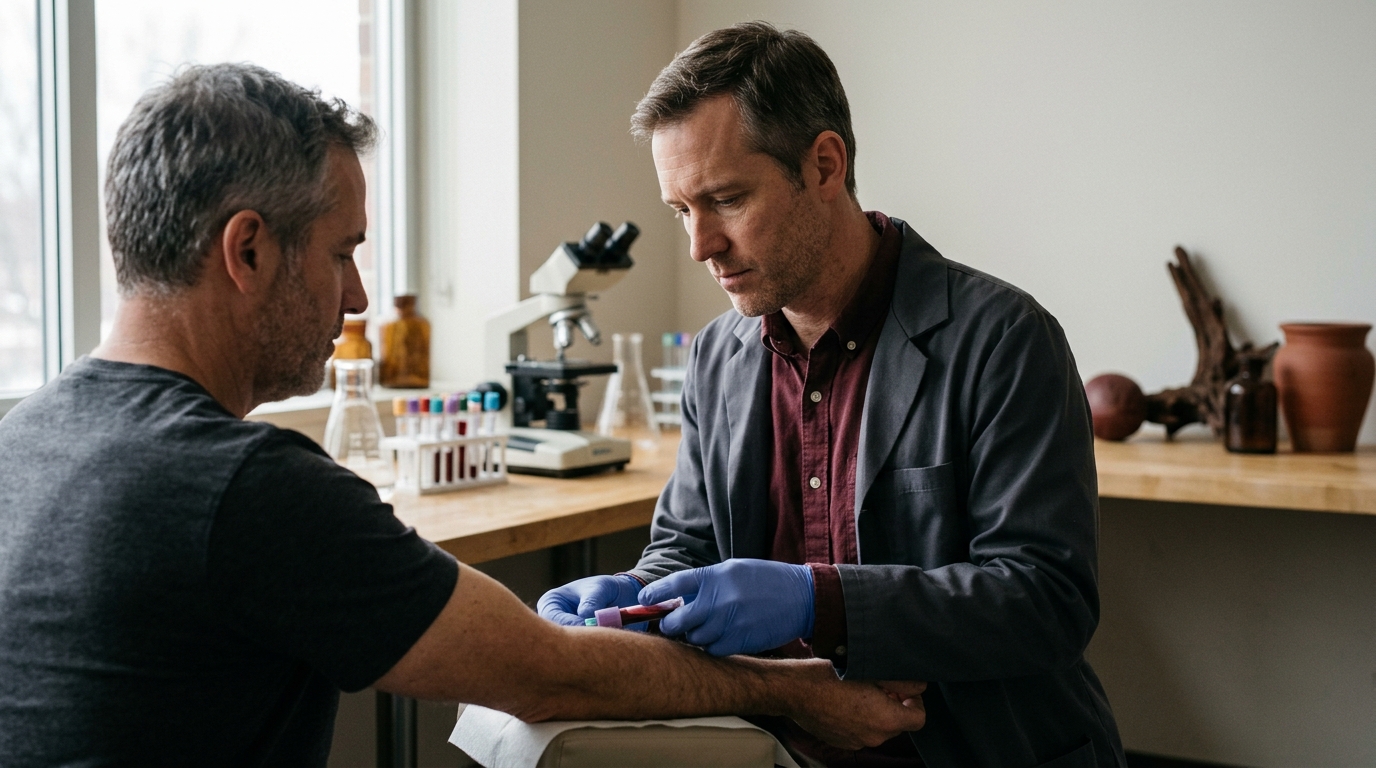
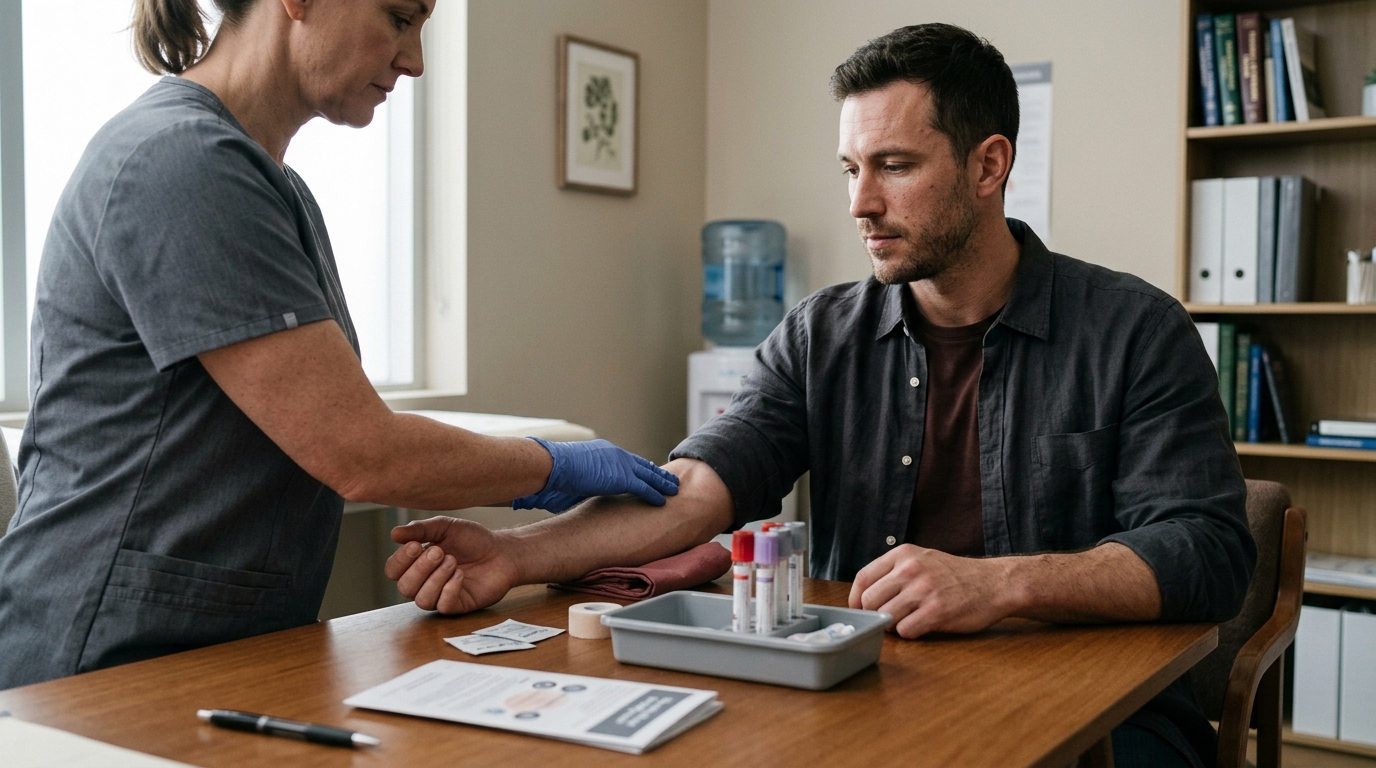
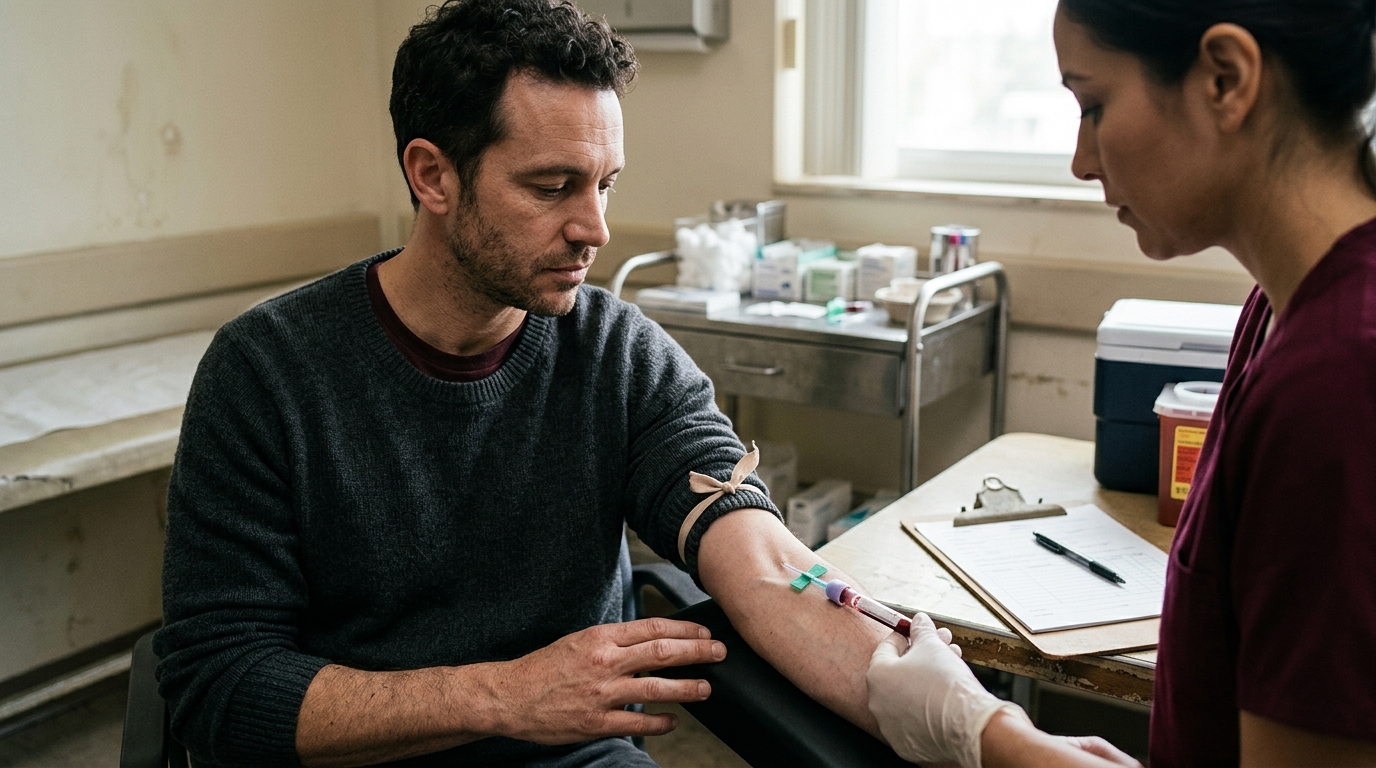
Venous blood drawn from an arm vein remains the standard for clinical hormone evaluation. Some remote testing services send a mobile phlebotomist to your home or provide a lab requisition order for an established local draw center.
Venous blood provides liquid serum or plasma. This is the exact biological fluid used by major clinical trials to build diagnostic reference ranges. Venous collection minimizes contamination risks and provides sufficient liquid volume for multiple confirmatory tests on the same sample.
Many mail-in kits rely on a finger-prick lancet to collect capillary blood. The user either deposits liquid blood into a small collection micro-tube or spots the blood onto specialized filter paper. The filter paper is allowed to dry completely before mailing, creating a dried blood spot (DBS).
Dried blood spots offer significant stability during routine postal shipping. An early study in steroid pharmacology found that androgen concentrations on filter paper remained stable under standard room-temperature transport conditions. However, that same research noted that exposure to extreme heat over extended periods caused measurement variations.
A 2024 analytical validation study evaluated a dried blood spot testosterone assay using LC-MS/MS in 20 volunteers, consisting of 12 men and 8 women. The researchers reported a strong correlation coefficient of 0.988 between corrected dried blood spot measurements and venous serum measurements. The assay demonstrated intra-day and inter-day precision within 10 percent and accuracy within 20 percent of nominal values.
Despite these positive findings, the study revealed notable technical vulnerabilities. Variations in individual hematocrit levels and the physical volume of the blood spot introduced measurement variations of approximately 20 percent. Furthermore, the validation was conducted on a small cohort of 20 participants. High correlation means two measurements trend in the same direction, but it does not prove identical agreement at specific clinical diagnostic cutoffs.
Some commercial test kits use saliva to measure hormone concentrations. Saliva testing is non-invasive and easy to perform, but it presents major clinical interpretation challenges.
Salivary testosterone represents only the unbound, free fraction of the hormone that diffuses into the oral cavity. Clinical guidelines do not recognize salivary testosterone as an equivalent substitute for serum testing in diagnosing male hypogonadism. Research shows that salivary hormone concentrations can fluctuate based on recent dietary intake, hydration status, gum health, and subtle oral contamination.
A 2026 clinical review evaluated alternative specimen methods for monitoring transdermal testosterone therapy. The authors concluded that venous serum testing remains the most accurate and validated method. They determined that saliva and dried blood spot testing lacked sufficient clinical correlation for monitoring transdermal testosterone replacement. While saliva remains a useful tool in academic research settings, it is generally insufficient for diagnosing or managing clinical hormone disorders.
You can learn more about clinical testing standards in our detailed overview of testosterone testing and biomarkers.
A standard hormone panel should look beyond a single total testosterone value. Interpreting hormonal health requires evaluating multiple interrelated biomarkers to understand the complete endocrine picture.
Total testosterone measures all circulating testosterone in the bloodstream. This includes hormone bound tightly to sex hormone-binding globulin, hormone bound loosely to albumin, and unbound free hormone. Total testosterone serves as the initial starting point for clinical evaluations.
Clinical practice guidelines from the Endocrine Society emphasize that total testosterone should always be interpreted in the context of clinical symptoms. Standard diagnostic protocols require confirming an initial low reading with a repeat morning fasting test before drawing any clinical conclusions.
Sex hormone-binding globulin is a protein produced by the liver that binds circulating sex steroids with high affinity. Approximately 40 to 70 percent of circulating testosterone is bound to SHBG, making it biologically inactive at the immediate cellular level.
Alterations in SHBG levels directly impact total testosterone concentrations without necessarily altering free hormone levels. Several medical conditions are known to alter SHBG production:
When SHBG is significantly elevated or depressed, total testosterone readings can be misleading. A man with low SHBG may show low total testosterone while maintaining normal free testosterone concentrations.
Free testosterone refers to the 1 to 2 percent of circulating testosterone that remains entirely unbound to transport proteins. Bioavailable testosterone includes free testosterone plus the portion loosely bound to albumin, which can dissociate easily to enter target tissues.
The Endocrine Society recommends assessing free testosterone when total testosterone levels fall into a borderline zone, generally between 200 and 400 ng/dL. It is also recommended when underlying medical conditions alter SHBG concentrations.
The analytical method used to determine free testosterone is critical. The Endocrine Society explicitly advises against using direct analog-based free testosterone immunoassays, because these tests are notoriously inaccurate. Instead, free testosterone should be measured directly using equilibrium dialysis under standardized laboratory conditions, or calculated using validated formulas based on total testosterone, SHBG, and albumin.
Luteinizing hormone and follicle-stimulating hormone are gonadotropins secreted by the anterior pituitary gland. LH stimulates Leydig cells in the testes to produce testosterone, while FSH supports spermatogenesis.
When repeat testing confirms genuine testosterone deficiency, measuring LH and FSH is essential for determining the root cause:
A standalone at-home test that measures only total testosterone cannot distinguish between primary testicular failure and secondary pituitary dysfunction. Understanding this difference is necessary for safe medical care.
If laboratory results suggest secondary hypogonadism, clinical guidelines recommend further endocrine evaluation. This includes measuring serum prolactin and evaluating iron saturation levels to check for conditions like hemochromatosis.
Significantly elevated prolactin levels can suppress pituitary gonadotropin secretion. In such cases, clinical guidelines recommend dedicated pituitary imaging to evaluate for microadenomas or other structural issues.
Readers researching these diagnostic pathways can review our comprehensive guides on low testosterone signs and causes to understand how secondary causes are identified.
The scientific validity of any hormone test depends on the laboratory instrumentation and regulatory standards used behind the scenes. Understanding these technical elements allows you to assess the credibility of a remote testing service.
Laboratories typically analyze hormones using either automated immunoassays or mass spectrometry platforms.
Automated immunoassays rely on specific antibodies that bind to the target hormone molecule. These assays are cost-effective, fast, and widely available in commercial labs. However, immunoassays can suffer from cross-reactivity with other circulating steroid metabolites. They can also be disrupted by dietary supplements such as high-dose biotin.
Liquid chromatography-tandem mass spectrometry (LC-MS/MS) separates molecules based on their physical mass-to-charge ratios after chromatographic extraction. The Endocrine Society notes that LC-MS/MS provides significantly higher specificity, analytical sensitivity, and precision than standard immunoassays. This precision is especially important when measuring low testosterone concentrations, such as those found in hypogonadal men, women, and children.
A quality analytical method requires strict quality management. Two primary oversight programs govern hormone testing quality in the United States:
A laboratory listing on the CDC HoSt certification registry confirms high analytical performance under controlled conditions. However, CDC certification applies specifically to defined assays and defined specimen types, primarily liquid serum. CDC documentation explicitly notes that certification for a serum assay does not automatically imply equivalent accuracy when testing other specimen matrices, such as dried blood spots or saliva.
Understanding regulatory oversight helps contextualize consumer-facing marketing claims. The Food and Drug Administration (FDA) oversees medical devices and diagnostic products.
Many tests used by specialized laboratories are classified as Laboratory-Developed Tests (LDTs). The FDA describes an LDT as an in vitro diagnostic test that is designed, manufactured, and utilized within a single CLIA-certified high-complexity laboratory.
The FDA notes that many direct-to-consumer wellness tests and certain laboratory-developed assays do not undergo pre-market FDA clearance or independent regulatory review of their clinical validity. Consequently, you should never assume a mail-in test is formally FDA-cleared simply because it is commercially available. You can read broader research on diagnostic methods across our testosterone research resources.
A common pitfall in consumer testing is assuming that an isolated low laboratory number equates to a permanent medical condition. Endocrine physiology is dynamic, and single measurements often fail to reflect long-term hormonal status.
Testosterone levels fluctuate naturally over time in response to acute stress, sleep disruption, illness, and metabolic shifts. Research cited in the Endocrine Society clinical practice guidelines shows that approximately 30 percent of men with an initial testosterone level in the hypogonadal range have completely normal concentrations upon repeat measurement.
Relying on a single test kit can easily produce a false impression of hormone deficiency. Clinical practice guidelines from both the American Urological Association (AUA) and the Endocrine Society emphasize that a diagnosis of testosterone deficiency should never be made based on a single laboratory draw.
Circulating testosterone follows a pronounced daily circadian rhythm. In healthy adult men, hormone concentrations peak in the early morning hours, typically between 7:00 AM and 10:00 AM, and decline progressively toward the late afternoon and evening.
While this diurnal rhythm attenuates slightly with advancing age, many older men who register low levels in the afternoon display completely normal concentrations during morning hours. Clinical guidelines require that diagnostic blood samples be drawn in the early morning. An at-home test collected in the afternoon or evening does not meet clinical diagnostic standards.
Metabolic activity and food intake exert an immediate suppressive effect on circulating testosterone concentrations. Consuming a meal, particularly one containing simple carbohydrates or glucose, can acutely suppress total testosterone levels by 20 to 30 percent for several hours.
To ensure accurate interpretation, diagnostic hormone evaluations must be performed following an overnight fast. A remote sample collected after eating breakfast or lunch will frequently yield an artificially suppressed number that misrepresents your true baseline physiology.
Acute physical illness, systemic infections, and temporary psychological trauma suppress the hypothalamic-pituitary-gonadal axis. Testing during an active illness or during recovery from an infection often produces temporarily depressed testosterone levels.
Furthermore, short-term exposures to certain medications can suppress hormone production:
Guidelines explicitly state that diagnostic evaluations should be postponed until acute illnesses have fully resolved and temporary suppressive medications have cleared.
Standard reference ranges should not be confused with automatic diagnostic criteria. The American Urological Association identifies a total testosterone level below 300 ng/dL as a reasonable cutoff supporting a diagnosis of testosterone deficiency. However, the AUA strictly requires that this low value be confirmed on at least two separate early-morning blood draws.
The Endocrine Society defines a harmonized reference interval of 264 to 916 ng/dL for healthy, non-obese men aged 19 to 39 years using CDC-standardized assays. These guidelines emphasize that reference cutoffs cannot be interpreted in isolation. A clinical diagnosis requires both persistent, confirmed low morning blood levels and the clear presence of compatible clinical symptoms.
Evaluating remote testing options requires separating validated analytical science from preliminary observational studies. The table below outlines how current clinical evidence is categorized across different collection and testing models.
Standard clinical recommendations are supported by decades of peer-reviewed data and broad consensus across major medical societies:
Alternative collection methods have demonstrated analytical feasibility in research settings, but they remain subject to clear clinical limitations:
Diagnostic testing must be grounded in established clinical guidance rather than emerging collection models alone.
If you choose to use an at-home hormone test, you should evaluate the provider carefully. Use the following practical quality checklist before purchasing or acting on any mail-in test service.
Determine whether the test uses venous blood drawn at a local clinical site, capillary finger-prick blood, dried blood spots, or saliva. Venous serum aligns directly with established clinical reference ranges. Capillary and saliva samples require specialized analytical validation.
Check whether the laboratory utilizes liquid chromatography-tandem mass spectrometry (LC-MS/MS) or an automated immunoassay. LC-MS/MS provides higher precision and lower cross-reactivity at lower testosterone ranges.
Identify the actual testing facility handling your sample, which is often distinct from the consumer brand selling the kit. Verify that the laboratory maintains an active CLIA certificate for high-complexity diagnostic testing.
Check if the laboratory's specific testosterone procedure is certified by the CDC Hormone Standardization Program (HoSt). Ensure that the certification applies to the specific specimen matrix you are submitting.
Ensure the company provides clear data showing that hormone concentrations remain stable during typical postal shipping. The collection instructions should include moisture-barrier packaging and clear drying guidelines for blood spot cards.
A credible testing service will explicitly require you to collect your sample during early morning hours while fasting. Services that do not specify morning fasting collection compromise sample validity from the start.
If the test reports free testosterone, verify that it calculates the value using total testosterone, SHBG, and albumin, or measures it via equilibrium dialysis. Avoid services that rely on direct analog-based free testosterone immunoassays.
Reliable clinical laboratories maintain strict quality controls and reject damaged or insufficient specimens. A trustworthy service will inform you if your blood spot volume was inadequate or if hemolysis compromised the sample.
Evaluate how the service presents your results. High-quality services encourage you to share your laboratory report with your primary care physician for confirmation. Be cautious of services that use borderline results to sell proprietary supplements or fast-track prescription therapies.
You can read more about evaluating clinical treatments in our guide to TRT and emerging research.
Reviewing common clinical patterns helps illustrate how testing variables, collection errors, and patient physiology intersect in everyday practice. The following scenarios represent illustrative clinical models based on common testing patterns.
An individual purchases a consumer finger-prick kit and collects a capillary blood sample at 3:30 PM after eating lunch. The laboratory report returns a total testosterone concentration of 245 ng/dL, flagging the value as abnormally low.
This isolated result does not confirm a clinical diagnosis. The sample was collected in the late afternoon, when natural circadian rhythms cause testosterone levels to fall toward their daily baseline. Additionally, the meal consumed prior to testing triggered a temporary metabolic suppression of circulating androgens.
When discussing these results with a physician, the appropriate next step is not immediate hormone therapy. The standard recommendation is to order a repeat morning fasting venous blood draw to establish an accurate baseline.
A 45-year-old man with obesity takes an at-home blood test that reports a total testosterone level of 280 ng/dL. Because the reading falls slightly below the standard 300 ng/dL reference cutoff, he assumes he requires medical intervention.
Obesity is frequently associated with reduced hepatic production of sex hormone-binding globulin. A lower concentration of SHBG decreases the pool of bound testosterone, which pulls down the measured total testosterone value. However, the biologically active free testosterone fraction often remains within normal limits.
In this scenario, a clinician would order a comprehensive venous panel measuring total testosterone, SHBG, and albumin to calculate true free testosterone. If calculated free testosterone is normal, addressing metabolic health and weight management serves as the primary intervention rather than lifelong hormone replacement.
A consumer selects a dried blood spot test that utilizes certified LC-MS/MS instrumentation. The test returns an accurate analytical value of 310 ng/dL, accompanied by high-quality laboratory control data.
While the mass spectrometry assay is analytically robust, the clinical interpretation must account for the collection matrix. Minor variations in individual hematocrit and spot volume on the filter paper can introduce an analytical variance of up to 20 percent.
The consumer should view this result as a reliable initial screening indicator rather than a definitive medical conclusion. Sharing the report with a doctor enables the physician to confirm the baseline using standard venous serum before considering any clinical diagnosis.
An individual using a prescribed transdermal testosterone gel decides to monitor his hormone absorption using an at-home saliva testing service. The saliva report indicates extremely high hormone levels, causing significant personal concern.
Salivary measurements do not correlate reliably with serum concentrations during transdermal hormone therapy. Transdermal gels can cause localized skin transfer and oral contamination, leading to dramatically elevated salivary readings that do not reflect actual internal serum exposure.
Clinical reviews confirm that venous serum testing remains the only validated method for monitoring transdermal hormone therapy. The patient should disregard the salivary reading and schedule a venous blood draw arranged by his prescribing physician.
A man confirms low morning fasting total testosterone on two successive venous blood draws, averaging 210 ng/dL. His accompanying physician-ordered panel reveals low LH and low FSH concentrations.
This pattern suggests secondary hypogonadism, indicating that the pituitary gland is failing to adequately signal the testes. A standard direct-to-consumer testosterone test would not identify this underlying endocrine mechanism.
The physician expands the clinical evaluation by checking serum prolactin and iron saturation to rule out systemic causes. If prolactin is significantly elevated, the clinician will order pituitary magnetic resonance imaging (MRI) to check for a prolactinoma before discussing targeted treatment options.
Bringing at-home test results to a medical appointment can serve as a productive starting point for your healthcare. You can use the following structured questions to guide your discussion with a qualified healthcare provider:
Taking an organized, evidence-based approach helps ensure that you and your clinician make informed, safe medical decisions together.
A single at-home test should not be used to initiate hormone replacement therapy. Clinical guidelines require at least two separate, early-morning fasting venous blood tests combined with a documented history of compatible clinical symptoms. Legitimate medical practices will require confirmatory testing and a comprehensive physical evaluation before prescribing medical therapies.
Finger-prick dried blood spots can achieve high analytical correlation with serum when processed using mass spectrometry. However, collection technique, blood spot volume, and variations in hematocrit can introduce measurement variances of approximately 20 percent. Traditional venous blood draws remain the validated clinical standard for diagnosing endocrine conditions.
Do not panic or assume you have a permanent medical condition. First, verify whether the sample was collected while fasting during the early morning. Next, schedule an appointment with a qualified healthcare provider to review your results, evaluate your symptoms, and arrange a confirmatory morning fasting venous blood test.
A single high reading can result from diurnal fluctuations, lab methodology differences, or analytical interference from dietary supplements like biotin. Furthermore, non-hormonal factors including thyroid dysfunction, sleep apnea, anemia, and chronic stress frequently cause severe fatigue even when hormone levels are normal. Comprehensive clinical evaluation is required to identify the true cause of your symptoms.
Testostra explains testosterone biology, testing, symptoms, lifestyle factors and TRT with careful sourcing and clear clinical limits.



Send us a question, research idea or topic suggestion. Reader questions help shape future Testostra content.
Contact Testostra