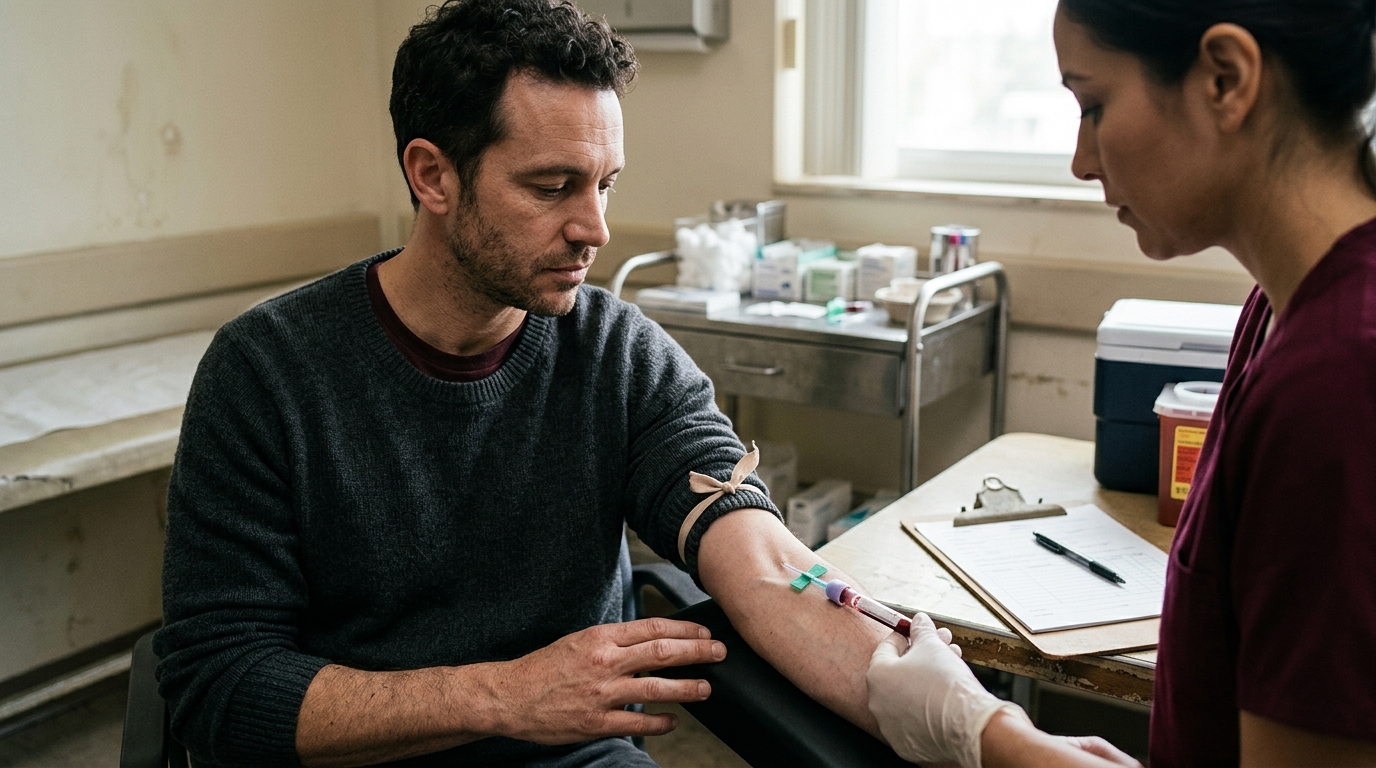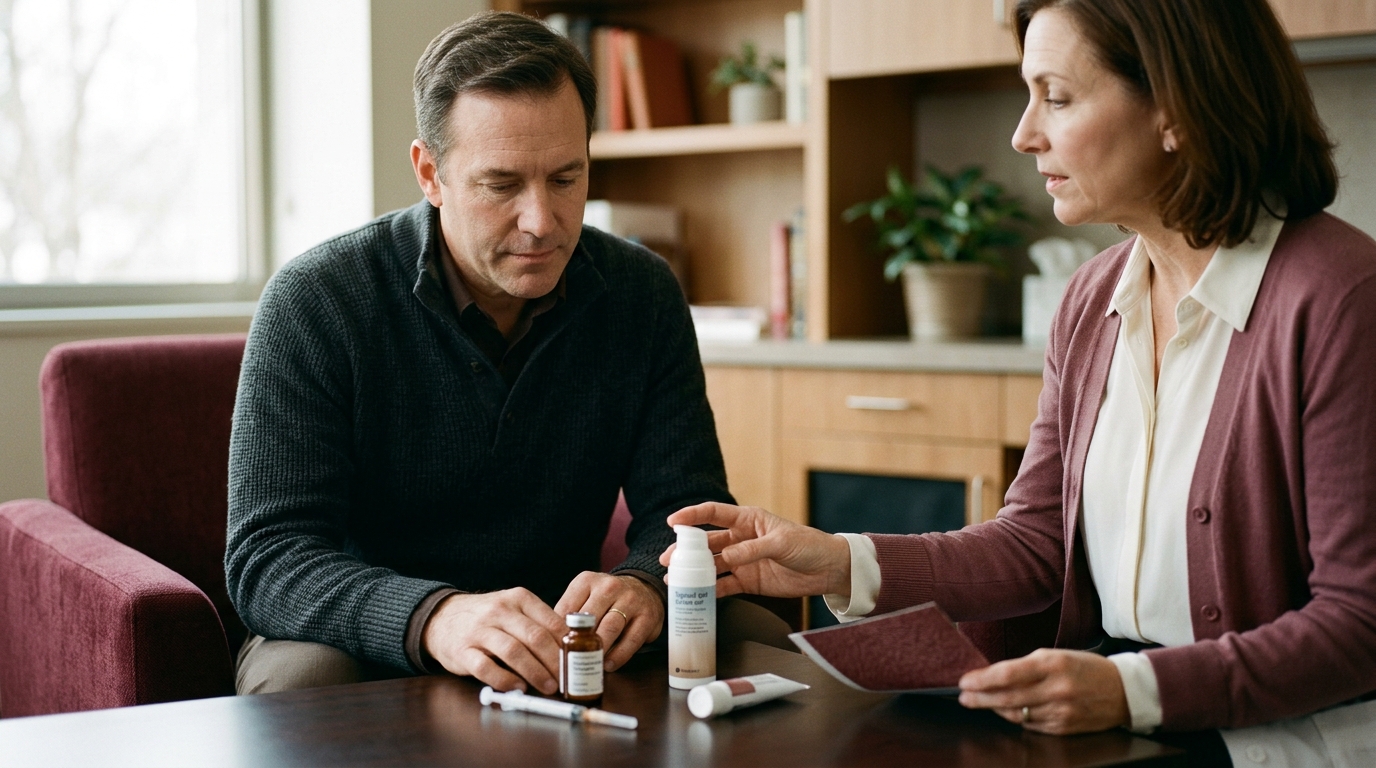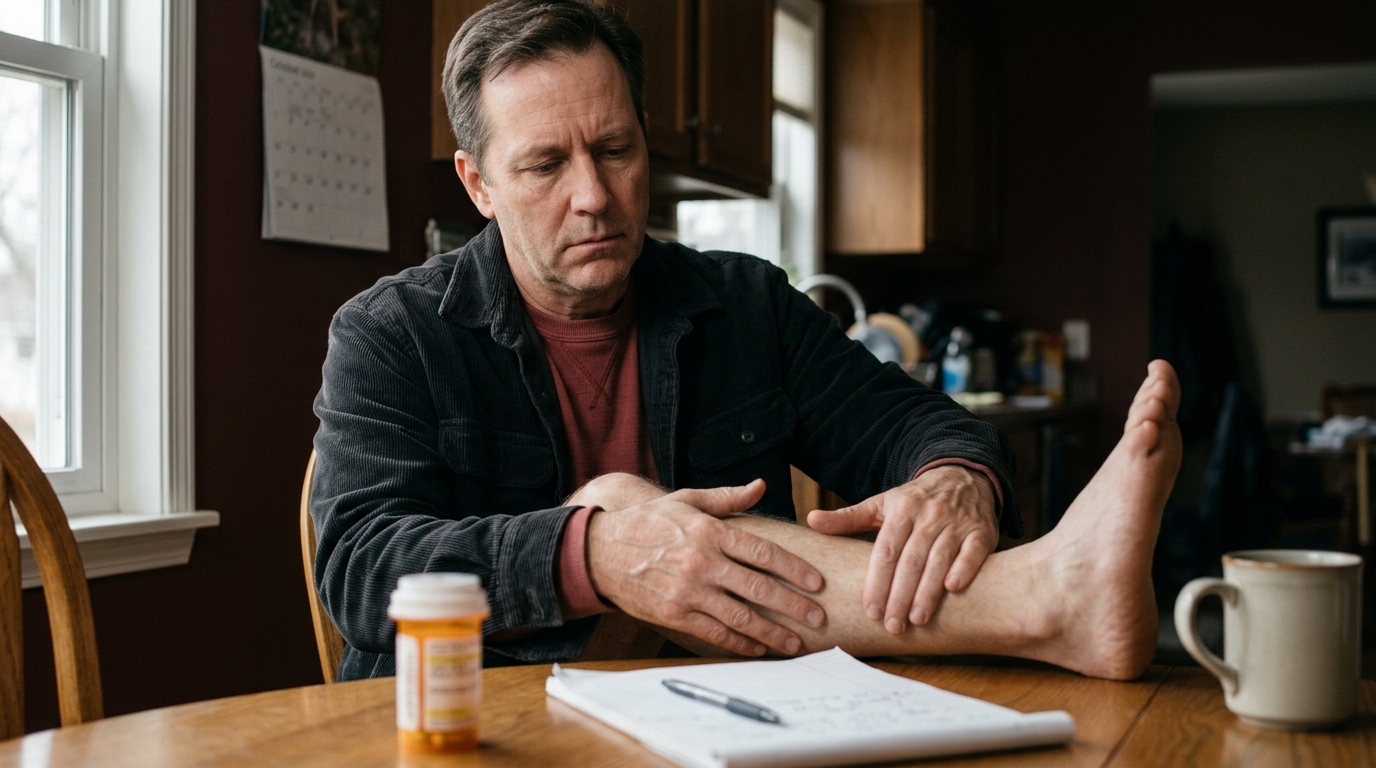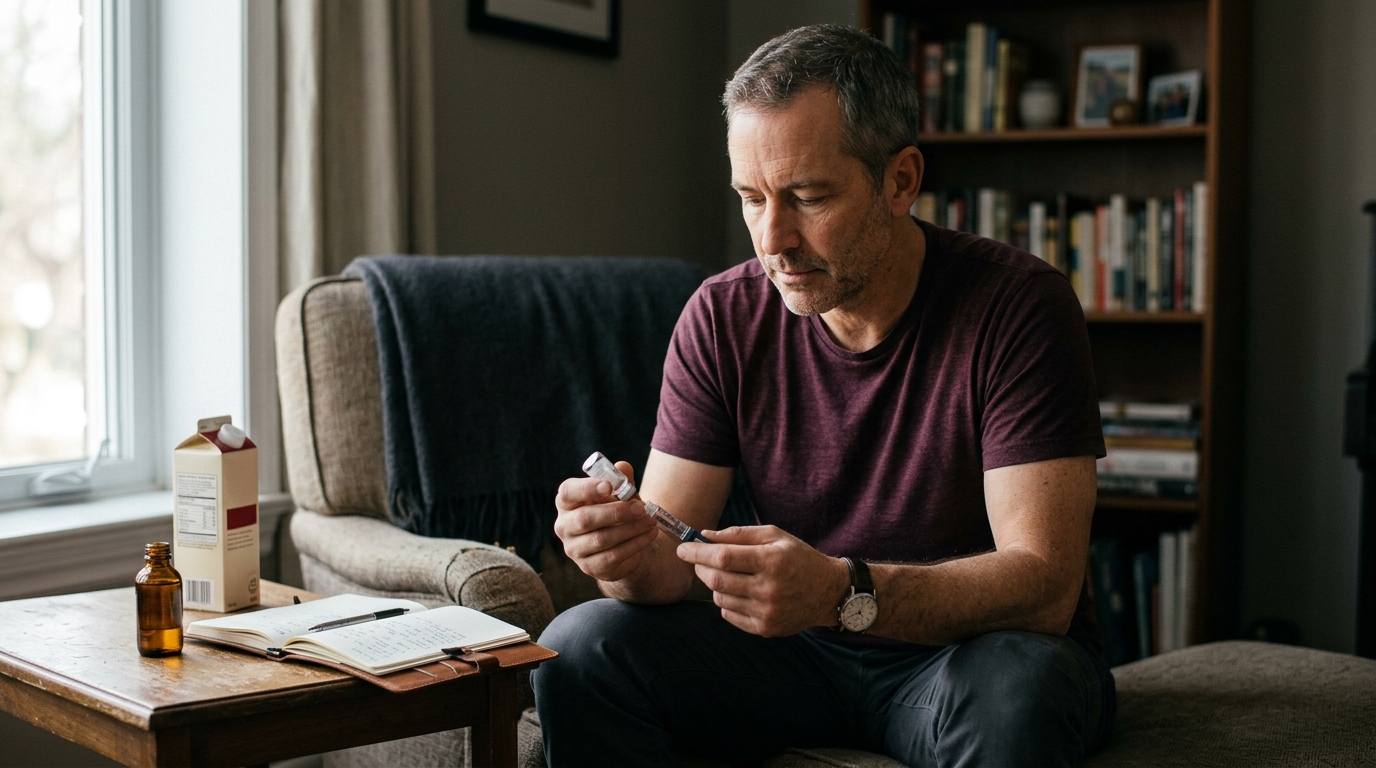

Four practical evaluation models demonstrate how ashwagandha trials show biomarker changes without necessarily delivering reliable symptomatic improvements for low testosterone.





If you search online for ways to support male hormone levels, ashwagandha appears almost immediately. Advertisements often claim that this traditional herb can raise testosterone, rebuild energy, and resolve sexual symptoms. Many men looking for answers about fatigue or changing vitality want to know if these claims are true.
This guide provides a clear, evidence-based review of the research on ashwagandha. We examine what clinical trials actually demonstrate, where the scientific evidence remains limited, and what safety considerations you should weigh before taking any supplement.
This article is for educational purposes only. It does not constitute personal medical advice, diagnosis, or treatment recommendations. Always consult a qualified physician or endocrinologist regarding hormonal symptoms, lab interpretations, or supplement use.
Current human research shows that specific ashwagandha preparations may produce modest, short-term increases in measured testosterone in select groups of men. However, the available data does not establish ashwagandha as an effective medical treatment for testosterone deficiency, erectile dysfunction, or male infertility.
A measurable change in a laboratory blood test does not automatically lead to noticeable improvements in daily symptoms. In clinical trials where hormone levels increased slightly, participants did not always experience meaningful improvements in fatigue, vigor, or sexual well-being compared to placebo groups.
Product quality and formulation vary substantially across the dietary supplement market. Commercial products often differ from the exact extracts tested in academic research, and quality investigations have identified botanical adulteration in some retail brands.
Ashwagandha is not suitable for everyone. It carries documented risks of drug interactions, can alter thyroid function, and has been associated with rare cases of liver injury. Men experiencing symptoms of low testosterone should seek a formal clinical evaluation rather than relying on over-the-counter supplements.
Evaluating male hormonal health requires a structured medical approach rather than guesswork based on nonspecific symptoms. Feelings of low energy, changes in mood, reduced exercise recovery, and lower libido can arise from many different health factors. These factors include chronic sleep deprivation, metabolic dysfunction, psychological stress, medication side effects, and primary endocrine disorders.
Medical organizations provide clear frameworks for defining and identifying true hormone deficiencies. The Endocrine Society recommends diagnosing male hypogonadism only when specific criteria are met. A patient must display persistent clinical signs and symptoms alongside unequivocally and consistently low serum testosterone measurements on laboratory testing.
Hormone concentrations fluctuate naturally throughout the day and can change based on acute illness, recent meals, and sleep quality. Because of this normal biological variation, clinical guidelines advise against relying on a single blood test. Initial testing should consist of a fasting morning total testosterone sample, followed by a second confirmatory morning test drawn on a separate day.
A dietary supplement cannot replace this diagnostic process. An over-the-counter product cannot identify whether a low hormone measurement stems from testicular dysfunction, pituitary signaling problems, or lifestyle factors. Men seeking information about their hormonal health can review foundational testing concepts in our guide to understanding testosterone biomarkers.
Scientific interest in ashwagandha (Withania somnifera) has grown over the past two decades. The National Center for Complementary and Integrative Health notes that limited evidence suggests ashwagandha taken for two to four months may produce modest increases in testosterone levels and sperm quality parameters. However, these findings come from specific study populations and short study durations.
A notable randomized, double-blind, placebo-controlled crossover study examined the effects of an ashwagandha extract in overweight men aged 40 to 70 who reported mild fatigue. The participants took an extract known as Shoden, which provided 21 milligrams of withanolide glycosides daily for an eight-week period.
The trial documented a 14.7 percent greater increase in total testosterone and an 18 percent greater increase in DHEA-S compared to the placebo arm. However, these laboratory changes did not translate into statistically significant improvements in vitality, fatigue reduction, or sexual well-being when compared to the placebo group. This outcome highlights the critical gap between moving a biomarker on paper and producing a tangible clinical benefit in daily life.
Systematic reviews of herbal supplements have identified positive hormone signals for specific ashwagandha root extracts and fenugreek seed extracts. Even so, medical researchers emphasize that these studies share common limitations. Most trials feature small sample sizes, brief intervention windows, differing extraction techniques, and highly selected participant groups. These positive signals do not prove that ashwagandha works as a generalized treatment for men with clinical hypogonadism.
When evaluating scientific literature or commercial claims, you must separate laboratory biomarkers from patient-centered outcomes. A biomarker is an objective physical measurement, such as total serum testosterone, free testosterone, or luteinizing hormone. A patient-centered outcome represents how a person feels, functions, or survives in daily life.
Marketing campaigns frequently blur these two categories together. An advertisement may cite a trial showing a small percentage rise in serum testosterone and claim the product will build muscle, eliminate fatigue, and restore sex drive. As demonstrated in controlled trials, a modest statistical increase in circulating hormones often produces no perceptible change in how a man feels.
Semen analysis parameters follow the same principle. Studies reporting improvements in sperm count or motility describe intermediate surrogate markers. While improved semen parameters are positive indicators, they do not guarantee clinical pregnancy success. You can learn more about how baseline endocrine factors interact with physical wellness in our overview of lifestyle and natural testosterone support.
Clinical trial results apply strictly to the specific preparation, plant part, extraction solvent, and standardized dosage used during the study protocol. The findings from a trial using an eight-week standardized root extract cannot be applied to generic raw root powders or untested commercial blends.
The botanical identity of retail supplements is a recognized challenge in the dietary supplement industry. Ashwagandha preparations traditionally use the root of the plant. However, independent botanical quality investigations have reported that commercial products labeled as pure root extracts sometimes contain substantial amounts of aerial plant parts like stems and leaves.
Regulatory oversight of dietary supplements differs fundamentally from prescription medications. The United States Food and Drug Administration does not evaluate dietary supplements for safety and efficacy before they are sold to the public. Supplement manufacturers can make structure and function claims on labels without prior regulatory approval, provided they include the standard statutory disclaimer.
Third-party testing programs, such as those conducted by NSF International, provide valuable quality assurance by testing products for identity, declared ingredient amounts, and toxic contaminants. However, consumers must understand what third-party seals signify. A quality certification confirms that a capsule contains what its label claims without harmful contaminants, but it does not prove that the product treats low testosterone or improves your health.
Natural botanical ingredients carry real biological activity and potential health risks. Ashwagandha is generally tolerated in short-term research trials lasting up to three months, but data regarding its safety with long-term, continuous use remains insufficient.
Commonly reported mild adverse effects include gastrointestinal distress, nausea, loose stools, and daytime drowsiness. More serious health concerns require careful consideration before starting supplementation.
The medical database LiverTox records rare cases of clinically apparent liver injury linked to ashwagandha consumption. Reported cases generally developed between two and twelve weeks after starting the supplement. Patients presented with jaundice, dark urine, and severe skin itching, showing cholestatic or mixed patterns of liver injury. While these events are uncommon, anyone developing unexplained jaundice or itching while taking ashwagandha should discontinue the supplement and seek immediate medical evaluation.
Certain medical conditions make ashwagandha use inadvisable:
Ashwagandha also presents documented risks for drug interactions. The herb may amplify the effects of central nervous system sedatives, anti-anxiety medications, and sleep aids. It can also interact with blood pressure medications, oral diabetes treatments, immunosuppressive therapies, and synthetic thyroid hormones. A comprehensive discussion with your physician is necessary if you take any prescription medications.
Ashwagandha is frequently grouped under the marketing term "adaptogen" alongside several other herbal extracts. This grouping creates the misleading impression that all adaptogenic herbs share the same clinical evidence and biological mechanisms. Each botanical compound contains unique phytochemicals and behaves differently in the human body.
Treating adaptogens as a single category obscures important clinical differences. For example, clinical data on Eurycoma longifolia cannot be used to justify claims for ashwagandha or Rhodiola rosea.
Every botanical ingredient requires independent verification through well-designed, randomized, placebo-controlled human trials. When evaluating any multi-ingredient male vitality blend, examine each component separately rather than assuming the mixture possesses special combined benefits. Readers can review our detailed analysis of clinical research trends in our testosterone fundamentals section.
Evaluating supplement claims can be difficult when advertisements use complex scientific jargon. The following illustrative models show common misconceptions and demonstrate how to apply a rigorous evaluation standard.
An illustrative scenario involves a 48-year-old man experiencing persistent afternoon fatigue and reduced workout recovery. He reads an advertisement highlighting a 14 percent average testosterone increase from a clinical trial and begins taking the featured ashwagandha extract.
After eight weeks, his follow-up blood test shows a slight increase in total testosterone, but his daily exhaustion and recovery times remain unchanged. This scenario reflects the findings of the 2019 clinical trial in overweight men. A small statistical rise in circulating hormones within the normal range does not guarantee a meaningful change in how a person feels.
In another scenario, a consumer reads a study that used a standardized extract containing 21 milligrams of withanolide glycosides derived exclusively from plant roots. He purchases an inexpensive bottle of bulk ashwagandha powder online, assuming it will provide the same results.
The retail product label does not disclose the plant part used, the extraction method, or any standardized active compound percentages. Independent testing of similar low-cost products has revealed aerial plant material instead of pure root extracts. The consumer cannot expect the study findings to apply to an unstandardized, untested product.
A 42-year-old man notices a gradual decline in morning erections, low libido, and depressed mood. Assuming his symptoms stem entirely from age-related testosterone decline, he spends months cycling through different botanical supplements without clinical testing.
When he finally consults a physician, comprehensive blood testing reveals untreated obstructive sleep apnea and early-stage type 2 diabetes as the true causes of his fatigue and hormonal suppression. Using over-the-counter supplements to self-treat nonspecific symptoms delayed the diagnosis of treatable medical conditions. You can read more about evaluating underlying health factors in our guide to low testosterone signs and causes.
A consumer selects an ashwagandha supplement because the package prominently displays a reputable third-party quality seal. He believes the seal certifies that the product will raise his testosterone and improve his physical strength.
The third-party certification confirms that the capsules were tested for heavy metals, microbial pathogens, and accurate label dosing. The seal does not mean the organization evaluated the herb's ability to alter human hormones or treat a clinical condition.
Before adding ashwagandha or any other hormone-related supplement to your routine, schedule an open discussion with your doctor. A collaborative conversation ensures that you identify the true root causes of your symptoms while avoiding dangerous drug interactions.
Bring the exact supplement bottle or complete ingredient list to your appointment. Your physician or clinical pharmacist can cross-reference the ingredients against your medical history to ensure your safety.
When navigating claims regarding ashwagandha and male hormonal health, use this systematic checklist to assess whether a product or marketing claim is credible.
If you are currently evaluating your hormonal health or considering ashwagandha supplementation, take these practical steps:
Testostra explains testosterone biology, testing, symptoms, lifestyle factors and TRT with careful sourcing and clear clinical limits.



Send us a question, research idea or topic suggestion. Reader questions help shape future Testostra content.
Contact Testostra