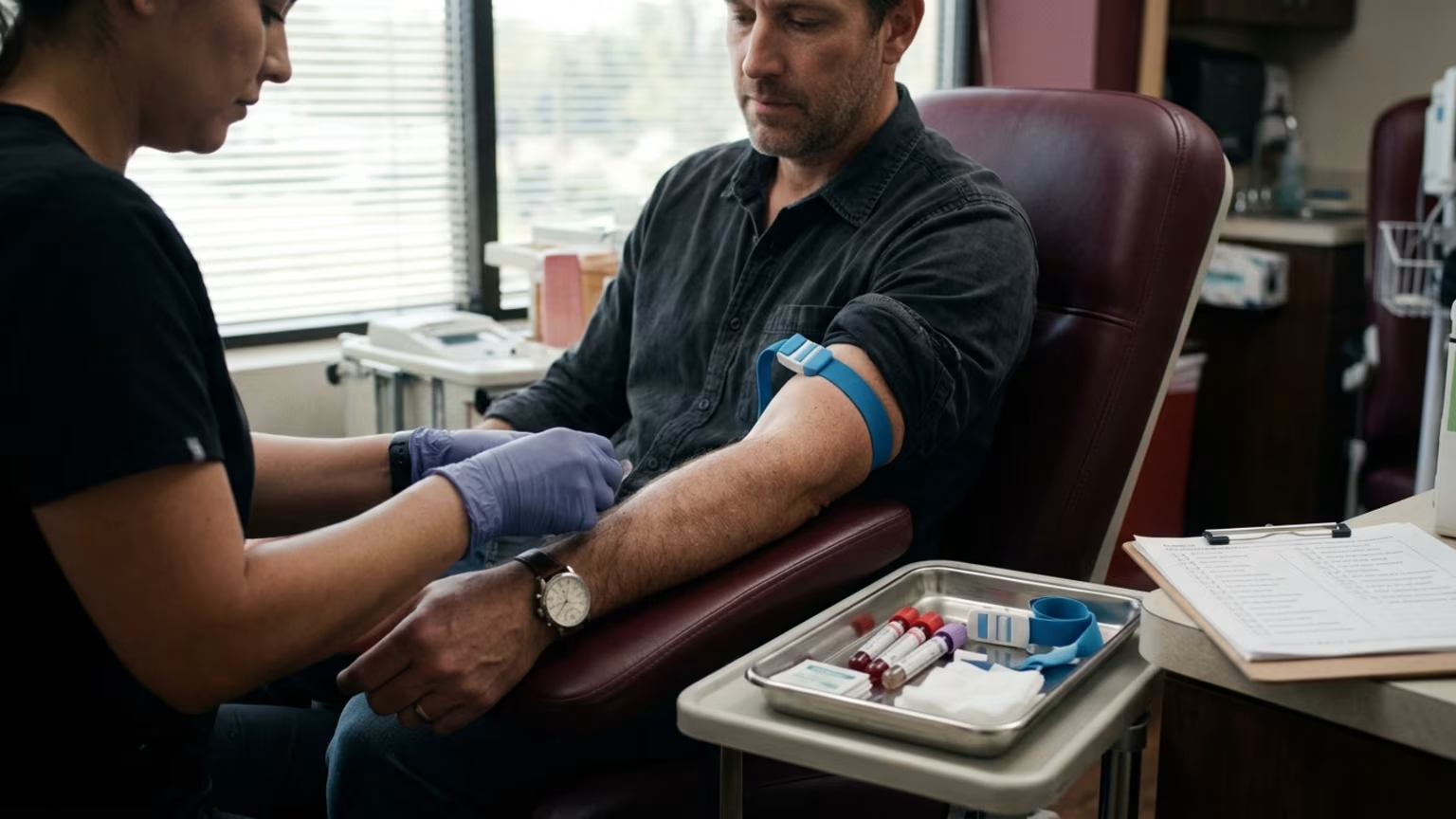

Learn how to prepare for a testosterone blood test with this practical checklist. We cover lab instructions, fasting, morning timing, and sharing medical history.





This diagnostic protocol removes confusion by clearly organizing the specific preparation steps required to secure accurate hormone test results.
The following information is provided strictly for educational purposes. It does not replace professional medical advice. Always consult a qualified healthcare provider for personalized clinical guidance.
Before arriving at a clinic for bloodwork, patients must understand that preparation requirements are not identical for every laboratory. Medical platforms indicate that fasting requirements depend heavily on the specific test ordered by a physician. Some laboratories require an eight to twelve hour fast with only plain water permitted before the blood draw. Other testing facilities might not require strict fasting for a very basic initial evaluation. Patients should always verify these details directly with their specific provider to avoid invalidating their test.
Timing plays an equally critical role in gathering accurate hormonal data. Clinical resources confirm that testosterone samples are usually collected in the early morning hours. This crucial testing window typically falls between 7 and 10 a.m. for most adult men. Testing occurs during these early hours because baseline hormone concentrations naturally peak shortly after waking.
Peak production aligns with standard circadian rhythms, meaning afternoon testing will almost certainly show lower levels than morning testing. Adhering to this precise daily schedule helps clinicians accurately compare patient data against established medical reference ranges. Certain over-the-counter lifestyle supplements can also disrupt the chemical assays used during laboratory blood analysis. Health data specifically shows that high-dose biotin can interfere with various hormone tests.
Laboratory guidance frequently advises patients to stop biotin supplementation at least 72 hours prior to testing. Biotin binds to the reagents used in many lab machines, which can falsely increase or decrease the final reported numbers. Patients must actively ask their healthcare provider if this restriction applies to their specific laboratory order.
Physical stress and acute health events also serve as important variables for accurate testing. Educational clinic materials state that testosterone levels can be affected by poor sleep and acute illness. The human body naturally alters hormone production when fighting an infection or recovering from severe exhaustion. Understanding what to know about fasting before a testosterone test and recognizing physical stressors are vital first steps.
Patients often wonder if they should skip their morning workout before a blood draw. While light movement is generally acceptable, intense physical training immediately before a test can temporarily alter hydration levels and blood volume. It is usually best to schedule your blood draw before engaging in heavy lifting or exhaustive cardiovascular exercise. Maintaining a calm and rested physical state provides a clearer picture of your baseline health.
Dietary choices on the days leading up to the test should remain relatively normal unless directed otherwise. Radically changing your food intake to achieve a better test result defeats the purpose of diagnostic bloodwork. The goal of this assessment is to capture an accurate snapshot of your body functioning under normal, everyday conditions. Honest data collection allows your physician to make the safest and most effective medical recommendations.
Preparing for a clinical hormone evaluation requires careful attention to specific medical instructions. The following numbered steps outline the standard sequence of a diagnostic testosterone evaluation.
Once the testing laboratory processes the blood sample, the resulting medical report contains highly specific biomarker data. A standard male hormone panel typically includes measurements for total testosterone, free testosterone, and sex hormone-binding globulin. Each measured value is presented alongside a standardized clinical reference range, and the report will clearly flag any numbers that fall outside these statistical parameters. These ranges represent the expected normal values derived from large populations of healthy adult men.
Physicians do not rely on a single flagged number to form a definitive clinical opinion. Instead, they carefully structure their review by comparing laboratory data against the patient's physical reality. Educational summaries highlight that clinicians evaluate testosterone deficiency by pairing documented physical symptoms with consistently low laboratory results. This comprehensive approach prevents doctors from overreacting to minor natural fluctuations in the body.
Hormones are highly dynamic, and they respond constantly to daily environmental changes. It is precisely why repeat testing helps separate temporary dips from true clinical conditions. Industry guidance summaries outline Endocrine Society recommendations that specify the need for a repeat fasting morning test. Doctors use this second set of controlled data to confirm or challenge the initial findings.
Patients must strictly avoid using these laboratory printouts for unauthorized self-diagnosis. A low total testosterone number isolated on a single page does not automatically guarantee a chronic medical condition. Proper diagnostic interpretation requires years of specialized clinical training and an understanding of complex biological systems. Patients should review our guide on low testosterone symptoms and what they can tell you to understand the limits of isolated data.
Understanding the difference between total and free hormone levels is another critical component of interpreting lab reports. Total testosterone measures the entire volume of the hormone circulating within your bloodstream. Free testosterone measures only the active fraction that is unattached to binding proteins and available for cellular use. Both numbers provide distinct clinical insights, and physicians analyze them together rather than in isolation.
Sex hormone-binding globulin, commonly abbreviated as SHBG, frequently appears on these comprehensive testing panels. This specific protein regulates how much of the hormone your body can actively utilize. If SHBG levels are remarkably high, your body may struggle to use the hormone efficiently even if total levels appear normal. Physicians evaluate this complex relationship to pinpoint the exact root cause of a patient's physical symptoms.
Receiving laboratory results represents the beginning of a clinical dialogue rather than the end of the evaluation process. Patients should immediately schedule a dedicated follow-up appointment to comprehensively review the data with their prescribing physician. During this consultation, you should focus heavily on discussing how your physical symptoms align with the documented numbers. Bring notes detailing your energy levels, sleep patterns, and any changes in physical performance.
If your initial results fall below standard reference ranges, you should prepare to repeat the entire testing protocol. Your physician will likely order a confirmatory fasting morning test to verify the initial data. You must maintain the exact same preparation standards for this second blood draw. Consistency is the only reliable way to ensure the diagnostic evaluation remains accurate across multiple testing days.
Do not attempt to alter your lifestyle drastically in the days preceding a repeat test in hopes of changing the numbers. Maintain your standard diet, exercise routine, and sleep schedule to provide the doctor with an honest physiological baseline. Continue communicating openly with your healthcare provider about any new medications or recent illnesses. Following these responsible actions ensures your clinician has the objective data required to make sound medical decisions.
If a second test confirms a clinical deficiency, your physician will outline potential treatment pathways or lifestyle modifications. This conversation will cover the specific risks and long-term commitments associated with various medical interventions. You should ask detailed questions about monitoring protocols and what side effects to watch for during any proposed treatment. Making an informed decision requires understanding both the benefits and the strict clinical boundaries of hormone therapy.
Conversely, if your repeat test returns normal results, your doctor will likely explore other underlying causes for your symptoms. Fatigue, mood changes, and physical sluggishness can stem from thyroid issues, vitamin deficiencies, or chronic stress. A normal hormone panel simply redirects the diagnostic focus toward other highly treatable medical conditions. Maintaining patience during this broader medical investigation is crucial for achieving lasting health improvements.
When men attempt to prepare for their initial hormone evaluations, they often experience difficulty separating clinical evidence from marketing and social-media claims. Testostra resolves this confusion about what testosterone numbers mean by providing an evidence-led publication that makes male hormonal health easier to understand. We deliver the clear clinical boundaries patients need without the hype. Read Resources
Testostra follows testosterone research, clinical guidance and emerging evidence without turning general information into personal treatment advice.






Send us a question, research idea or topic suggestion. Reader questions help shape future Testostra content.
Contact Testostra