
A practical framework for tracking daily symptoms, sleep patterns, and training habits helps men document vital lifestyle context alongside formal clinical testosterone testing.





This guide is provided strictly for educational purposes. It does not constitute personal medical advice, clinical diagnosis, or treatment recommendations. Hormone health is complex and requires individualized evaluation by a licensed healthcare professional.
If you suspect you have an endocrine disorder or low testosterone, consult a qualified physician for proper diagnostic testing. Never alter prescribed medications or begin hormone protocols based on self-tracked records or online information.
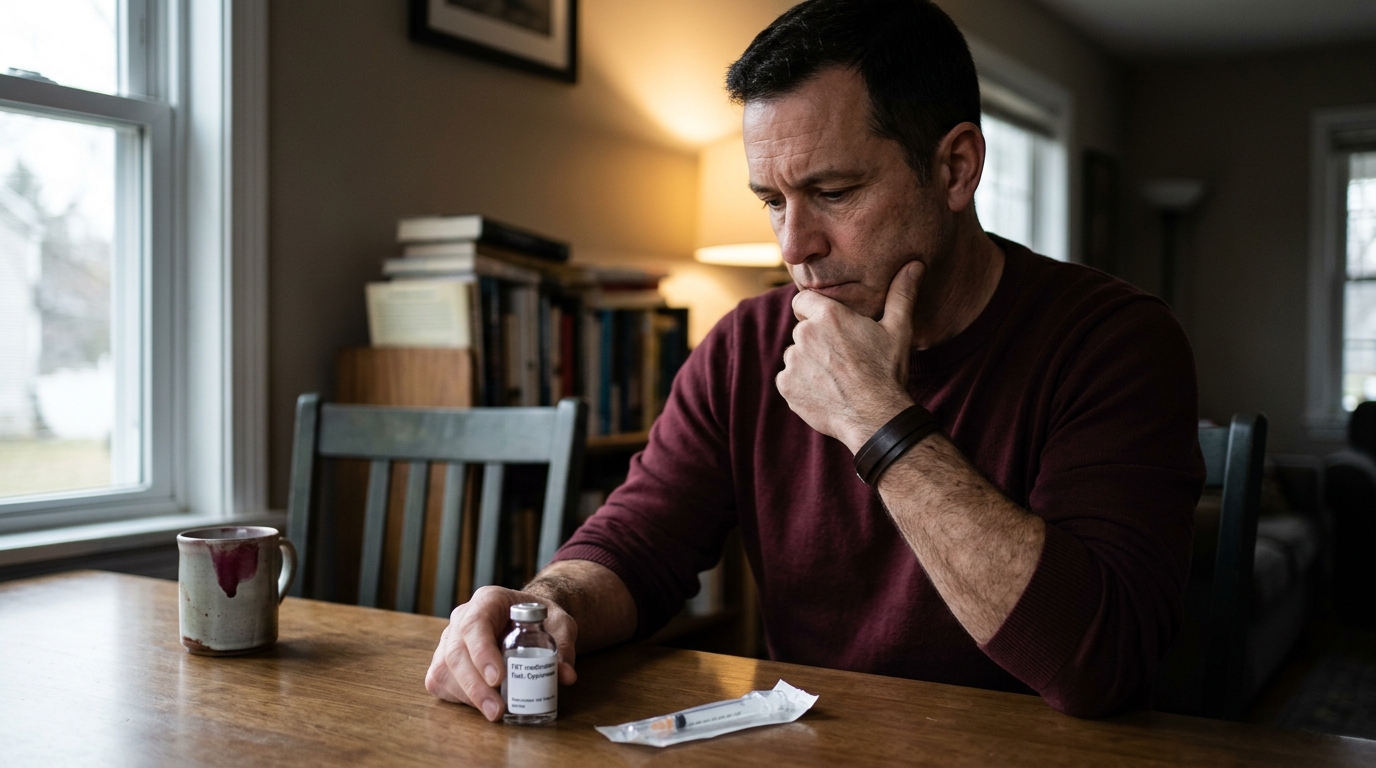
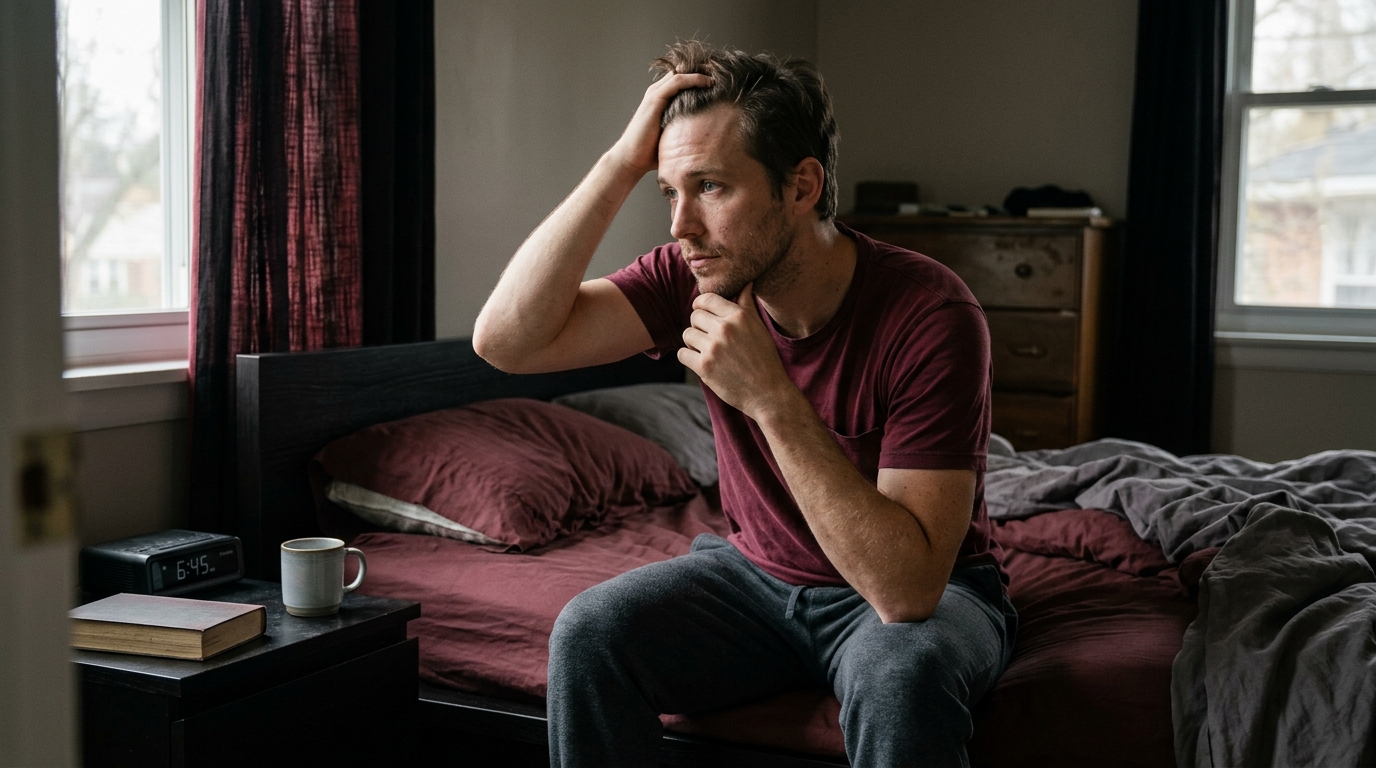
You wake up feeling exhausted after a full night of sleep. Your motivation in the gym has declined over the past month. Your sex drive is noticeably lower than it was last year.
It is natural to wonder whether your testosterone levels have dropped. Many men reach for a smartwatch, an app, or an online symptom quiz to find answers. They hope a simple tool will tell them what is happening inside their body.
Tracking your habits and health markers is valuable, but it is easy to misinterpret the data. A bad week of sleep does not automatically mean you have clinical hypogonadism. A single high or low lab result does not tell your entire hormonal story.
A structured tracking framework helps you spot genuine lifestyle patterns over time. It gives you clear, objective information to share with your doctor. Learning how to organize this data prevents unnecessary anxiety and improves clinical conversations.
Tracking how you feel on a daily basis provides personal insight. However, an accumulation of symptoms is not the same as a medical diagnosis. In clinical practice, diagnosing testosterone deficiency requires two distinct elements. A patient must present with consistent symptoms or signs, and laboratory testing must confirm unequivocally low blood testosterone on repeated occasions.
The Endocrine Society and the American Urological Association emphasize this dual requirement. Having low blood numbers without symptoms does not warrant treatment. Similarly, experiencing fatigue or low mood with normal blood levels indicates that another health issue is responsible.
Symptoms also vary widely in how specifically they point toward a hormone issue. When building a tracking log, it helps to separate what you feel into two distinct categories.
Sexual symptoms carry higher clinical specificity for androgen deficiency. While they can still stem from cardiovascular issues, relationship stress, or medications, their presence warrants attention.
When these symptoms persist for several weeks, document their frequency carefully. Note whether they began suddenly after a major life event or developed gradually over many months.
Many common symptoms associated with low testosterone are highly non-specific. They frequently stem from poor sleep hygiene, mental burnout, chronic stress, or nutritional gaps.
Because these issues have dozens of potential causes, recording your lifestyle context alongside them is essential. Learning more about low testosterone signs and causes can help you understand how clinicians evaluate these overlapping symptoms.
Many men start their research by taking online questionnaires, such as the Androgen Deficiency in the Aging Male (ADAM) questionnaire. While these tools are easy to find, clinical studies show they have notable diagnostic limitations.
The ADAM questionnaire has high sensitivity, which means it rarely misses someone with low testosterone. However, it suffers from very low specificity. It frequently yields a positive result for men whose hormone levels are entirely normal.
General questions about feeling tired, sad, or less energetic will flag almost anyone experiencing routine life stress. For this reason, clinical guidelines do not recommend using symptom scores alone to make diagnostic or treatment decisions. A tracking log should capture observations rather than generate a score.
The goal of a health tracker is consistency over time. Complex spreadsheets with twenty variables often lead to tracking fatigue and abandoned logs after two weeks. A low-burden framework that takes less than two minutes a day is far more sustainable.
Your tracking system should capture basic daily context and then synthesize those points into a weekly review. This structure prevents you from over-analyzing isolated good or bad days.
To keep your log practical, focus on five foundational categories each day. You can record these in a simple notes app or paper journal.
Daily data points can be noisy and misleading. Your weekly review is where meaningful patterns start to emerge. Set aside five minutes every Sunday to summarize the past seven days.
Calculate your average nightly sleep duration across the week. Count how many nights involved broken sleep or significant sleep deprivation. Summarize your total training workload, noting whether your performance improved, stalled, or felt unusually sluggish.
Review your alcohol intake to see if drinking clustered on specific days and how it correlated with sleep quality. If you track body weight, write down your weekly average rather than focusing on daily fluctuations. Finally, write a two-sentence summary describing your overall energy and sexual function during that week.
By compiling these weekly summaries, you create an objective timeline. If you eventually consult a physician, you can present months of clean trend data rather than relying on vague memories. You can read more about sustainable habits within our guide on lifestyle and natural support.
Sleep is one of the most critical lifestyle variables affecting endocrine health. Testosterone synthesis is closely tied to circadian rhythms and sleep architecture. The majority of daily testosterone release occurs during sleep, particularly during deep and rapid eye movement stages.
When tracking sleep, focus on your actual opportunity for rest rather than chasing arbitrary sleep scores from consumer electronics.
Scientific studies demonstrate a clear connection between sleep restriction and daytime hormone concentrations. In a widely cited laboratory study published in JAMA, healthy young men were restricted to five hours of sleep per night for eight nights. Researchers found that their daytime testosterone levels decreased by 10 to 15 percent compared to when they were fully rested.
However, scientific evidence also highlights that individual responses vary. A separate controlled study examining healthy young men found no statistically significant testosterone reduction after short-term severe sleep loss or mild chronic restriction.
These contrasting findings show that sleep loss affects people differently based on baseline health, age, and individual physiology. You should not assume that one night of poor sleep permanently lowers your testosterone. Tracking your sleep helps identify persistent sleep deficits that could explain chronic daytime fatigue.
Smartwatches and fitness rings have made health tracking widely accessible. While these devices provide helpful estimates of total sleep duration and resting heart rate, their sleep-stage metrics have limitations.
Wearable algorithms use movement and heart-rate variability to estimate light, deep, and REM sleep. These estimates are not equivalent to a clinical polysomnography test conducted in a sleep laboratory. Consumer devices cannot measure circulating hormones, regardless of how advanced their software appears.
When logging sleep, prioritize your actual sleep opportunity. Record the time you turned off the lights and the time you got out of bed. If your wearable reports poor sleep quality on a morning when you feel refreshed, trust your physical sensations over the app score.
Certain sleep disruptions have profound effects on hormone regulation and metabolic function. If any of the following factors apply to you, ensure they are documented clearly in your log.
Regular physical activity is vital for maintaining metabolic health, body composition, and cardiovascular fitness. However, exercise also places physiological stress on the body.
Tracking your workouts alongside your recovery markers helps you identify when training stress exceeds your capacity to adapt.
Engaging in heavy resistance training or high-intensity intervals typically causes a brief, transient rise in circulating testosterone immediately following the session. This acute spike generally returns to baseline levels within an hour or two.
Scientific research shows that these short-term workout spikes do not drive long-term muscle growth or baseline hormone changes. Therefore, you do not need to time workouts around hormone tests or try to design workouts purely to spike testosterone.
Instead, use your training log to track consistency, progressive overload, and recovery capacity over time. A balanced routine supports long-term health far better than sporadic, exhausting sessions.
When men dramatically increase their exercise volume while restricting calories to lose body fat, they risk entering a state of low energy availability. This occurs when the energy consumed through food is insufficient to support both daily training demands and basic physiological functions.
In exercising men, prolonged low energy availability can suppress the hypothalamic-pituitary-gonadal axis. The body prioritizes immediate survival functions over reproductive hormone production. Symptoms of this state include declining athletic performance, persistent muscle soreness, chronic fatigue, low libido, and sleep disturbances.
In your log, note whether an increase in workout volume coincided with a strict diet or rapid weight loss. If your performance drops alongside your sex drive, your body may simply be under-fueled. Sharing this context with your doctor prevents premature conclusions about primary testicular or pituitary dysfunction.
Track your exercise by logging simple, objective metrics that indicate your recovery state.
If you notice a downward trend in performance lasting more than three weeks, consider adding an extra rest day or adjusting your caloric intake. Tracking these trends provides a clear view of your overall physical stress load.
Lifestyle tracking should also account for nutritional intake, body weight, and substance use. Alcohol consumption and significant changes in adiposity both influence endocrine function through well-documented physiological pathways.
Research examining the impact of alcohol on testosterone reveals meaningful differences between occasional drinking and chronic heavy use. Studies on acute alcohol consumption show mixed results depending heavily on the dose, timing, and whether food was consumed. Moderate acute drinking may cause minimal or inconsistent shifts in circulating hormone concentrations.
Conversely, chronic heavy alcohol consumption is consistently linked to lower circulating total and free testosterone levels. Systematic reviews and meta-analyses show that long-term excessive drinking can directly impair testicular Leydig cell function and disrupt pituitary signaling.
When tracking alcohol, avoid assuming that a single social drink will ruin your hormone profile. Instead, focus on weekly totals and timing. Log the number of standard drinks and note whether drinking within three hours of bedtime disrupted your sleep quality or resting heart rate.
Adipose tissue is not merely an energy storage depot; it is an active endocrine organ. Adipose tissue contains the aromatase enzyme, which converts circulating testosterone into estradiol. In men with significant excess body fat, increased aromatase activity combined with insulin resistance can lower circulating total testosterone.
If you are tracking weight, measure it under identical conditions. Weigh yourself once or twice a week, immediately upon waking, after using the bathroom, and before eating or drinking. Focus strictly on the multi-week moving average rather than day-to-day scale fluctuations caused by water retention or digestive contents.
Clinical guidelines from the Endocrine Society highlight obesity as a frequent contributor to functional hypogonadism in men. A systematic review and meta-analysis published in the European Journal of Endocrinology found that weight loss through lifestyle interventions or bariatric surgery was associated with meaningful increases in total testosterone among obese men.
However, these findings represent group averages in controlled clinical studies, not guaranteed outcomes for every individual. Weight loss should be approached as a foundational strategy for metabolic and cardiovascular health rather than a guaranteed cure for low hormone numbers. Tracking your weight alongside energy and libido helps you evaluate how body composition changes correlate with your overall wellbeing. Explore more in our guide on lifestyle and natural testosterone support.
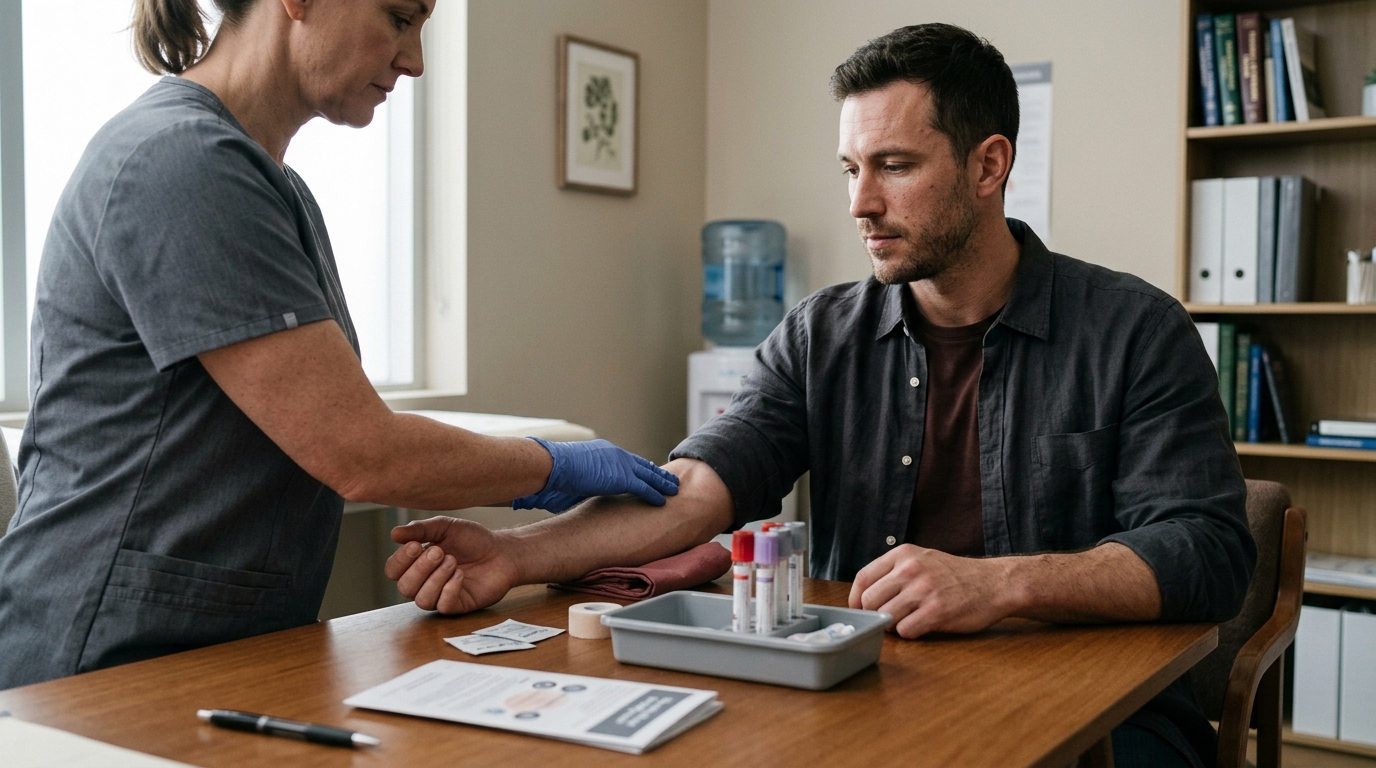
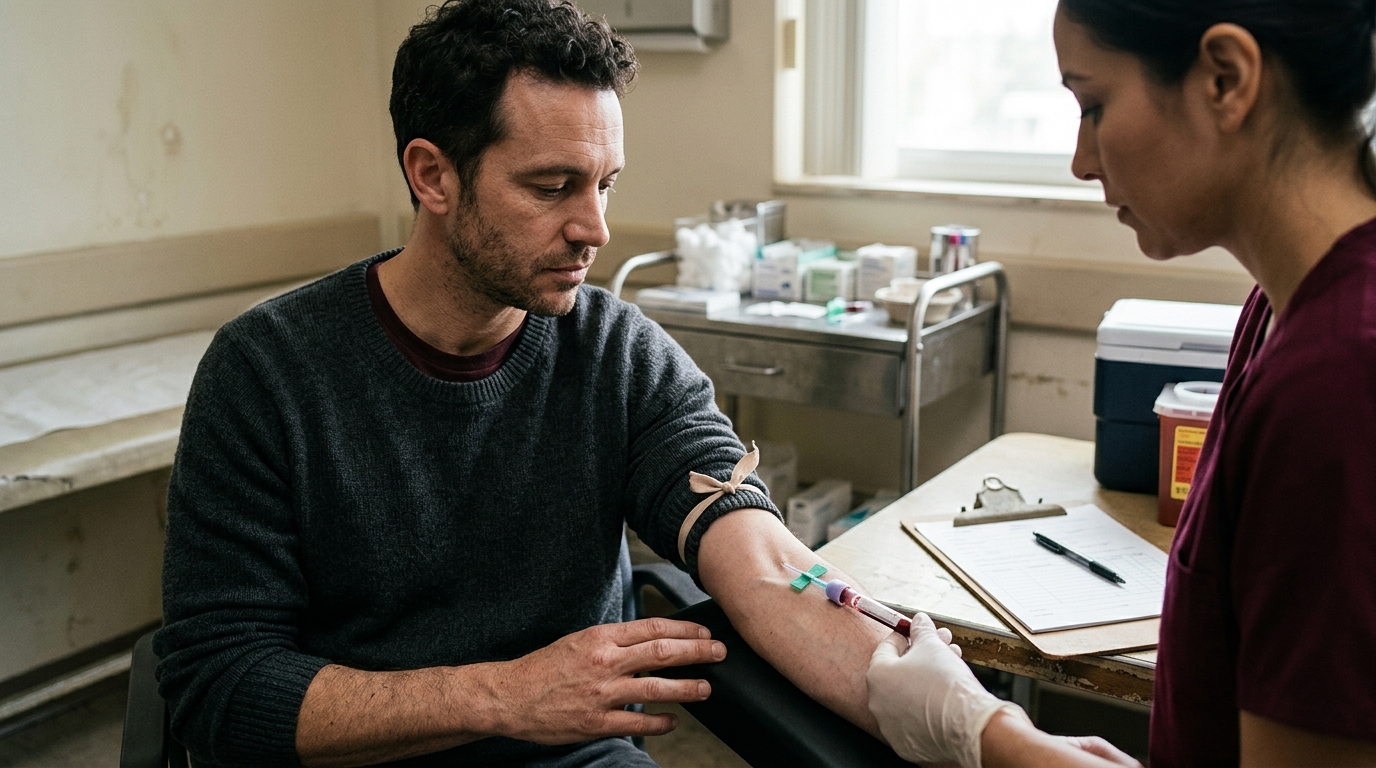
While lifestyle tracking captures your day-to-day context, formal diagnostic evaluation relies entirely on validated laboratory blood tests. Understanding what these tests measure and how they must be conducted prevents common interpretation errors.
Total testosterone measures all testosterone circulating in your bloodstream. This includes hormone bound tightly to sex hormone-binding globulin (SHBG), hormone bound loosely to albumin, and unbound free hormone.
Circadian biology dictates that testosterone levels follow a distinct diurnal rhythm. Concentrations typically peak in the early morning hours, between 7:00 AM and 10:00 AM, before gradually declining throughout the afternoon and evening. This diurnal variation is especially prominent in young and middle-aged men.
Because clinical reference ranges are established using morning samples, guidelines from the Endocrine Society and the American Urological Association require morning blood draws. Furthermore, tests should be drawn in a fasting state, as consuming a meal, particularly one high in glucose or fat, can temporarily lower circulating testosterone by 20 to 30 percent.
In many situations, total testosterone alone does not provide a complete clinical picture. Roughly 40 to 60 percent of circulating testosterone is bound tightly to SHBG, rendering it unavailable for immediate tissue uptake. Another large portion is loosely bound to albumin, leaving approximately 1 to 2 percent as unbound, biologically active free testosterone.
Conditions such as obesity, insulin resistance, type 2 diabetes, and hypothyroidism can significantly lower SHBG concentrations. When SHBG is abnormally low, total testosterone may appear deficient even if free testosterone concentrations remain within the normal range. Conversely, aging and hyperthyroidism can raise SHBG, leading to normal total numbers despite low free hormone availability.
When total testosterone results fall into a borderline range, typically between 250 and 350 ng/dL, clinicians often order free testosterone and SHBG measurements. Always rely on certified laboratory assays rather than unvalidated online calculators. You can learn more by browsing our resources on testing and biomarkers.
A single laboratory test should never be used to diagnose an endocrine condition. Day-to-day biological variation in hormone levels is substantial. A man can test below the reference range on Monday due to poor sleep, acute stress, or an impending viral illness, only to test well within the normal range the following week.
The American Urological Association explicitly recommends obtaining at least two separate morning fasting blood tests on different days before establishing a diagnosis of testosterone deficiency. Both tests should ideally be processed by the same certified laboratory using identical assay methods to ensure consistency.
The internet is filled with conflicting advice regarding male hormones. Differentiating established clinical consensus from preliminary research is crucial when interpreting your tracked data.
When researching hormone health, understand the hierarchy of scientific evidence. Clinical guidelines published by organizations such as the Endocrine Society and the American Urological Association represent rigorous consensus. They review hundreds of peer-reviewed studies to establish reliable diagnostic thresholds and treatment protocols.
In contrast, many popular claims about sleep, supplements, and exercise originate from small, short-term laboratory studies. A study examining eight young men in a sleep lab provides valuable physiological clues, but it cannot be generalized as a universal rule for all men. Always give more weight to large-scale clinical trials, systematic reviews, and professional guidelines.
Observational studies frequently identify correlations between lifestyle factors and hormone concentrations. For example, large population surveys demonstrate that men who exercise regularly, maintain a healthy body weight, and sleep seven to eight hours per night tend to have higher average testosterone levels than sedentary, sleep-deprived men.
While these population trends are clear, they cannot predict what will happen in your individual body on a specific day. You cannot assume that sleeping an extra hour tonight will increase your testosterone by a specific percentage tomorrow. Tracking is meant to optimize your personal lifestyle context over months, not provide minute-by-minute hormone forecasts.
As you develop your tracking routine, watch out for several common mental traps that can skew your perspective.
To see how this tracking framework functions in real-world situations, consider the following illustrative models. These examples demonstrate how recording context helps clarify health trends.
A 38-year-old professional notices a gradual decline in daytime focus, increasing irritability, and morning fatigue over six weeks. Rather than assuming his hormones have crashed, he reviews his tracker.
His log reveals that a recent project required working late, pushing his average sleep from seven and a half hours down to five hours per night. His sexual health markers remained stable, with normal morning erections and unchanged libido.
Because his symptoms are non-specific and directly aligned with a documented sleep deficit, his primary focus should be restoring his sleep schedule. If fatigue persists after a month of adequate sleep, he can bring his log to a doctor for further evaluation.
A 32-year-old amateur athlete decides to rapidly cut body fat while preparing for a marathon. He logs four running sessions and three heavy lifting workouts per week while cutting his daily caloric intake significantly.
Over five weeks, his tracker shows a sharp decline in workout performance, zero morning erections, severely reduced libido, and difficulty sleeping through the night.
His log highlights a clear pattern of low energy availability and training overreach. Instead of seeking hormone replacement, he shares this data with a sports dietitian and physician. Restoring caloric balance and adding rest days allows his reproductive and nervous systems to recover naturally.
A 45-year-old man feels sluggish and requests a hormone panel during a routine physical. The blood draw occurs at 2:30 PM, several hours after a large lunch, during a week when he was recovering from a sinus infection.
The lab returns a total testosterone result of 240 ng/dL, causing immediate distress. However, reviewing clinical guidelines reveals that afternoon timing, non-fasting status, and acute illness significantly depress test results.
He schedules a repeat test two weeks later under proper conditions: 8:00 AM, fasting, fully recovered from illness. The repeat test returns at 420 ng/dL, well within the normal reference range. Tracking his testing context prevented an inaccurate assumption of deficiency.
A well-maintained tracking log is an exceptional tool for your next medical appointment. Doctors appreciate concise, objective timelines that detail your symptoms, duration, and lifestyle context.
When preparing for your clinical visit, organize your thoughts and bring your weekly summaries. You can review foundational concepts on testosterone health and research to better understand the terminology your doctor may use.
Before stepping into the clinic, write down a brief summary containing the following information:
Engage your healthcare provider with clear, informed questions to help guide the diagnostic process:
Return to this framework whenever you notice a meaningful shift in your health, such as new persistent symptoms, changes in training volume, or shifts in your sleep schedule. You should also review these tracking principles before scheduling any laboratory testing to ensure your blood draws follow clinical standards.
Maintaining a clear, objective record of your daily habits allows you to understand your body with calm clarity and take control of your health discussions.
Testostra explains testosterone biology, testing, symptoms, lifestyle factors and TRT with careful sourcing and clear clinical limits.



Send us a question, research idea or topic suggestion. Reader questions help shape future Testostra content.
Contact Testostra