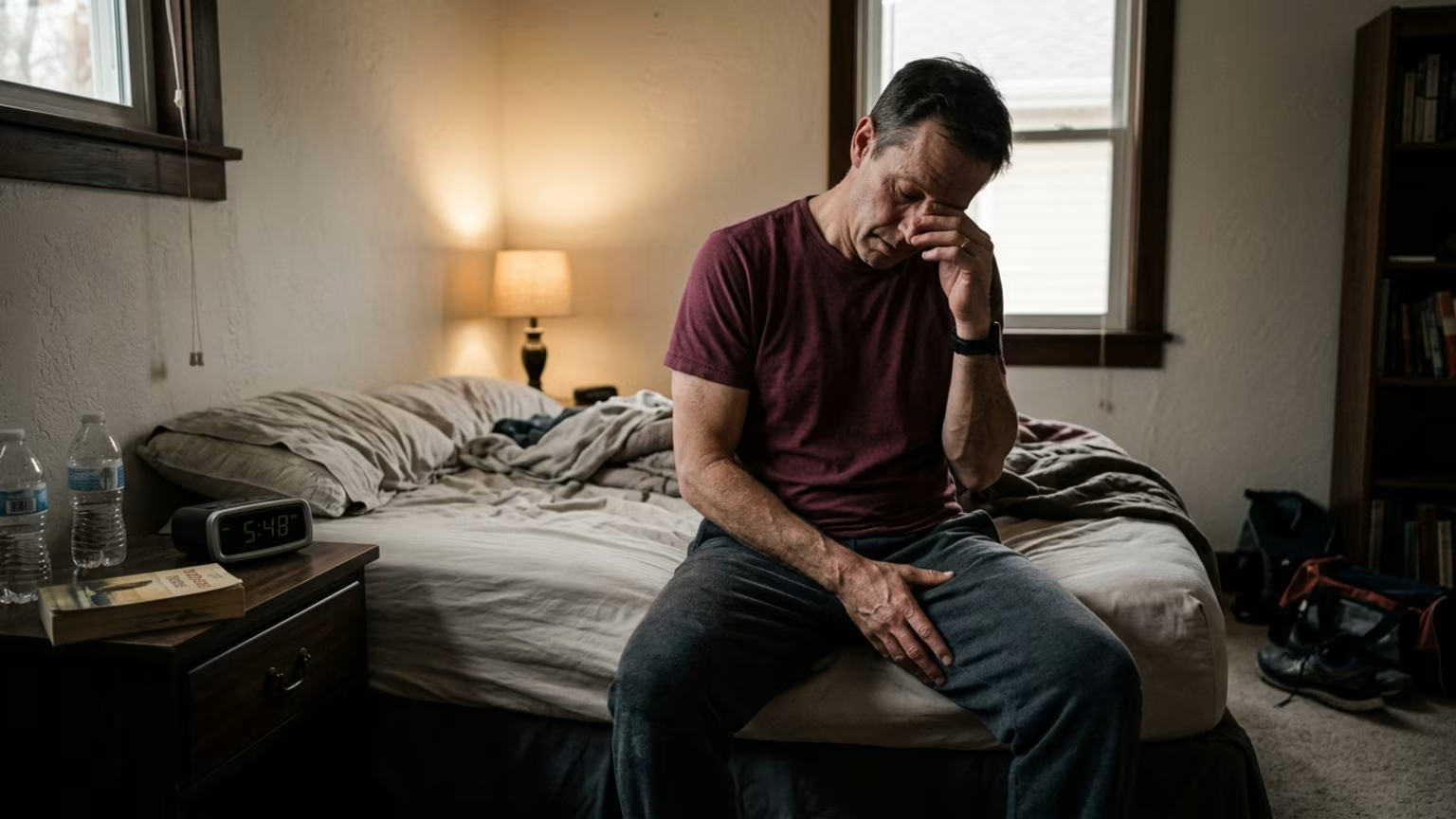

A recent review examines how acute sleep loss temporarily lowers testosterone and muscle protein synthesis, clarifying the boundaries of short-term stress.





On September 30, 2026, Science Insights published a review outlining how acute sleep deprivation affects male hormone levels and physical recovery. The publication highlights specific short-term changes in muscle protein synthesis, cortisol, and testosterone following disrupted rest.
This article is for informational purposes only and does not constitute medical advice. Readers should consult a qualified healthcare professional before making any changes to their health routines, interpreting laboratory results, or treating potential hormonal imbalances.
The recent review from Science Insights examines the immediate bodily response to severe rest restriction. It details how a single night of total sleep deprivation alters key markers of muscle recovery and endocrine function. According to the publication, this complete lack of sleep resulted in a 24 percent decrease in testosterone. This significant drop highlights the immediate sensitivity of the male endocrine system to environmental stress.
The precise hormonal balance of the human body depends heavily on regular rest cycles. When rest is severely restricted, the endocrine system must adjust rapidly to the new biological demands. The 24 percent drop in testosterone reflects this immediate recalibration. It is a direct physiological response rather than an indicator of permanent glandular failure.
The same review notes significant changes in other recovery markers alongside the testosterone drop. Muscle protein synthesis decreased by approximately 18 percent following the single sleepless night. Concurrently, cortisol levels rose by 21 percent. Science Insights describes this short-term hormonal pattern as a catabolic environment, meaning the body temporarily shifts away from building and repairing tissue.
Cortisol is a primary stress hormone that mobilizes energy reserves during challenging situations. The 21 percent rise demonstrates a significant stress response to forced wakefulness. Elevated cortisol can temporarily suppress reproductive hormone pathways to conserve bodily resources. This physiological triage mechanism effectively explains the concurrent drop in testosterone reported by Science Insights.
Muscle protein synthesis is the biological mechanism through which the body repairs structural damage from daily activities. The reported 18 percent decrease indicates that complete sleep loss noticeably impairs this recovery function. Without adequate rest, these physical repair processes slow down significantly. Understanding how daily stress and sleep influence temporary hormonal changes helps clarify why men often experience immediate fatigue after poor rest.
The publication also reviewed the effects of partial sleep restriction over a longer period. It found that five nights of limiting sleep to four hours reduced muscle protein synthesis. However, when individuals engaged in high-intensity exercise during this period, their protein synthesis remained at normal levels. This observation suggests that the body responds to acute mechanical stress by prioritizing muscle repair, even when sleep is limited.
Additional reports from Men’s Journal and a Dove Medical Press review corroborate some of these acute physiological changes. Both outlets reference a randomized crossover study involving 13 healthy young adults. This specific trial reported the same 18 percent reduction in muscle protein synthesis and 21 percent increase in cortisol after one night without sleep.
By maintaining normal protein synthesis through exercise, the body demonstrates significant physical resilience. High-intensity training creates a localized demand for tissue repair. This mechanical stimulus appears capable of overriding the negative protein synthesis effects of partial sleep restriction. Readers investigating the established science behind hormones and physical training will find this distinction between hormonal drops and localized protein maintenance particularly relevant.
The Science Insights review also argued that adequate dietary protein supports these muscle-building responses. Proper nutrition provides the necessary building blocks for physical recovery after exercise. While the reviewed material does not provide a specific protein prescription, it reinforces the foundational role of diet. Patients must view nutrition and exercise as supportive daily habits rather than direct treatments for complex endocrine disorders.
While the reported figures are specific, the context of these measurements is highly constrained. The 24 percent reduction in testosterone describes an acute response to one sleepless night. The source material does not establish that this decrease persists after normal rest resumes. It is crucial to view these numbers as a snapshot of immediate stress rather than a permanent physiological shift.
Furthermore, these findings do not represent evidence of chronic testosterone deficiency. A single-night result cannot serve as a universal prediction for long-term hormonal health. The Science Insights review does not provide detailed study design information regarding how these percentages might vary across different ages or health conditions. Extrapolating a transient hormonal drop into a lifelong clinical diagnosis misrepresents the current evidence.
Understanding the scope of these measurements prevents patients from drawing incorrect clinical conclusions. The reported figures describe what happens in the immediate aftermath of complete sleep loss. The research does not track these specific markers after the participants returned to normal resting habits. Therefore, the data cannot confirm any lasting damage to the male endocrine system.
The corroborating randomized crossover study cited by Men’s Journal and Dove Medical Press involved a very small sample size. Researchers observed just 13 healthy young adults. This demographic limitation means the results cannot automatically be applied to older men or individuals with existing medical conditions. Small sample sizes are common in tightly controlled physiological trials, but they restrict broader population assumptions.
Furthermore, healthy young adults typically possess robust hormone production capabilities. Their bodies can generally absorb and recover from acute stressors rapidly. Men who are older or managing existing medical conditions might experience different physiological reactions to severe sleep deprivation. The reviewed literature does not address these more complex demographic scenarios.
Crucially, these studies do not involve men with diagnosed hypogonadism. The physiological responses of healthy young adults to sleep deprivation differ fundamentally from the chronic hormonal patterns seen in clinical deficiency. Patients researching how chronic breathing interruptions affect male hormone levels face an entirely different clinical reality than healthy men missing a single night of rest. Acute stress studies cannot map directly onto chronic medical conditions.
The exercise findings also carry specific limitations. The observation that high-intensity exercise maintained normal protein synthesis during short-term sleep restriction only applies to that exact marker. The research does not report that this exercise condition restored testosterone levels or acted as a treatment for hypogonadism. Readers must keep the physical outcomes strictly separate from the hormonal measurements.
The latest research reinforces the known biological links between rest and immediate physical recovery. However, this information should not immediately change current medical practice regarding hormone evaluation. The findings emphasize that sleep loss causes short-term fluctuations, which clinicians already account for during diagnostic testing. Medical practice relies on sustained, consistent data rather than single stress events.
The medical community depends on stable baseline measurements to diagnose endocrine disorders accurately. Because severe sleep loss dramatically alters short-term hormone production, it complicates the diagnostic process. A 24 percent drop in testosterone creates a misleading snapshot of a patient's true glandular health. This variability is why clinical guidelines demand that testing occurs under normalized, controlled conditions.
A temporary hormonal drop following total sleep deprivation does not equate to a clinical diagnosis. Transient hormonal changes are not equivalent to clinical hypogonadism. Medical professionals require consistent, repeated testing to diagnose true deficiency. Patients must undergo laboratory work when their bodies are not actively managing acute stressors like extreme sleep loss.
When patients encounter research demonstrating significant hormonal drops, they may unnecessarily worry about their long-term health. It is essential to separate acute physiological reactions from permanent biological changes. A temporary shift in cortisol or testosterone reflects the body appropriately managing an immediate stressor. It does not mean the endocrine system is failing or requires medical intervention.
For men concerned about their hormone levels, sleep remains a relevant contextual factor rather than a standalone diagnostic tool. The sources retrieved for this review do not establish a sleep-based protocol for diagnosing or treating low testosterone. Reliable evaluation still depends on verified clinical protocols and properly calibrated testing timelines. Consistent, properly timed blood work provides the only clear path to understanding individual hormonal health.
The relationship between exercise and protein synthesis provides useful context for daily physical routines. Maintaining physical activity during periods of poor sleep may help preserve localized muscle maintenance processes. However, clinicians should not conflate this physical response with systemic hormonal correction. The reviewed data does not support prescribing high-intensity exercise as a medical treatment for clinical hypogonadism.
Ultimately, while resistance training and dietary protein support physical recovery, the current evidence does not justify using them to reverse chronic hormonal deficiency. Men experiencing persistent symptoms of low testosterone should seek objective medical evaluation. They must base their healthcare decisions on clinical assessments rather than acute physiological responses to short-term sleep restriction.
When men see studies showing significant hormonal drops after poor sleep, they often struggle to distinguish between normal acute stress responses and permanent endocrine issues. Testostra directly resolves this confusion about what testosterone numbers mean by clarifying the boundaries between short-term fluctuations and clinical diagnoses. We provide the objective context patients require to evaluate their physical symptoms accurately and pursue appropriate medical testing.
Testostra follows testosterone research, clinical guidance and emerging evidence without turning general information into personal treatment advice.






Send us a question, research idea or topic suggestion. Reader questions help shape future Testostra content.
Contact Testostra