
Strenuous exercise directly impacts testosterone blood test results by creating acute hormonal shifts that can easily distort baseline diagnostic measurements.





This resource provides educational information about male hormones, exercise physiology, and clinical laboratory testing. It does not provide medical advice, diagnosis, or treatment protocols. Hormone levels vary naturally based on numerous physical, behavioral, and environmental factors. Always consult a qualified healthcare provider for personal diagnostic testing and medical guidance.
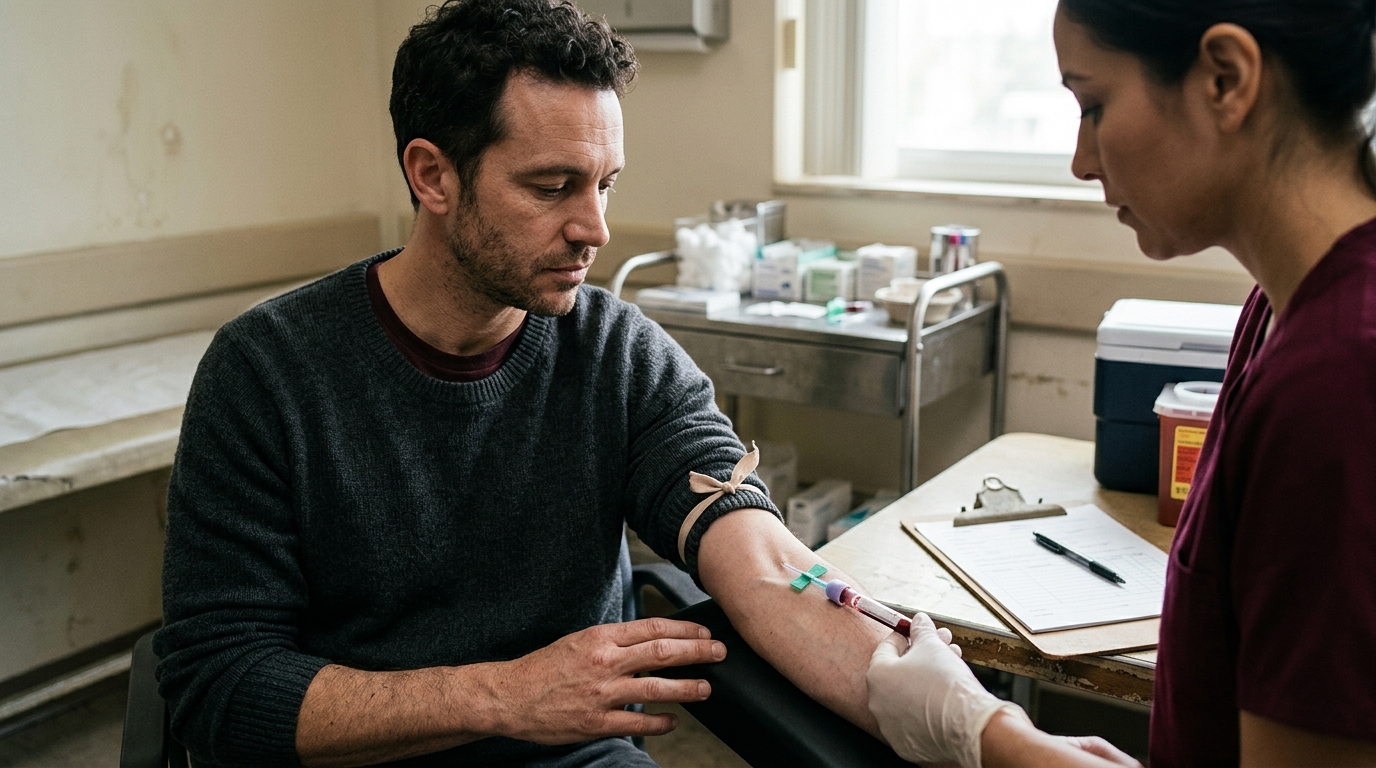
A man finishes a heavy weightlifting session on a Tuesday evening. He drinks a protein shake, sleeps seven hours, and arrives at a clinic at 8:00 a.m. the following morning for a routine blood draw. When the laboratory report returns, his total testosterone reads lower than expected.
He immediately wonders what went wrong. Did the hard training session deplete his testosterone reserves? Did lifting weights temporarily suppress his endocrine system, or did it fail to trigger the hormonal boost promised by fitness culture?
These questions highlight a widespread issue in modern health tracking. People often struggle to separate a short-term physiological reaction from their true baseline health. When evaluating clinical low testosterone, single numbers rarely tell the complete story. Understanding how exercise timing, training volume, and laboratory standards interact is essential for interpreting hormone tests accurately.
Testosterone concentrations in the human body are dynamic. They respond continuously to physical stress, rest, food intake, and the natural daily clock. Recognizing how these variables interact prevents unnecessary alarm over a single laboratory result.
To make sense of testosterone data, one must understand the distinct difference between diagnostic blood testing and exercise-response research. These two contexts ask fundamentally different biological questions.
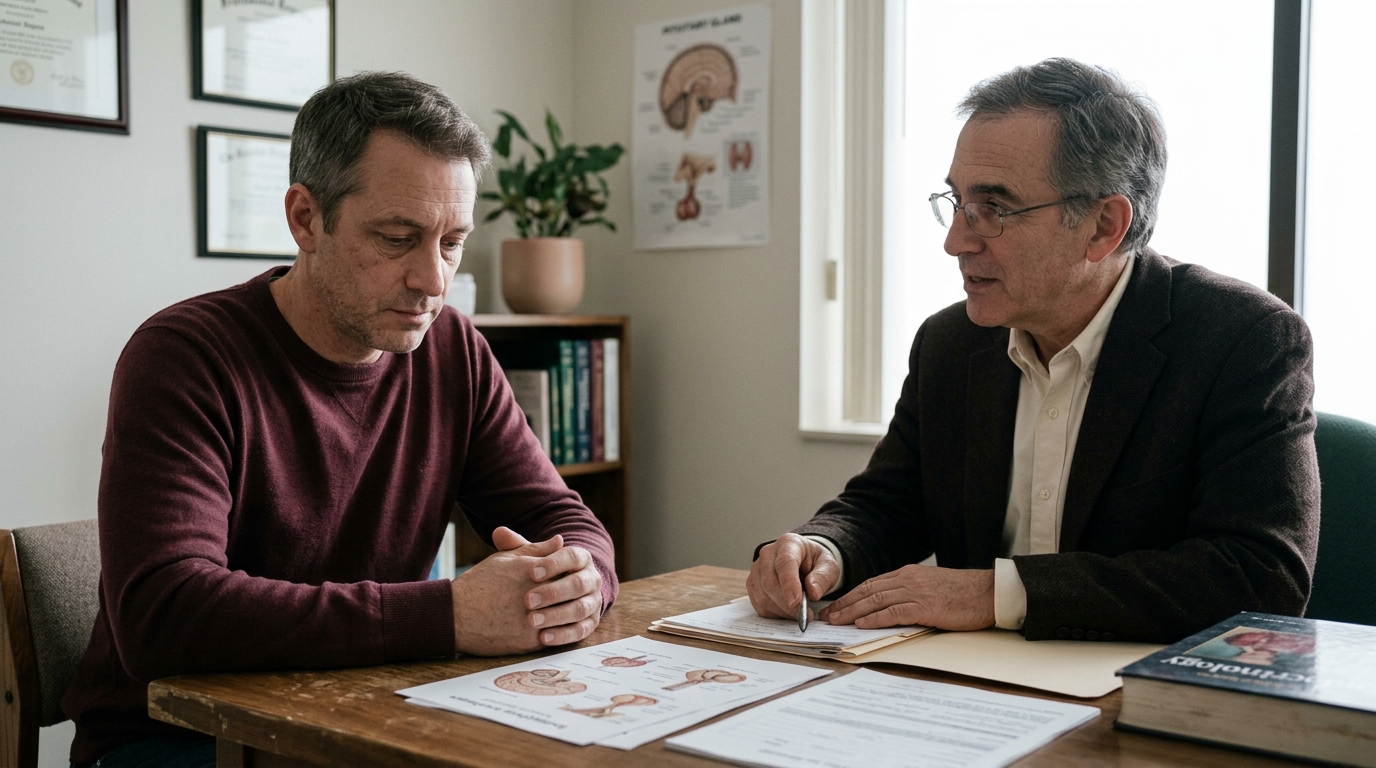
Diagnostic testing attempts to measure an individual's steady-state, resting hormone production under standardized conditions. A physician uses this baseline to determine whether a patient produces adequate hormones for daily health. Clinical guidelines from the Endocrine Society emphasize that a diagnosis of hypogonadism requires persistent symptoms paired with unequivocally low testosterone on multiple occasions.
Exercise-response sampling deliberately evaluates how the endocrine system reacts to physical work. Researchers draw blood immediately before, during, and at precise intervals after an exercise bout. These studies track acute spikes, clearance rates, and receptor interactions.
Conflating these two testing goals creates substantial confusion. If you complete a strenuous workout right before a diagnostic blood draw, the laboratory captures a moving target rather than a stable resting baseline. A post-exercise reading reflects temporary fluid shifts, metabolic clearance, and acute stress responses. It does not accurately reflect your baseline endocrine capacity.
Physical activity initiates rapid changes in blood flow, sympathetic nervous system activity, and endocrine secretion. The exact hormonal trajectory depends heavily on the type of exercise, its intensity, and the total duration.
A systematic review of 15 randomized controlled trials with 251 participants evaluated how different exercise modes alter acute testosterone dynamics. The researchers found that resistance training generally produced a larger immediate increase in testosterone than steady-state aerobic exercise. Following resistance exercise, testosterone concentrations also took longer to drift back to starting levels. After moderate aerobic sessions, hormone concentrations typically returned to baseline within an hour.
The mechanisms behind these acute increases involve multiple physiological pathways. During heavy lifting, increased heart rate and sympathetic tone stimulate hormone release from the testes and adrenal glands. Reductions in hepatic blood flow temporarily slow the liver's clearance of circulating hormones. Plasma volume also decreases slightly through sweating and fluid shifts, concentrating the hormones already present in the bloodstream.
However, these post-exercise elevations are brief. They represent a temporary response to mechanical and metabolic stress rather than a permanent upward shift in baseline production. A blood sample drawn 30 minutes after heavy squats will likely show a different value than a sample drawn the following morning. Knowing the basics of basic testosterone physiology helps put these acute spikes into proper perspective.
While moderate resistance work often creates a brief upward spike, extreme physical demands can produce the opposite effect. Strenuous, prolonged exertion places significant metabolic stress on the hypothalamic-pituitary-gonadal axis.
In one study evaluating high-intensity interval training, researchers observed a multi-phase hormonal pattern. Total testosterone rose immediately after the interval session ended. It returned to starting levels within 15 to 30 minutes, but then dropped below the original baseline between 60 and 180 minutes post-exercise. By 24 hours of recovery, testosterone concentrations had fully normalized.
Prolonged endurance activities present a similar pattern. Multi-hour running, cycling, or intense operational training can cause a transient suppression of testosterone. Prolonged energy expenditure and sustained elevations in cortisol can temporarily downregulate luteinizing hormone signaling from the pituitary gland. In systematic reviews of extreme athletic exertion, post-exercise suppression has been observed to persist for up to 72 hours in some individuals before full recovery occurs.
This time-dependent fluctuation explains why isolated post-workout values are difficult to interpret. A blood sample collected during the rebound dip two hours after an intense interval workout might read below the reference range. That same individual might show perfectly normal concentrations after a full night of rest. The observed value depends entirely on where the blood draw falls along the post-exercise recovery curve.
Beyond single workouts, sustained physical stress across weeks or months can influence male hormone levels. Athletes and dedicated lifters often wonder if their training volume is suppressing their endocrine system long-term.
Overtraining syndrome occurs when an individual experiences a prolonged imbalance between training load and recovery. It leads to persistent fatigue, mood disturbances, and unexplained performance decrements. Because testosterone supports tissue repair and cortisol mediates stress responses, researchers have long examined the resting testosterone-to-cortisol ratio as a potential warning sign.
Scientific reviews show that basal hormone patterns in overreached or overtrained athletes are remarkably inconsistent. A comprehensive systematic review on the hormonal aspects of overtraining found conflicting results across studies for resting testosterone, cortisol, and catecholamines. Many athletes suffering from confirmed performance drops maintained resting hormone concentrations within standard reference ranges.
In one notable study of endurance athletes undergoing eight to ten weeks of heavy volume, athletes classified as overtrained experienced a decline in resting testosterone from 6.8 ng/mL down to 4.4 ng/mL. While this demonstrates that sustained physiological strain can lower resting concentrations, broader scientific reviews warn against using a single hormone value as a standalone diagnostic tool. The testosterone-to-cortisol ratio reflects current physiological strain rather than a definitive medical diagnosis of overtraining.
Evaluating long-term training stress requires reviewing workout logs, resting heart rate, sleep quality, and subjective fatigue alongside laboratory data. Hormone testing provides context, but it cannot replace a holistic evaluation of an athlete's overall recovery state.
When investigating male endocrine health, laboratories evaluate several interrelated biomarkers. Interpreting an exercise-related blood draw requires understanding how these specific proteins and hormones behave in the circulation.
Total testosterone measures the entire pool of testosterone circulating in the bloodstream. The vast majority of this hormone is bound tightly to sex hormone-binding globulin or loosely to albumin. Less than three percent typically circulates as unbound hormone. Total testosterone serves as the standard starting point for diagnostic evaluation, but acute plasma volume shifts during exercise can alter this reading temporarily.
Sex hormone-binding globulin is a carrier protein produced primarily by the liver. It regulates the amount of free hormone available to target tissues. Acute exercise can cause minor, temporary fluctuations in binding proteins due to fluid balance changes. Long-term nutritional status, thyroid health, metabolic health, and hepatic function exert a much stronger influence on baseline concentrations.
Free testosterone represents the unbound fraction that can readily interact with cellular androgen receptors. Bioavailable testosterone includes both free hormone and hormone loosely attached to albumin. When a patient has borderline total testosterone or conditions that alter binding proteins, evaluating free testosterone becomes essential.
The Endocrine Society specifically advises against using direct analog-based free testosterone immunoassays, as these tests are prone to significant inaccuracy. Instead, clinicians prefer equilibrium dialysis methods or calculated free testosterone derived from validated formulas using total testosterone, albumin, and binding globulin measurements. Exploring blood testing and biomarkers helps individuals understand which assays deliver reliable diagnostic data.
Luteinizing hormone is secreted by the pituitary gland to signal the Leydig cells in the testes to produce testosterone. Measuring this gonadotropin helps clinicians differentiate between primary testicular impairment and central hypothalamic-pituitary issues. Prolactin is another pituitary hormone that, when significantly elevated, can suppress normal testosterone production. Including these markers provides critical clinical context that cannot be obtained from a solitary testosterone measurement.
Exercise is only one of many external variables that can alter blood test results. A resting blood sample can fluctuate significantly based on time of day, nutritional intake, sleep duration, and acute health status.
Testosterone follows a predictable daily circadian rhythm, with concentrations reaching their peak in the early morning hours. In healthy men between the ages of 30 and 40, afternoon values measured at 4:00 p.m. can be 20 to 25 percent lower than morning values drawn at 8:00 a.m. While this daily variation becomes less pronounced in older adults, some men aged 65 to 80 still show normal morning levels despite low afternoon readings. Comparing a morning test to an afternoon test creates an invalid comparison.
Eating a meal shortly before a blood draw can cause a temporary drop in circulating total testosterone. Ingestion of mixed meals or simple carbohydrates triggers insulin release and digestive processes that temporarily suppress circulating hormone concentrations. Major clinical guidelines advise patients to complete diagnostic hormone draws in a fasting state to eliminate dietary interference.
Adequate sleep is vital for normal pulsatile hormone production. In one laboratory study, young men who had their sleep restricted to five hours per night for one week experienced a 10 to 15 percent drop in daytime testosterone. Other studies evaluating mild sleep restriction have shown more modest or negligible immediate changes, indicating that individual resilience varies. Chronic sleep apnea or fragmented sleep remains a well-documented contributor to secondary hormone suppression.
Undergoing a blood draw while recovering from a viral infection, fever, or physical injury can significantly distort hormone data. The Endocrine Society explicitly advises against testing men for hypogonadism during an acute illness or during early recovery. Inflammatory cytokines temporarily suppress central endocrine signaling. Testing should be postponed until a person has fully recovered from any acute medical condition. Exploring lifestyle habits and recovery provides further insight into how daily behaviors shape endocrine health.
Achieving an accurate, reliable diagnostic test requires eliminating as many confounding variables as possible. Rather than trying to calculate mathematical corrections for a poorly timed blood draw, patients and clinicians should focus on standardizing the testing environment.
Both the Endocrine Society and the American Urological Association recommend that diagnostic blood samples be drawn early in the morning. Aim to arrive at the laboratory between 7:00 a.m. and 10:00 a.m. when natural physiological production peaks.
A single low measurement does not establish a clinical diagnosis. The Endocrine Society notes that approximately 30 percent of men with an initial result in the hypogonadal range will test completely normal on a repeat evaluation. Both major guidelines mandate obtaining at least two separate morning measurements on different days before confirming a deficiency.
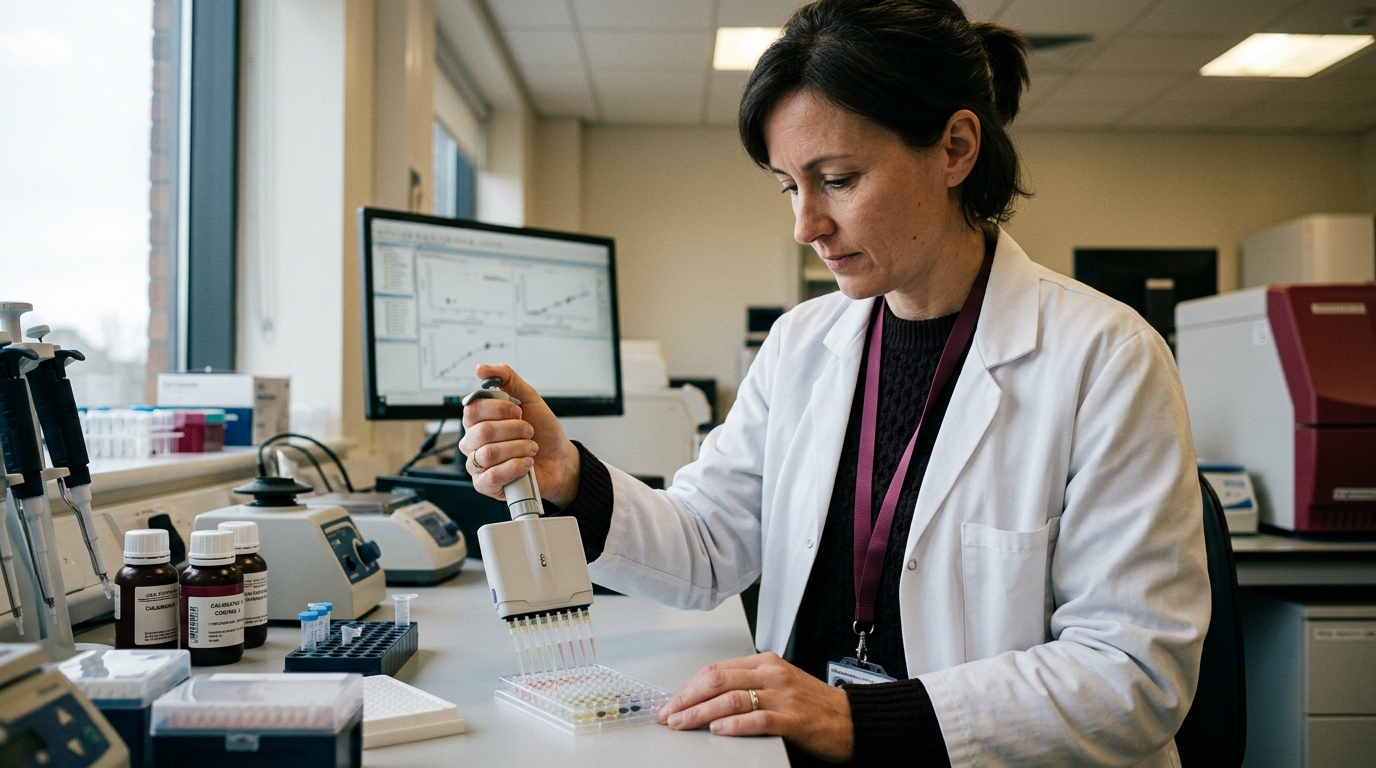
Assay methodologies can vary considerably between different commercial testing companies. The American Urological Association recommends conducting repeat blood draws at the same laboratory facility using the exact same analytical equipment. This eliminates inter-laboratory calibration differences as a source of confusion.
Arrive at the laboratory in a fasting state, drinking only plain water to stay well hydrated. Avoid consuming breakfast, coffee creamers, or sugary beverages until the phlebotomist has completed the blood draw.
Clinical guidelines do not mandate an absolute, universal exercise ban for a specific number of days prior to testing. However, sensible standardization prevents misleading results. Avoid planning an uncharacteristically exhausting, maximum-effort workout or marathon endurance session in the 24 to 48 hours immediately preceding the test. If you normally lift weights, complete your session at a moderate intensity or schedule the blood draw on a standard rest day.
Keep an accurate record of your activities in the days leading up to your appointment. Note the timing and intensity of your last workout, your approximate sleep duration, and whether you experienced any recent symptoms of illness. Providing this context to your physician allows for a much more nuanced interpretation of your lab work. Reviewing hormone diagnostic standards can assist you in preparing for this clinical conversation.
Examining real-world testing scenarios helps clarify how exercise timing and external factors influence laboratory interpretation. The following models illustrate common testing patterns and their practical solutions.
A 38-year-old recreationally active man completes a vigorous high-intensity interval session at 7:00 a.m. and walks directly into a local testing center for a walk-in blood draw at 8:30 a.m. His laboratory result shows total testosterone sitting just below the standard reference range.
Instead of assuming he has permanent endocrine dysfunction, his physician reviews the timing of the draw. Because intense intervals can produce a temporary rebound suppression 60 to 180 minutes post-workout, the clinician orders a repeat fasting test for the following week. The patient rests the morning of the second test, and his repeat morning value returns comfortably within the normal range.
A 45-year-old man receives a normal testosterone result of 520 ng/dL on a blood draw taken at 8:00 a.m. Six months later, during an afternoon annual physical at 4:30 p.m. his doctor orders a follow-up panel. The afternoon result reads 390 ng/dL.
The patient worries that his hormone levels are plummeting. However, this difference represents normal diurnal variation. In men under 50, afternoon readings naturally drop by 20 percent or more compared to peak morning values. The clinician explains that these two results cannot be directly compared and schedules future checks exclusively during early morning windows.
A 32-year-old amateur triathlete experiences heavy fatigue, sluggish recovery, and declining athletic performance during a high-mileage training block. His resting total testosterone reads at the lower boundary of normal, and his cortisol is slightly elevated.
Rather than diagnosing clinical hypogonadism or labeling him with an endocrine disorder, his sports medicine doctor evaluates the overall context. The doctor recognizes that the hormonal profile reflects intense physiological strain and under-recovery. The clinician prescribes a scheduled deload week, improved carbohydrate intake, and sleep extension. After three weeks of modified training, the athlete's resting hormone profile normalizes alongside his energy levels.
Navigating hormone testing is most productive when done collaboratively with an experienced medical provider. If you are preparing for blood testing or trying to understand previous laboratory results, consider discussing the following questions with your doctor:
Review this guide whenever you are planning routine hormone blood work, adjusting a strenuous athletic training schedule, or evaluating unexpected fluctuations on a laboratory report.
Accurate hormone assessment requires patience, consistency, and a clear understanding of human physiology. By standardizing your testing conditions, respecting the body's recovery timelines, and working closely with a knowledgeable clinician, you can ensure that your laboratory data reflects your true baseline health.
Testostra explains testosterone biology, testing, symptoms, lifestyle factors and TRT with careful sourcing and clear clinical limits.



Send us a question, research idea or topic suggestion. Reader questions help shape future Testostra content.
Contact Testostra