

Fatigue, low mood, and reduced strength are non-specific symptoms that cannot diagnose testosterone deficiency without confirmed clinical testing and context.





Testosterone deficiency is a clinical condition where a man produces insufficient levels of this primary hormone. This state requires both consistent physical symptoms and confirmed laboratory results to establish a diagnosis. It is not simply a single low number on a blood test. Instead, it is a complex biological state that affects the entire body.
The information provided in this article is for educational and informational purposes only. It does not constitute medical advice, diagnosis, or treatment. Readers should always consult a qualified healthcare provider regarding any health concerns or before starting any new treatment plan.
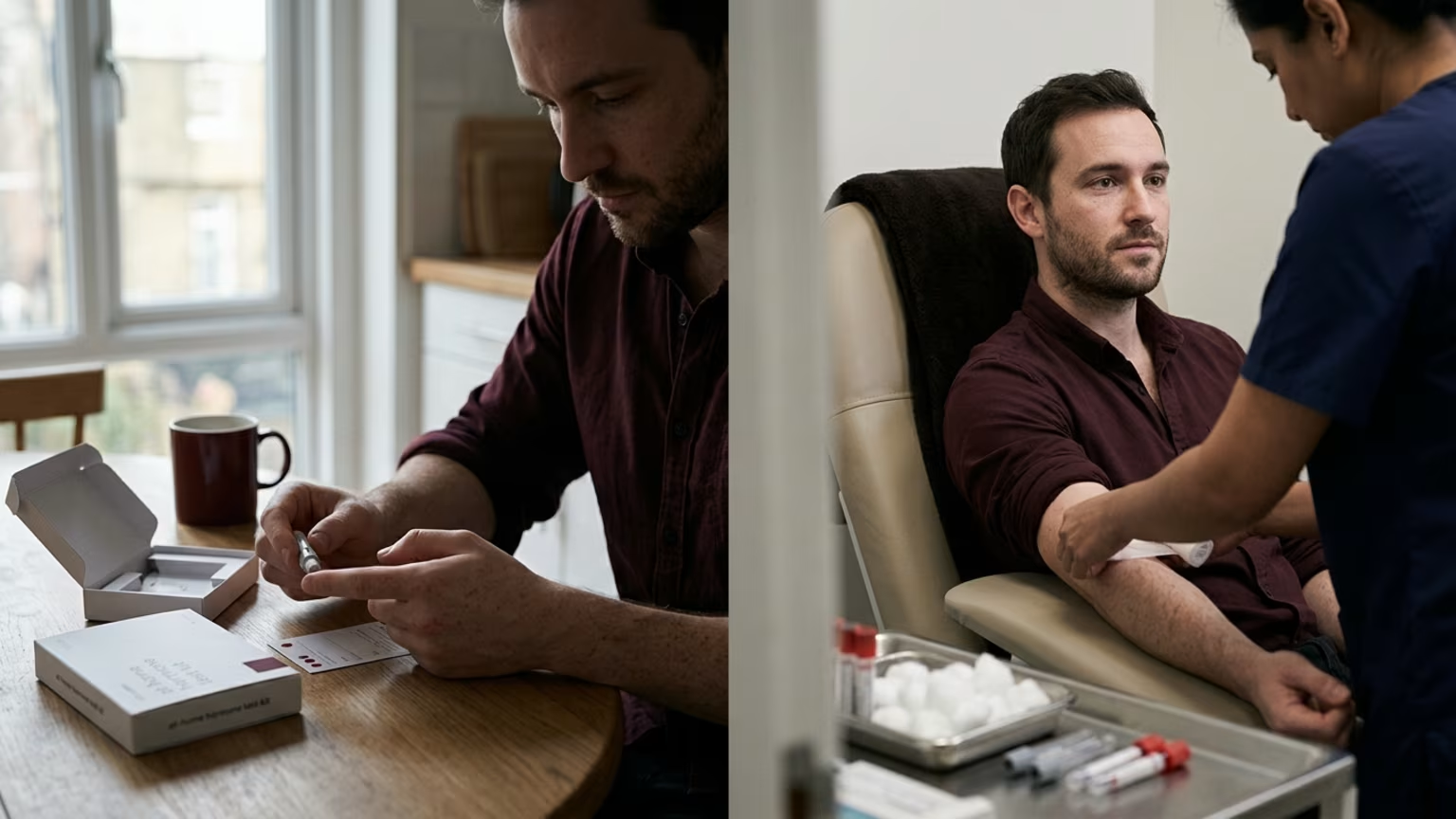
Understanding the standard medical reference range for testosterone requires more than looking at a single isolated lab value. Clinical guidelines define normal levels based on population averages, but these numbers only tell part of the story. A single blood test cannot definitively diagnose testosterone deficiency. Medical professionals caution that a one-time testosterone measurement and a basic symptom assessment do not amount to a definitive clinical diagnosis.
Instead, clinical guidelines require confirming low testosterone with at least two separate morning measurements. This strict requirement exists because hormone levels fluctuate naturally throughout the day. A single low reading might simply reflect normal daily variation rather than a true deficiency. Medical professionals rely on these repeated morning tests to establish a clear and accurate baseline for a patient.
The broader clinical context of these reference ranges is highly important. The Endocrine Society says evidence is insufficient to support population-level screening of asymptomatic men. Furthermore, the organization warns that screening men over 30 is likely to produce many false positives. This highlights why testing must be tied to specific clinical concerns rather than general population checks.
The concept of a false positive is highly relevant for adult men seeking answers about their health. A false positive occurs when a test indicates a deficiency that does not actually exist in the patient. This high rate of inaccurate flags can lead to unnecessary anxiety and further medical procedures. Men might undergo treatments they do not genuinely need based on a single misleading test result.
Avoiding these false positives requires strict adherence to established clinical guidelines. Doctors rely on these protocols to protect patients from the risks of unwarranted hormone therapies. The recommendation for at least two separate morning measurements serves as a vital safeguard against diagnostic errors. This careful testing process ensures that clinical decisions rest on solid and verified physiological data.
Fluctuations outside the normal range can present clinically in adult men through a variety of physical and psychological changes. However, many common signs of variation are highly non-specific. Fatigue, low mood, reduced strength, and changes in body composition often prompt men to ask about their hormones. While these issues represent valid reasons to seek a clinical evaluation, none of them establishes a diagnosis on its own.
Symptoms can have multiple different biological explanations. A man experiencing persistent fatigue or reduced muscle mass might assume his hormone levels are the cause. However, clinical assessments of fatigue and muscle mass are often not systematic enough to substitute for guideline-based confirmation. Subjective feelings of exhaustion cannot replace verified laboratory results when determining endocrine health.
Persistent or concerning changes should always trigger a conversation with a healthcare provider. These signs are valid reasons to investigate further when they affect daily life. A symptom alone or one low testosterone result is simply not enough to establish testosterone deficiency. Identifying the true cause requires evaluating these signs alongside appropriately confirmed testosterone results.
Men should distinguish between symptoms that warrant a doctor visit and the evidence needed for a final diagnosis. Changes in strength, persistent low mood, or sudden shifts in body composition justify a thorough medical assessment. Readers can learn more about these triggers in our resources on low testosterone signs, causes and risk factors. Bringing these concerns to a qualified clinician helps identify whether the root cause is hormonal or related to other factors.
A clinical evaluation will look at the entire health profile of the patient. Because symptoms like fatigue have many potential origins, doctors will rule out other conditions before pointing to hormones. The Endocrine Society statement cautions against population screening of men without symptoms. This deliberate approach prevents unnecessary testing and focuses on finding the actual cause of the patient's discomfort.
The way symptoms are measured heavily influences how clinical diagnoses are made. When symptoms are not systematically measured with a validated questionnaire, casual self-reporting can mislead both the patient and the provider. A validated questionnaire provides a standardized way to measure the severity and frequency of specific symptoms. Without this systematic approach, it is easy to confuse common life stressors with clinical hormonal issues.
Fatigue from a demanding work schedule might feel identical to fatigue caused by a medical condition. This overlap highlights why a thorough clinical evaluation is necessary to sort through these complex variables. Men who attempt to diagnose themselves based on a list of physical changes often misinterpret their bodily signals. Professional medical context is required to safely navigate these overlapping health indicators.
The expectation that testosterone treatment will fix every symptom is unsupported by clinical reality. Patients often hope that hormone therapy will act as a universal remedy for all physical complaints. However, evidence shows that while treatment can improve mood and sexual function, it frequently does not improve general vitality or physical function. This distinction is a strong reason not to promise that treatment will resolve profound fatigue.
When men seek treatment, they frequently list reduced strength and vitality as their primary concerns. Medical providers use clinical data to counsel patients about the realistic limitations of hormone interventions. A patient must know that resolving a low mood might not result in improved physical strength. This clarity prevents frustration and focuses attention on the most effective medical interventions.
Several proven physiological factors directly influence testosterone measurements in adult men. One of the most significant biological inputs is overall body composition and weight. In a September 2026 statement, the Endocrine Society notes that men with obesity are more likely to have low total testosterone in blood tests. This association demonstrates why lab findings must be understood in relation to a person's broader health context.
The impact of body composition on hormone readings cannot be overstated in modern clinical practice. Excess body weight directly alters the results seen on a standard laboratory report. A clinician must account for a patient's weight before drawing any conclusions about their endocrine health. When a man with obesity presents with symptoms, the primary issue might be his metabolic health rather than primary testicular failure.
The time of day also serves as a critical biological input for hormone measurement. Clinical guidelines require tests to be conducted in the morning because testosterone production naturally peaks early in the day. Testing in the afternoon can yield artificially low results and create an inaccurate clinical picture. Understanding this specific testing requirement helps men make sense of the clinical process.
Obesity can lower total testosterone readings without necessarily indicating a failure of the body's primary hormone production systems. For further reading on environmental and physiological factors, men can review information on lifestyle and natural support. Recognizing how weight and timing impact these metrics is essential for accurate testosterone testing and biomarkers interpretation.
This relationship between obesity and hormone levels requires careful clinical management over the long term. Addressing the underlying body composition can sometimes alter the hormonal measurements naturally over time. Readers can explore more about these metabolic connections in our testosterone fundamentals and hormonal function section. Clinicians evaluate these biological inputs before recommending any specific hormone treatments to ensure the most effective care.
Patients should ask their physician if their specific symptoms warrant a hormone evaluation and whether any initial low result requires confirmation with a second morning test.
When men need to evaluate whether common symptoms justify seeking a clinical hormone assessment, Testostra provides the necessary evidence and context. We solve the confusion about what testosterone numbers mean, helping readers separate valid reasons for evaluation from unsupported diagnostic claims. This ensures men can approach medical conversations with clarity.
Testostra follows testosterone research, clinical guidance and emerging evidence without turning general information into personal treatment advice.



Send us a question, research idea or topic suggestion. Reader questions help shape future Testostra content.
Contact Testostra