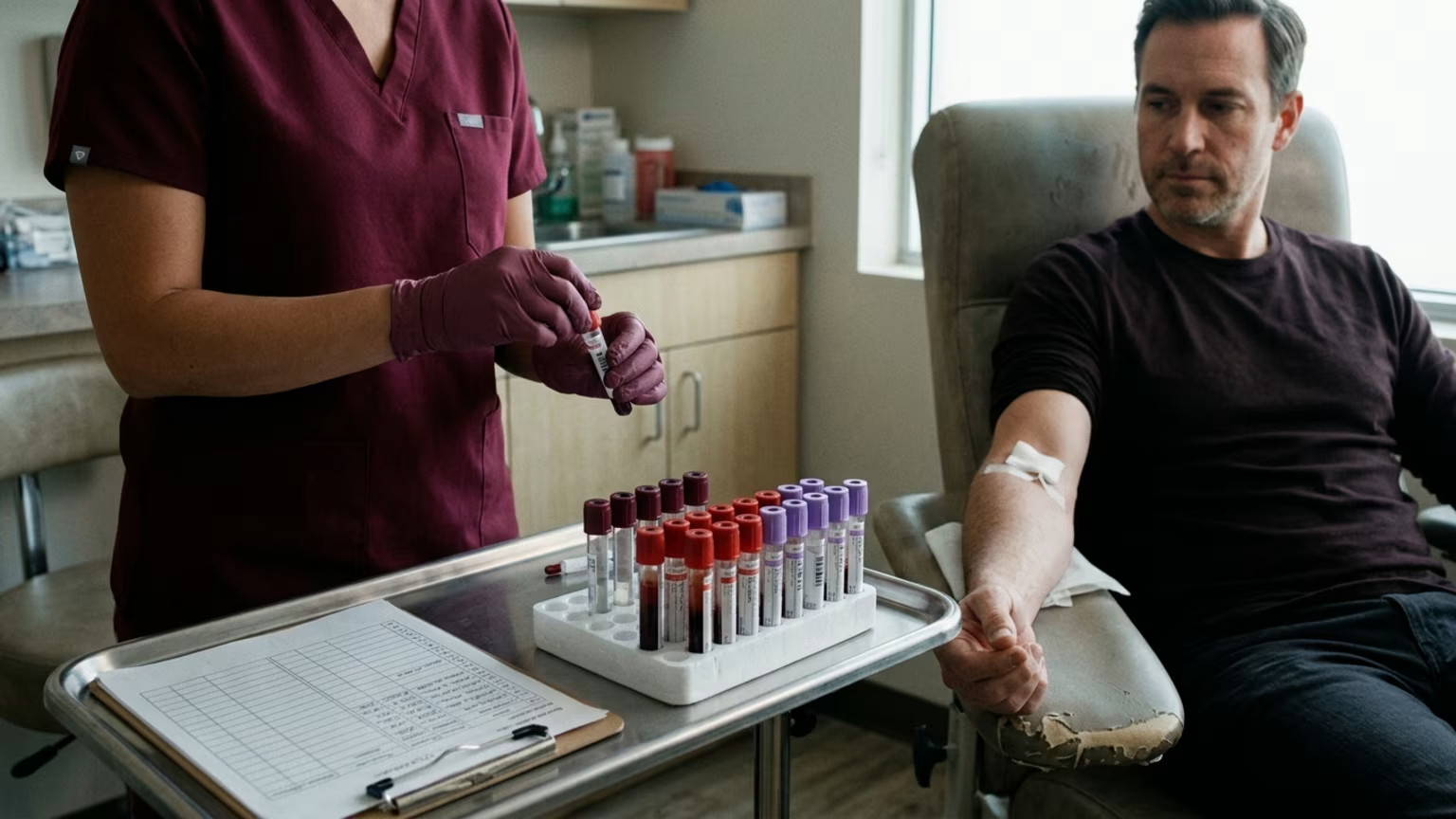

Learn what a total testosterone test measures, why early morning fasting is required, and how clinicians evaluate laboratory results alongside physical symptoms.





A total testosterone test is a blood evaluation that measures the total amount of testosterone circulating in your bloodstream. It serves as the primary measurement used by clinicians to help evaluate male hormonal health. Medical professionals do not use this test to provide an instant diagnosis based on a single laboratory number. Instead, medical guidelines require interpreting this laboratory result alongside reported physical symptoms.
The diagnostic procedure involves drawing a blood sample from a vein to capture a snapshot of your hormone levels. Because testosterone plays a critical role in male physiology, this initial measurement helps physicians understand your baseline endocrine function. However, circulating hormone levels fluctuate naturally throughout the week. Therefore, one isolated blood draw provides only a limited view of your overall biological profile.
Understanding this foundational biomarker is the first step in navigating an endocrine evaluation. A total testosterone measurement provides a broad look at the hormones available in your system. It acts as the essential starting point for clinical investigation and guides further medical decisions. Clinicians rely on this initial data to determine if more specialized diagnostic testing is required.
As men begin researching their health options, understanding this basic blood test prevents future confusion. A proper diagnostic approach prioritizes accuracy over speed. Following standard testing guidelines ensures that your medical team gathers the most reliable data possible. This methodical process ultimately leads to better healthcare decisions and more effective long-term management.
The information provided in this article is for educational and informational purposes only. It is not intended to serve as a substitute for professional medical advice, diagnosis, or treatment. Always consult a qualified healthcare provider regarding your specific medical conditions or laboratory test results. Never delay seeking professional medical evaluation based on something you have read here.
Reference ranges establish the baseline of expected hormonal function for healthy adult men. While various clinical summaries offer specific numerical cutoffs in support of a diagnosis, a single threshold is not a definitive absolute rule that applies uniformly to every patient. Diagnosing a deficiency requires careful clinical judgment rather than relying on one universal number.
Established medical guidelines emphasize that laboratories must use accurately derived reference ranges and highly precise assays. Every reporting laboratory maintains its own specific reference interval based on the equipment and testing methods it employs. Therefore, a clinician must evaluate your personal blood sample against the specific standards of the facility that processed it. Men reviewing their lab work should always look at the laboratory's printed reference range.
Furthermore, medical guidelines explicitly state that a single low laboratory value does not establish hypogonadism. A low testosterone diagnosis requires testosterone concentrations that are unequivocally and consistently low. To ensure accuracy, current guidelines recommend confirming an initial low result with a repeat morning fasting measurement. Related clinical summaries similarly specify that a diagnosis should follow two separate early morning measurements.
This rigorous approach prevents patients from receiving unnecessary medical treatments due to a temporary hormonal dip. Because biological baselines vary significantly between individuals, interpreting standard reference ranges correctly helps set proper expectations. You should prepare to undergo multiple blood draws before a physician finalizes any formal diagnostic conclusions. This deliberate pacing ensures that your clinical care is based on verified physiological patterns.
Many patients worry when they see a single number fall slightly below a printed reference interval. However, medical professionals expect to see minor hormonal variations from day to day. A temporary drop caused by poor sleep or acute stress does not indicate a permanent endocrine failure. This is why doctors insist on observing a consistent pattern before offering a formal medical opinion.
When preparing for a clinical consultation, patients should actively gather their previous medical records. You should bring any prior testosterone results to your appointment for comparison. These records should include the date and time of the blood draw alongside the result units and the laboratory's printed reference range. Accurately comparing past and present assays ensures that your medical team evaluates your changing hormonal landscape correctly.
When testosterone concentrations fall outside the normal range, men often experience distinct physical and emotional changes. Clinical standards dictate that compatible symptoms or signs must coexist with low laboratory measurements to confirm a diagnosis. For example, diagnostic frameworks list low libido and unexplained anemia as specific findings that may suggest a true testosterone deficiency. These clinical signs help doctors distinguish a genuine endocrine issue from unrelated health conditions.
To further understand how testosterone impacts daily well-being, scientists frequently evaluate clinical trials. A 2026 review of the Testosterone Trials, which studied men aged 65 and older, reported that testosterone therapy improved sexual function and mood. However, that same review noted that treatment did not improve physical function, vitality, or cognitive function in these older men. These trial findings address specific treatment outcomes and do not determine an individual diagnosis.
Relying exclusively on blood tests without considering physical changes often leads to clinical missteps. A low laboratory value alone does not establish a medical condition under current medical recommendations. If a man feels perfectly healthy and energetic, an isolated low measurement usually does not warrant medical intervention. This careful clinical boundary protects patients from starting lifelong therapies they do not genuinely need.
Because fatigue and mood changes overlap with many other health conditions, doctors require concrete evidence before moving forward. When evaluating when symptoms actually warrant medical attention, careful tracking of your daily experiences becomes a vital part of the diagnostic process. Before your medical appointment, you should write down the exact symptoms prompting the test. Documenting when these changes began and how they affect your daily life helps the clinician properly interpret your laboratory results.
Importantly, medical experts strongly discourage testing men who do not display clear physical symptoms. Major medical guidelines recommend against routine screening for hypogonadism in the general population. In a September 2026 statement, the Endocrine Society warned that screening men over age 30 is likely to produce many false positives. Searching for problems in asymptomatic men often leads to unnecessary anxiety and misinterpretation of normal physiological variations.
Circulating testosterone levels change constantly in response to timing, diet, and overall physical health. To account for these daily biological fluctuations, major medical associations require strict testing conditions. Standard practices mandate that diagnostic blood samples be drawn in the early morning. Additionally, clinical guidance recommends a fasting state to confirm a suspected diagnosis.
Fasting and early morning timing help standardize the testing environment to prevent misleading laboratory results. When requiring blood testing alongside physical symptoms, medical guidelines dictate that patients must follow their ordering clinician's exact preparation instructions. Failing to fast or testing late in the afternoon can artificially lower your results. This simple biological input significantly impacts the accuracy of your hormonal assessment.
Body composition and metabolic health also serve as major physiological inputs that influence hormone levels. For instance, the Endocrine Society's September 2026 statement also addressed a Defense Health Agency guideline that offered both testosterone therapy and weight-management care to men with low testosterone and obesity. While the Society discussed this policy critically, the inclusion of weight management highlights the known relationship between body mass and endocrine function. Maintaining metabolic health remains a crucial component of overall hormonal balance.
Once a physician confirms consistently low testosterone alongside compatible symptoms, they must investigate the underlying biological causes. Major clinical guidelines recommend checking luteinizing hormone and follicle-stimulating hormone after hypogonadism is identified. Measuring these specific biomarkers helps distinguish whether the deficiency originates in the testicles or the pituitary gland. Identifying the correct biological source directs the physician toward the most appropriate medical evaluation of the cause.
Medical history acts as another critical environmental input during a thorough clinical evaluation. The cited medical guidelines support evaluating the fundamental cause of confirmed hypogonadism before rushing to prescribe medications. Patients should bring a current medication and supplement list to their consultation. Honest communication about your health history allows your physician to spot lifestyle habits or past conditions that might be suppressing your hormone production.
Finally, cardiovascular health and current medications factor heavily into a comprehensive hormonal evaluation. A 2026 review of the TRAVERSE trial, which enrolled men at elevated cardiovascular risk, reported no increase in major adverse cardiovascular events following testosterone therapy. While these specific findings relate strictly to treatment safety, they demonstrate how doctors consider your entire physical health profile. Evaluating these variables ensures a safe and accurate diagnostic process.
You should ask your physician if your blood draw requires early morning fasting, how your reported symptoms align with the laboratory's specific reference range, and whether a repeat test or additional hormone panels are necessary before confirming a diagnosis.
When men prepare for their first hormone evaluation, they often struggle to separate standard laboratory procedures from online speculation. Testostra directly resolves this difficulty understanding total testosterone, free testosterone, SHBG and related biomarkers by outlining the precise clinical boundaries used by medical professionals. We supply the objective educational framework patients require to navigate their health confidently. Read Resources
Testostra follows testosterone research, clinical guidance and emerging evidence without turning general information into personal treatment advice.






Send us a question, research idea or topic suggestion. Reader questions help shape future Testostra content.
Contact Testostra